Six Flags St. Louis
Following the immediate success of Six Flags Over Texas and Six Flags Over Georgia, plans were soon underway for a third Six Flags park. Located just outside the city of St. Louis, Six Flags Over Mid-America opened its gates in 1971 in the heart of the United States. At the time, the park featured six distinct themed areas, reflecting the original Six Flags concept of celebrating the historical influences that shaped the region.
The park changed considerably during the 1990s after Time Warner acquired the Six Flags chain. Alongside various improvements, many of DC Comics’ iconic superheroes found their way into the park, giving several attractions the comic book themes they still carry today.
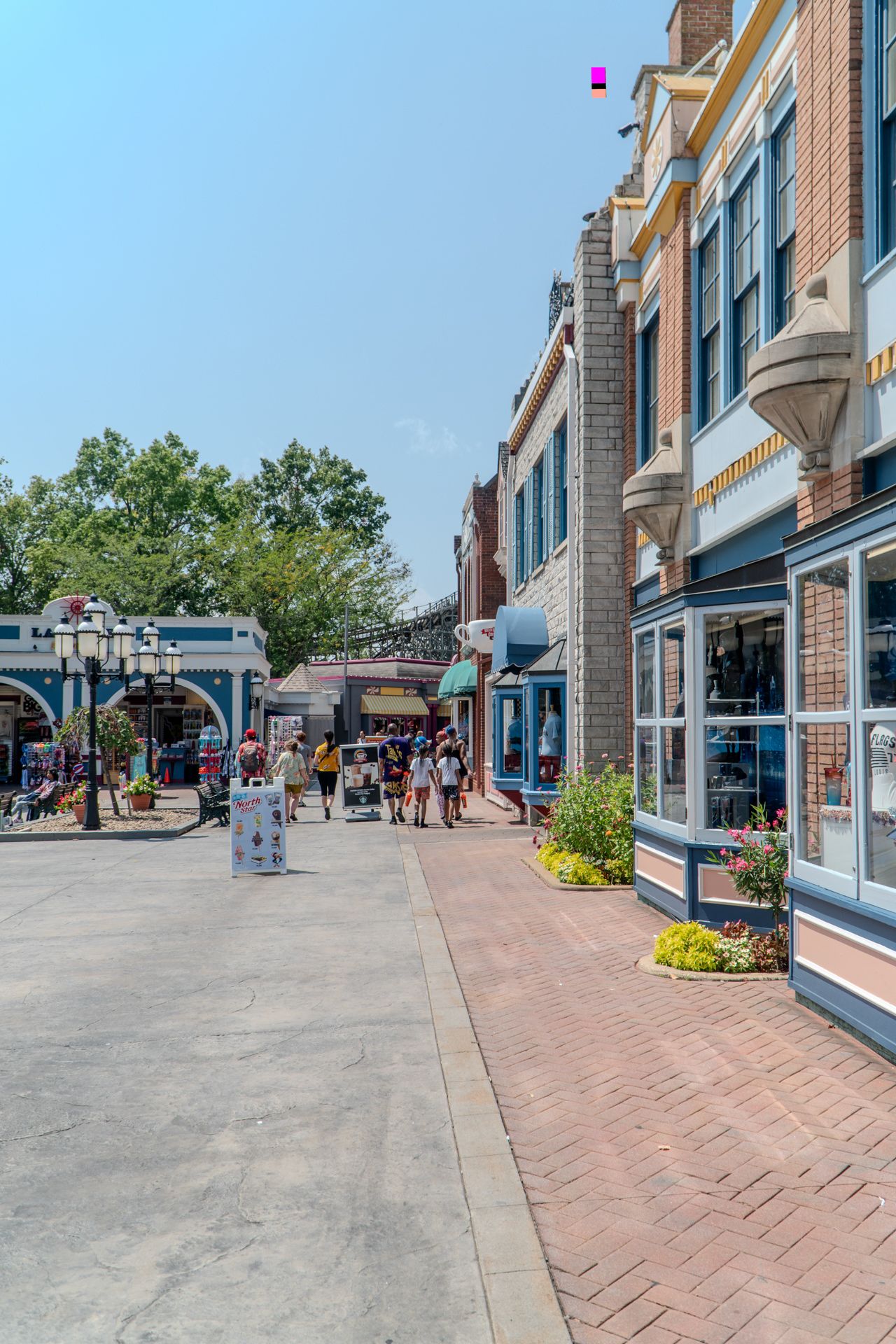
Today, Six Flags St. Louis combines classic wooden coasters, family attractions and several outstanding thrill rides into one of the most balanced lineups in the Six Flags chain. While it is often overshadowed by larger Six Flags parks, I quickly discovered that this underrated park has far more to offer than its reputation might suggest.
With the park’s history in mind, it’s finally time to head through the front gates. Turning right after entering Six Flags St. Louis, we make our way towards the park’s first major roller coaster.
Batman The Ride
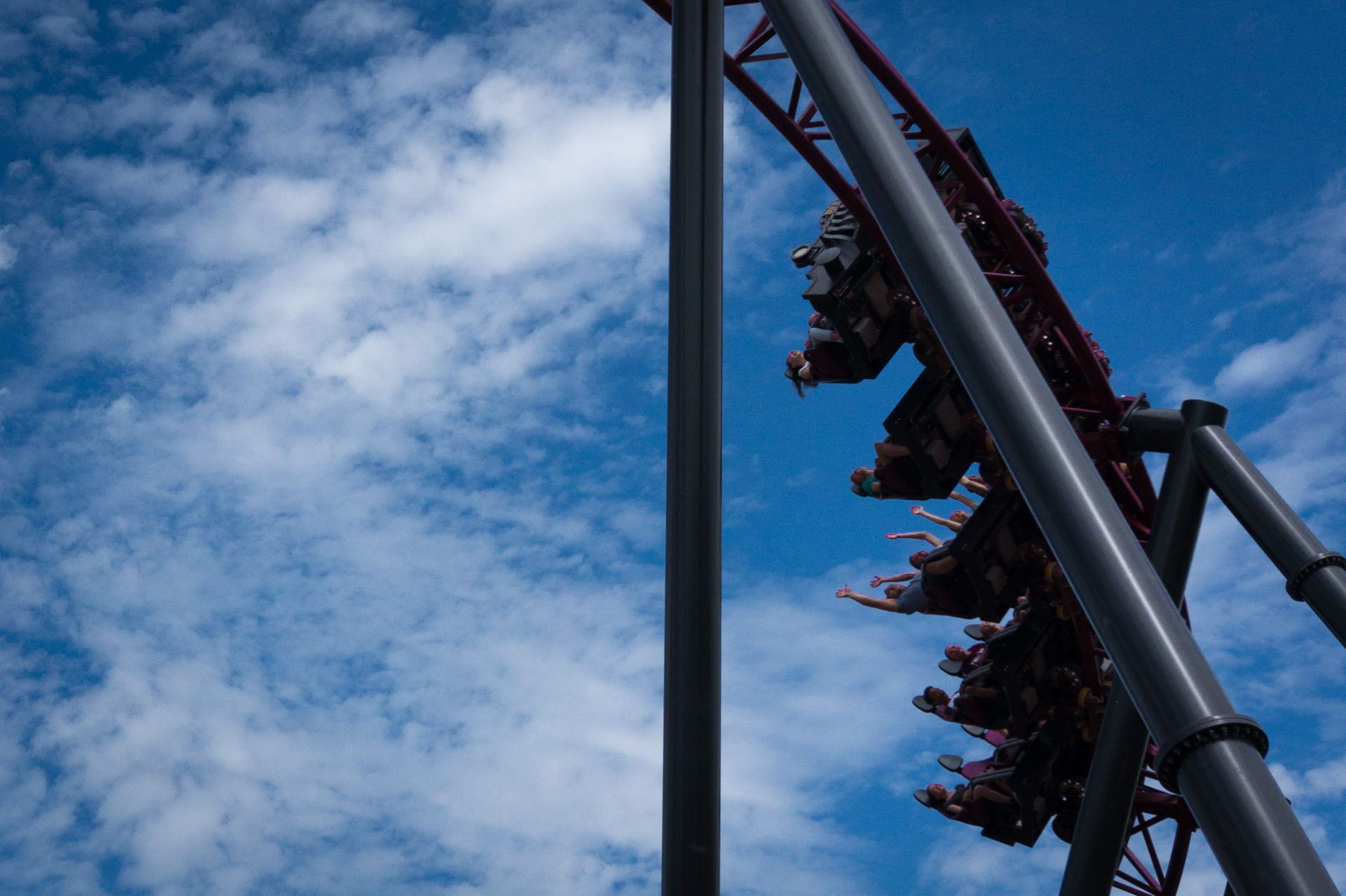
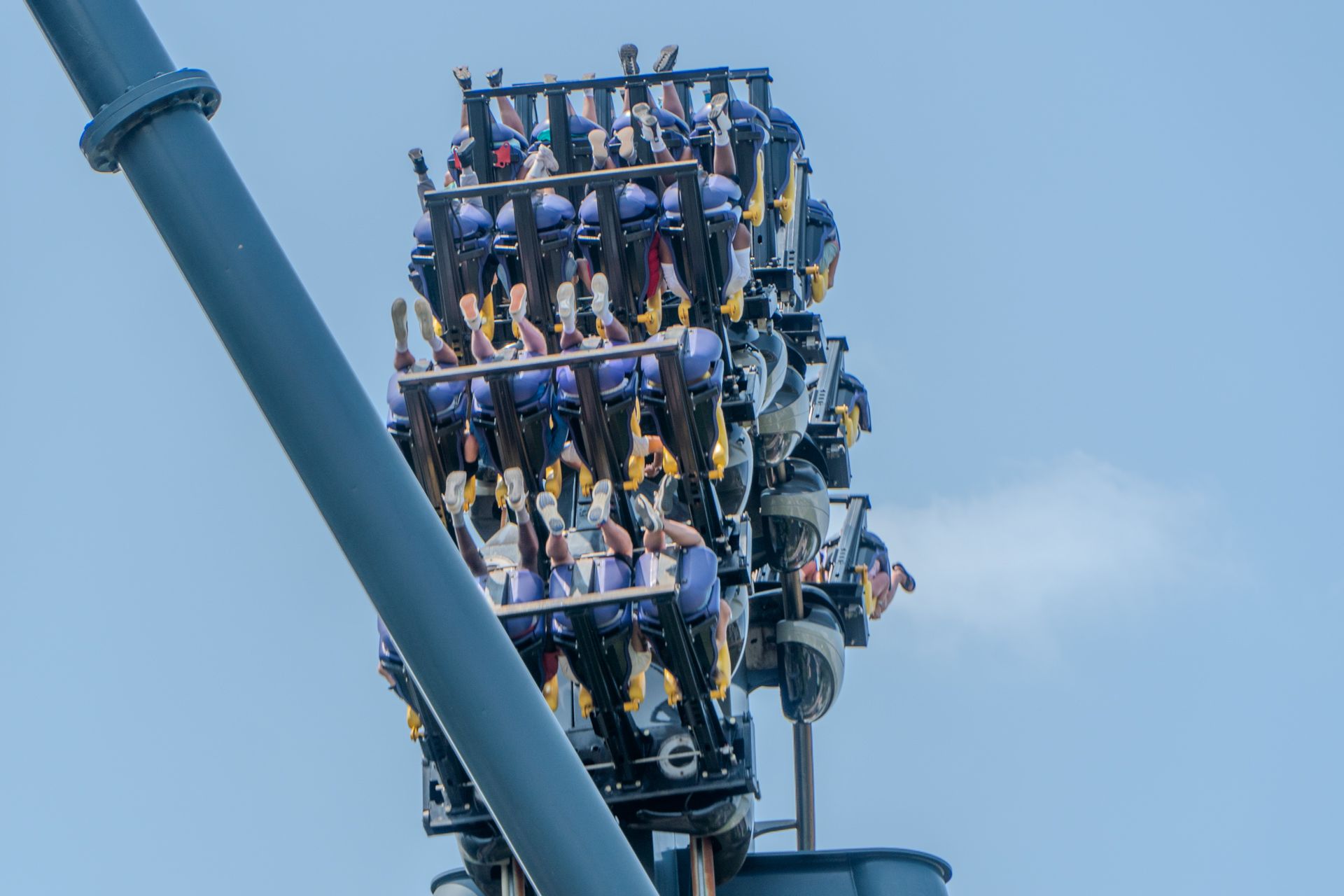
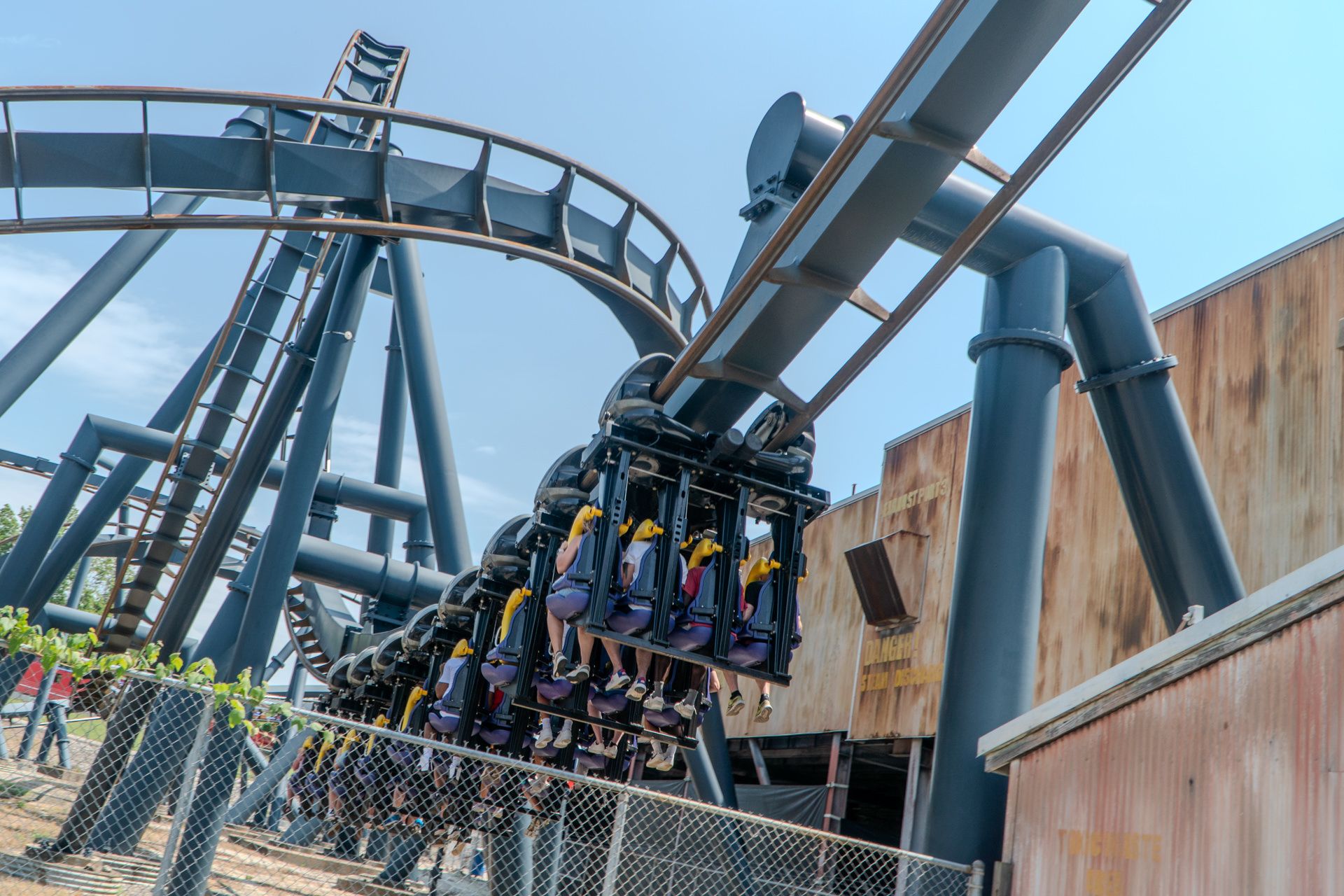
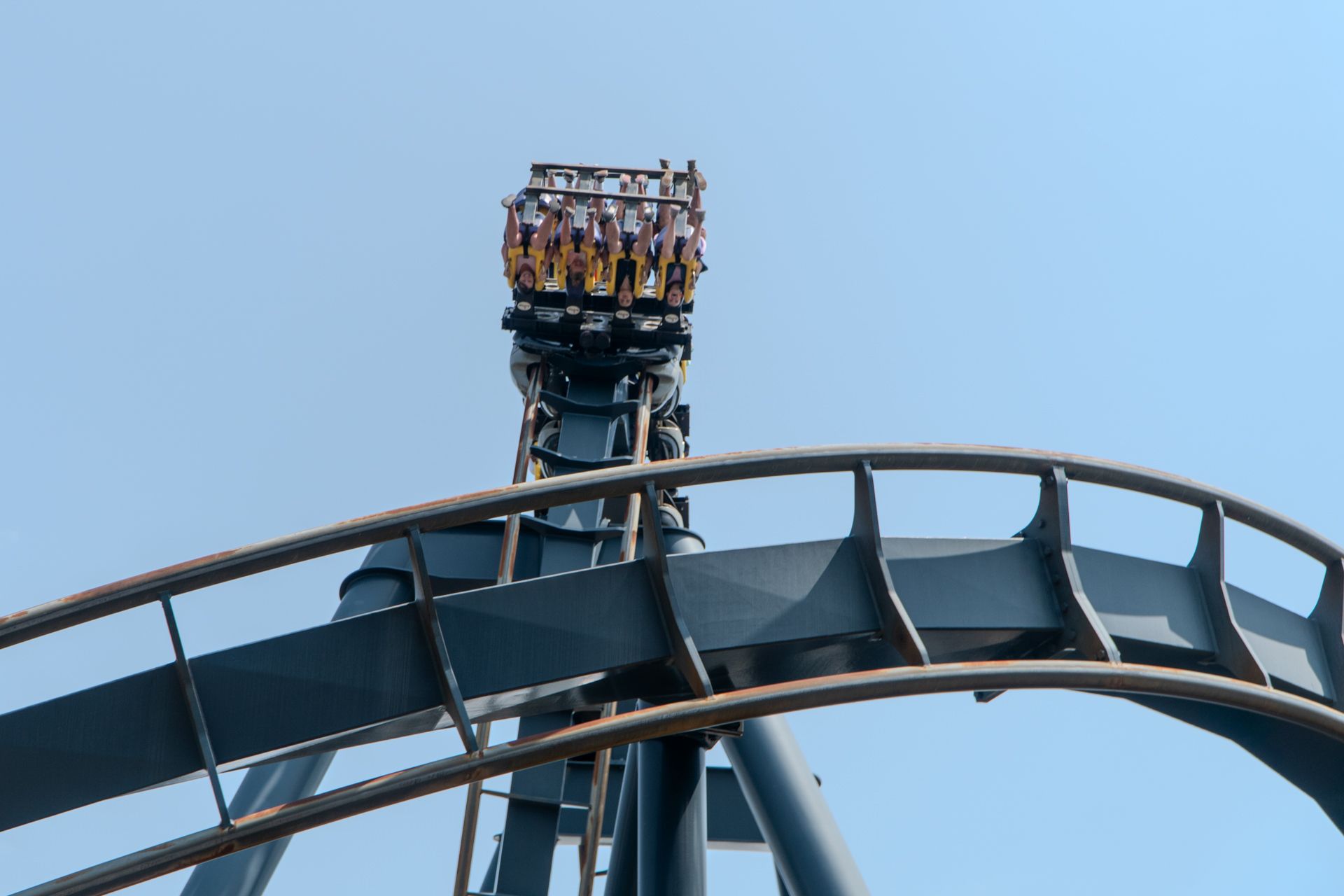
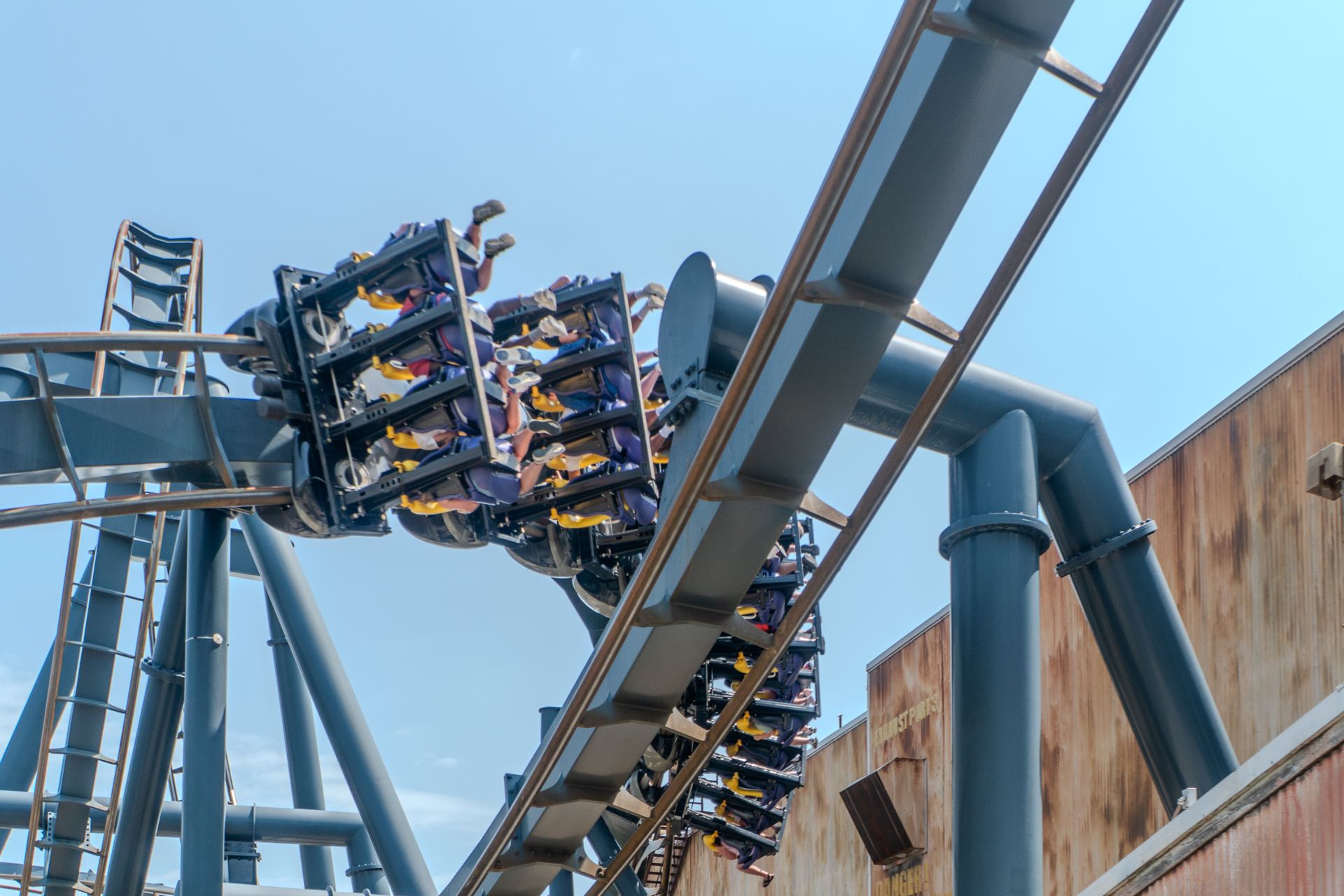
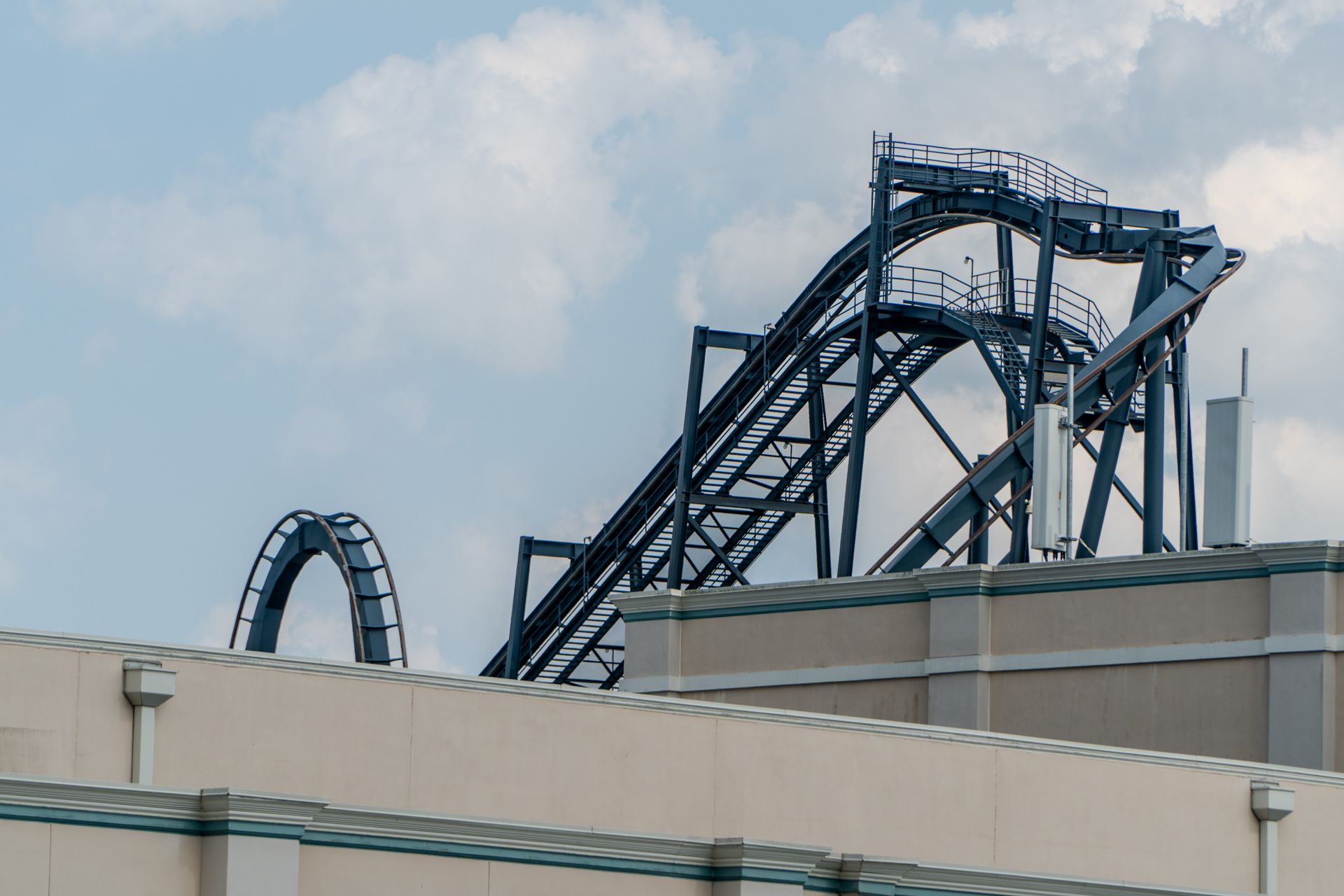
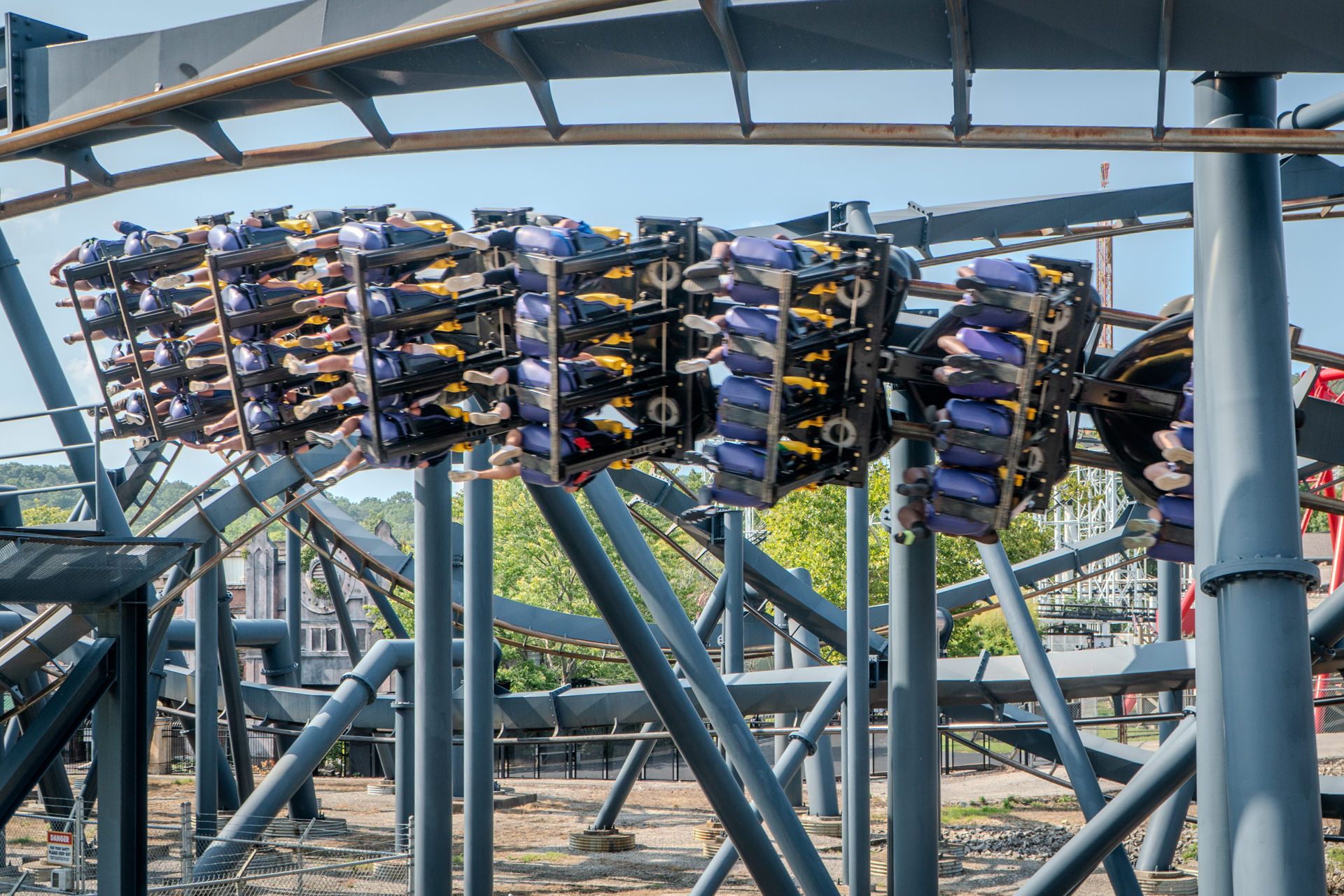
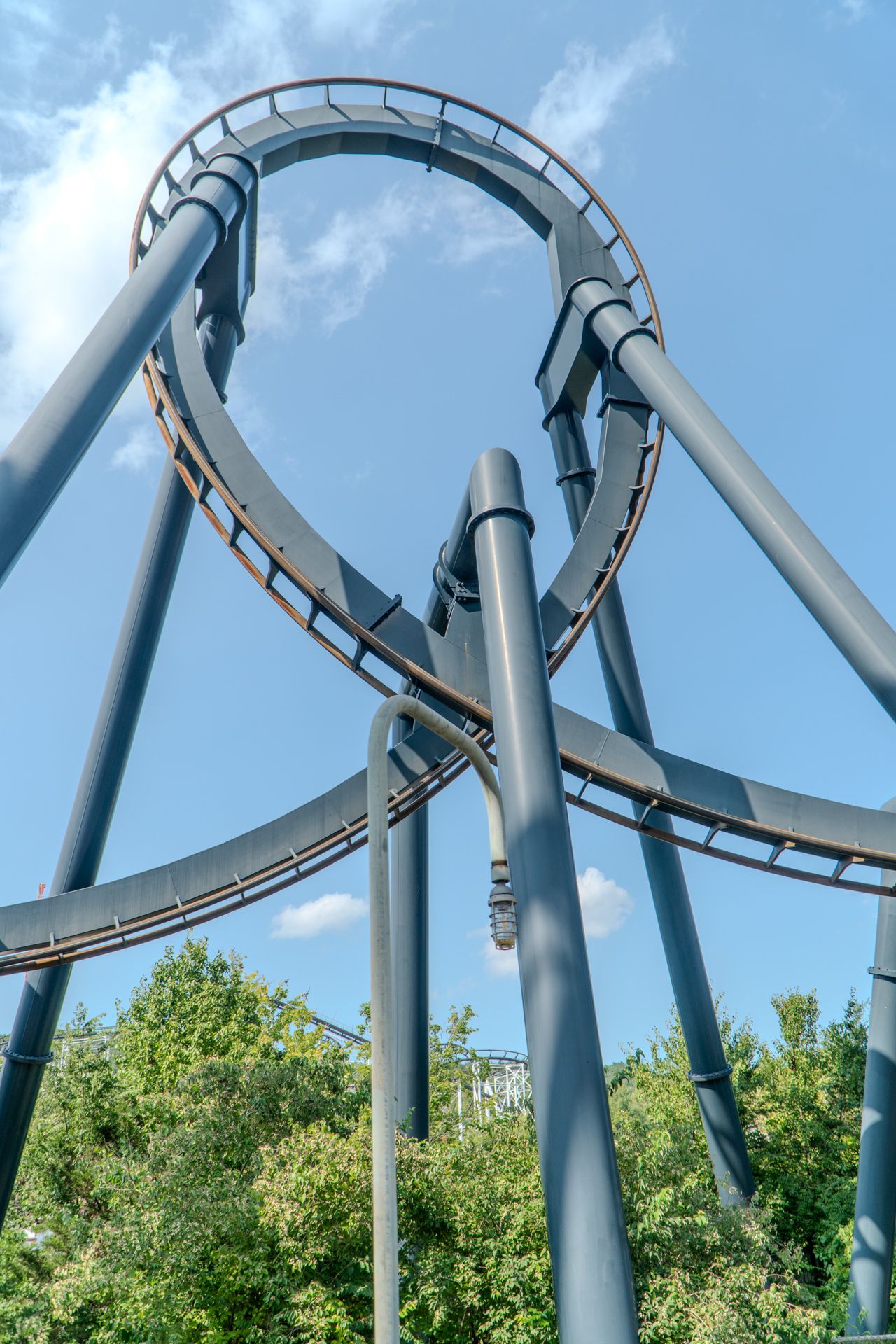
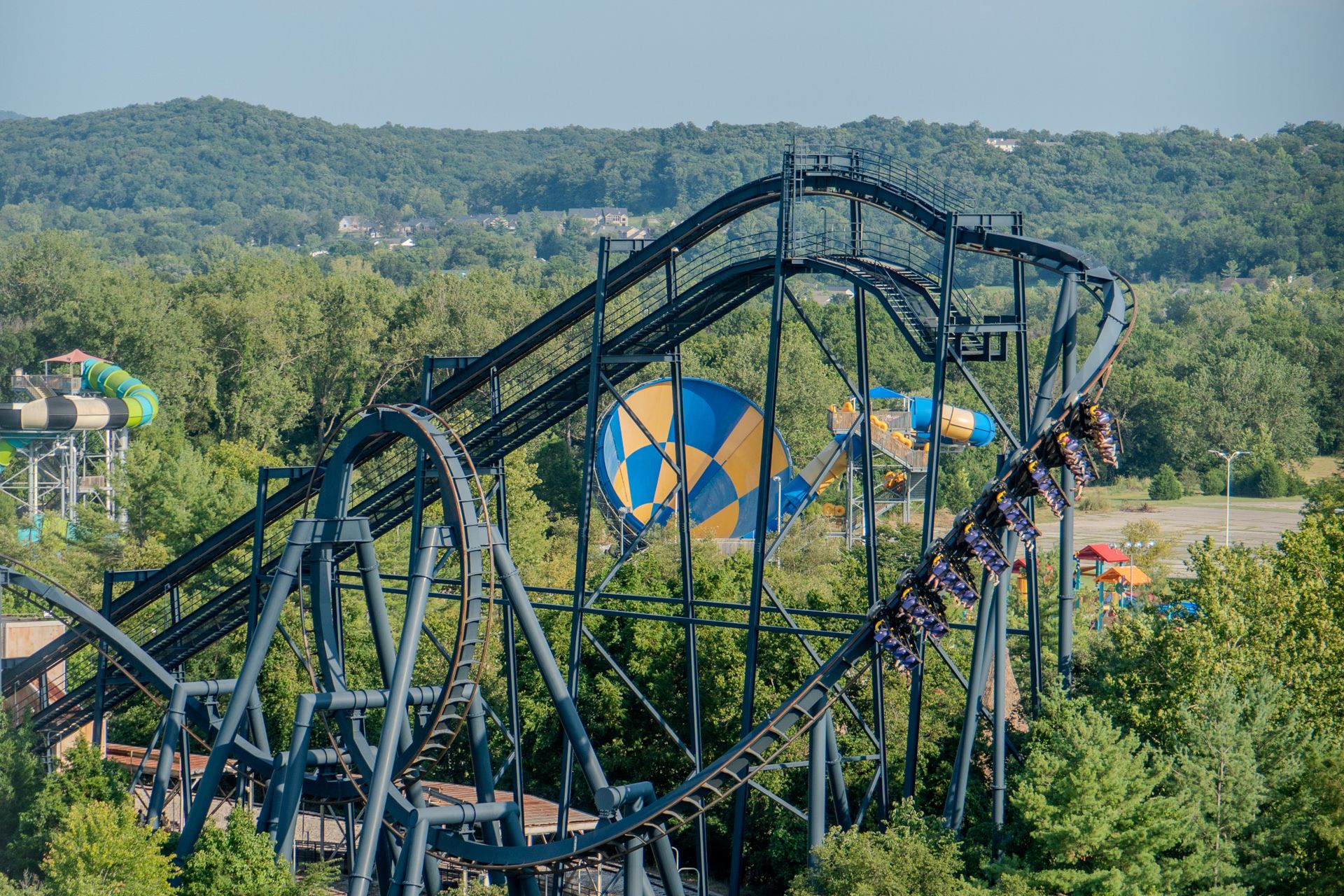
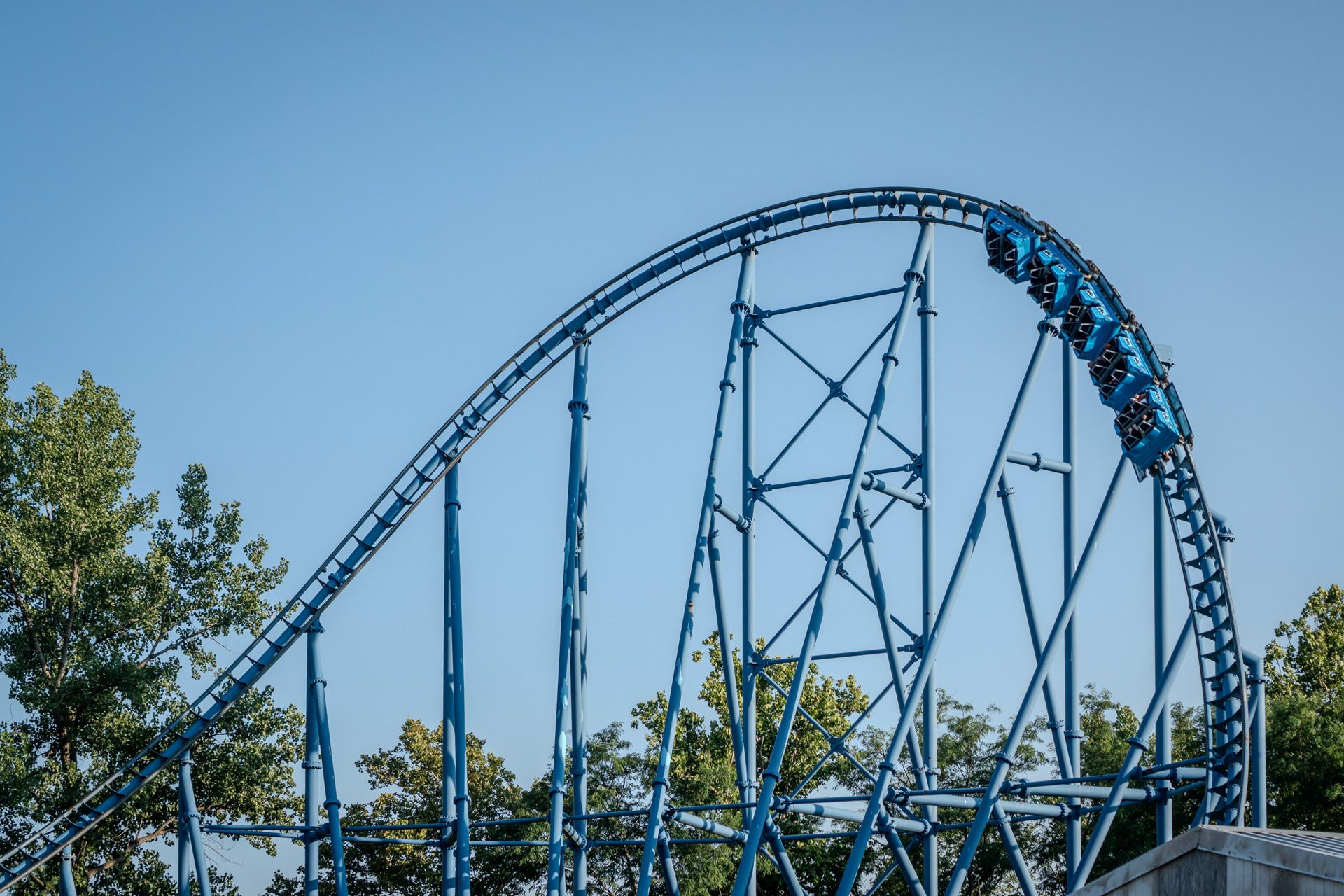
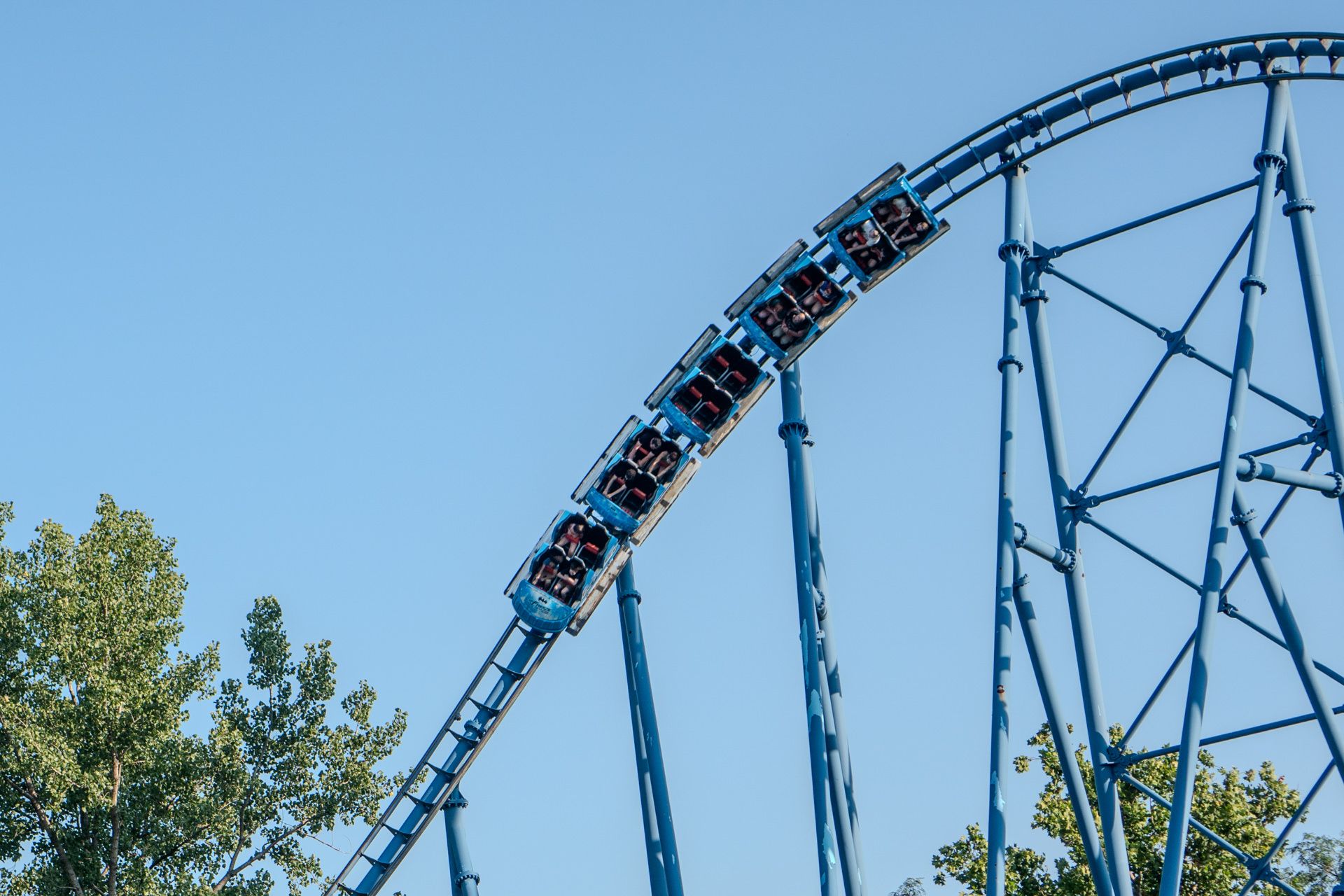
One of the first roller coasters you’ll encounter after entering Six Flags St. Louis is Batman The Ride, located just to the right of the park entrance. While Batman has become one of the signature attractions across the Six Flags chain, the St. Louis installation is a little different. Built to fit the available space, it became the first Batman coaster to feature a mirrored layout, making it a unique variation of Bolliger & Mabillard’s (B&M) famous inverted coaster.
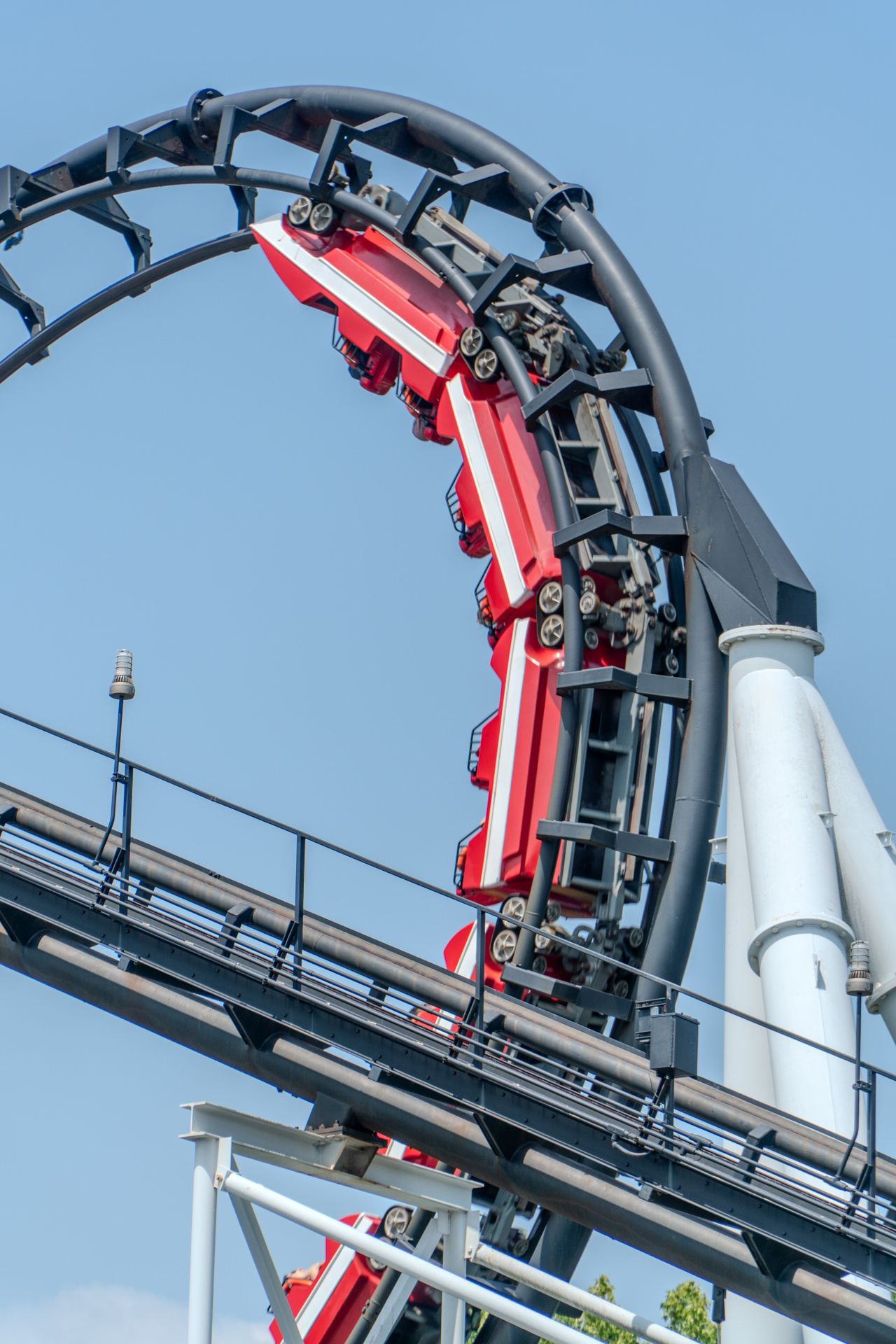
After climbing the lift hill, the train pauses briefly before a small pre-drop signals what’s to come. Moments later, riders are thrown into a relentless sequence of inversions beginning with a steep twisting drop into the first vertical loop. A Zero-G Roll follows almost immediately before another loop piles on the positive G-forces. The intensity barely lets up as the train races through a rising helix before diving back toward the ground for two rapid-fire corkscrews. The compact layout leaves almost no room to recover before the train finally reaches the brake run.
More than three decades after its debut, Batman The Ride remains one of the finest inverted roller coasters ever built. Its compact layout delivers remarkable intensity, outstanding pacing and the smooth ride quality that made B&M famous. Even today, it easily ranks among the highlights of Six Flags St. Louis.
Ninja
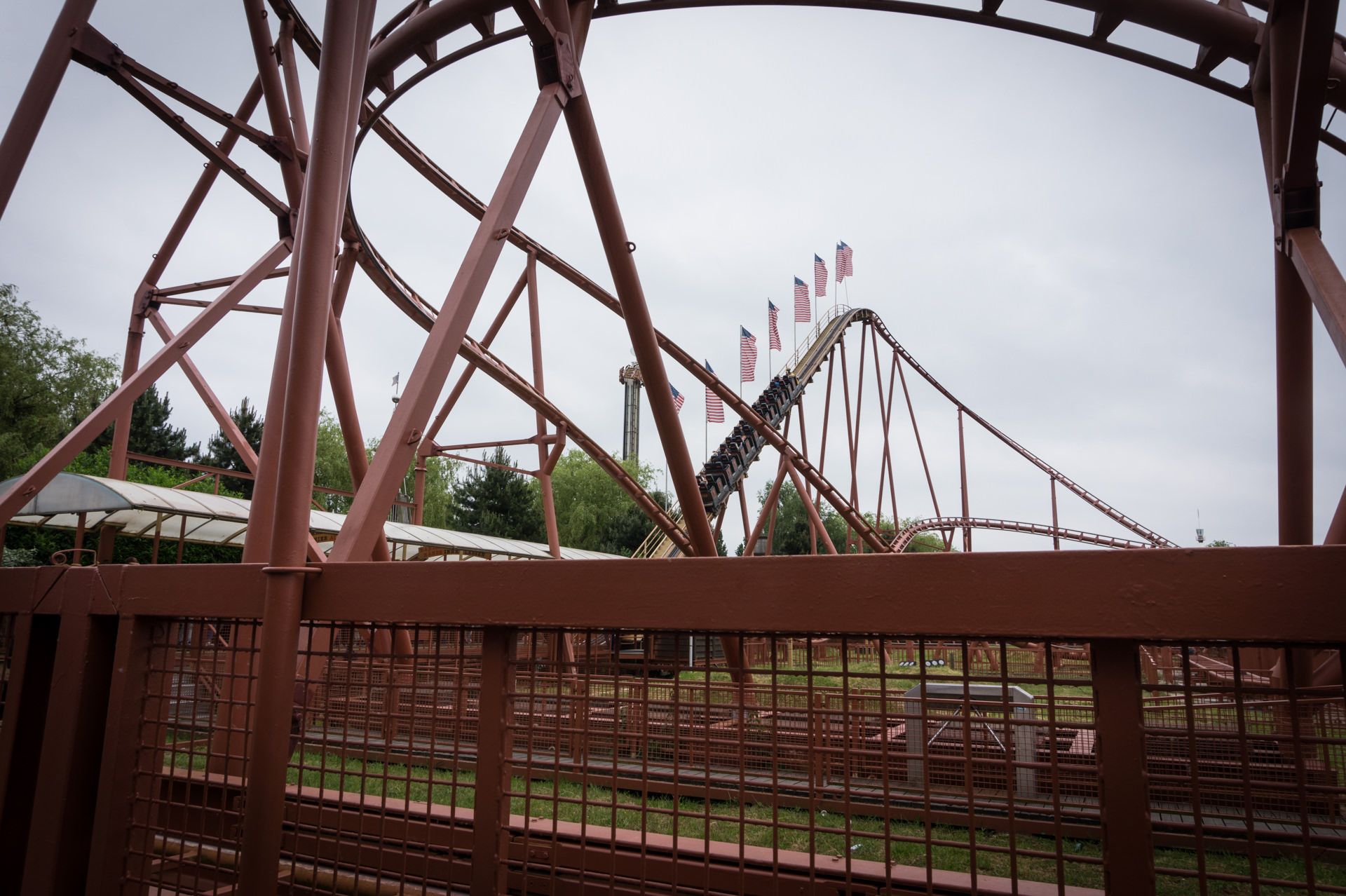
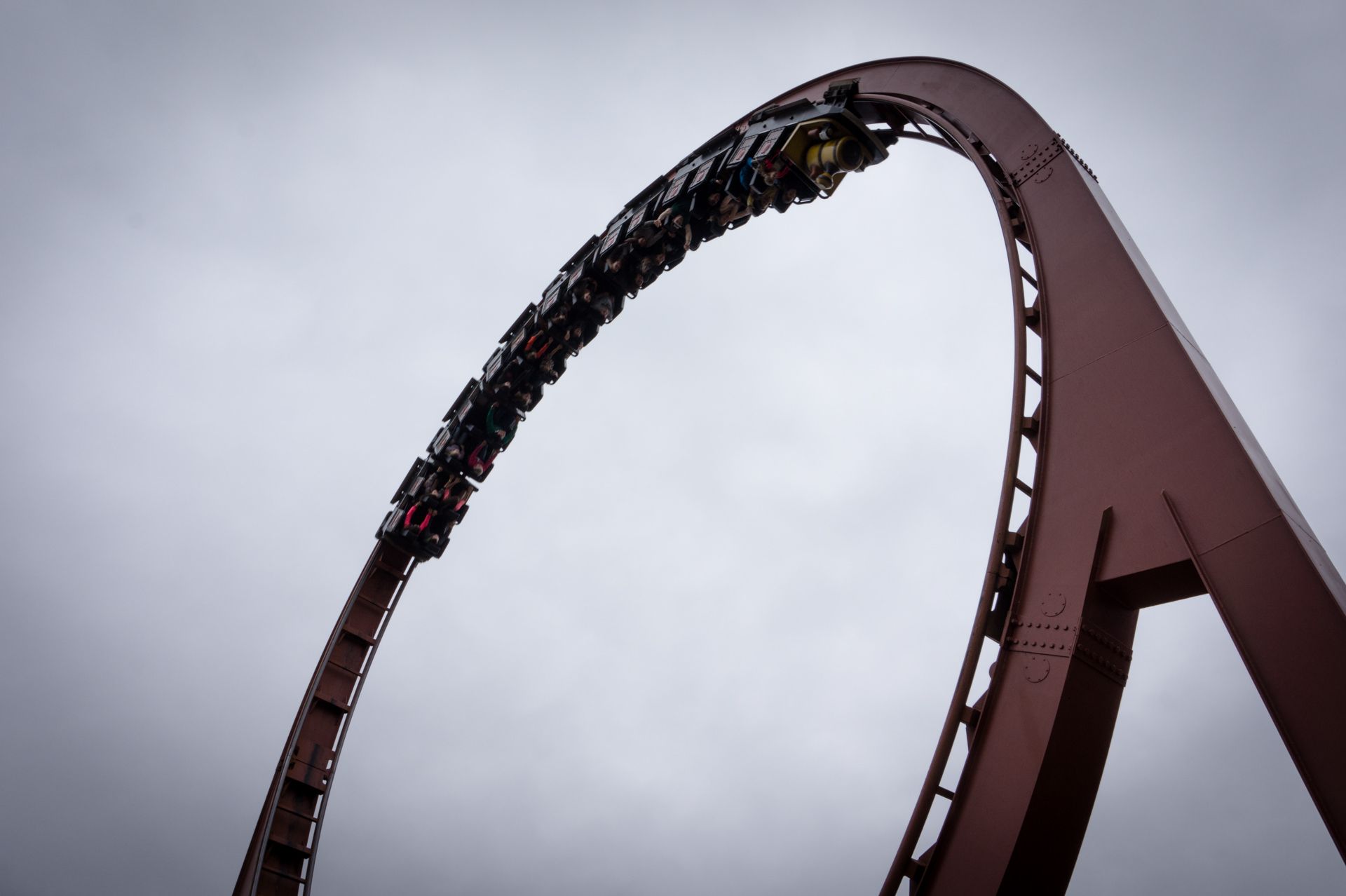
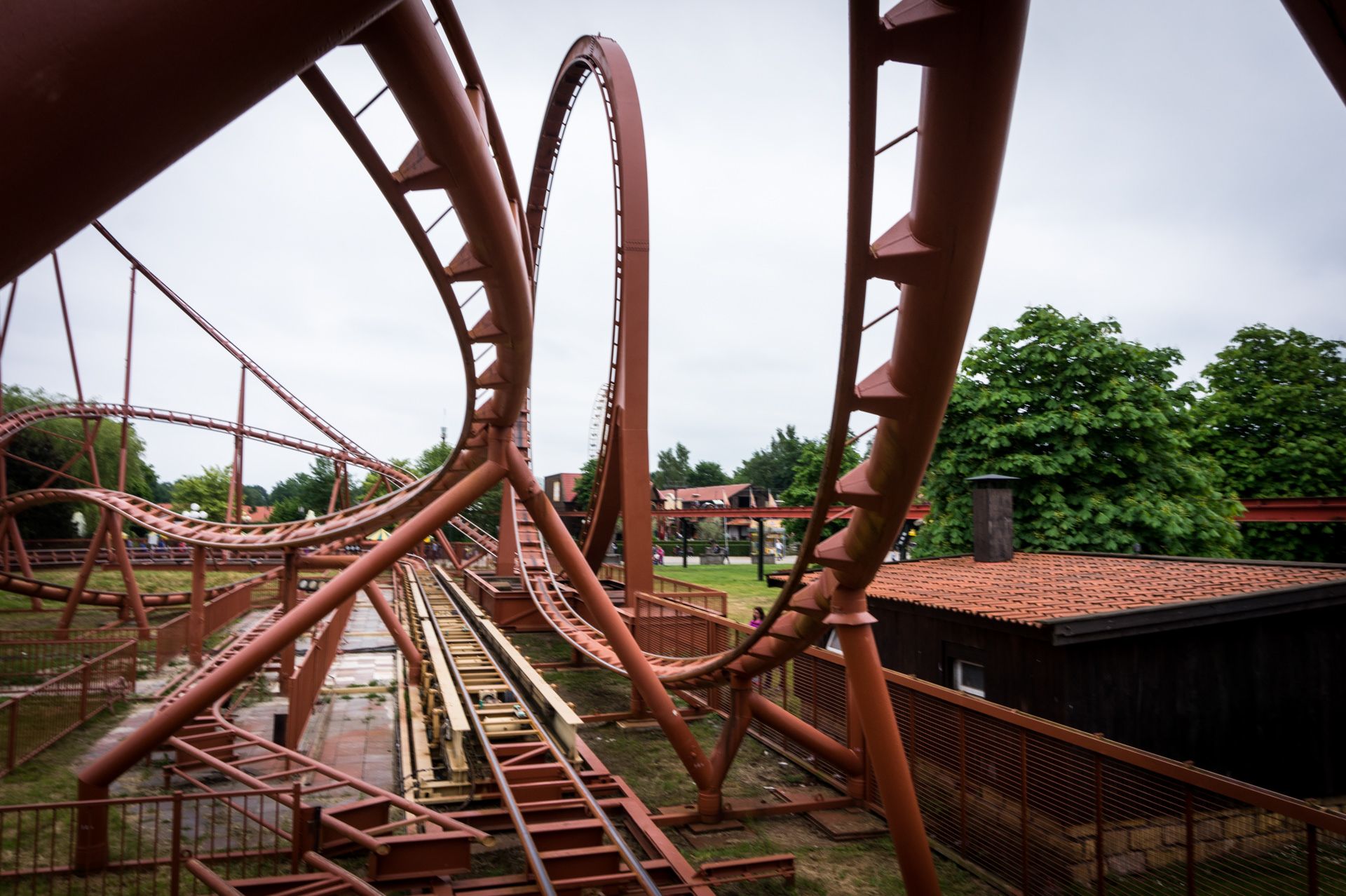
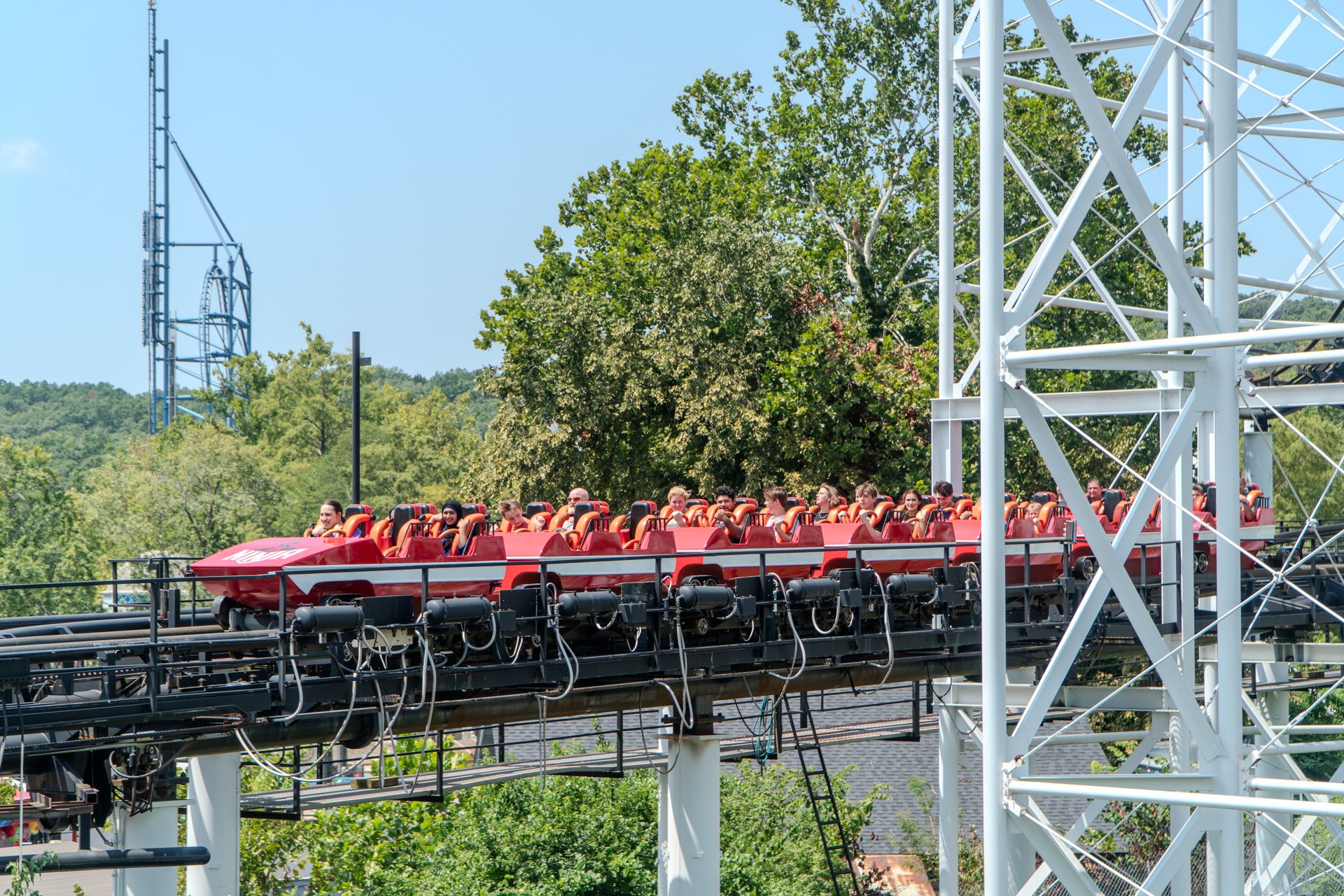
Opposite the Empire Theater stands Ninja, one of the more unusual roller coasters at Six Flags St. Louis. Its history is arguably more interesting than the ride itself. Originally designed by Arrow HUSS for Expo 86 in Vancouver, the project was completed by Vekoma after Arrow HUSS ran into financial difficulties. Following a successful appearance at the world’s fair, the coaster was relocated to Six Flags Over Mid-America in 1989.
The ride begins with a gentle dip out of the station before climbing the lift hill. After the main drop, the train dives through a vertical loop and a Sidewinder before passing beneath the returning lift chain in a convincing head-chopper moment. A mid-course brake divides the ride, with the second half featuring two corkscrews, a low-to-the-ground helix and a final run into the brakes.
Ninja has a rather odd layout and never develops the flow or intensity of the park’s stronger coasters. Still, it isn’t particularly rough and serves as a solid introduction for anyone experiencing inversions for the first time.
River King Mine Train
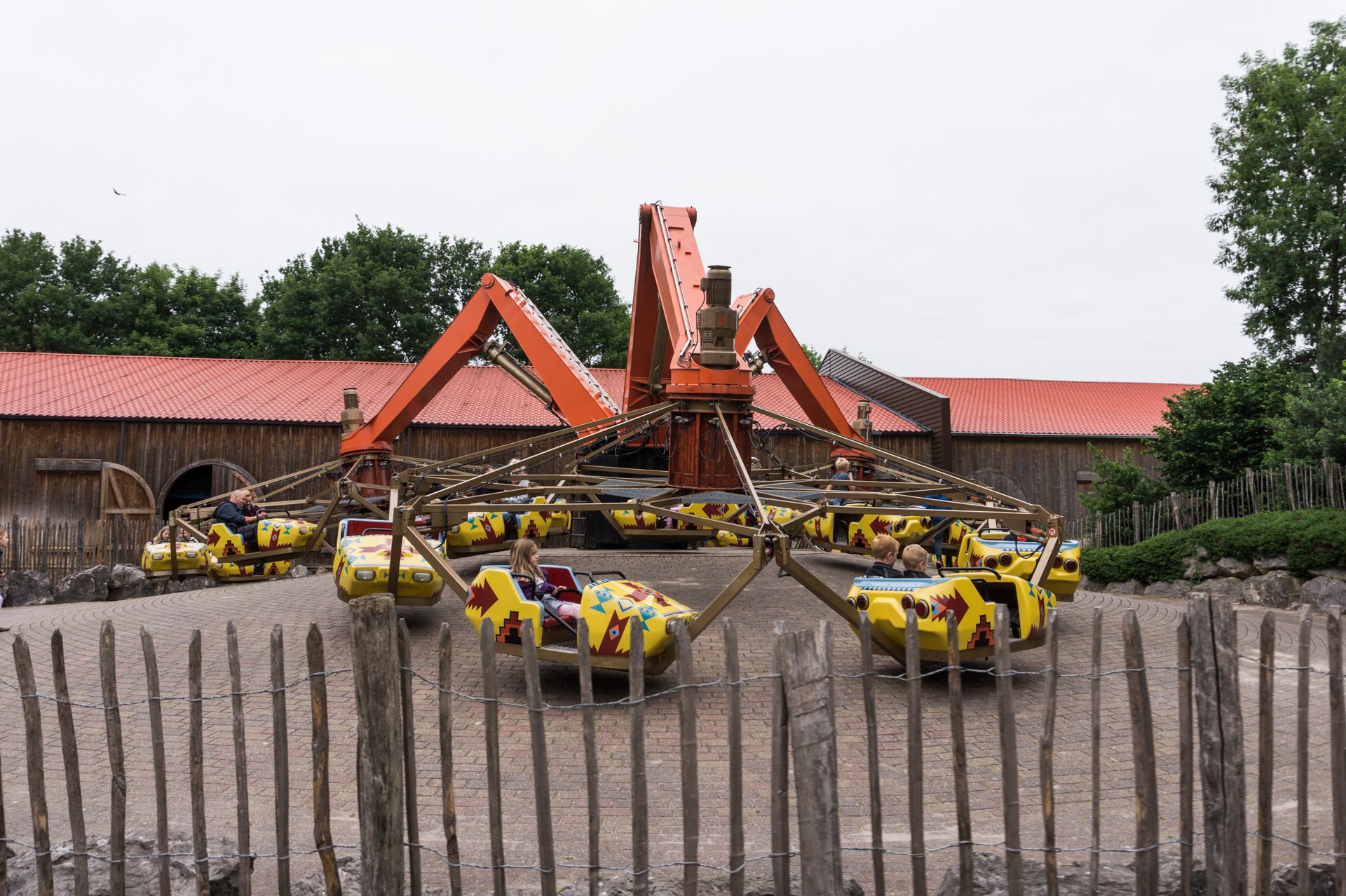
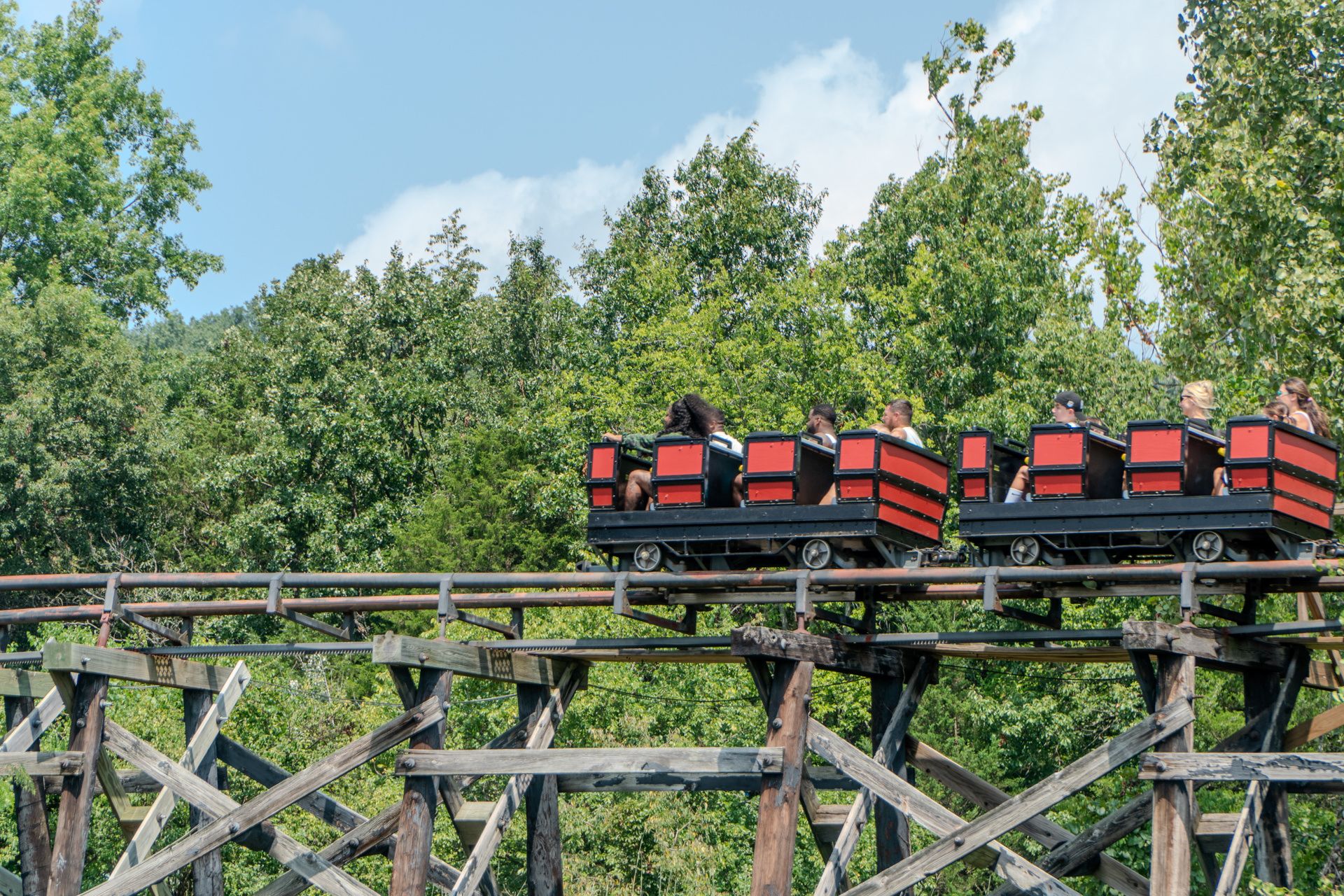
Passing the Tsunami Soaker and Spinsanity, the path leads deeper into the park where the River King Mine Train awaits. Built during the mine train boom of the early 1970s, this attraction was originally even more ambitious than it appears today. It featured two parallel tracks, doubling capacity while allowing both trains to race through the layout simultaneously. Today, only one track remains, with the second having found new homes at Dollywood and later Magic Springs. The coaster also briefly made history in 1984 when one side was converted to stand-up trains—an experiment that lasted only a single season following a fatal accident.
The adventure begins with a small dip out of the station before the first of three lift hills carries the train uphill. The initial descent winds through a series of twisting turns and gentle hills before entering a sweeping left-hand helix. After the second lift, the ride becomes noticeably more scenic, weaving through broad curves while gradually climbing toward its final lift hill. The finale is the highlight: after several tight bends, the train dives into a dark tunnel where the largest drop of the ride is hidden from view before emerging directly into the brakes.
While the thrills are modest by today’s standards, the River King Mine Train perfectly captures the charm of classic family coasters. It’s an enjoyable ride with plenty of character and remains one of the park’s most important historic attractions.
Boomerang
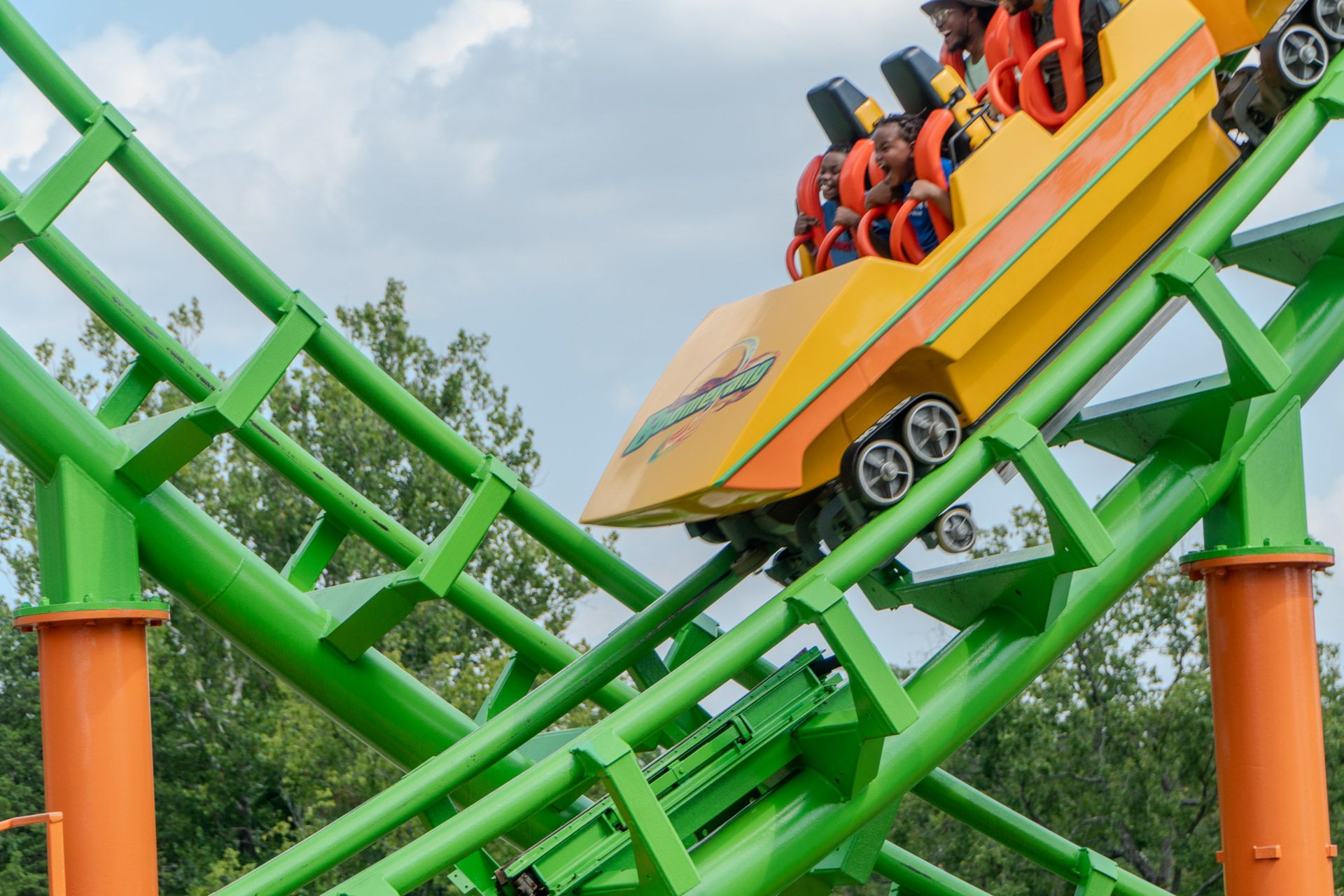
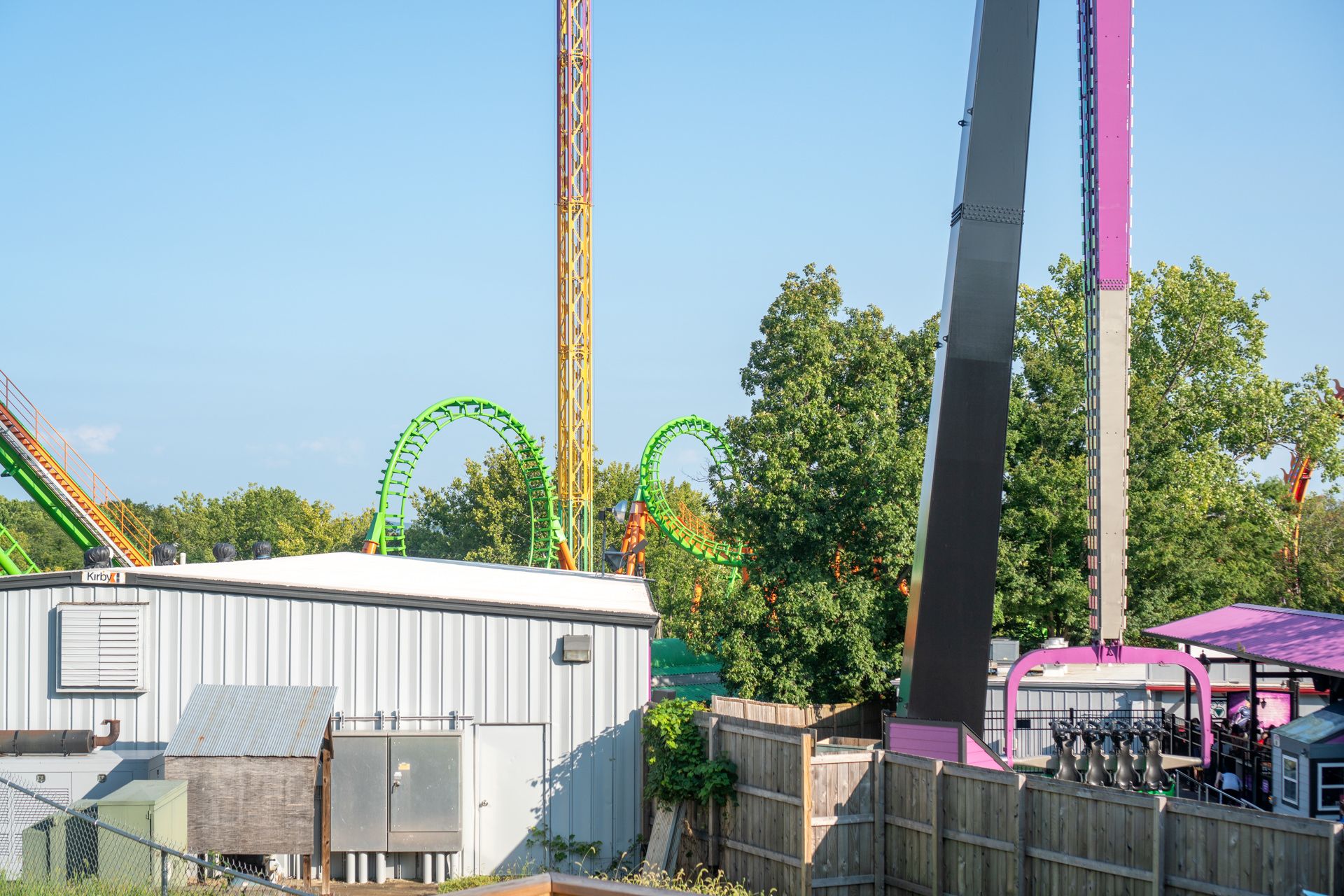
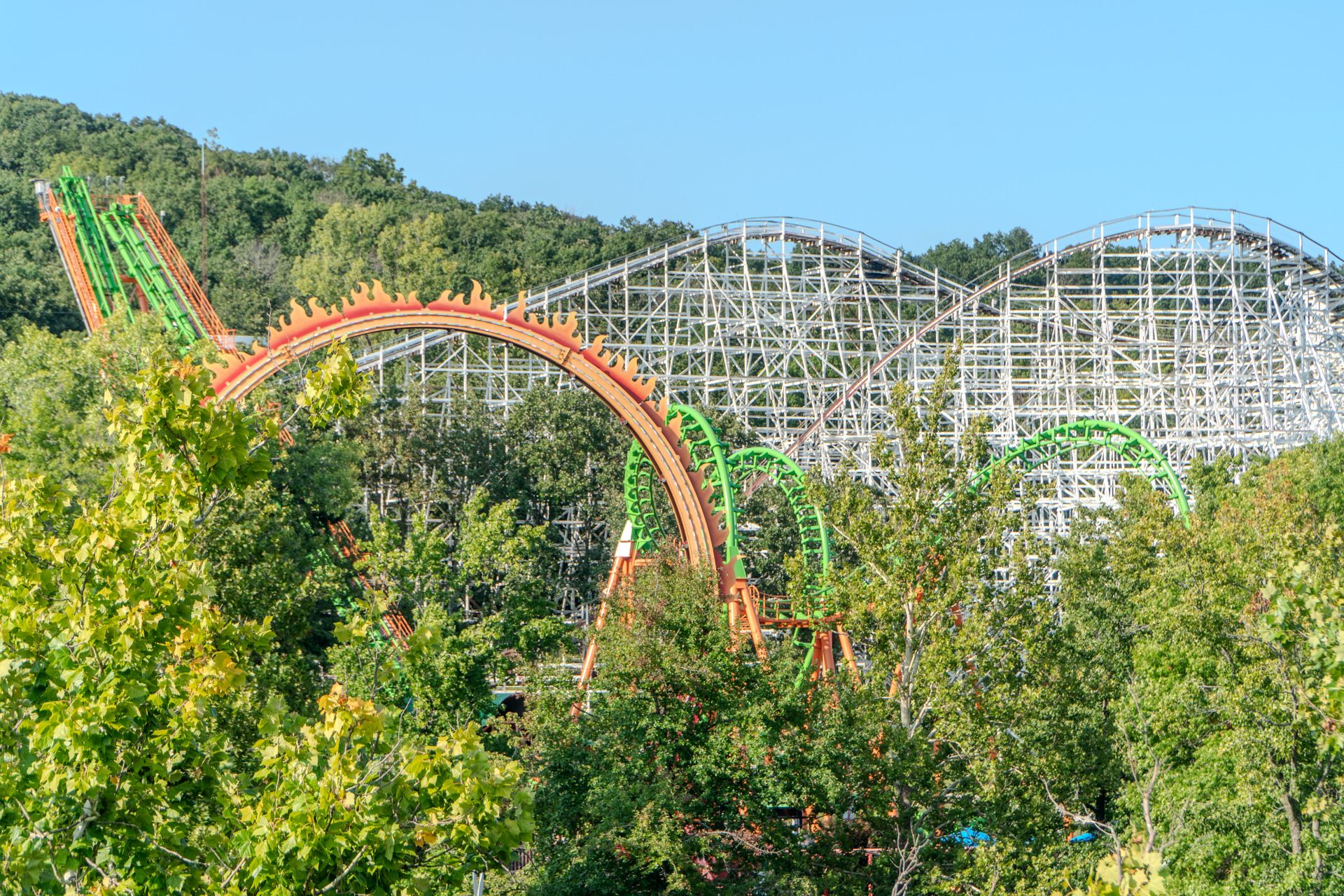
Passing Sky Screamer and Fireball, we make our way towards Boomerang. Originally operating at Six Flags Over Texas, the coaster was relocated to Six Flags St. Louis in 2013 and adapted to the park’s hillside terrain. The wide pathway running directly beneath its signature Cobra Roll makes it one of the park’s most striking attractions and a great coaster to watch from the ground.
As with every Vekoma Boomerang, riders are pulled backwards up the first spike before completing the familiar course through a Cobra Roll and vertical loop, only to repeat the entire layout in reverse.
The experience is exactly what you would expect: compact, intense and surprisingly smooth. While the layout is identical to every other Boomerang, the hillside setting gives this installation a little more personality than most.
Catwoman Whip
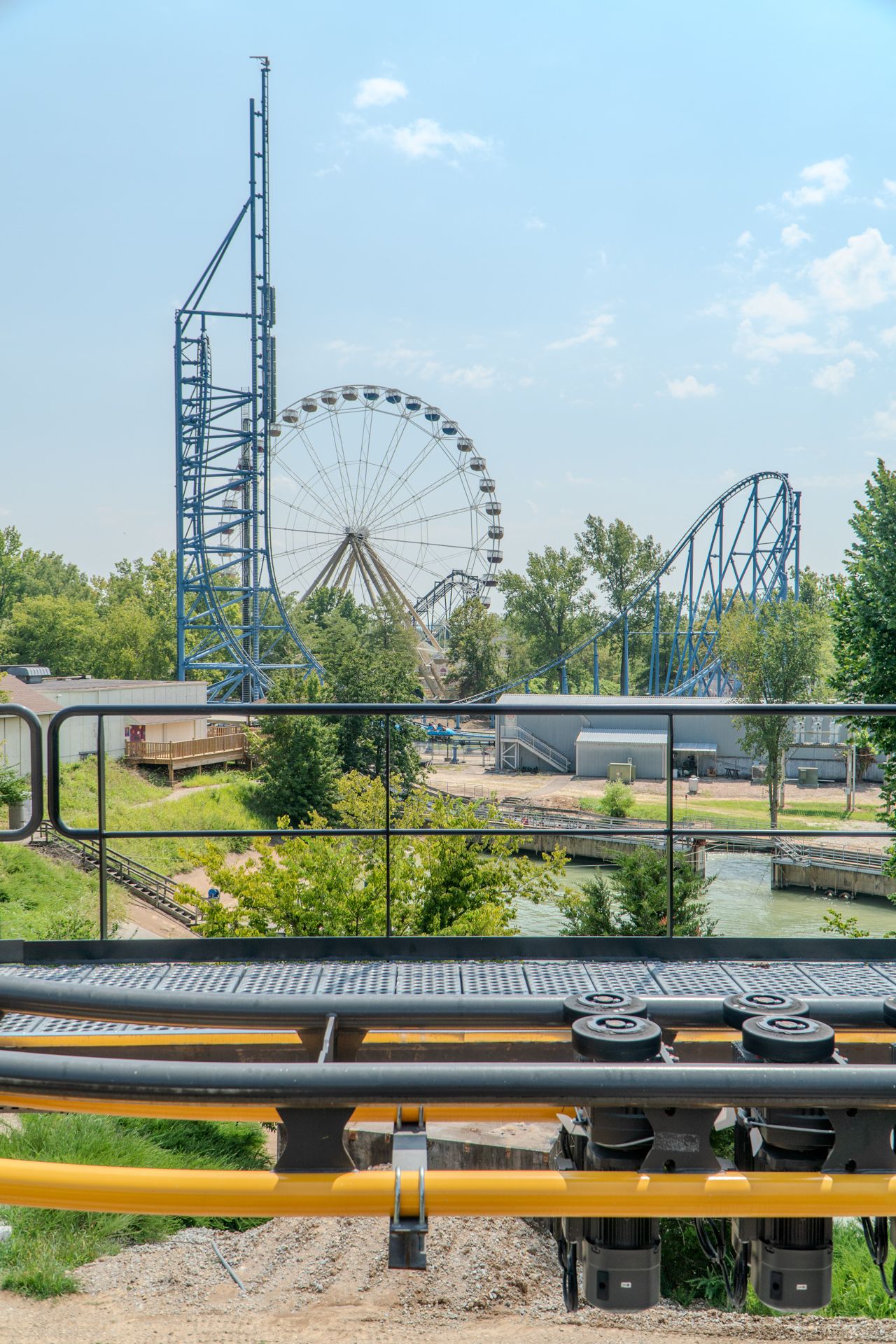
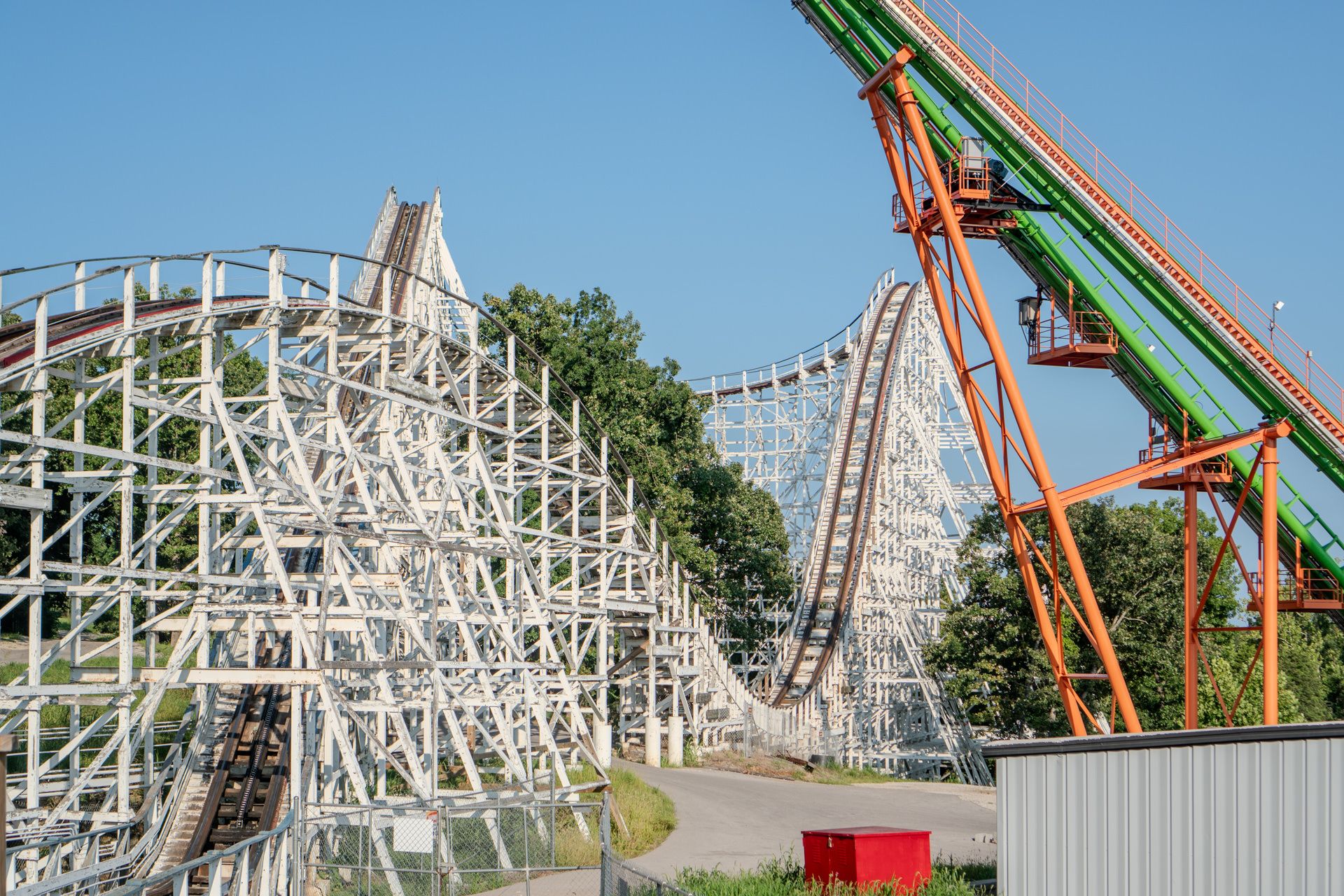
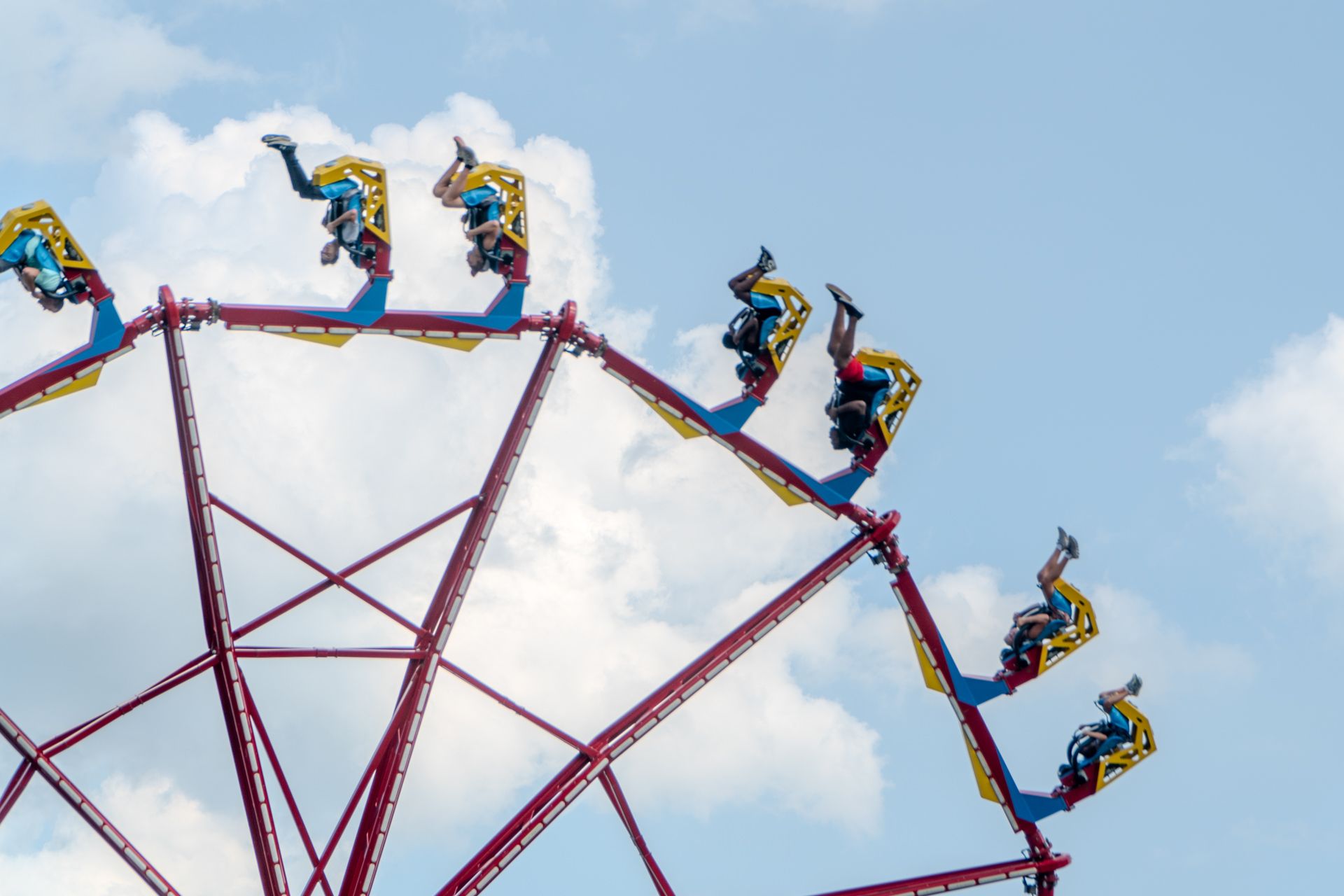
Towering high above the surrounding pathways, Catwoman Whip is arguably the most intimidating flat ride in Six Flags St. Louis. Manufactured by Funtime, this Booster ride launches riders to a height of 164 feet (50 m) while reaching speeds of 52 mph (85 km/h). Its constantly rotating arm creates an exhilarating combination of speed, airtime and inversions that can be seen from almost anywhere in the park.
What surprised me most was how long the ride actually lasts. Rather than ending after only a few swings, Catwoman Whip continues through multiple rotations in both directions, making it one of the park’s best flat rides.
The only real drawback is capacity. With room for just sixteen riders per cycle, queues can build up quickly. If you happen to pass by when the line is short, don’t hesitate—it is easily one of the best flat rides in the park
Screamin‘ Eagle
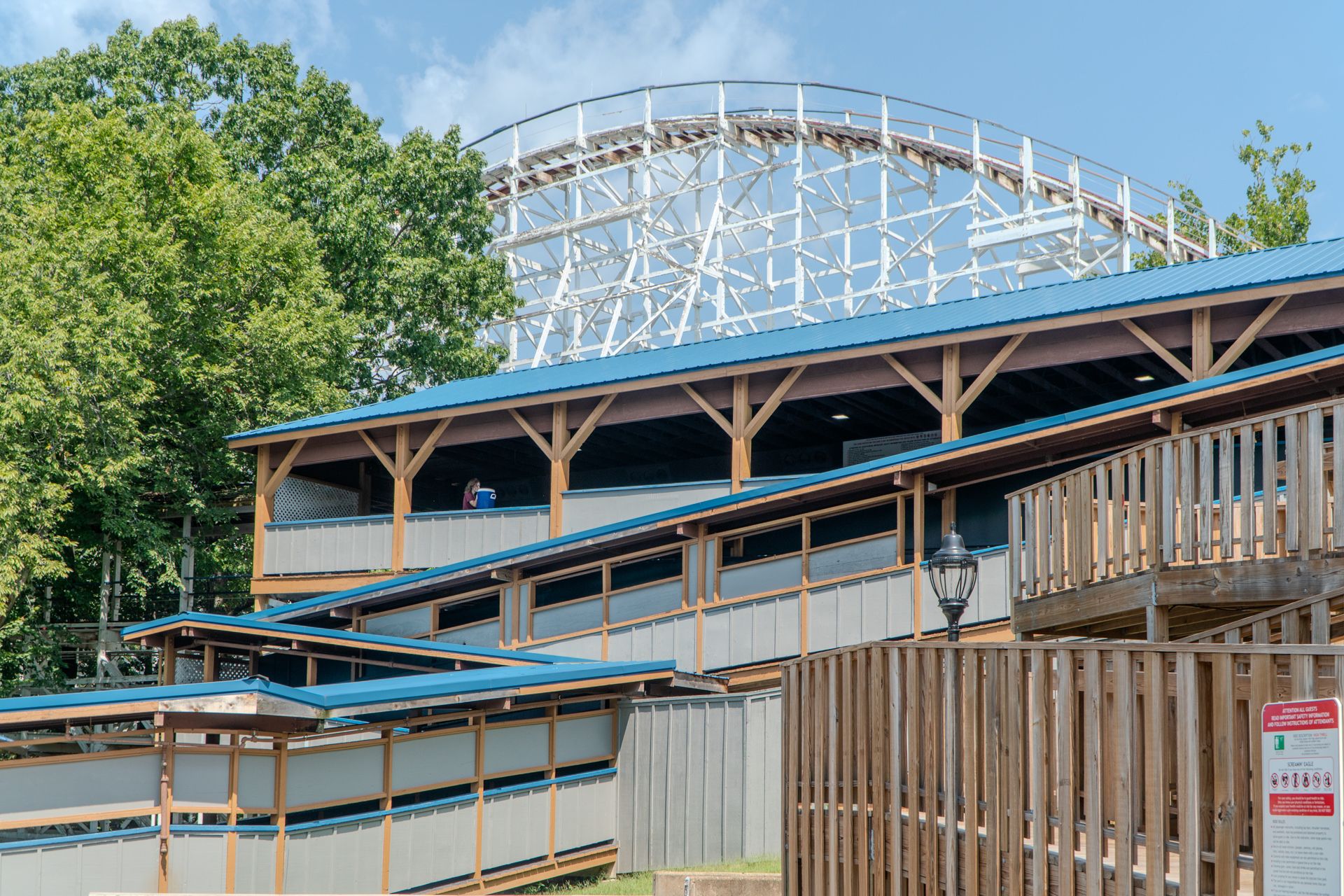
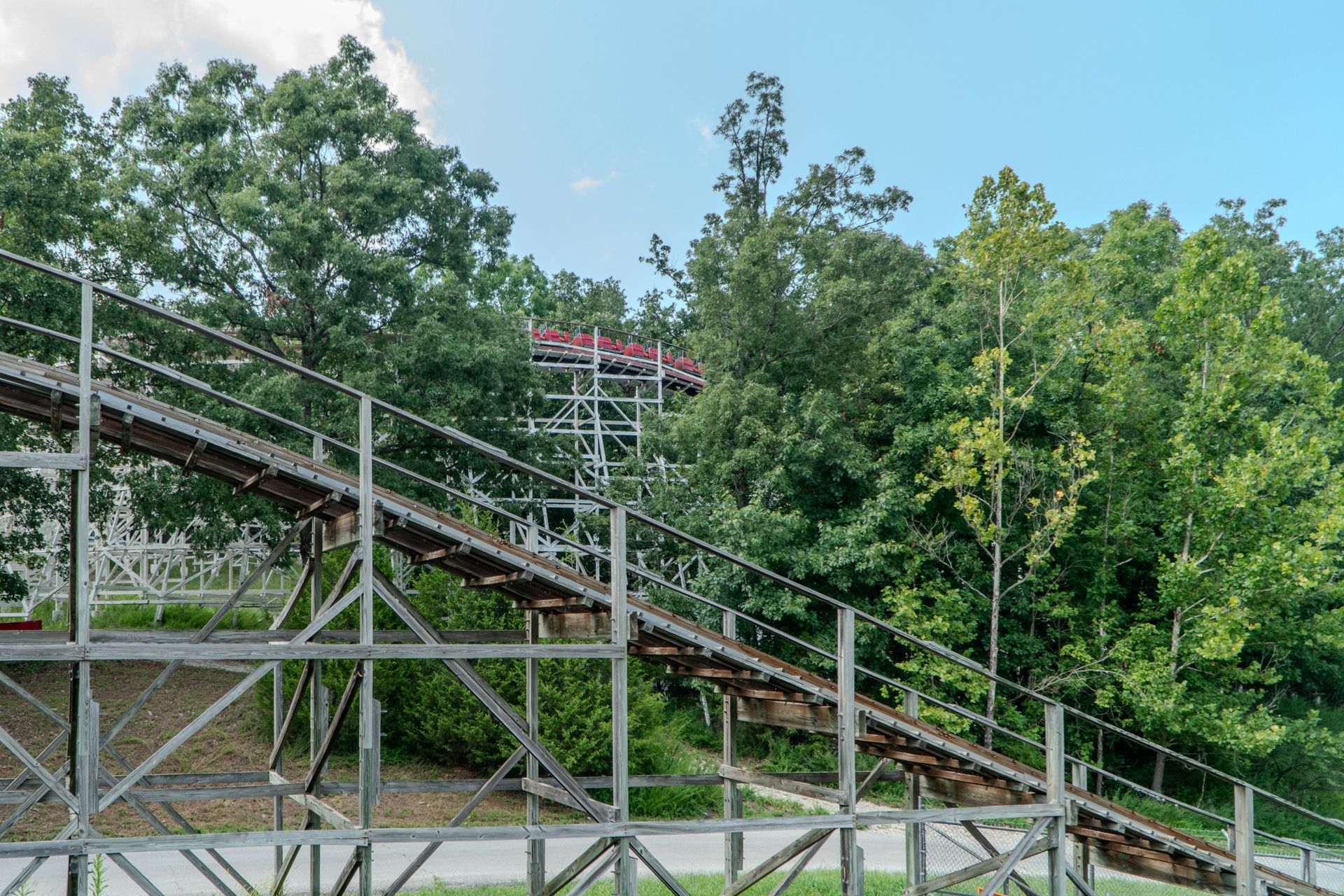
Located at the upper end of the park, Screamin’ Eagle is one of Six Flags St. Louis’ true classics. Its out-and-back layout is largely hidden by the surrounding forest, making it difficult to appreciate the coaster’s size from the midway.
After a long straight section out of the station, the train climbs the 110 ft (34 m) lift hill before a small dip leads into the turnaround and the first major drop. From there, the coaster races through a seemingly endless series of camelbacks and gentle turns, diving deeper into the woods before returning for one final burst of airtime on the way back to the station.
Screamin’ Eagle is a great example of a classic wooden coaster. Although the ride can be relentless and noticeably rough in places, its speed and natural setting create a wild experience that still holds up remarkably well decades after opening.
Pandemonium
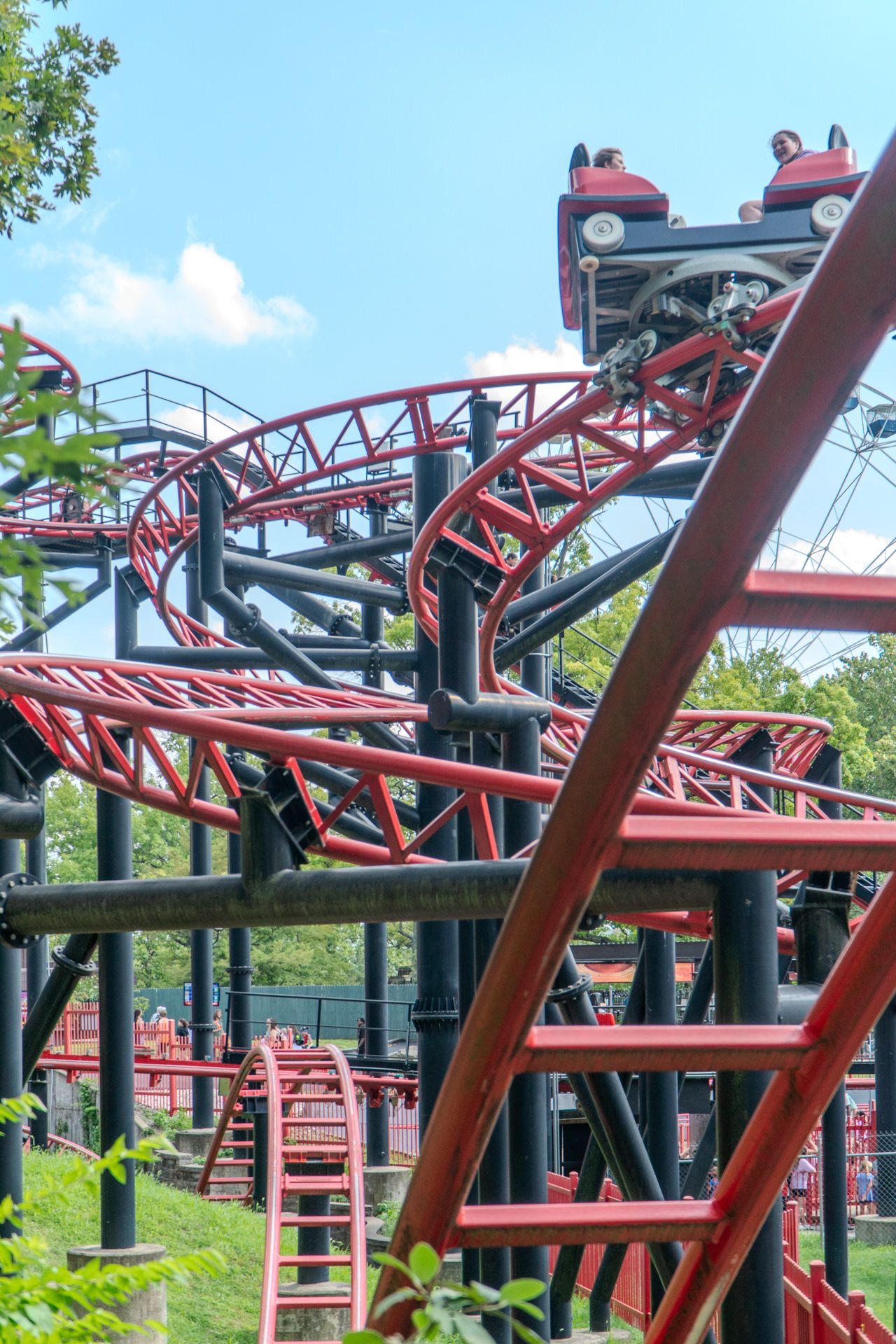
Three years after Gerstlauer introduced its Spinning Coaster to the American market, Six Flags installed an extended version of the layout at several parks. One of them opened here as Tony Hawk’s Big Spin before eventually being renamed Pandemonium. The compact layout makes excellent use of the park’s hilly terrain.
After the lift hill, the first twisting drop quickly sets the cars spinning before a series of tight turns, helices and small drops keep the rotation going throughout the ride. Thanks to the freely rotating cars, every ride feels slightly different.
Pandemonium is simply a lot of fun. The combination of spinning, quick directional changes and a compact layout makes it one of the park’s most enjoyable family thrill rides.
The Boss
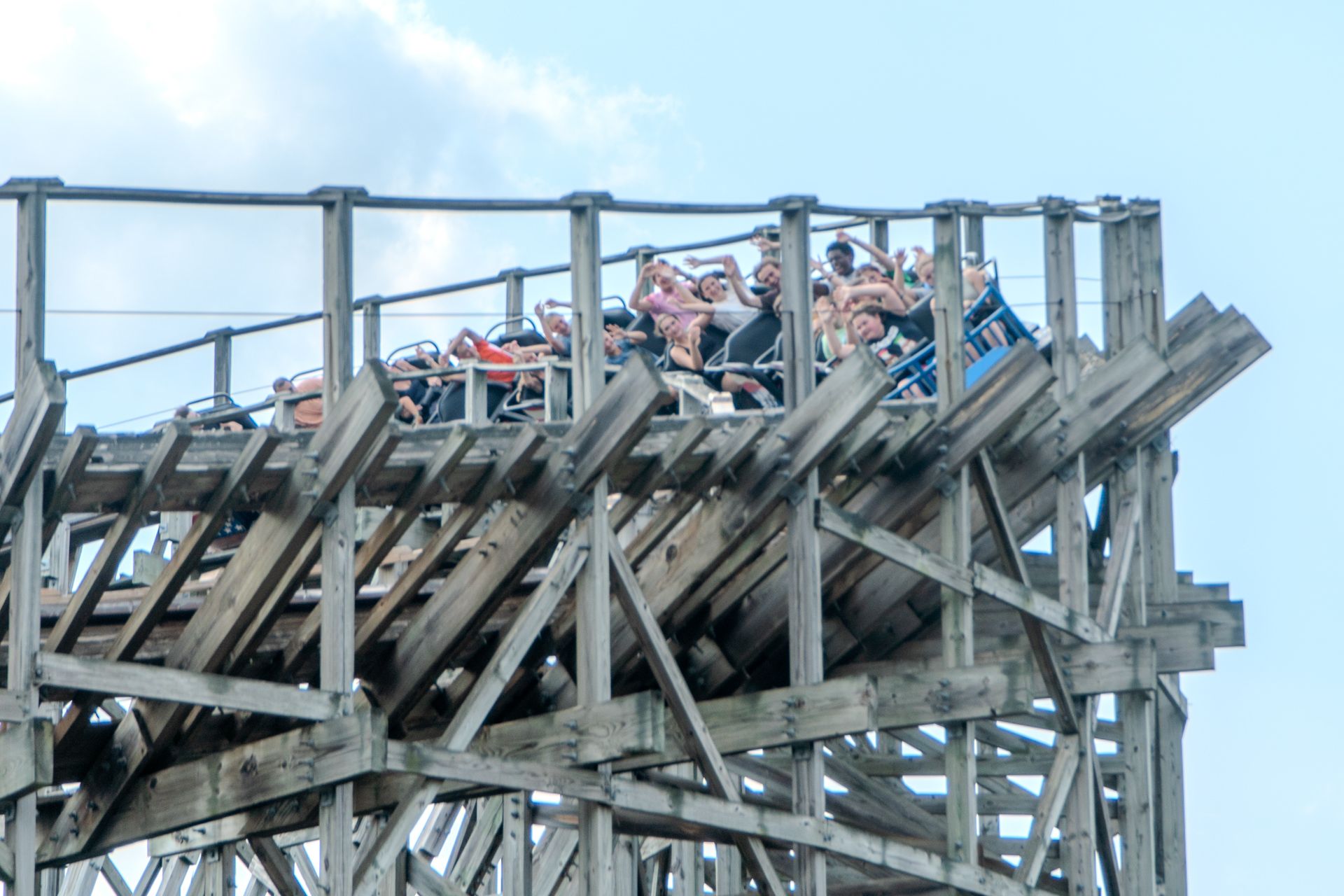
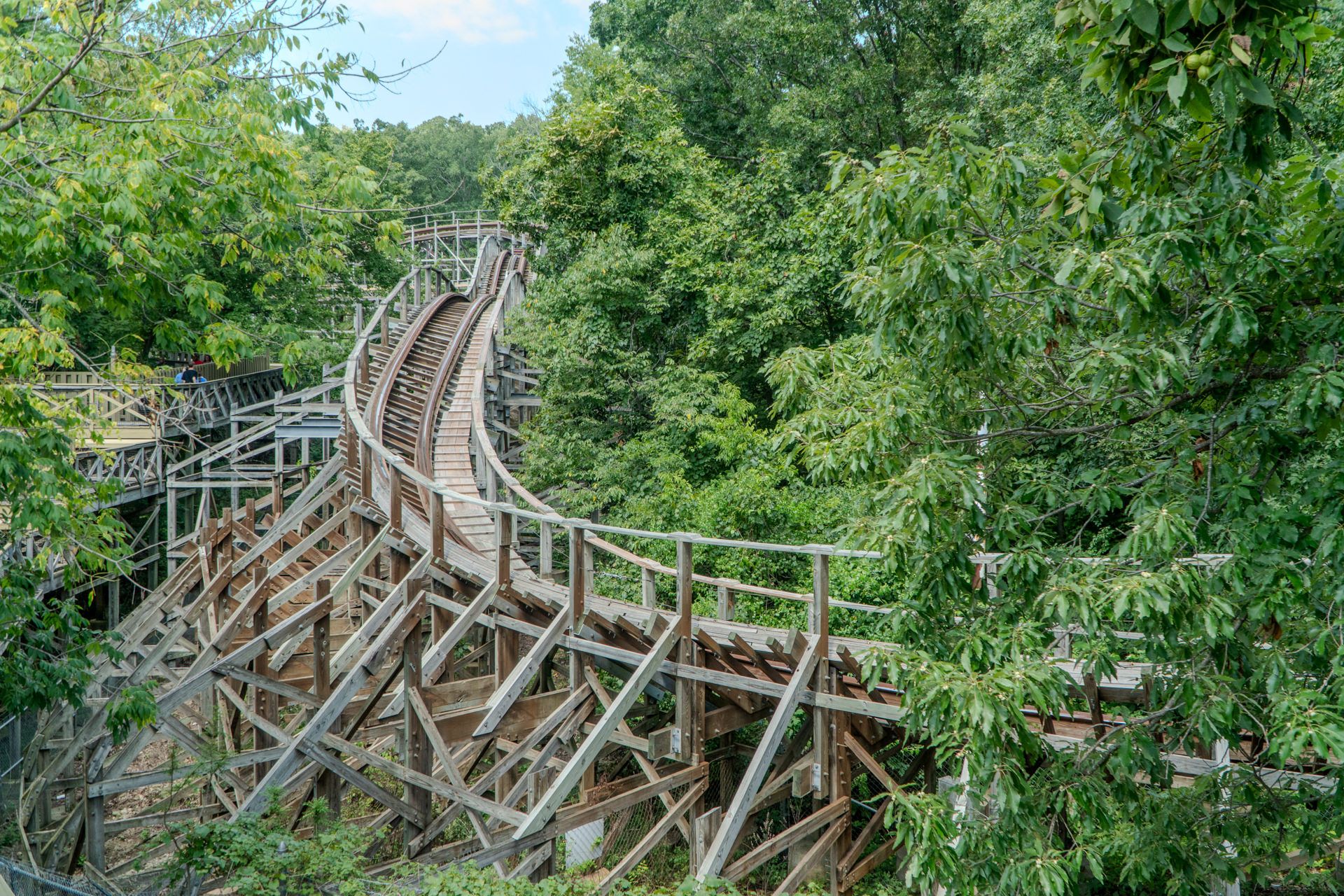
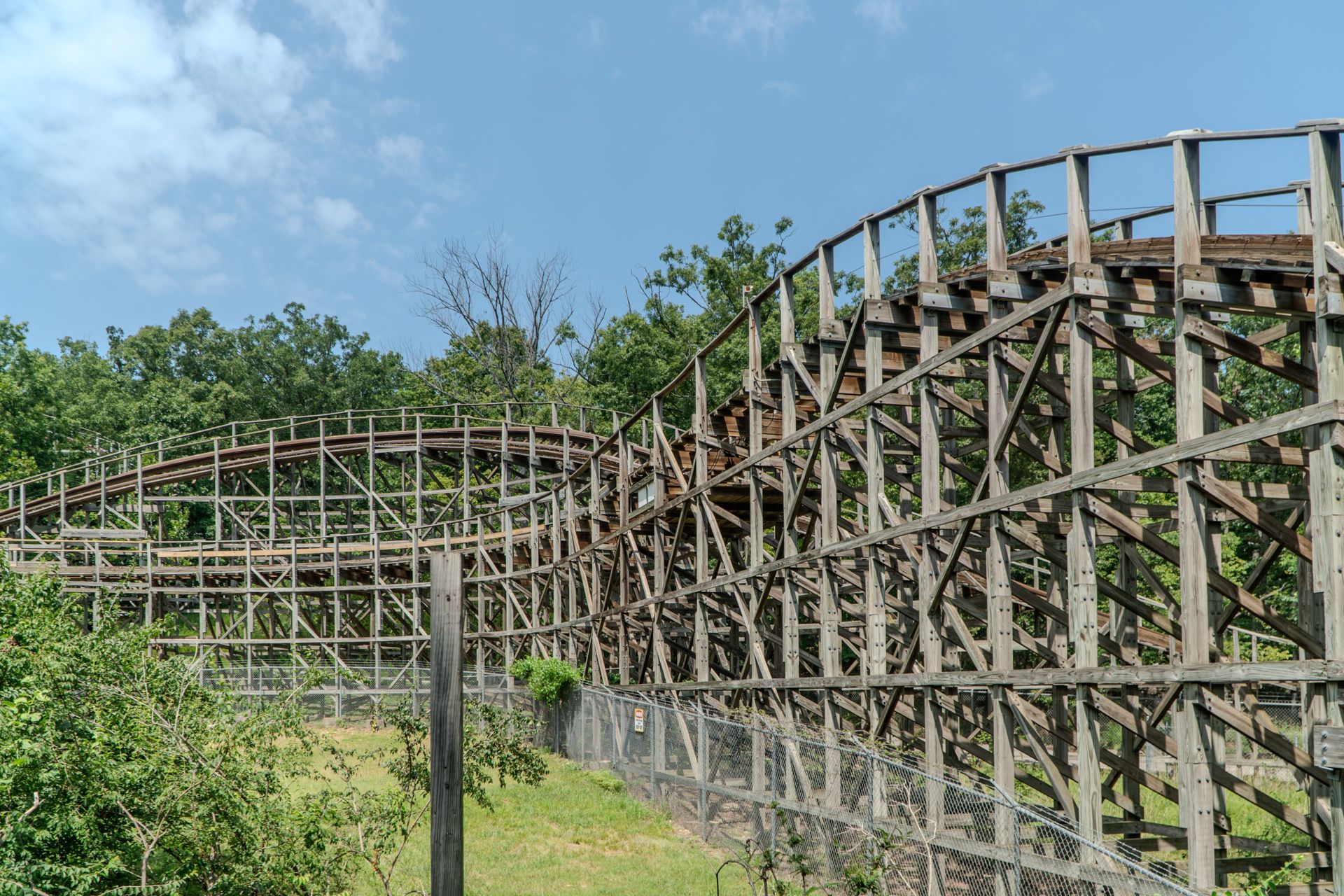
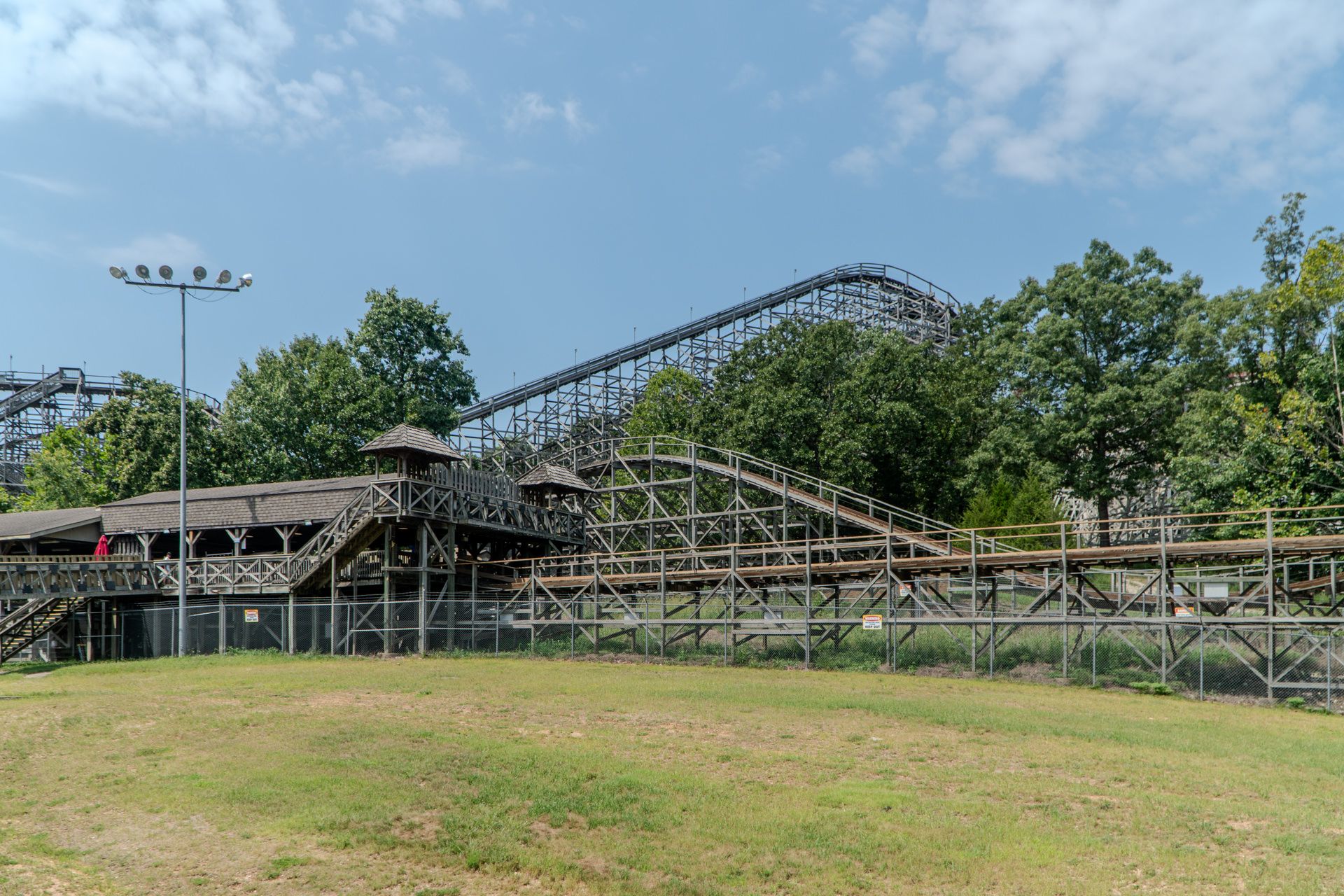
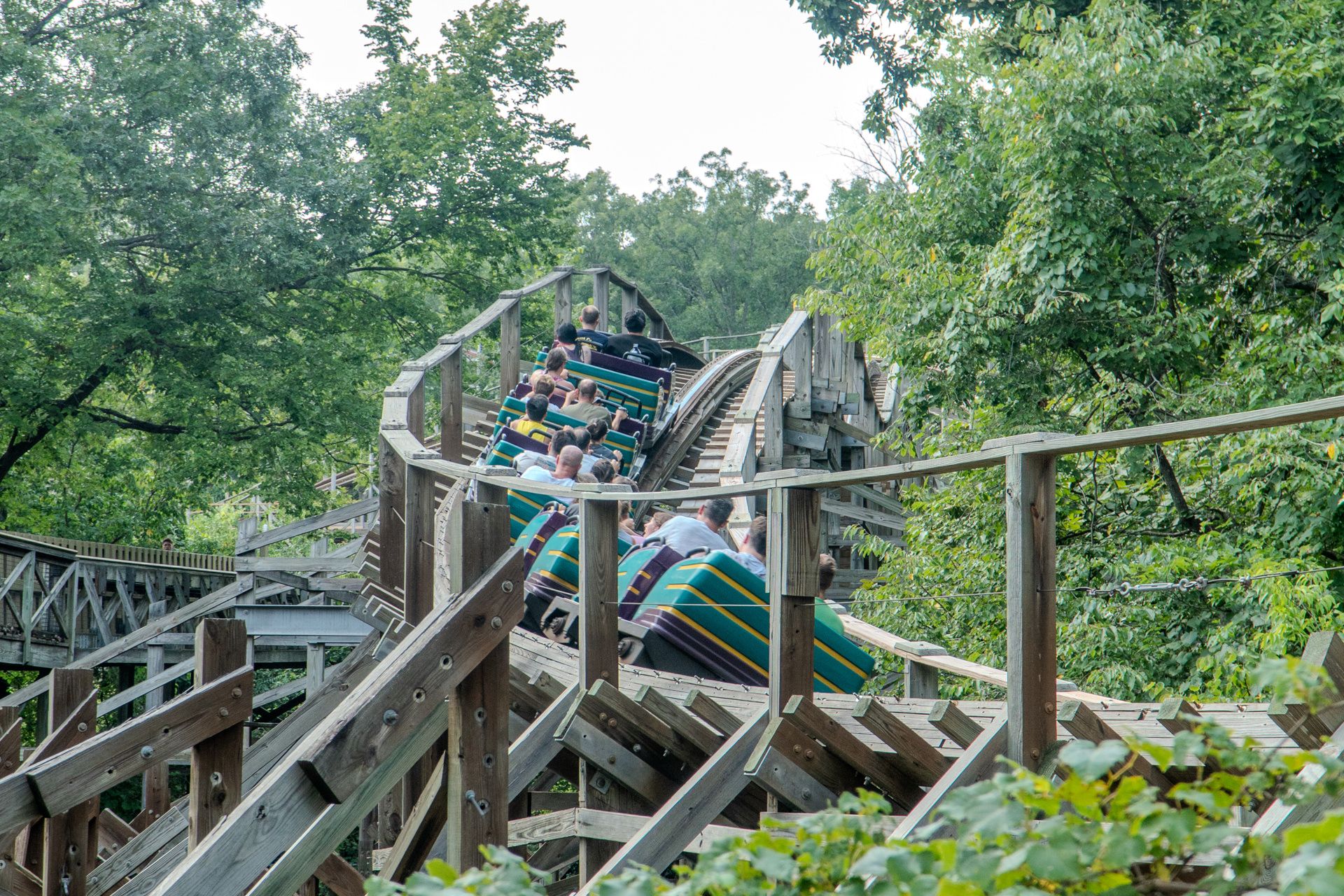
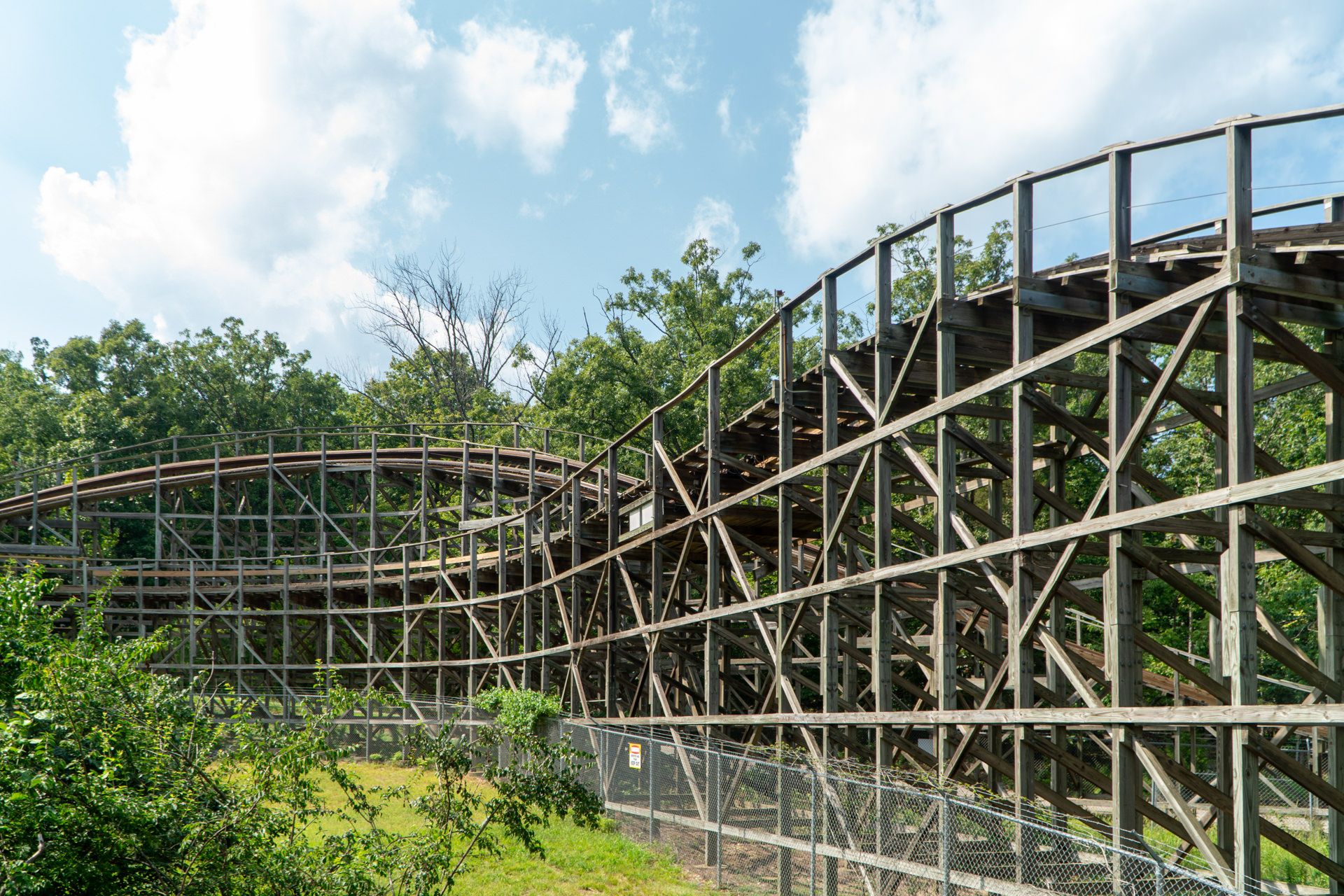
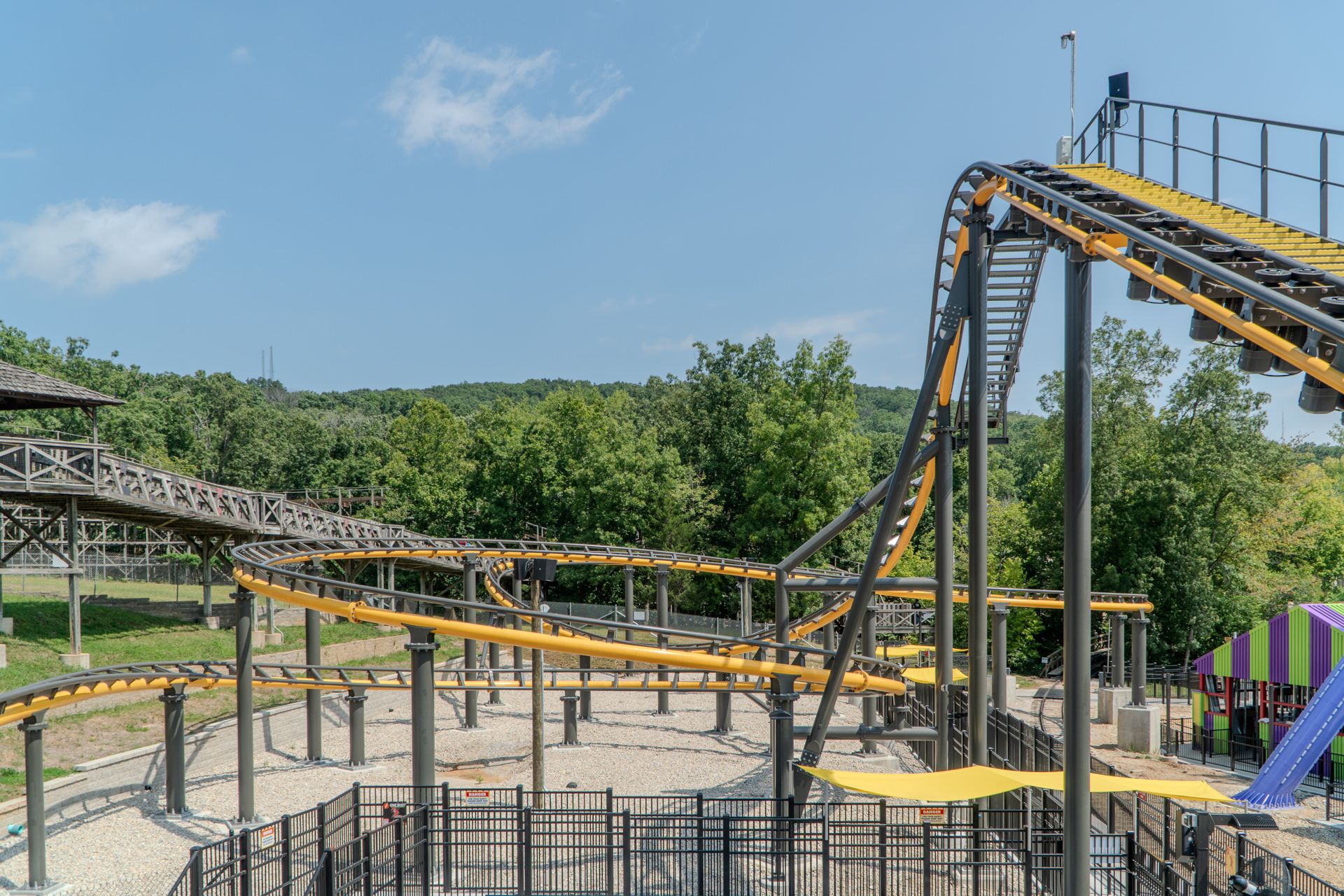
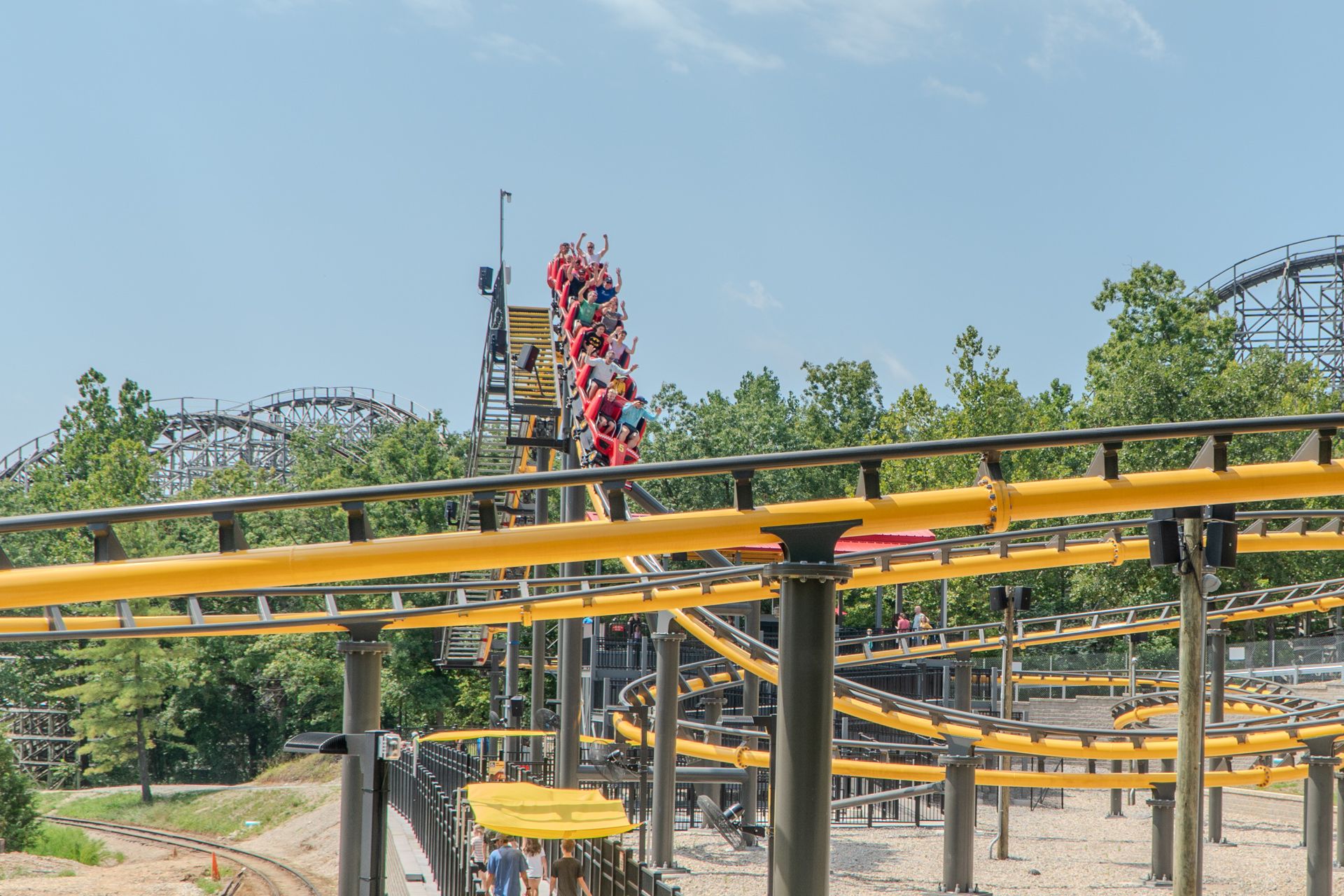
Six Flags St. Louis is home to one of the most ambitious wooden roller coasters ever built. The large-scale ride by Custom Coasters International (CCI) makes excellent use of the park’s hillside location. However, that also comes with the downside of an infamously long queue line leading up to the station—although it is still nowhere near as exhausting as the seemingly endless queue line at Energylandia.
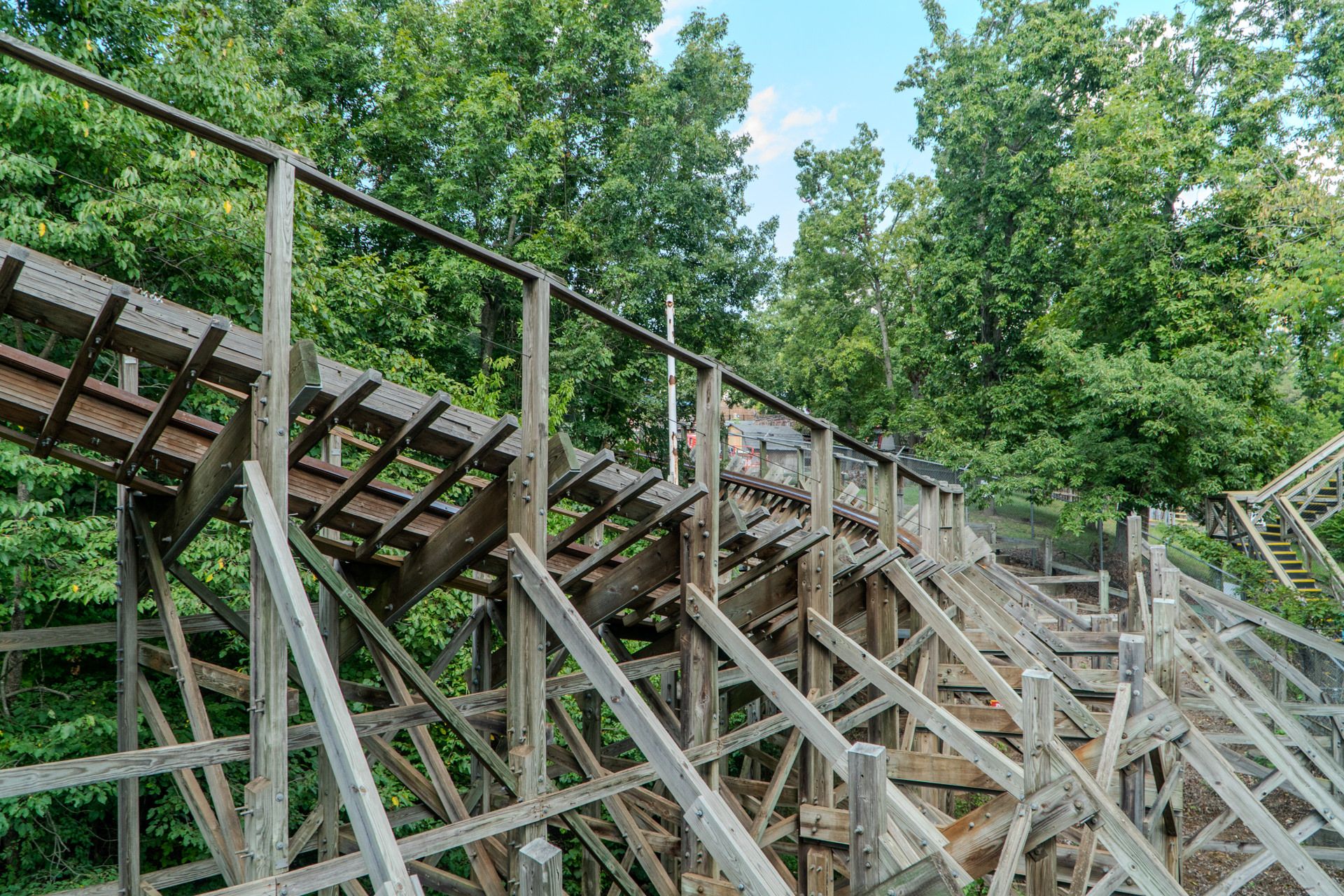
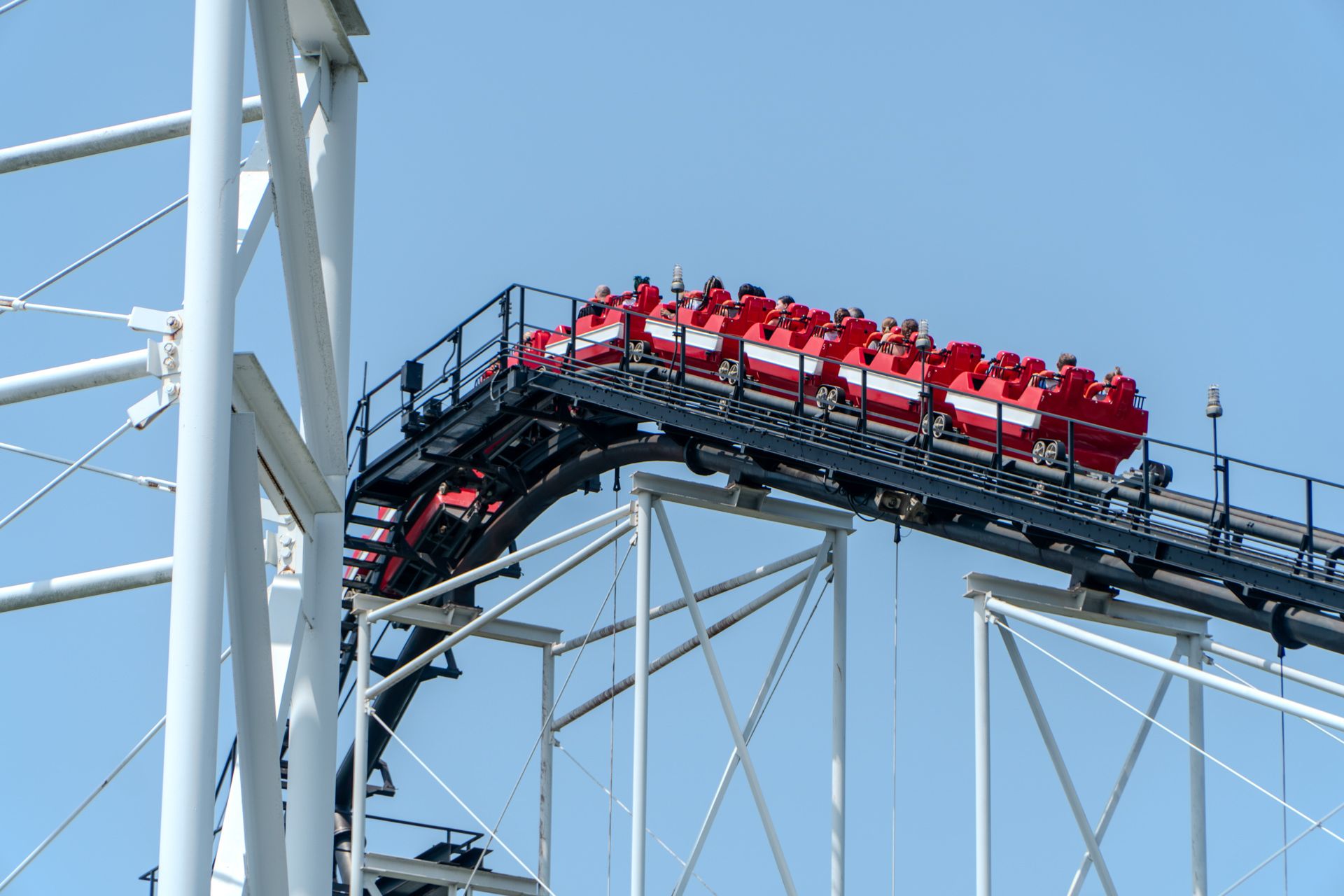
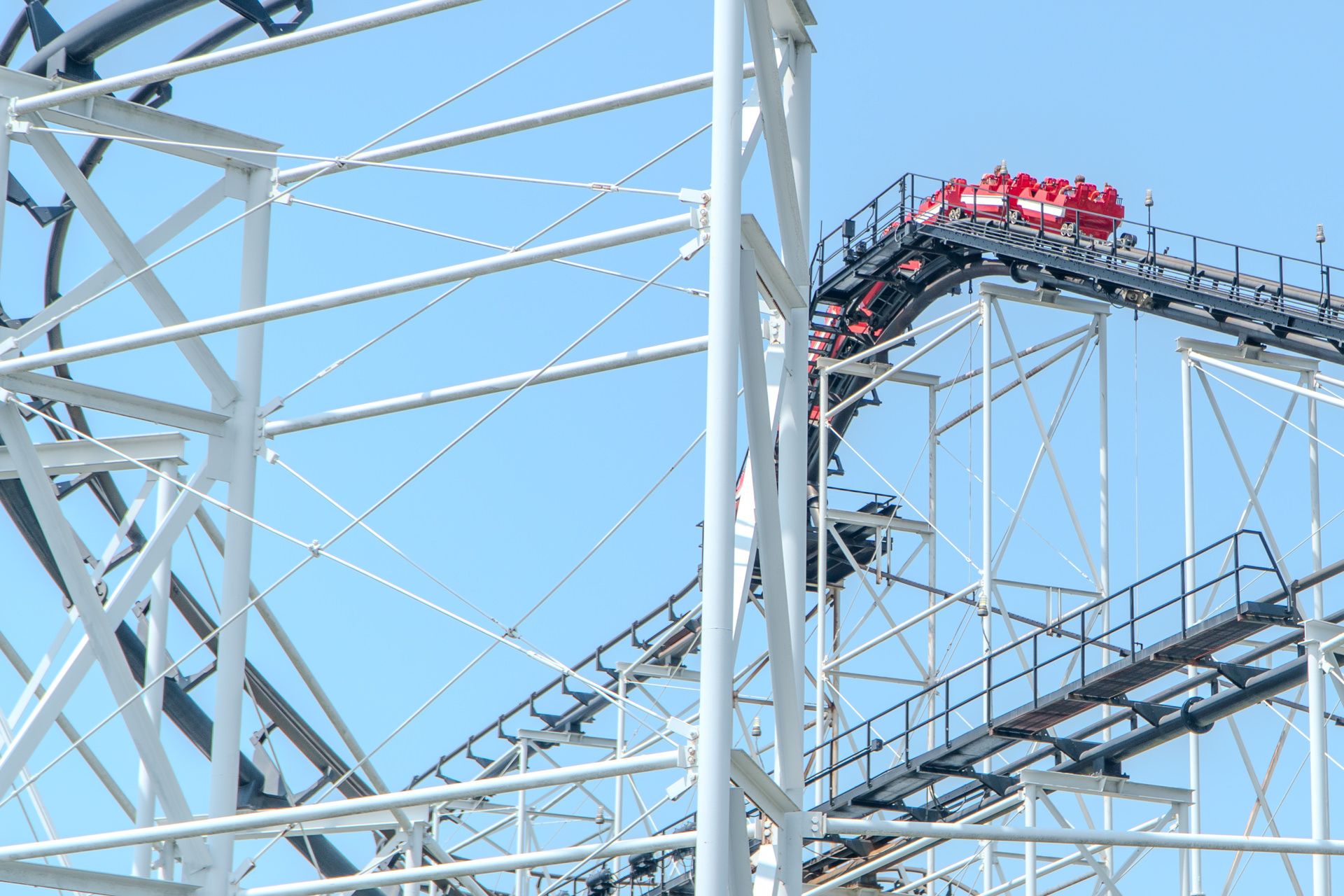
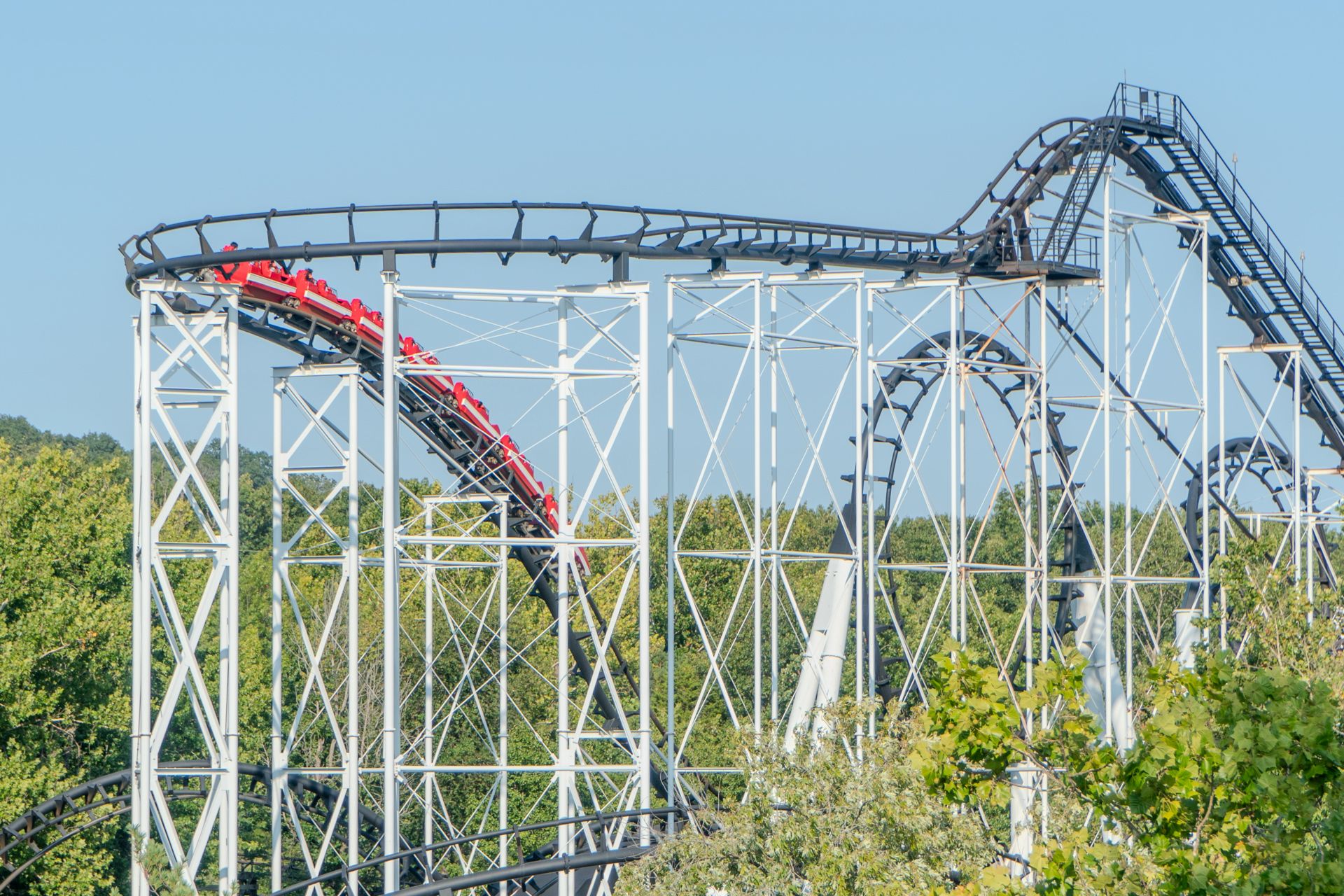
After leaving the station, the train immediately begins its climb to a height of 122 ft (37 m). At the top, there is just enough time to enjoy the view across the park and over to Screamin’ Eagle before plunging into the woods. After the first drop, the coaster races along a long straight section before directly approaching the wooden structure of one of the ride’s massive turnarounds. At full speed, the train dives into the structure before dropping into the ride’s lowest valley, reaching a point 150 ft (45 m) below the top of the lift hill. In a long, sweeping left-hand turn close to the ground, the train approaches the first turnaround. At lofty heights, the train turns to the right before diving back into the woods, offering excellent views across the park. Here, the ride follows the natural terrain before climbing a long ramp towards the second turnaround.
After passing the block brake, the coaster immediately enters another large drop before sweeping through the third turnaround, this time featuring a pronounced dip. Maintaining its relentless pace, the train races beneath the lift hill before climbing the hill behind the station. Originally, the ride was meant to finish with a large helix. Today, however, a fast, low-to-the-ground turn followed by two notoriously violent hills forms the finale. Especially towards the front of the train, this section delivers a complimentary chiropractic treatment at no additional cost. Thankfully, that’s only the final few seconds of an otherwise fantastic coaster.
What a ride. From the first drop to the final brakes, The Boss never lets up. The finale may be rough, but the incredible pacing, excellent use of the natural terrain and sheer scale of the coaster easily make it one of the standout attractions at Six Flags St. Louis.
Rookie Racer
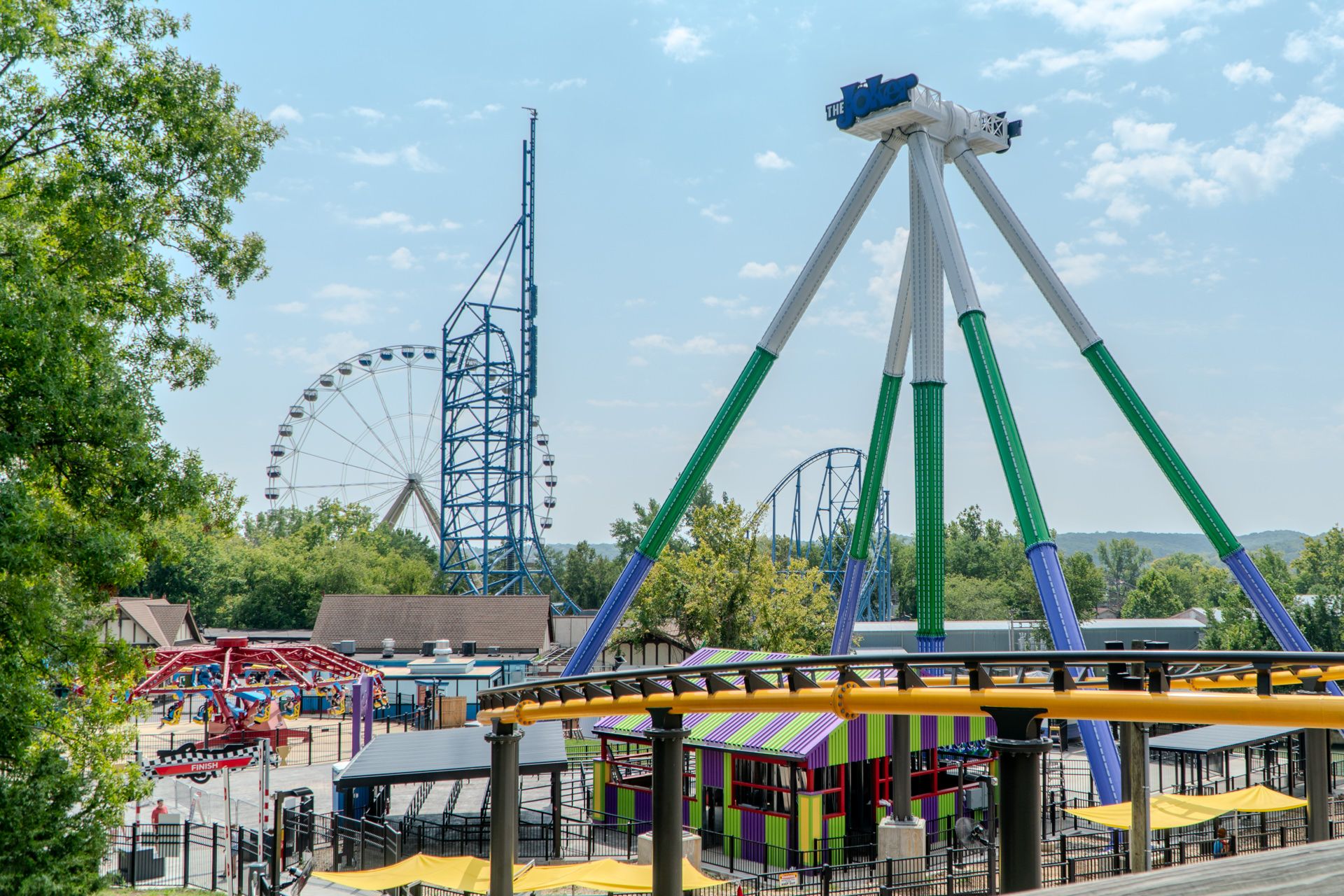
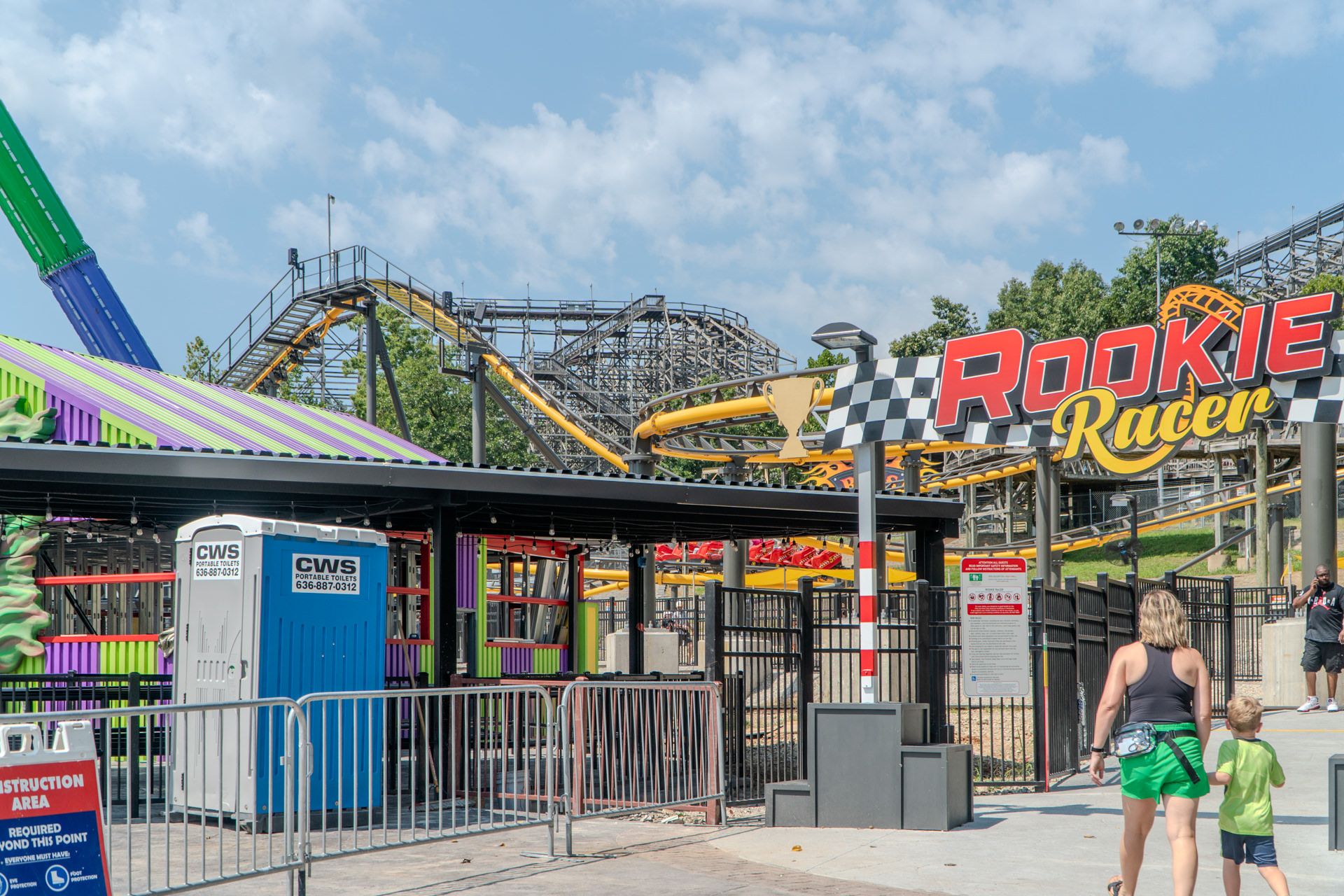
Directly below The Boss, you’ll find the thrill rides The Joker (which was unfortunately still under construction during my visit) and Supergirl Sky Flyer, as well as the family coaster Rookie Racer. Built by Vekoma, the coaster features a fun first drop followed by a series of gentle turns that repeatedly weave through the compact layout.
While clearly aimed at families, Rookie Racer is a smooth and enjoyable coaster that offers plenty of fun for younger riders and anyone looking for a more relaxed experience between the park’s larger attractions.
Thunder River
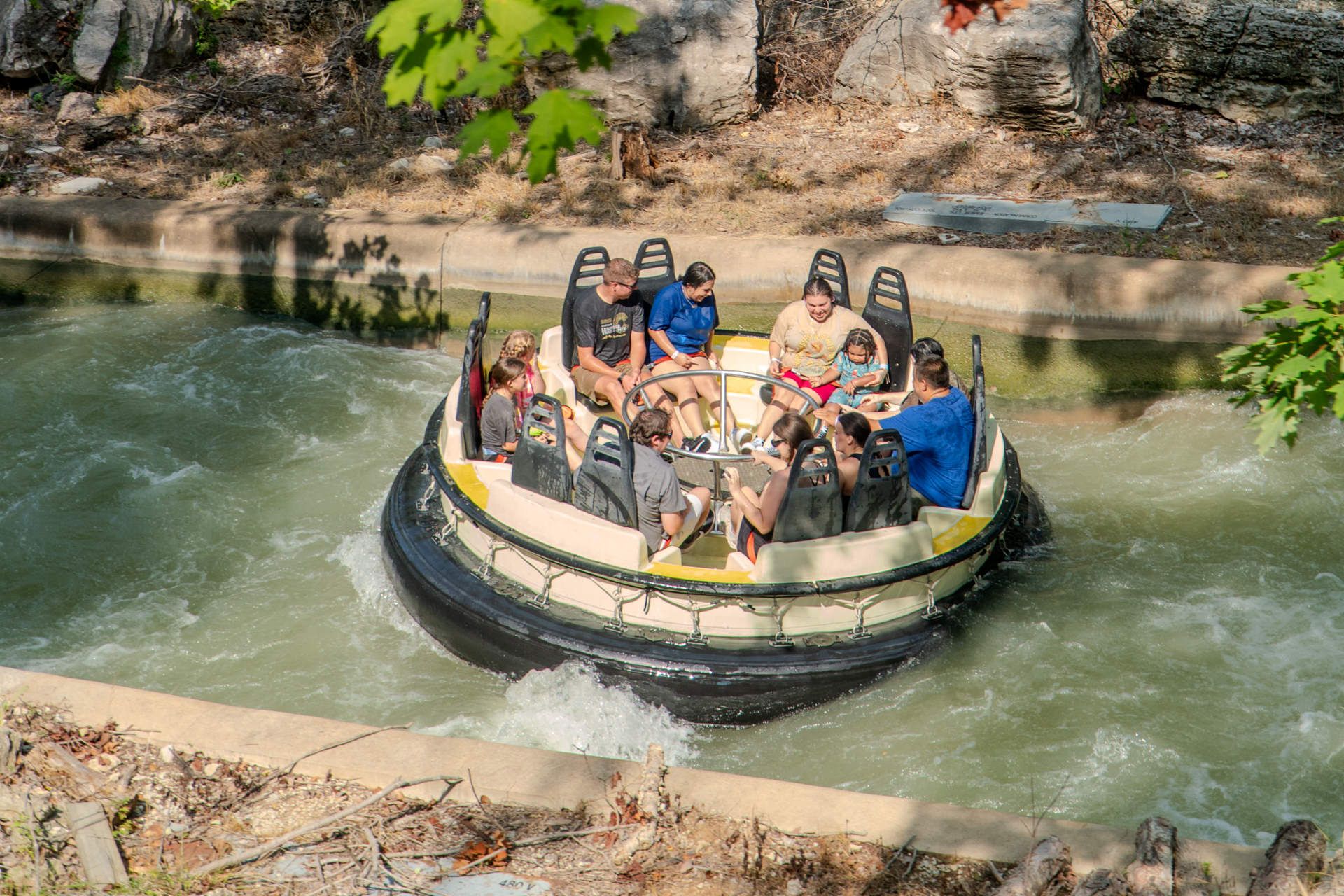
One of the most entertaining attractions at Six Flags St. Louis is Thunder River, the park’s Intamin rapids ride. Packed with raging rapids, turbulent currents and plenty of opportunities to get soaked, this classic river rapids ride delivers exactly what you would expect.
By the end of our ride, there was nearly 8 in (20 cm) of water sloshing around in the raft. Fortunately, I was the only one wearing sandals, so I simply left my feet in the water for the entire ride. Everyone else, however, spent the journey trying to keep their shoes dry—with little success.
If you’re looking to cool off on a hot Missouri afternoon, Thunder River is one of the park’s most refreshing attractions—and don’t expect to stay dry.
Colossus and Tommy G. Robertson Railroad
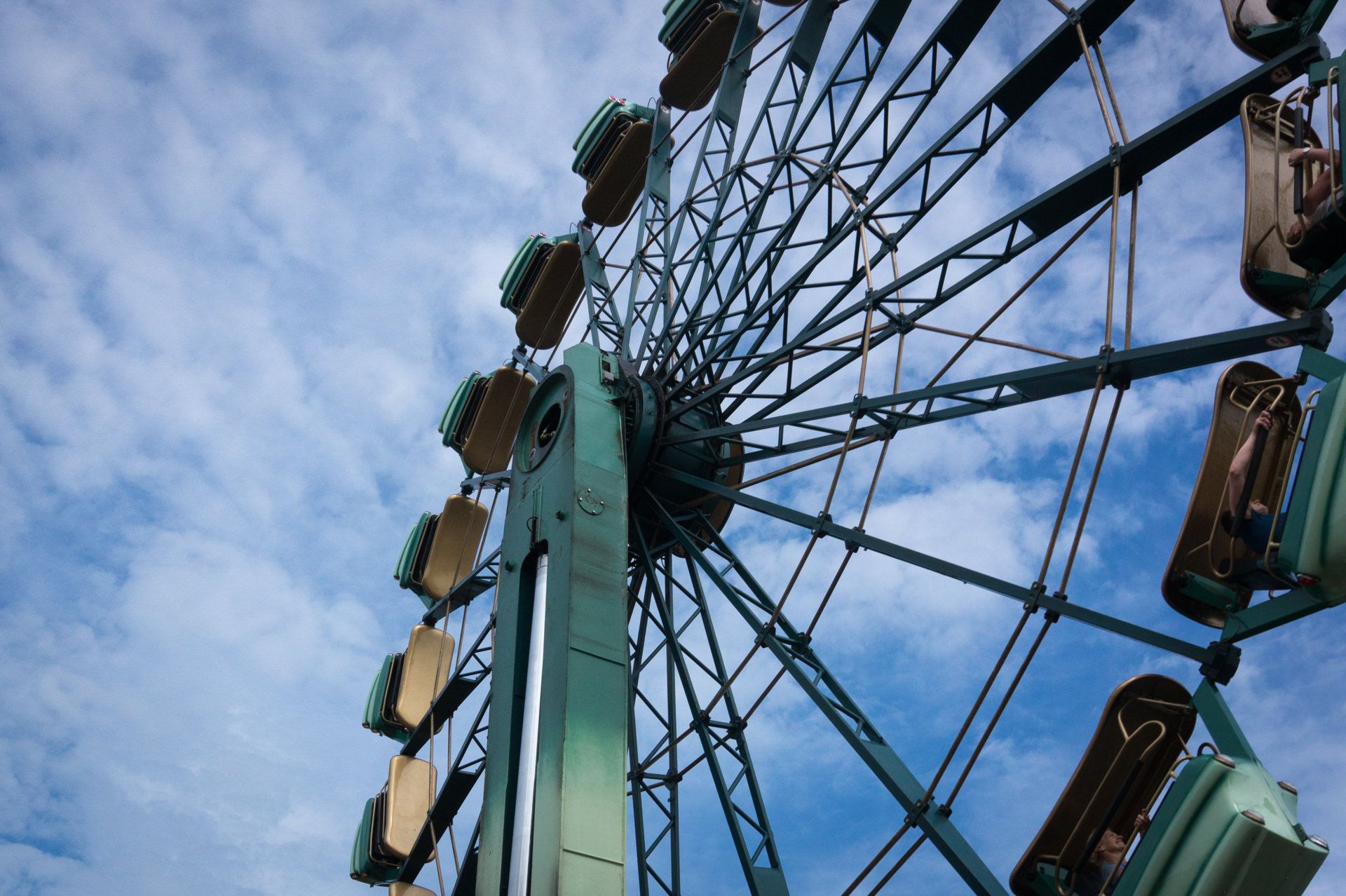
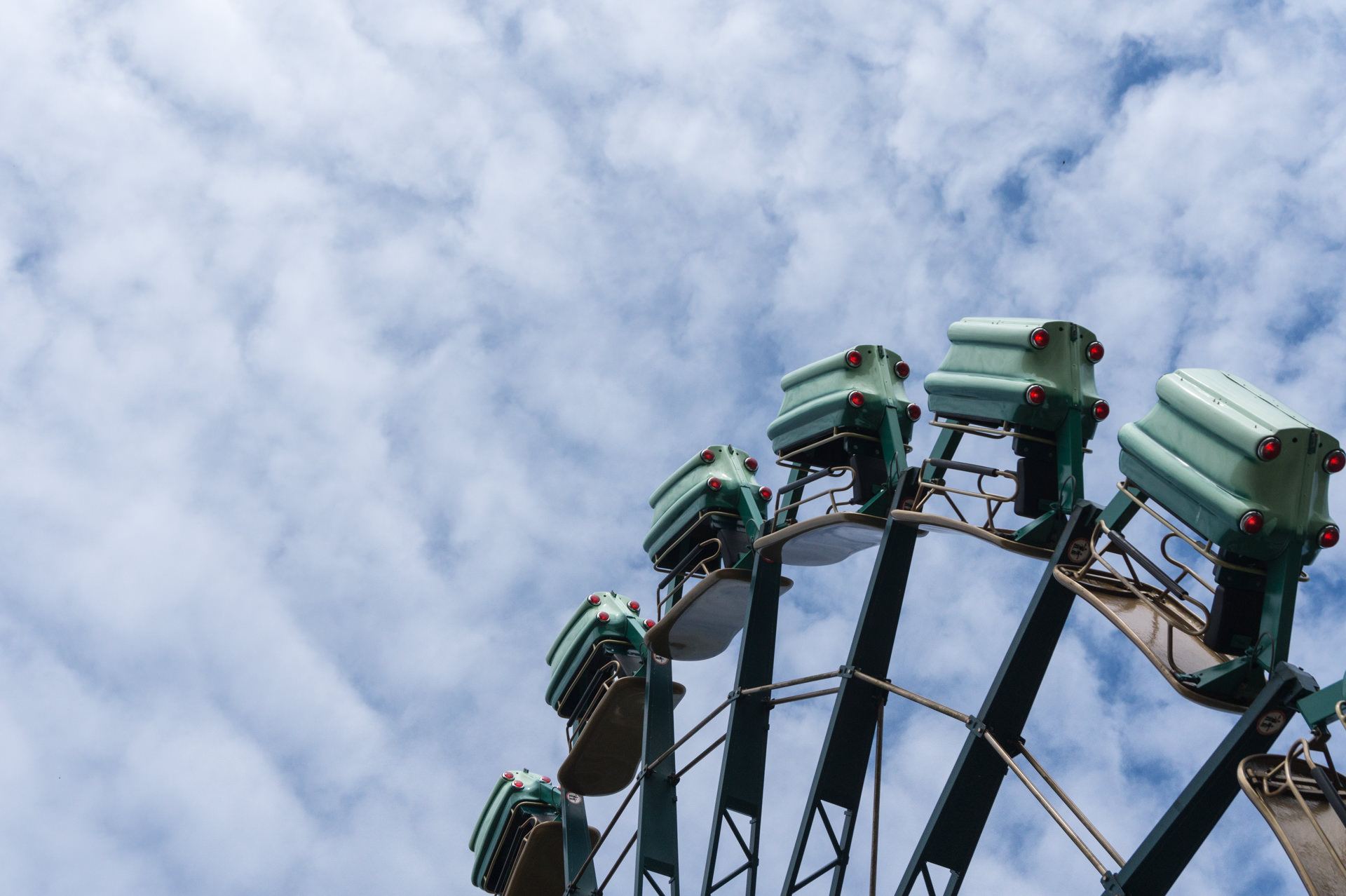
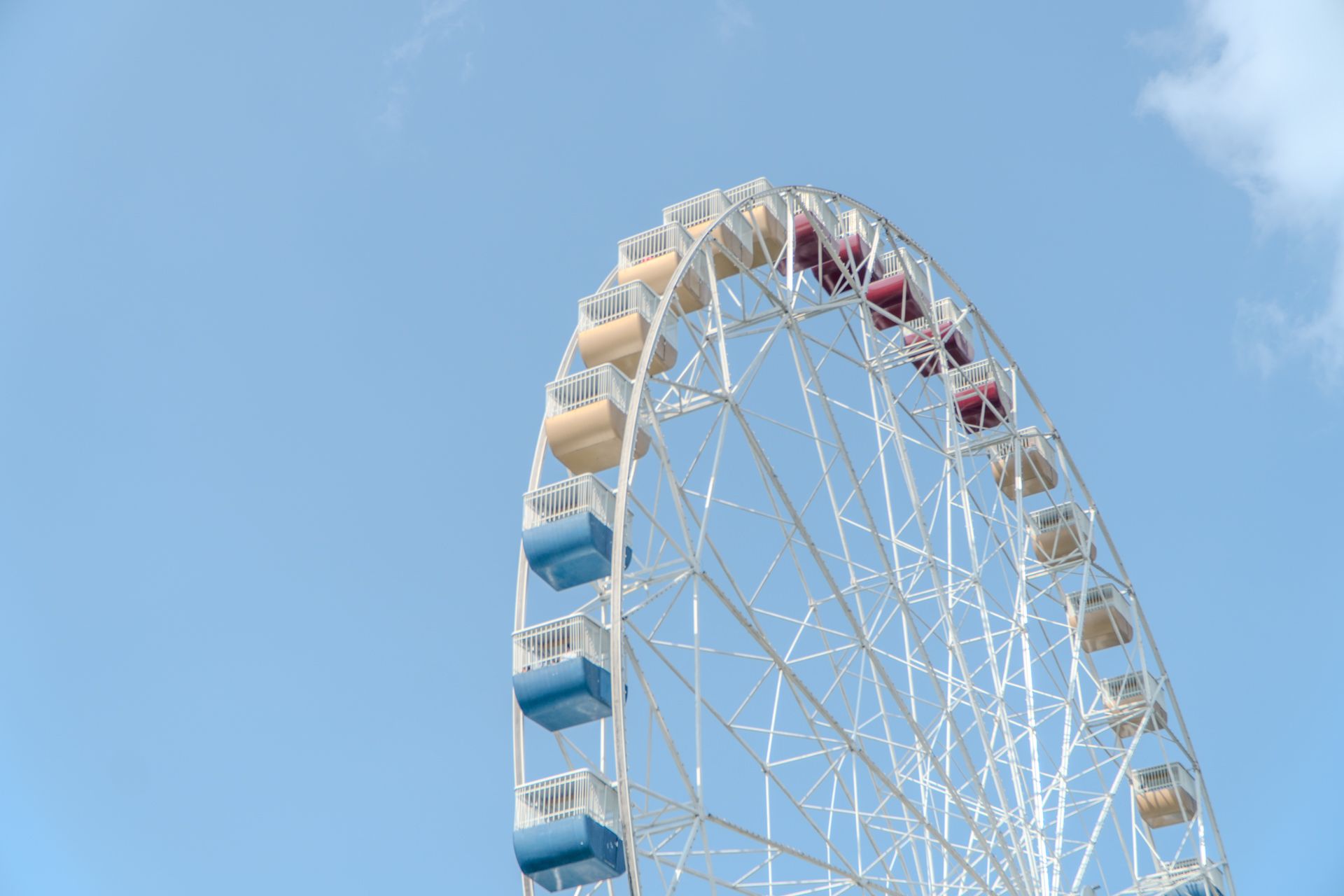
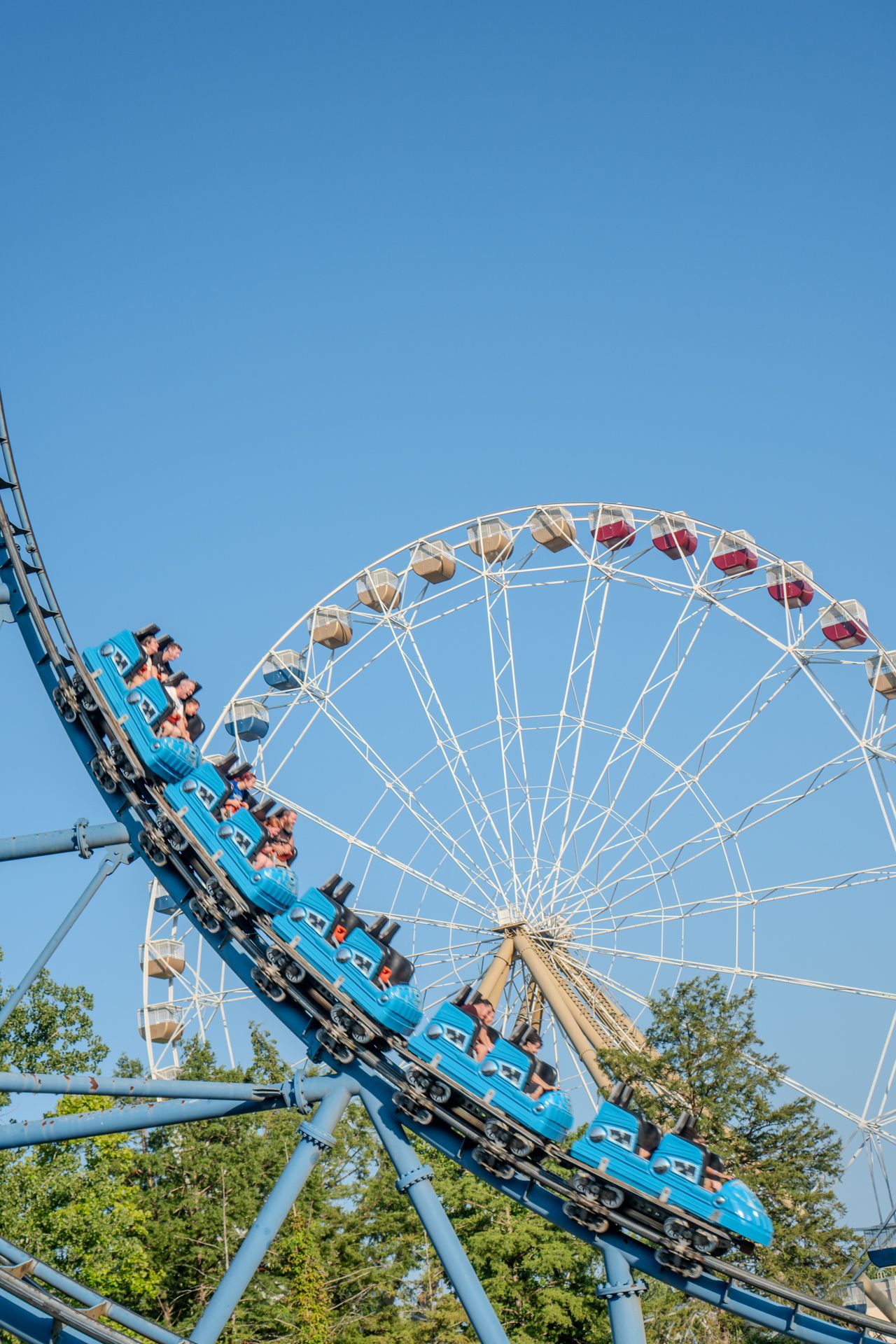
Two of the park’s more relaxing attractions are the giant observation wheel Colossus and the Tommy G. Robertson Railroad. Colossus offers excellent panoramic views across Six Flags St. Louis, making it one of the best places to appreciate the park’s unique hillside setting.
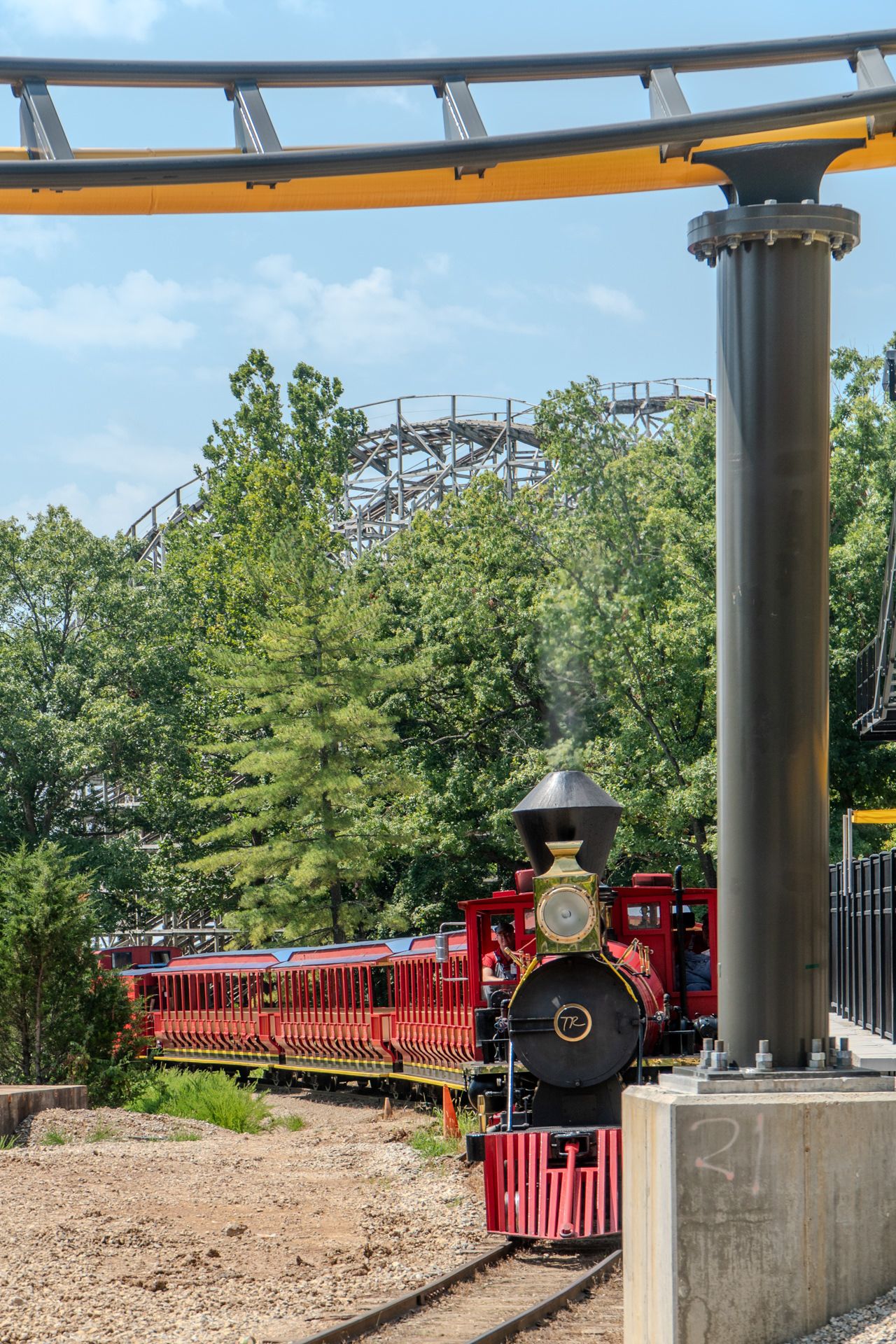
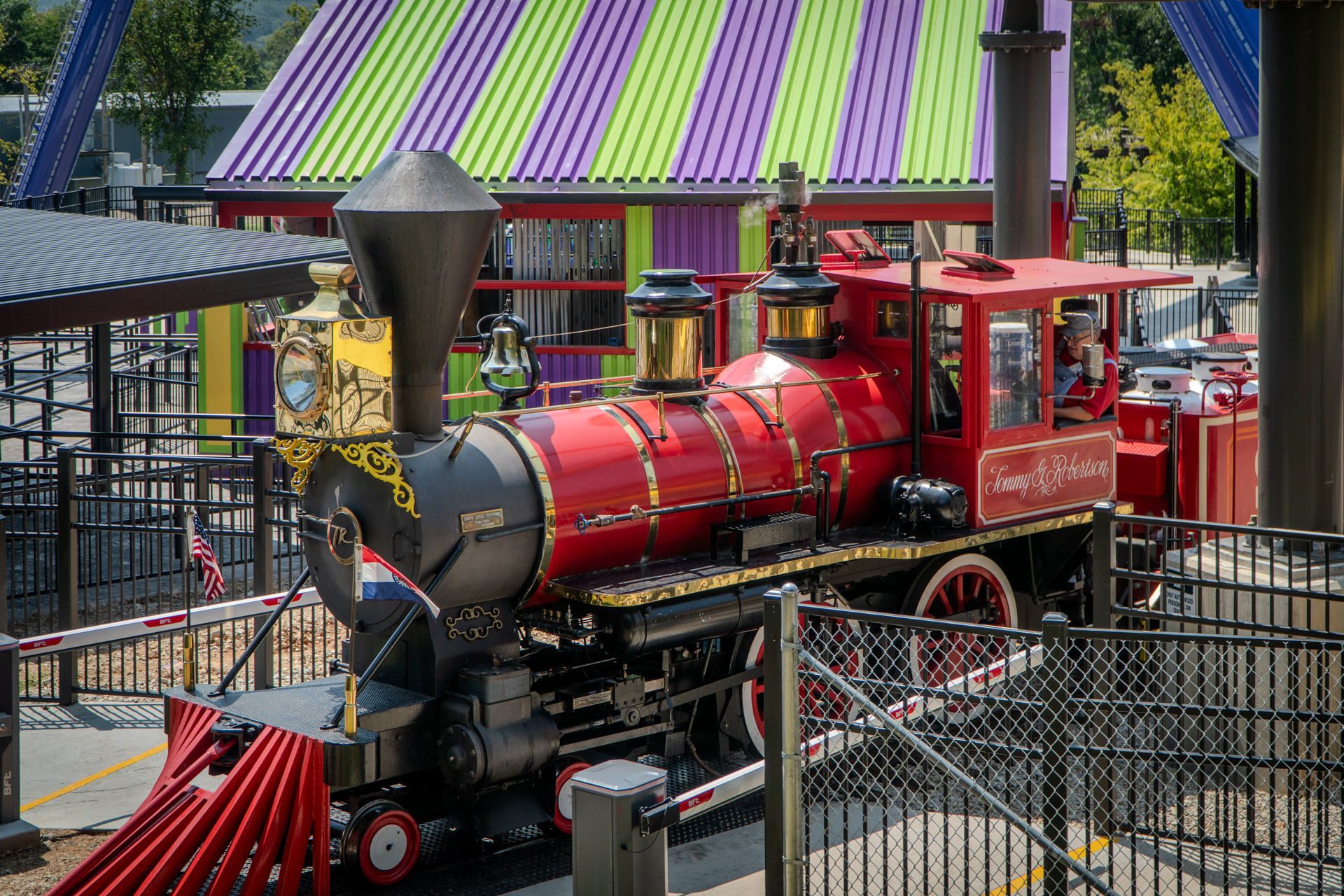
The Tommy G. Robertson Railroad circles the entire park, providing great views of many of the park’s signature attractions along the way. With stations at both ends of the park, it also serves as a convenient way to get around without tackling the park’s many hills on foot.
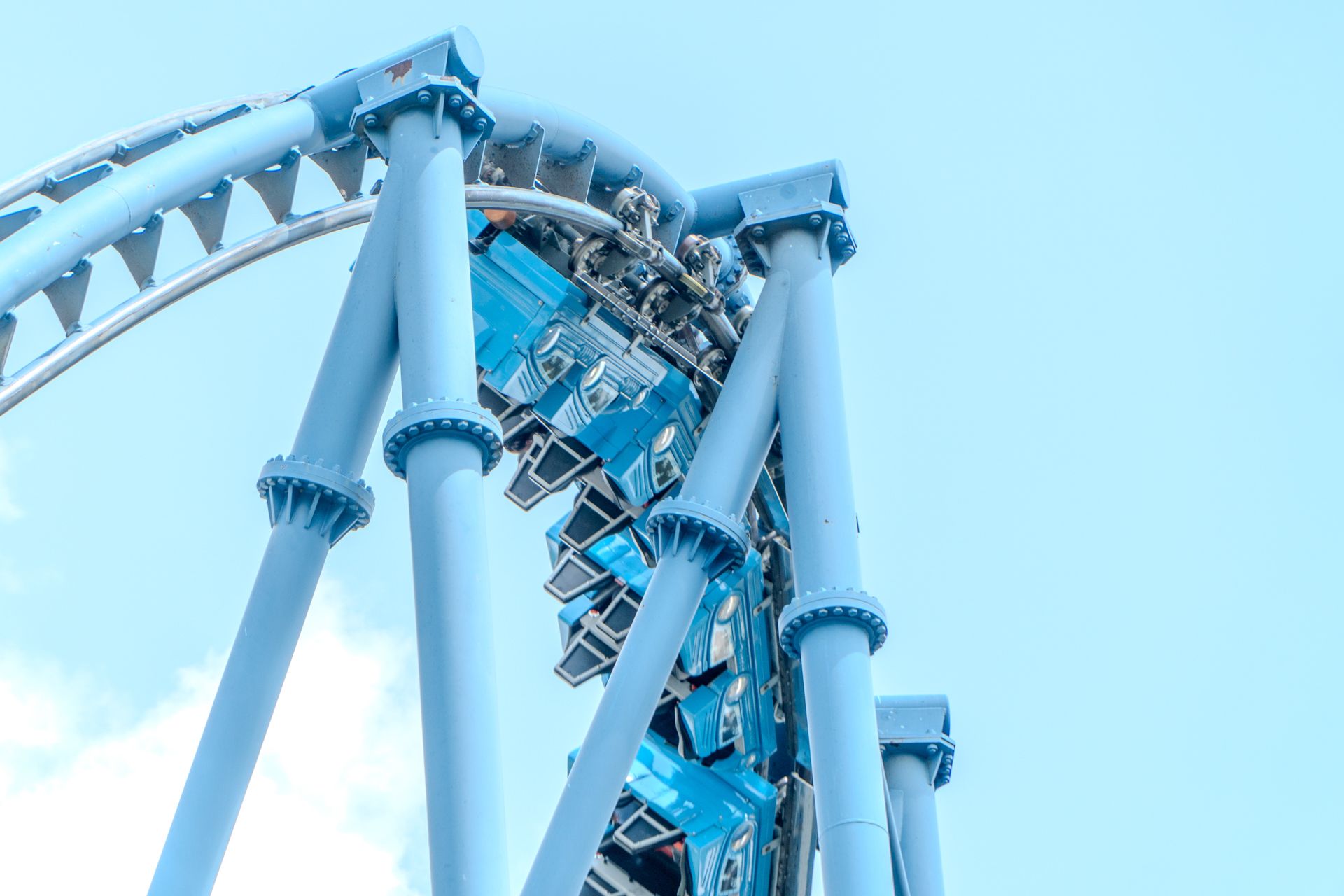
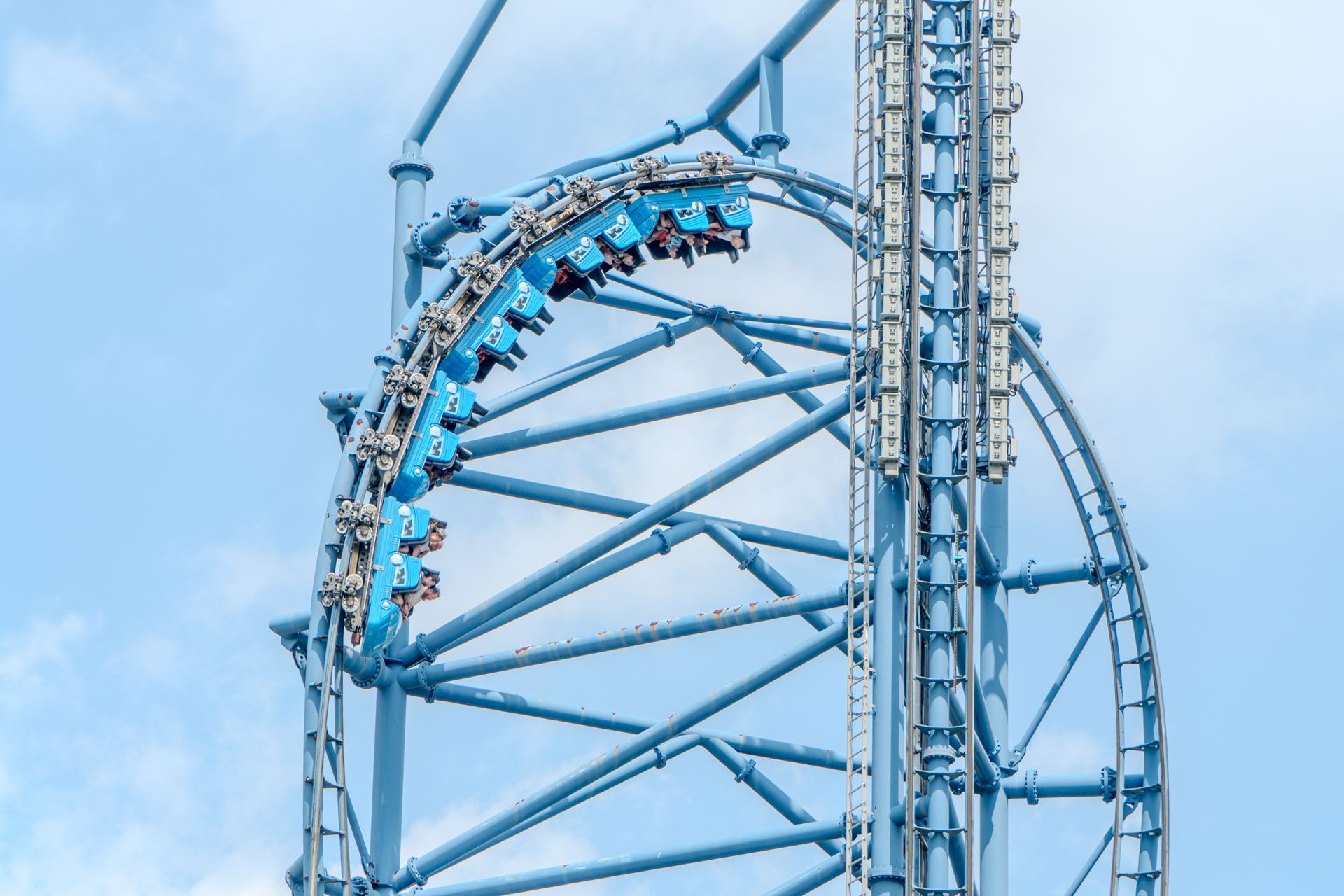
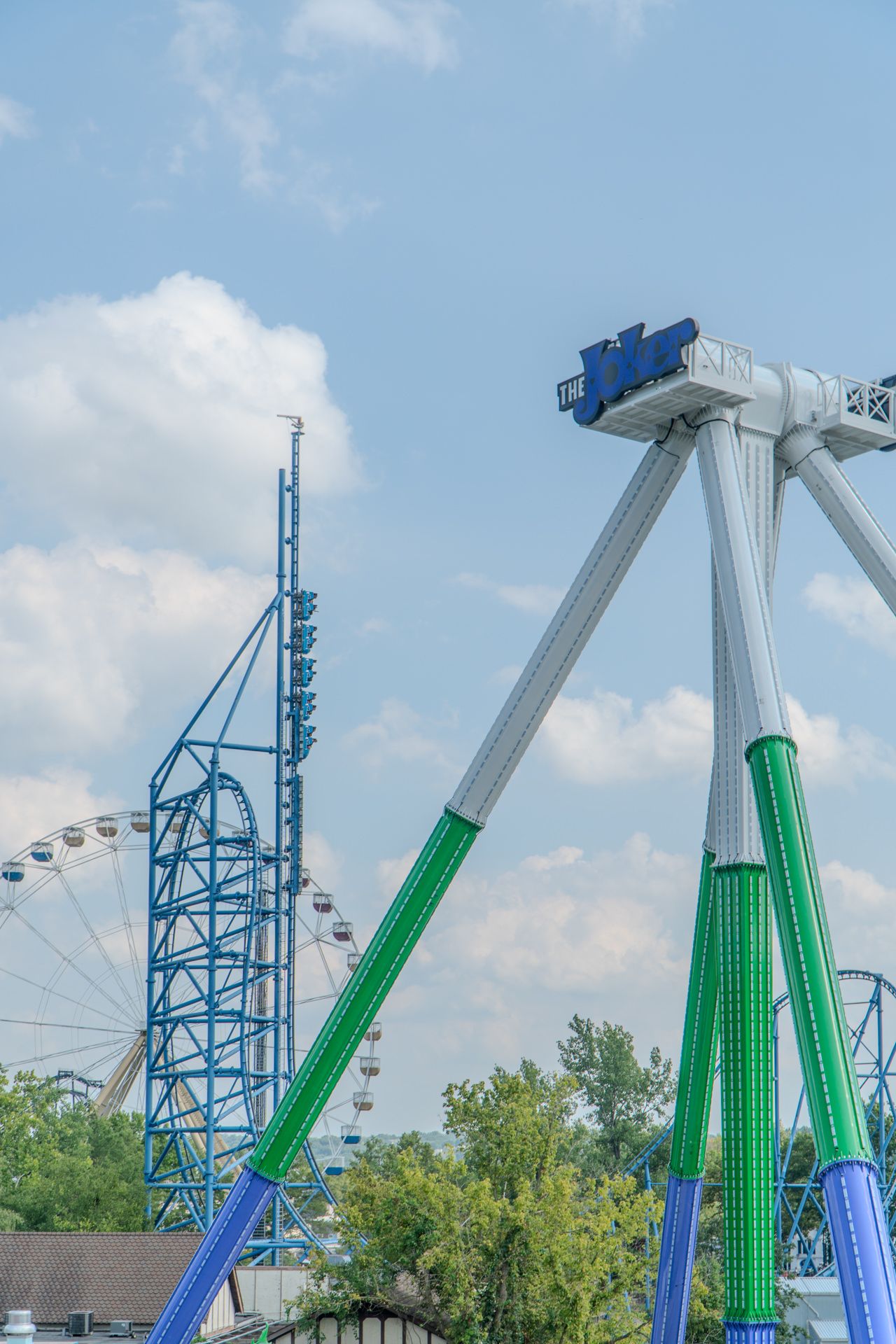
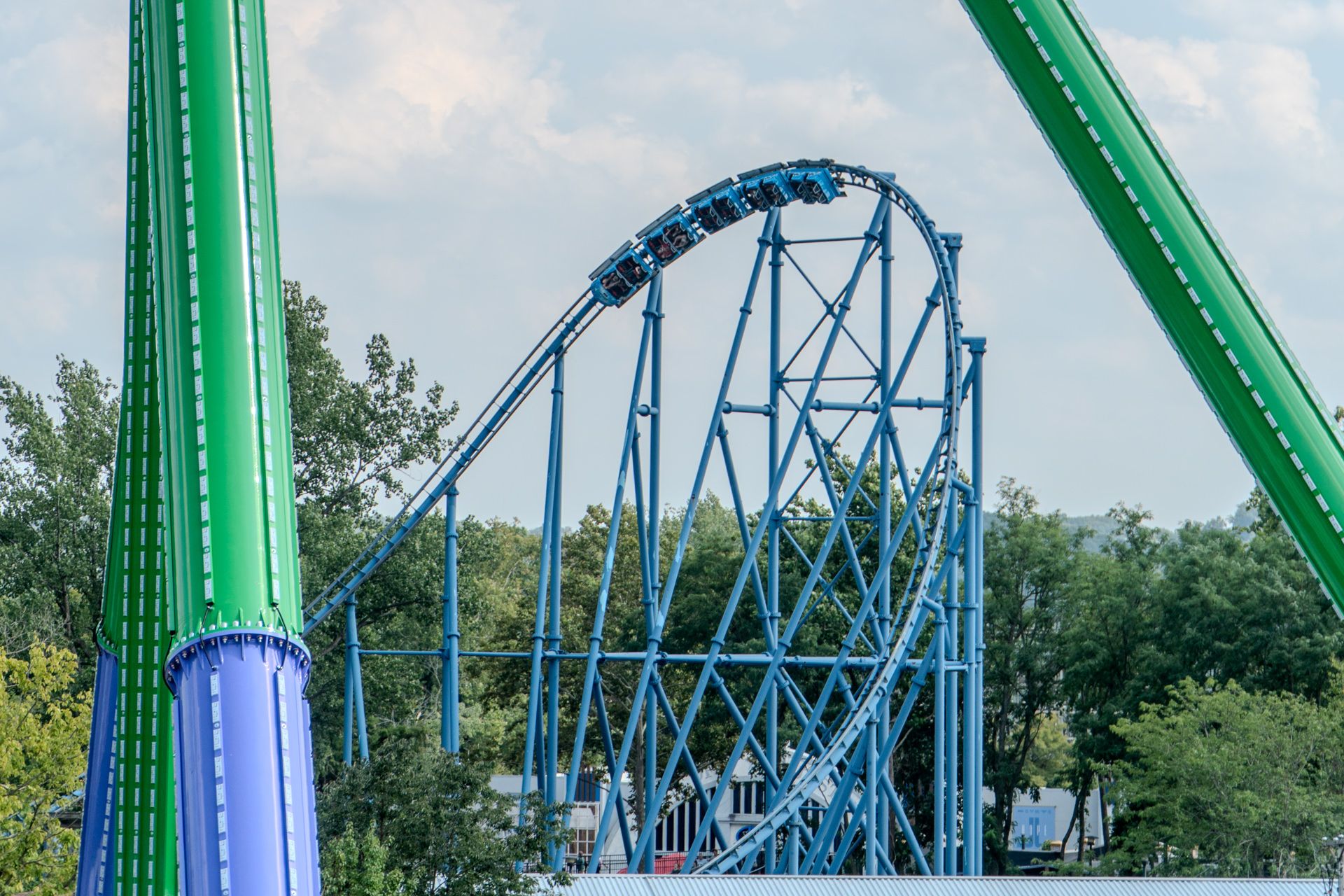
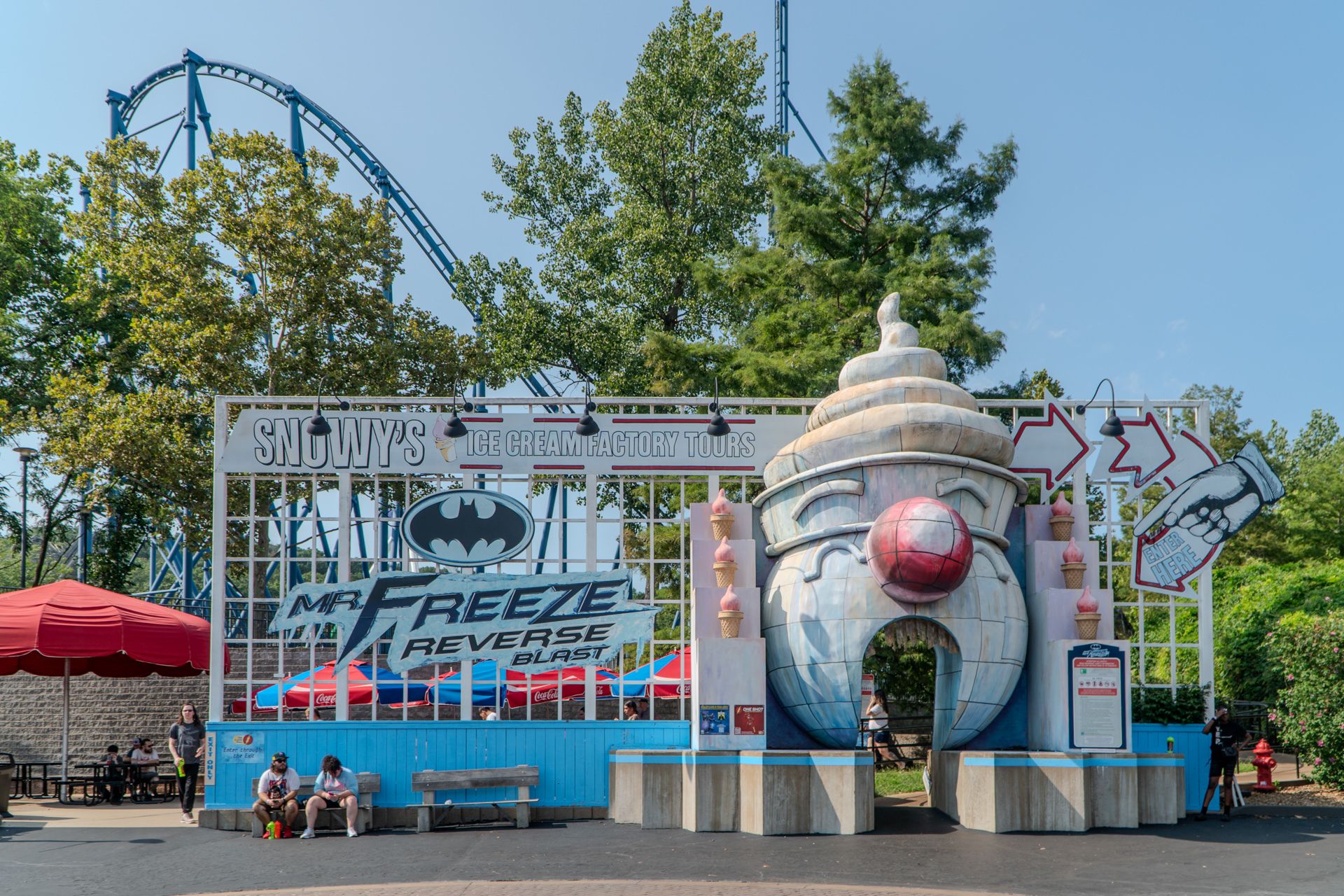
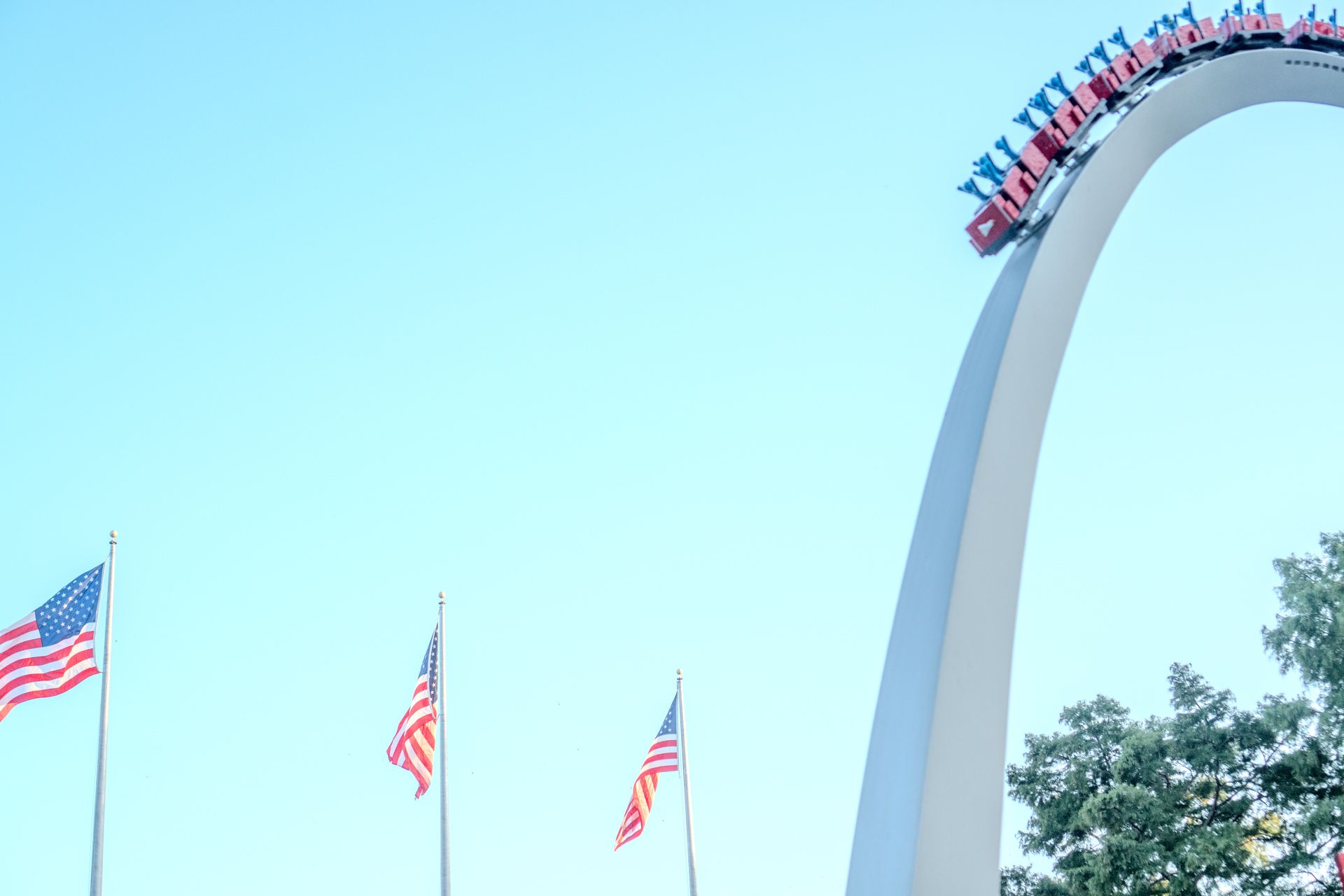
Mr. Freeze Reverse Blast
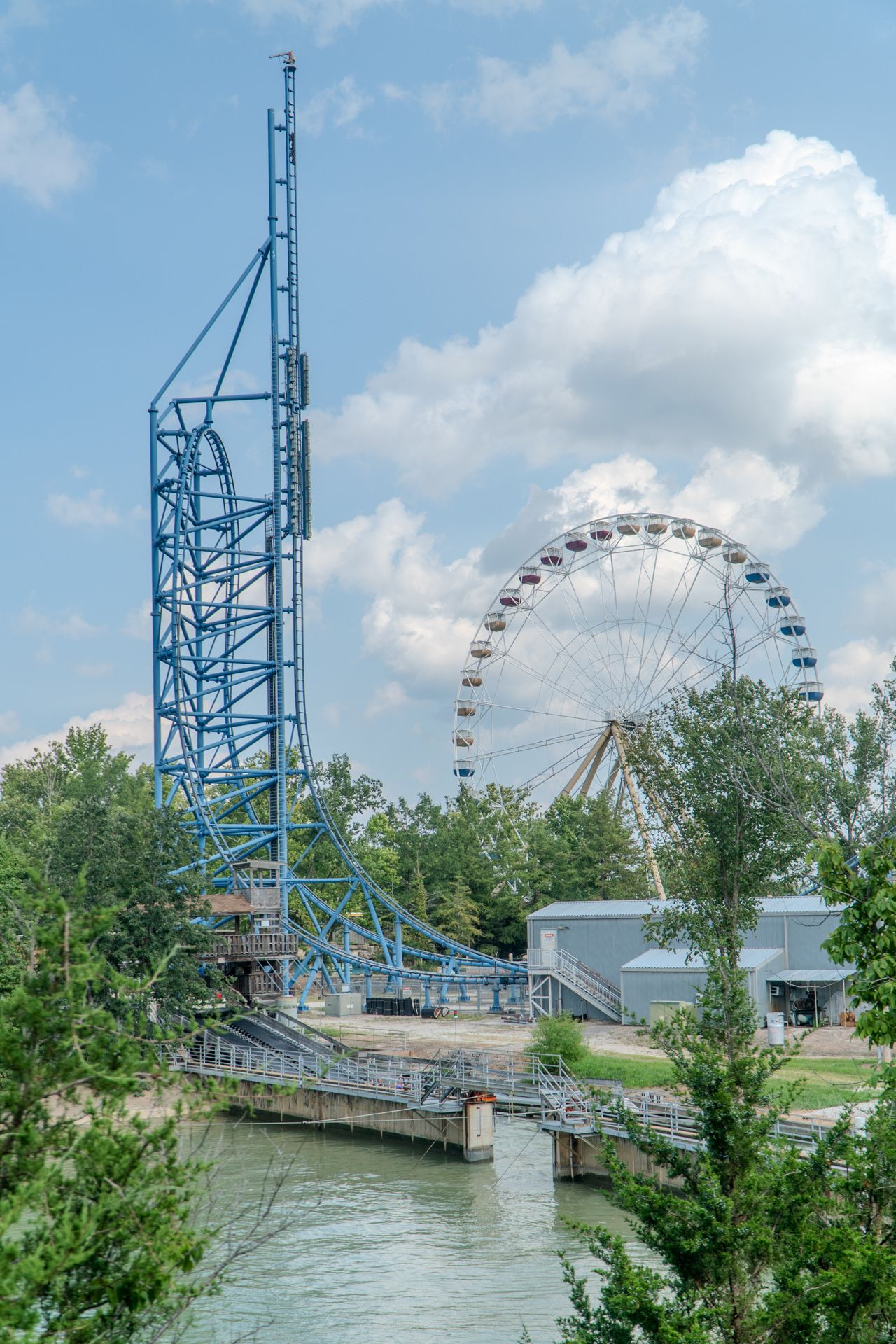
Located on an island within the park’s Thunder River rapids ride, Mr. Freeze Reverse Blast is one of Six Flags St. Louis’ signature attractions. Although an identical coaster can also be found at Six Flags Over Texas, the St. Louis installation was the first to open.
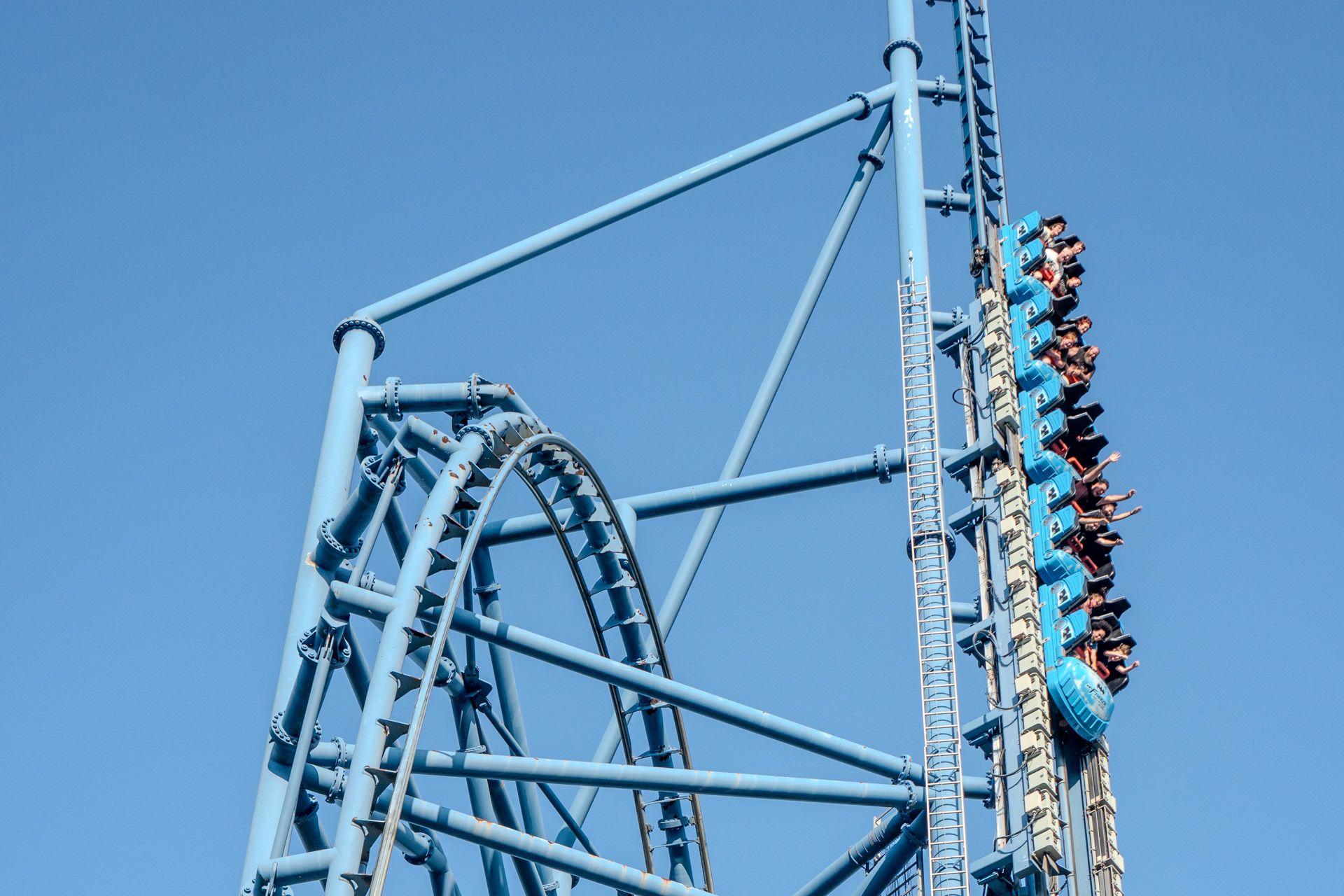
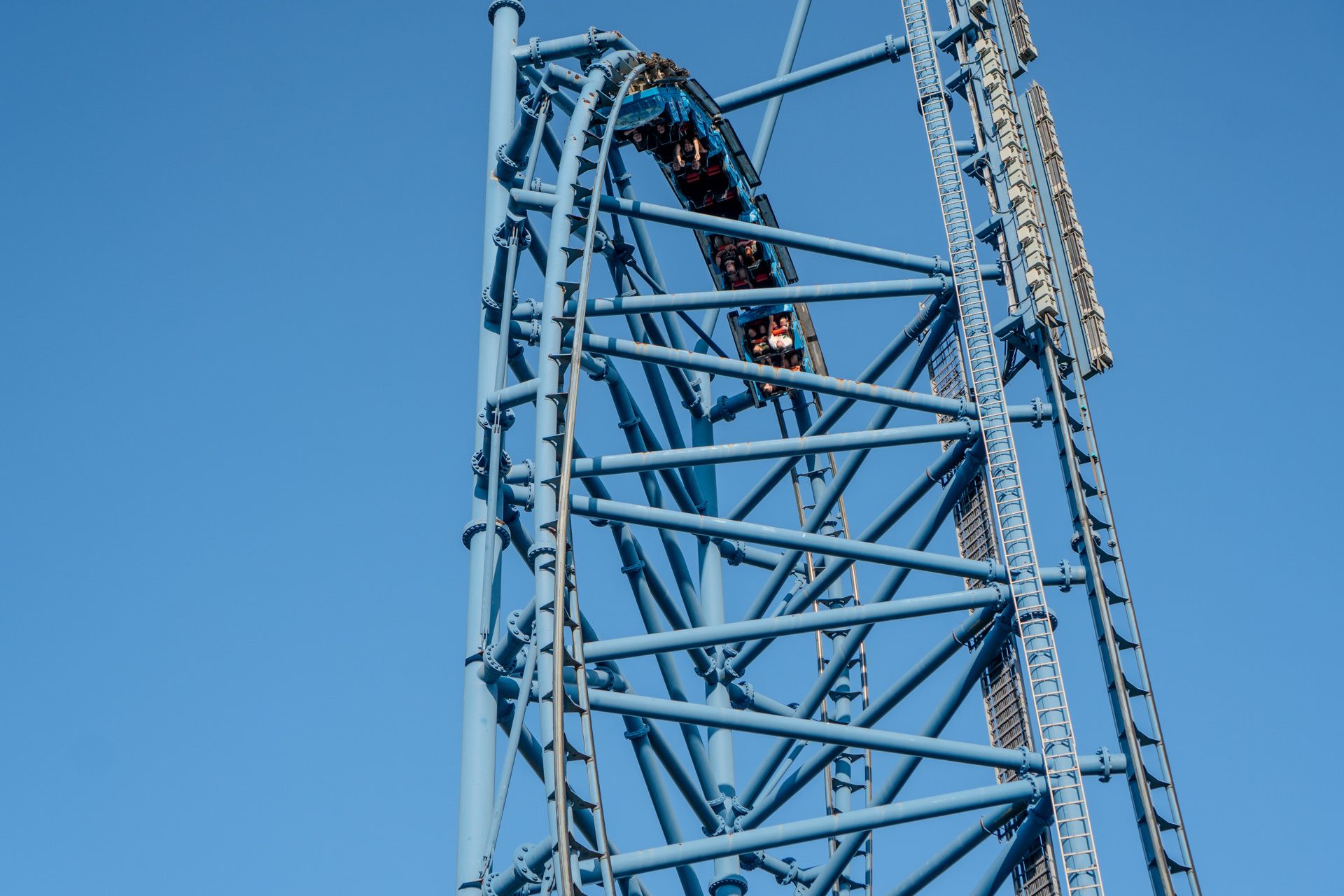
Originally, the trains launched riders facing forward. During its first few years of operation, the coaster also featured over-the-shoulder restraints before all Premier Rides installations across the Six Flags chain were converted to lap bars in 2002. The most significant change came in 2012, when the trains were rotated to launch riders backwards—a modification that completely transformed the ride experience.
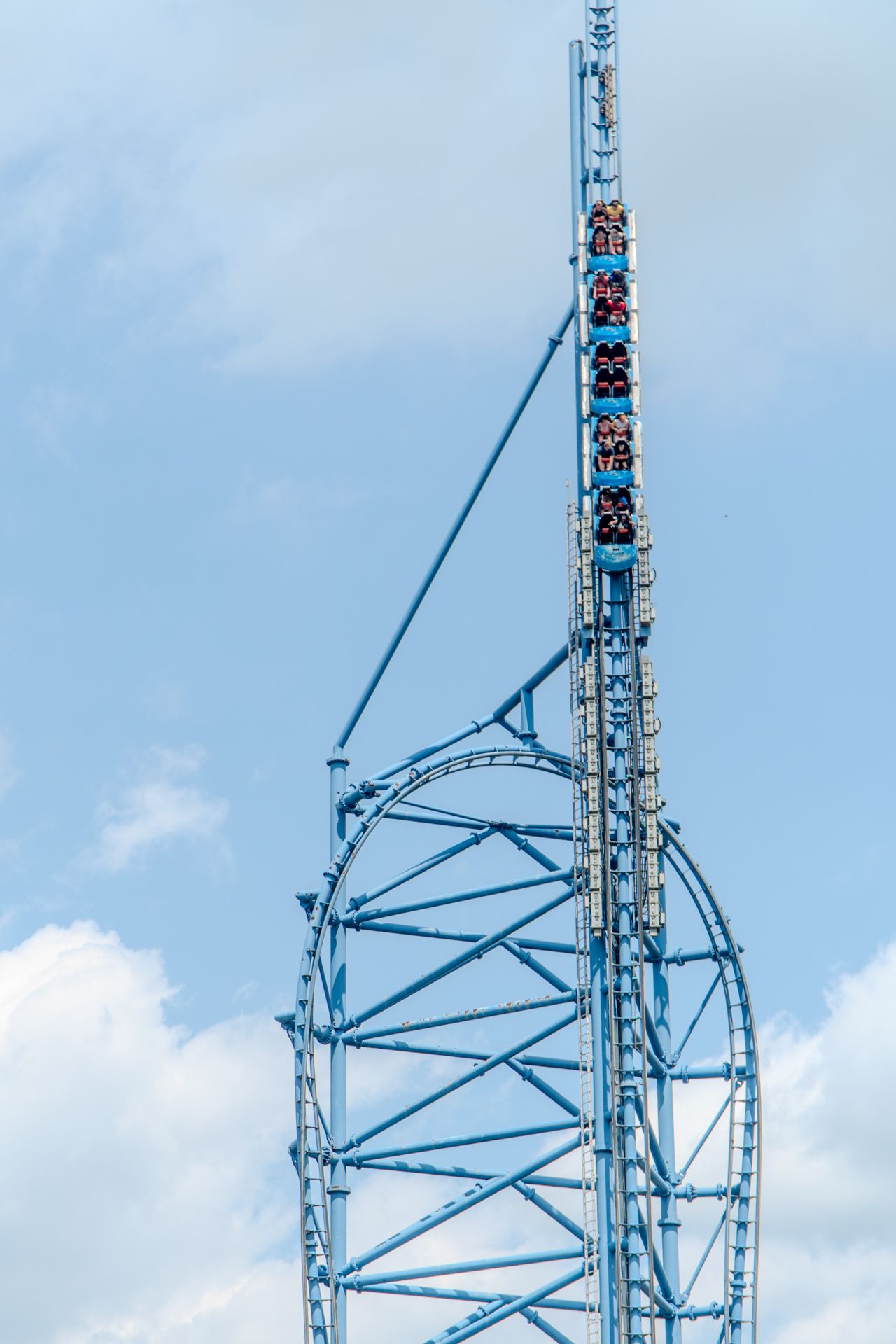
Being launched backwards is an incredible sensation. With nothing but a lap bar holding you in place, the rapid acceleration pushes you hard into the restraint before the train races up the inside Top Hat. Hanging upside down for a brief moment before diving back towards the ground is unlike anything else in the park. At full speed, the train charges through the towering overbanked turn before climbing the vertical spike, where riders experience a fantastic moment of weightlessness while facing straight towards the ground. Moments later, the train races back through the course before gradually coming to a stop on the launch track.
Mr. Freeze Reverse Blast is a heck of a ride. The ride is extremely intense and packed with memorable moments. The inside Top Hat is simply amazing, while the vertical spike at the end of the ride delivers an incredible sensation as you face straight towards the ground. It remains one of the most intense roller coasters I have ever ridden.
Log Flume
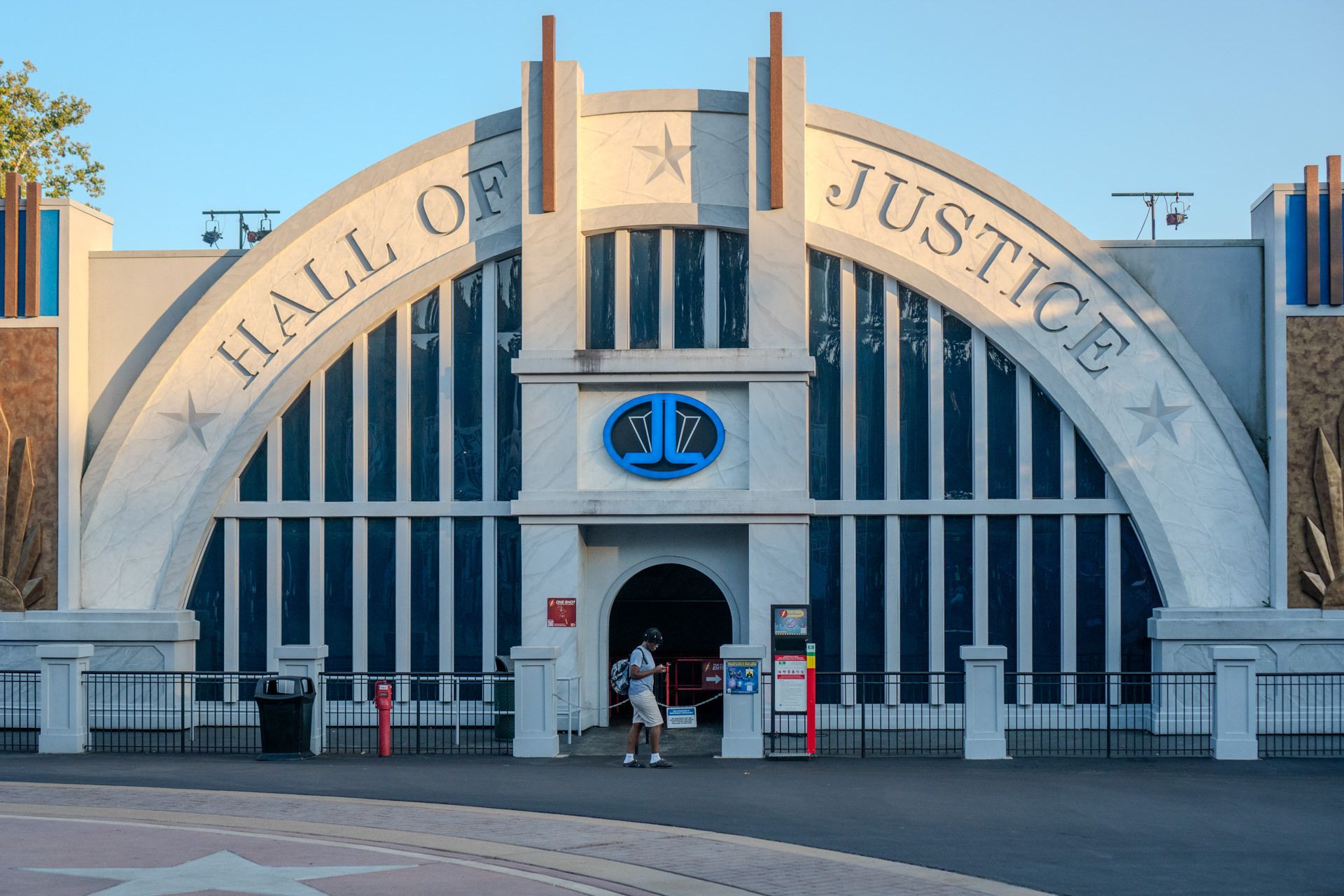
Passing the interactive dark ride Justice League: Battle for Metropolis and the park’s Shazam Scrambler, we make our way back towards the front of the park, where the classic Log Flume awaits.
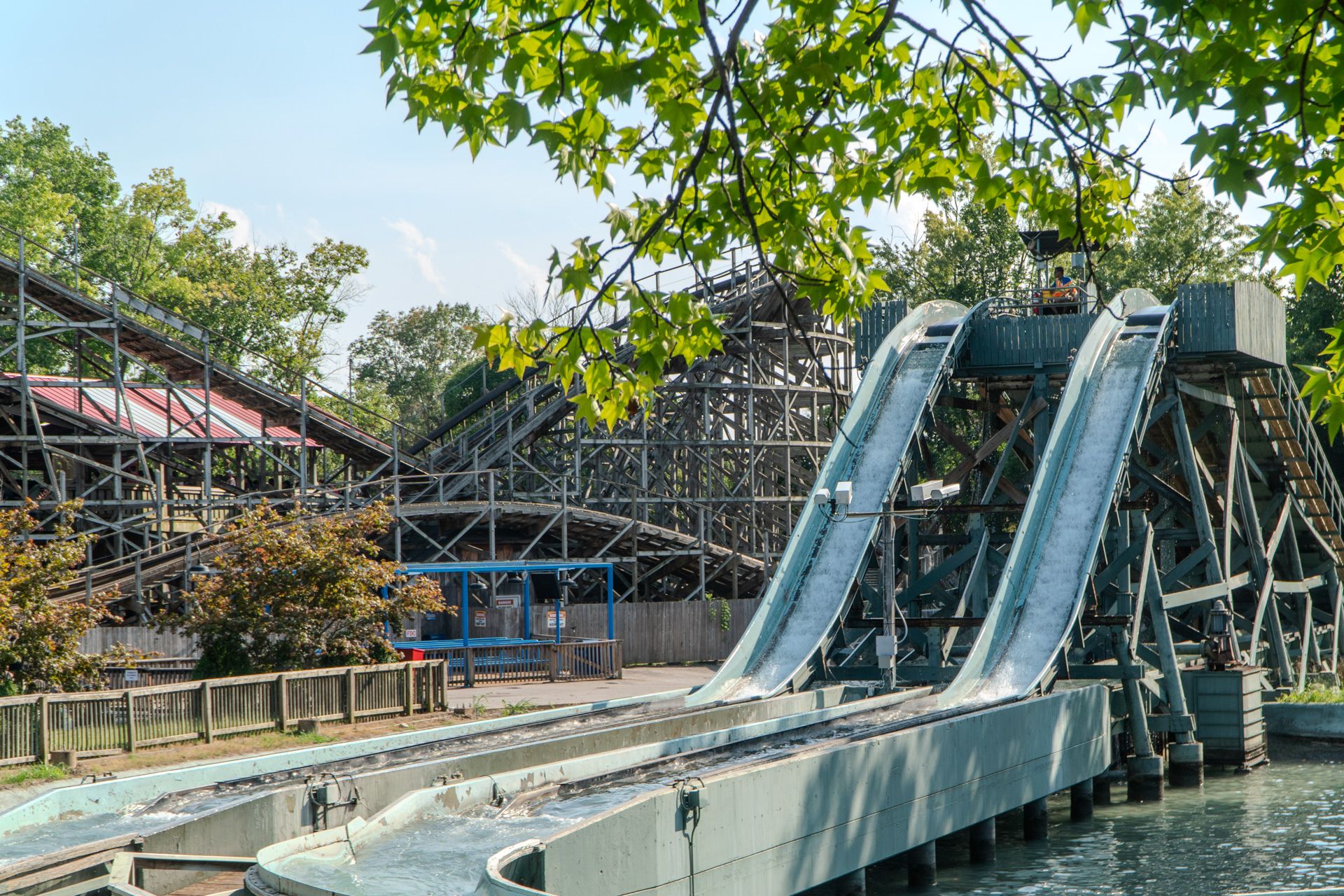
Built by Arrow, the attraction is one of the earliest log flumes ever constructed. While it lacks the elaborate theming and large drops found on more modern installations, it more than makes up for it with its excellent pacing. The surprisingly fast layout, numerous whitewater sections and perfectly timed splashdowns make for a thoroughly enjoyable ride that leaves most riders moderately soaked.
The Log Flume is a fantastic classic and one of the best examples of why simple attractions can still be incredibly fun. Sometimes, you don’t need the biggest drop to create a great water ride.
American Thunder
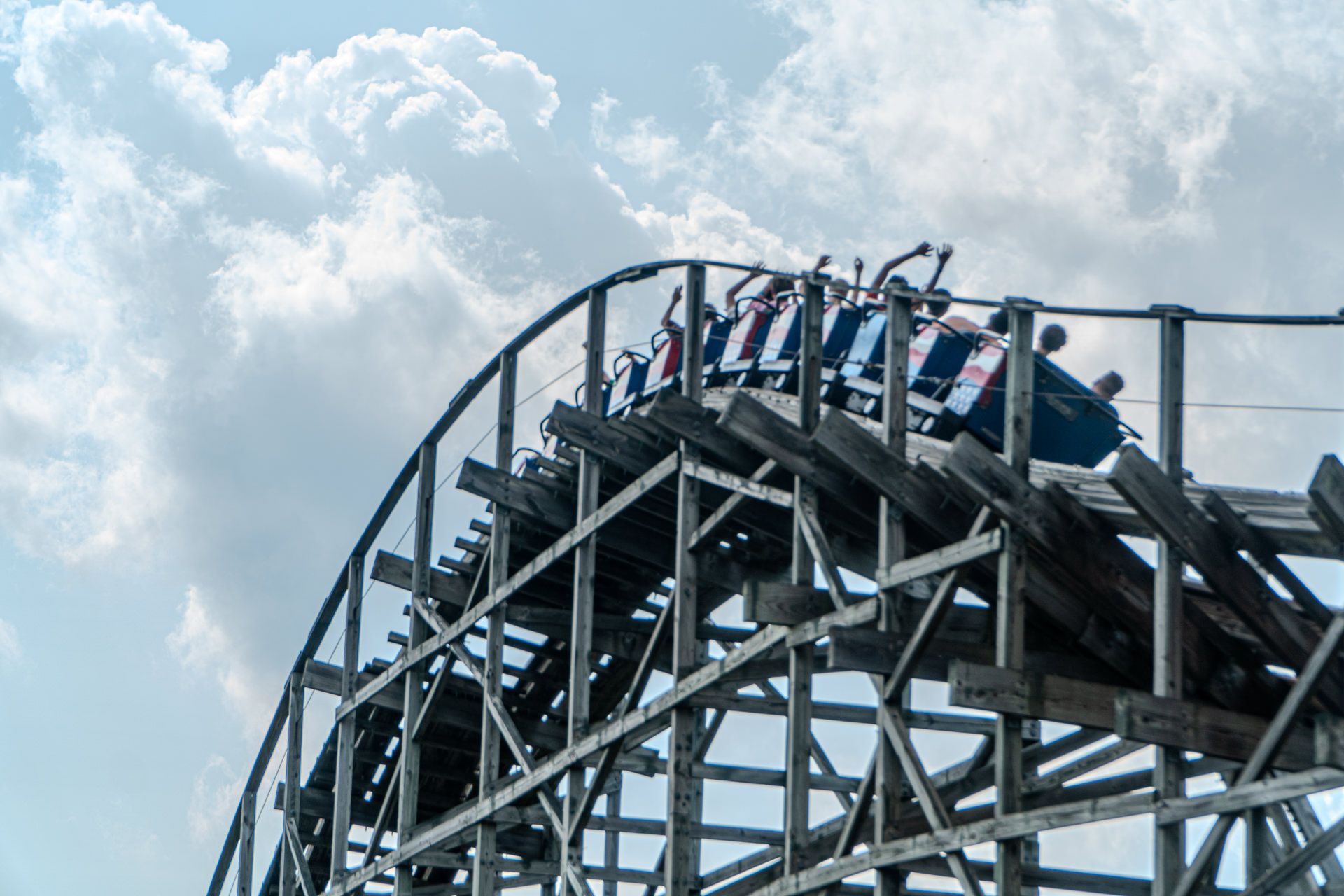
Originally opening as Evel Knievel, American Thunder is Six Flags St. Louis’ wooden coaster built by Great Coasters International (GCI). While considerably smaller than The Boss, it packs an impressive amount of action into its compact layout.
After leaving the station in a right-hand turn, the train climbs the lift hill before plunging down a steep, twisting first drop. A large turnaround featuring a distinctive dip quickly follows, leading into a relentless series of low-to-the-ground camelbacks. Another turnaround changes direction before the coaster races over hill and dale with increasing speed. A final left-hand turn then guides the train into the brakes, bringing this action-packed ride to an end.
American Thunder is probably the most fun of the park’s three wooden coasters. The pacing is outstanding, the layout flows effortlessly from one element to the next, and it’s the kind of coaster you’ll happily ride again and again.
Pictures Six Flags St. Louis

















Conclusion Six Flags St. Louis
Six Flags St. Louis is a wonderful park that deserves far more attention than it usually receives. Its beautiful hillside setting, diverse collection of roller coasters and relaxed atmosphere make it one of the most underrated parks in the Six Flags chain. While it may not feature the record-breaking attractions of some of its larger sister parks, it more than makes up for it with a well-rounded lineup that offers something for every type of coaster enthusiast.
What impressed me most was how consistently good the park is. Beyond its headline attractions, Six Flags St. Louis offers a remarkably well-rounded collection of rides where nearly every major attraction is worth experiencing. By the end of the day, I found myself enjoying the park far more than I had expected before my visit.
I highly recommend a visit to Six Flags St. Louis. It may not be the biggest or most famous Six Flags park, but its unique character, beautiful setting and outstanding collection of rides make it one of the chain’s hidden gems.
What is your opinion about the amusement park Six Flags St. Louis? Just write it in the comment field below the report!
Click here to get to the next report of The Great Mid-Western Road Trip.
Click here to get to the overview page of Six Flags St. Louis.