SeaWorld Orlando
During my previous visit to SeaWorld Orlando, I had particularly bad luck with Manta and Kraken, as both coasters were down for refurbishment. Needless to say, the two B&Ms were pretty high on my list this time around.
Ice Breaker was already standing during that earlier visit as well, but had not yet opened. Since then, Pipeline and Penguin Trek have joined the coaster lineup, while the former Wild Arctic area has received a major new attraction with Expedition Odyssey.
So there was quite a bit for me to catch up on this time, along with several completely new rides to check out. Those six attractions are what this report is all about.
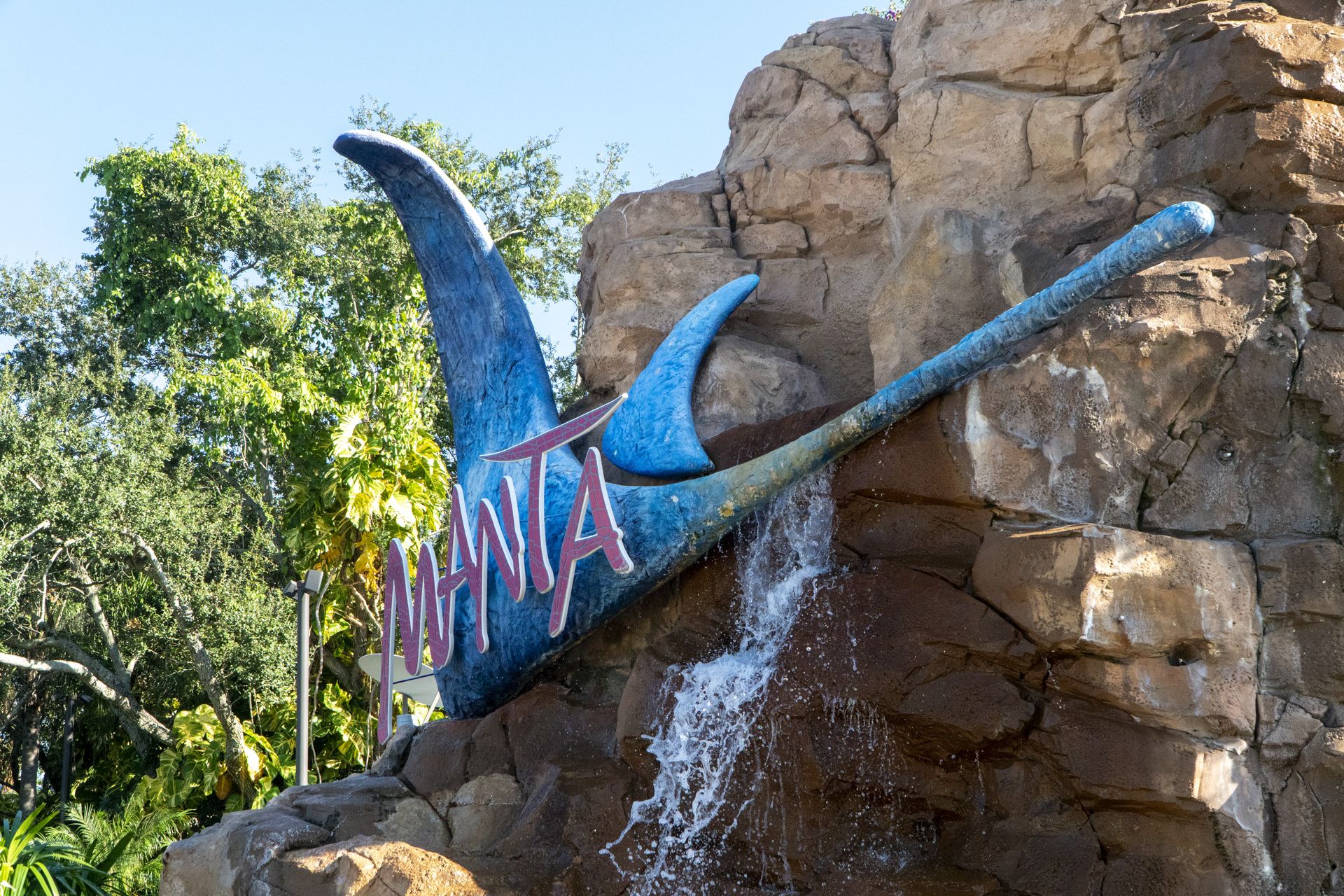
Manta
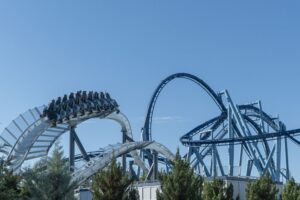
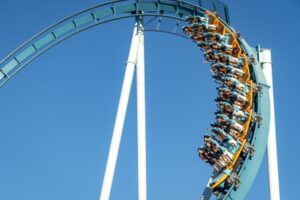
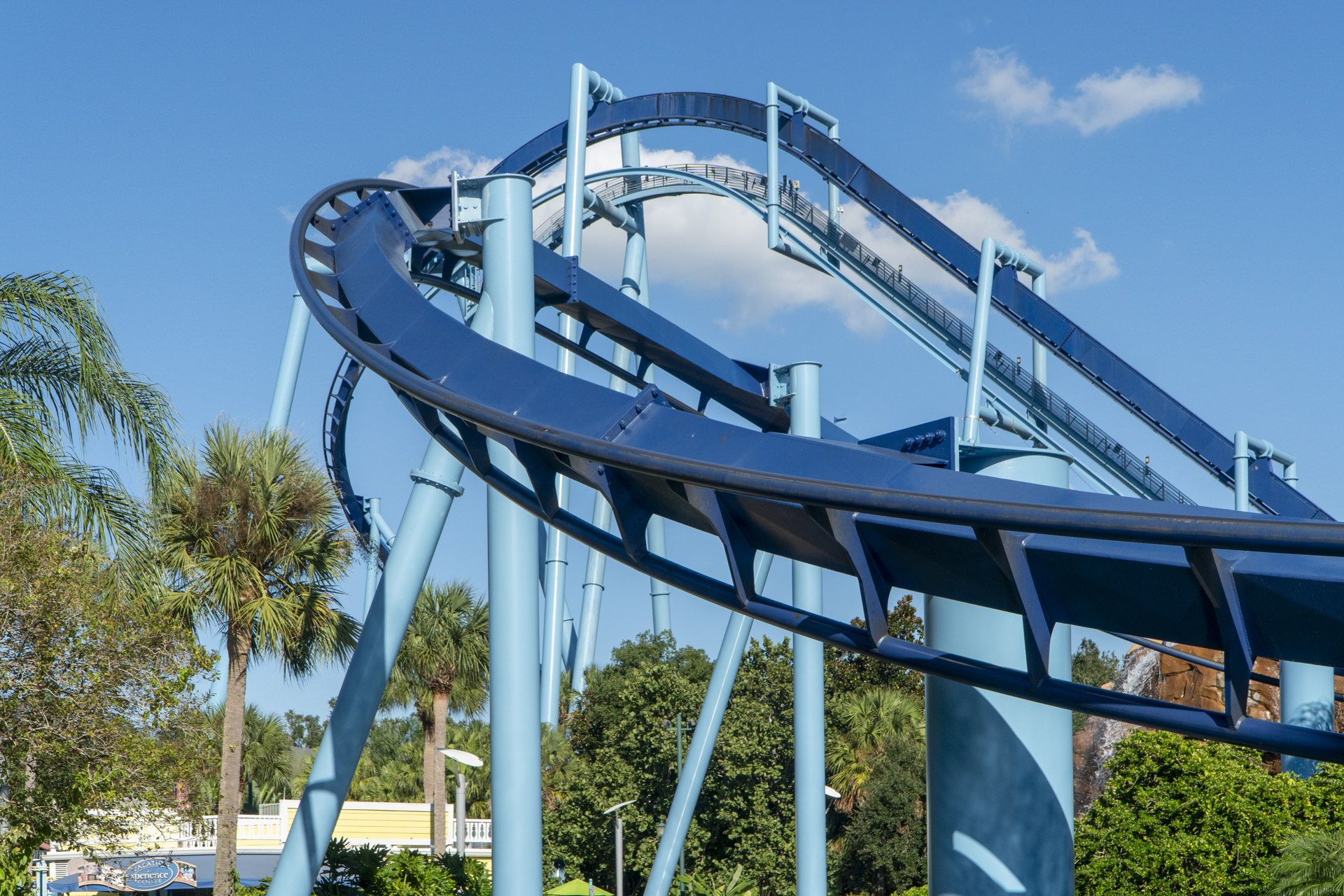
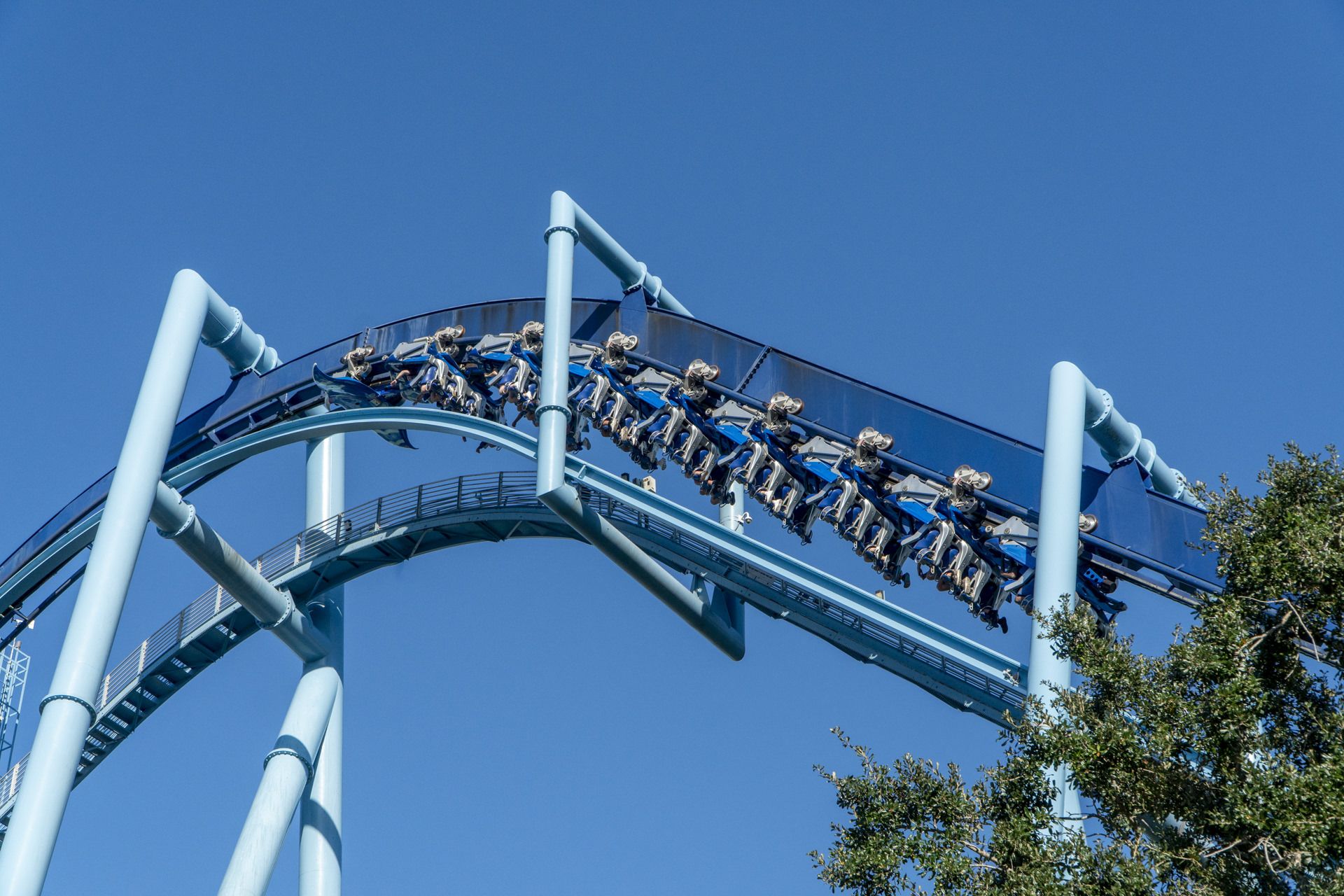
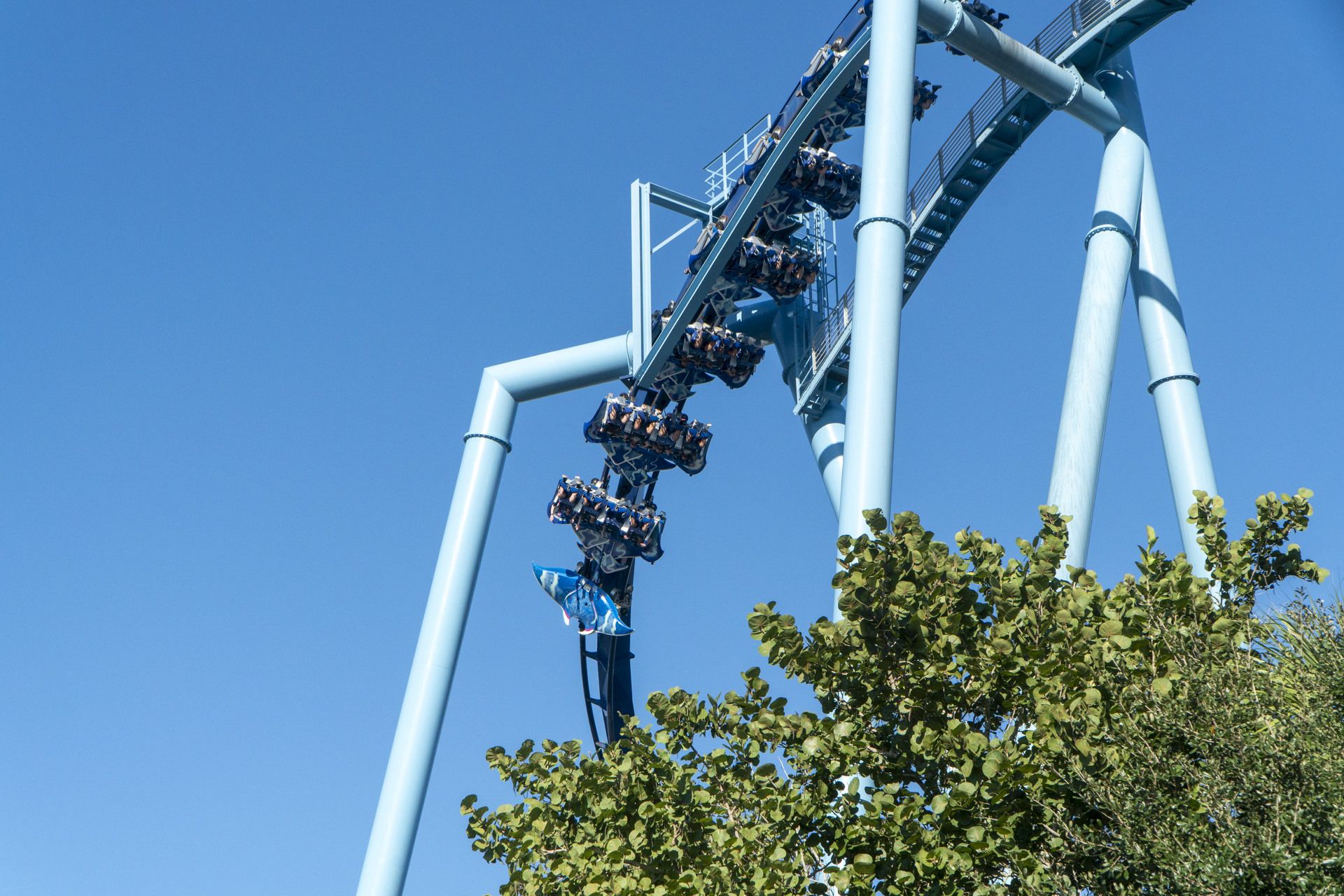
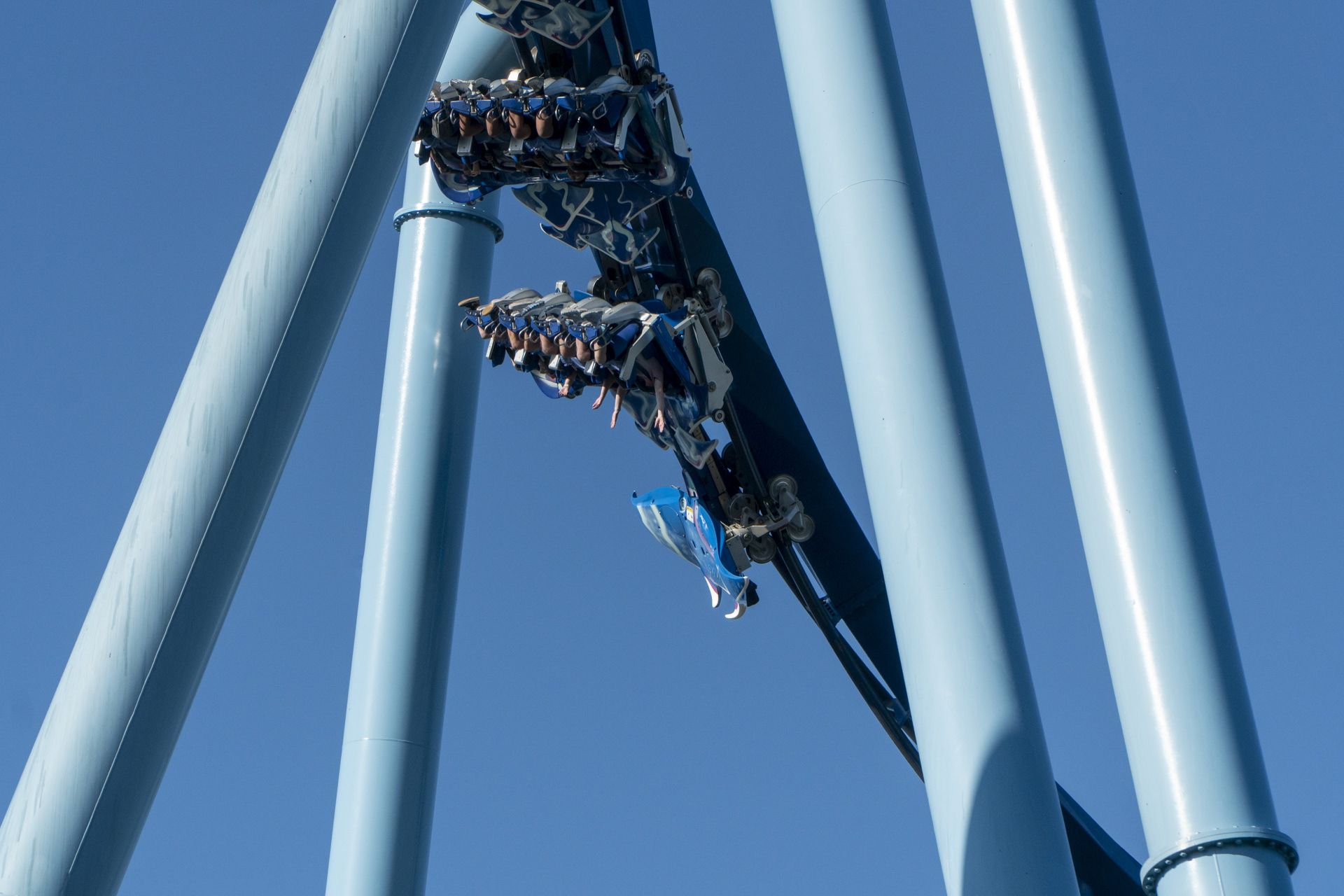
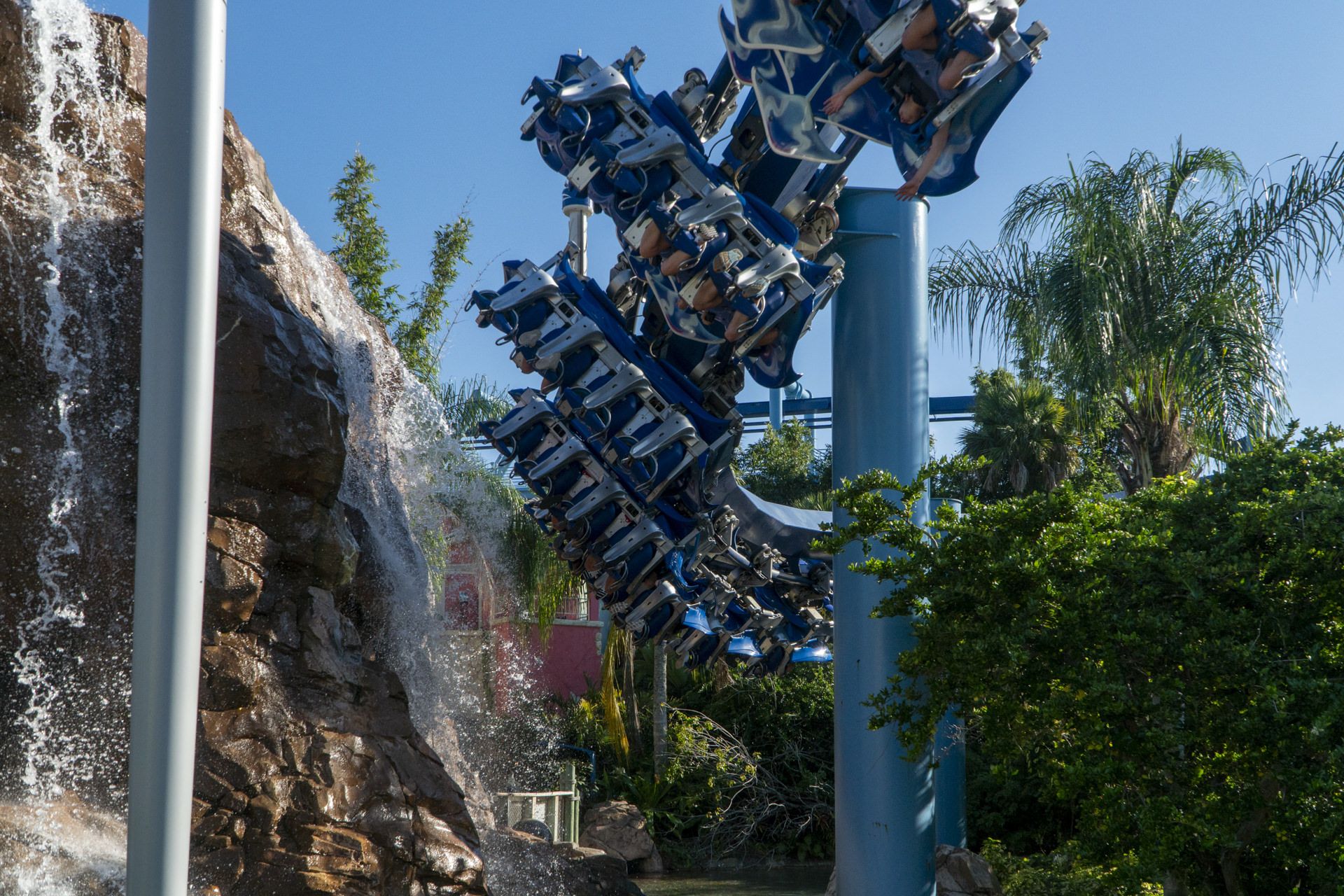
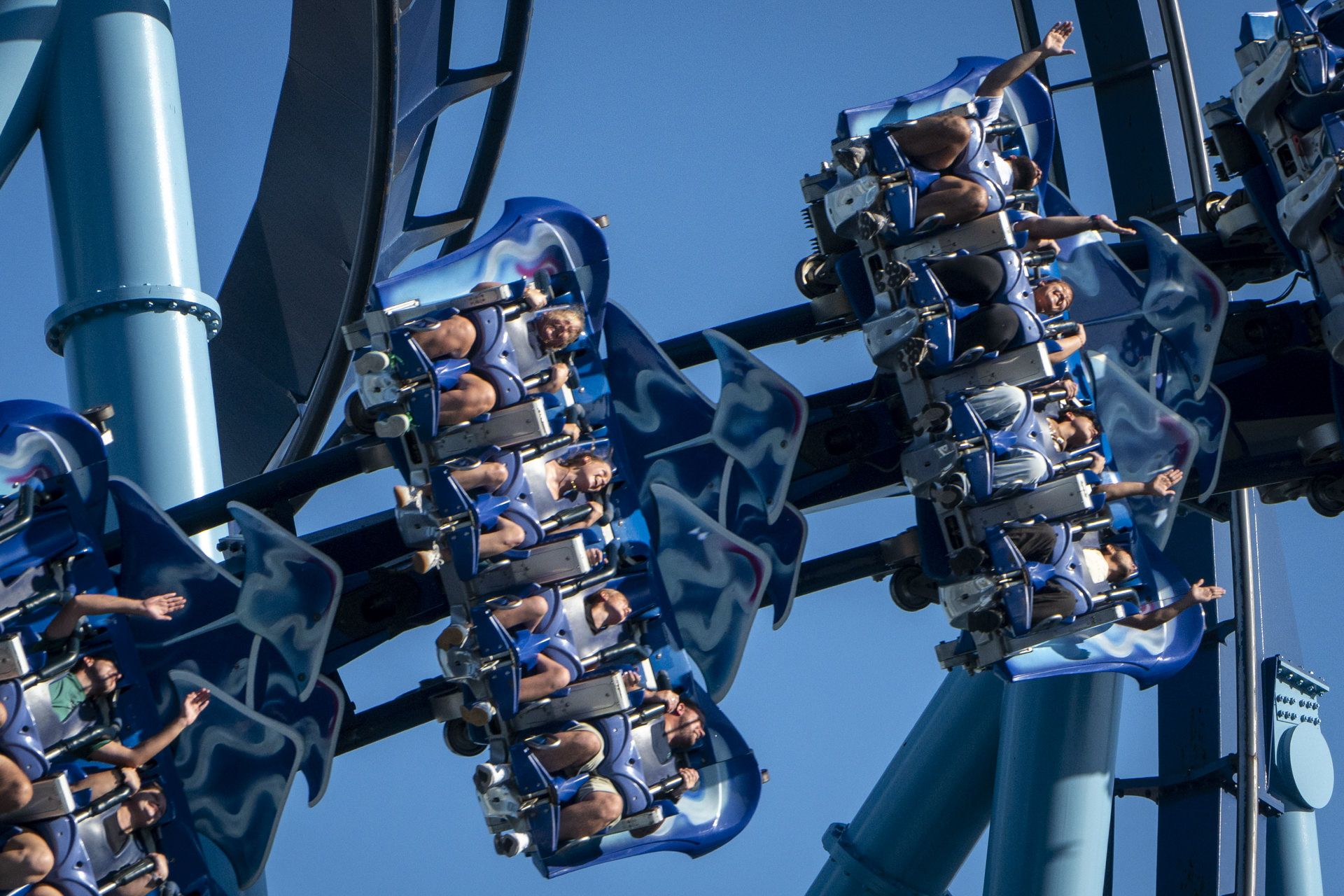
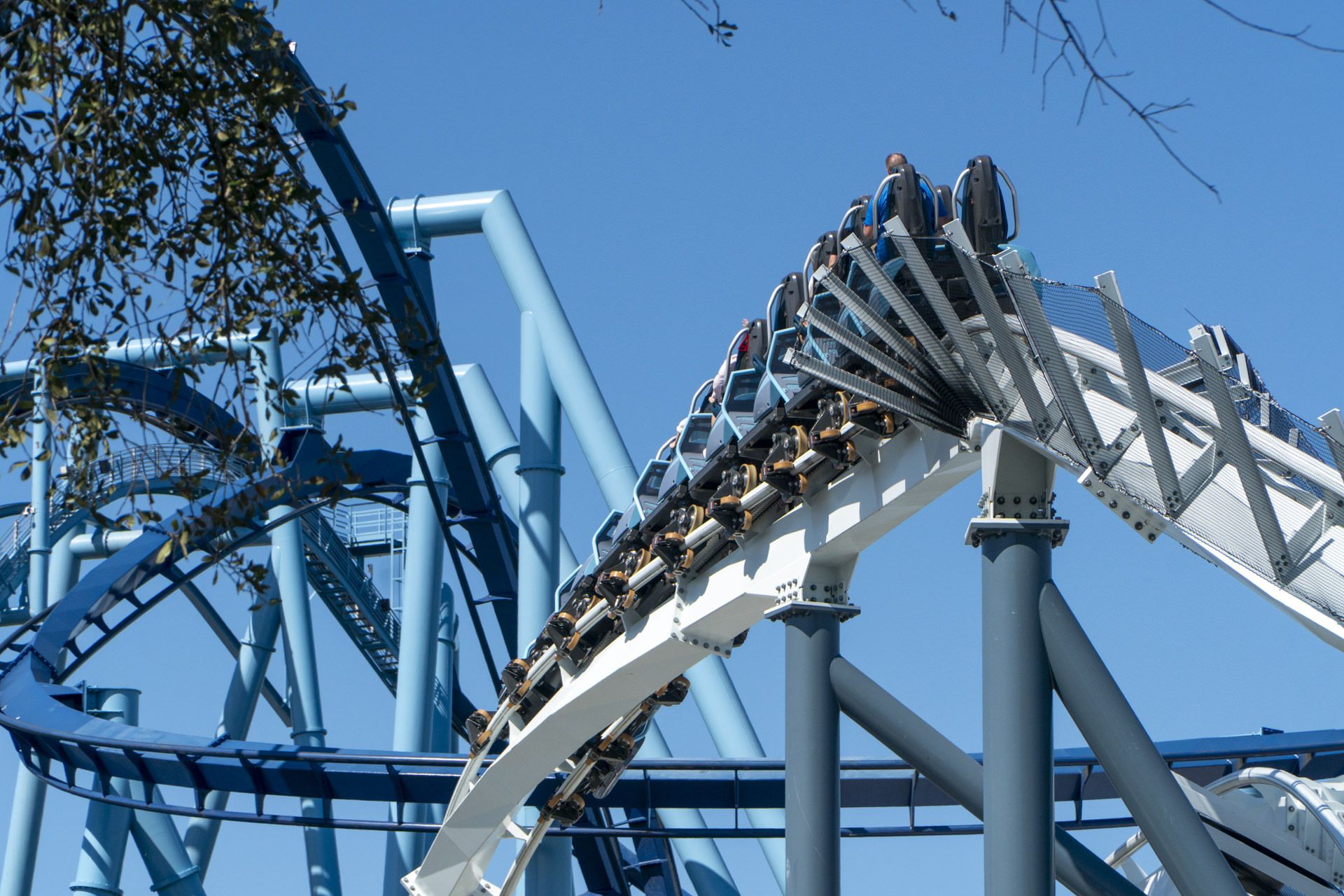
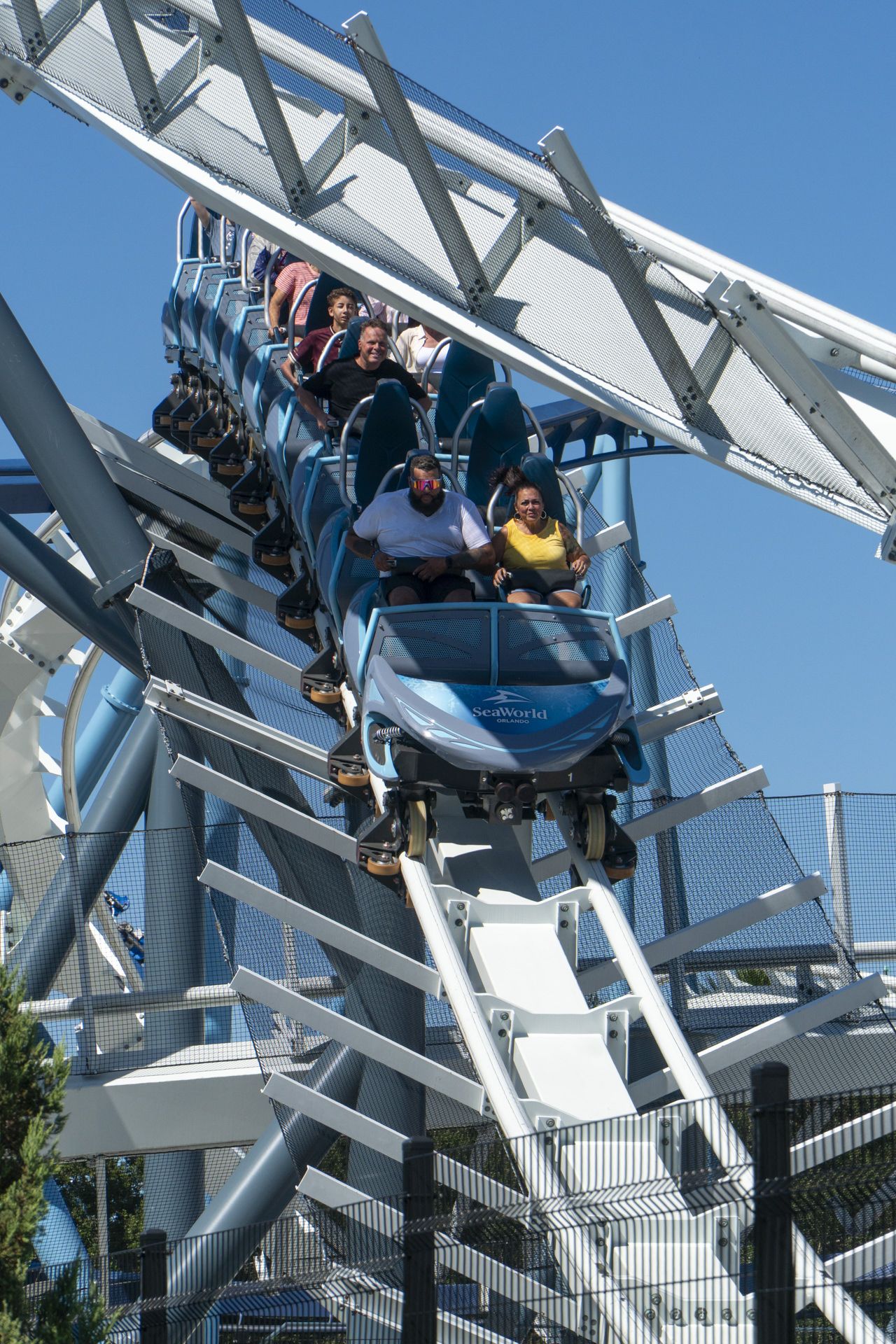
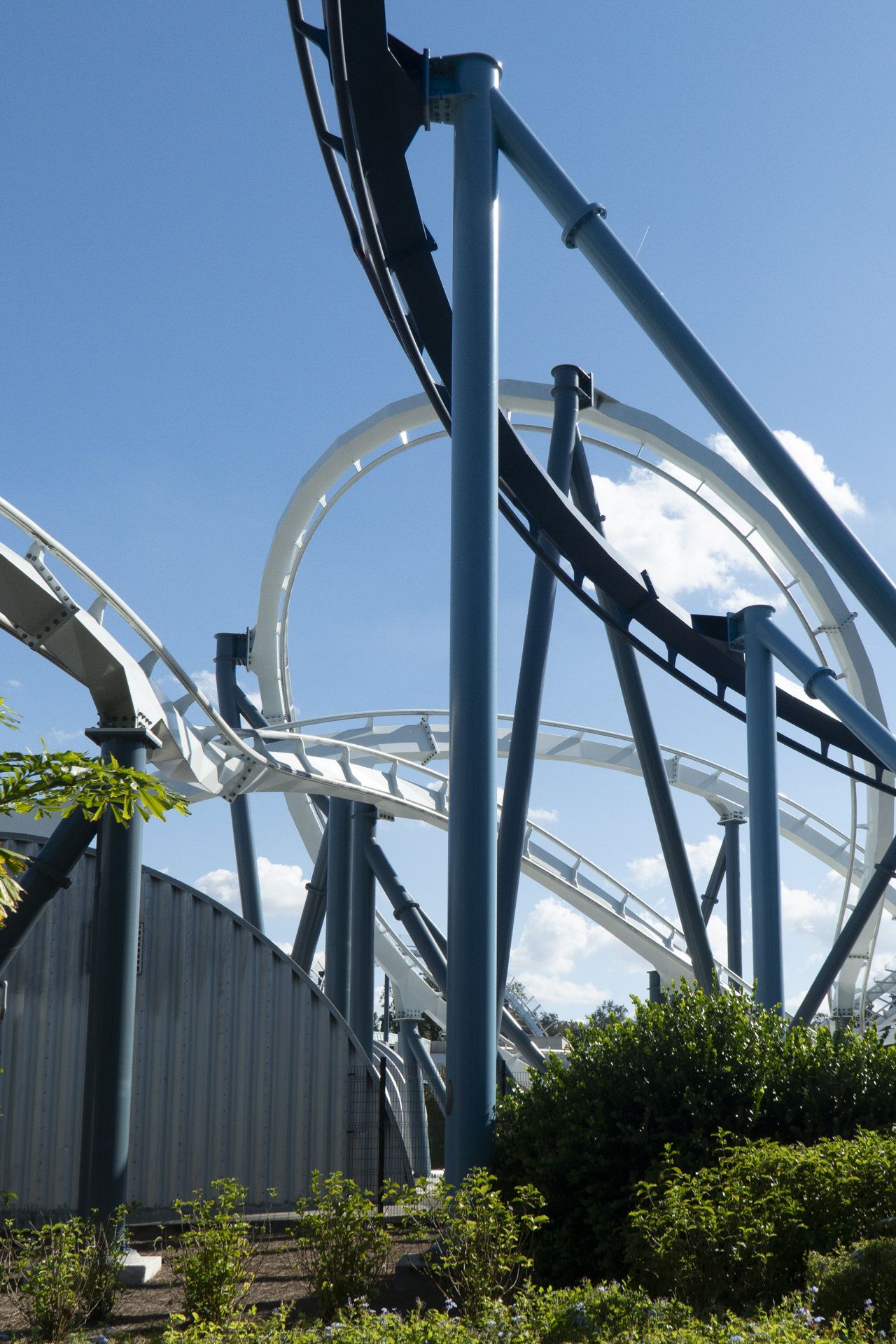
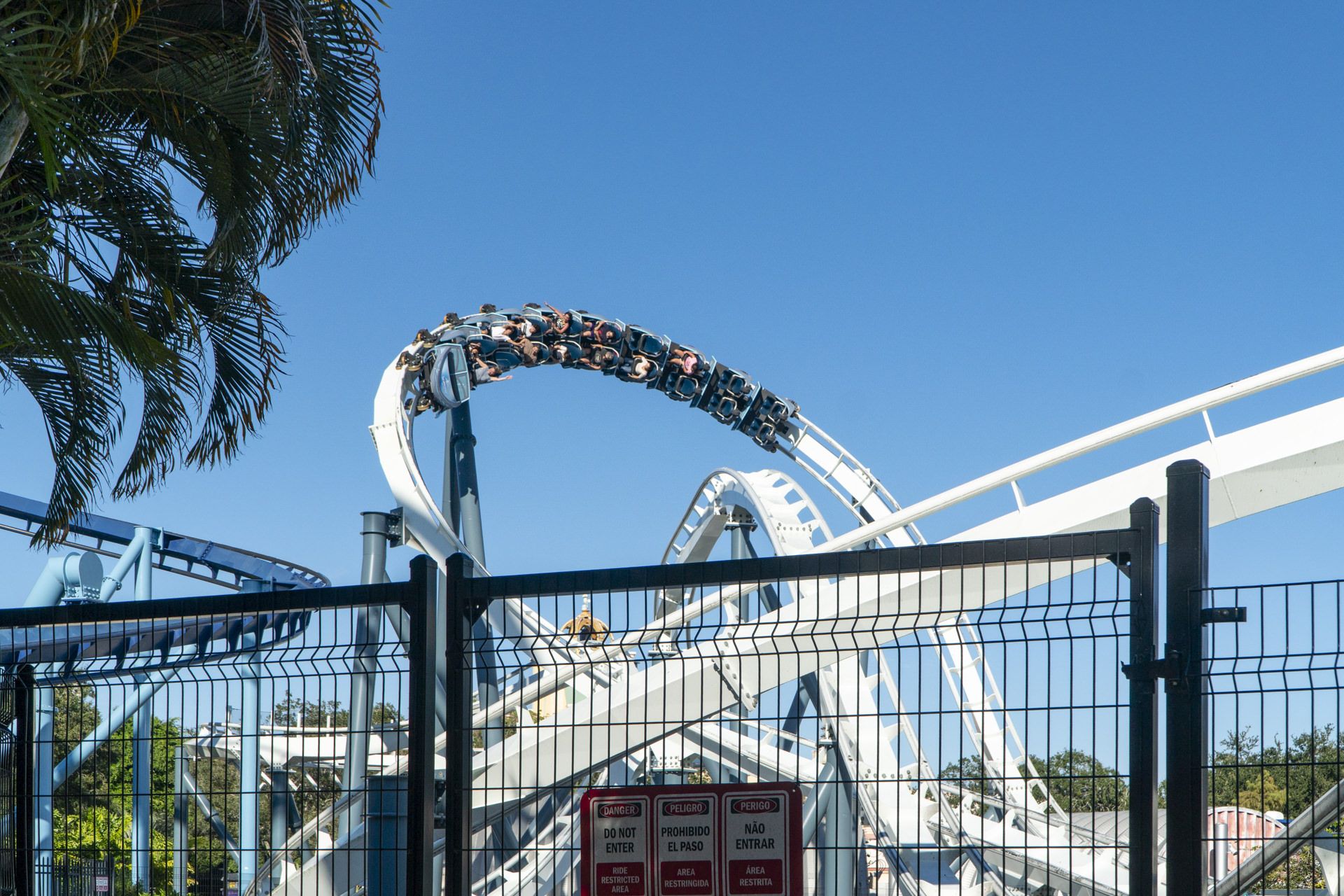
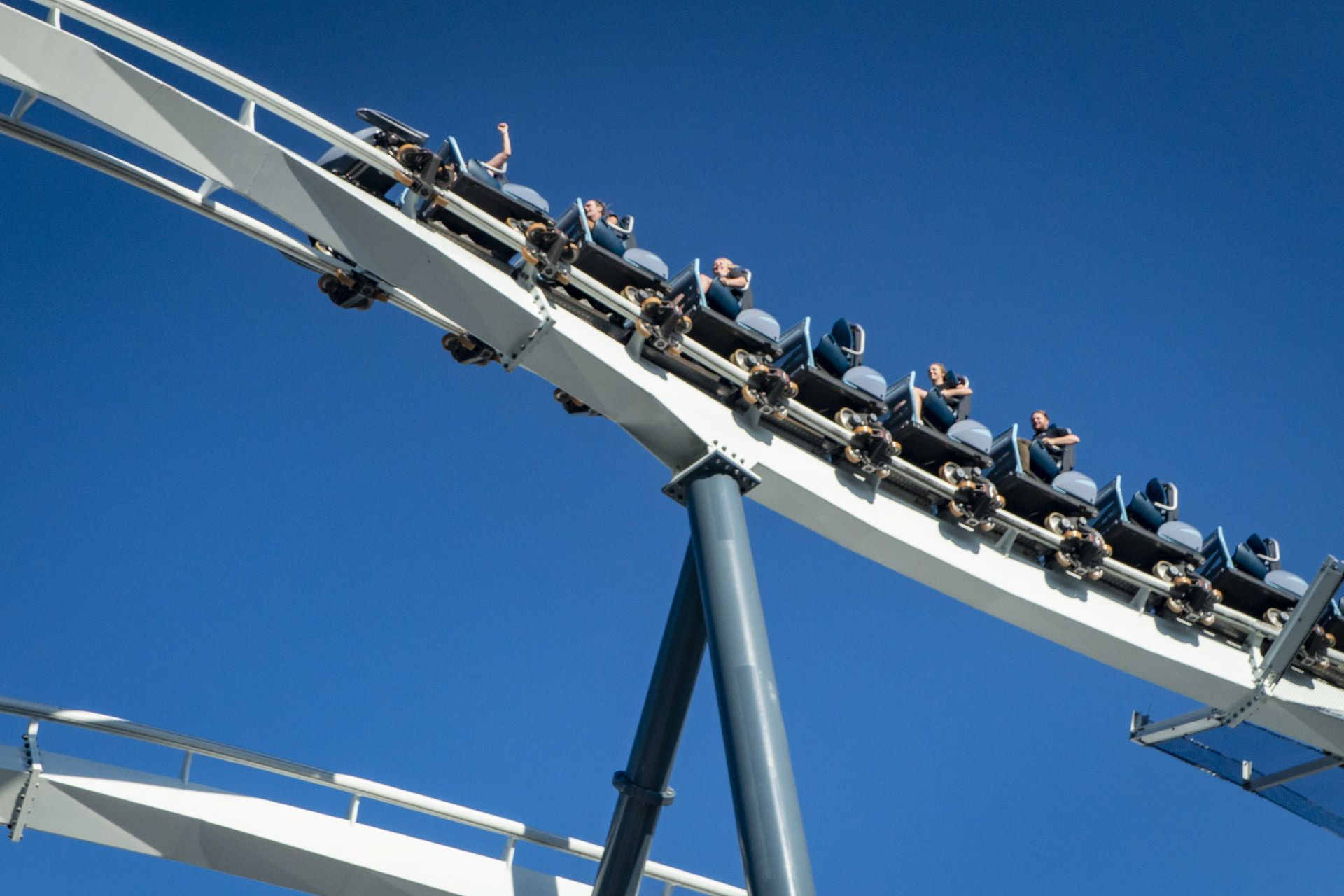
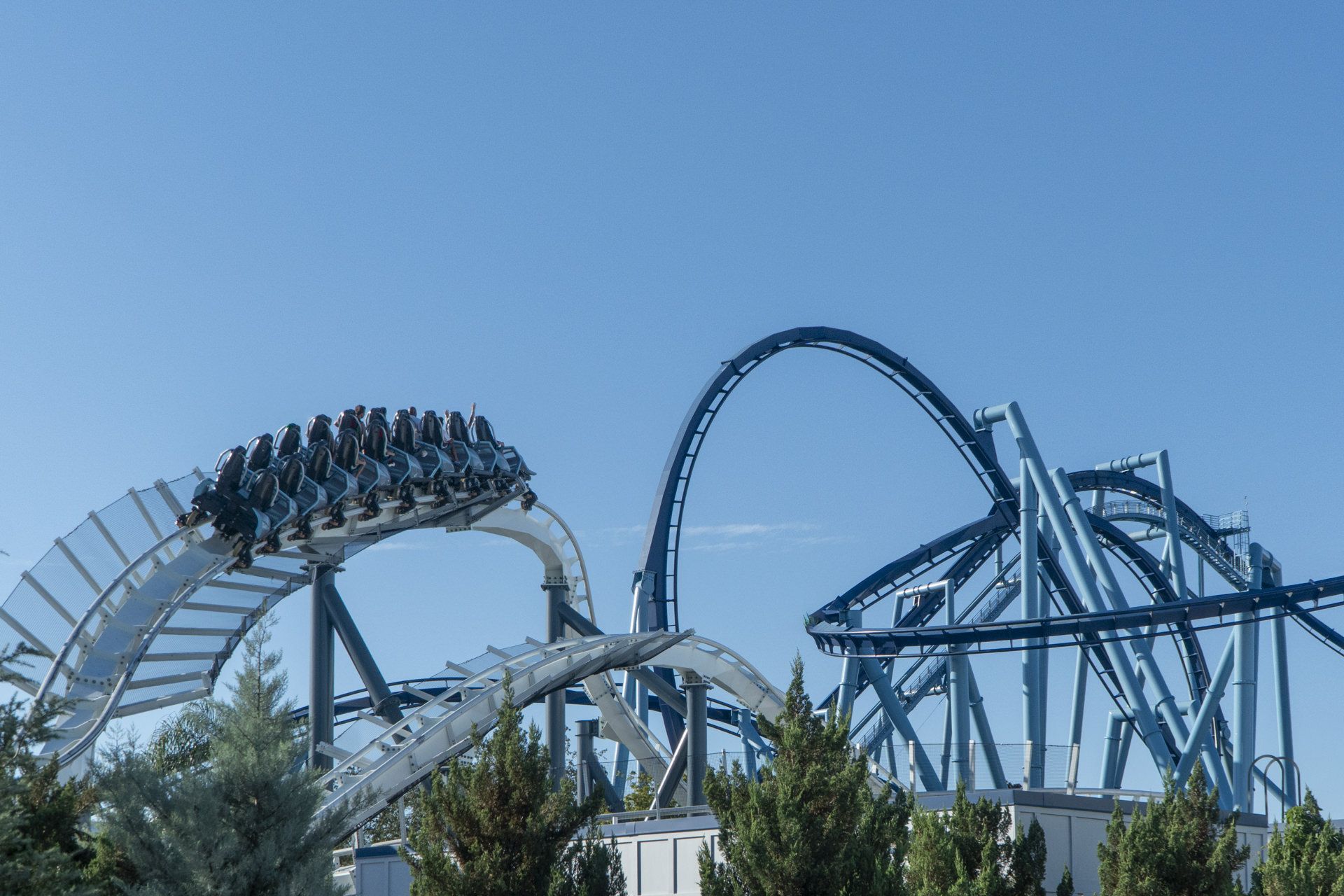
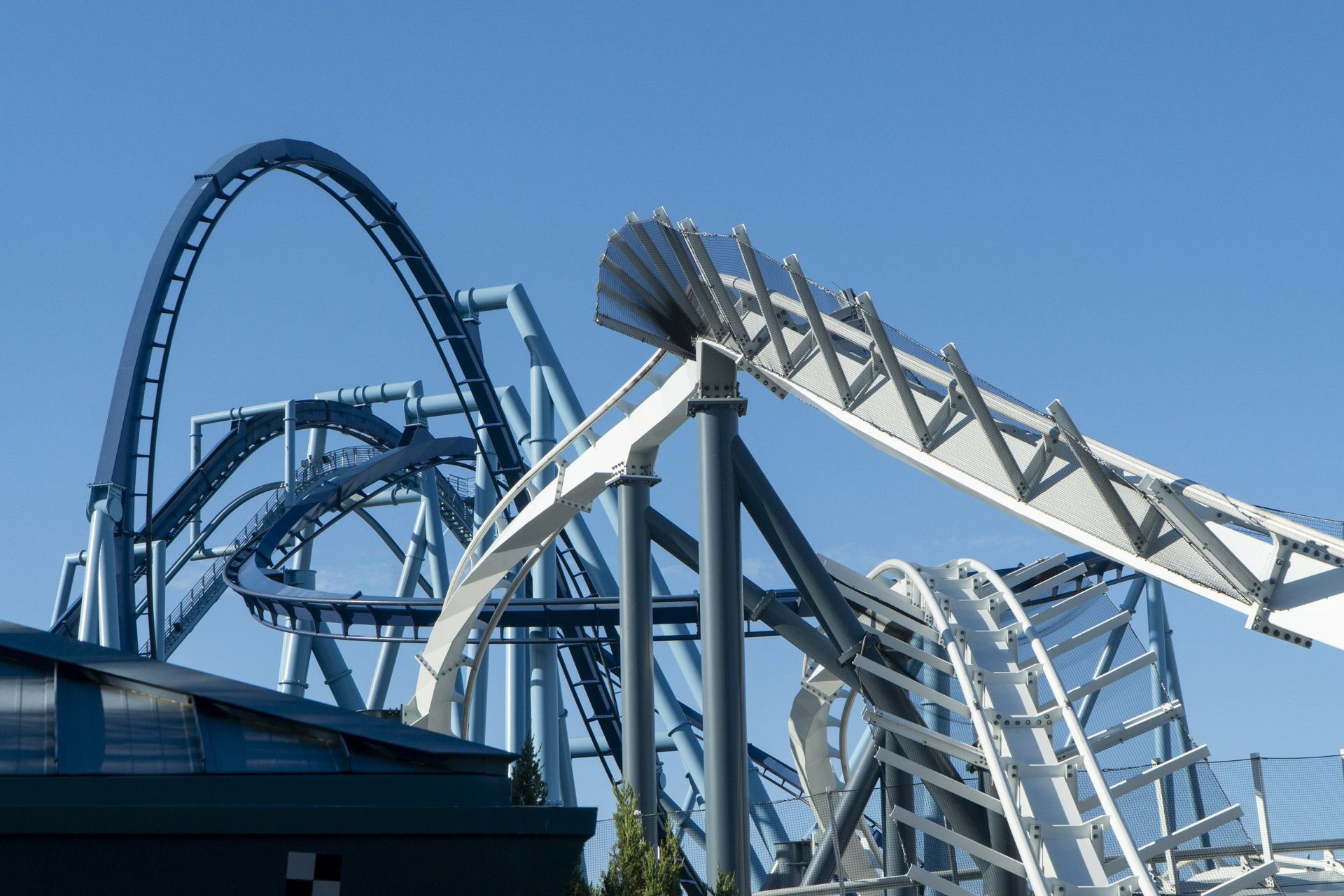
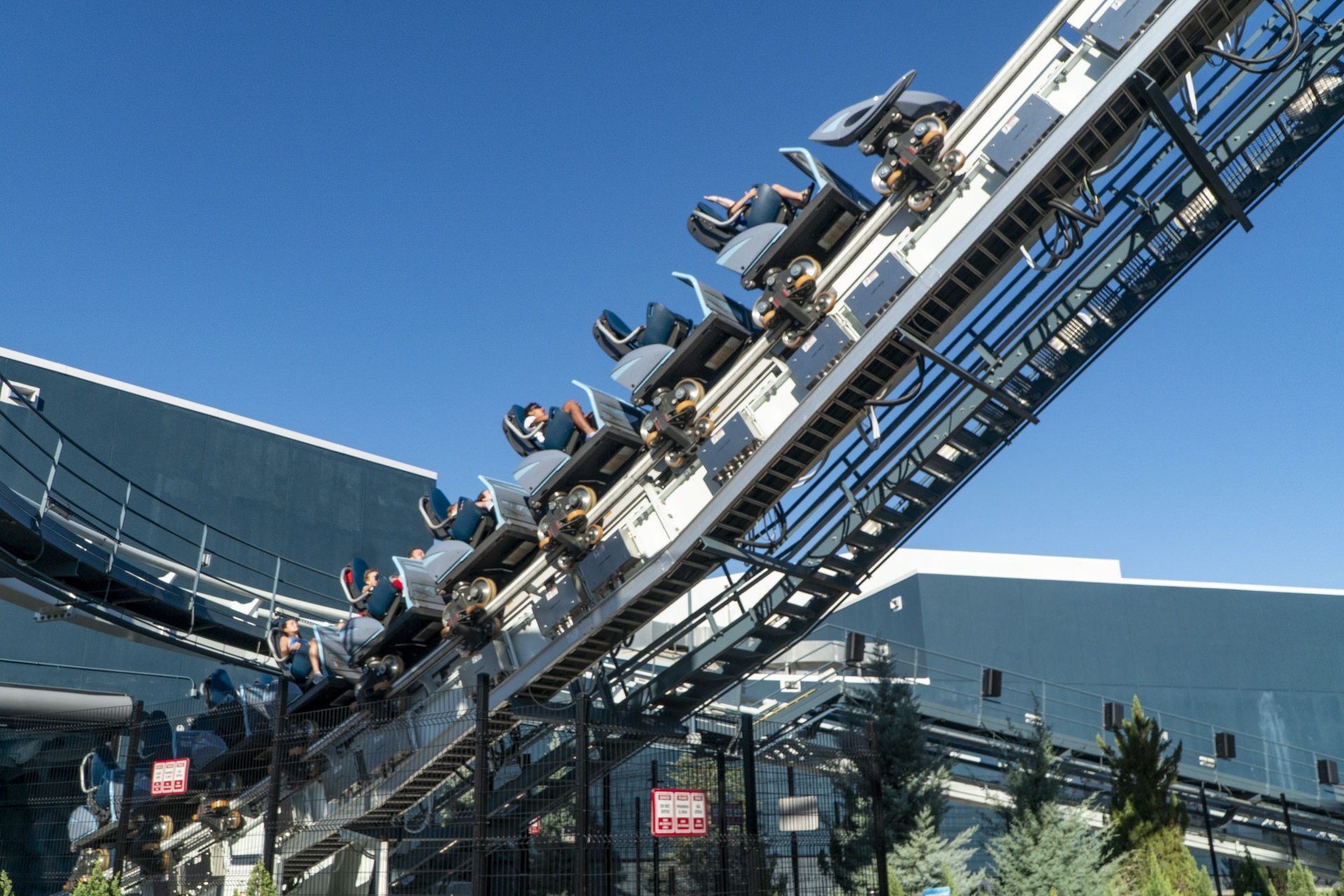
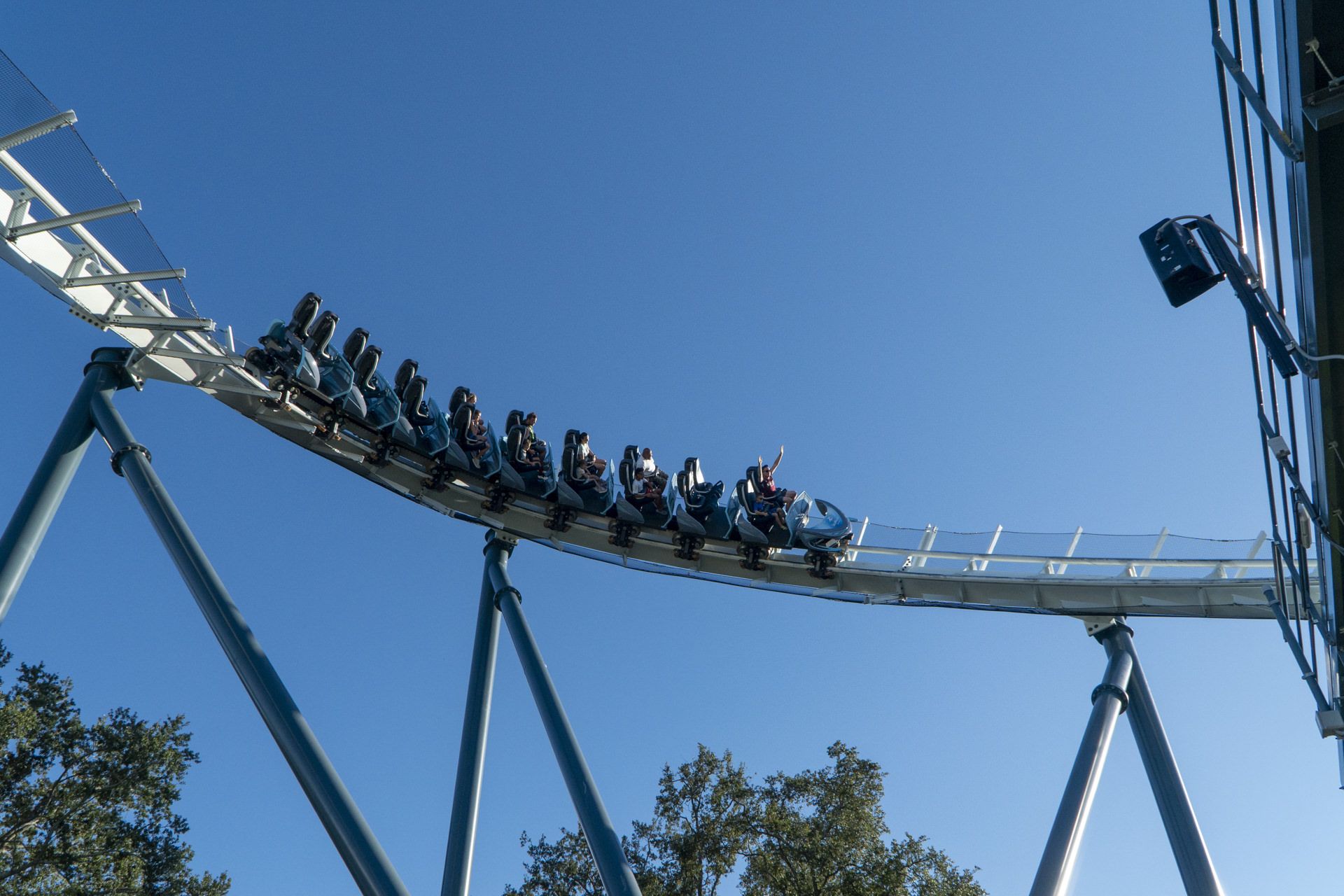
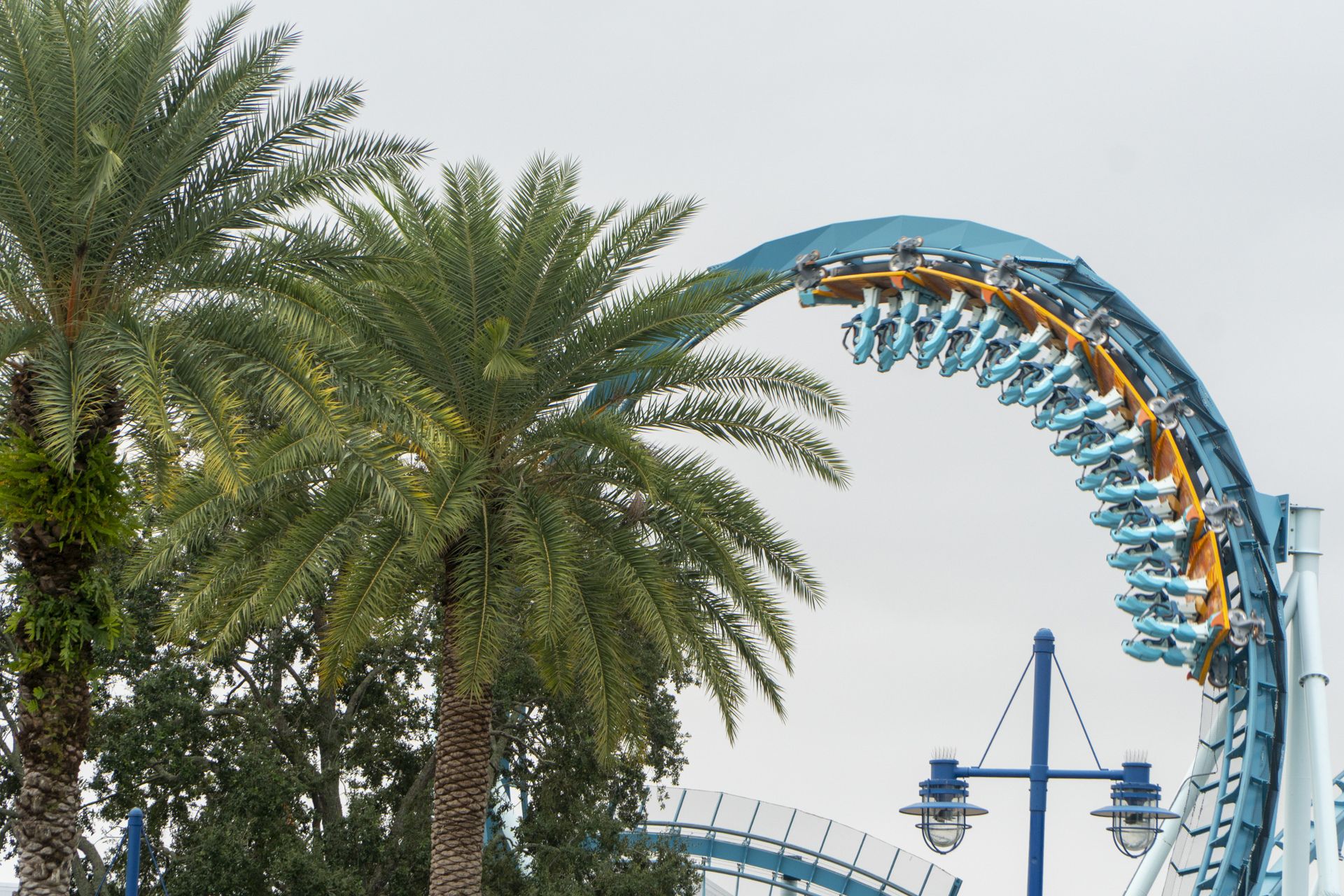
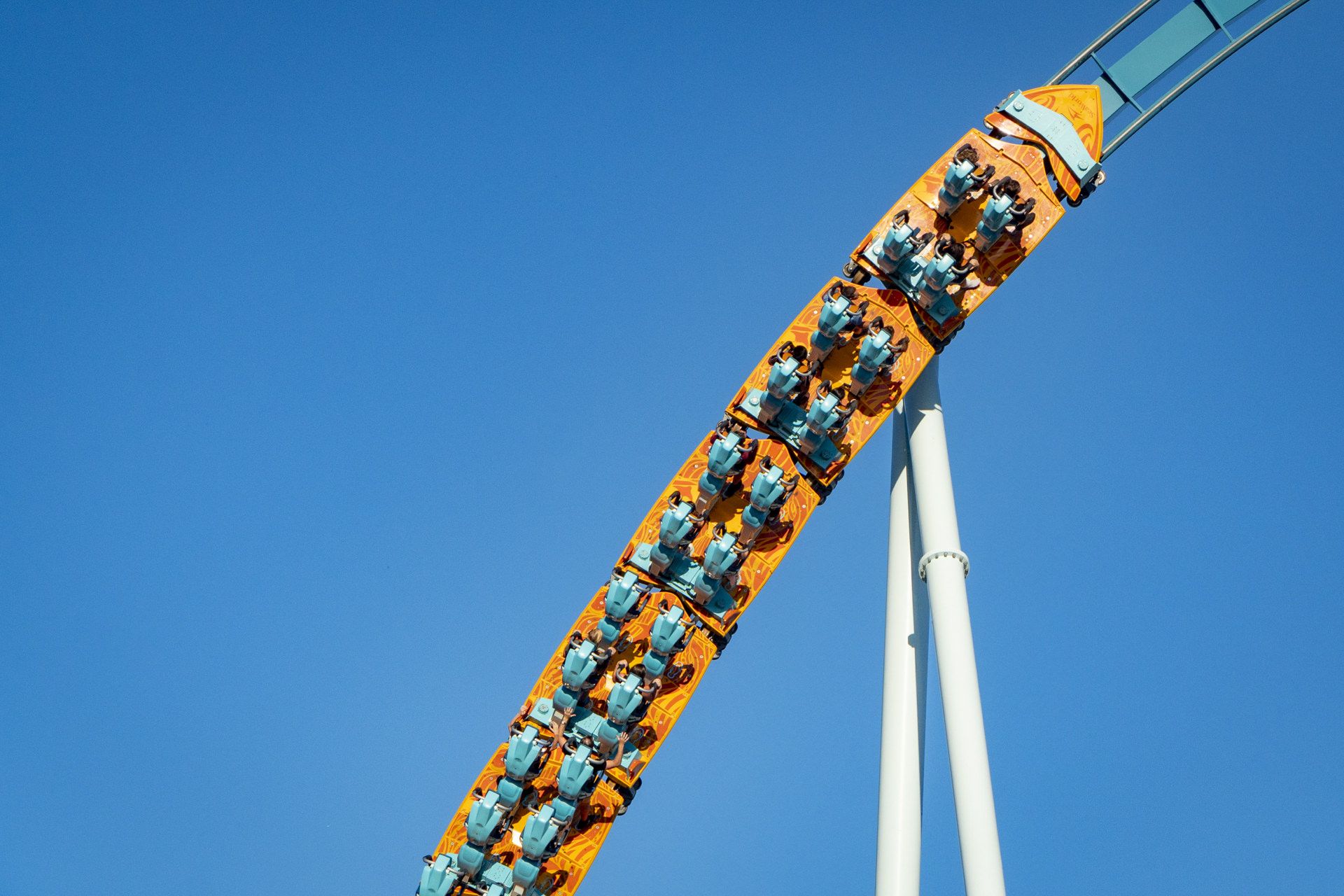
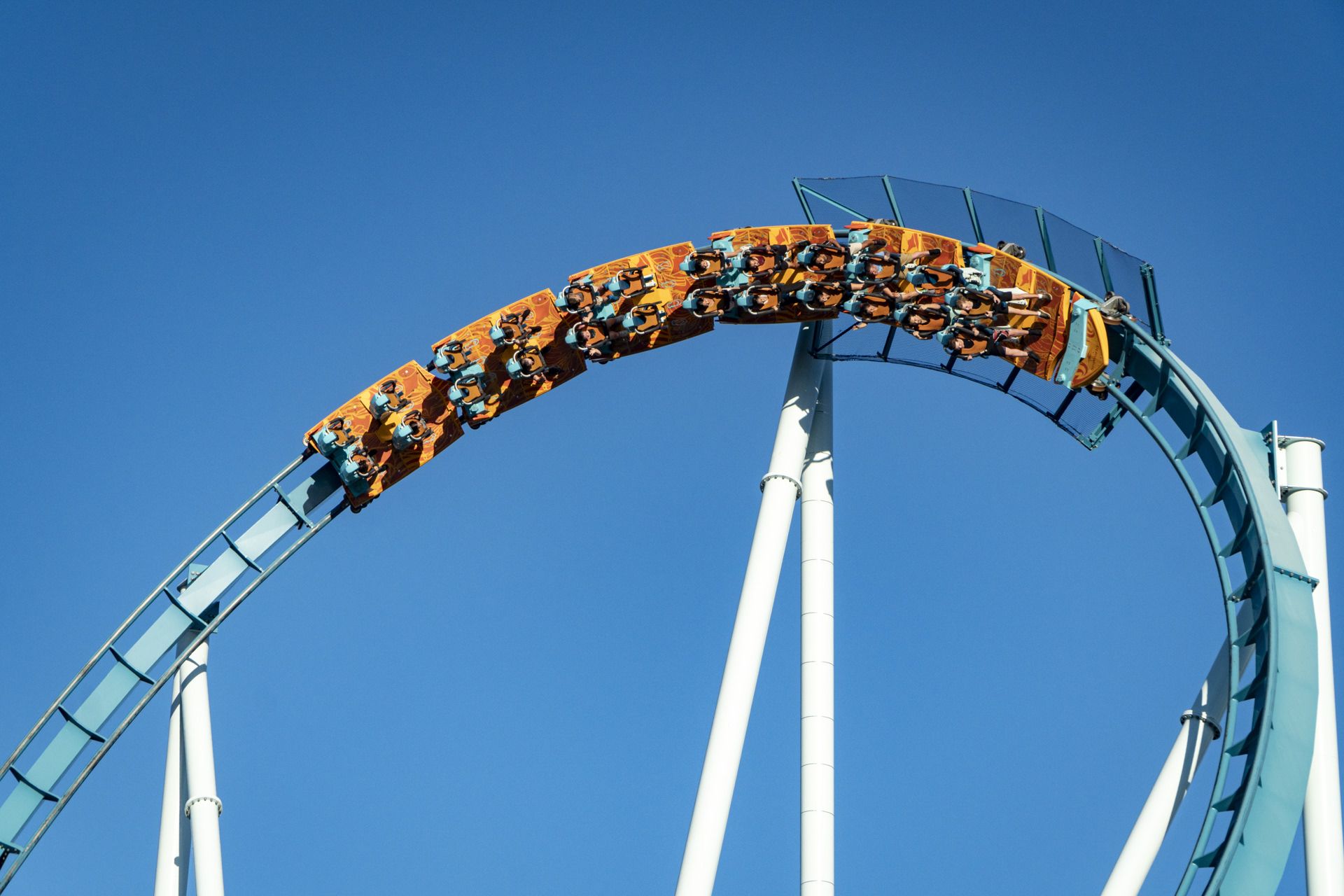
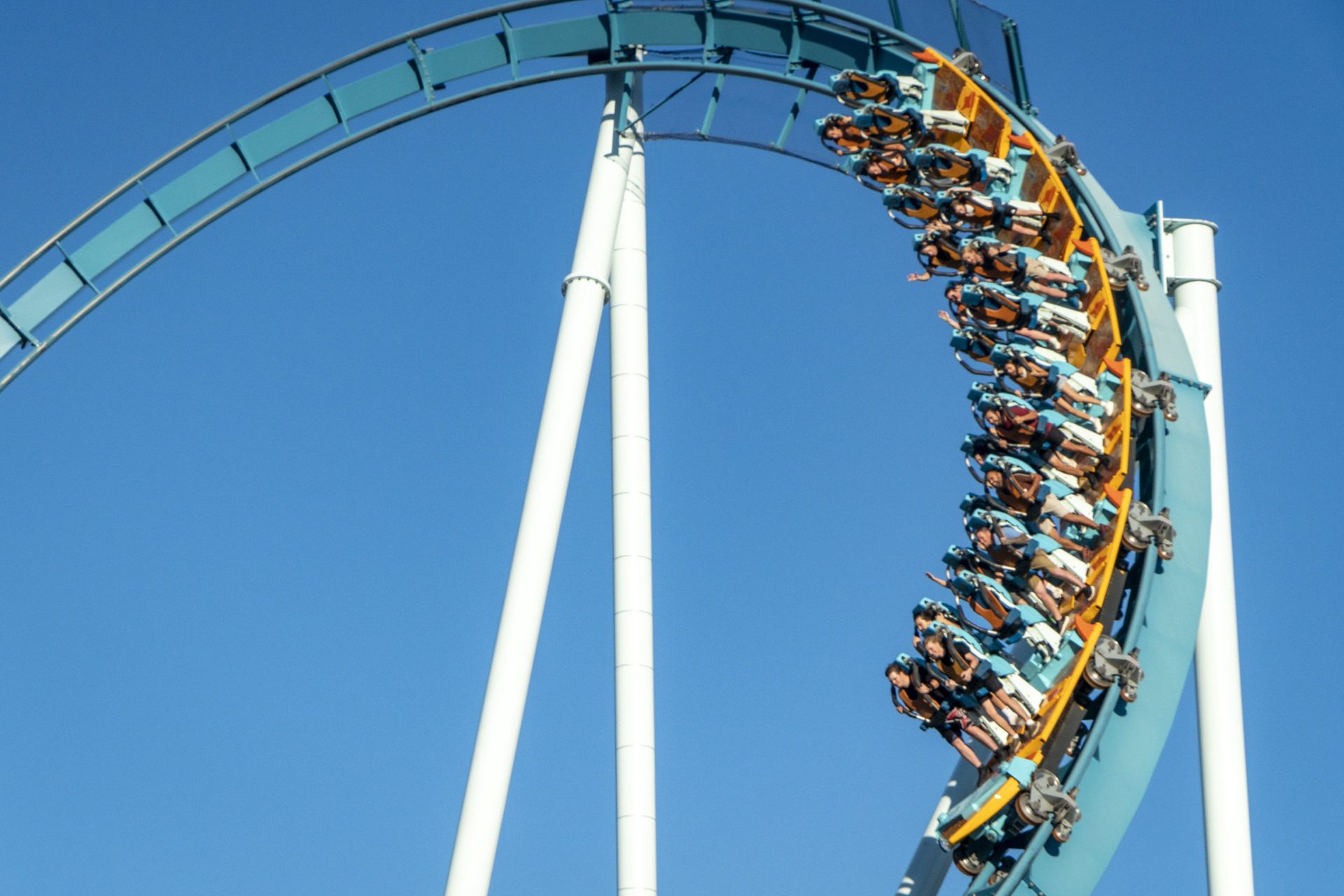
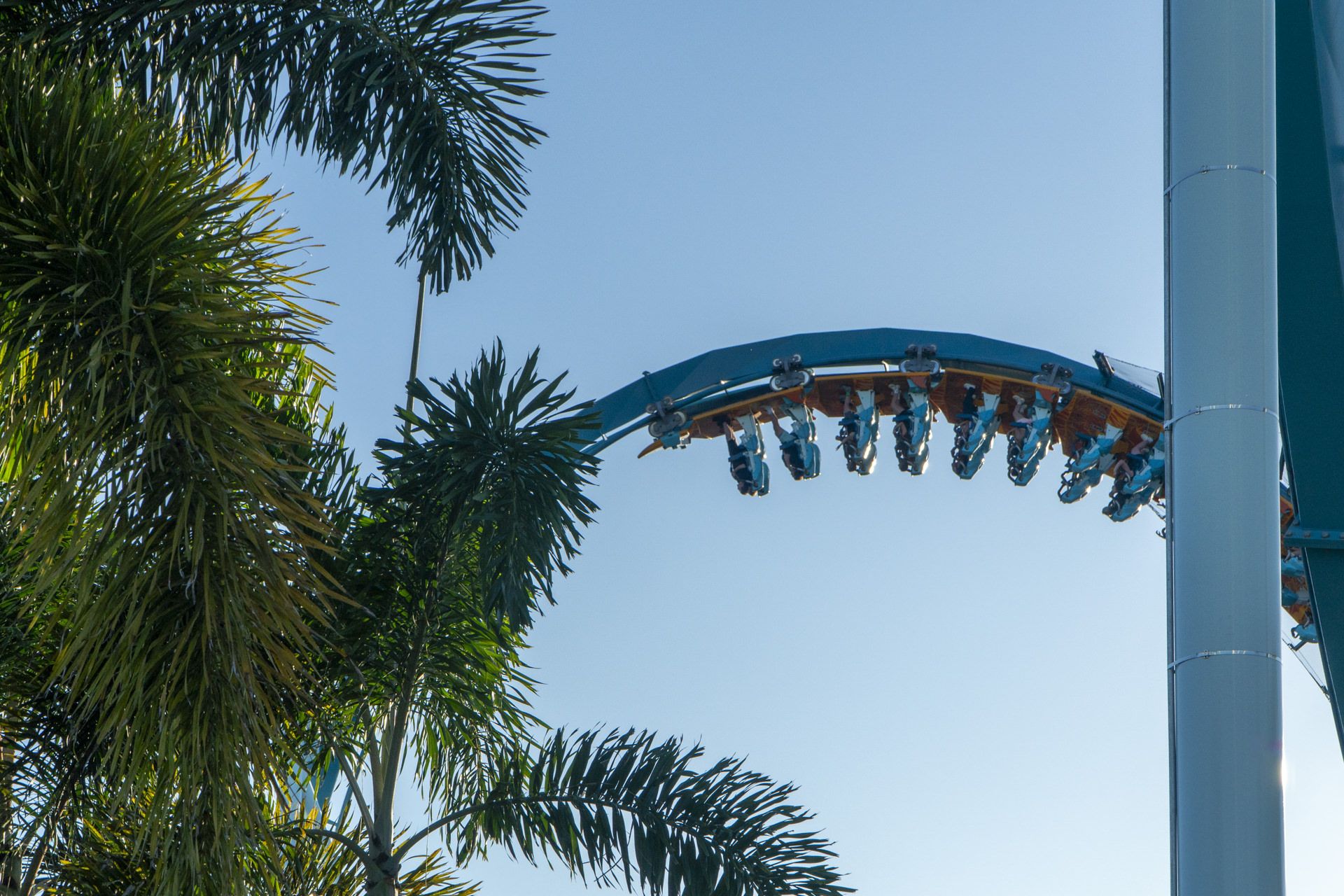
Manta is easily one of the most beautiful Flying Coasters around. I already knew the layout from Acrobat at Nagashima Spa Land, as the two rides are identical, but here at SeaWorld Orlando the experience feels completely different thanks to the way Manta is integrated into the park. Even the queue winds past several beautifully designed aquariums before heading upstairs to the station. A few moments later, we are hanging beneath the track and the giant ray takes us along for the flight.
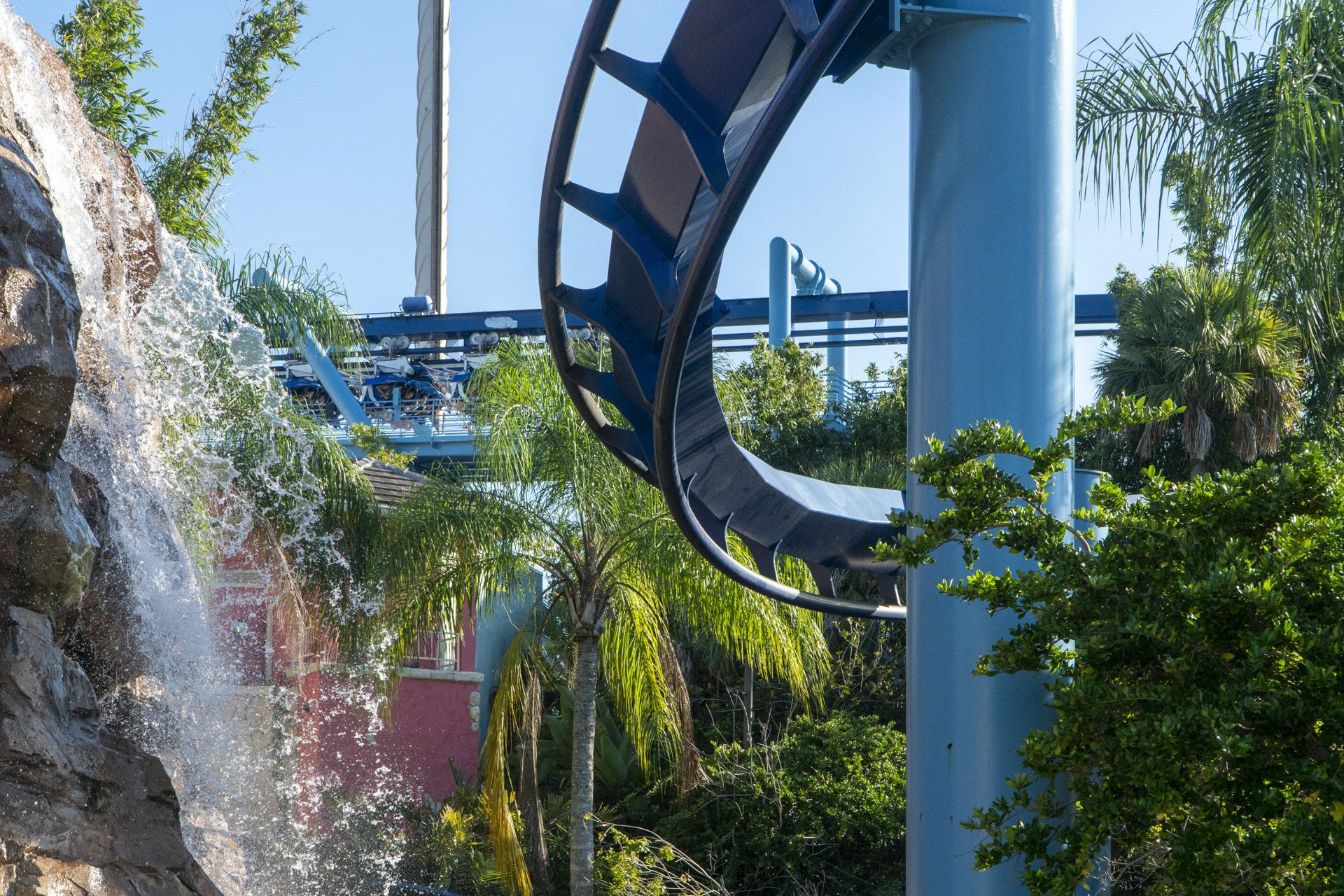
The lift hill takes us to around 141 feet. At the top, we drop through a steep right-hand turn and sweep through the valley before climbing straight back up. That puts us in position for the Pretzel Loop. Without much warning, we dive headfirst toward the ground and pull some serious positive Gs through the bottom before climbing back out on the other side. A left turn then leads into an inline twist, followed by a right-hand dive back toward the ground. A corkscrew follows before we reach the mid-course brake run.
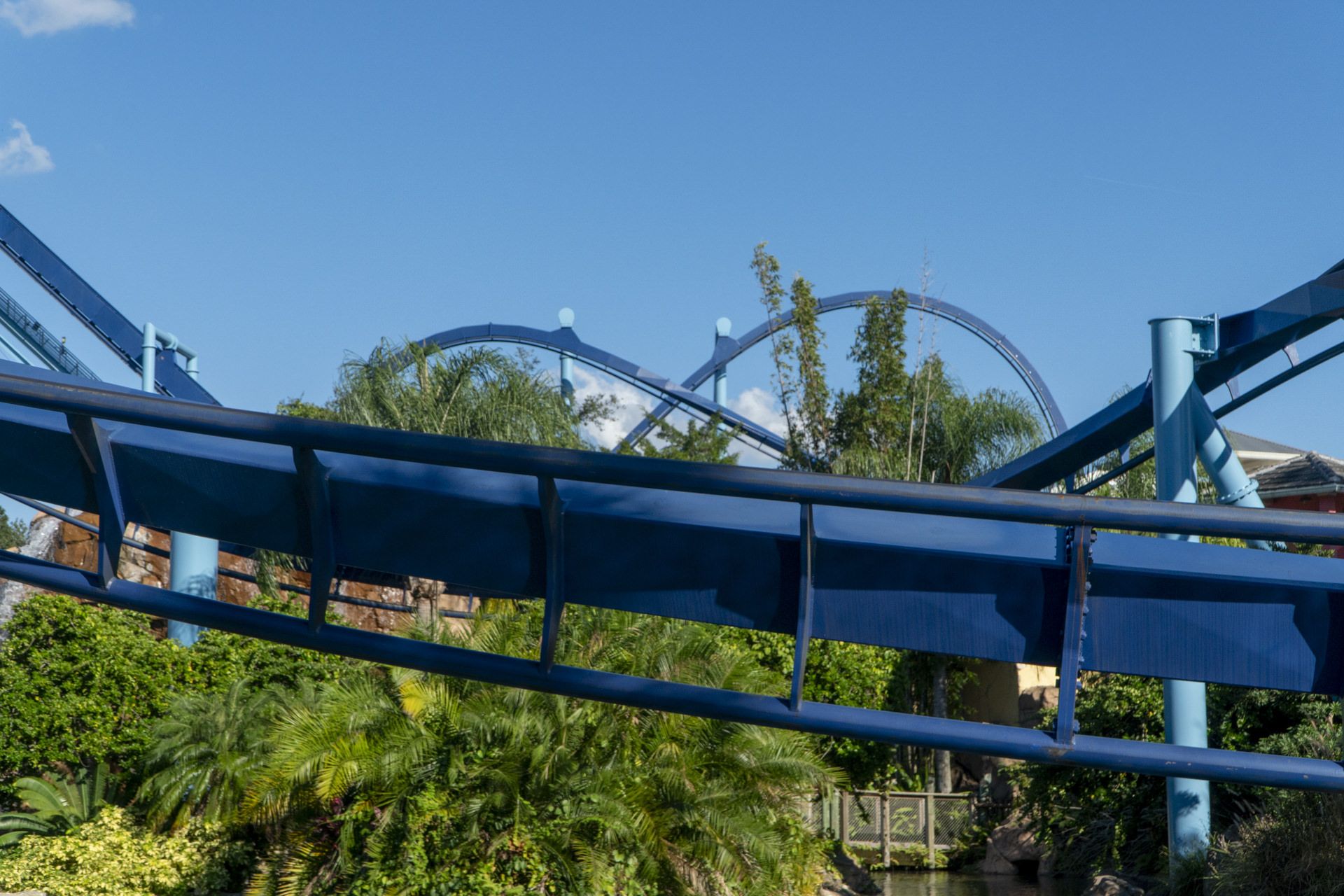
From there, a right-hand turn takes us low across the lagoon, accompanied by synchronized water fountains. A series of small rises and dips keeps the train moving before a second inline twist and one final left turn bring us back toward the station. I really like Manta; the coaster is beautifully integrated into the park and delivers a surprisingly intense flight.
Kraken
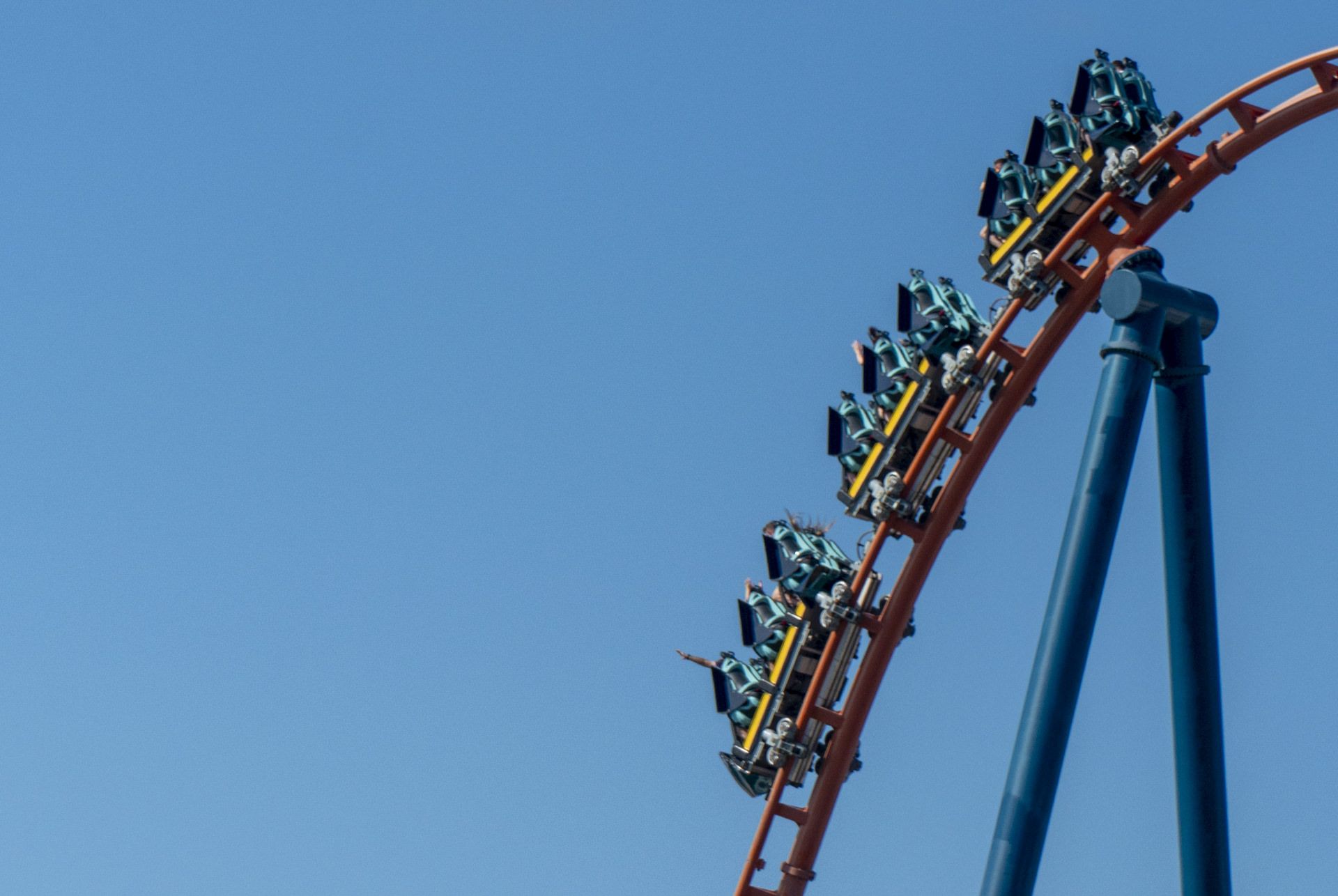
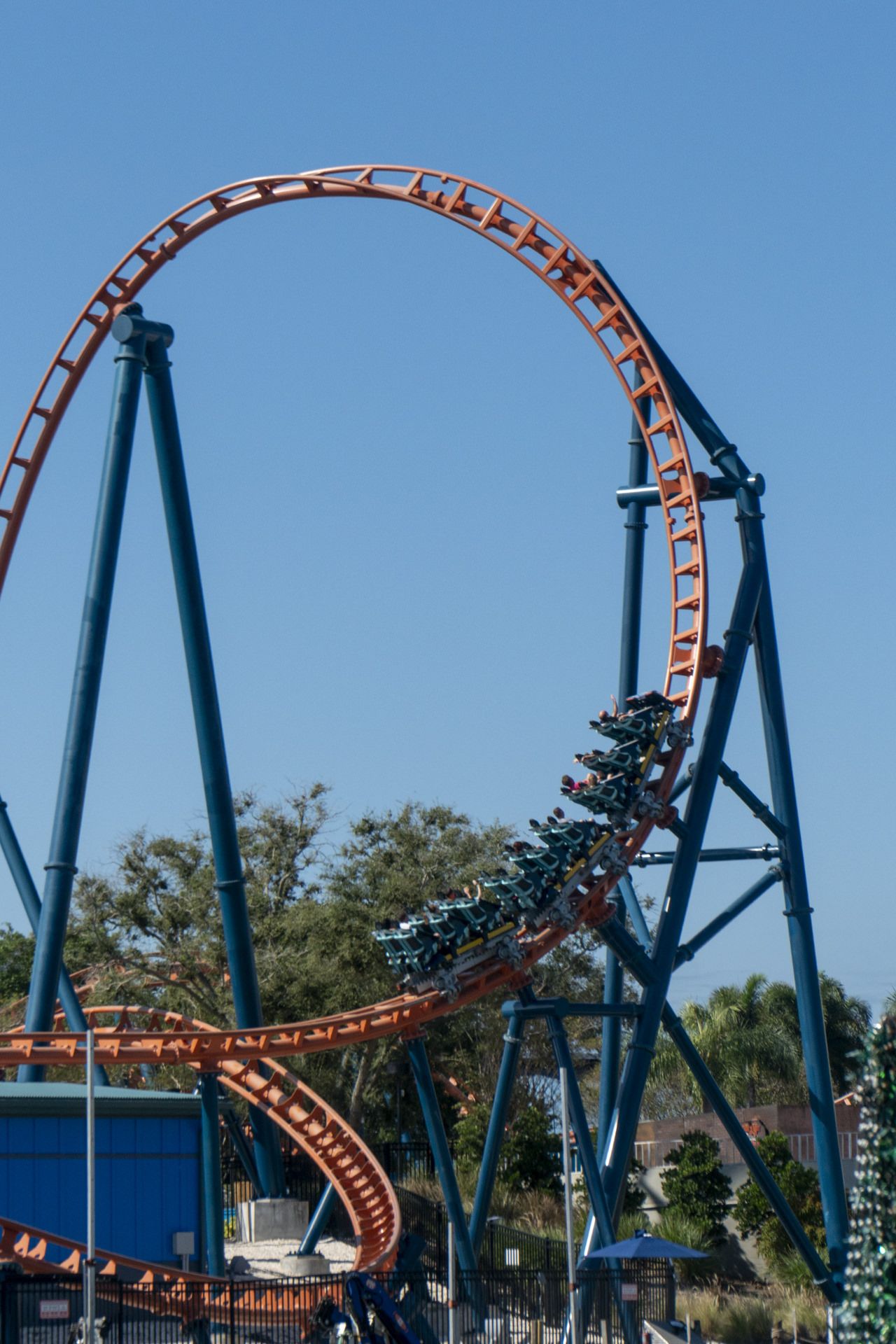
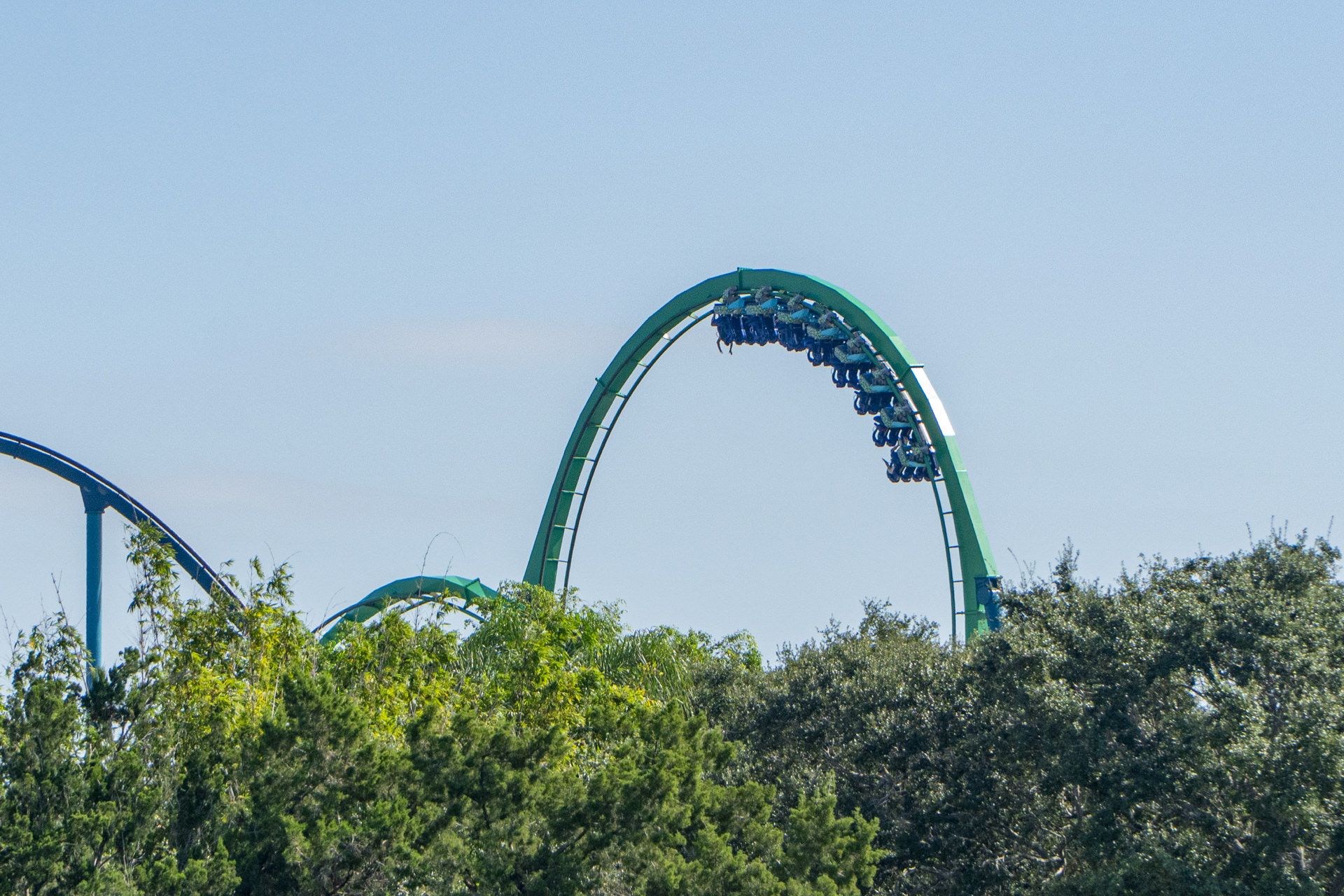
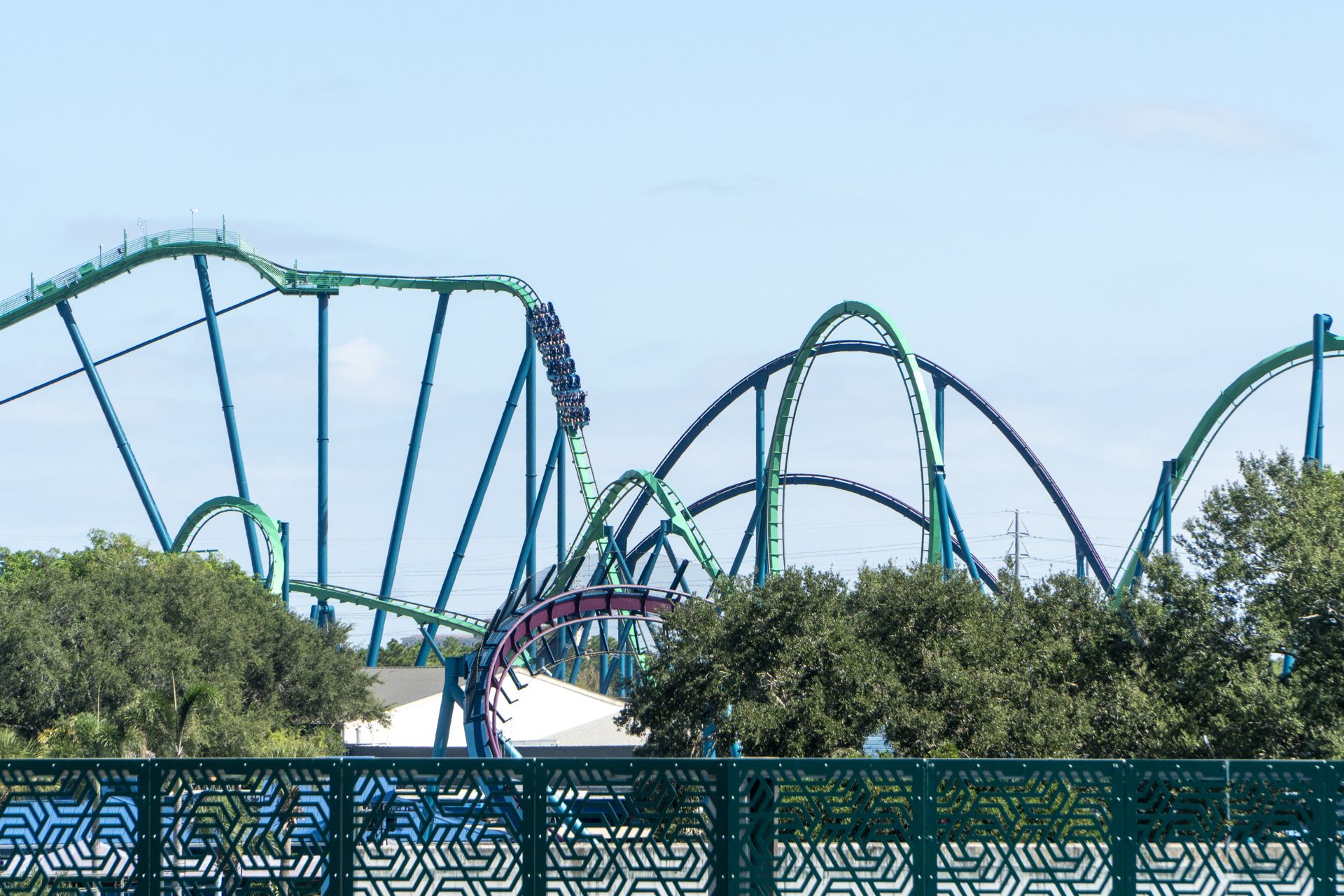
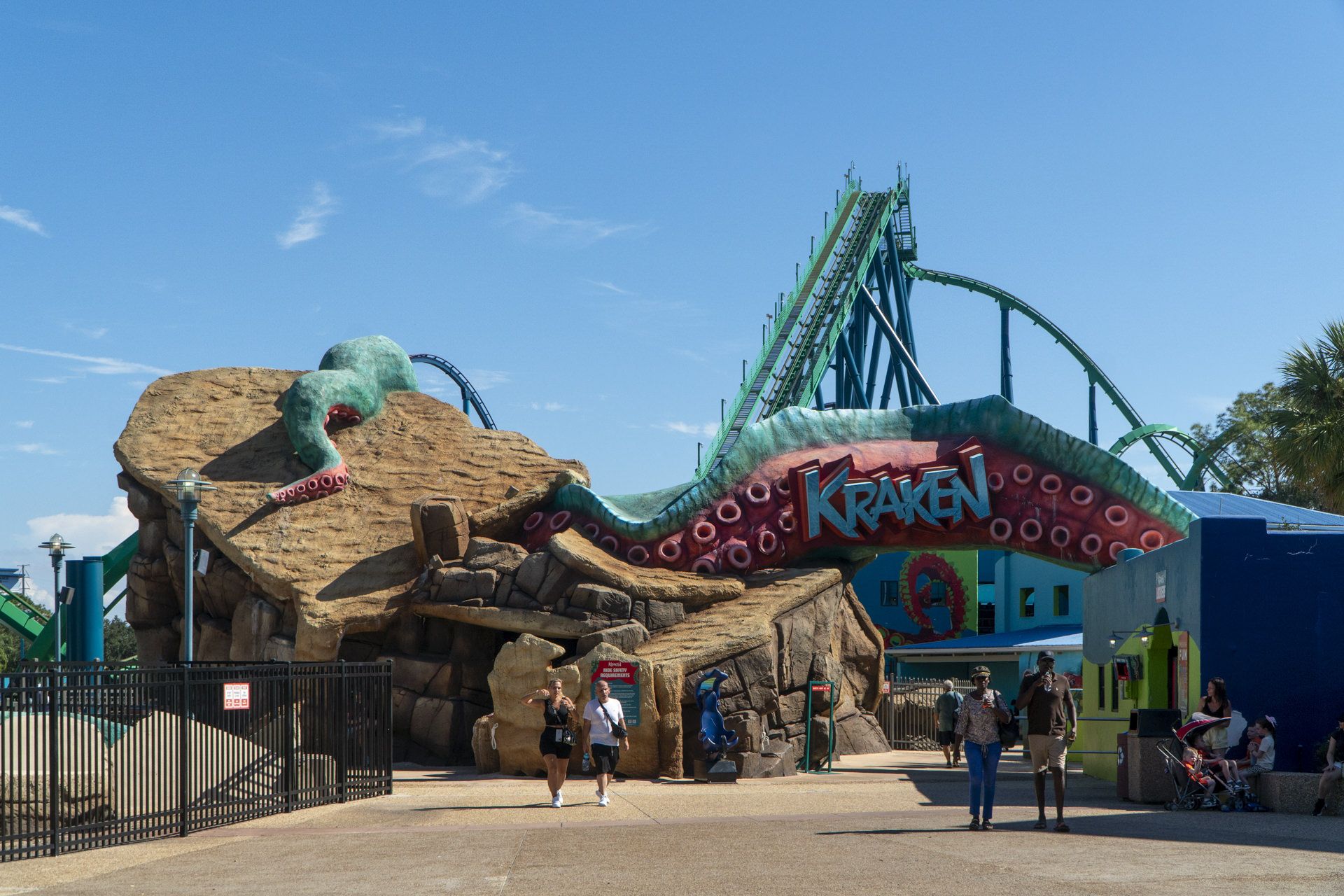
Following Journey to Atlantis, SeaWorld Orlando added its next major attraction in 2000 with Kraken — and it was quite the addition. One of B&M’s earlier Floorless Coasters, the roughly 148-foot-tall ride features a huge layout packed with inversions.
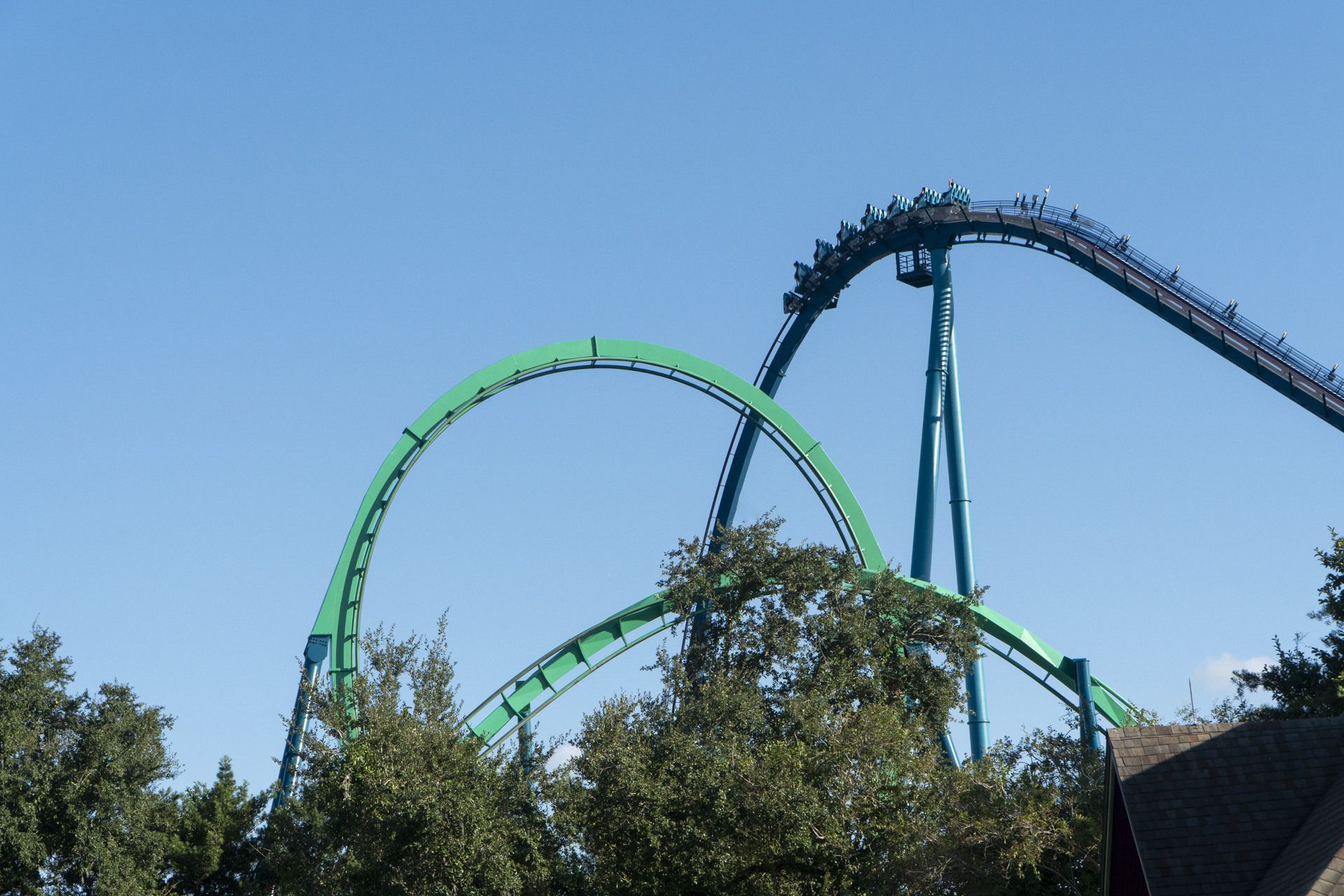
The ride starts with a small dip and a turn out of the station before climbing the lift hill. At the top, we head through another turn and then dive toward the ground. From there, the elements come one after another: a massive vertical loop is followed by an equally large dive loop and then a zero-G roll. After a short run through a trench, we head straight into the cobra roll. A left-hand turn then climbs toward the mid-course brake run.
The next drop bends elegantly to the left and sends us back into another trench, where the second — and noticeably smaller — vertical loop is waiting. A hill carries us alongside the coaster’s entrance plaza before the train dives into a tunnel and follows a left-hand curve. Back in daylight, we corkscrew upside down one final time before a rising section takes us into the final brakes.
Kraken is a big old-school B&M: an elegant layout, plenty of speed, and lots of forceful inversions. The huge elements in the first half are taken with plenty of momentum, and the ride never really falls apart afterward. It is still a very good coaster and one that continues to make an impression.
Penguin Trek
On my previous visit, all I could do was walk through Antarctica: Empire of the Penguin and watch the penguins. The large indoor area is finally home to a ride again. Where the vehicles from the former dark ride once traveled, you now find the station for Penguin Trek, B&M’s family launch coaster.
The ride starts almost like a small dark ride, taking us through an icy cave while a short film plays on a large screen. After a left turn, we approach the first launch and leave the building with a decent burst of speed. A rising ramp leads directly into a right-hand turn before a series of direction changes and hills takes us across to the opposite side of the layout.
A low turnaround sends us back the other way, and we continue through several more sweeping transitions roughly parallel to Manta before reaching another turnaround and the second launch. With plenty of momentum, we climb into a fairly tall, heavily banked turn.
A few quick right-left transitions and two more hills later, we are already heading back toward the station. Penguin Trek is not quite as glass-smooth as B&M’s older coasters — in fact, the ride has some rather noticeable vibrations — but it is still a lot of fun. A great family coaster.
Expedition Odyssey
Where the old Wild Arctic simulator once took guests on a trip to the far north, Expedition Odyssey now occupies the space as a modern Flying Theater from MACK Rides. The attraction uses a version of MACK’s AIRIFIC system that was specifically adapted for SeaWorld, with multi-level gondolas that rotate toward the large screen after guests have boarded.
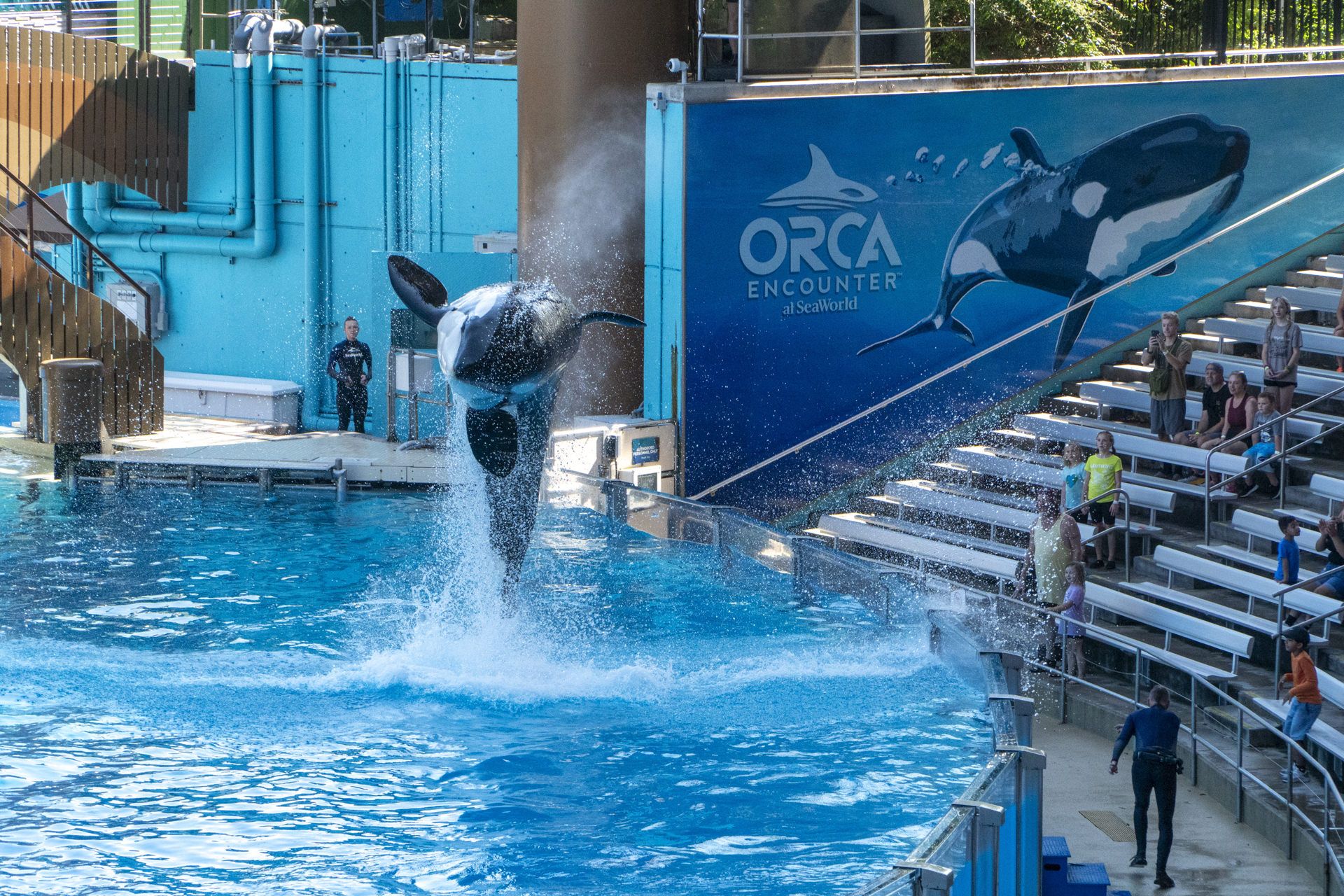
The journey takes us across glaciers and snow-covered landscapes, past polar bears and other Arctic wildlife, before eventually diving below the surface of the ocean. Down there, we encounter animals including belugas and orcas. Wind, fog, and the movement of the gondola add to the experience.
Compared with similar systems from Brogent, however, Expedition Odyssey feels a little less dynamic to me. The movements are more restrained, and the overall system gives me the impression that MACK was aiming for a somewhat simpler and potentially more cost-effective alternative. The rest of the audience certainly seemed to enjoy it, though — our ride actually ended with applause.
The expedition does not quite end with the Flying Theater either. The exit leads directly into the Wild Arctic animal exhibits, where belugas, walruses, and seals continue the experience with the real animals.
Ice Breaker
Right in front of Expedition Odyssey sits Ice Breaker. Once you have squeezed yourself into Premier Rides’ rather tight trains, the adventure can begin.
A transfer track moves us onto the launch section, where the first acceleration sends us backward. We crest a small hill, reverse direction, and race through the launch for a second time. Once again, we cross a small hill and head toward the top hat — but we still do not have quite enough speed to make it over.
So back we go again: over the hill, through the launch, and across the hill on the other side before climbing a surprisingly tall spike. Now moving forward once more, we make our final pass through the launch. The small hills are taken rather violently this time, but at last we have enough speed to crest the top hat.
Staying close to the ground, we head through a right-hand turn and over two hills before reaching a wonderfully strange turnaround. A left-hand curve takes us out of it and into a whole series of airtime hills, several of which are heavily banked to the side. One final right-hand turn brings us back to the station.
Personally, Ice Breaker just does not do much for me. The restraints tighten down far too much during the ride, and on a layout this focused on airtime that quickly becomes uncomfortable. What should be a wonderfully wild coaster turns into more of an endurance test for me.
Pipeline: The Surf Coaster
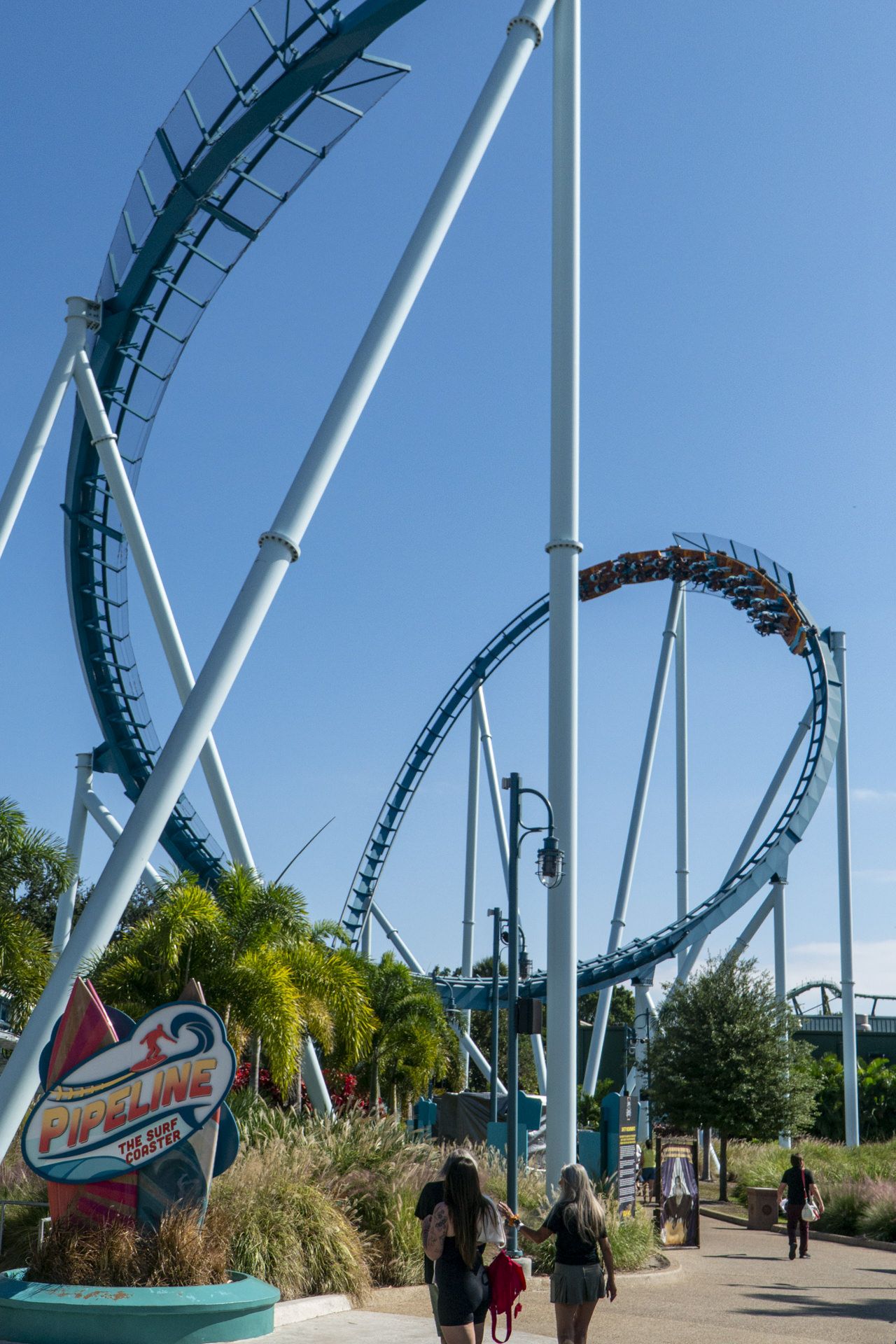
During my visit, Pipeline was unfortunately tucked away at the end of a rather awkward dead end. Once you actually found the entrance, however, there were usually only a handful of other riders waiting to join you.
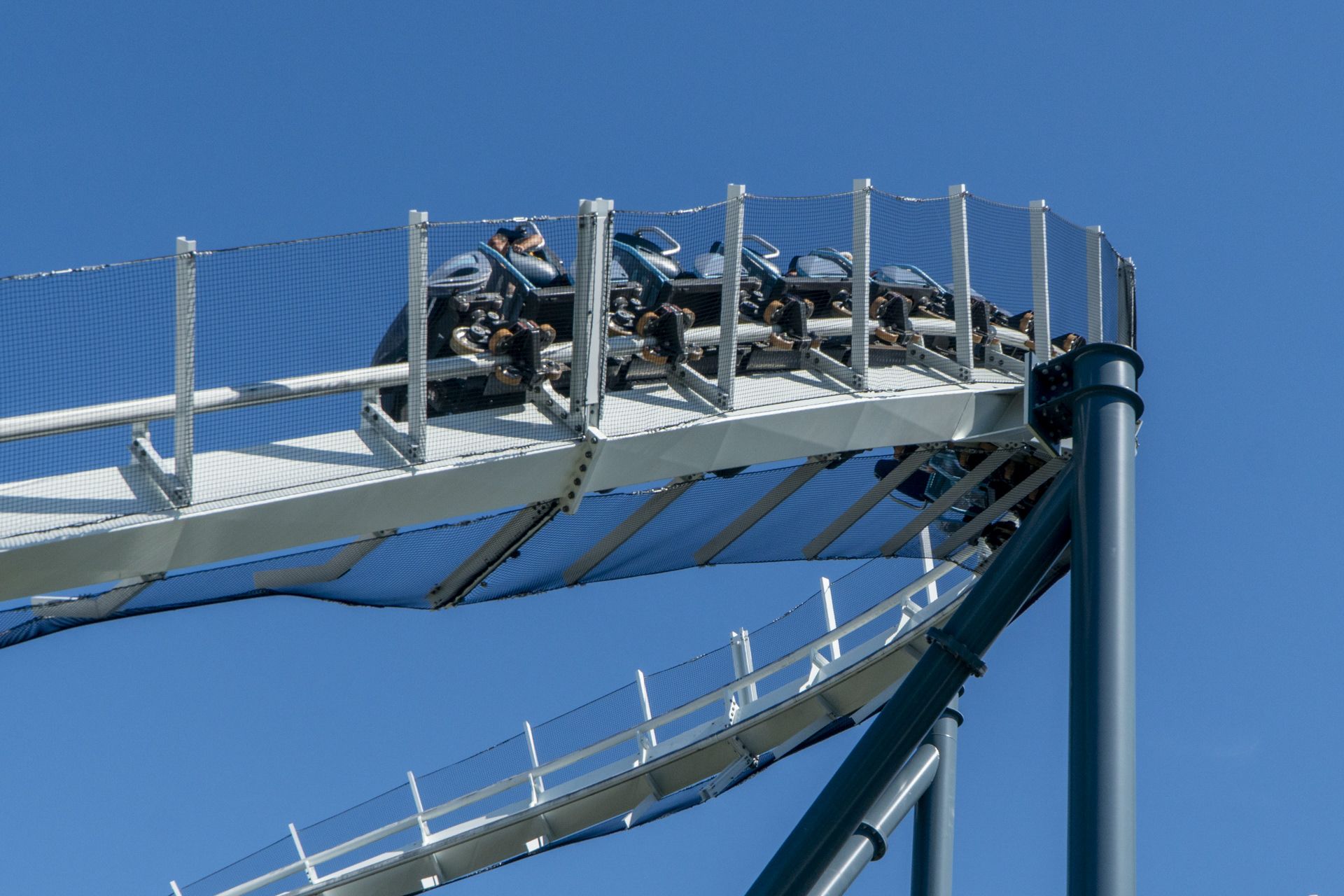
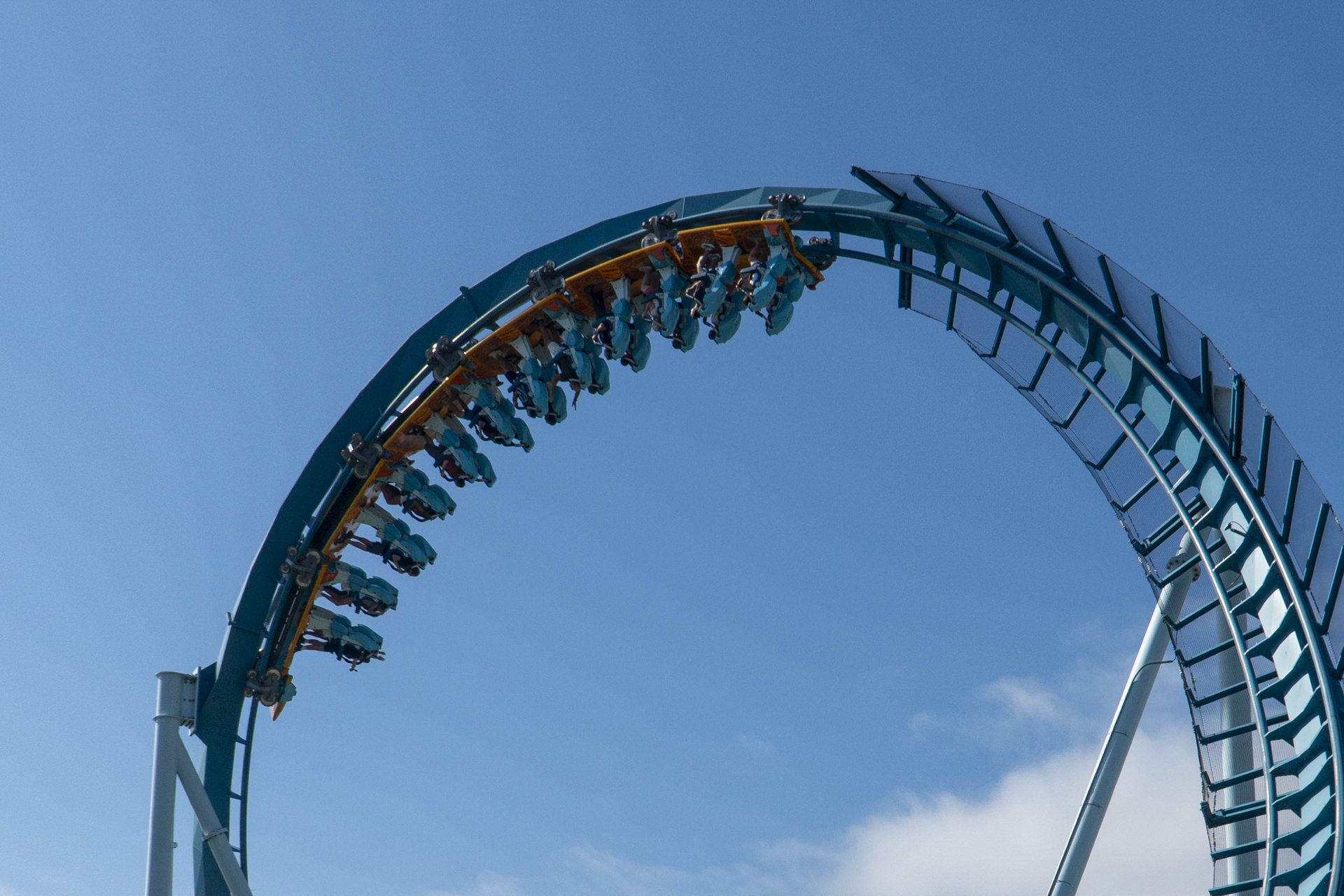
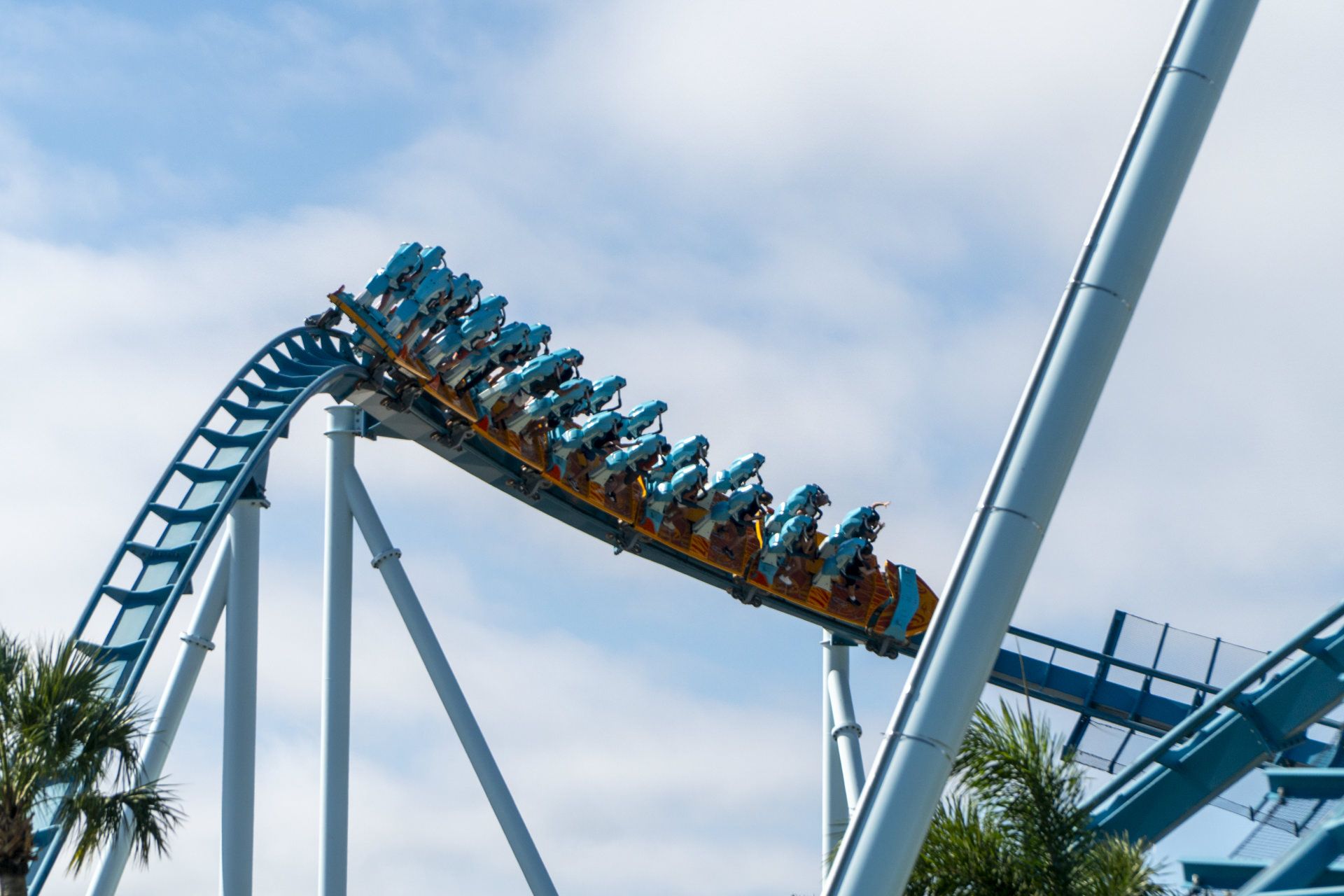
The coaster is B&M’s modern take on a very old concept — the Stand-Up Coaster, one of the ride types that helped put the company on the map in the late 1980s. I have always thought Stand-Up Coasters were incredibly cool, so naturally I was very curious to see what B&M had done with the Surf Coaster. The biggest difference becomes obvious before the ride even starts: there is far more freedom of movement here than on the older designs, where riders are positioned much more rigidly.
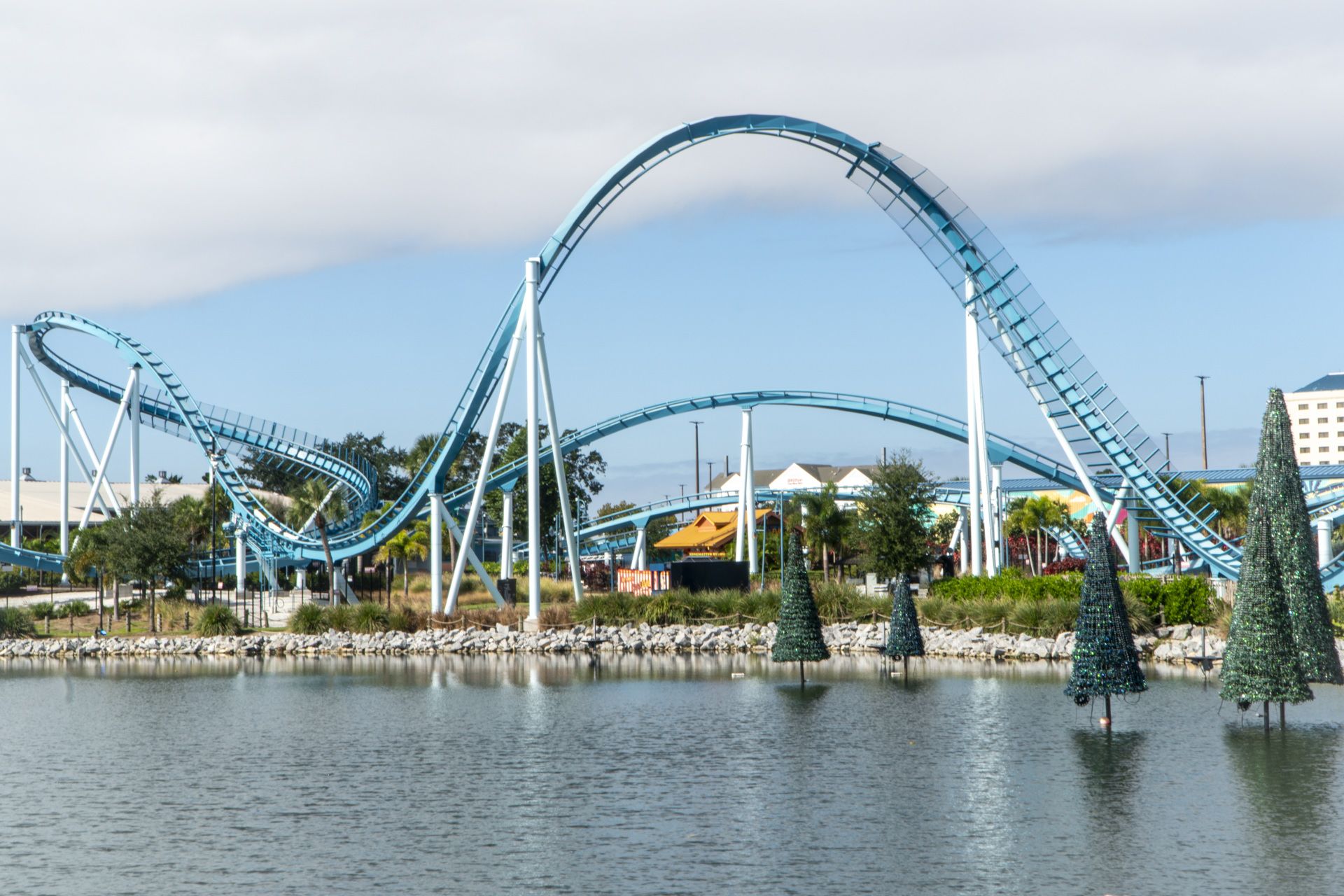
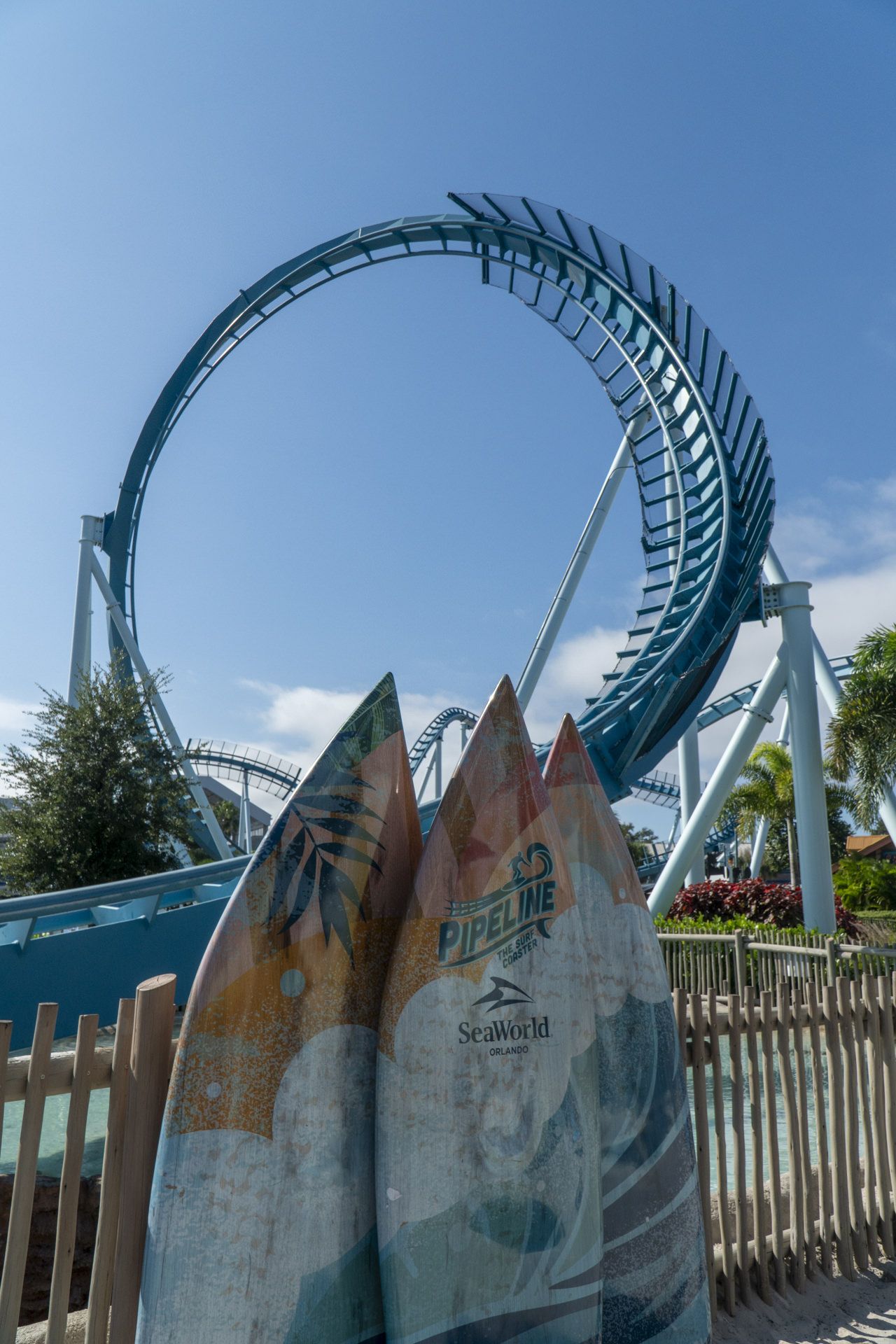
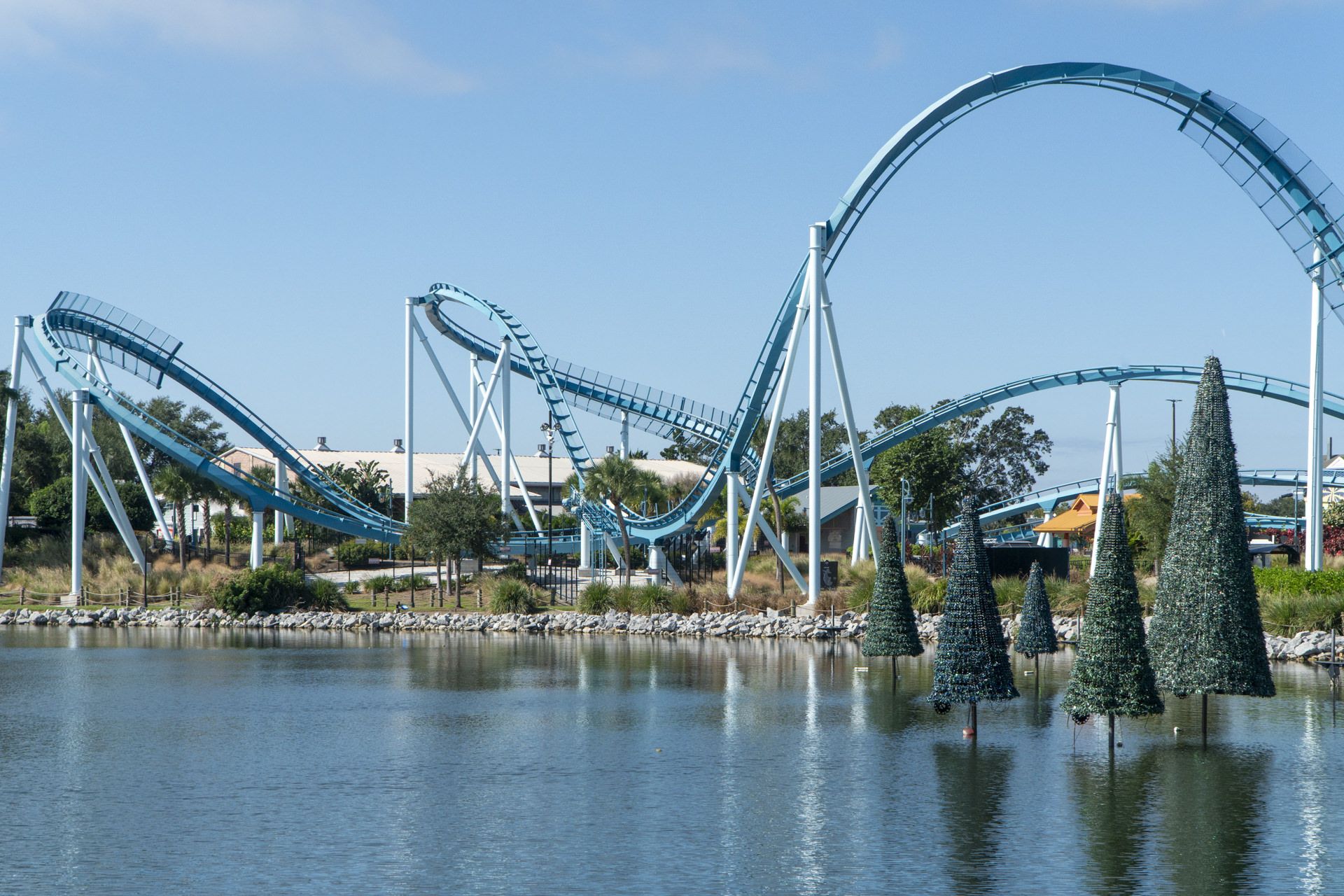
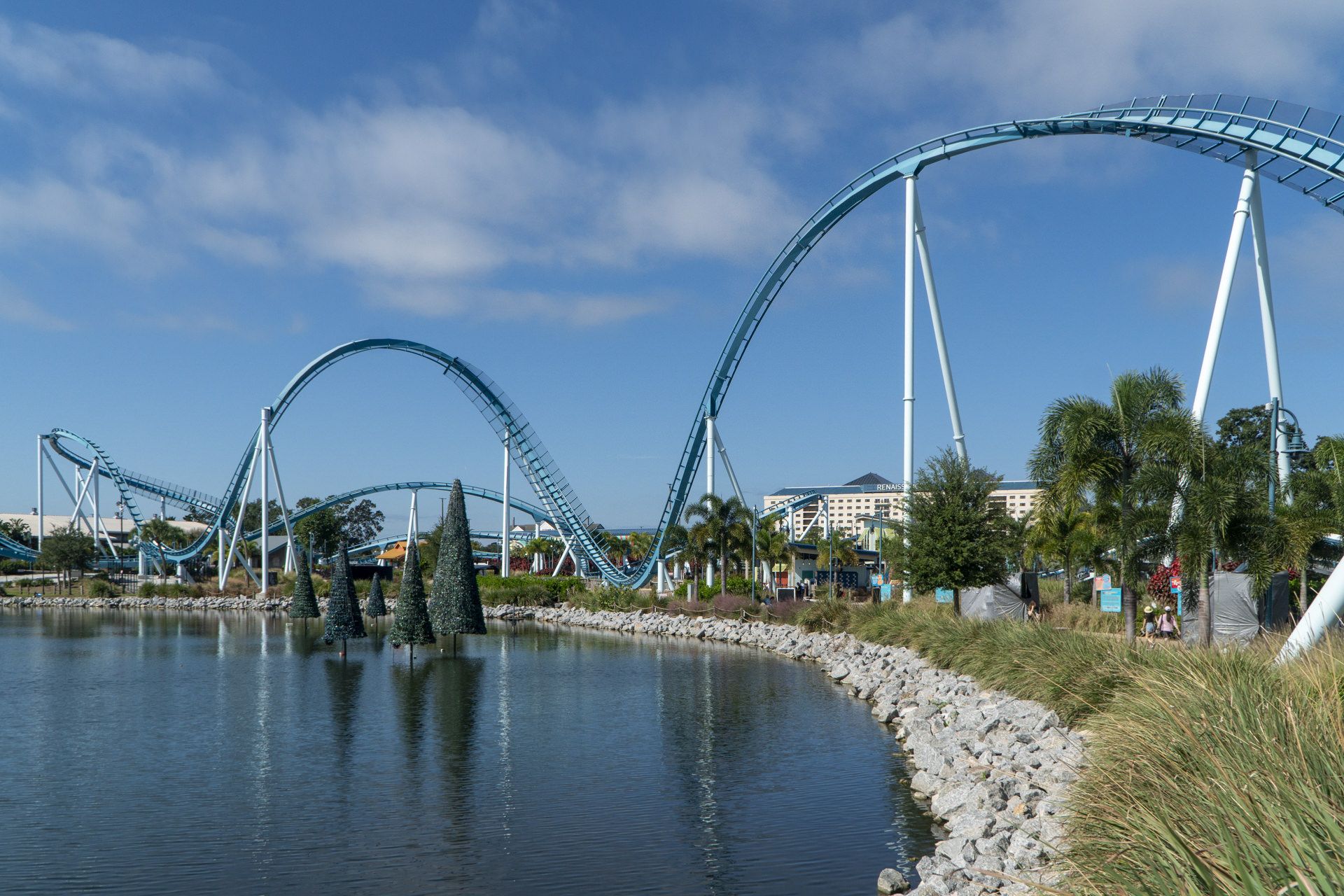
With only two riders per row, the loading process is also considerably more efficient. Once dispatched, the launch sends us over a small speed hill and directly into a tall turnaround. We carry plenty of momentum through the valley and into a sweeping airtime hill, where for a few seconds you actually lose contact with the board beneath your feet. After landing in the next valley, we immediately head into the huge corkscrew.
A climb then leads into a descending helix, followed by another turnaround. Another airtime hill sends us into a sweeping right-hand helix before a low-to-the-ground transition and one final curve bring us into the brakes.
Despite its fairly straightforward layout, Pipeline is a lot of fun and breathes new life into the old Stand-Up Coaster concept. The extra freedom of movement and the airtime moments where you briefly lose contact with the board give the ride a character of its own. For me, this is a very successful evolution of the concept — and hopefully one we will get to ride at more parks in the future.
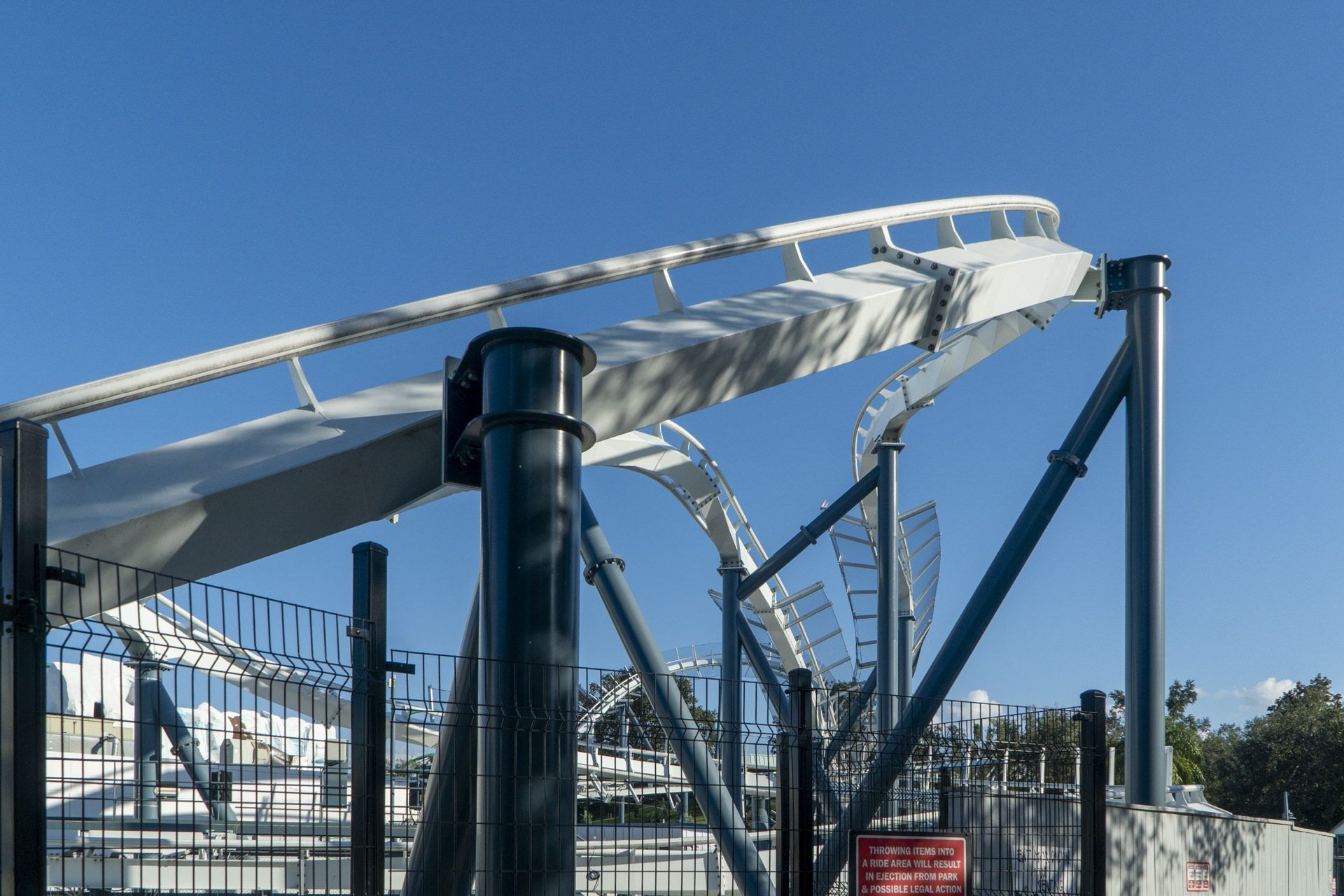
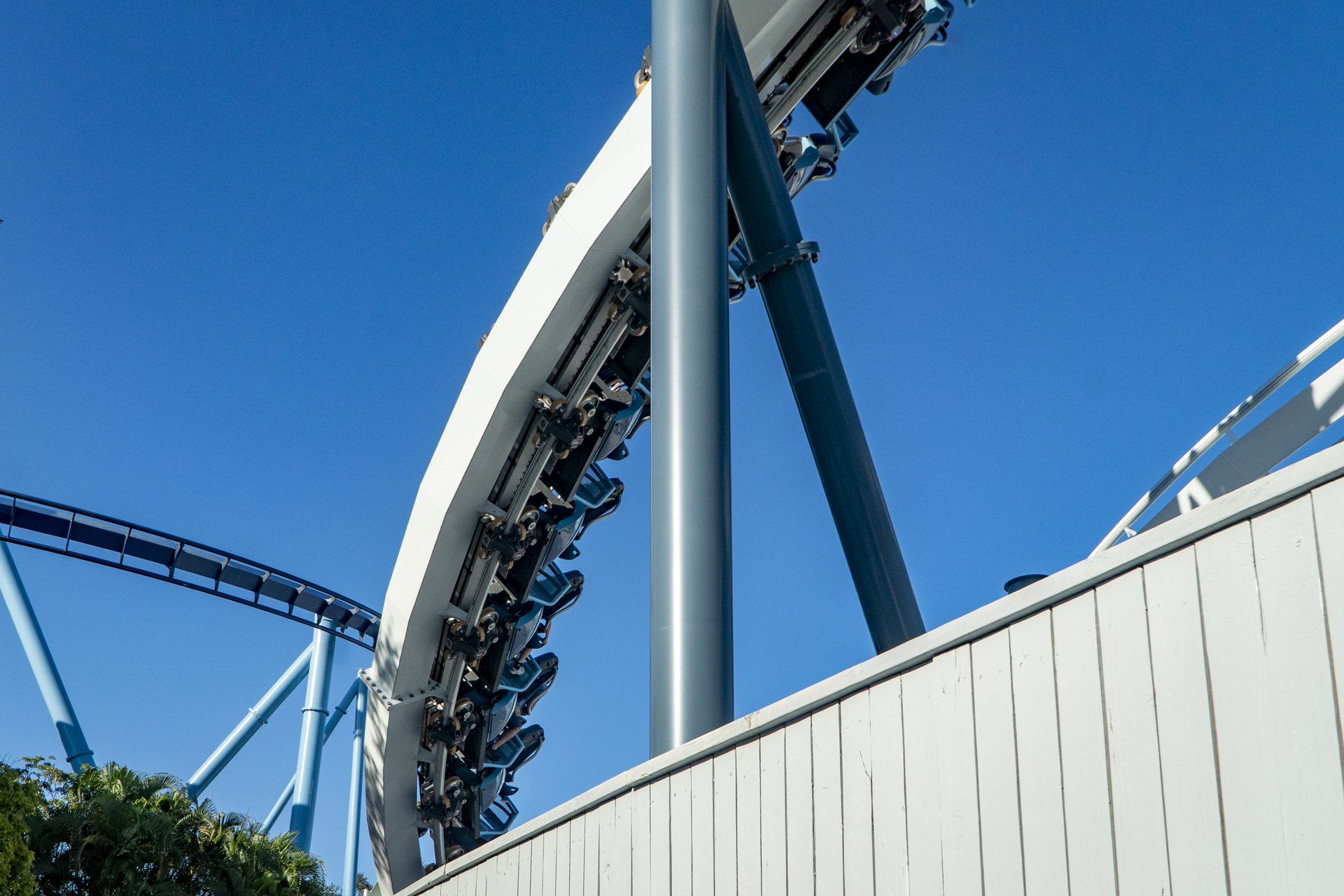
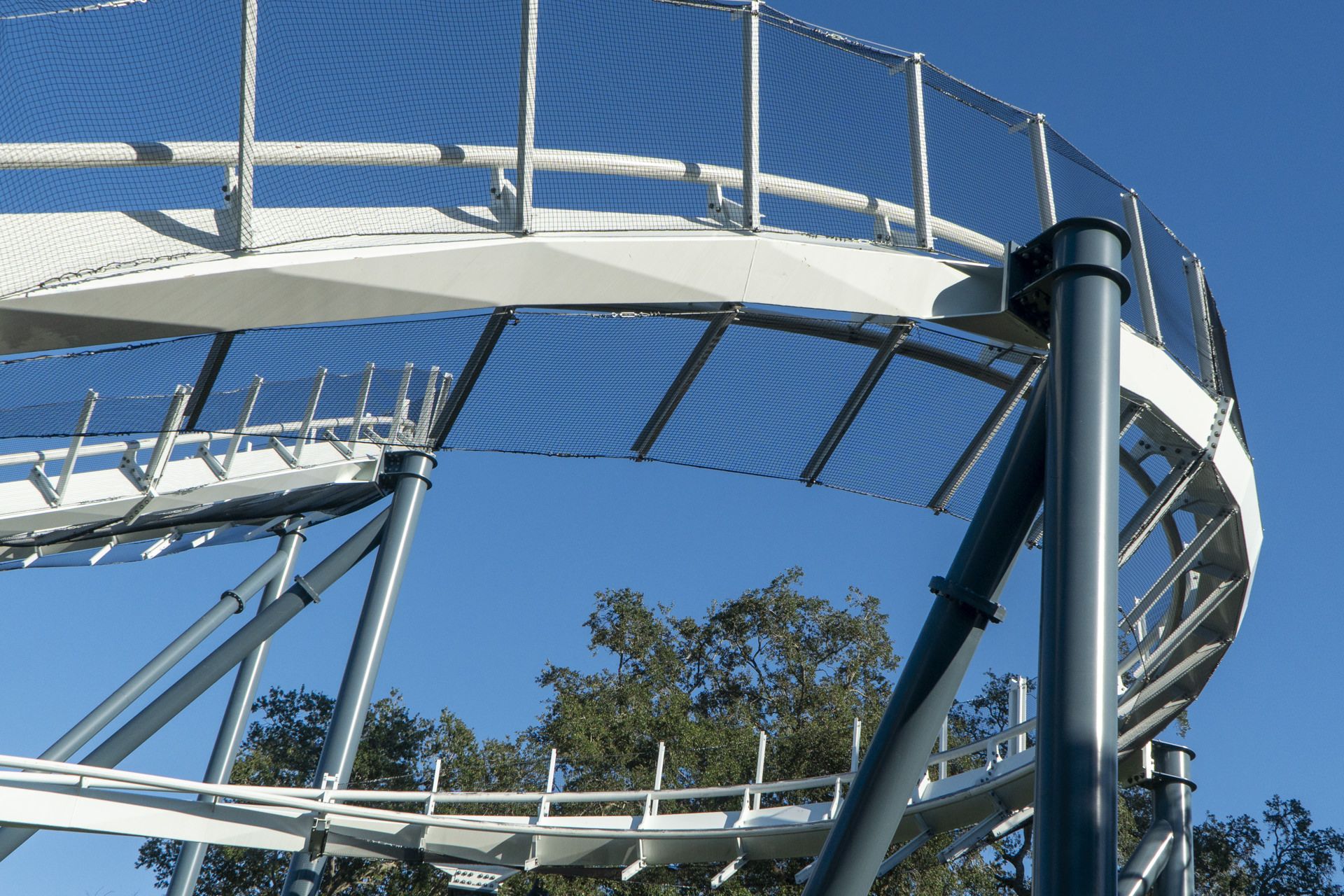
Pictures SeaWorld Orlando
What is your opinion about the new additions to SeaWorld Orlando? Just write it in the comment field below the report!
Click here to get to the overview page of SeaWorld Orlando.