Zoo, Zoo, I go for Zoomarine

Zoomarine

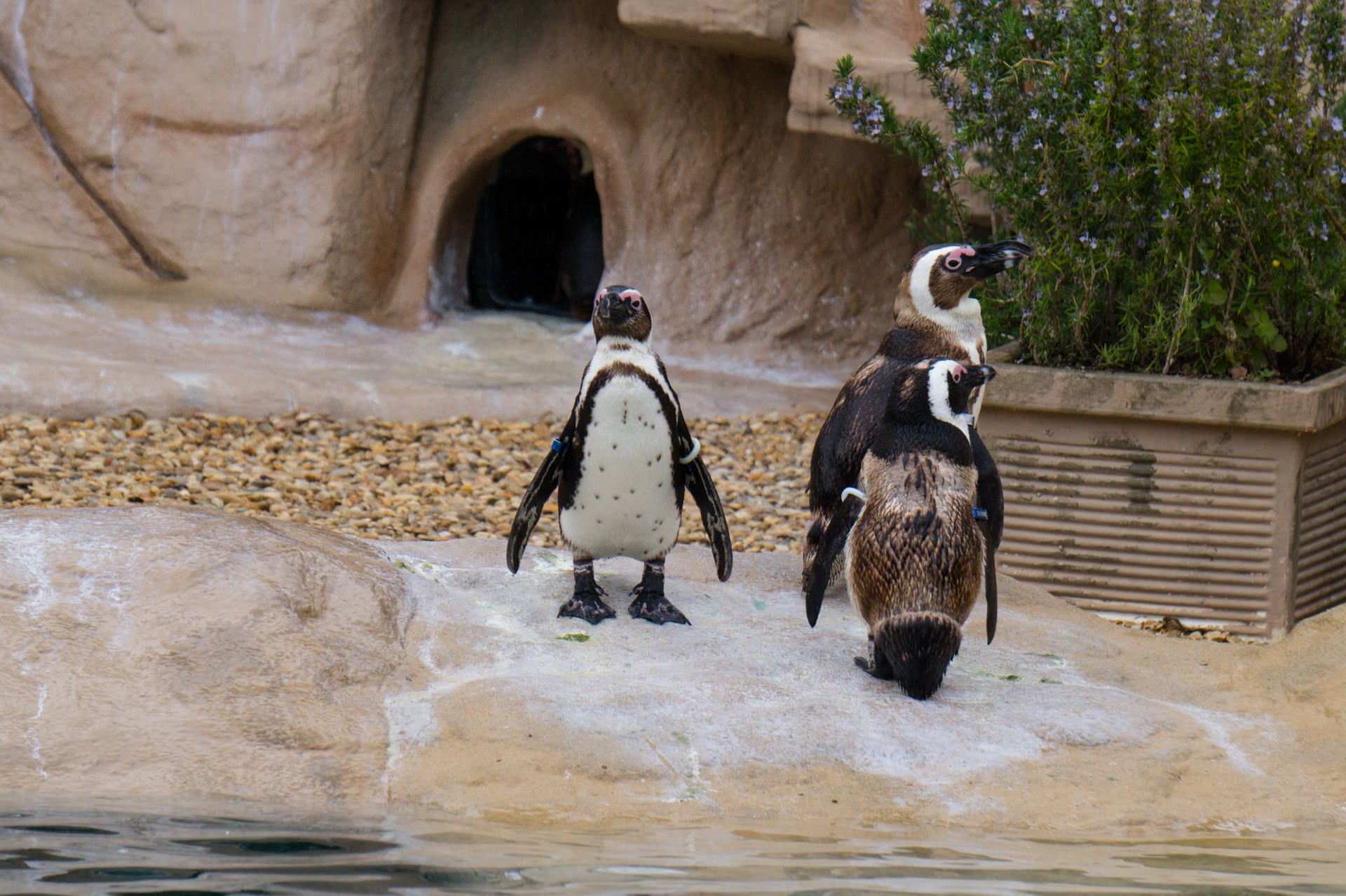
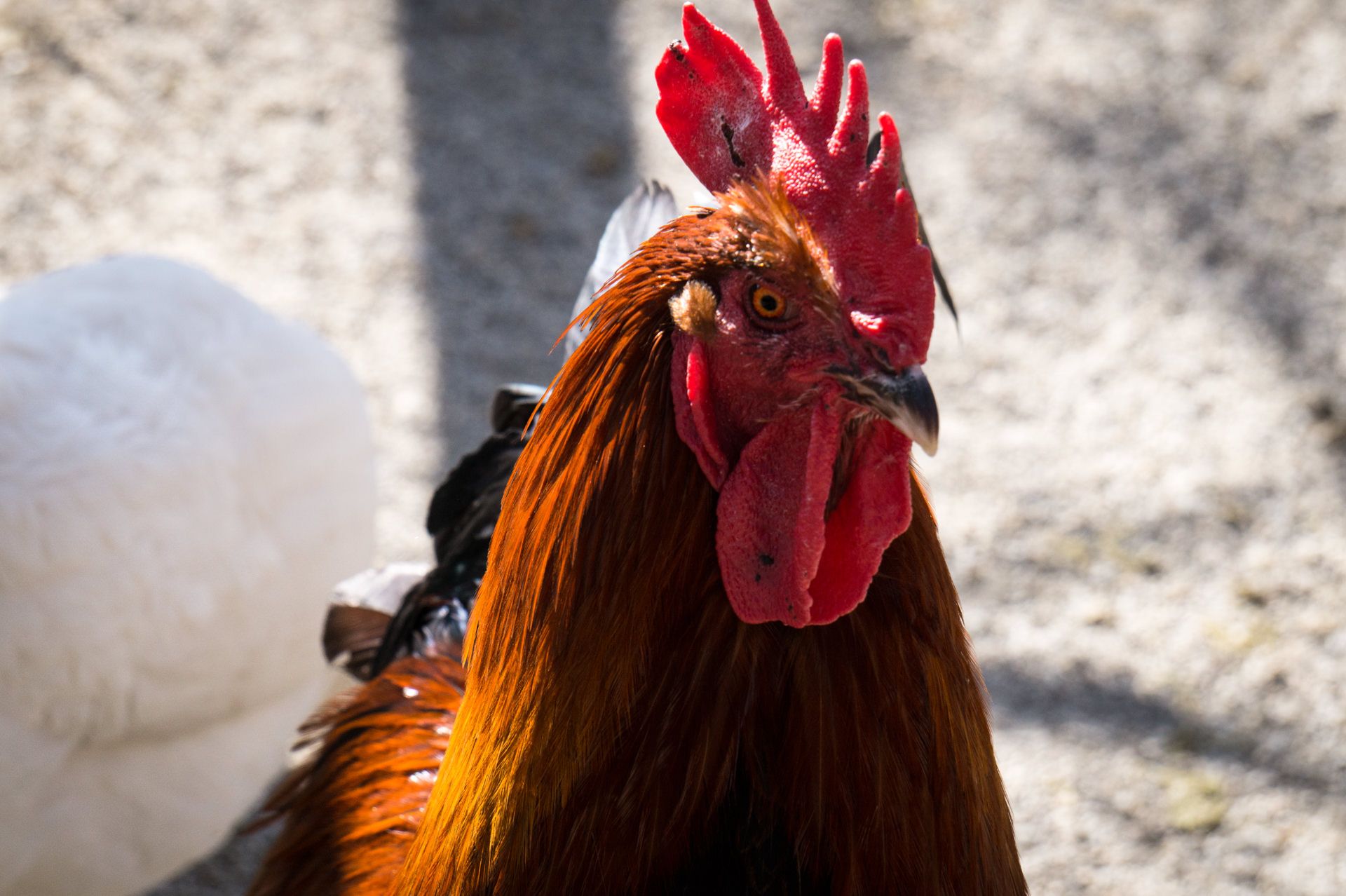
“Zoo, Zoo, I go for Zoomarine. Zoo, zoo, Zoomarine.” The last time I heard the Zoomarine song, I was in the mother park of Mundo Aquático SA, which has been entertaining visitors of the Algarve since 1991 as the only amusement park in Portugal worth visiting. Apart from the really good water parks Slide & Splash and Aquashow Park, there are also few alternatives in Portugal. However, as the shows are well produced and the animals are housed in sufficiently large enclosures, a visit is still not recommended for animal welfare activists, but it is safe for everyone else.

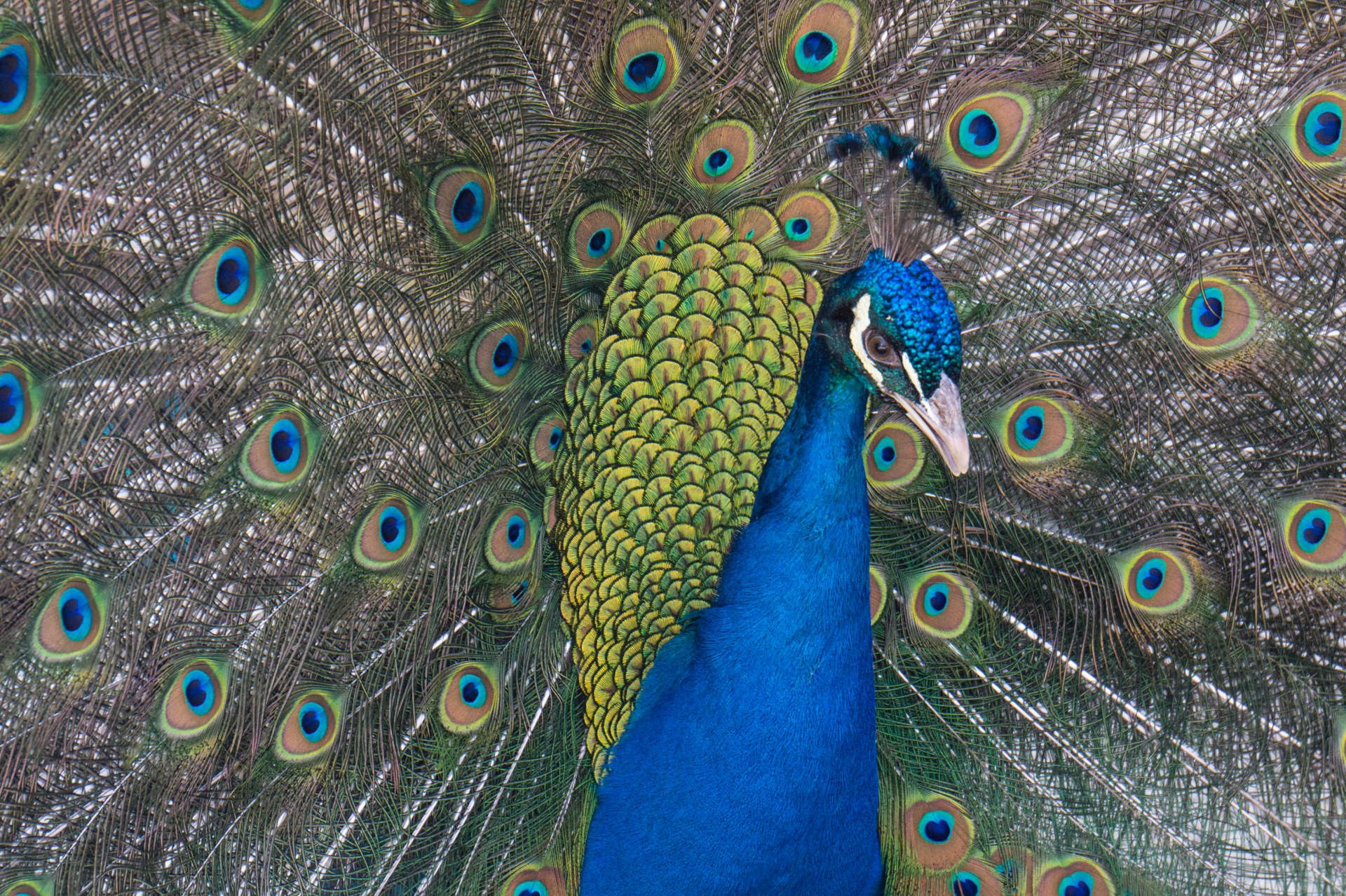
In 2005 the sister park near Rome opened, where the group concentrates mainly on the animal shows on a much larger area and built rather large stadiums for this purpose. Additional animal enclosures, aviaries and the aquarium, for example, are almost completely missing, which makes the park, officially designated as a zoological garden, less credible in its own statements regarding the conservation of species. However, the mission of Zoomarine is to respect and appreciate nature in a passionate way, to accompany children and adults into a world full of emotions and to let them discover the animals living in the park.

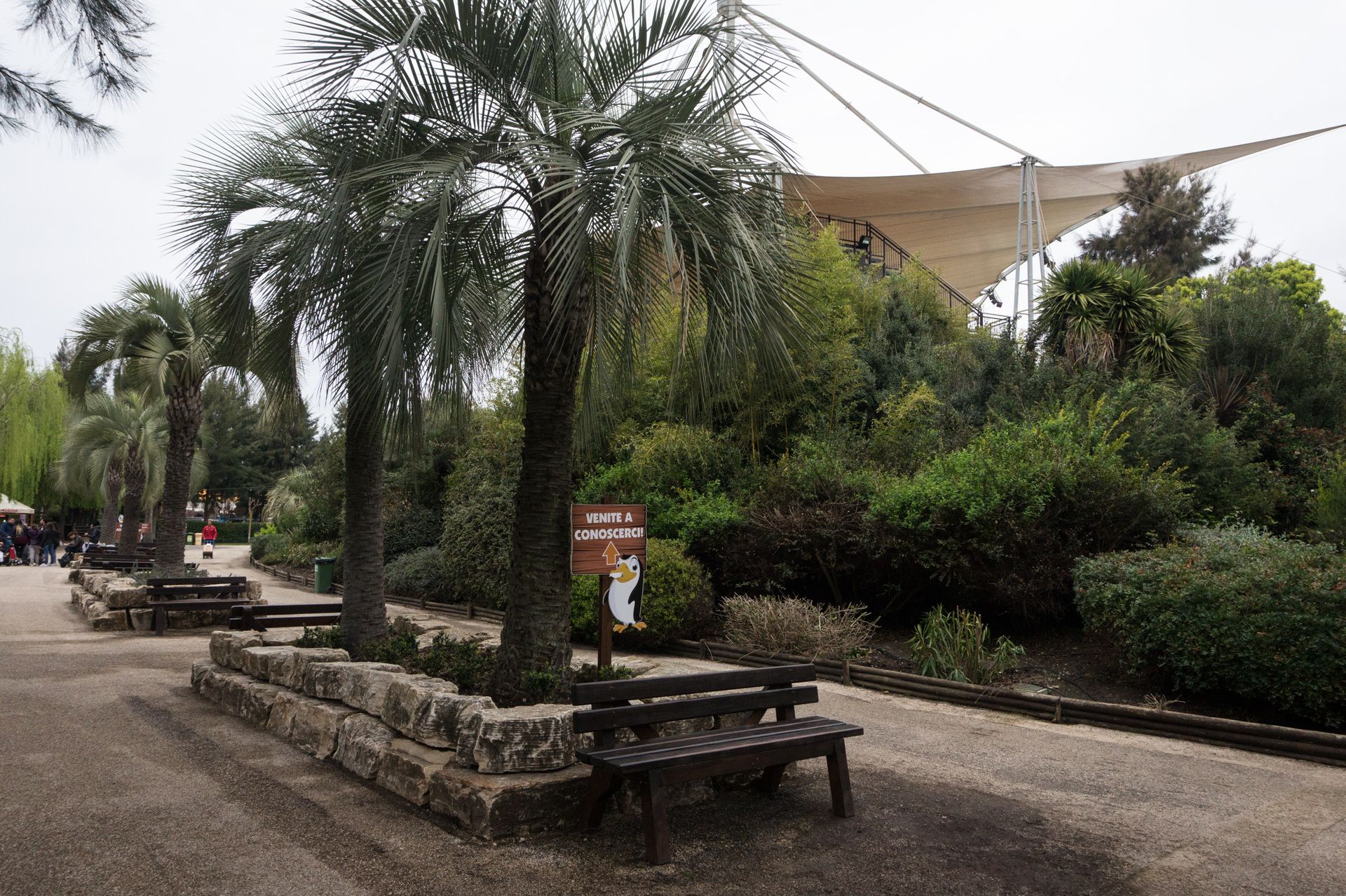
As in Albufeira, all the buildings are kept simple and so the entrance in the form of a tent is not very representative. In the park itself, you will find a very well-kept garden and paved paths throughout Zoomarine, which makes a good first impression and makes Zoomarine a decent theme park.

Squalotto

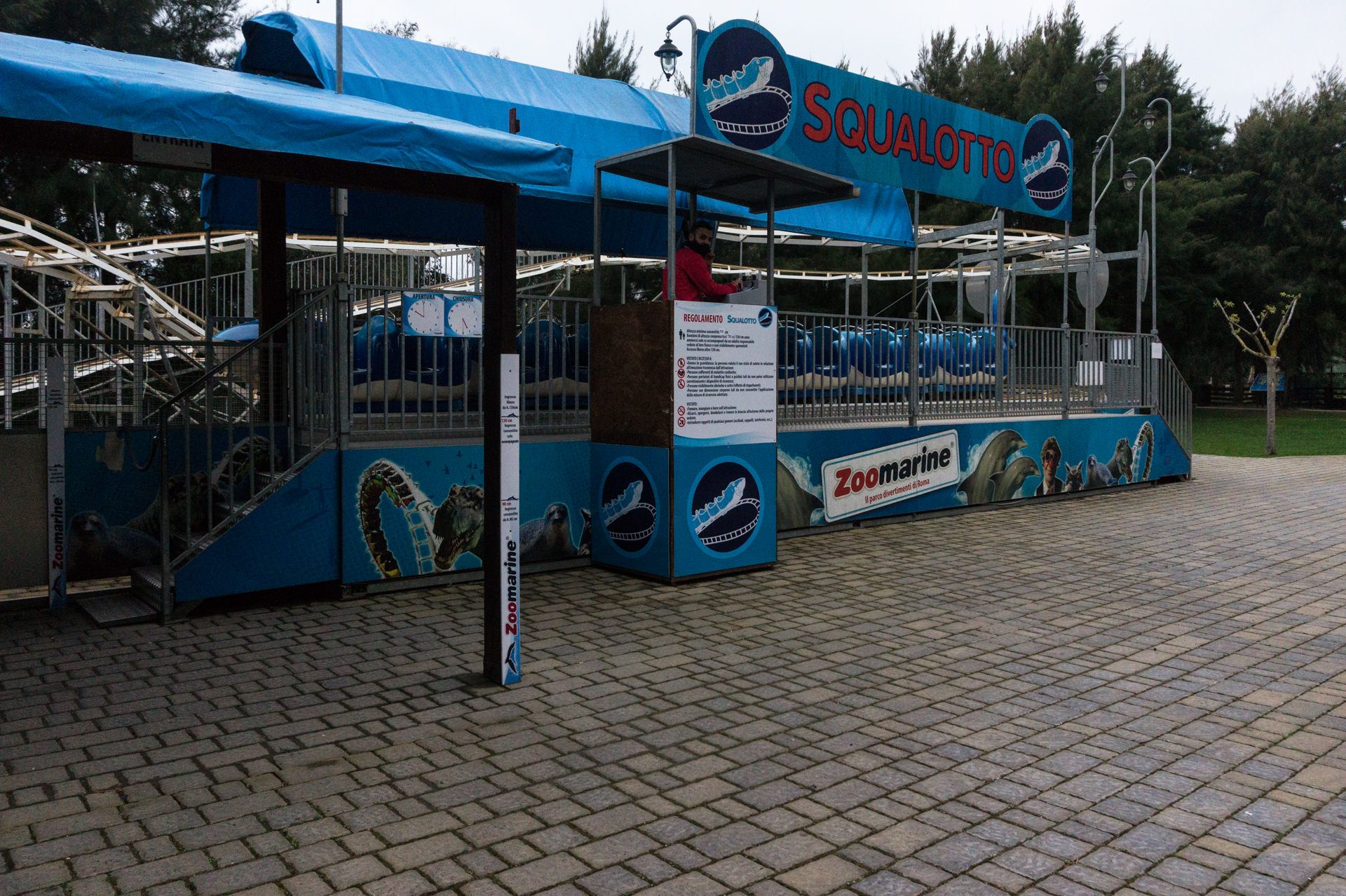
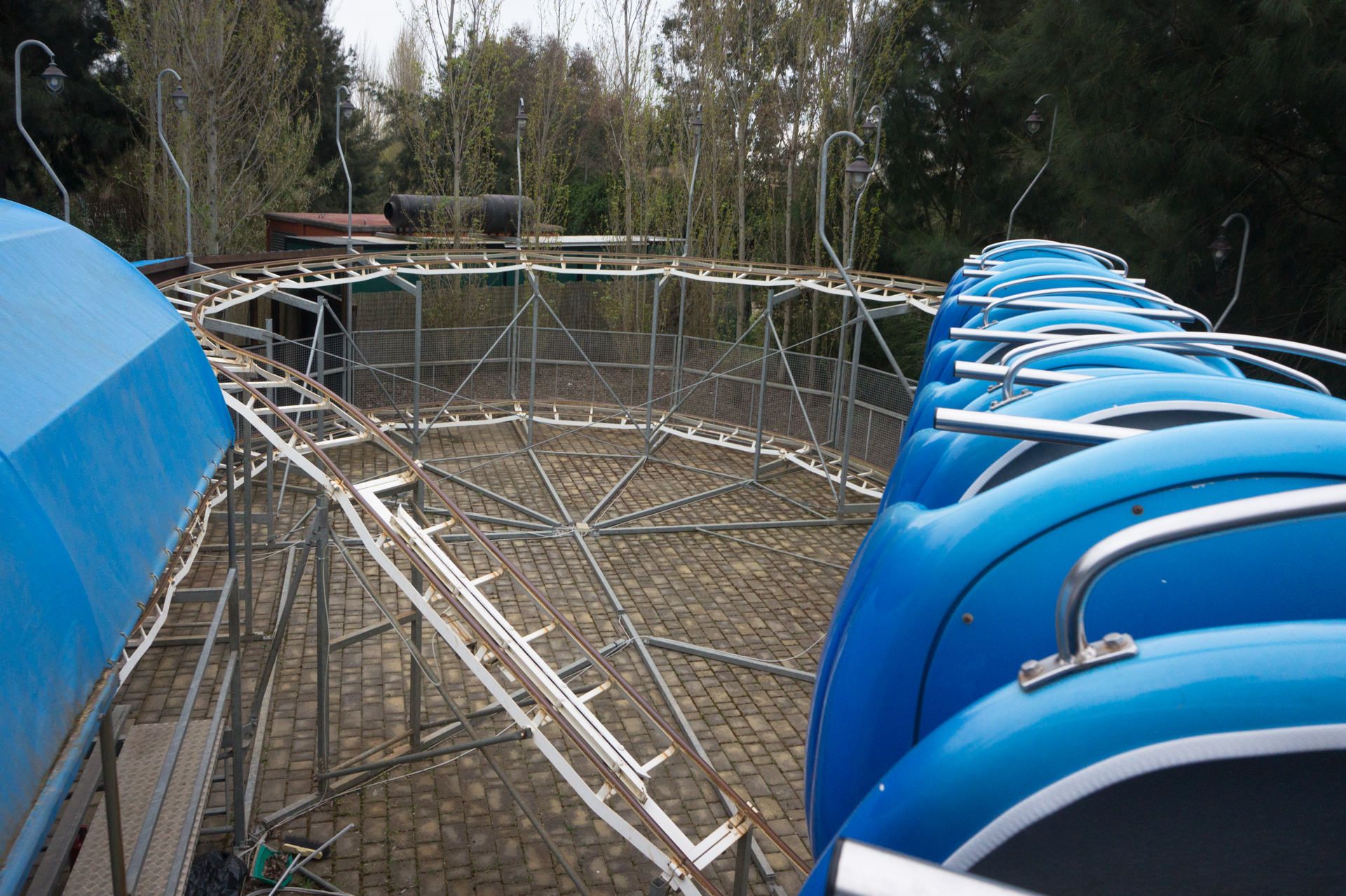
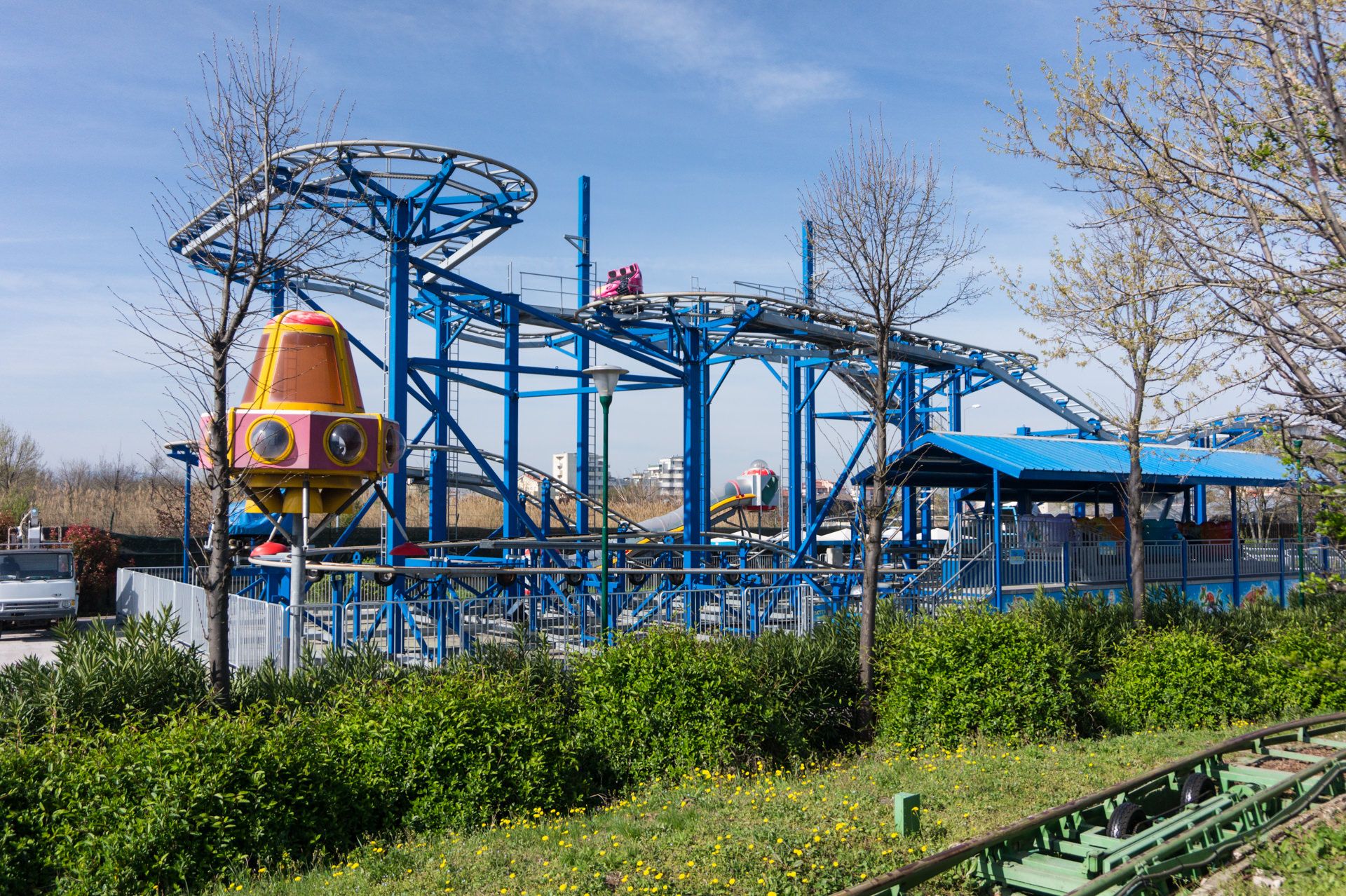
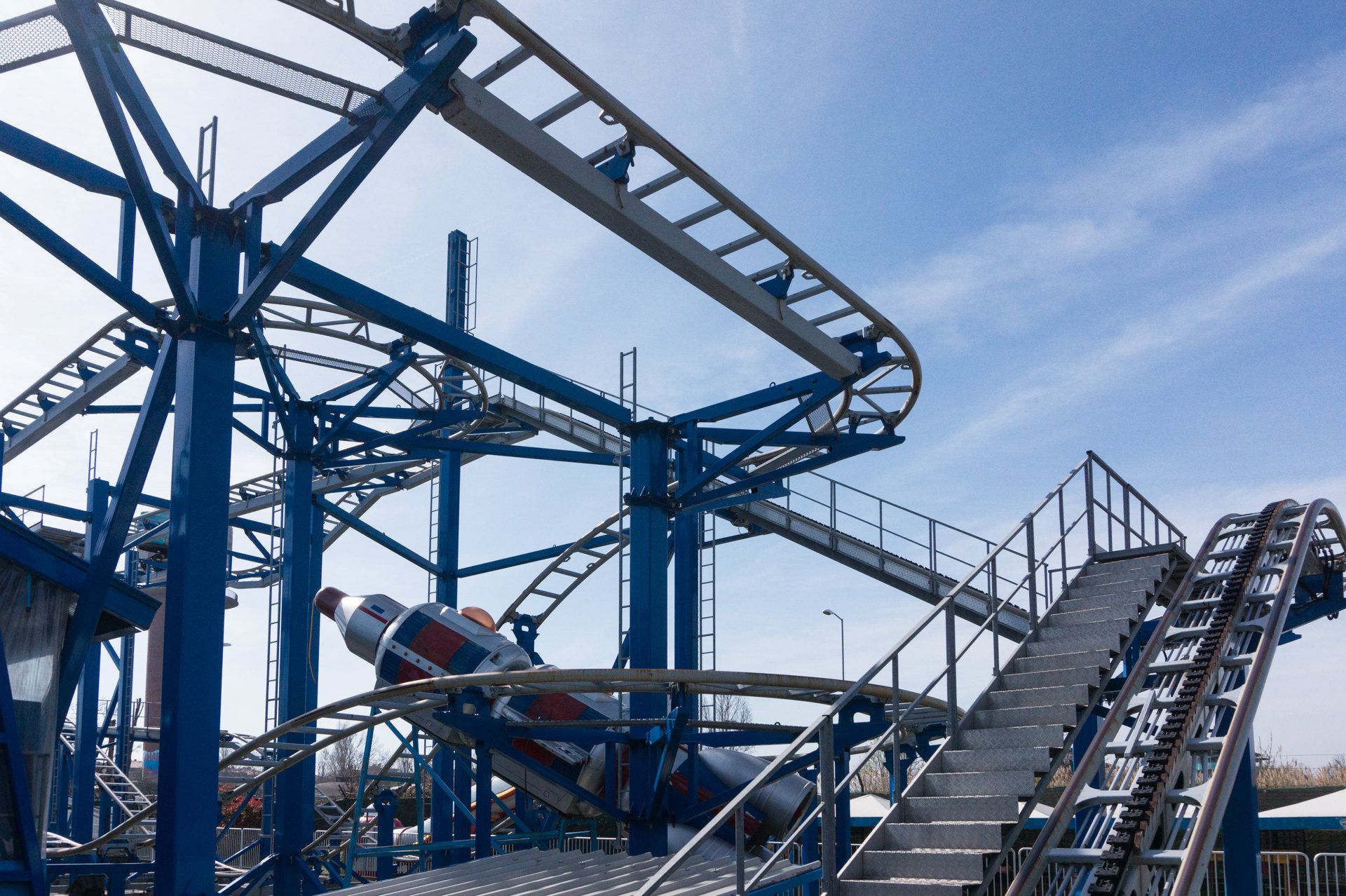
Right at the beginning you will come across the roller coaster Squalotto, a children’s roller coaster with the traditional Italian layout of a Brucomela. It is the much younger of the two coasters, but with the not so wild ride over smaller waves and a bigger drop, it offers enough fun for smaller children only. The train features a nice design which fits the name of the ride.

Harakiri

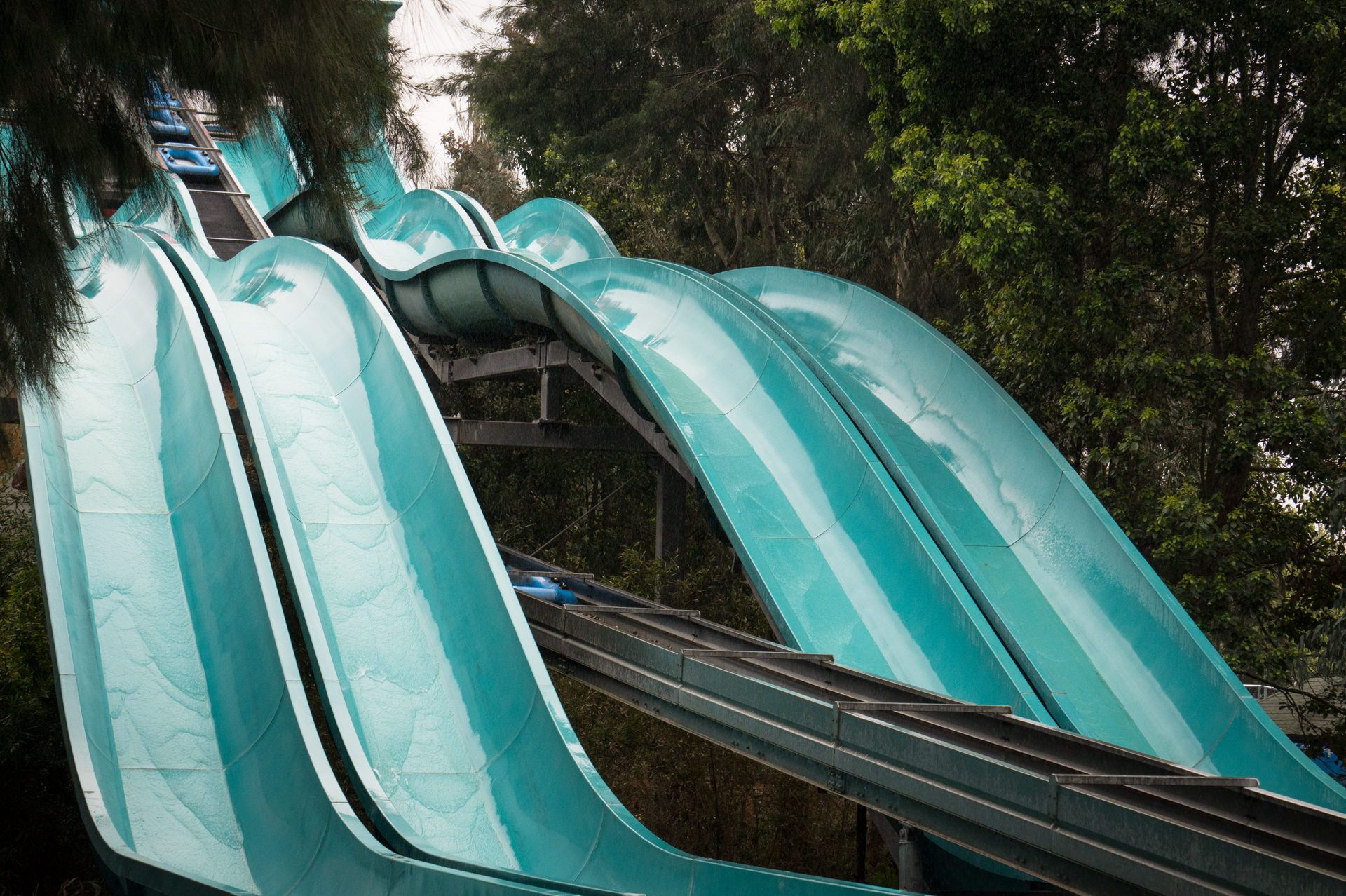
If you follow the main road you will come across a number of rides, all from L&T Systems or their successors Preston & Barbieri. Besides an interesting Saltamonte, a bouncing carousel with cogs as gondolas, you will find the Harakiri dinghy slide and a well designed carousel.

In the immediate vicinity, but still well hidden in the farthest corner of Zoomarine, you will find the large Blue River log flume with its three shots, also by L&T Systems. The ride goes in dugout canoes through a hot-galvanised channel, where first a small drop, then an equally large double drop and last but not least a bigger drop is waiting for the passengers. Due to the rainy weather on the Mediterranean coast near the Italian capital, we decided not to take a ride as it was quite chilly for a change.

The Water Park

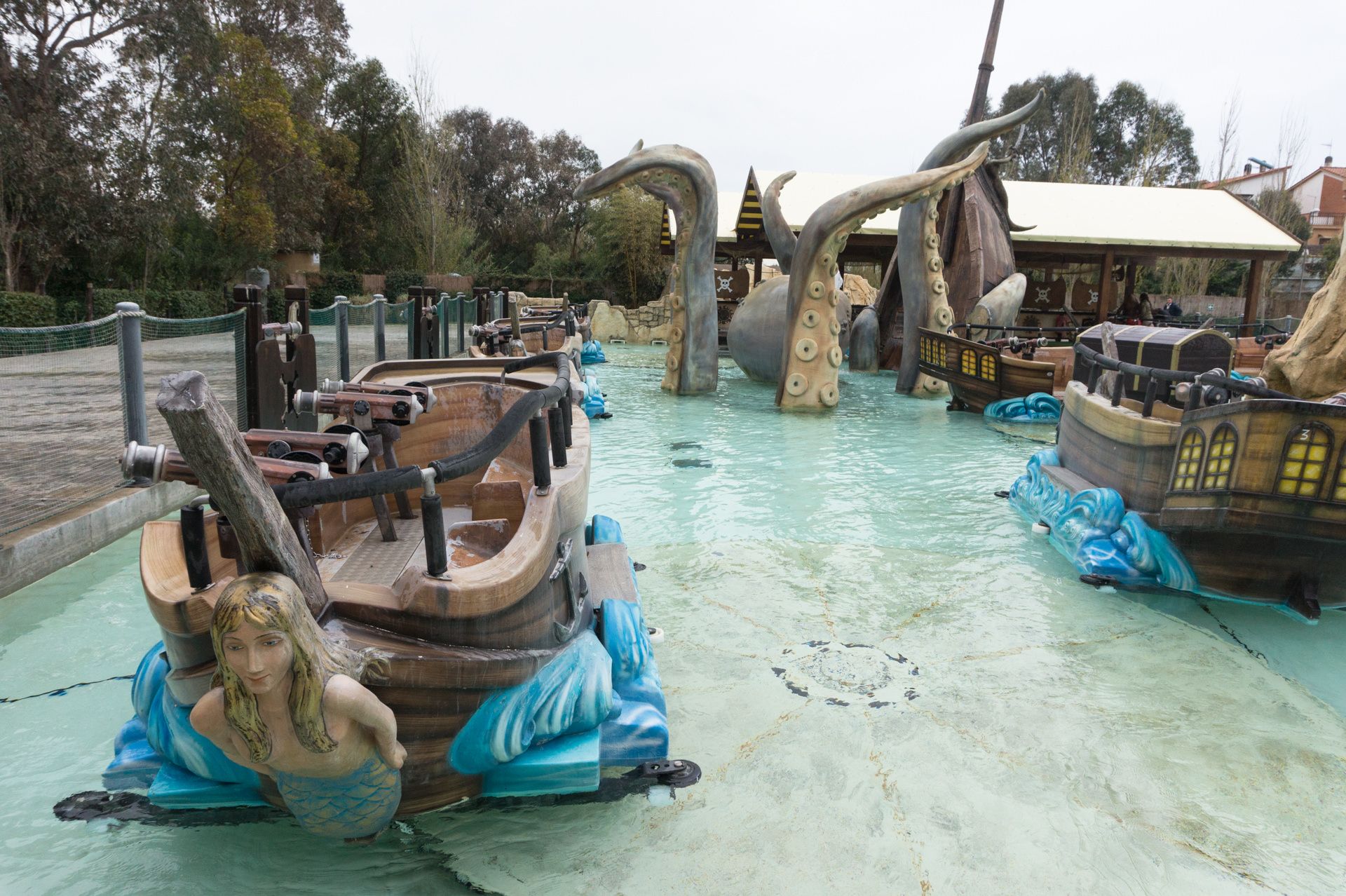
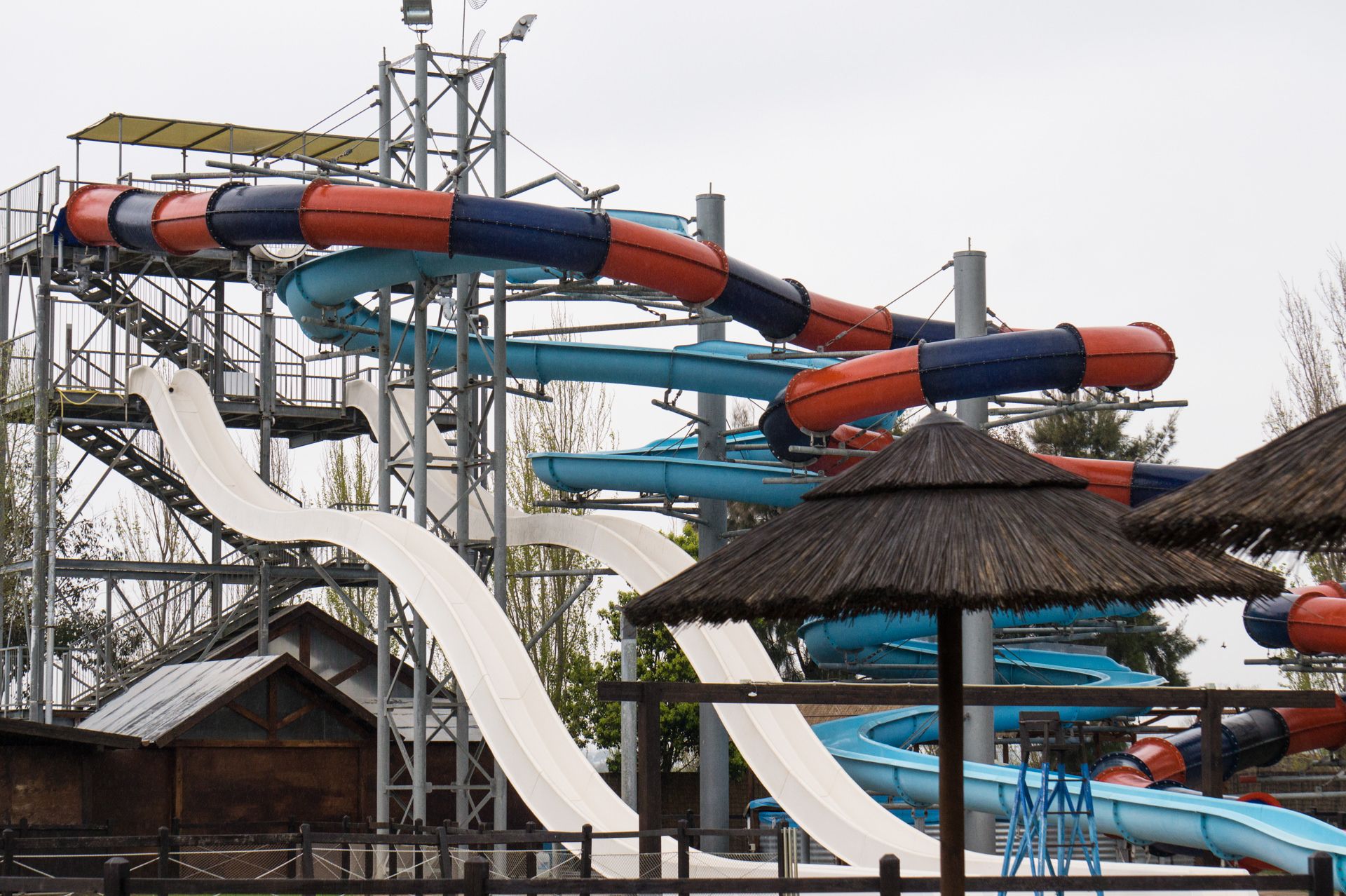
On the other side of the amusement mile there is a small water park with a number of sunbeds for relaxation. In addition to two water playgrounds, there is a slide complex with two kamikaze slides and two spiral slides, one of which is a black hole, and, since this season, a flow rider, i.e. a wave riding simulator. But there is also a 3D cinema, a Splash Battle and the Schwarzkopf classic looping star Vertigo.

Vertigo

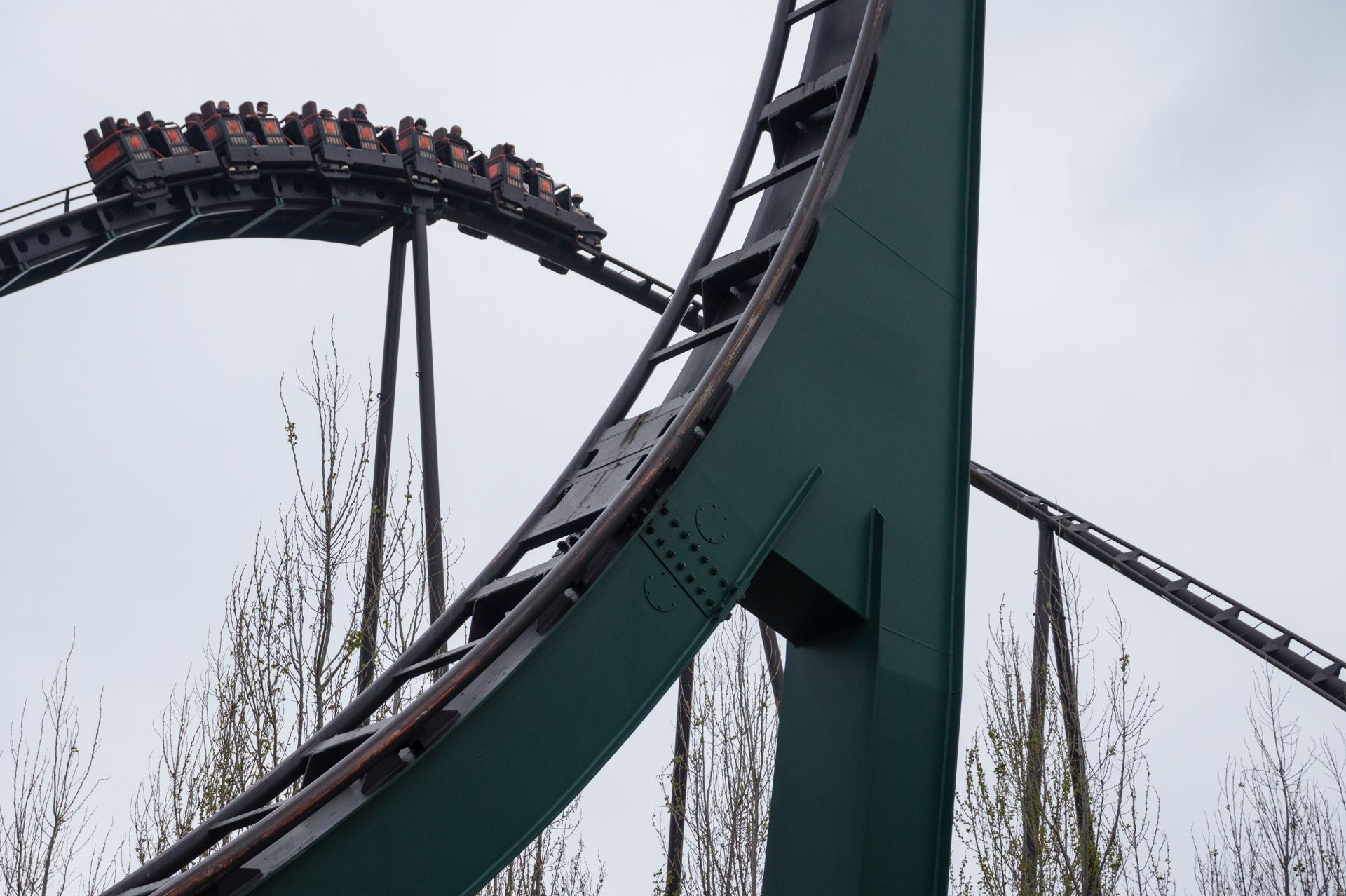
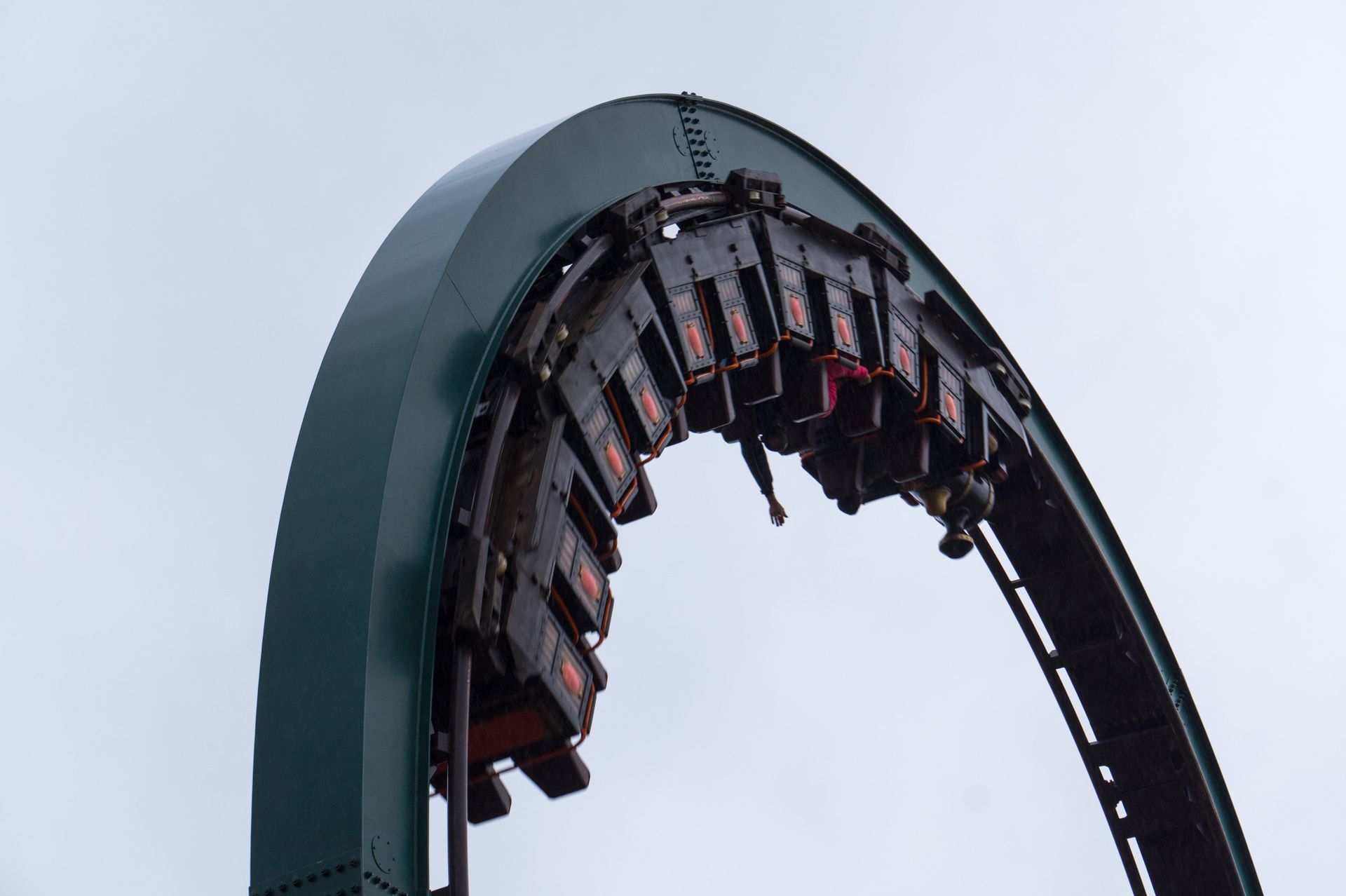
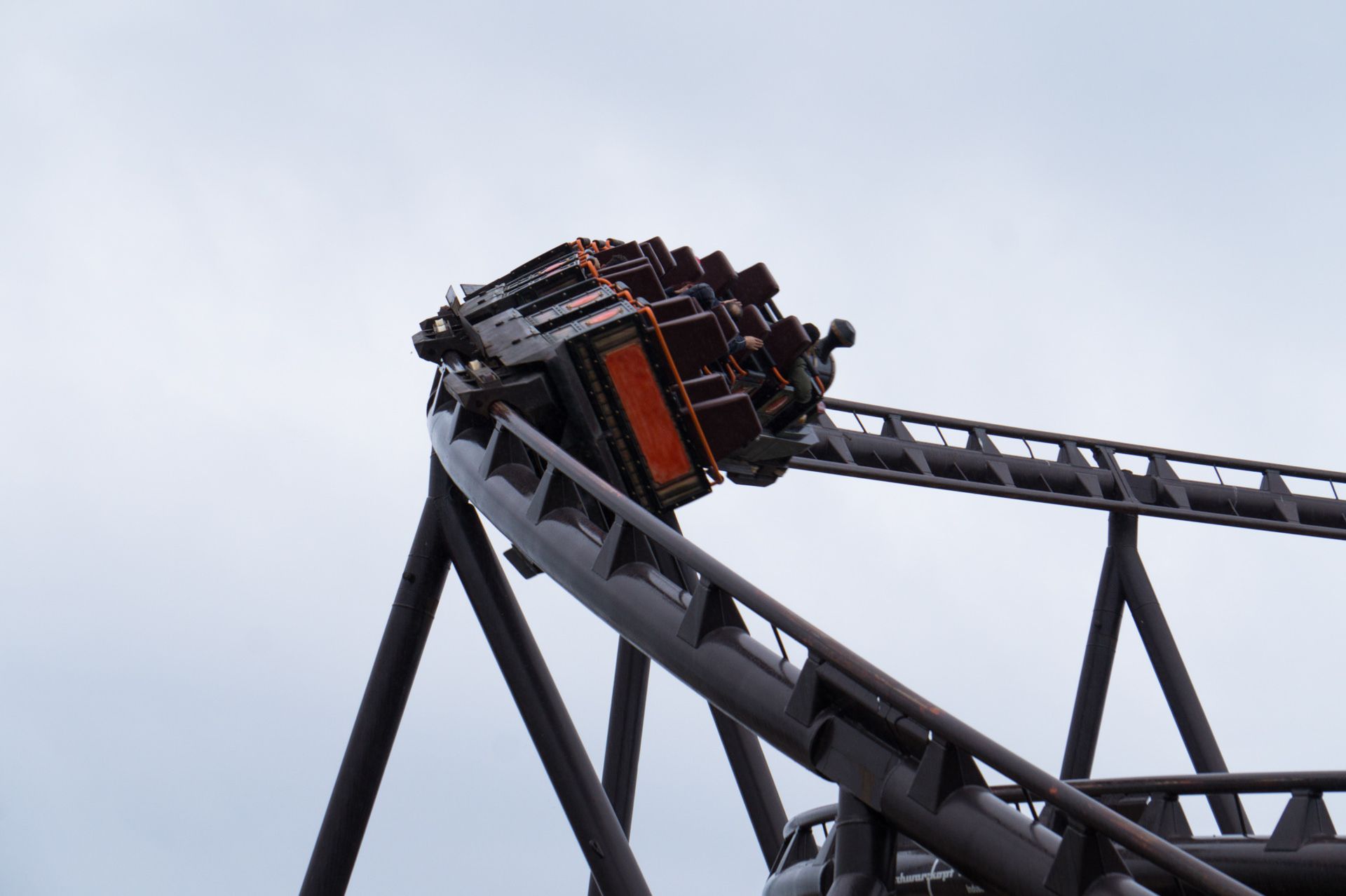
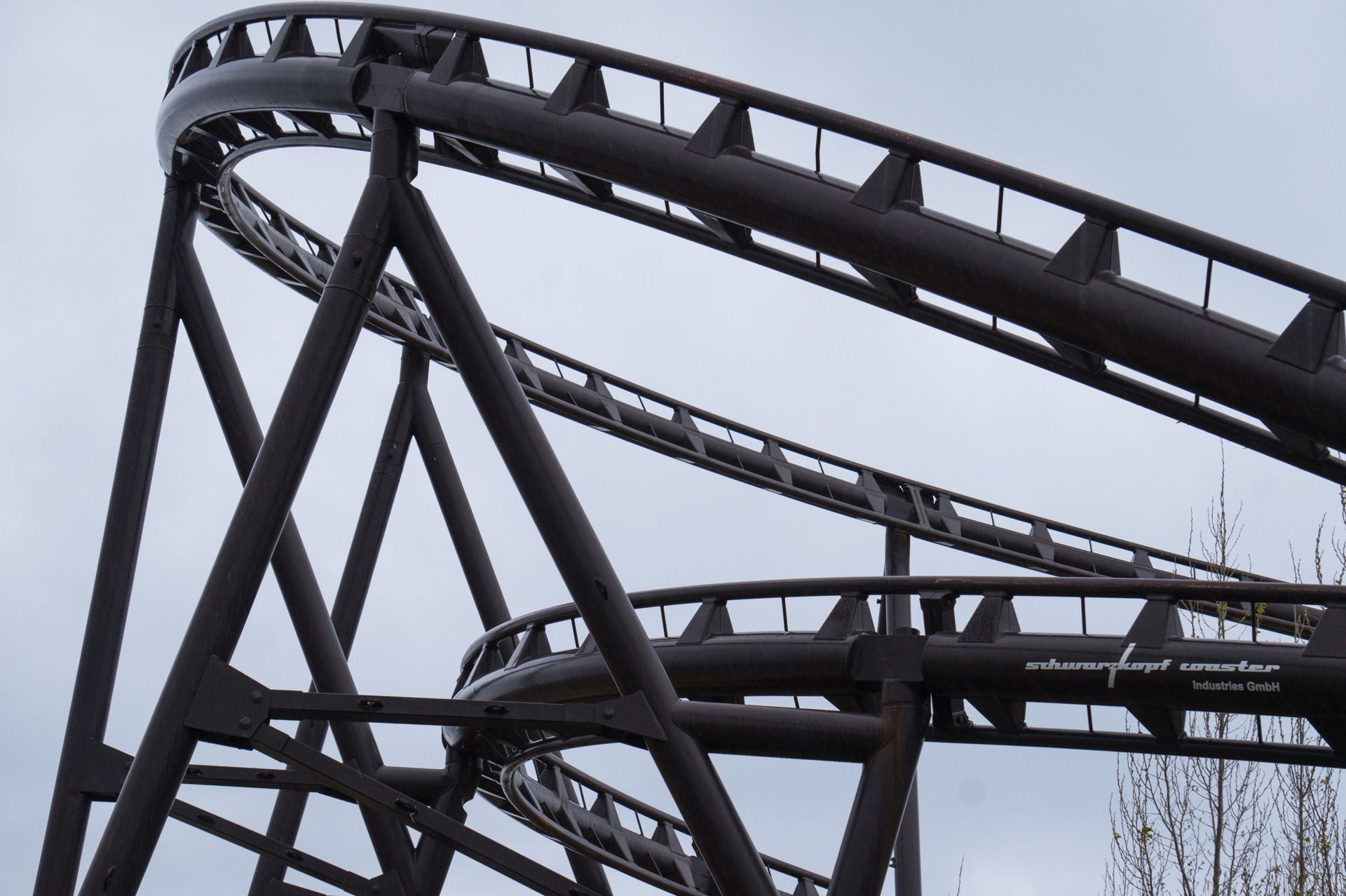
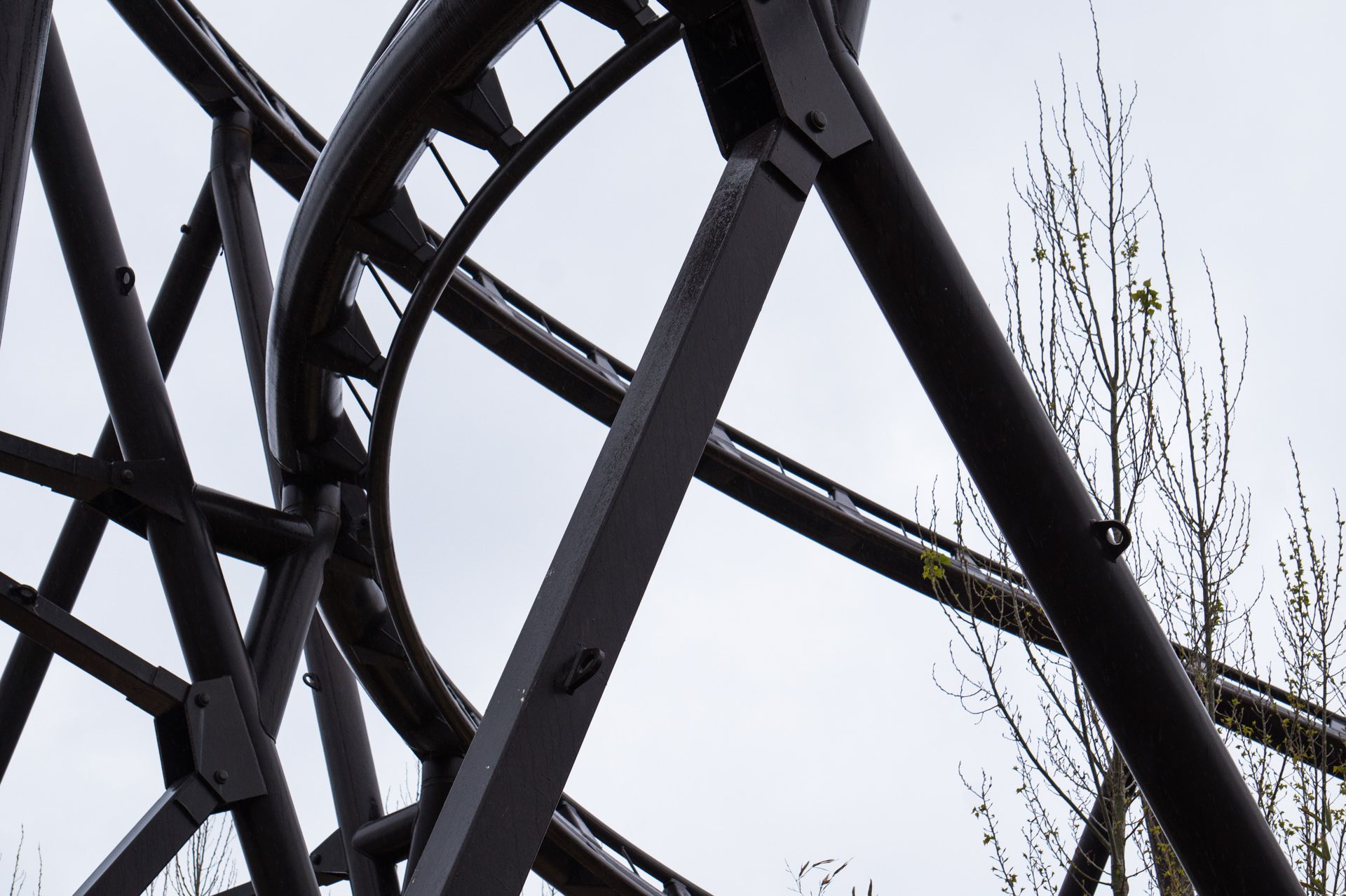
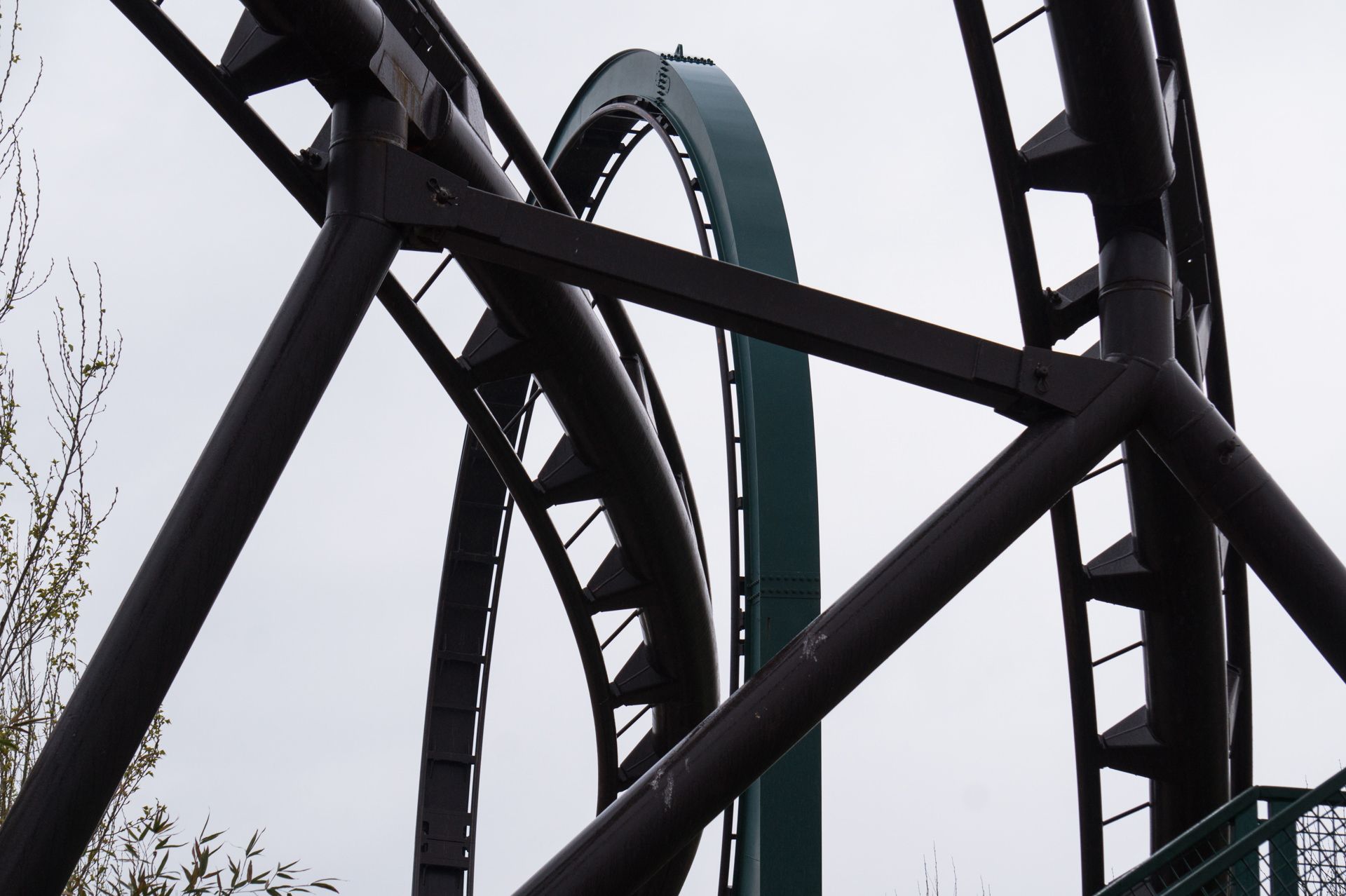
The classic funfair ride, which only started its journey through Ireland as part of the Funderland ensemble after 28 years of operation as a stationary ride in various European amusement parks, begins with a confident climb up the lift hill. After having collected enough potential energy for the only inversion of the ride at a height of more than 24m, the rider immediately makes a steep turn towards the ground to approach the loop at full speed. With a good amount of power you pass the first and only inversion of the ride. Immediately you shoot up again to make a turn in the air. But the rest doesn’t last long, because the train immediately plunges back to the ground, which can lead to unexpected airtime, especially in the back of the train. In the opposite direction to the first gradient, the train again takes on a bit of height and efficiently reduces it parallel to the lift hill. Since a straight line with a constant cross slope is a bit strange to drive, you are straightened up in between, however without considering the principle of turning around the heart line. After all, this principle had been applied for the first time in 1978 at the Shockwave in the Texas amusement park Six Flags Over Texas; however, the planning for the Looping Star was already in full swing at that time. Leaning to the left again, you pass through another elevated curve before approaching the ground again in a hill. A last fast right turn follows until you reach the braking distance and finally the station.

Although the looping star Vertigo has led a more than eventful life so far, it still rides a bit better than its direct relative at Attractiepark Slagharen. Under the Bemboom family it started its life in the, long forgotten, Freizeitpark Kirchhorst not far from the A7 motorway near Hanover, followed by the English amusement park Southport Pleasureland and the French western theme park OK Corral. As a loan the ride went to the Parque de Atracciones in the Spanish capital Madrid, followed by the short-lived Plutón Park near Vigo, also in Spain, before the ride was set up in Luneur Park, the former and future Luna Park of the Italian capital. Following the aforementioned funfair debut in Ireland, the ride has been entertaining passengers here at Zoomarine since 2010, and it is as pleasant as ever. At the same time, Zoomarine takes good care of the rides, which means that the park is in some way a conservation area.

Pictures Zoomarine

Conclusion Zoomarine

All in all, the Zoomarine amusement park in Italy is a good park, which animal welfare activists should better avoid. The shows, none of which we have seen, are certainly the main reason for visiting the park, but they are also the park’s livelihood. Neither as an amusement park, nor as a zoo, nor as a water park could the park support itself, because in the end none of the mentioned park types are developed enough. In the overall package, however, it can entertain you for a whole day, especially since the shows, if they are as well produced as in Portugal, are well worth seeing. But it is also a fact in Italy that people’s consciences have changed over time and the closure of the dolphinarium in Gardaland in 2013 at the latest marked the beginning of the end of the remaining dolphinariums. In this respect I am curious to see in which direction the Italian branch of Mundo Aquático SA will develop.


What is your opinion about the animal, theme and water park Zoomarine? Just write it here in the comment field below the review or visit our social media channels:


Click here for the next report of the Il Viaggio dei due Runner Tour
Rimini’s desolate amusement park

Fiabilandia

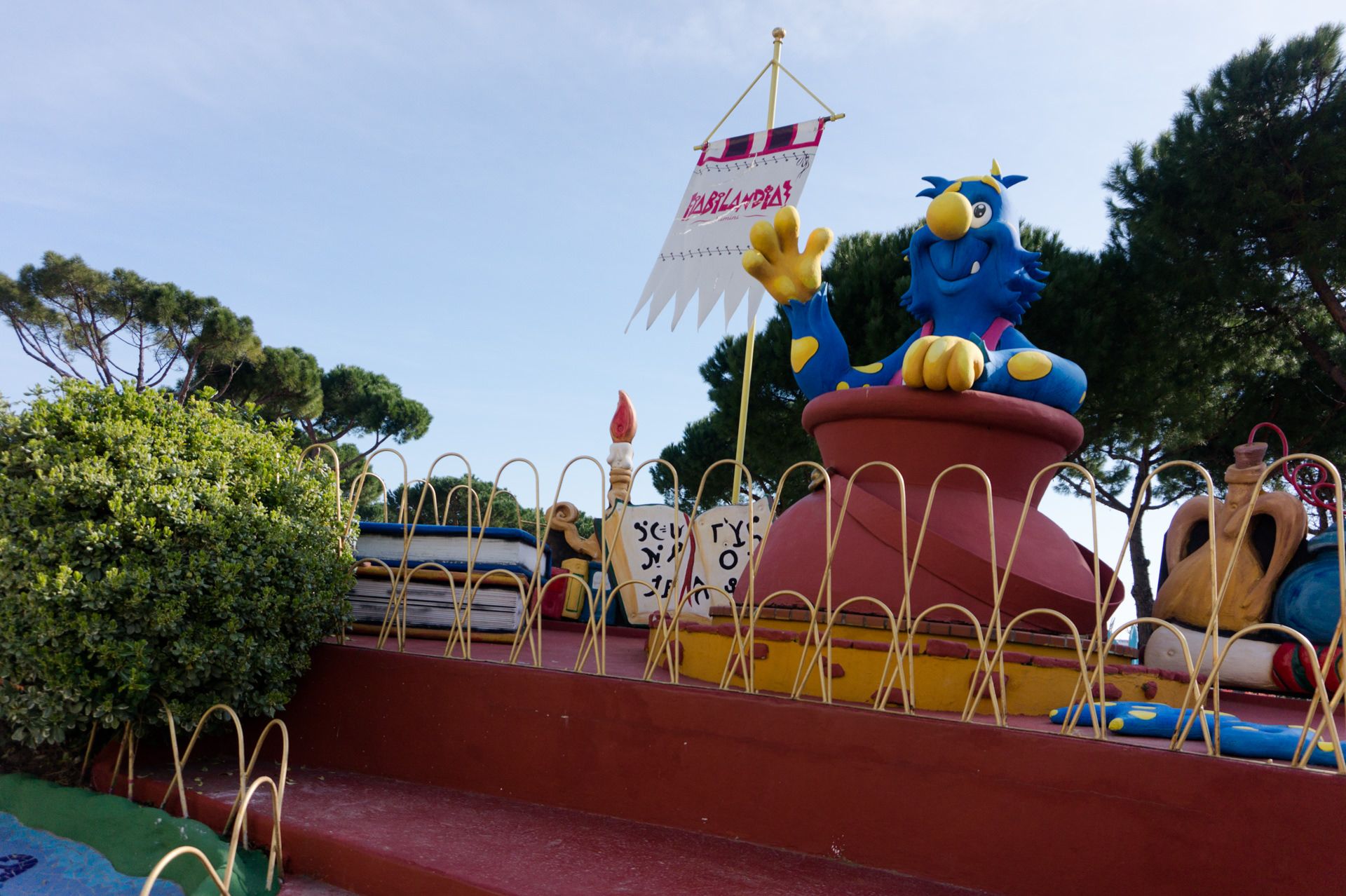
The fairytale land of Rimini is one of the oldest amusement parks in the country. Opened in 1965, Fiabilandia had its heyday with German mass tourism on the Italian Adriatic Sea until the mid-1980s. A steady decline in the number of visitors led to the sale to the owners of the safari and amusement park Zoosafari Fasonolandia, who gradually refurbished and slightly extended the park.

Il Castello di Merlino, Il Lago del Sogno and Il Labirinto di Fu-Ming

In the front area of the park, Fiabilandia looks quite impressive, especially since most of the older rides are located here and actually still show a little of the original fairytale park charm. Here you can find the dark rides Il Castello di Merlino and Il Lago del Sogno, as well as the maze Il Labirinto di Fu-Ming.

La Baia di Peter Pan

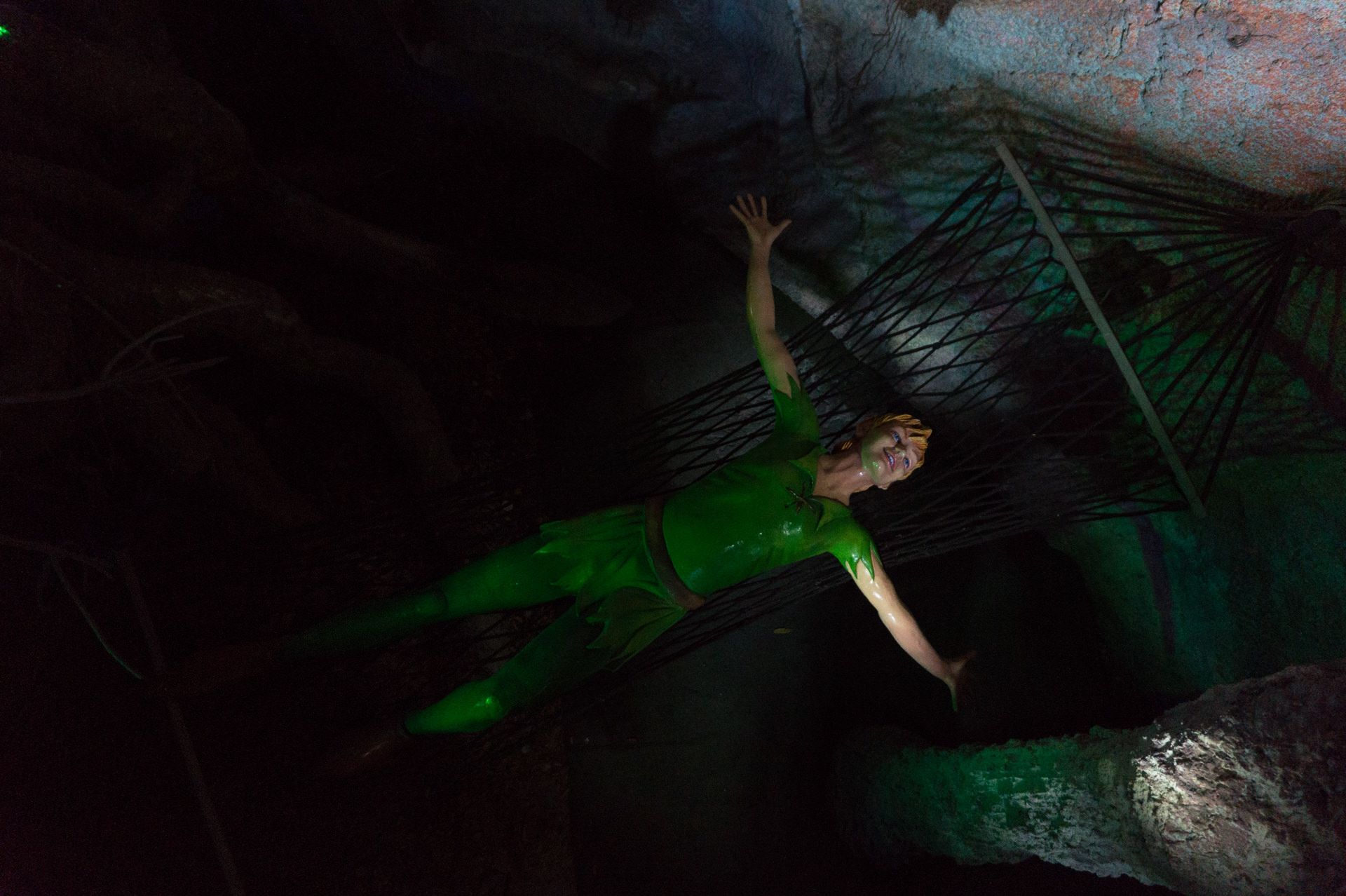
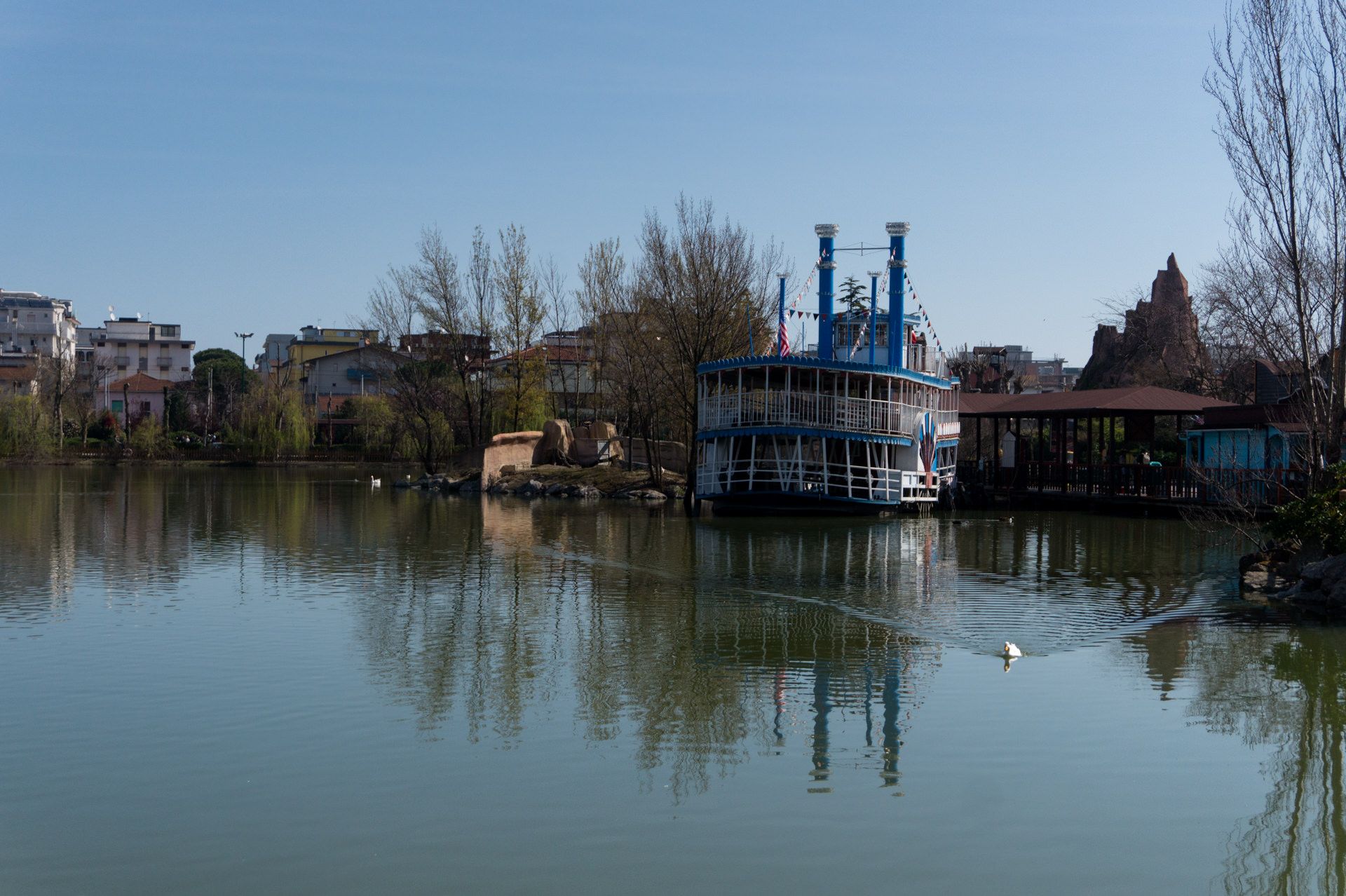
Following the route of the Fiabilandia Express, after a short while you will come to La Baia di Peter Pan, where you will find Captain Hook’s ship and the hiding place of Peter Pan. The latter can even be visited, and you can even see the childish rascal in a hammock. From here you also have a good view of Lake Bernado, a quarry pond around which the park is located.

La Miniera d’Oro

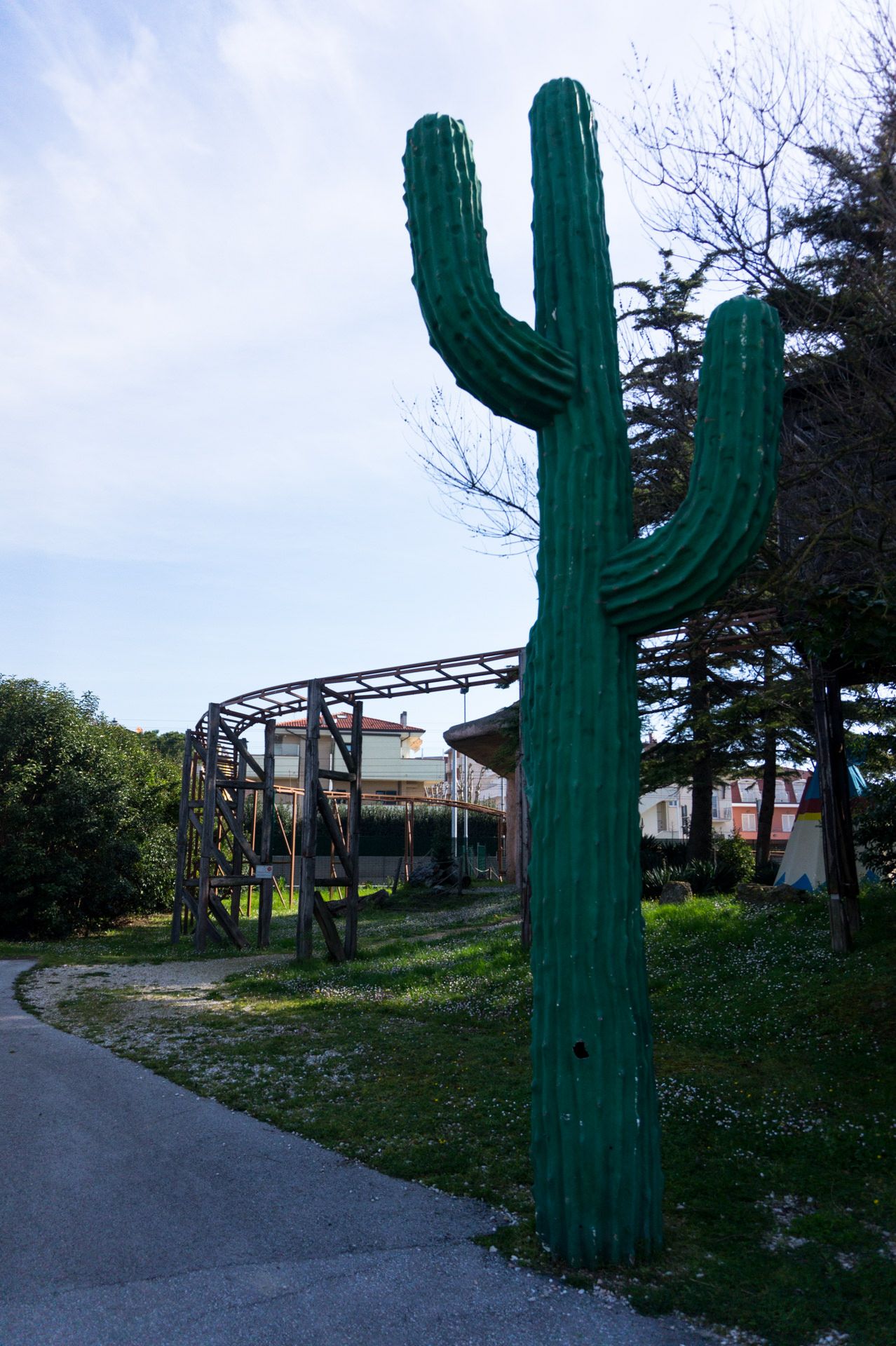
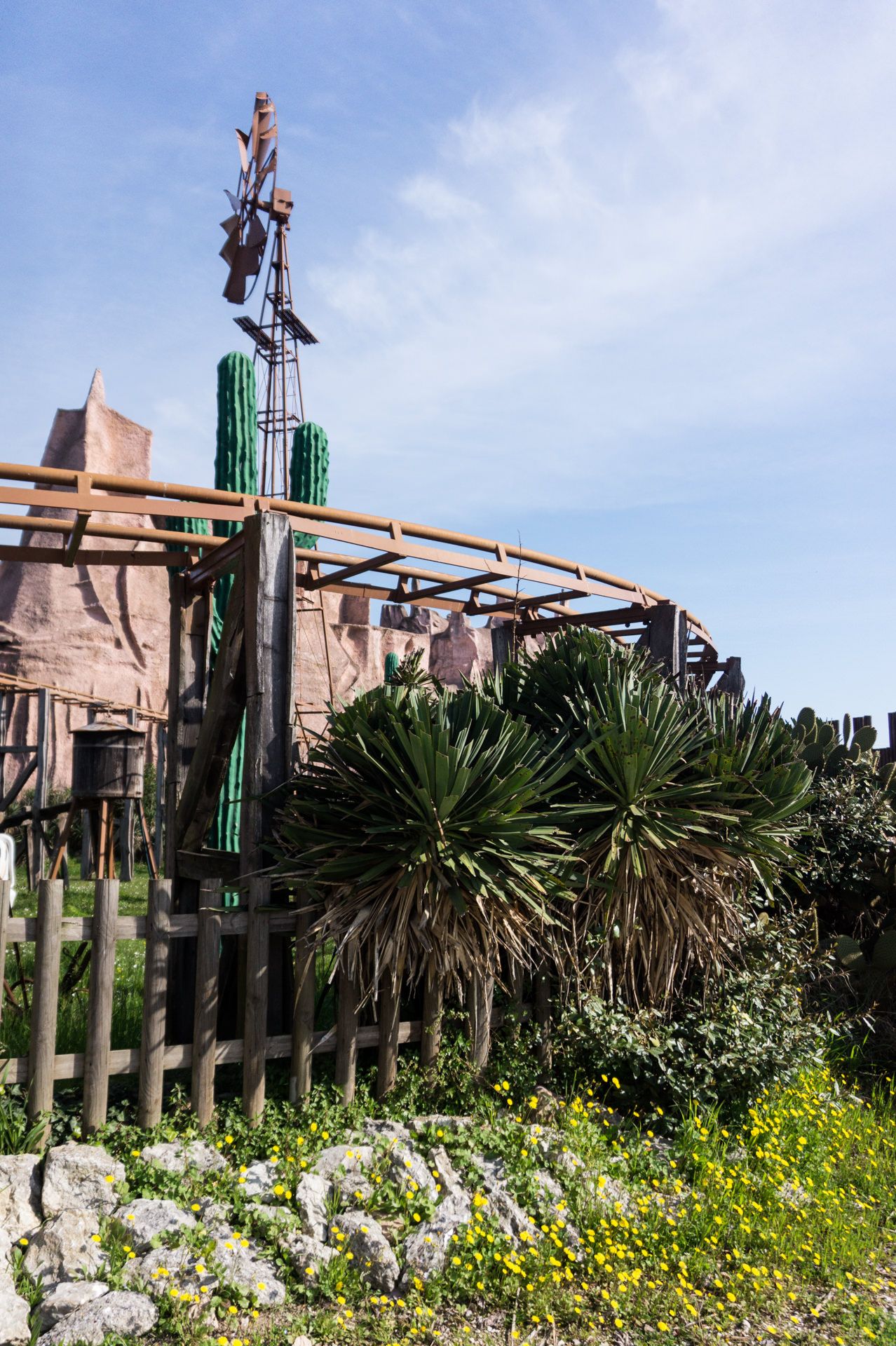
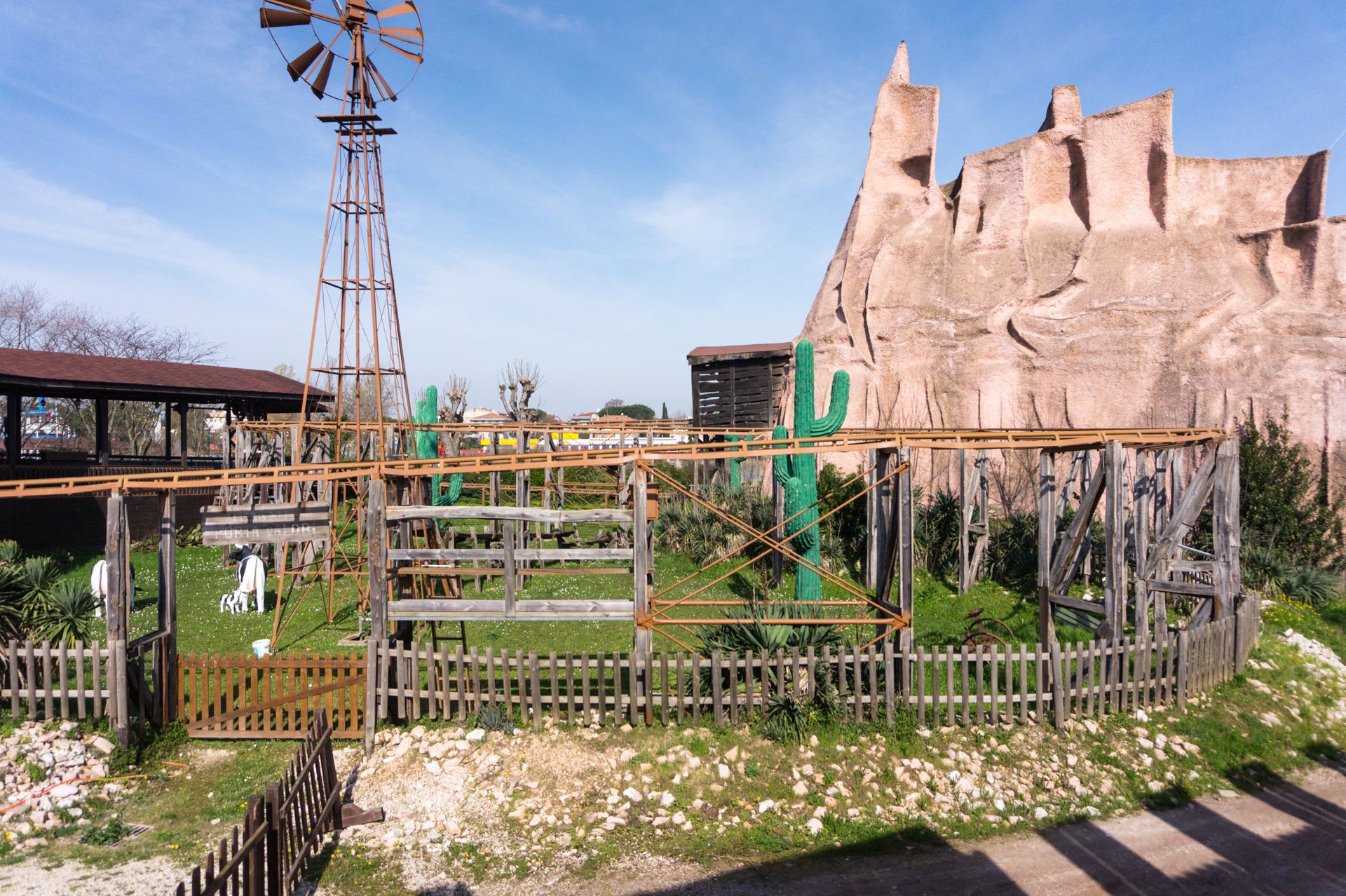
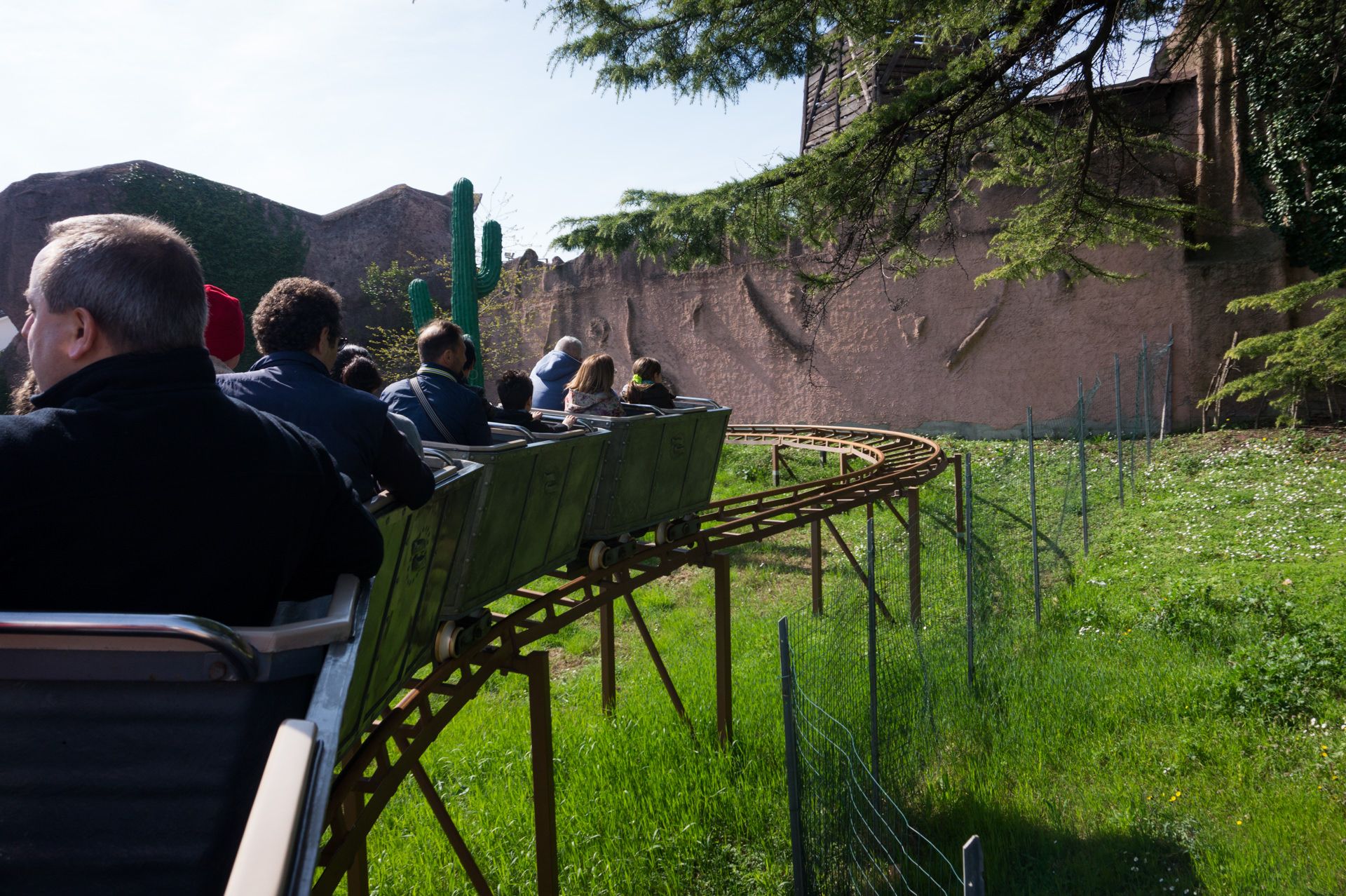
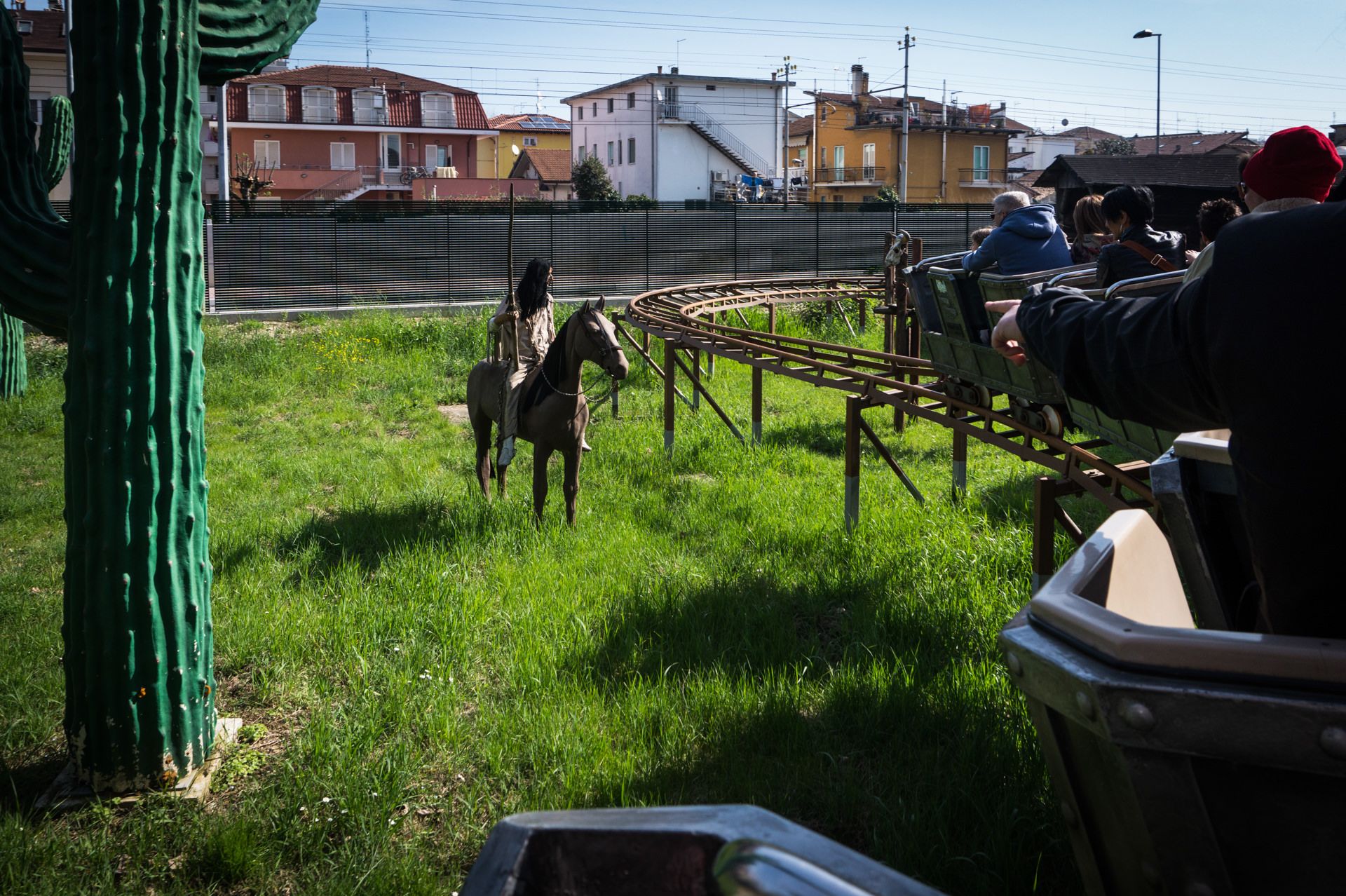
Passing a mat slide and trampolines we enter the western themed area of Fiabilandia, which has visibly left its best days behind. Next to a small show stage with an adequate scenery there is a walk-in fort and the roller coaster La Miniera d’Oro, which winds its way through an artificial mountain and past an Indian village.

After you have climbed the wagons, the journey begins very shallowly with a right turn and then a slightly longer straight line. After a short left turn and an U-turn you reach the first lift hill of the ride. At the top the train disappears in a lefthand curve into a tunnel where some crystals, which look like cacti, are colourfully illuminated. Over some waves you increase a little bit in speed and are surprised by a bear animation. Shortly afterwards you leave the cave in a right turn, followed by a gradient with a holding brake. Unaware and delighted that the ride is finally speeding up, you are slowed down to a standstill and after a short stop you continue to move at a walking pace. In a short slalom you cross the Indian village and then disappear into another cave that contains the second lift hill. Once again at lofty heights you can enjoy the sun for a while before entering another tunnel. Completely by surprise, you will now pass through a distinct slope with subsequent ascent, which has even been given a light effect. Back in the fresh air, two very flat serpentines follow, which lead the train back to the station.

La Miniera d’Oro is a nice dark ride where there is not much to see. It was built sometime in the 80s by Pinfari and is therefore one of the last attractions of the golden era of Fiabilandia. Younger children in particular should have a lot of fun on the ride, while the adults enjoy the greater amount of space in the car and the speed rush towards the end of the ride.

Valle degli Gnomi

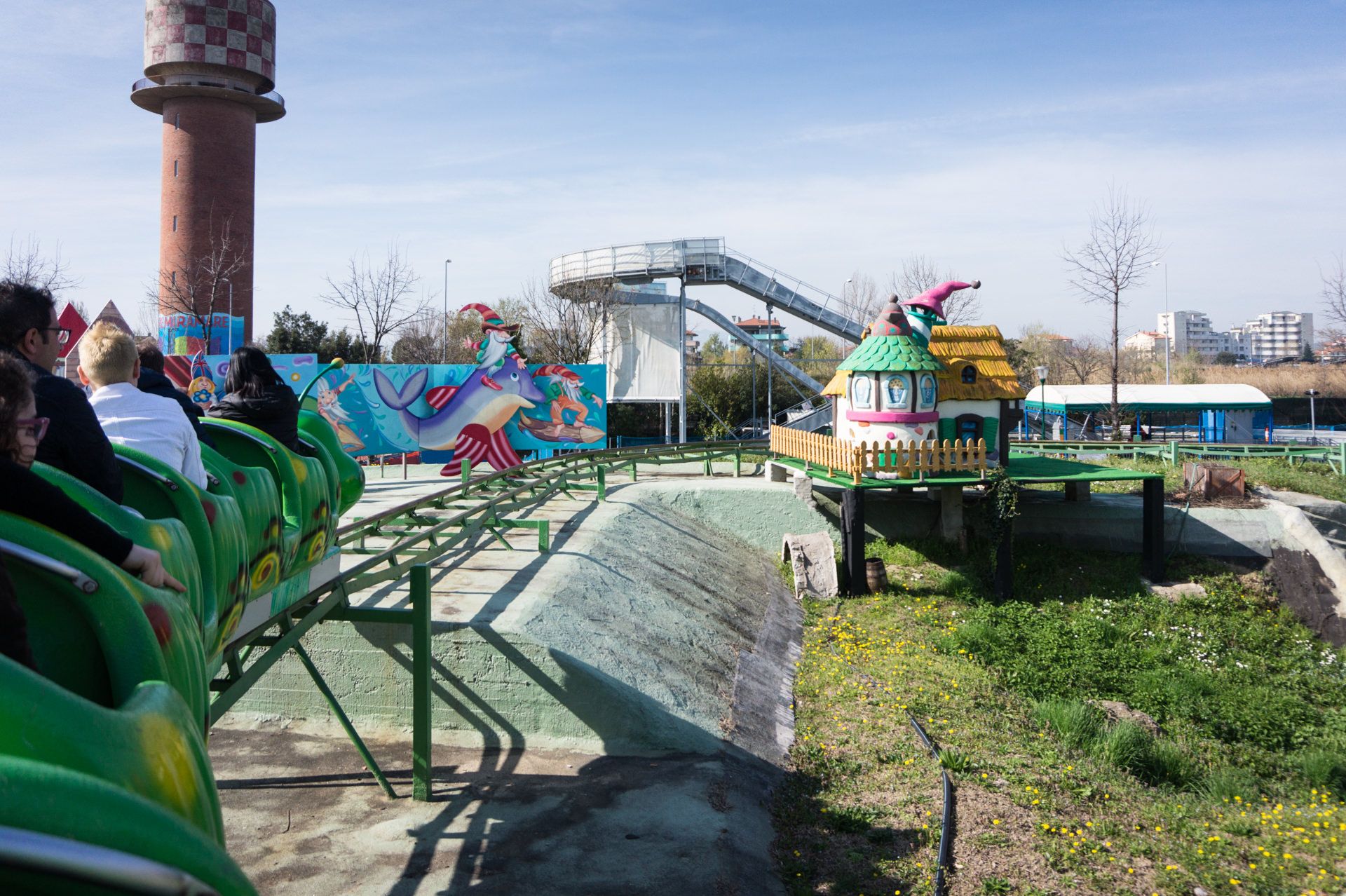
Passing several circus tents and a 3D cinema, you approach the next highlight of Fiabilandia, the Valle degli Gnomi. The ride, built in 1976, also by the Italian manufacturer Pinfari, was once opened under the name Brucomela and is the prototype of this type of coaster, which tries to take over the world in a small transportable model. In fact, it is the most built roller coaster in the world and is offered for sale by several (mostly Italian) manufacturers.

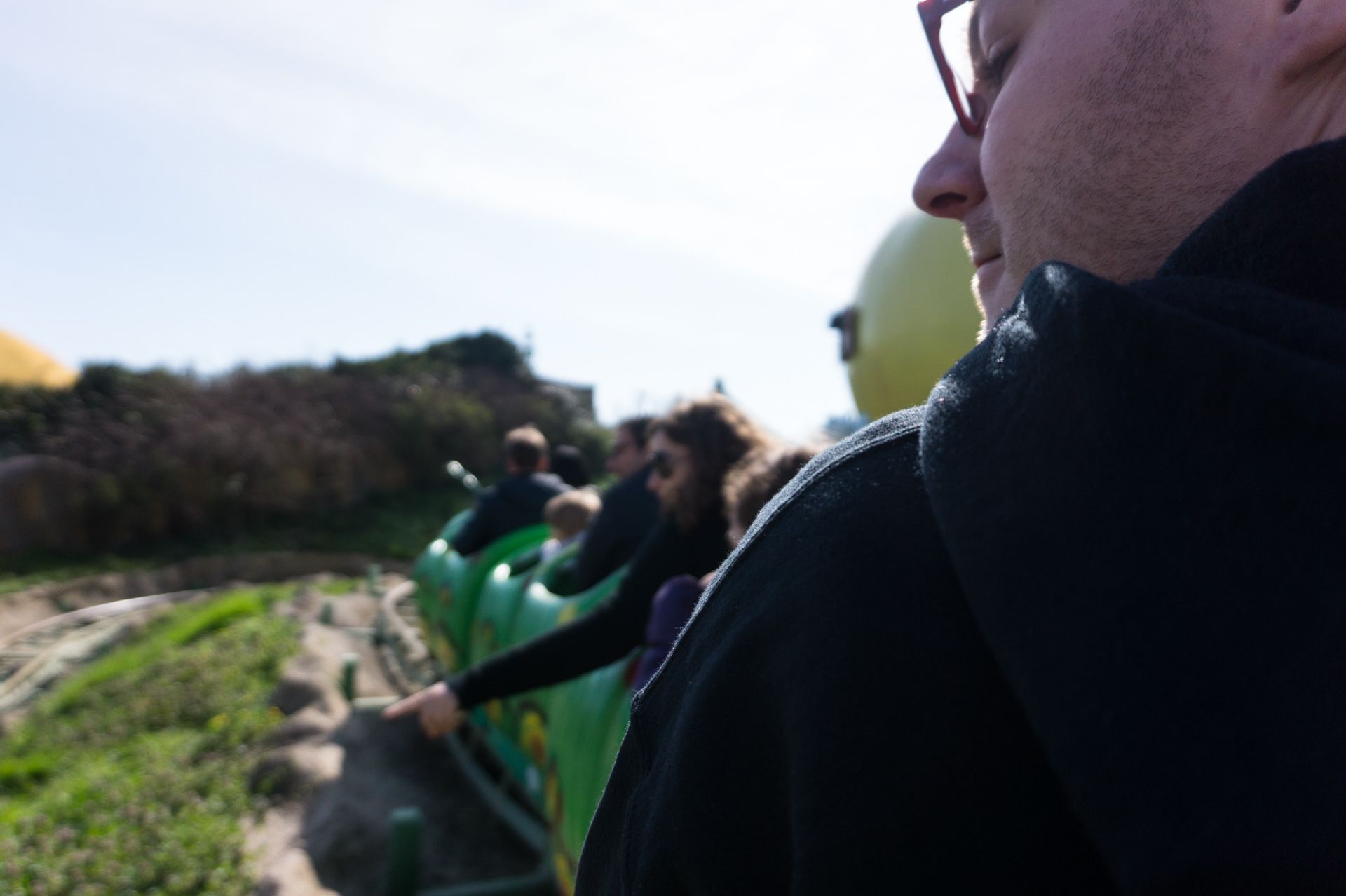
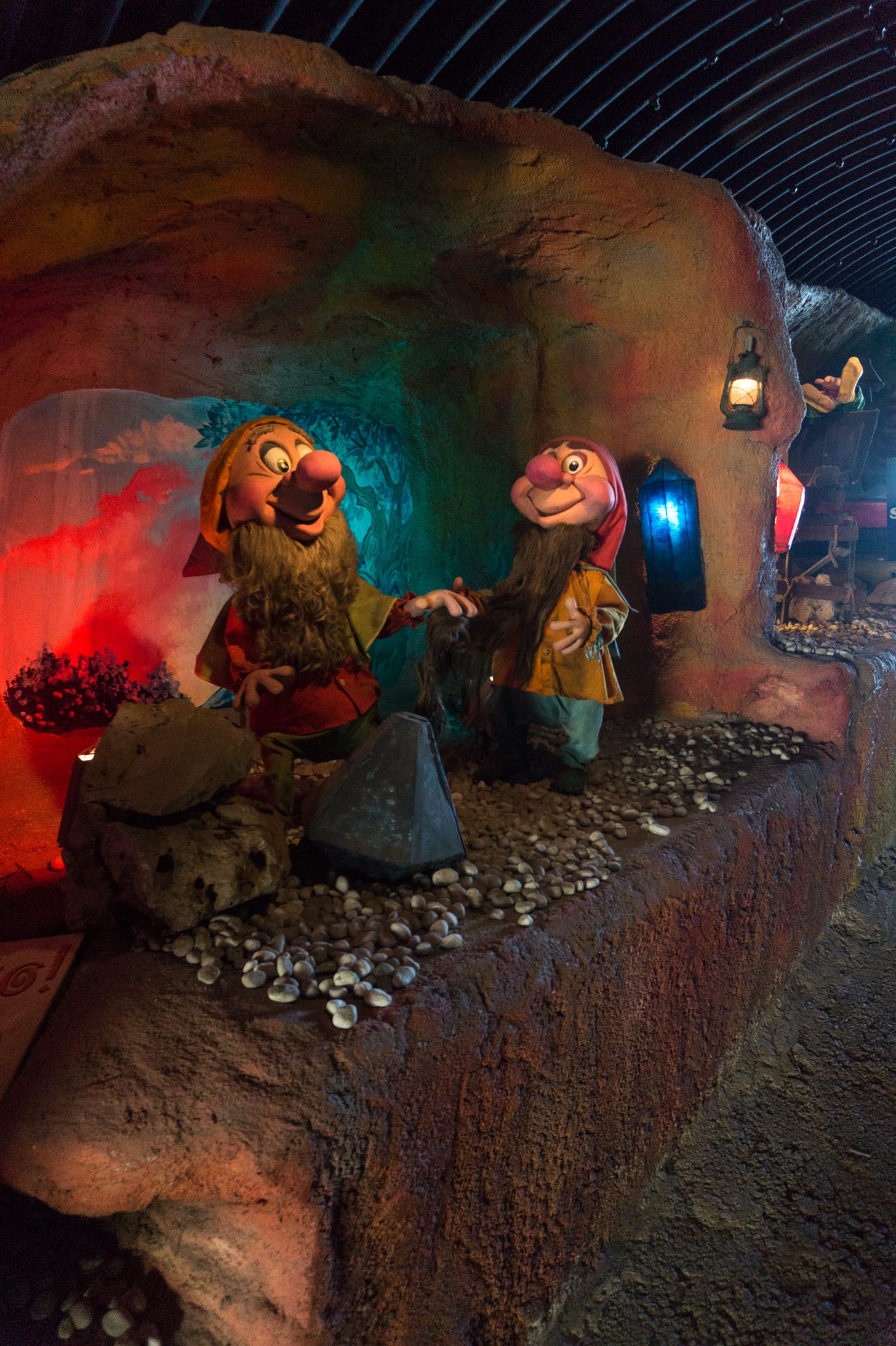
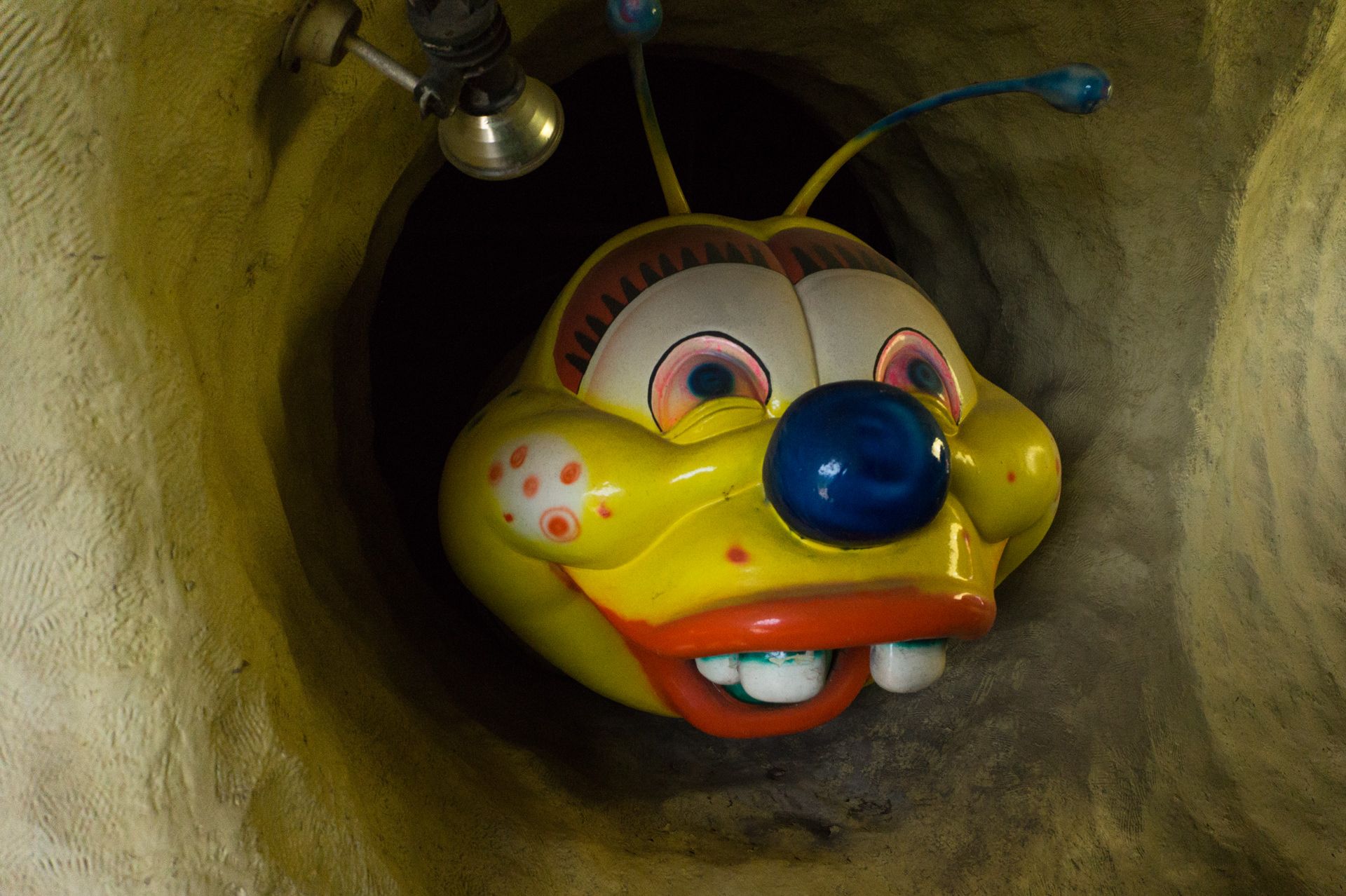
The journey begins with a slight left turn, which is immediately followed by a right turn. Over several bumps you now cross a straight line which ends in a cave. In this cave a turning curve is made, where you can catch a first glimpse of the gnomes that give the cave its name. They are enjoying themselves in an underground lake. After a short detour to the right there is a slight drop followed by another turn to the left around a small lake. This immediately takes you to the only lift hill of the ride. The lift takes you up along various animatronics, freely inspired by the seven dwarfs from the Disney classic Snow White. At the top, a right-hand bend above the first tunnel leads you along an ugly blue wall and the house of the dwarves. Several small zigzag bends now lead through two large apples, where we can watch another caterpillar at work. Via a small drop with holding brake we reach the level of the station, which we enter soon after.

Space Mouse

Next to the very nice dark ride there is also the third and last roller coaster of Fiabilandia. The Space Mouse is the biggest roller coaster of the park and unfortunately not necessarily the most beautiful one, but it is, like the log flume next door, an unparalleled advertising medium due to its location directly next to the neighbouring main road.

The ride in the Fabbri Power Mouse starts as usual with the two-part lift of the ride, with a narrow left turn in between. At the top you immediately take a small drop which takes you to the other side of the ride. This is followed by a narrow hairpin combination of three extremely compact serpentines. After a block brake you cross the station on another small gradient before you dedicate yourself to the big shots, each initiated by one curve. After a final double drop you reach the final brake and immediately the separate exit area of the ride.

The ride on the Space Mouse would have been fine if it weren’t for the miserable handling at the ride, where only one car at a time made its way through the track, while all the others waited unmanned in the station. Even after boarding it took a while until the car was sent off, which made the short waiting area quite long.

Pictures Fiabilandia

Closing Words

After all the rides were done, we went past several children’s carousels, some of them taken from Movie Park Germany, and a splash battle from Preston & Barbieri towards the exit. It was about time, as Mirabilandia near Ravenna, 60 km away, should not wait any longer. My mood was already down, as I had last experienced such a desolate park with the Portuguese theme park Magikland in Penafiel near Porto. Although the number of attractions here almost justifies the high entrance fee, the decay of the park is more than just noticeable. The few interesting attractions could have all been completed in a few minutes, but the delayed opening of the rides prevented this from happening with bravura and forced us to spend considerably more time in the park than I personally would have liked.


What is your opinion about the theme park Fiabilandia? Just write it here below the report in the comment field or visit our social media channels:


Click here for the next report of the Il Viaggio dei due Runner Tour
Italian Miniatures and Rollercoasters

Leolandia

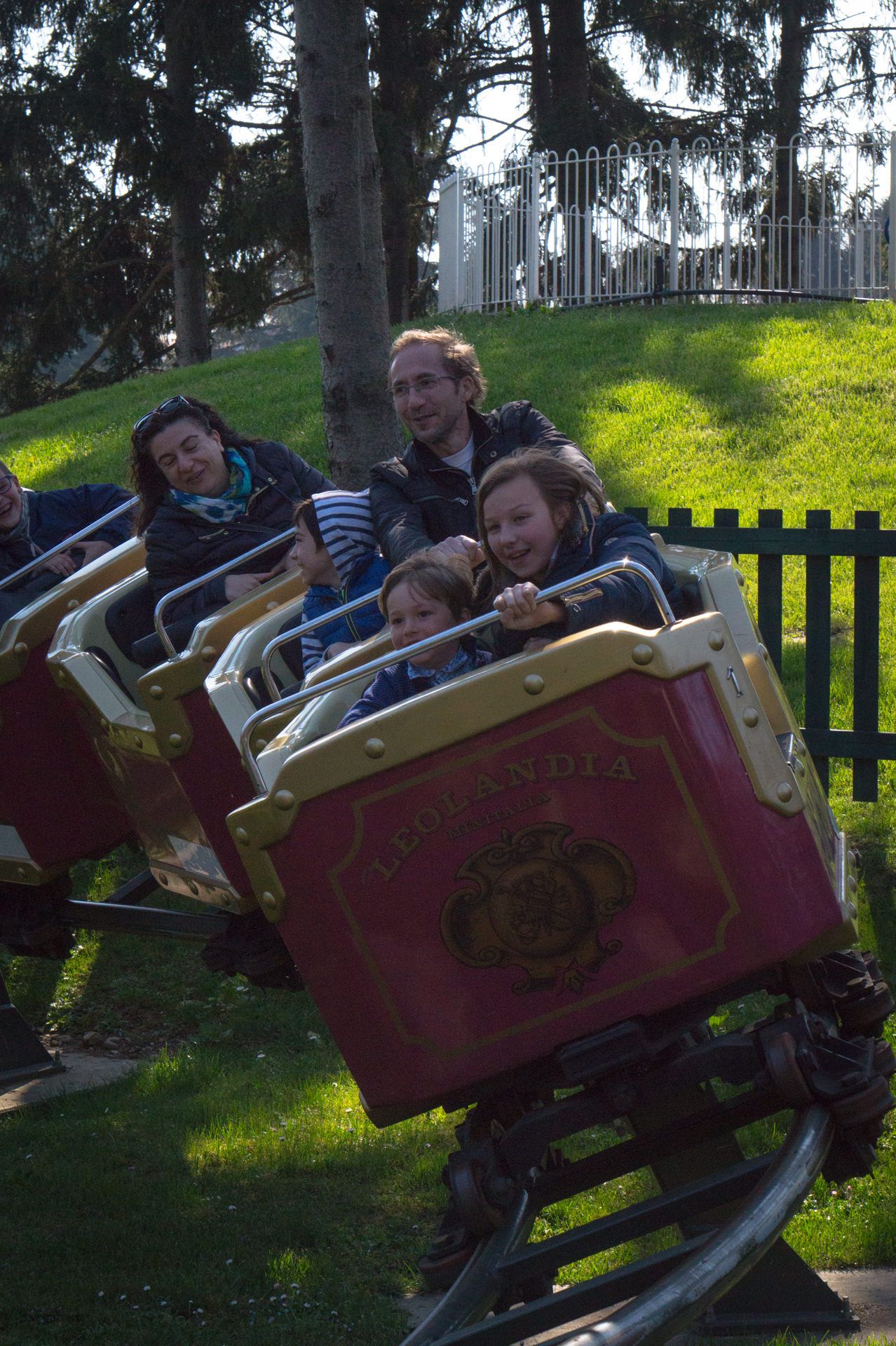
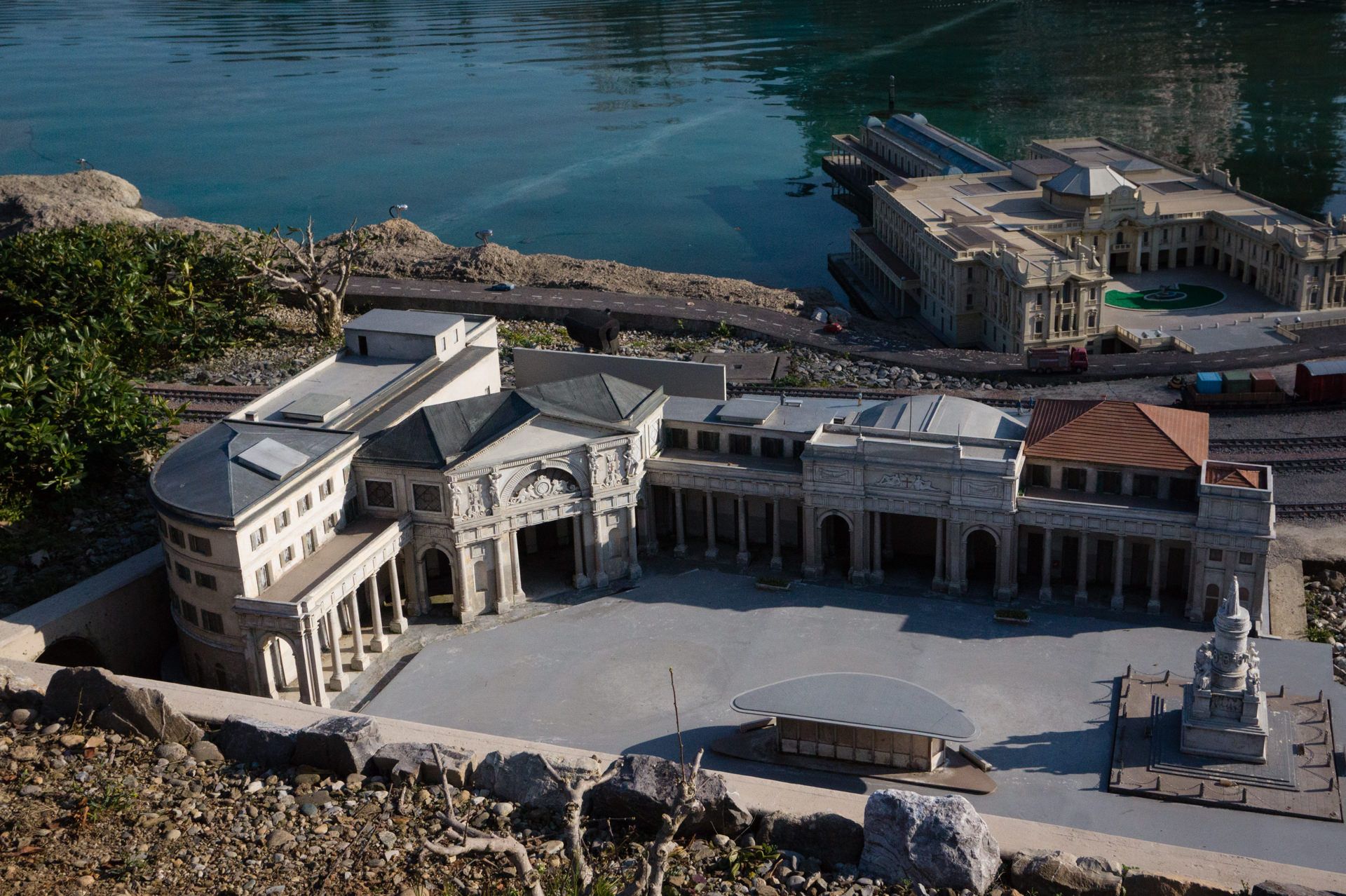
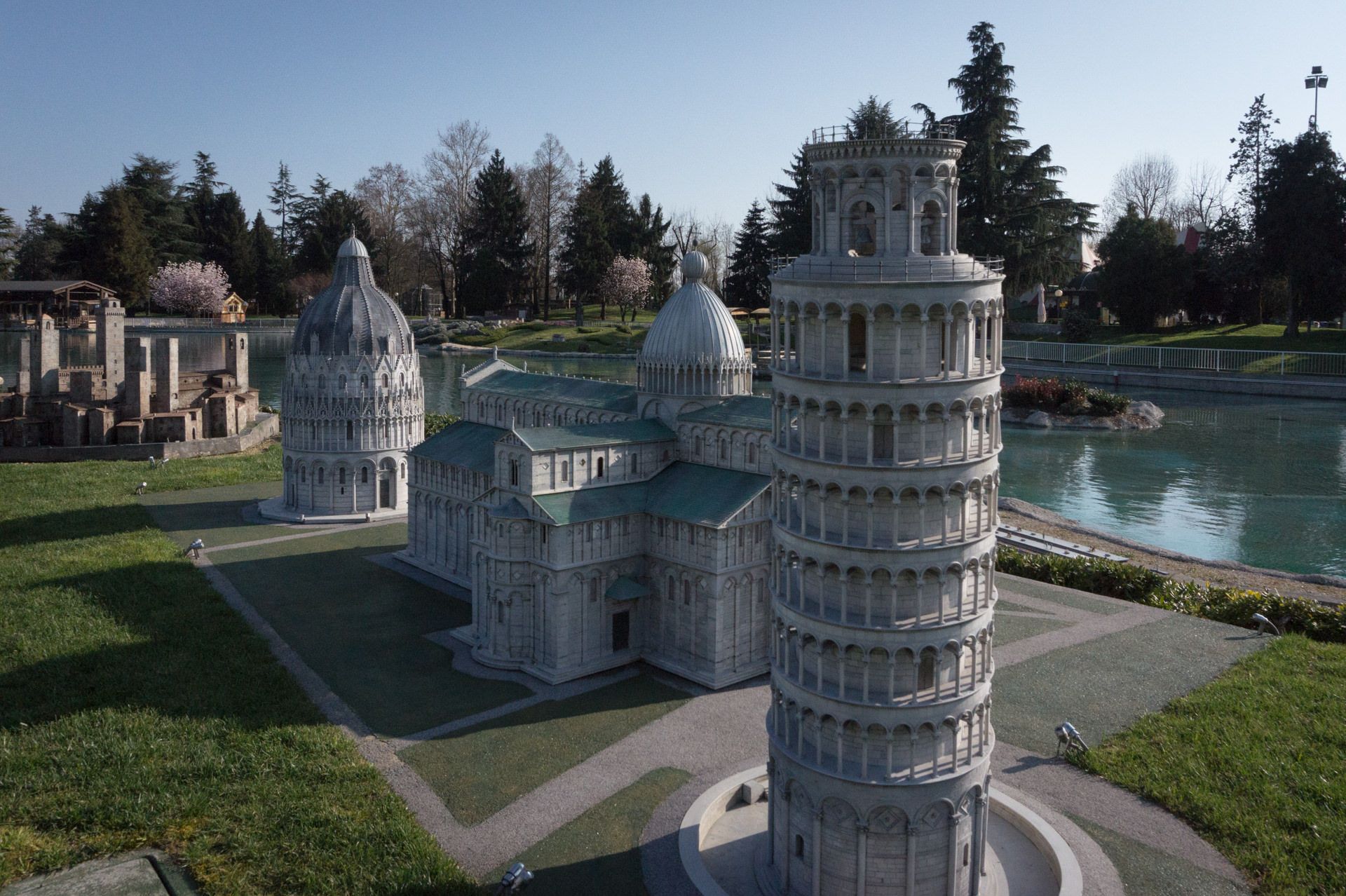
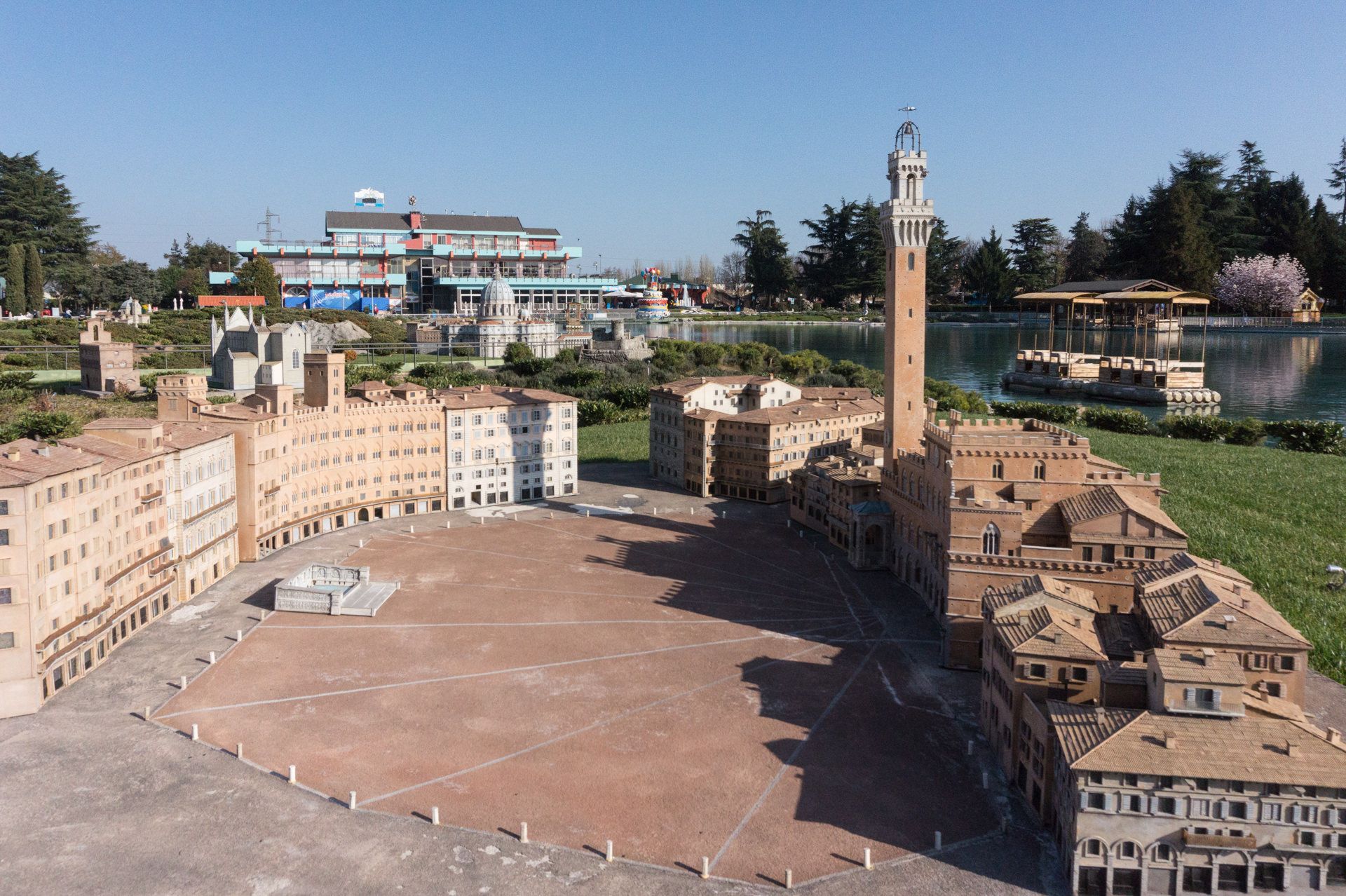
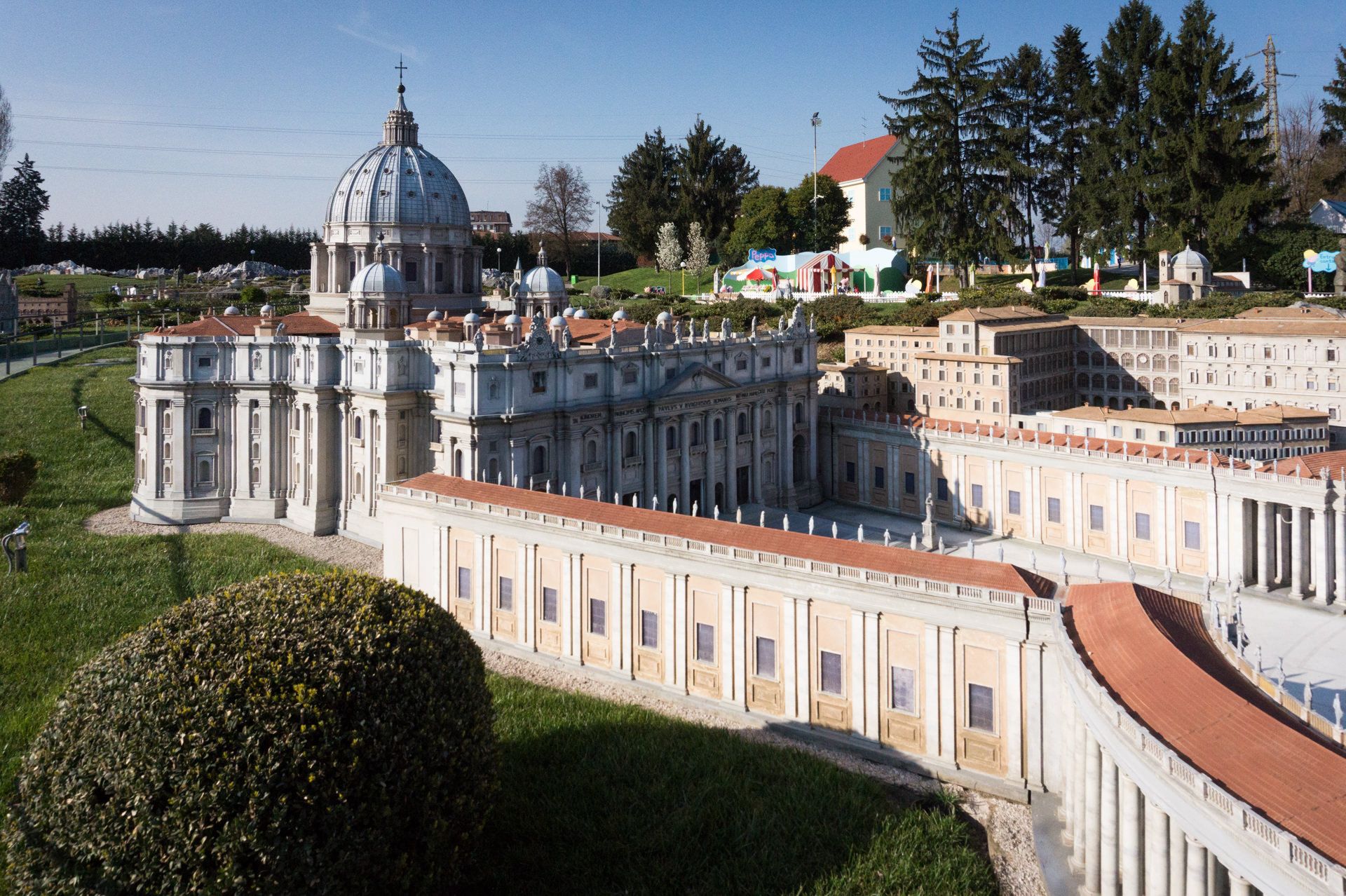
The history of Leolandia starts 45 years ago, when the entrepreneur Guido Pendezzini presented his miniature park under construction, modelled on the Dutch miniature park Madurodam near The Hague, to the public. However, the park was not officially opened as Minitalia until three years later. The centrepiece of the park, which has also been a prominent feature of the park’s official name for a very long time, is the Italian-style miniature village Minitalia with its replicas of striking Italian buildings and towns. In addition, the country was presented with smaller regional stands and even back then some rides were offered.

In 1997 Pendezzini sold his park to the Triberti and Fabbri families, who, as showmen and manufacturers of amusement park equipment, had considerable experience in this field. They developed the park into an amusement park and operated it as Fantasy World Minitalia until 2007, when the Zamperla family, also an amusement ride manufacturer, took over the park. Since then Leolandia has been regularly expanded and supplemented with products from the company’s own catalogue.

Twister Mountain

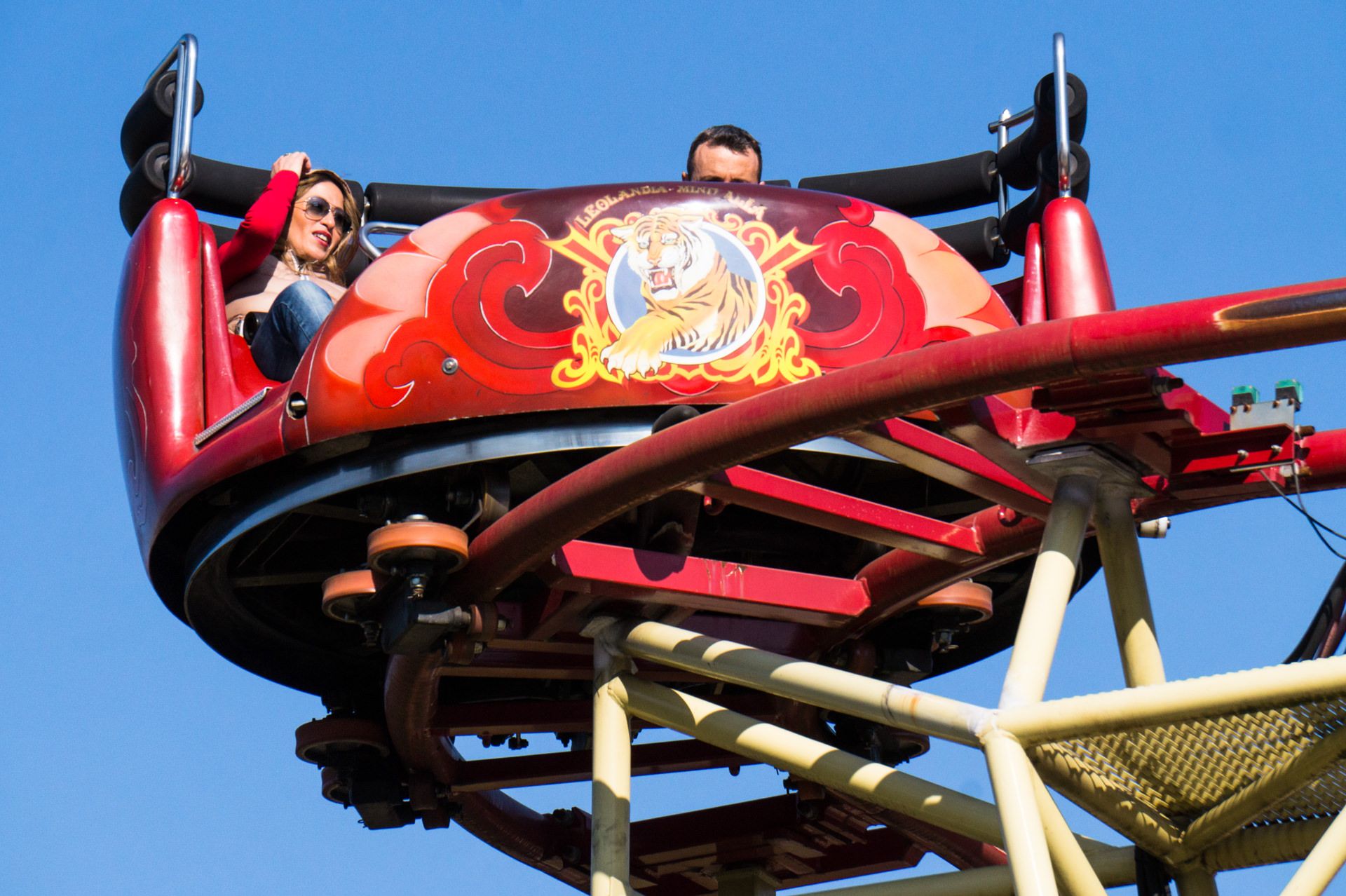
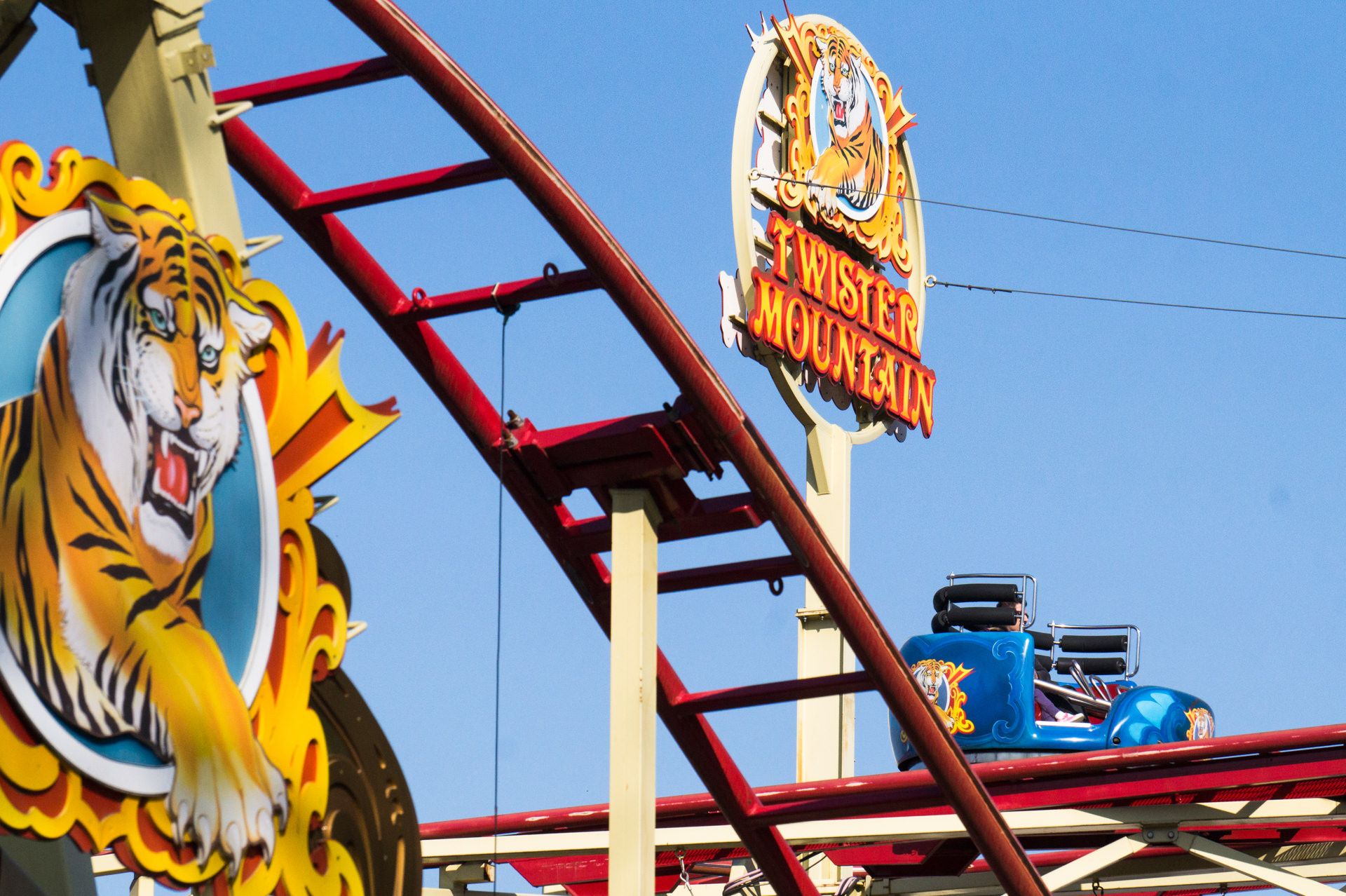
A prominent example of this is the Twister Mountain spinning coaster, which is perfectly placed directly at the exit to the park, next to the already oversized park sign, to attract customers of the hypermarket opposite to Leolandia. However, this is only the small version of the well-known funfair model based on the layout of the French manufacturer Reverchon.

After leaving the station you climb the 10m high lift hill. At the top, you pass through two hairpin bends at a rapid pace, whereupon the first descent is already waiting. Above the station you pass through a block brake and shortly after that, halfway parallel to the lift hill, the second major shot of the ride. Without any strange bumps in the ascent you reach the other side of the roller coaster. In the next brake the rotation of the car is released, whereupon the next four hairpin bends are passed with surprisingly much momentum. Without a bump, the return to the other side of the ride follows and finally, after another hairpin bend, the brake track.
Although the Spinning Coaster variants by Zamperla are not considered to be very spin-friendly thanks to their optimised carriages and therefore usually miss their target, the Twister Mountain offered us a solid, albeit quite short, ride. The comfort in the gondola is unfortunately not quite as high as with Reverchon, but in theory the ride offers better restraint, especially for smaller children, thanks to the single bars.

Electro Spin and Donna Cannone

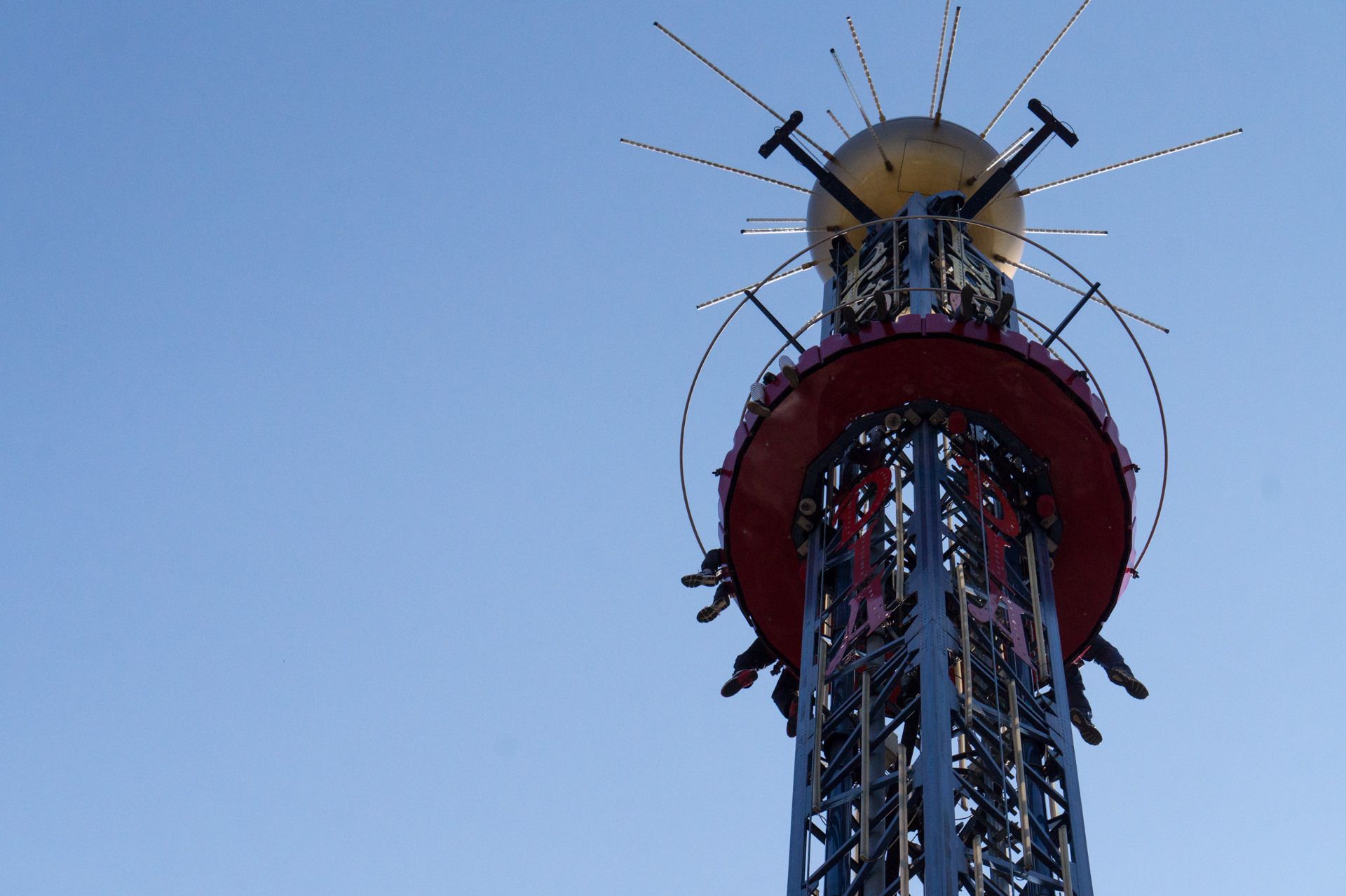
Just as solidly we were entertained by the Mega Disk’o Electro Spin and the Flash Tower Donna Cannone. While the Disk’o offered intensive spinning action, the pulley tower could convince with surprising airtime at the upper turning point. Unfortunately a launch from the cannon is not simulated.

Leo Coaster

The other attractions of the rather sparse Expo 1906 area are a cogs ride with a king kong look, a fire fighting carousel, a wave swinger and the small children’s roller coaster Leo Coaster. This roller coaster comes in the standard version of the manufacturer, i.e. oval-shaped with a helix in the middle, but has comparatively good riding characteristics.

Mondo di Peppa Pig

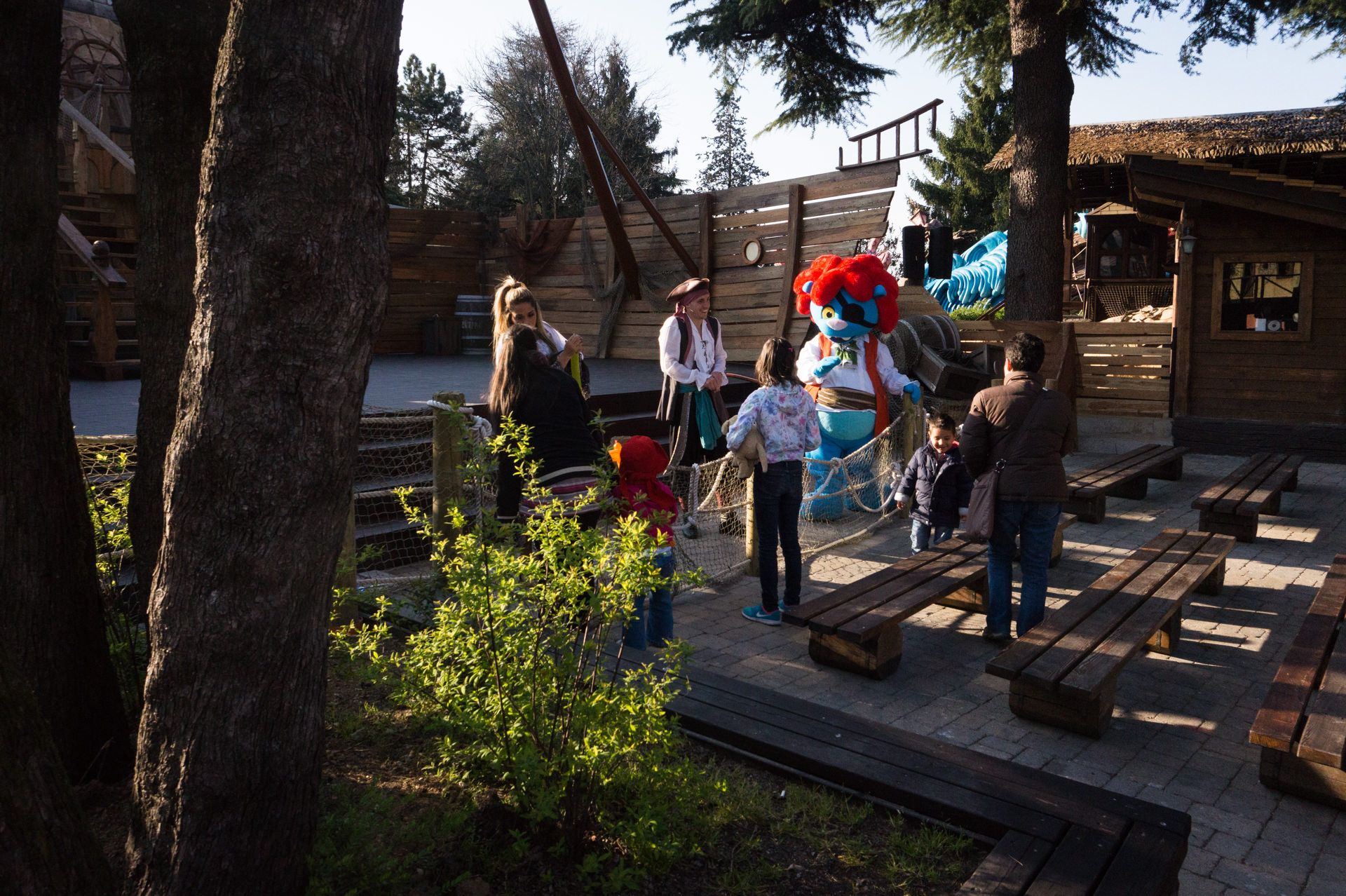
With the Mondo di Peppa Pig, an attempt was made last year to establish a toddler area in the park based on the English model. However, what in England ensures that Paultons Park is only known as Peppa Pig World and provides it with masses of visitors, seems a little unlovingly put up here. Although there is the possibility to look at the original house of the main protagonists of the series and to take a photo with the actors, the merchandising sales seem to be the only basis for this area.

Il Trenino

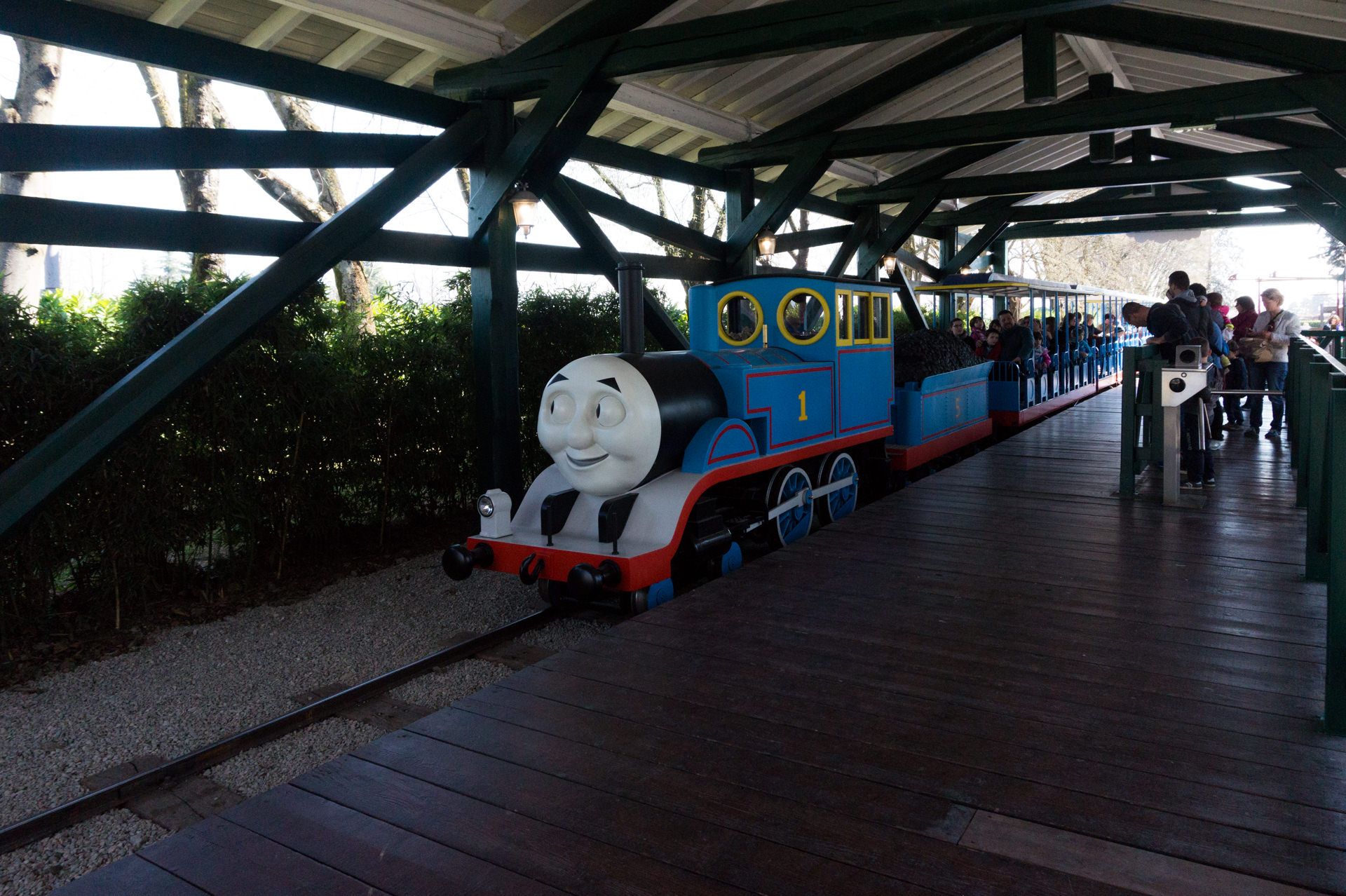
The whole thing continues with the Masha e Orso (Mascha and the Bear) show and the train ride Il Trenino by Thomas & Friends. Admittedly, a train ride with Thomas and his friends is always a good idea, as you can see at Drayton Manor in England, but outside of the shape of the train there is no reference to the series.

Minitalia

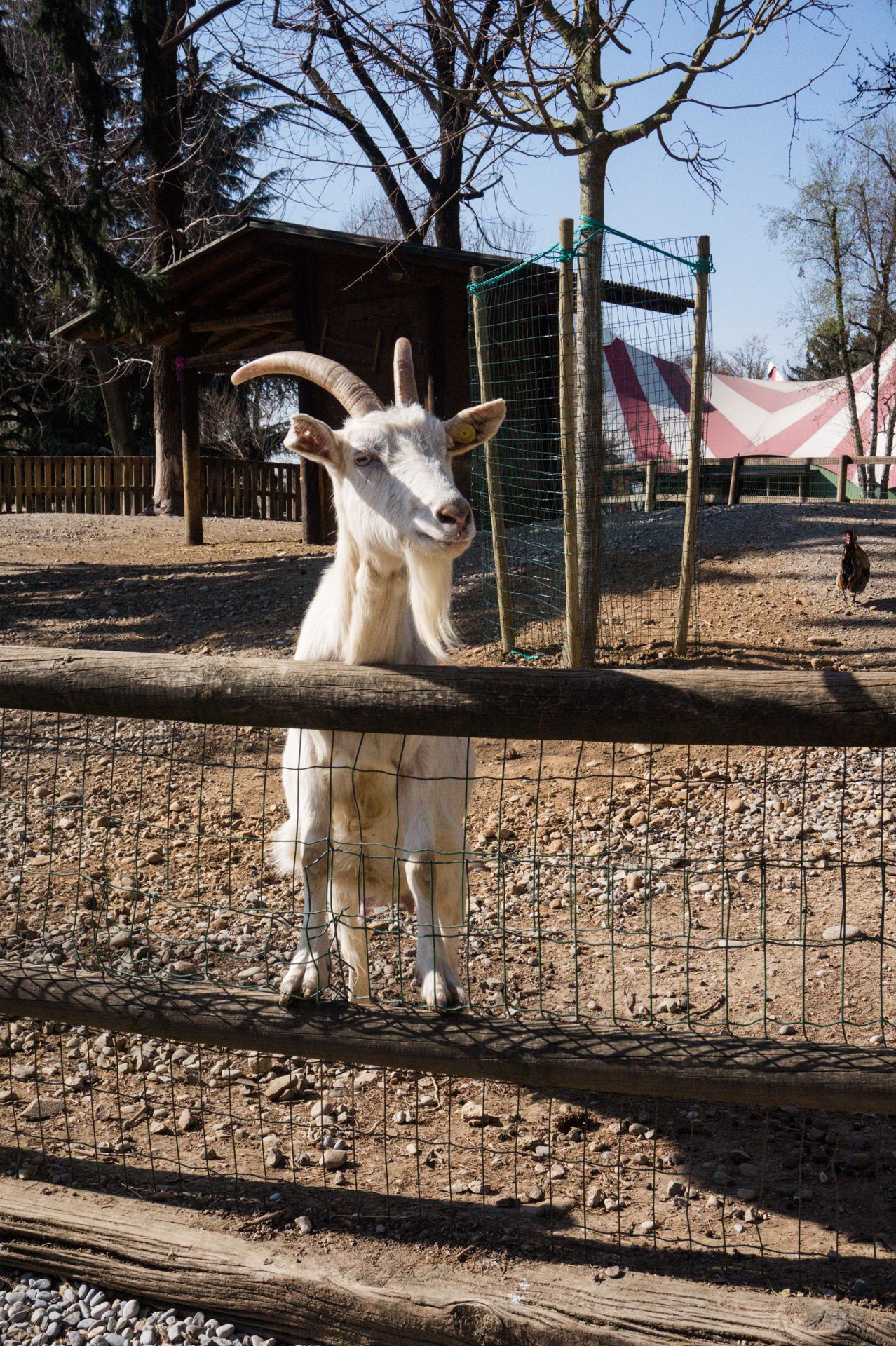
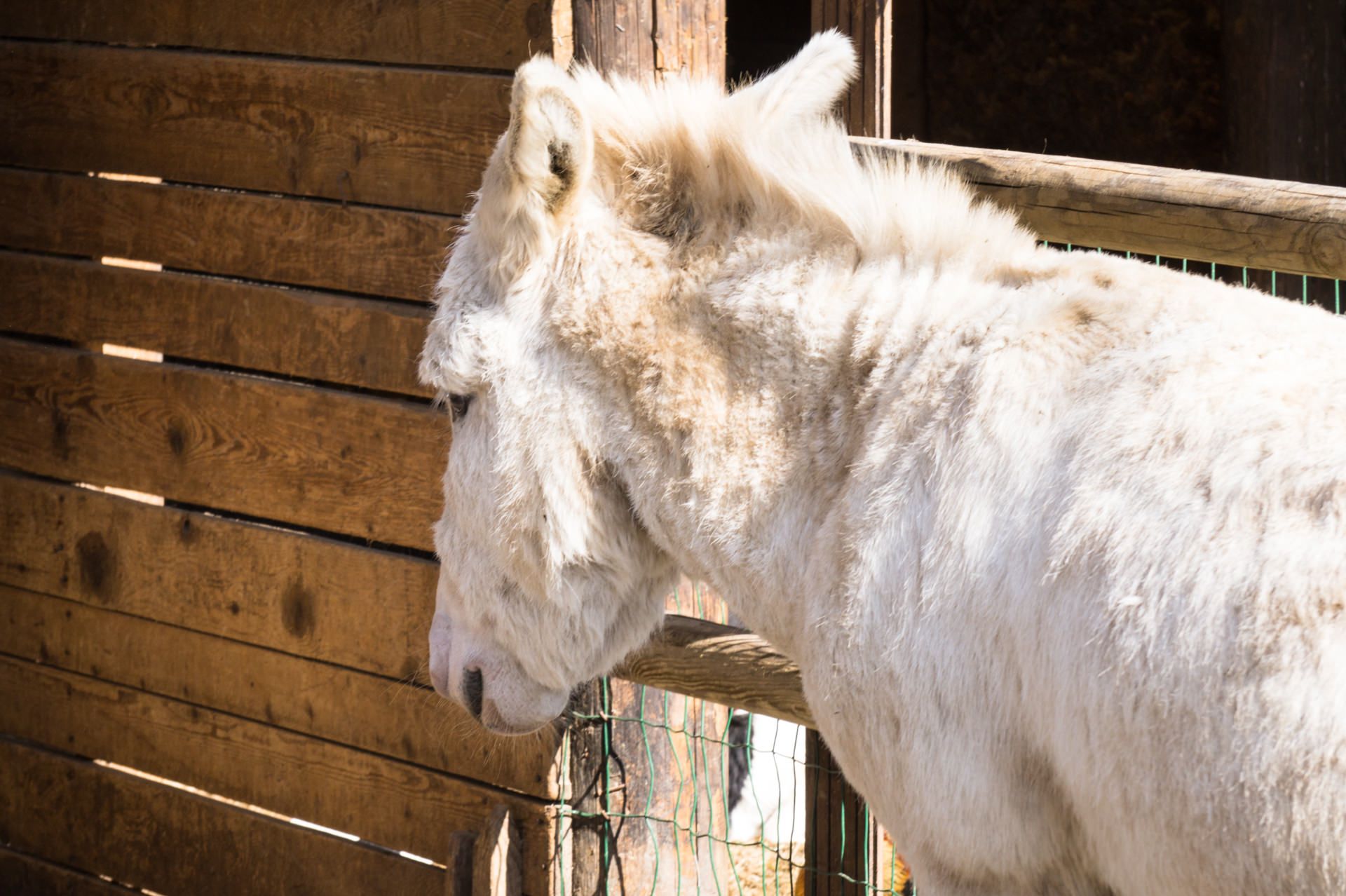
In the rear part of the Leolandia park, right next to the miniature village Minitalia, there are several animal enclosures, most of which show indigenous farm animal species. The enclosures are sufficiently large and resemble a farm. Unfortunately there are some smaller aviaries with parrots next to them, which is a great contrast to the newer looking farm area.

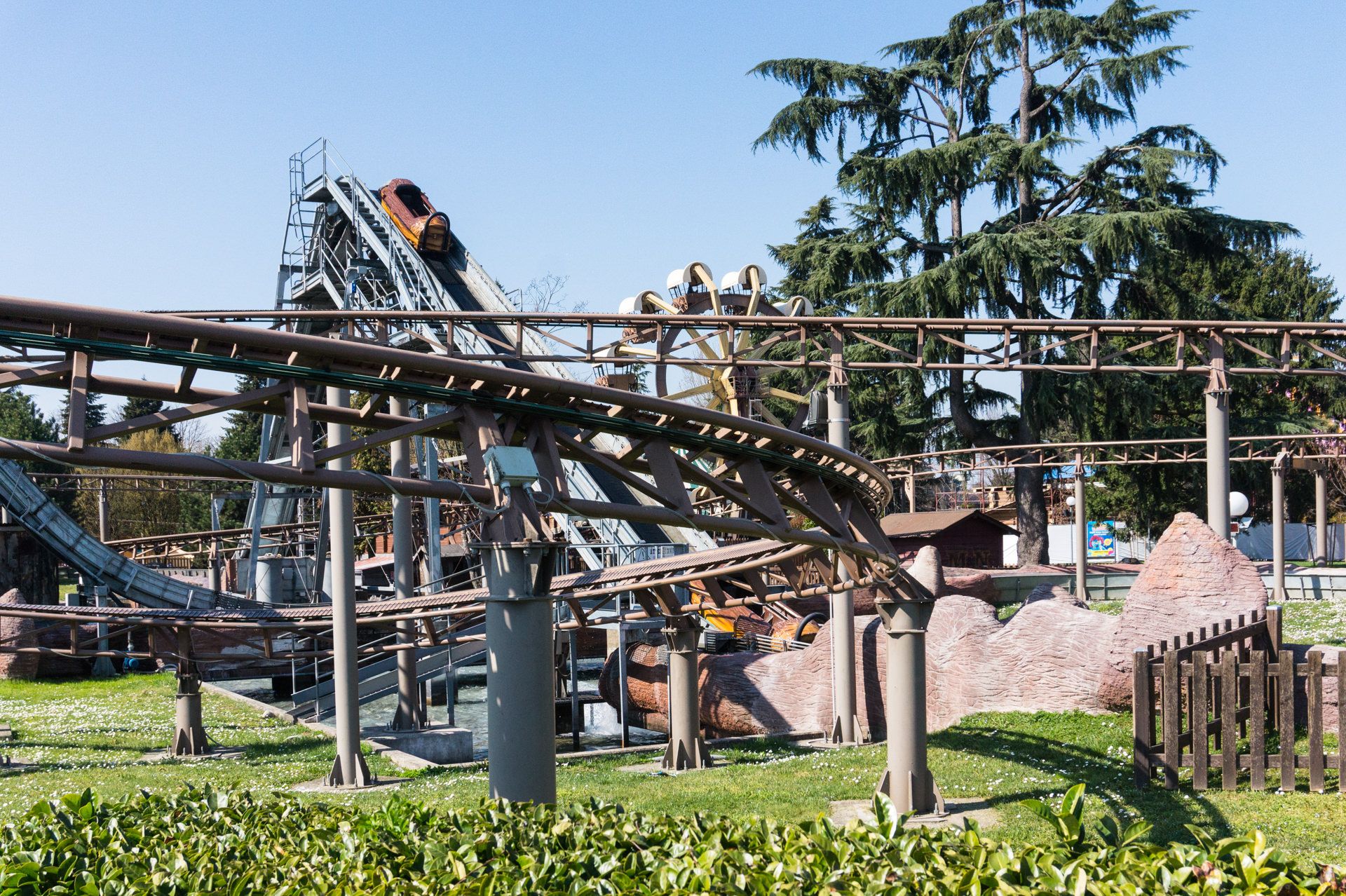
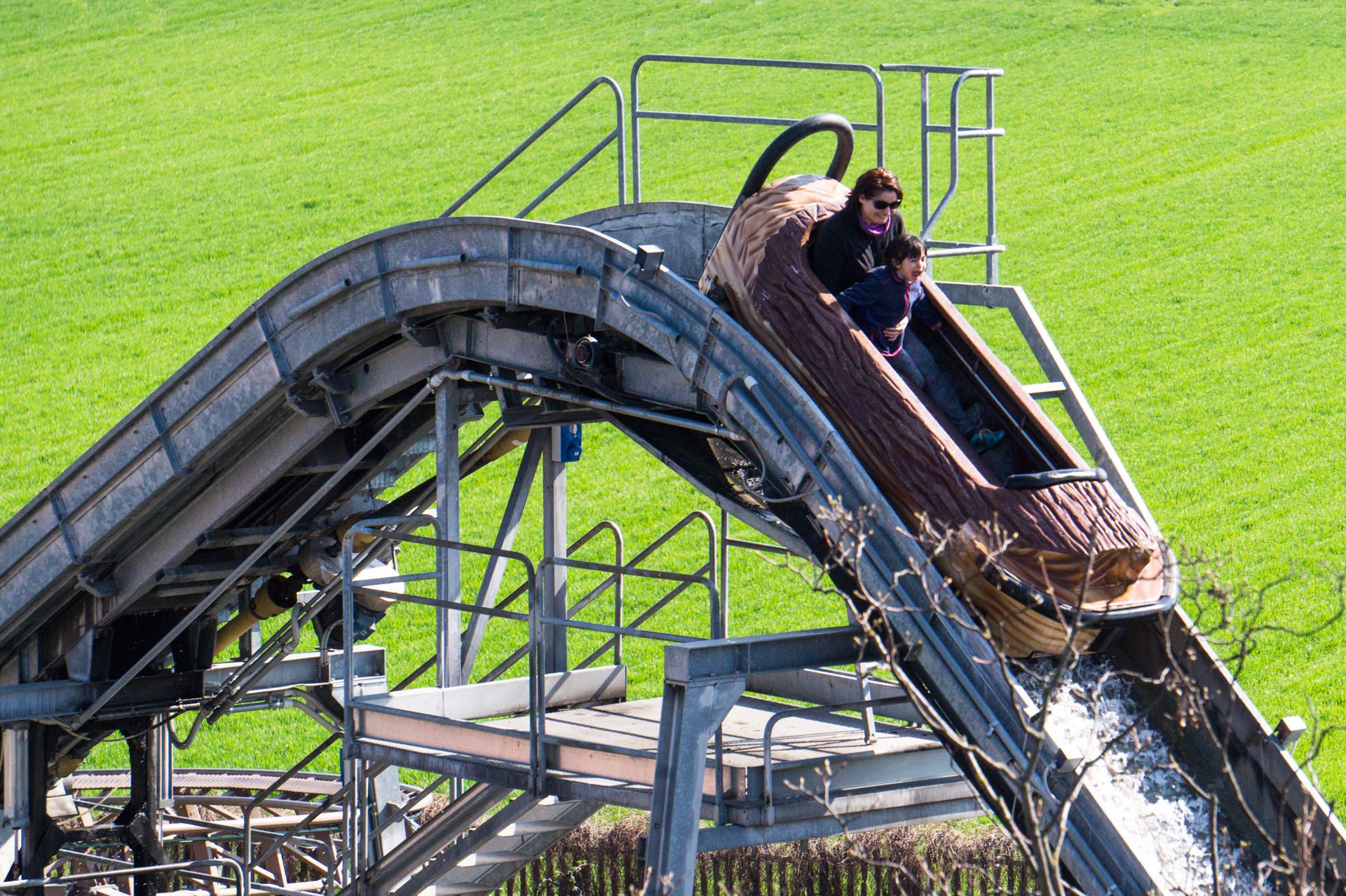
The Cowboy Town forms the western part of the Leolandia, where the combination of log flume and powered coaster, well-known from the Wunderland Kalkar, is presented. In addition, there are several round and high rides in this area, including the very uncomfortable kite flyer Wild Avvoltoi, as well as a larger show stage.

Gold River

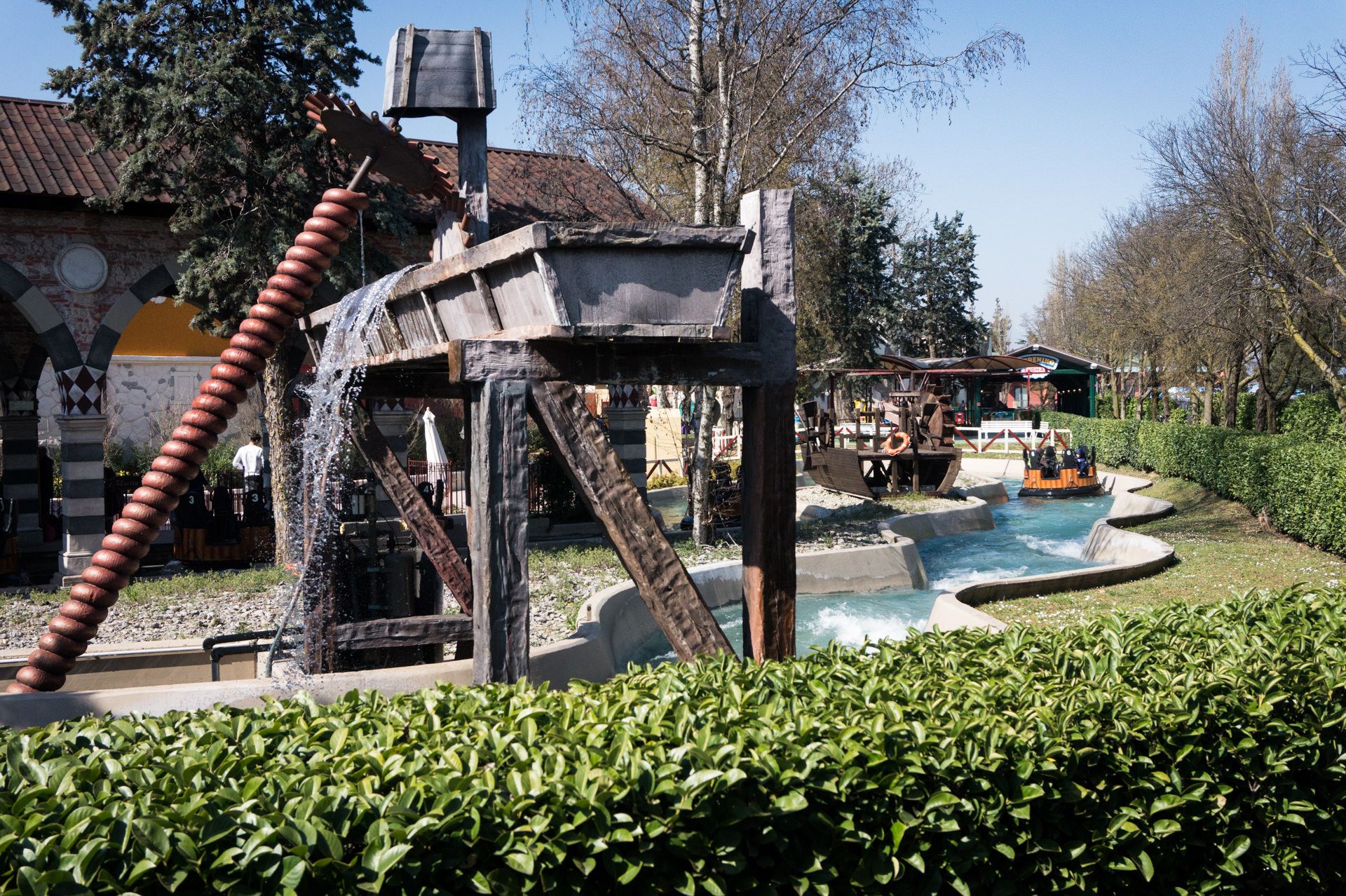
After leaving the station of the log flume Gold River, the boat bobs a little through the channel and after a longer S-curve and a short left turn you reach the first steep lift hill, which takes you into the equally steep shoot. After a good moistening you are released into the channel again and cross a larger right-hand bend to climb the second lift hill at a 90° angle to the first shot. Typically Zamperla, the second downhill run is no less steep than the first one, so that one is led quite abruptly into the second run; here too, the wetness of the downhill run is within a pleasant range. The return journey to the station follows.

Mine Train

Above the log flume is the access to the Mine Train roller coaster, whose course runs mostly over the fairway of the Wild River. After a somewhat longer ascent with a slight left bend, which is climbed quite leisurely, a rather long right turn follows. The first increase in speed is in the downward helix to the left. Immediately afterwards, the waterway’s channel is crossed at a dizzy height in a right-hand bend. In a slightly larger downward helix you now circle the second shot of the log flume, followed by a rather wide right turn, which immediately closes the course. The train then races through the station and completes another, rather leisurely round.

Although the track of the roller coaster from the Wunderland Kalkar was built much more compact it is clearly the better roller coaster of this quite special combo. The Mine Train from the Leolandia, however, crosses the track a little bit too slowly and unfortunately also very jerky, so there is no fun to ride on.

Rapide di Leonardo

Opposite it is the round boat slide Rapide di Leonardo, an Italian interpretation of the popular River Splash rides by the manufacturer ABC Rides with a very special twist. After leaving the station, you immediately make a small right turn and enter the vertical lift, which brings the boat into position, holds it and lifts it up without any technical control frills. After you have been quickly transported upwards, the basket tilts forward and the boat rolls out of the lift. You are now thrown into the first helix at full pelt, whereupon the boat is immediately set in rotation. After a few meters you make an S-curve combination around the tower, which makes the boat turn at a breathtaking speed. This speed increases in the following downward helix and lets you play Russian Roulette during the following shot. After the soaking, the boat goes through a 180° turn, where a round and spinning cannon apparatus fires water at the passengers at regular intervals. The return to the station now features some elements of a rapid river, such as a waterfall that turns off and various rapids. It is the much quieter part of the ride, which allows you to put what you have just experienced into words and makes you wonder why Zamperla has not been able to sell another ride of this kind. The Hydro Lift at least is an unparalleled fun machine and wins every prize for the best dizz with ease.

Riva dei Pirati

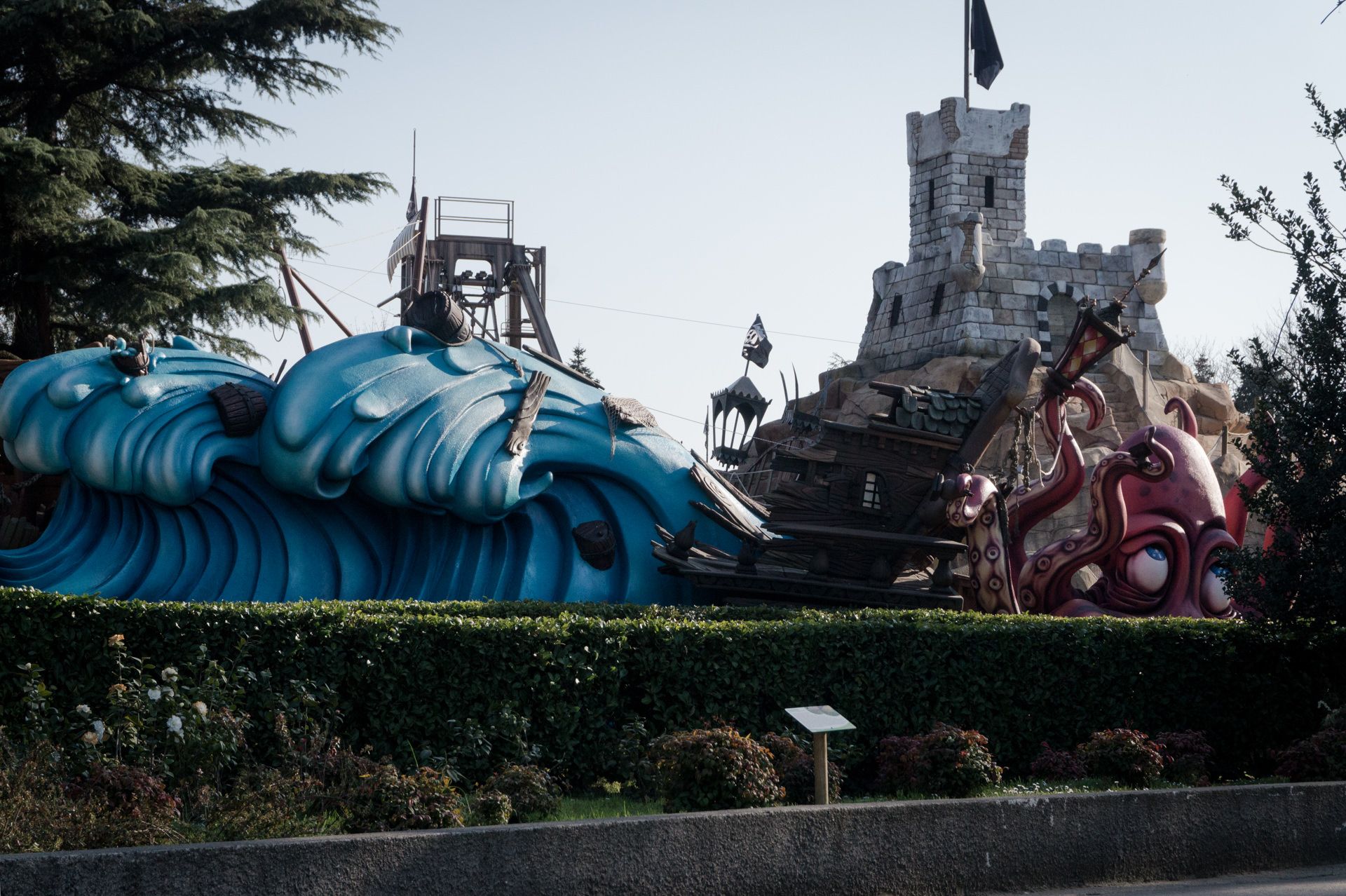
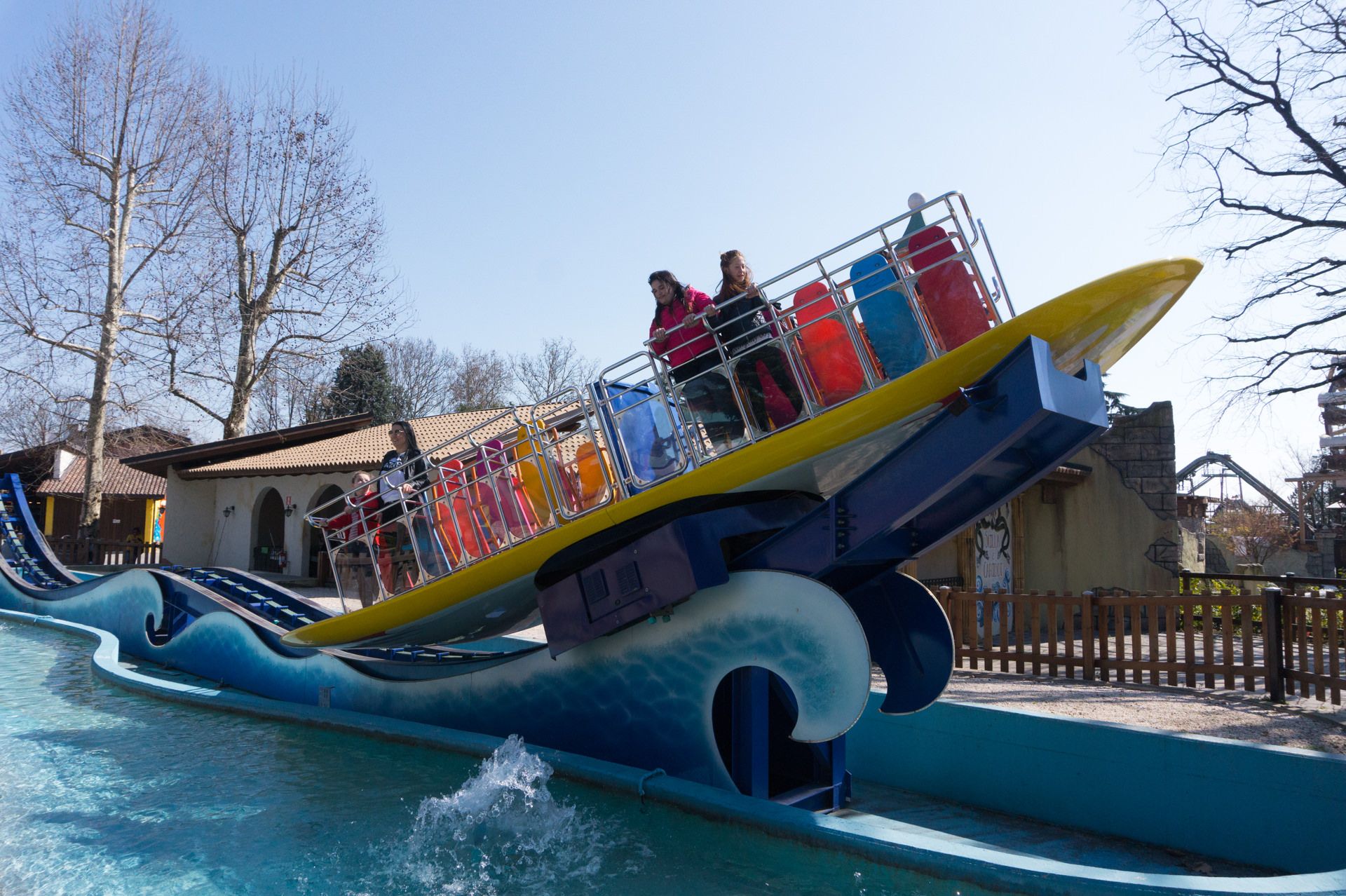
The visually most convincing theme area at the Leolandia is the pirate area Riva dei Pirati, which consists mainly of children’s rides, but which is presented in a great design. Besides the good ship swing Galeone and the beautiful Splash Battle Mediterranea, you will find the prototype of the Stand-Up Disk’os Surf’s Up Scilla e Cariddi. Although the ride through the long gondola is a bit rough in parts, the Floating Airtime is worth an experience, so it is a pity to find only a small version of this ride. Unfortunately, the restraint system charges you a little bit statically, so you can get a little shock at the exit.

Pictures Leolandia

Conclusion Leolandia

Leolandia is a really nice theme park with a pretty good idea right from the beginning of its existence. The Minitalia is quite nicely realised and can keep you busy for a few hours, compared to the Legoland parks around the world. At the same time this miniature outdoor wonderland offers a wonderful view of the corners of this charming country, which you would like to see in real life. The quality of the theme park is, with the exception of the Expo 1906 area, very high and is further underlined by the matching workers’ uniforms, divided according to the theme areas of the park.


What is your opinion about the Italian theme park Leolandia? Just write it here below the report in the comment field or visit our social media channels:


Click here for the next report of the Il Viaggio dei due Runner Tour