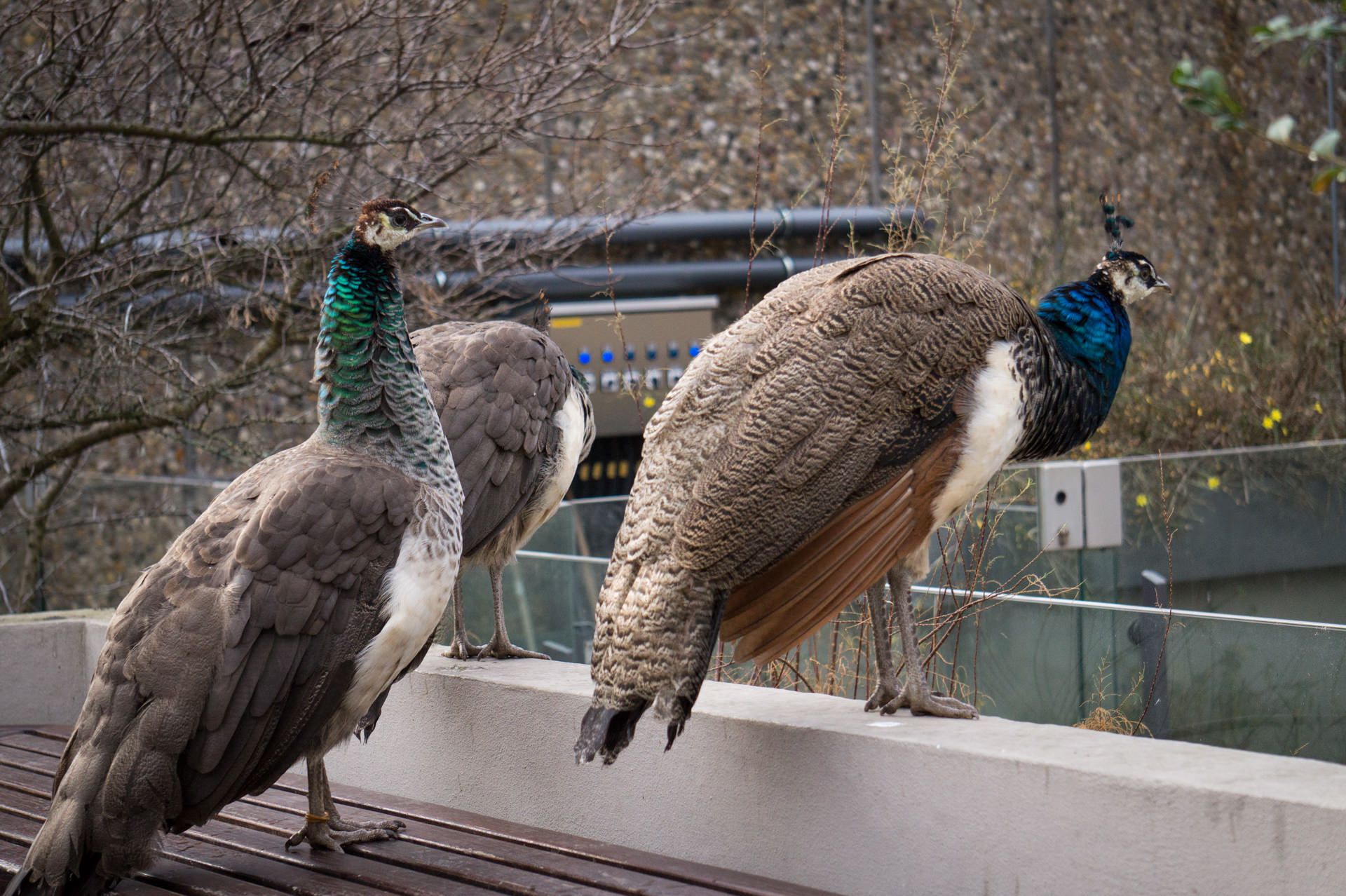
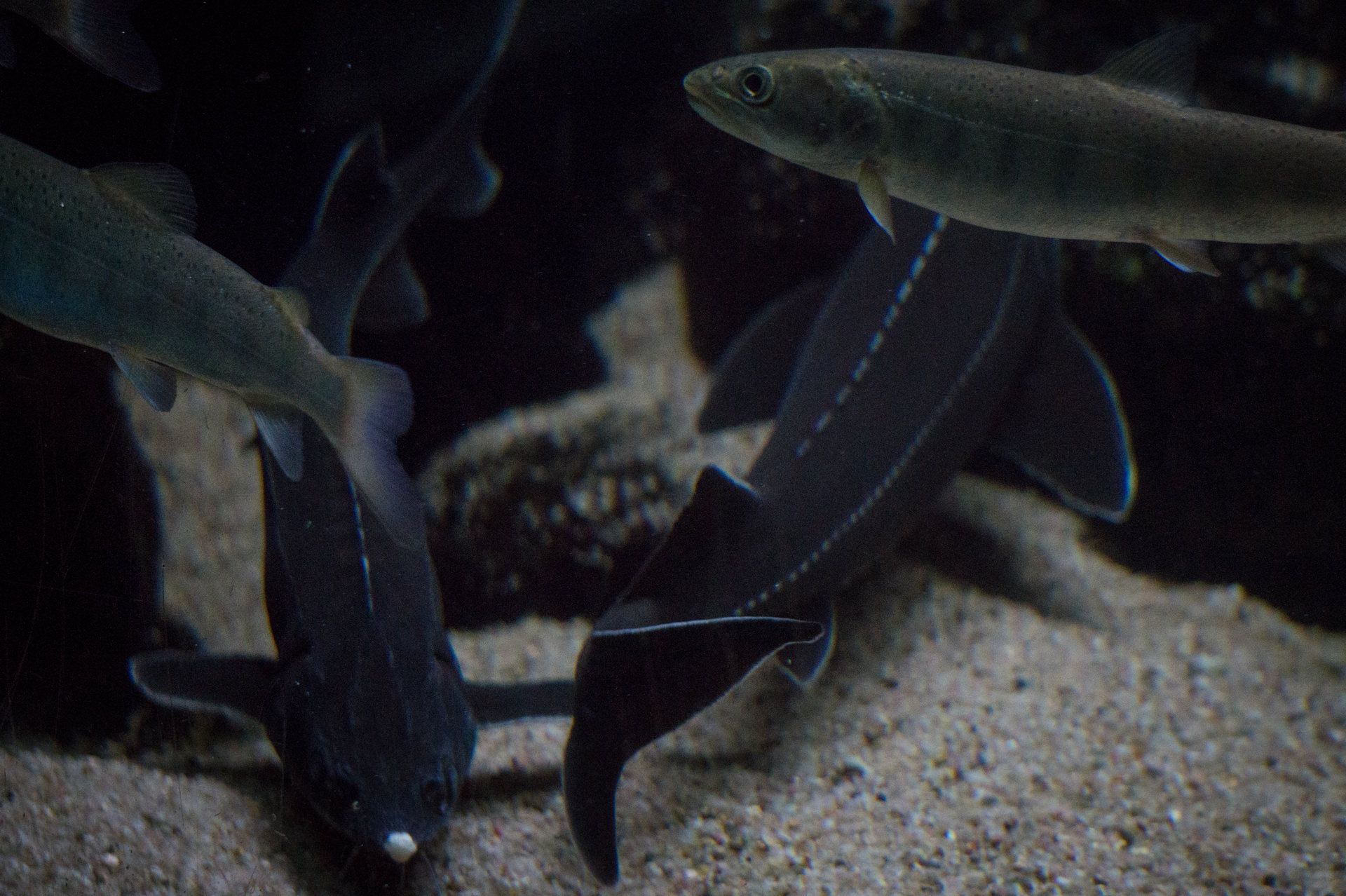
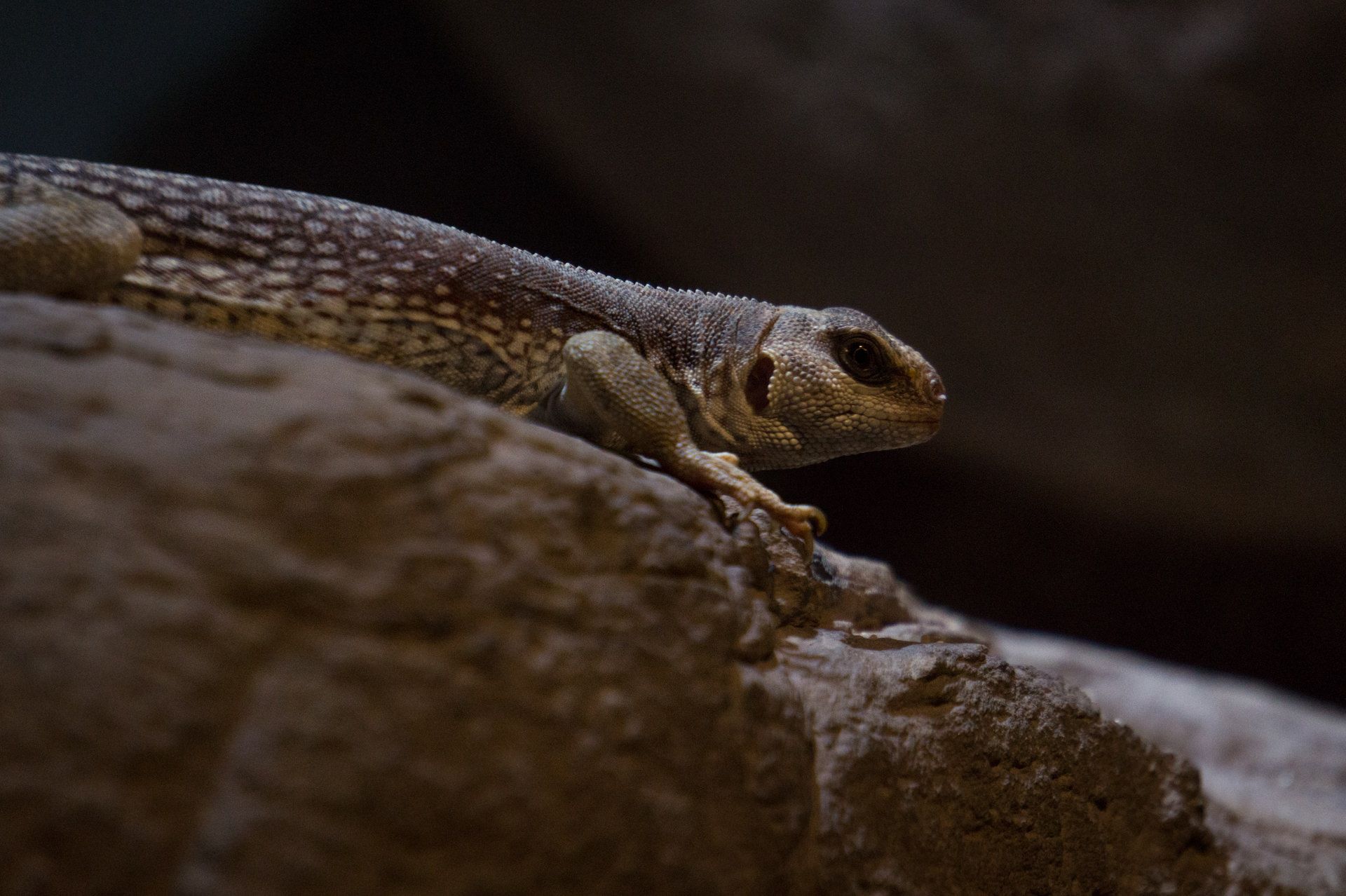
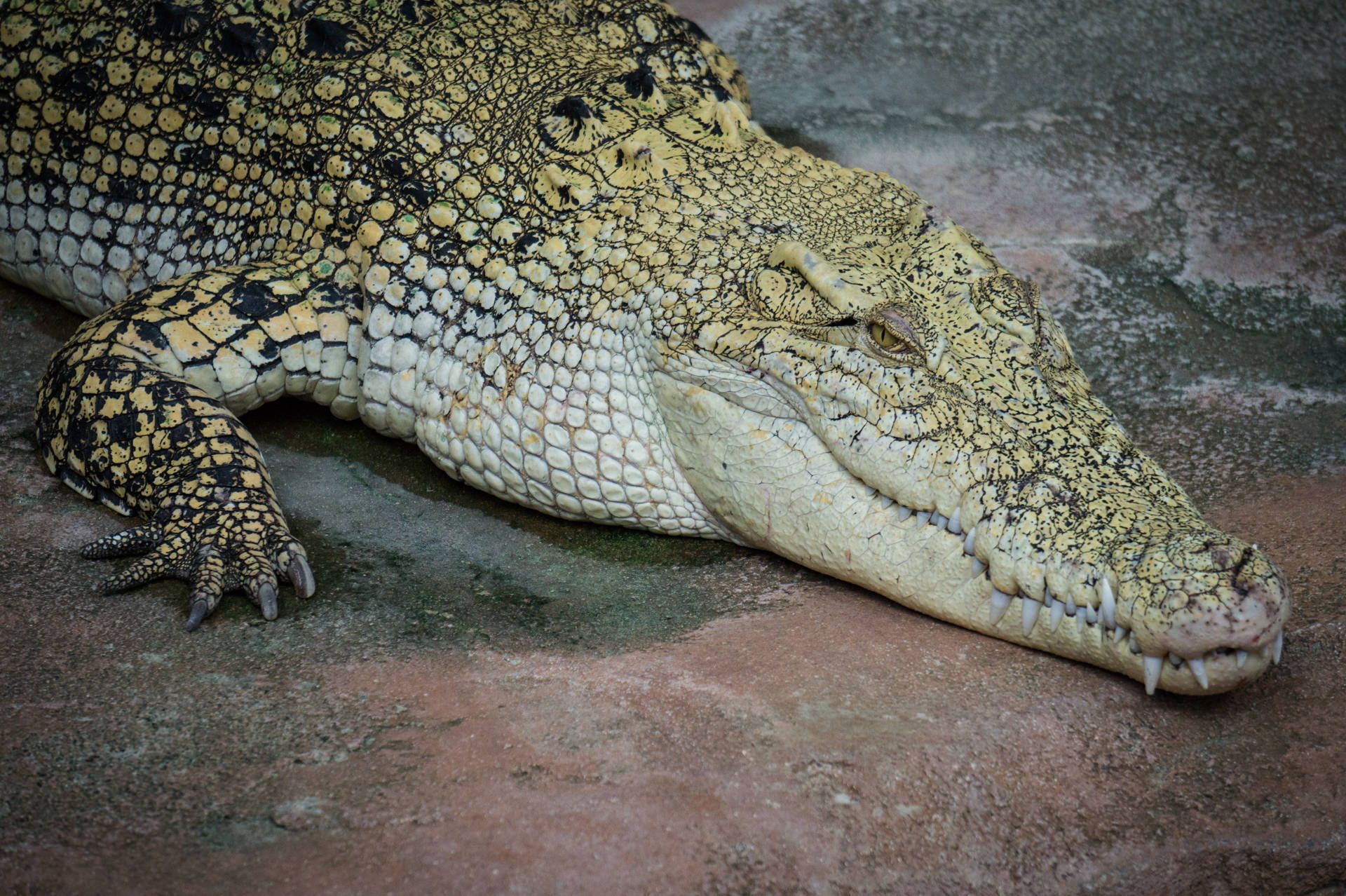
Wandering around the Wilhelma

Wilhelma

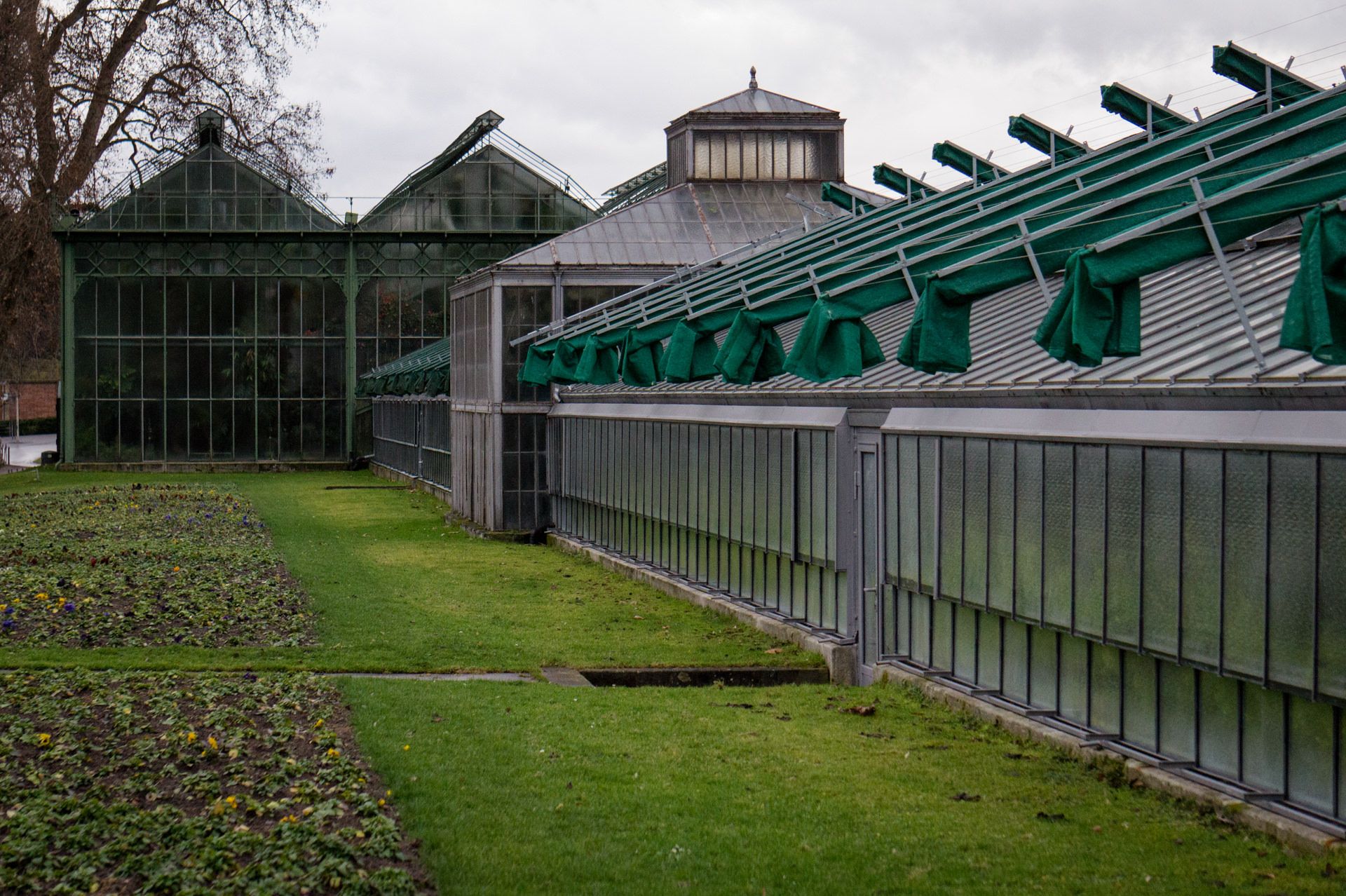
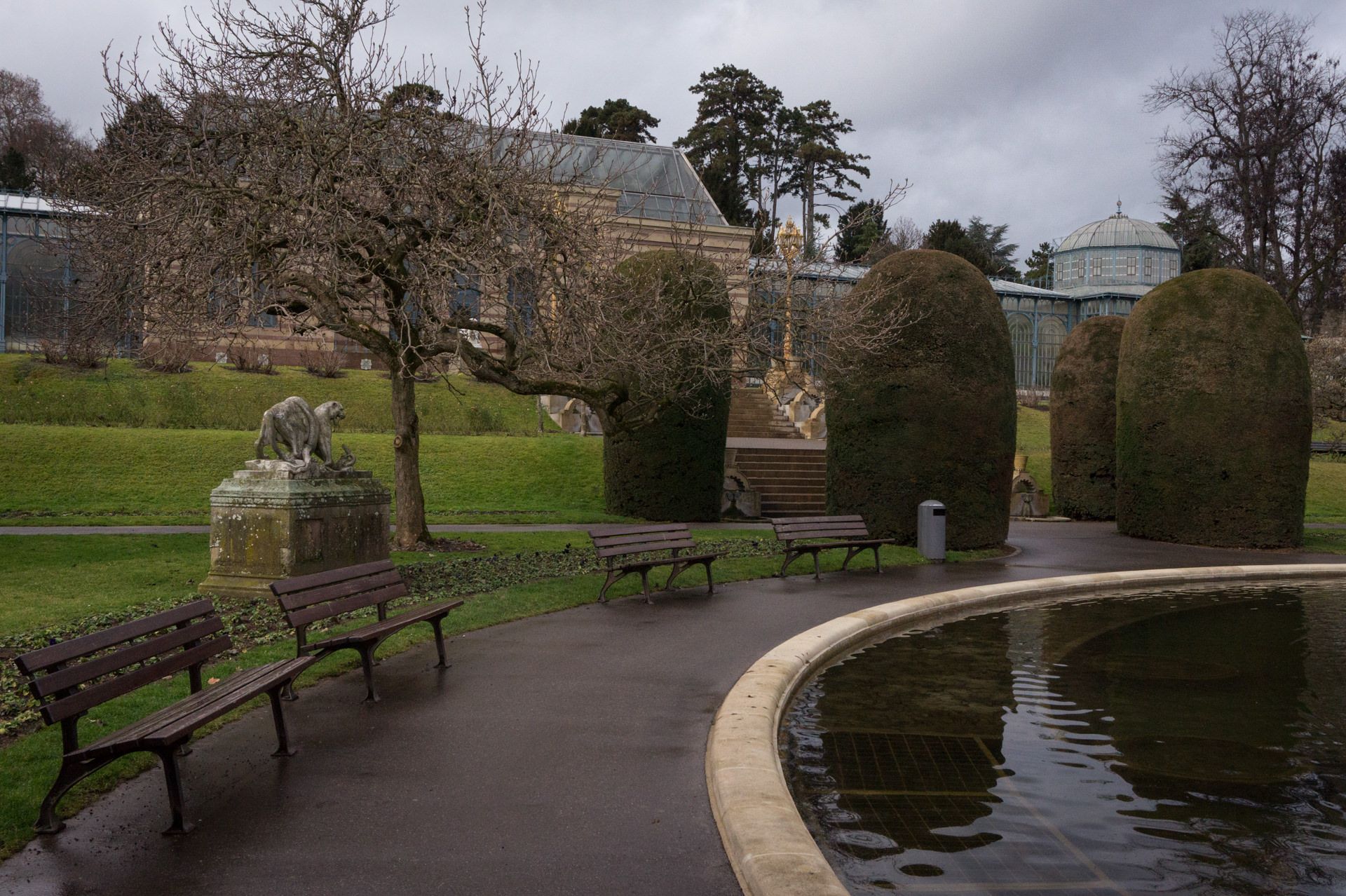
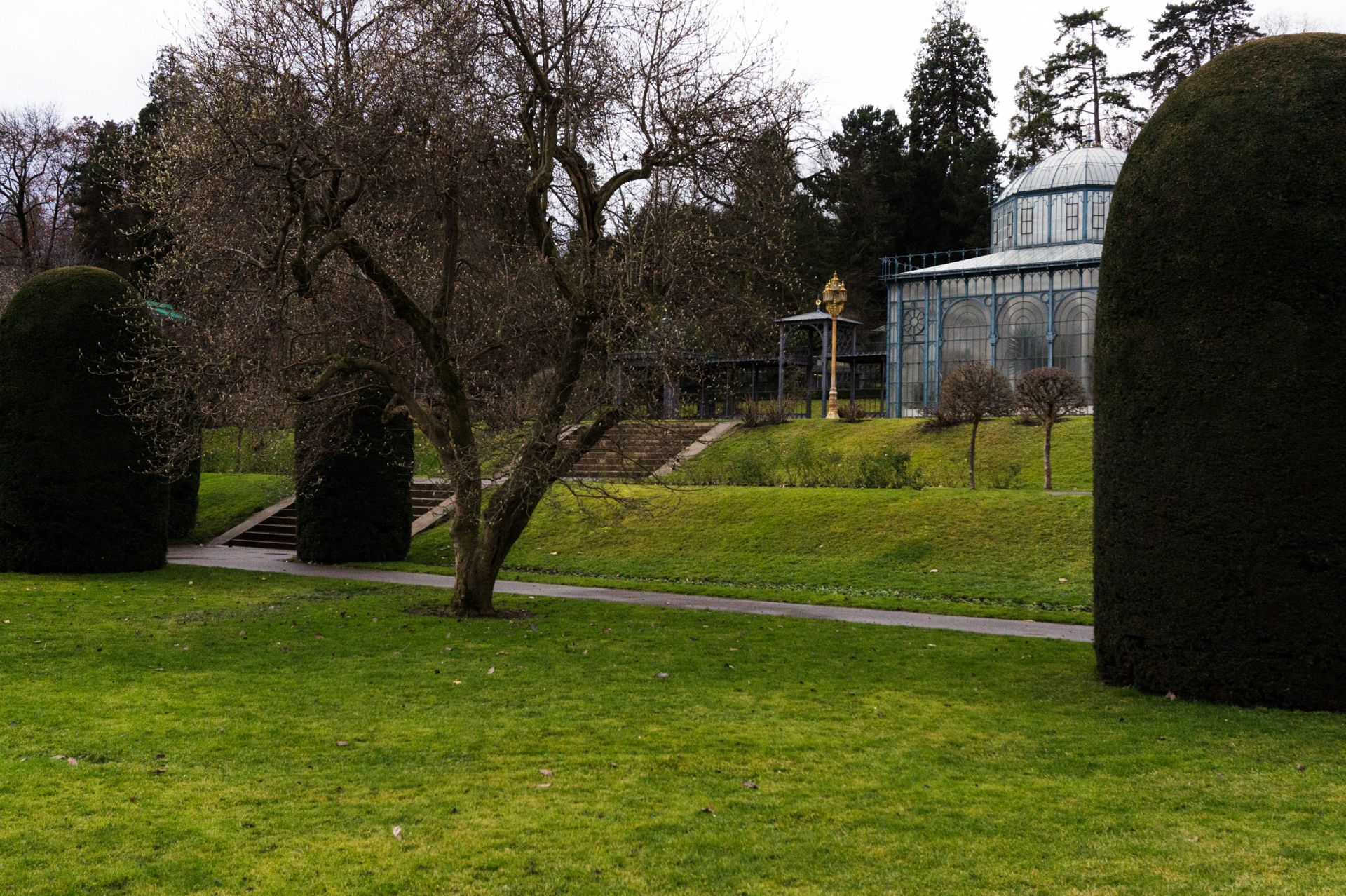
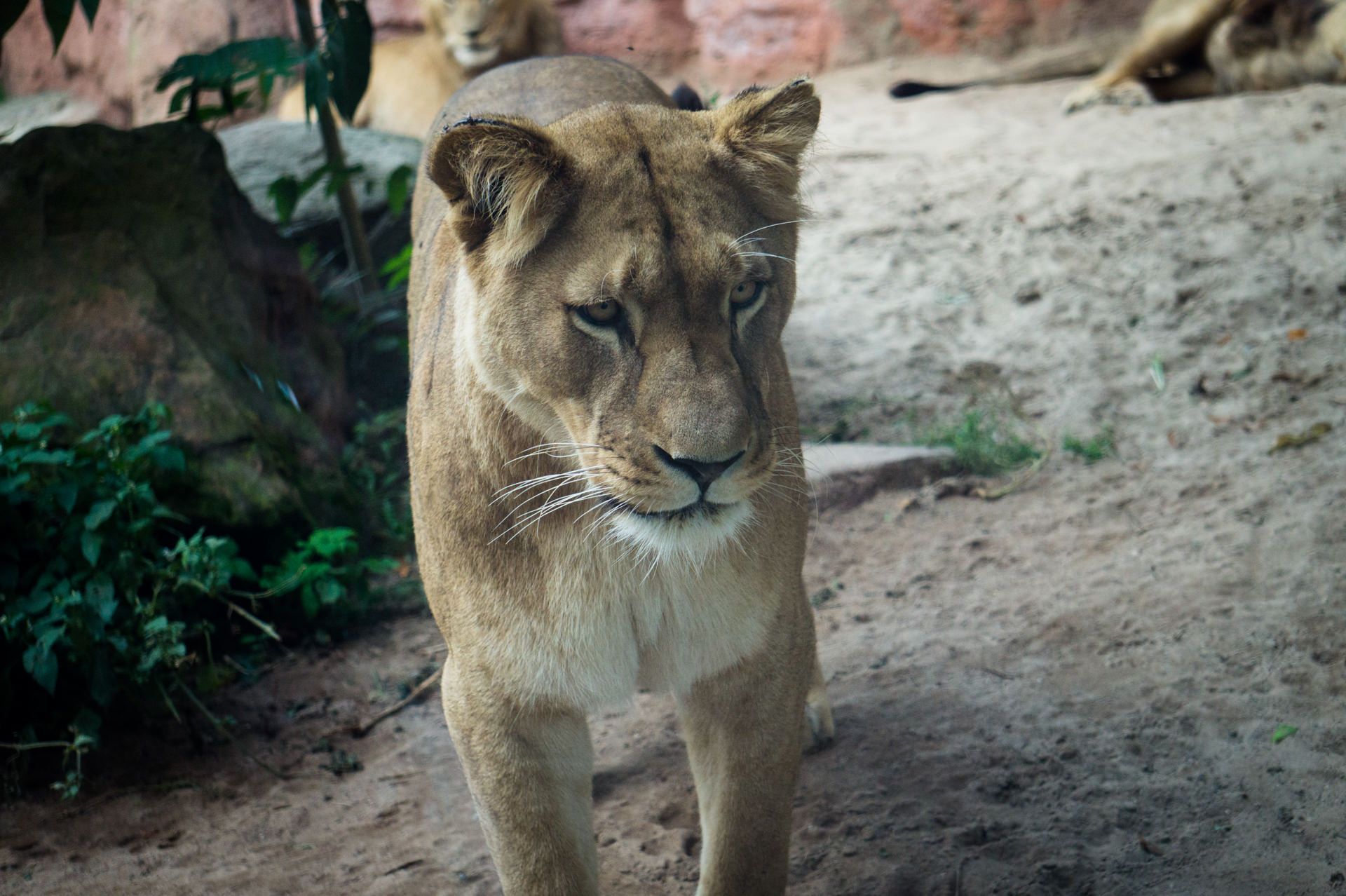
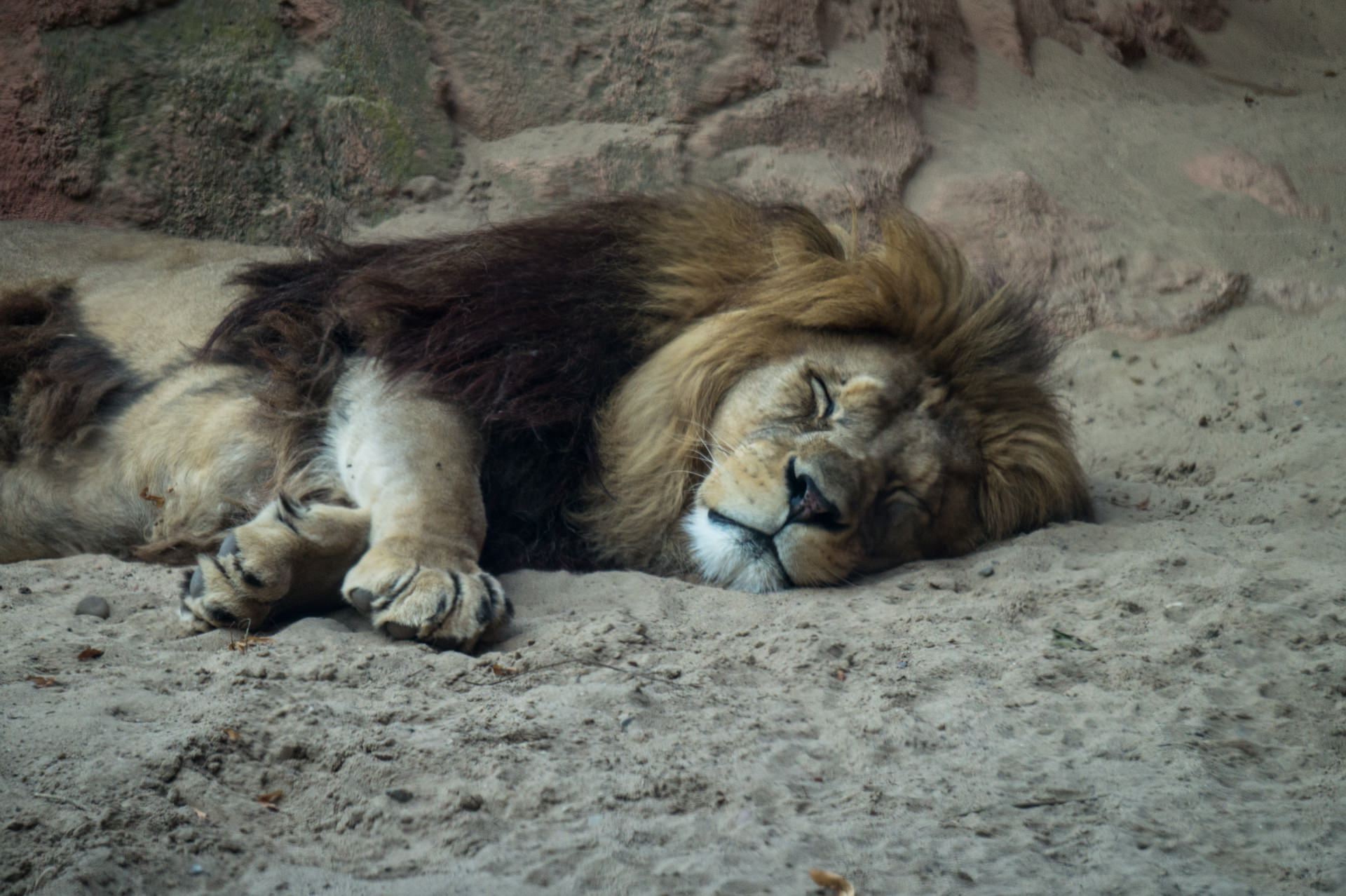
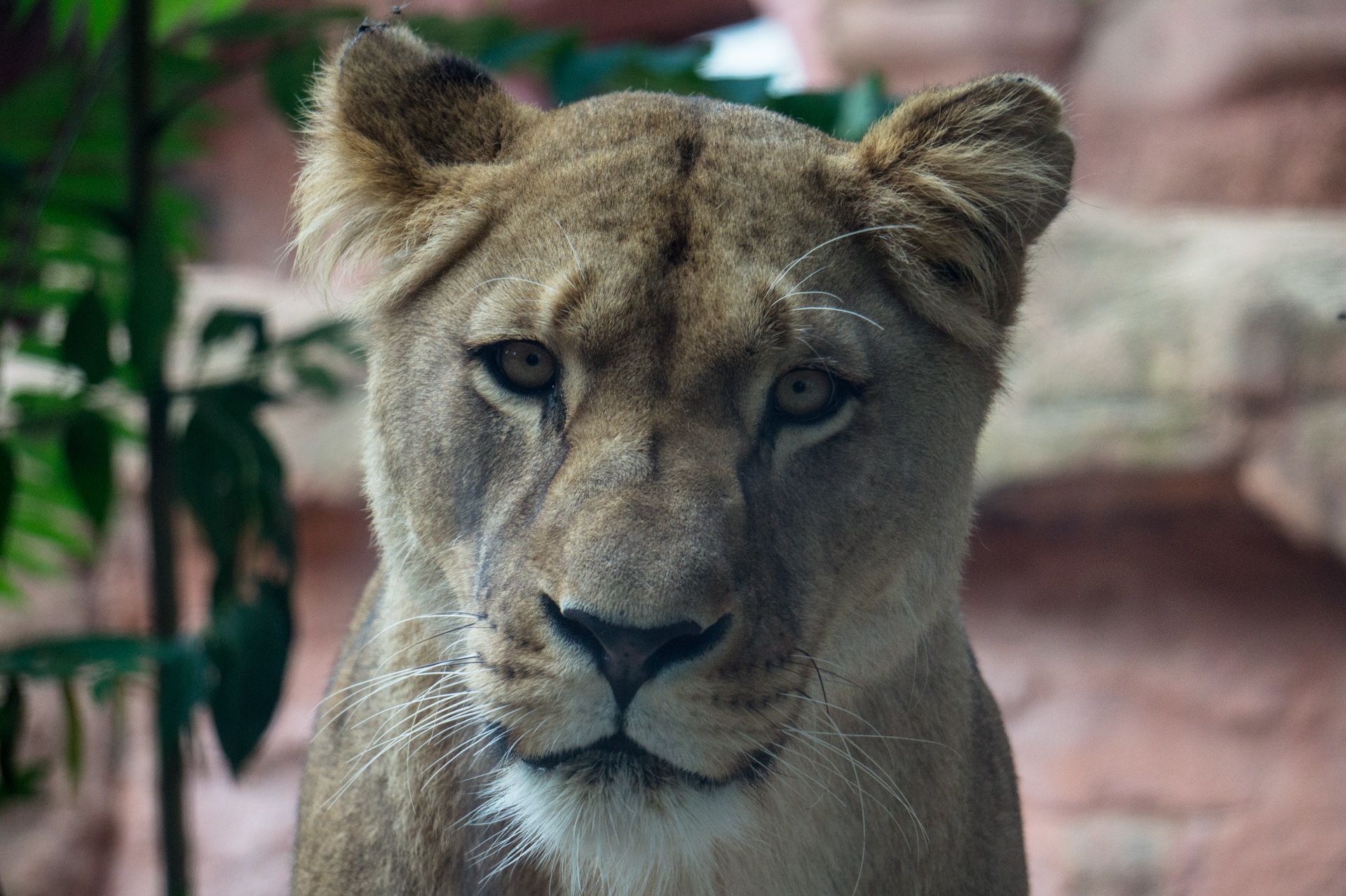
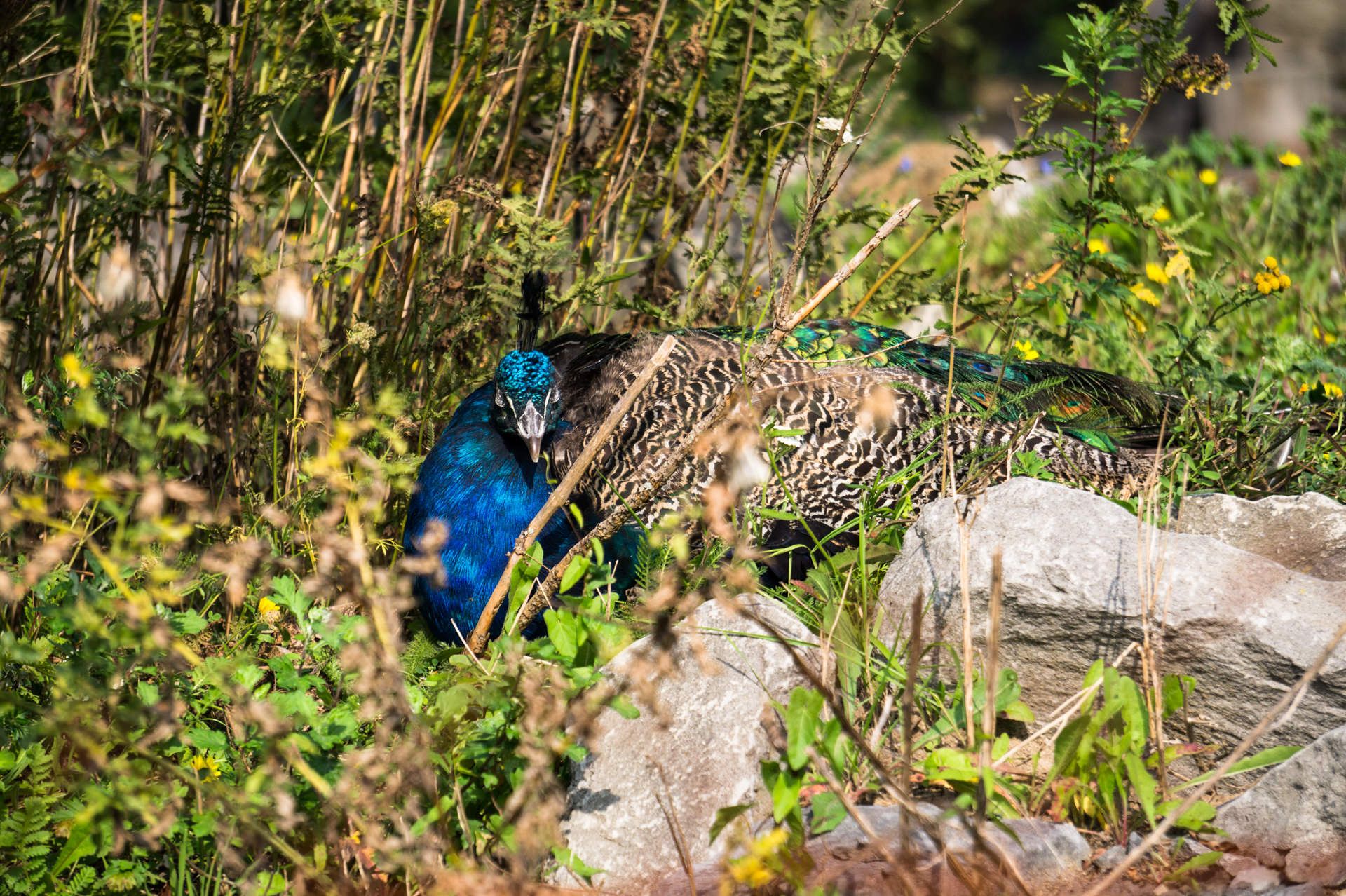
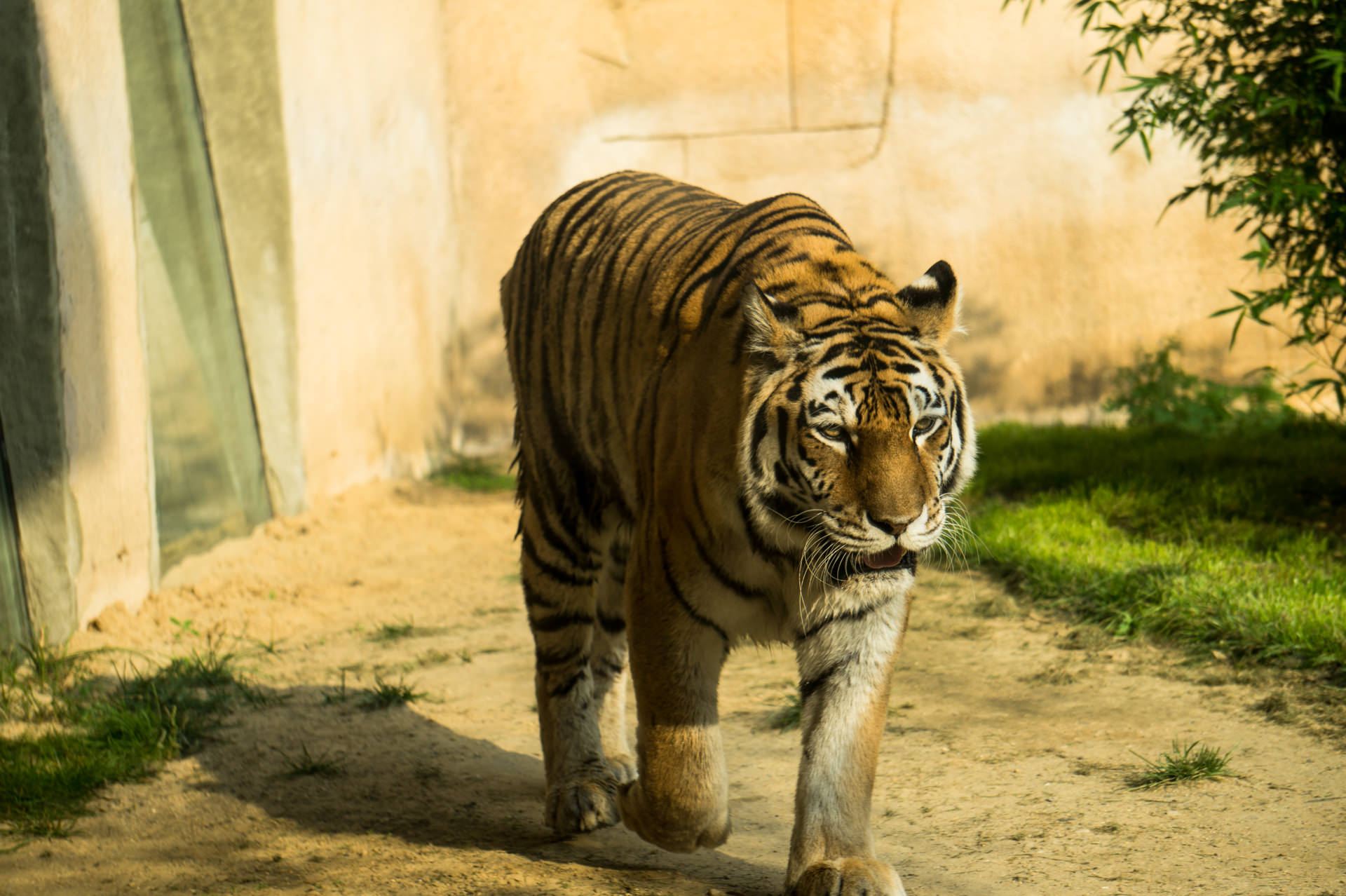
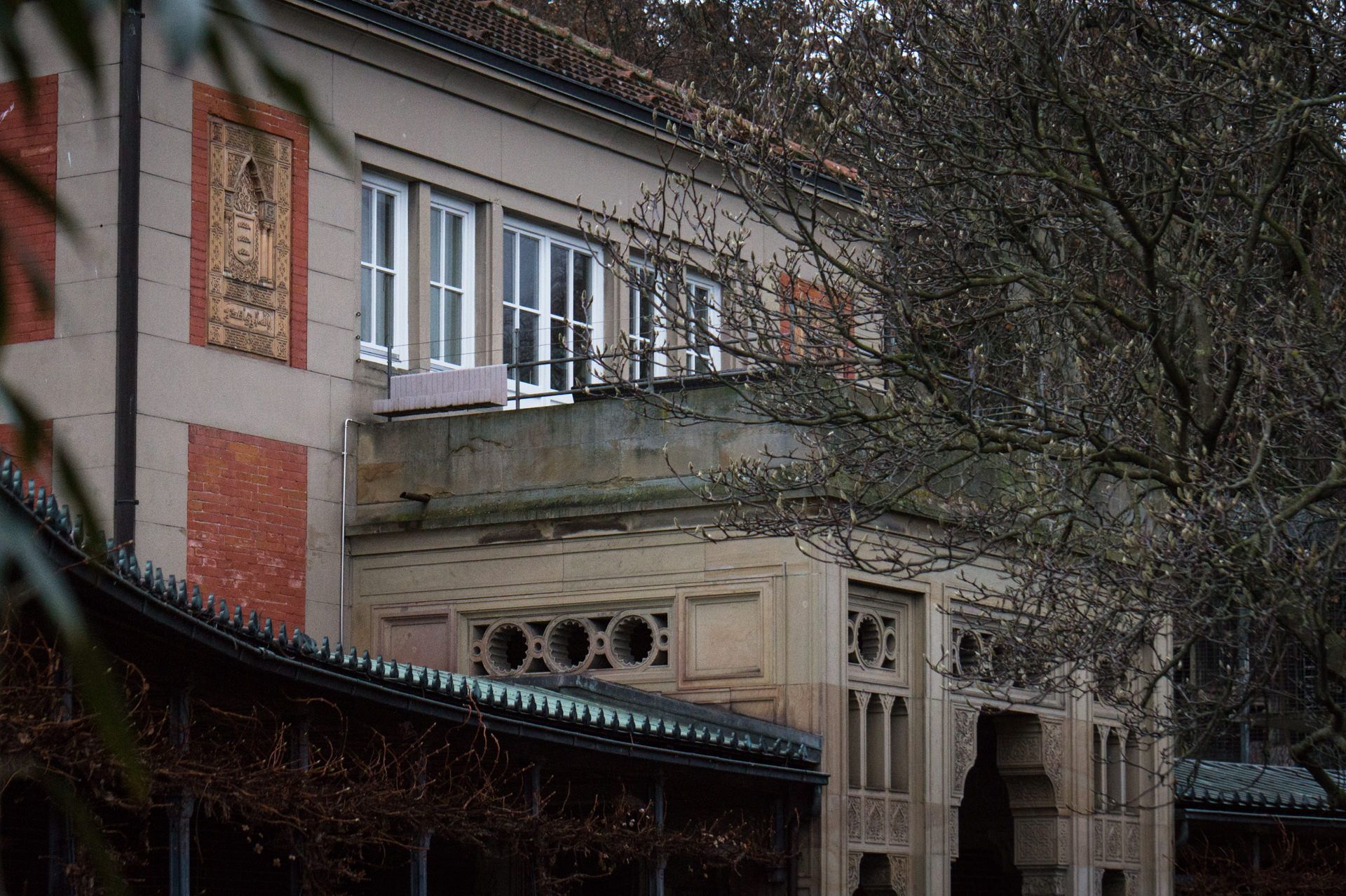
The zoological and botanical garden Wilhelma in Stuttgart has its origin in the year 1829, where neither the botany and zoology played a role. The king of Württemberg Wilhelm I planned a bath house in the park of rosenstein’s castle after some mineral springs were found. Due to the high costs, it took a few years until the groundbreaking ceremony in 1842. On the advice of the architect Karl Ludwig von Zanth, the bath house became the Moorish country house. For the wedding of the crown prince in 1846, the Wilhelma, which now consisted of several buildings, pavilions and greenhouses, was officially inaugurated.

After the dissolution of the Württemberg court the Wilhelma went into state ownership in 1918/19. From then on, the Wilhelma was open to the public as a botanical garden and was even used in 1939 as part of the Reichsgartenschau. Heavily damaged by bombing in 1944, the park was reopened in 1949.

With the reopening, the first animals moved into the park. In the following years an aquarium and bird show, as well as various animal exhibitions of different subjects were presented. The number of animals gradually added up and thus in 1953 a zoological Garden formed.

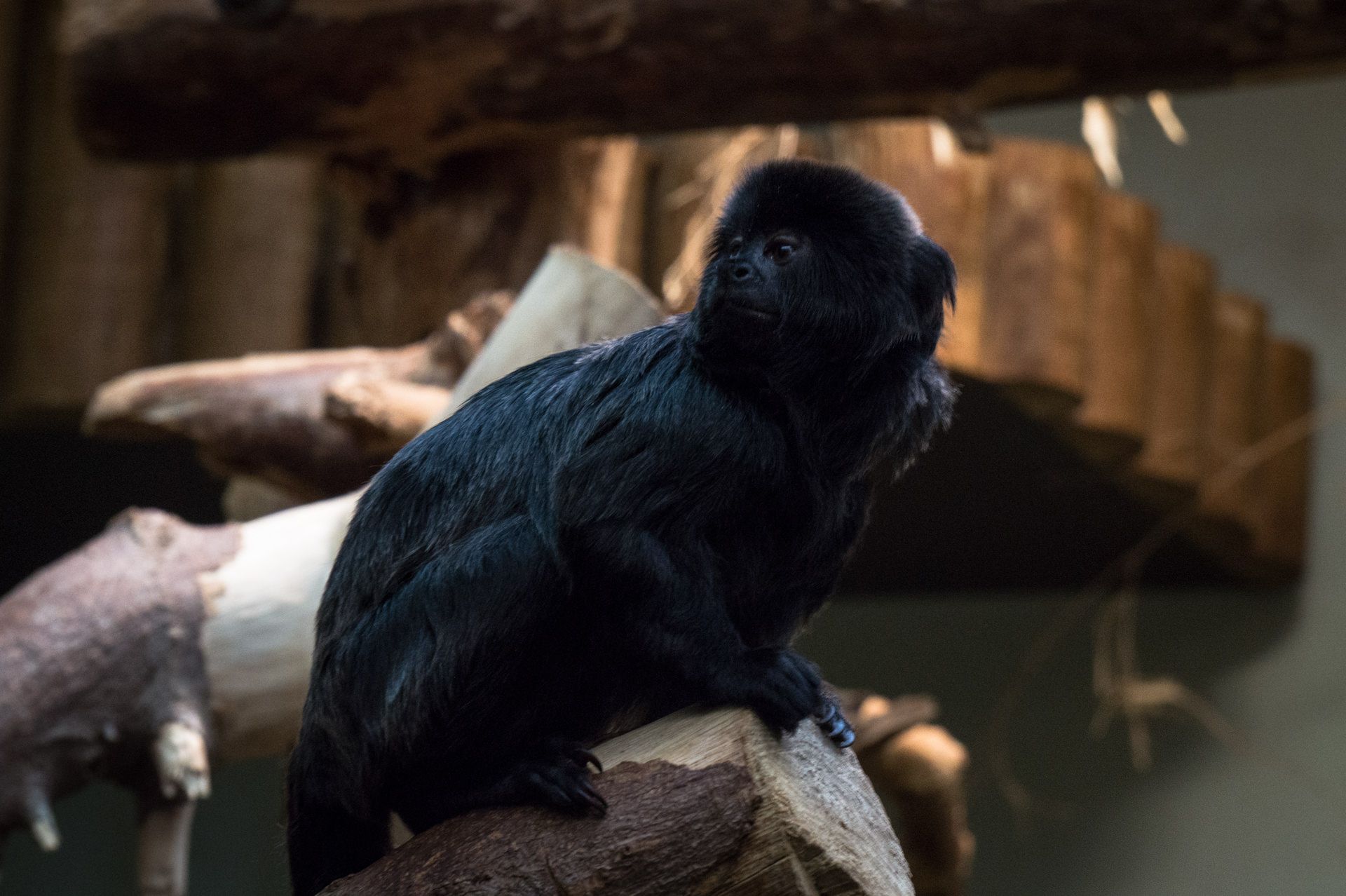
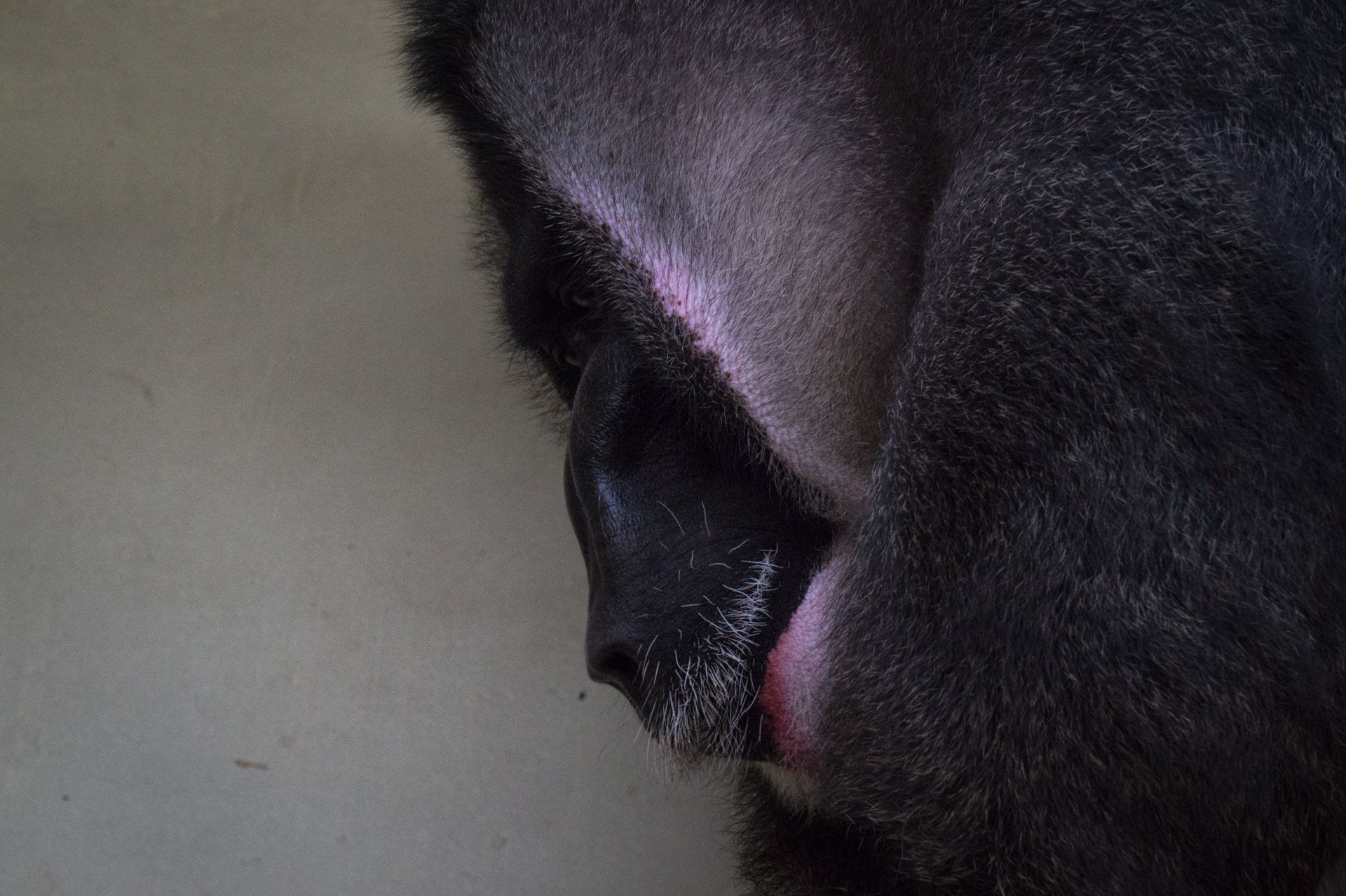
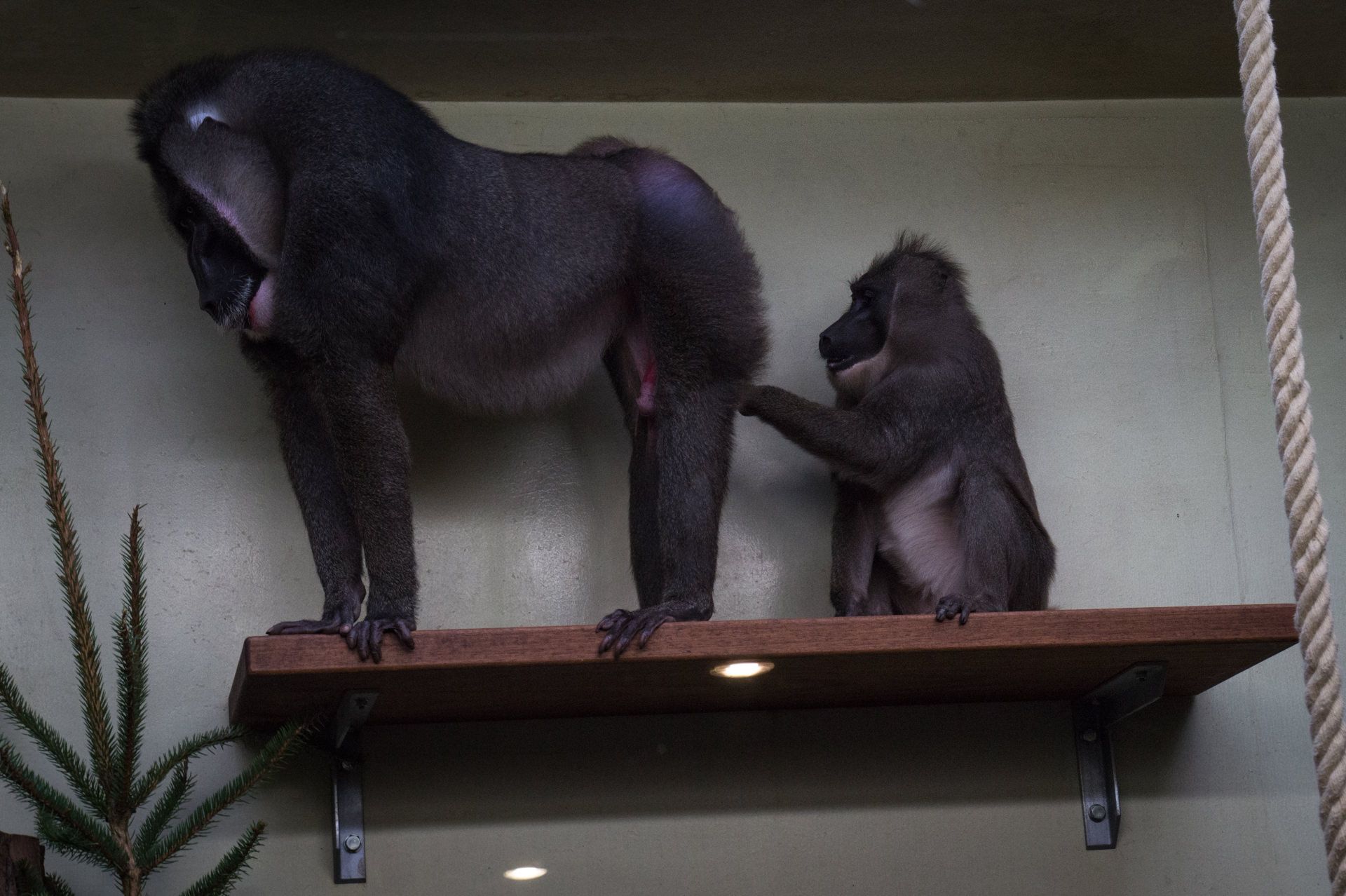
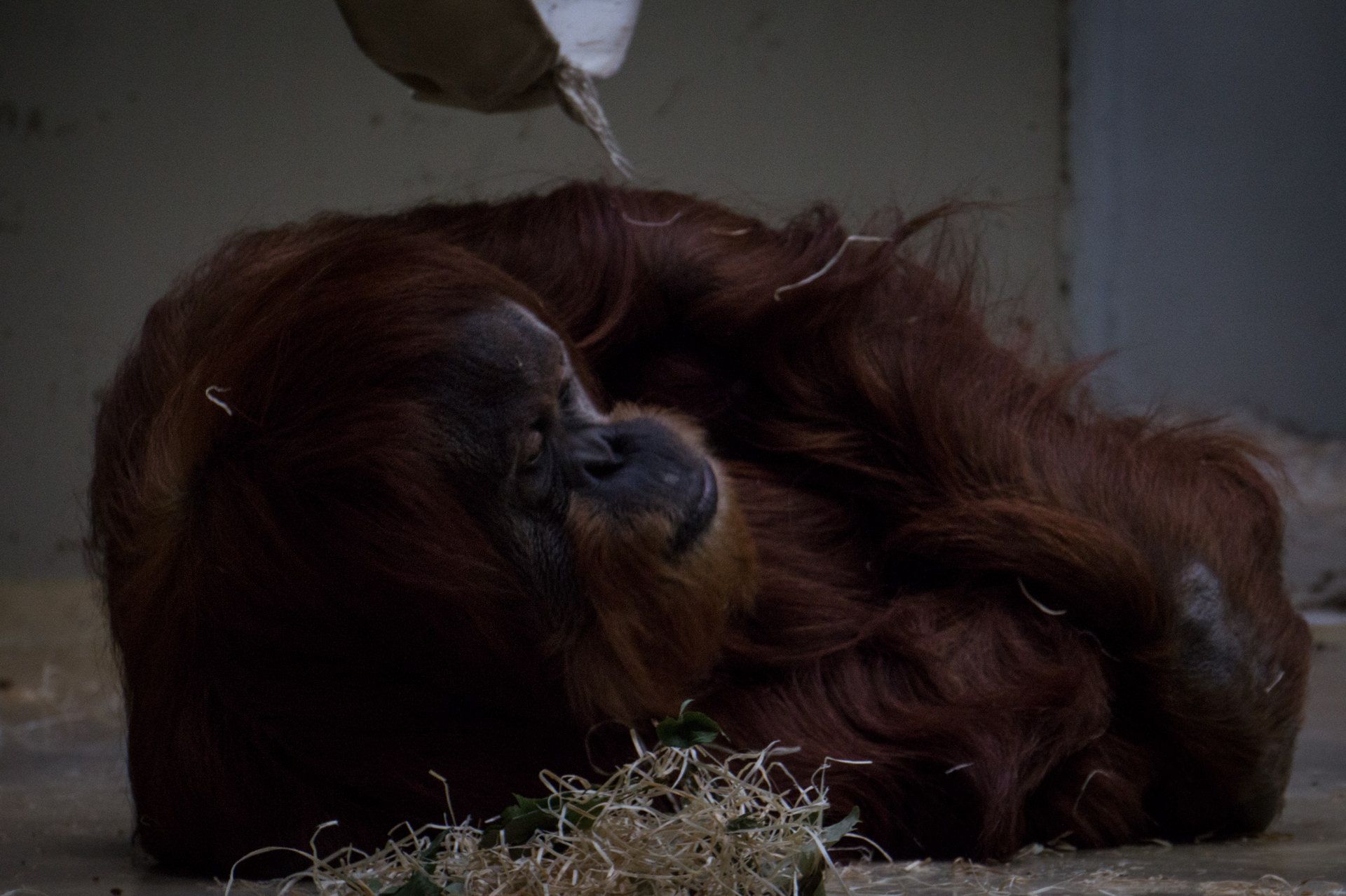
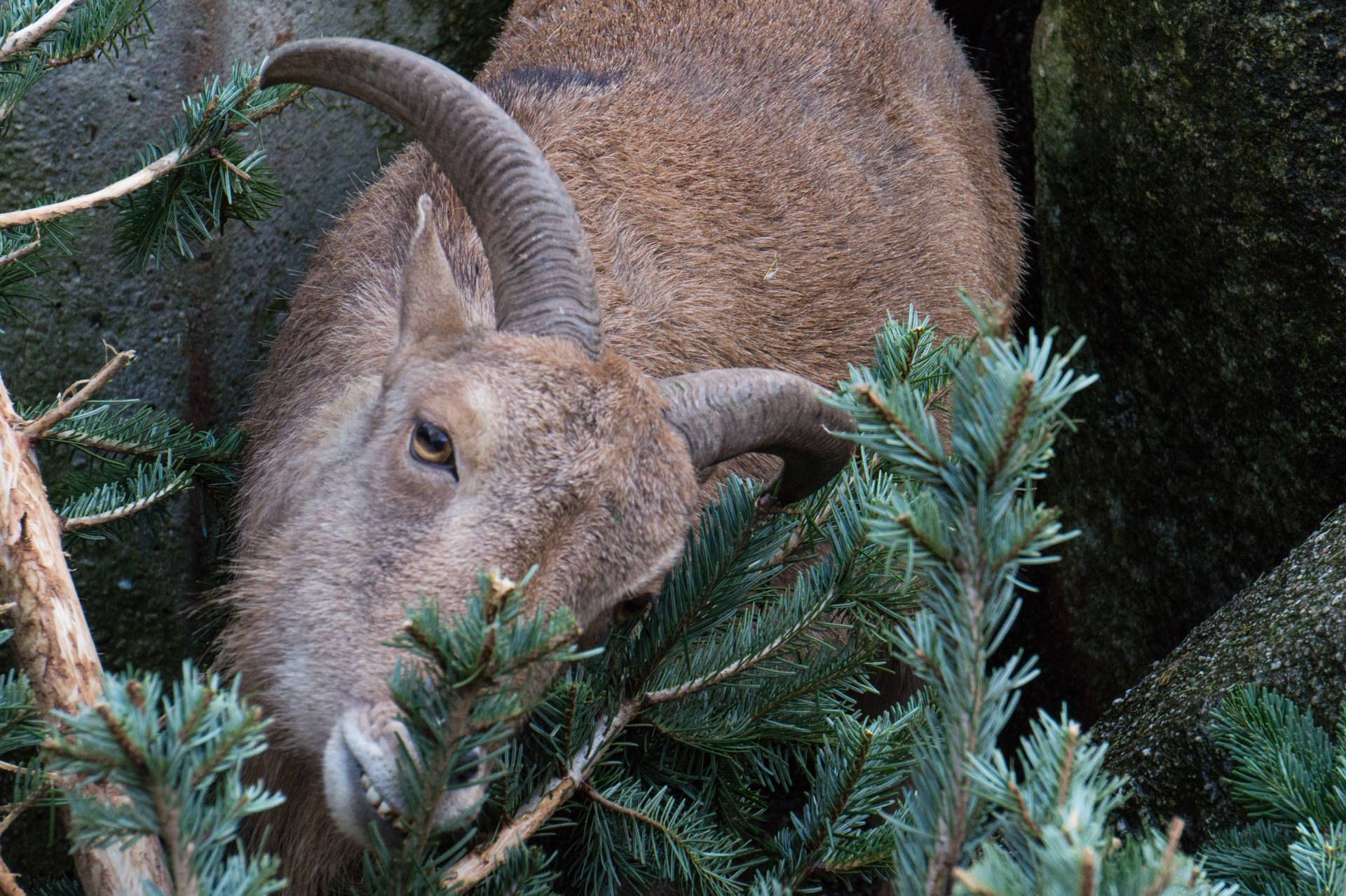
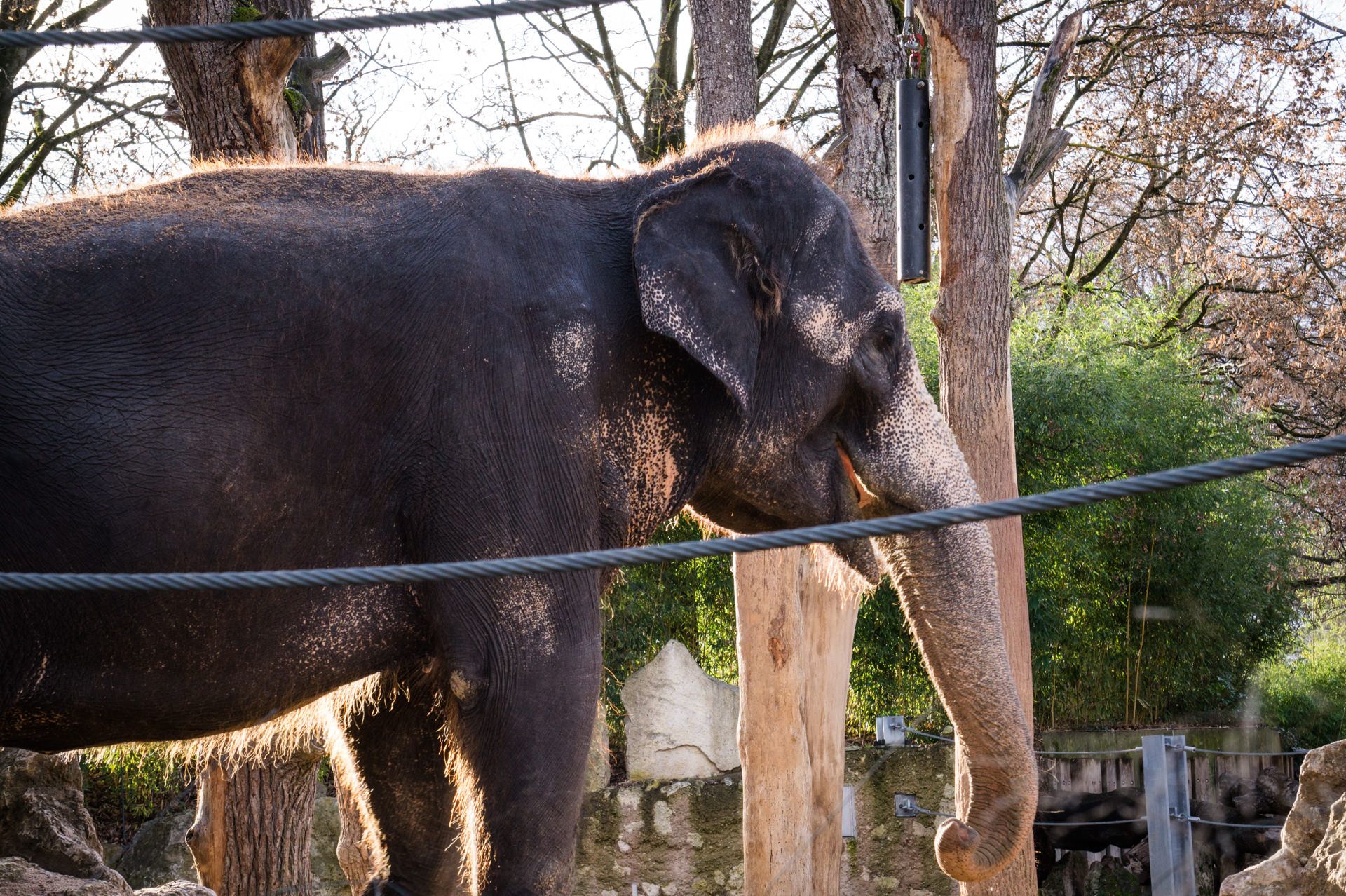
With the approval of the Baden-Württemberg state parliament on the further expansion of Wilhelma to the zoological and botanical garden in 1961, new buildings were created, which still characterise the park landscape today. Thus, the enclosures have mostly the charm of a zoo of the 1970s. Although some enclosures are built very interesting, you mostly look at dismal fences or walk through dreary animal houses. Really nice and modern, however, are the enclosures from the 1990s onward, where species-appropriate animal husbandry is respected. Particularly of interest are the African ape house and the Amazon house.

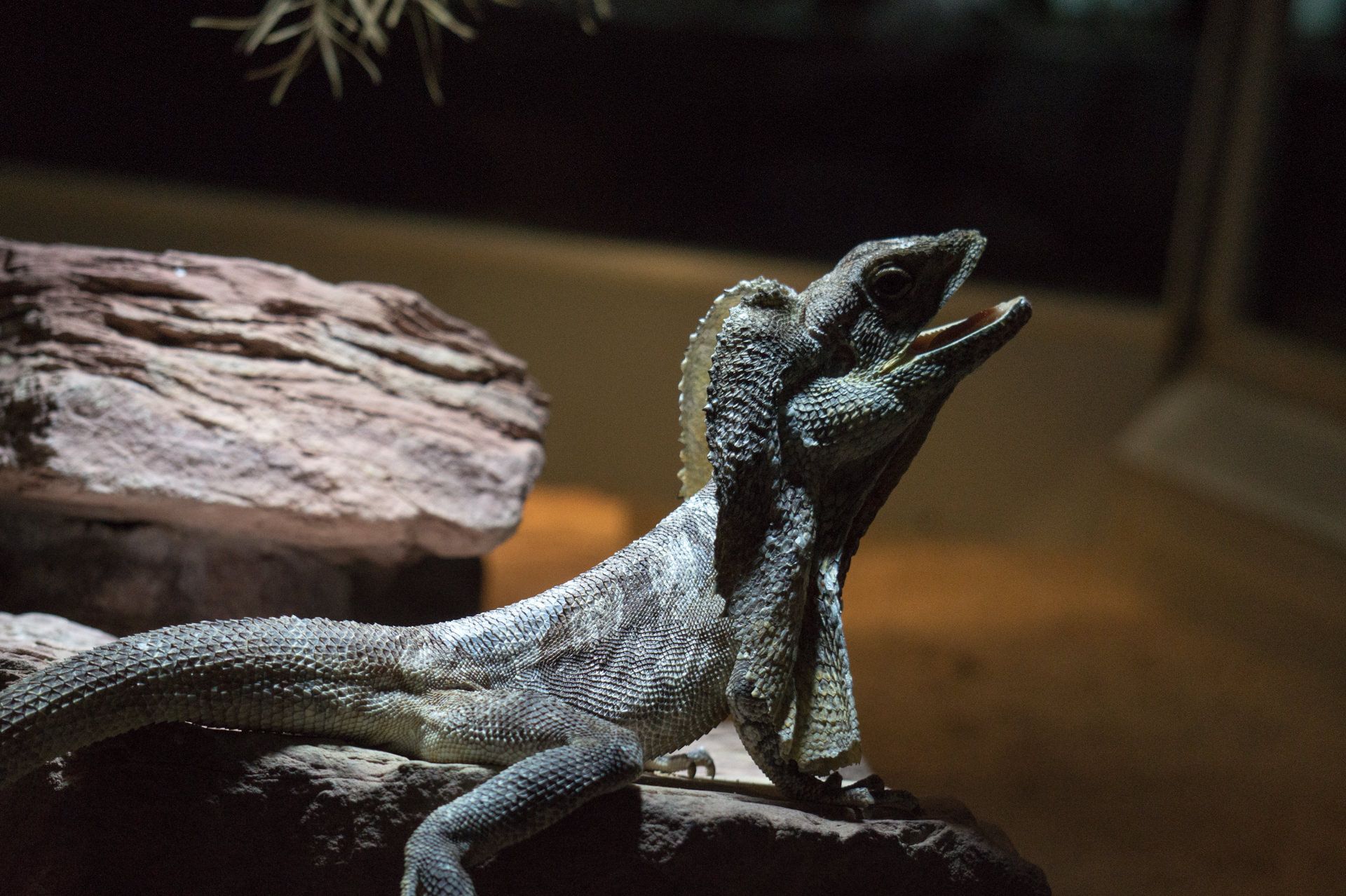
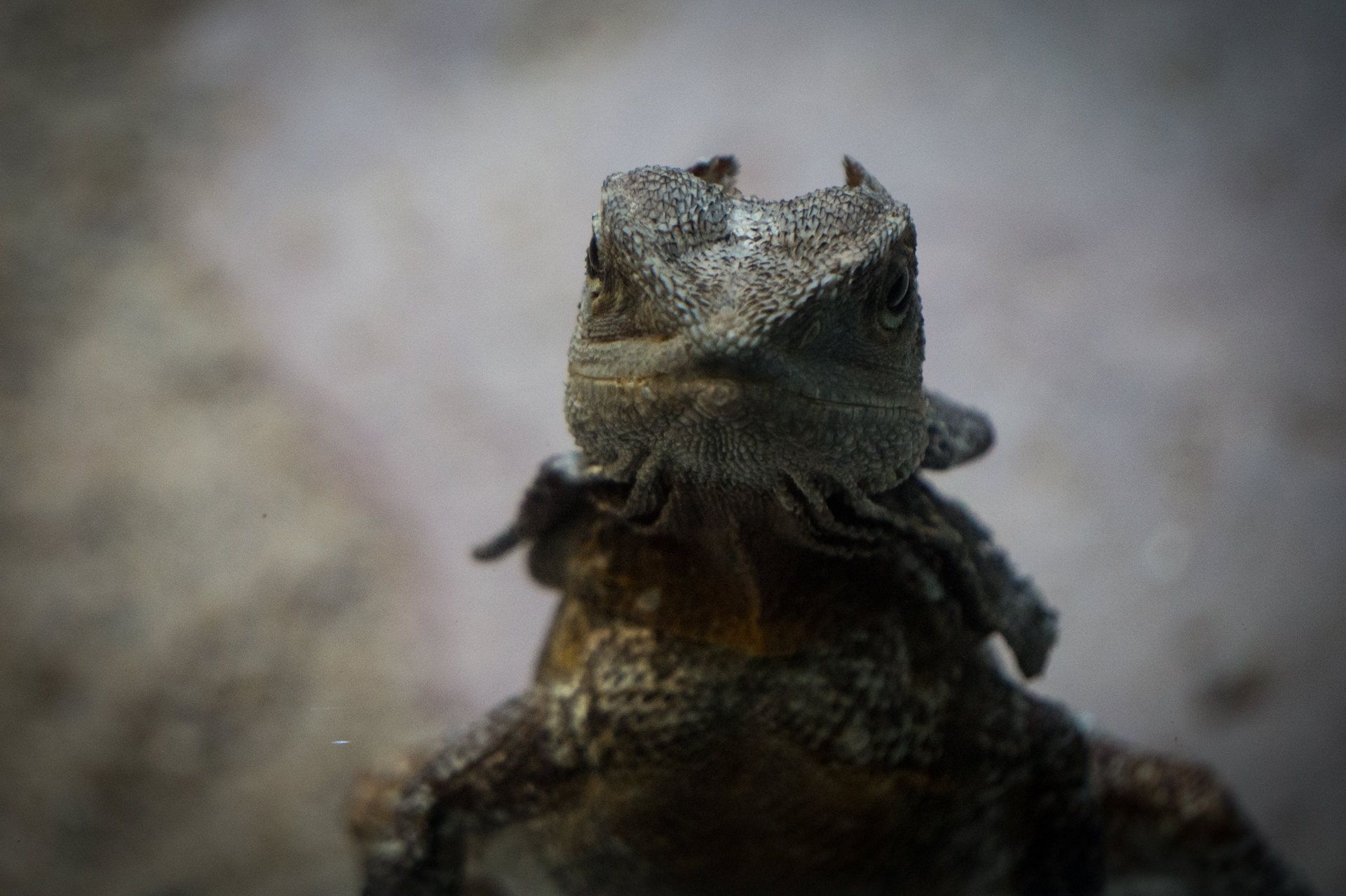
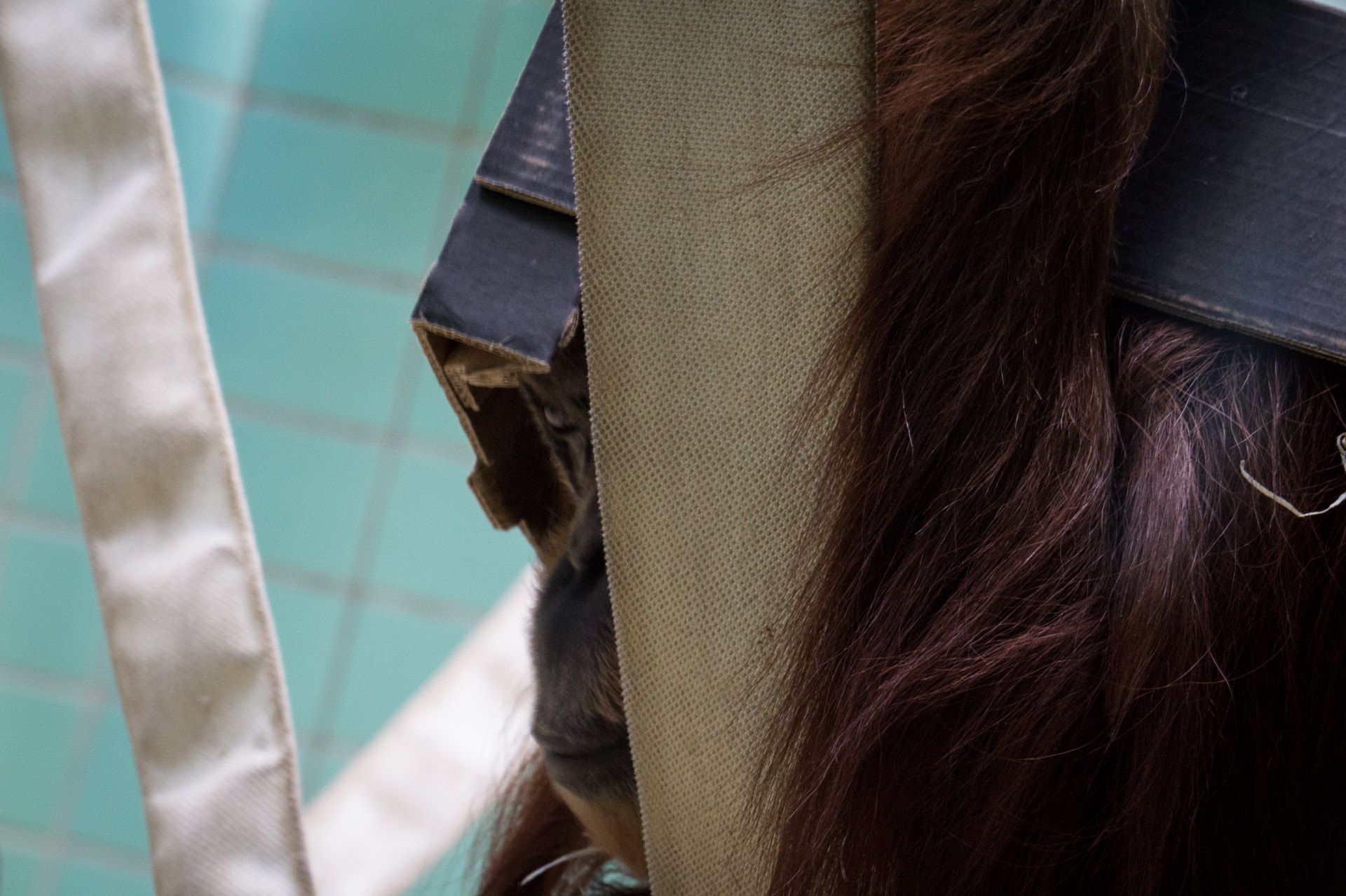
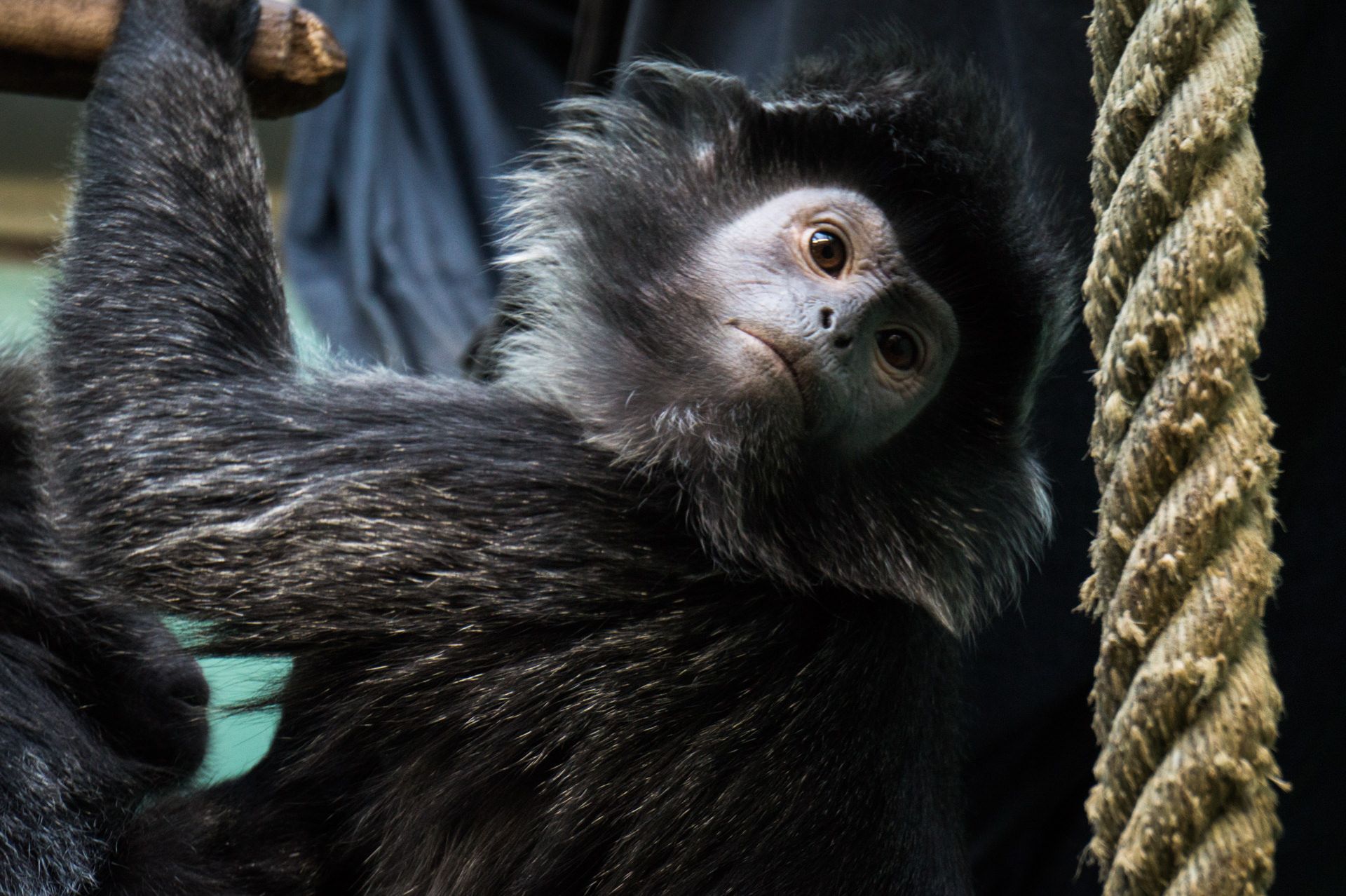
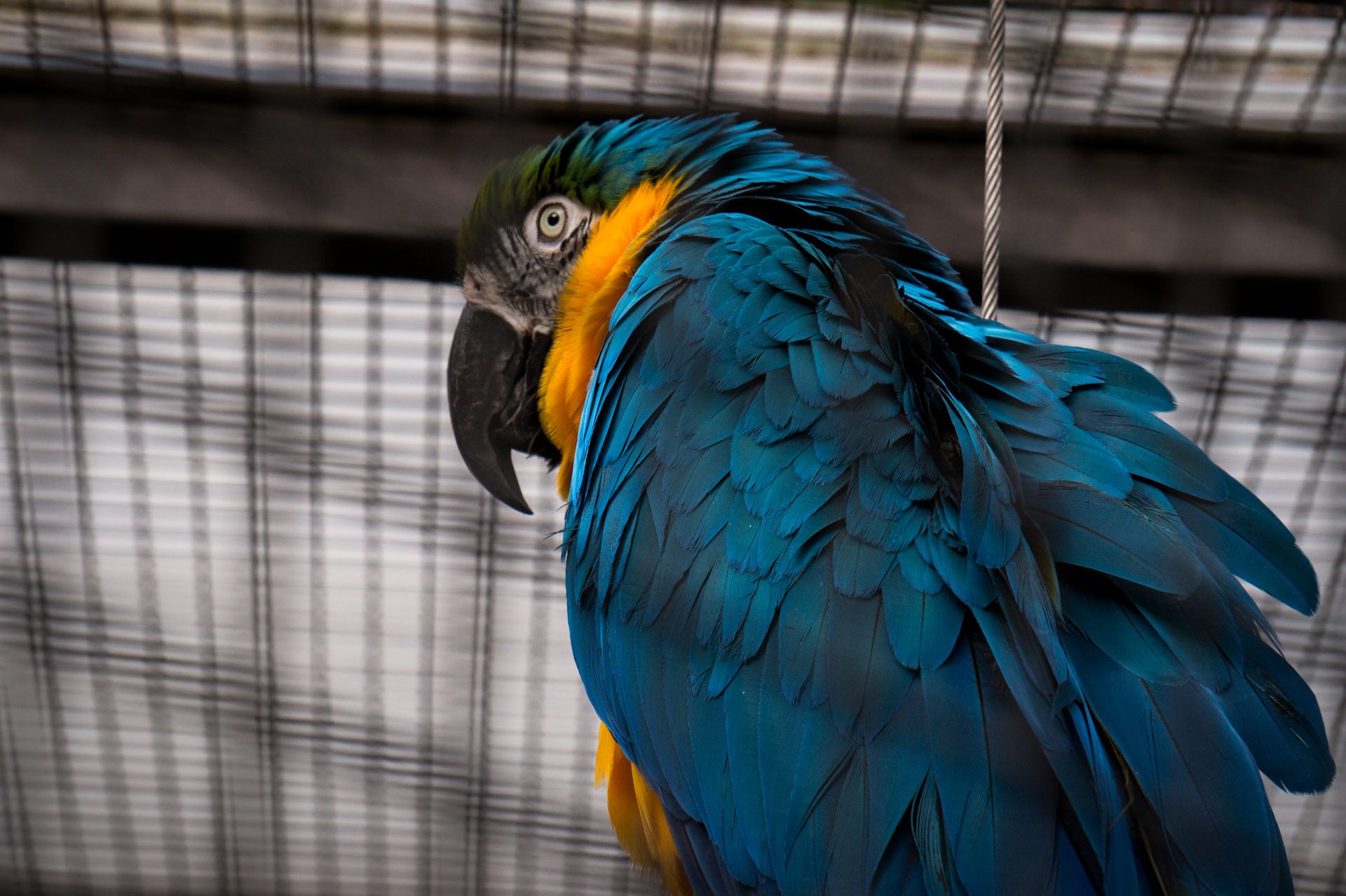
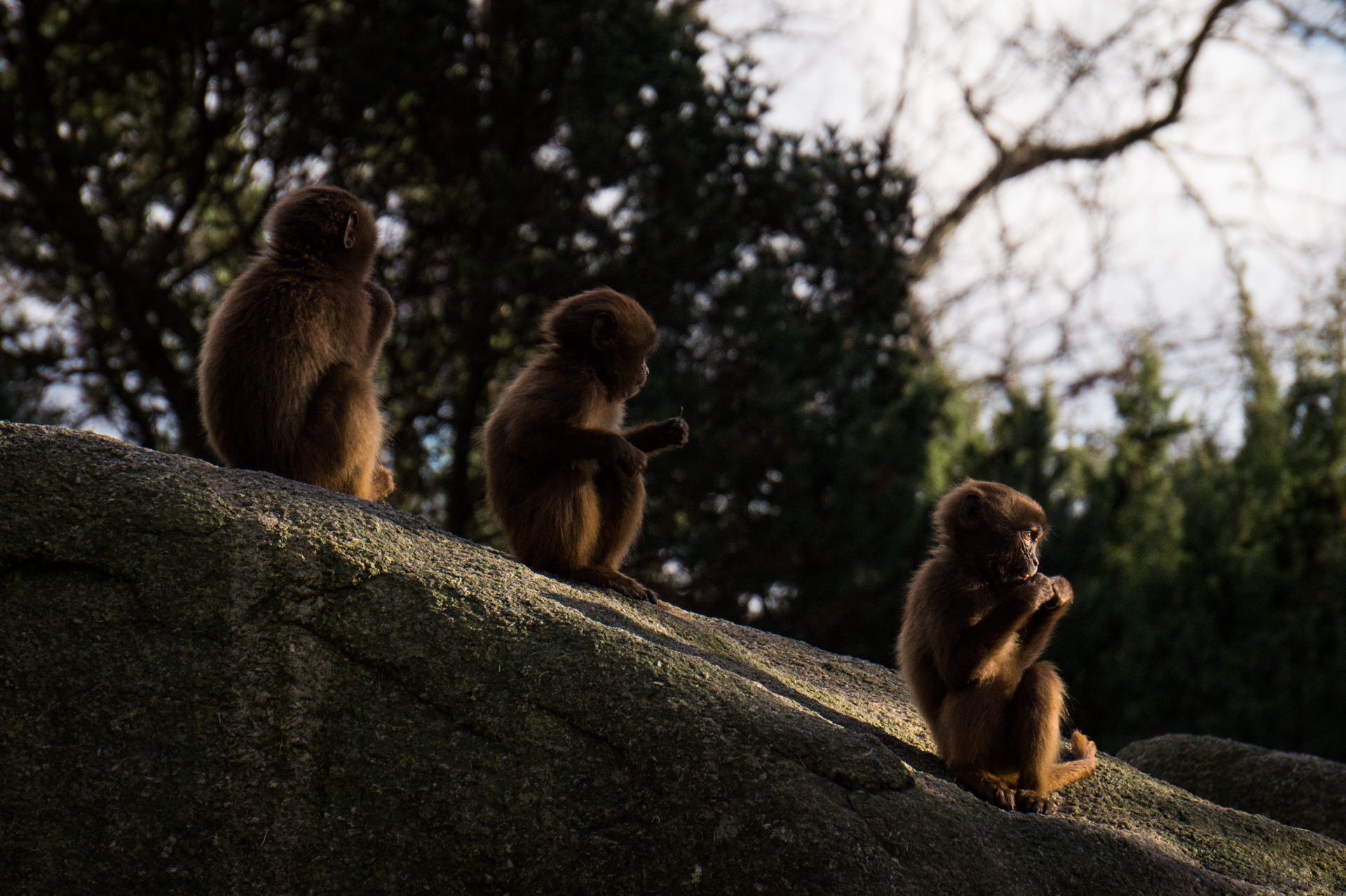
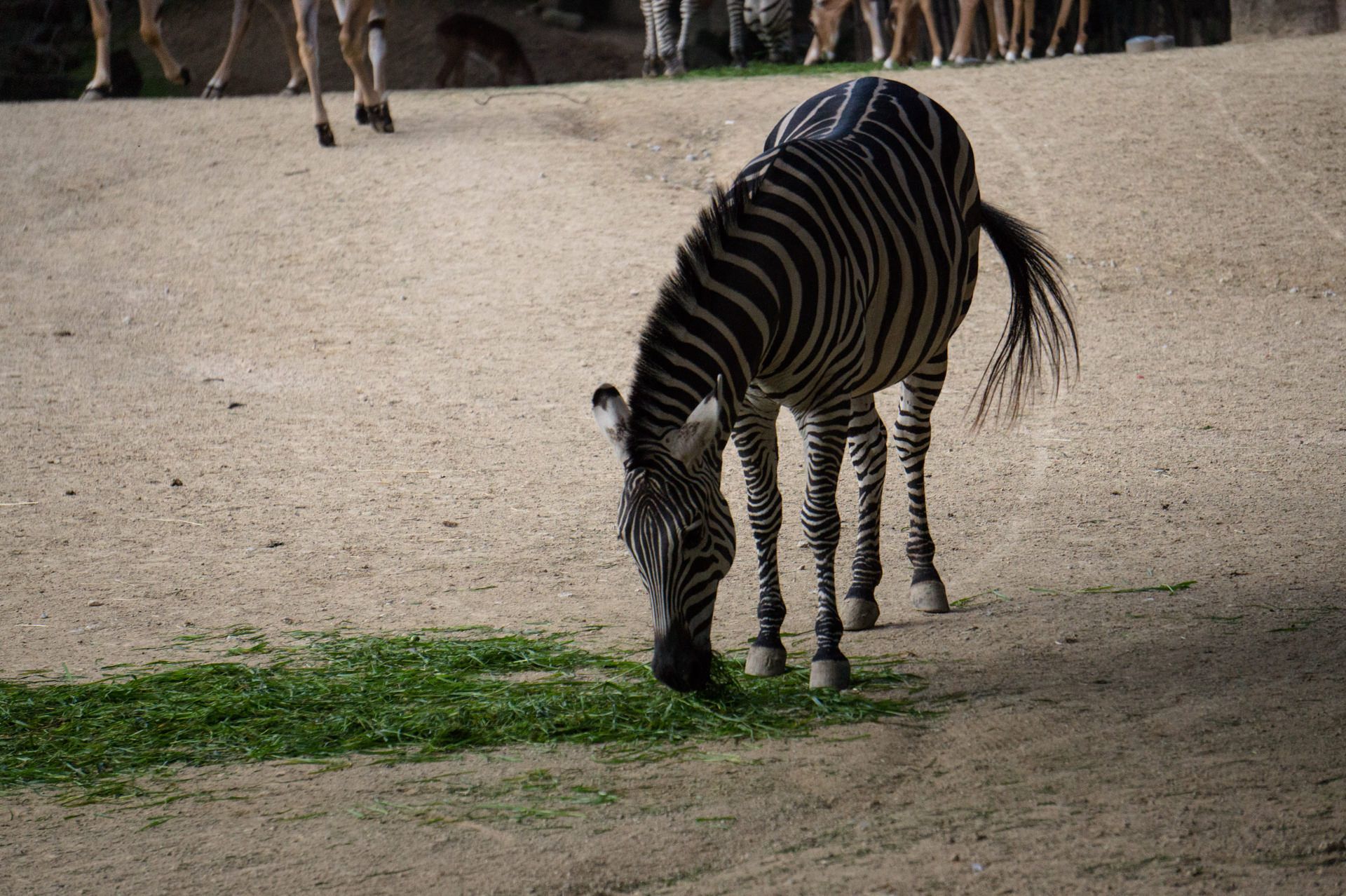
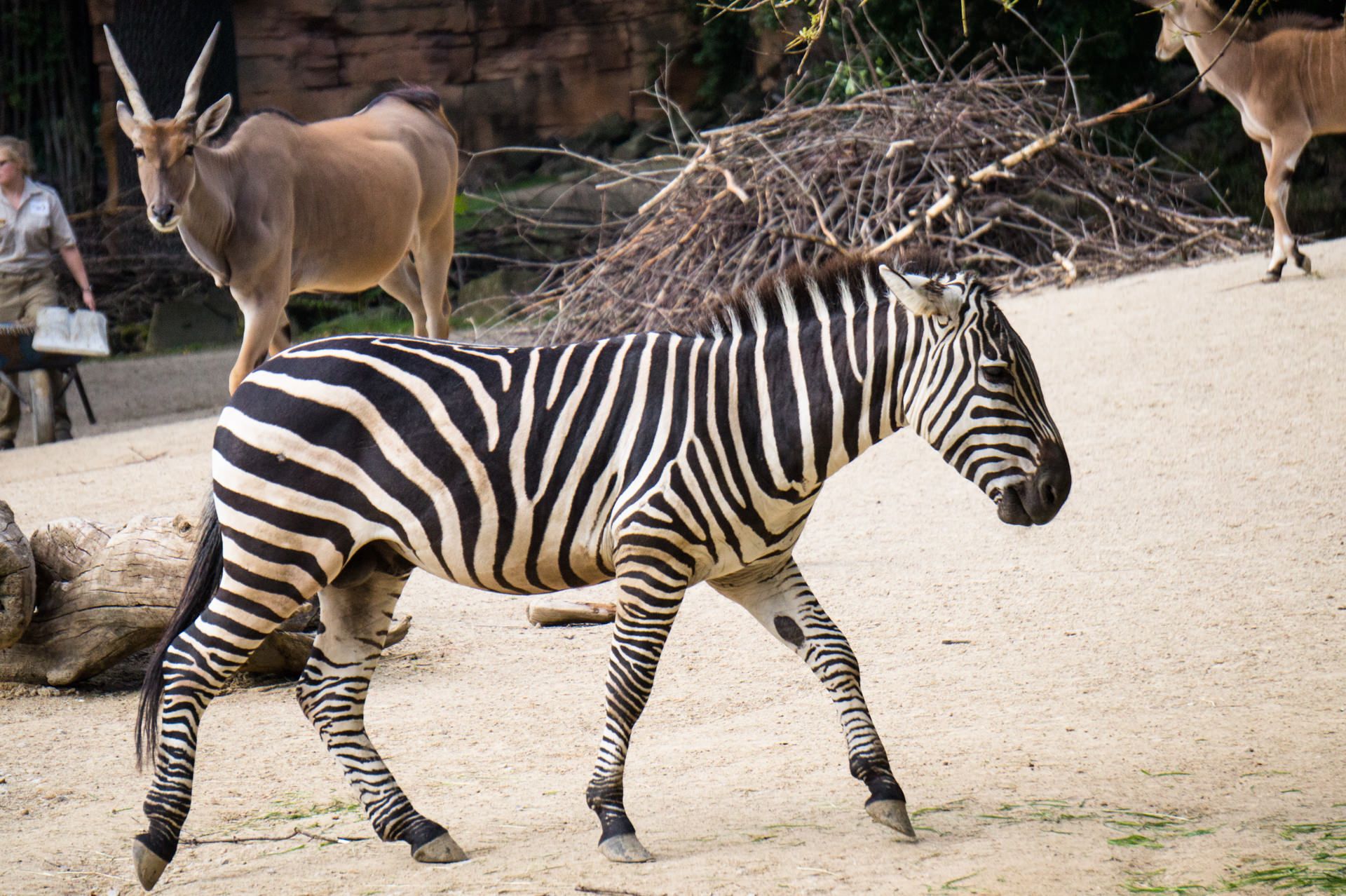
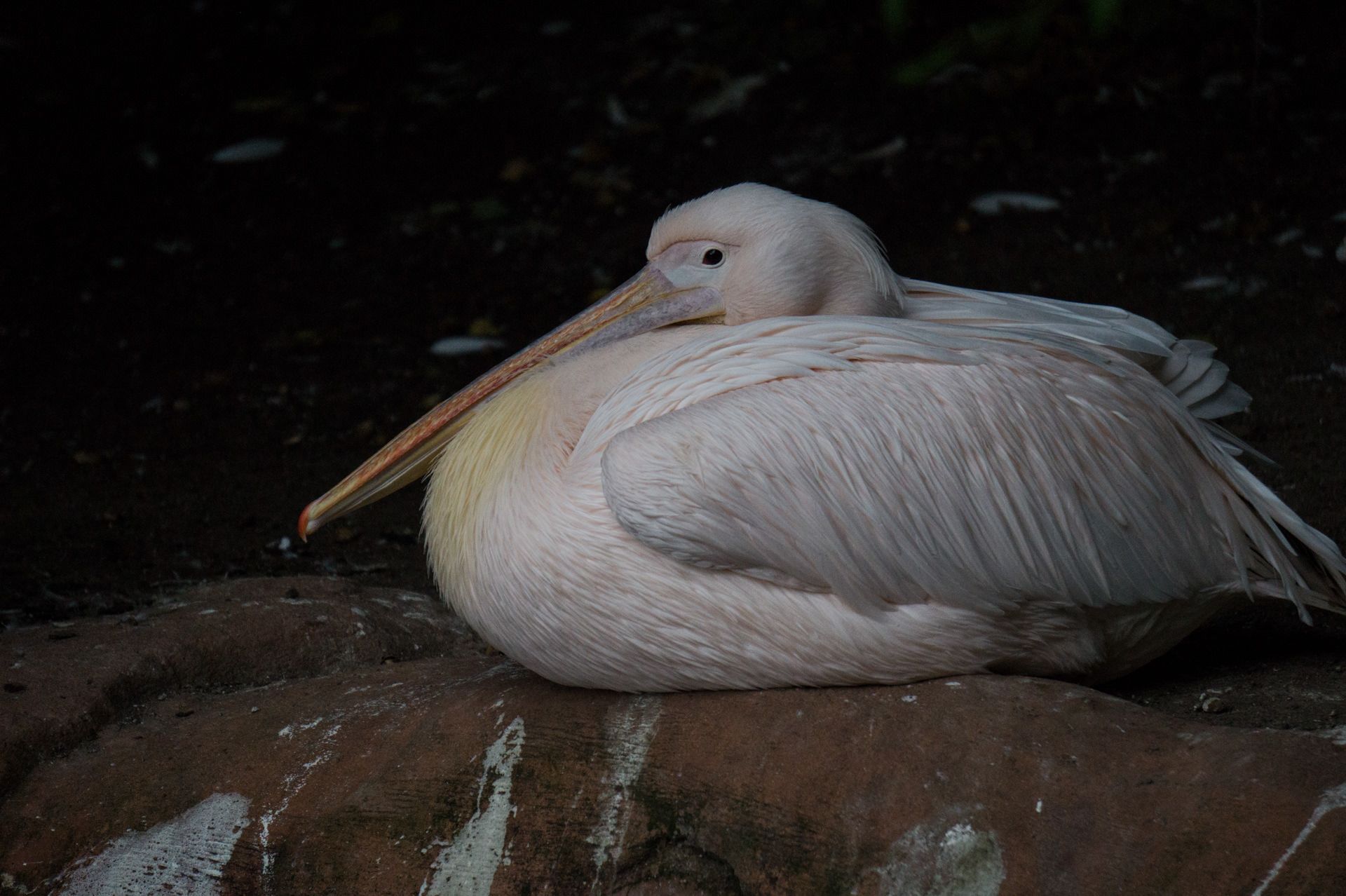
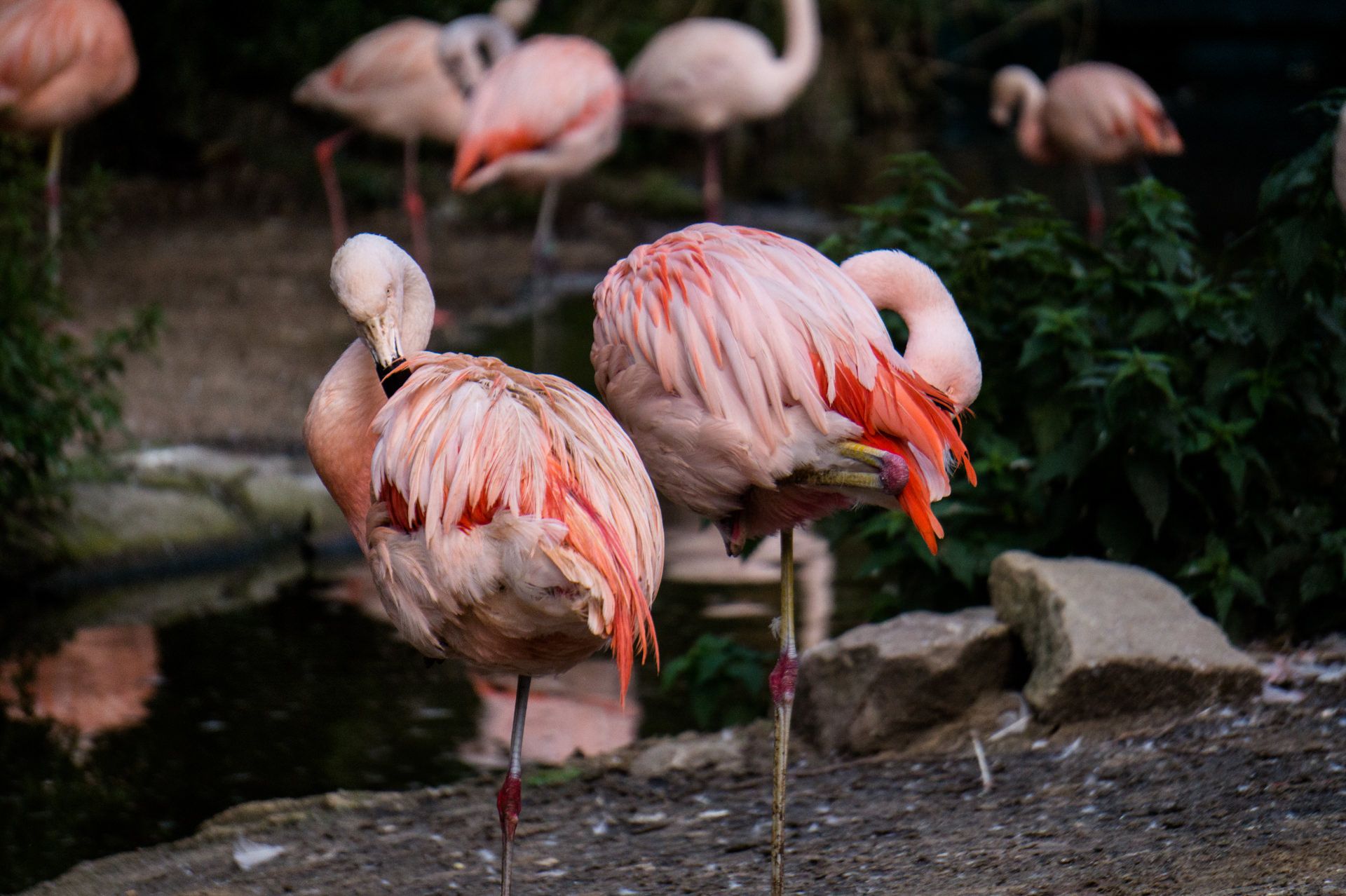
Pictures Wilhelma
Conclusion Wilhelma
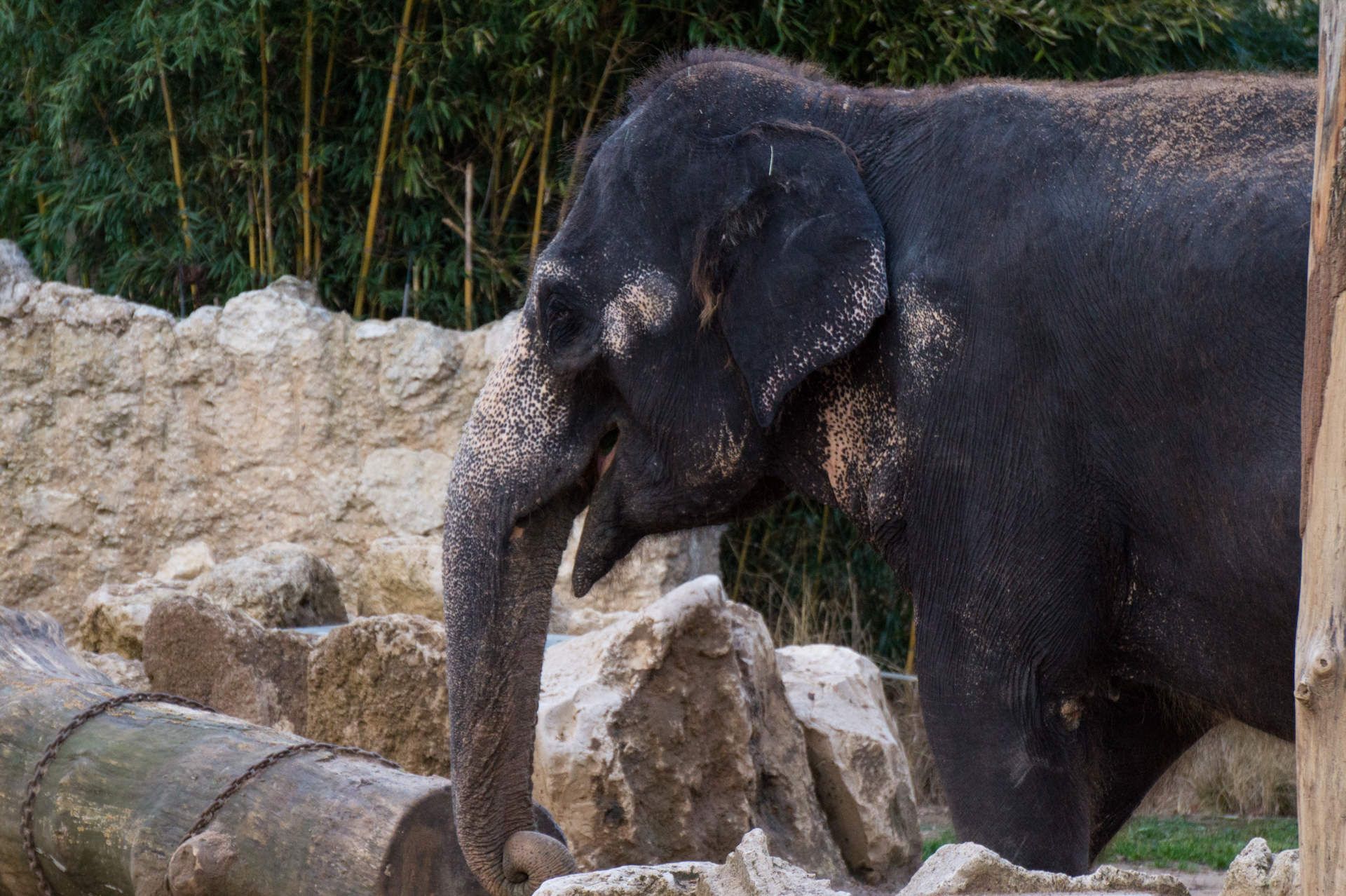
The Wilhelma is a beautiful, albeit slightly confusing park, where you automatic stay slightly longer then expected due to the topographical location of the park. Despite its 2.4 million visitors a year, the gastronomic offer in the park is manageable and nice at the bottom, as well as at the top of the park. In this regard, if you look at the less visited, but outstanding, zoos in Hannover and Hamburg the state is slightly surprising, e.g. the only country-led zoo in Germany seems to be slightly sluggish in the renovation of its old enclosures. On the other hand, the entrance fee to Wilhelma is favorable, which is why a visit to Germany’s second species-richest zoo is worthwhile.
 

What is your opinion about the Stuttgart Zoo Wilhelma?  Just write it in the comment field below the report or visit our social media channels:


Erlebnis-Zoo Hannover


Animal Park:Erlebnis-Zoo Hannover (since 1996)
Zoo Hannover (? - 1995)
Zoologischer Garten Hannover (1865 - ?)
Address:Adenauerallee 3
30175 Hannover
https://www.zoo-hannover.de/de
Operated by:Region Hannover

Erlebnis-Zoo Hannover in the centre of Hanover in Lower Saxony is one of the biggest and most important animal parks in Germany. The park was founded in 1865 and was operated as a traditional zoo with small sized enclosures till the ’90s. In regard of the upcoming world exposition Expo 2000, the park changed its face and created some of the most unique themed areas and enclosures.
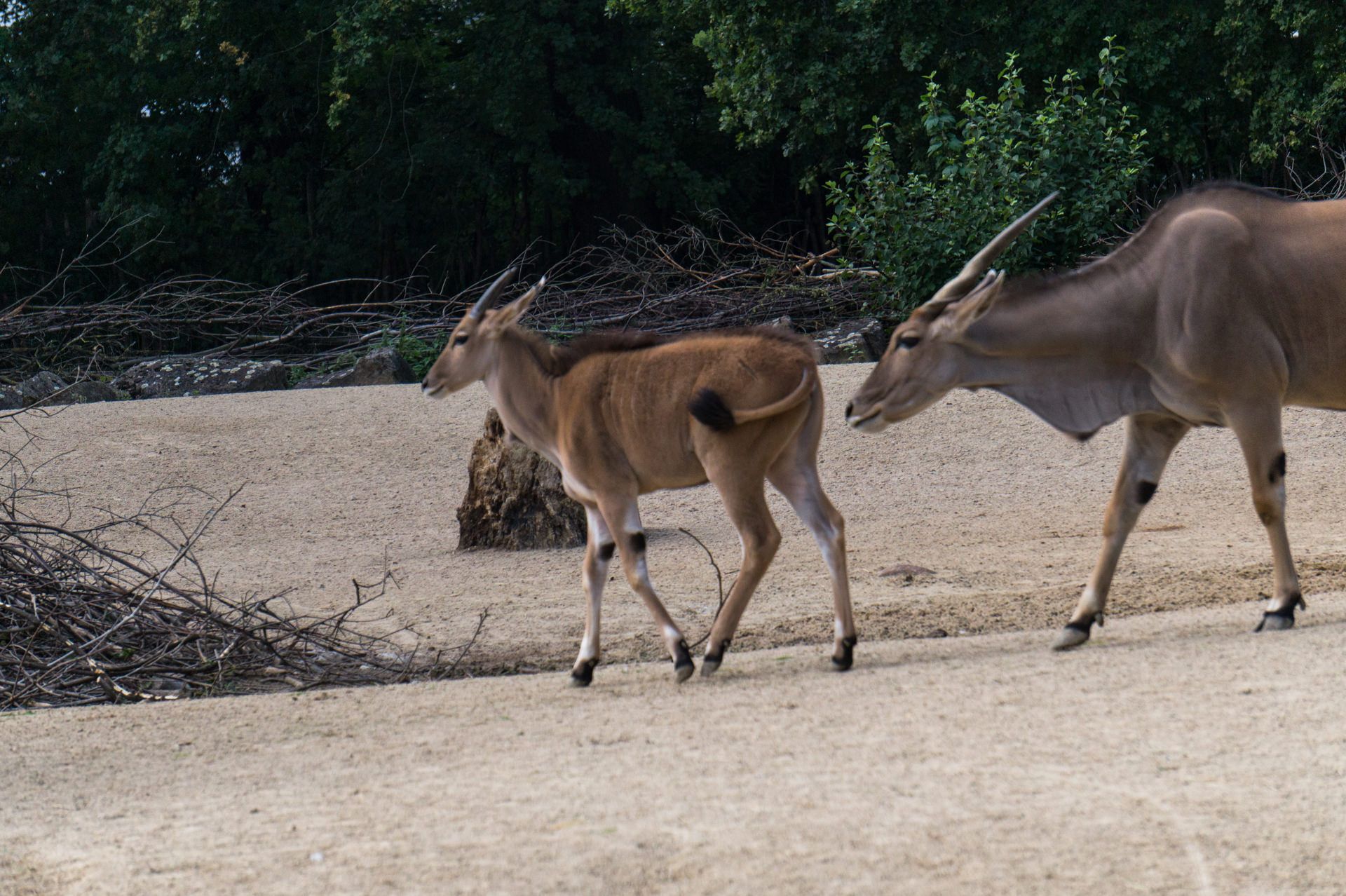
The zoo offers a wide range of animals shown in seven beautiful themed areas. The enclosures of the animals are typically large and species-appropriate. The park also offers a variety of attractions and shows, which are all included in the park admission.


Highlights of the Animal Park


Animals


Gorillaberg

The Mountain of the Monkeys


Animals


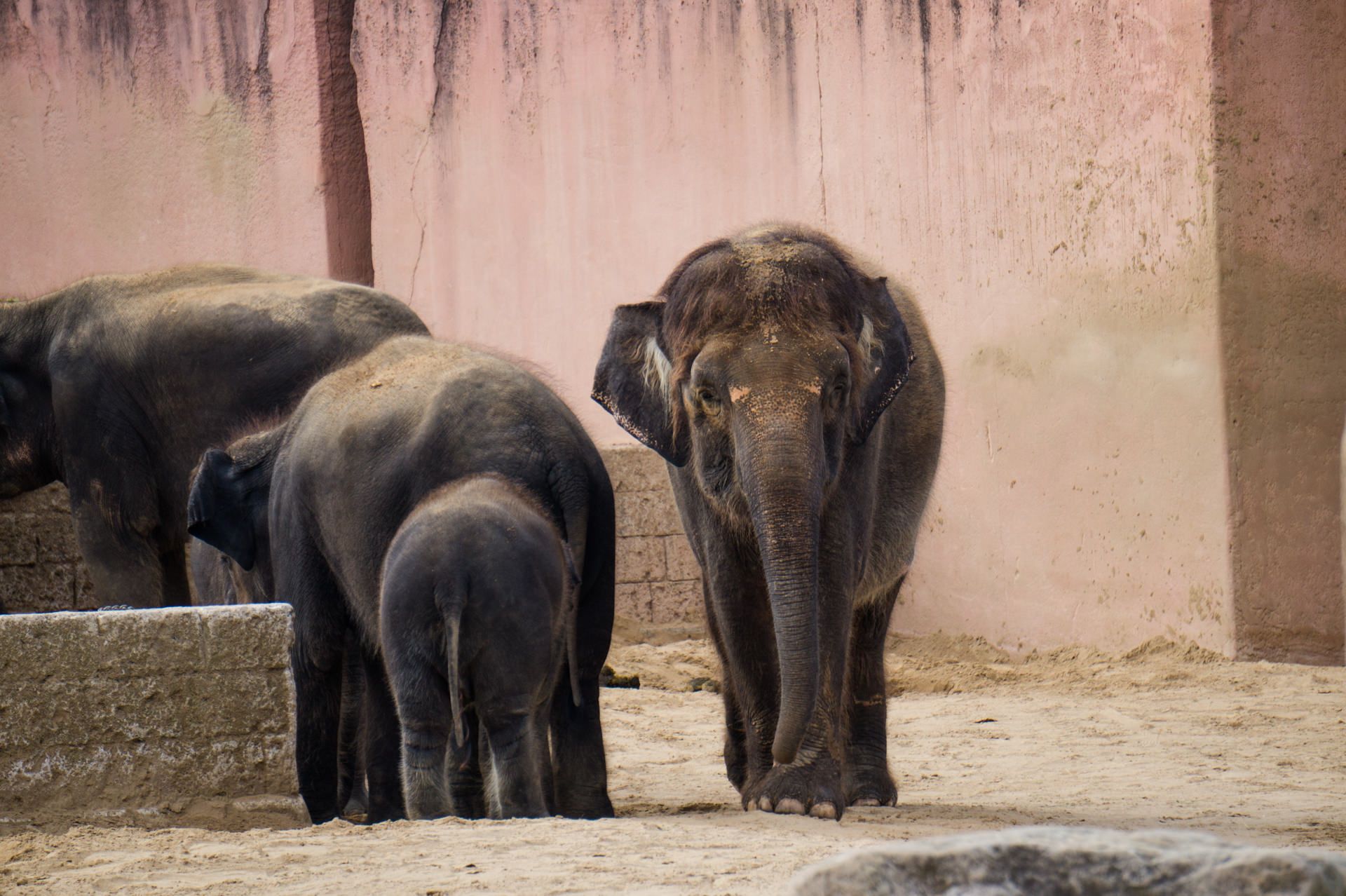
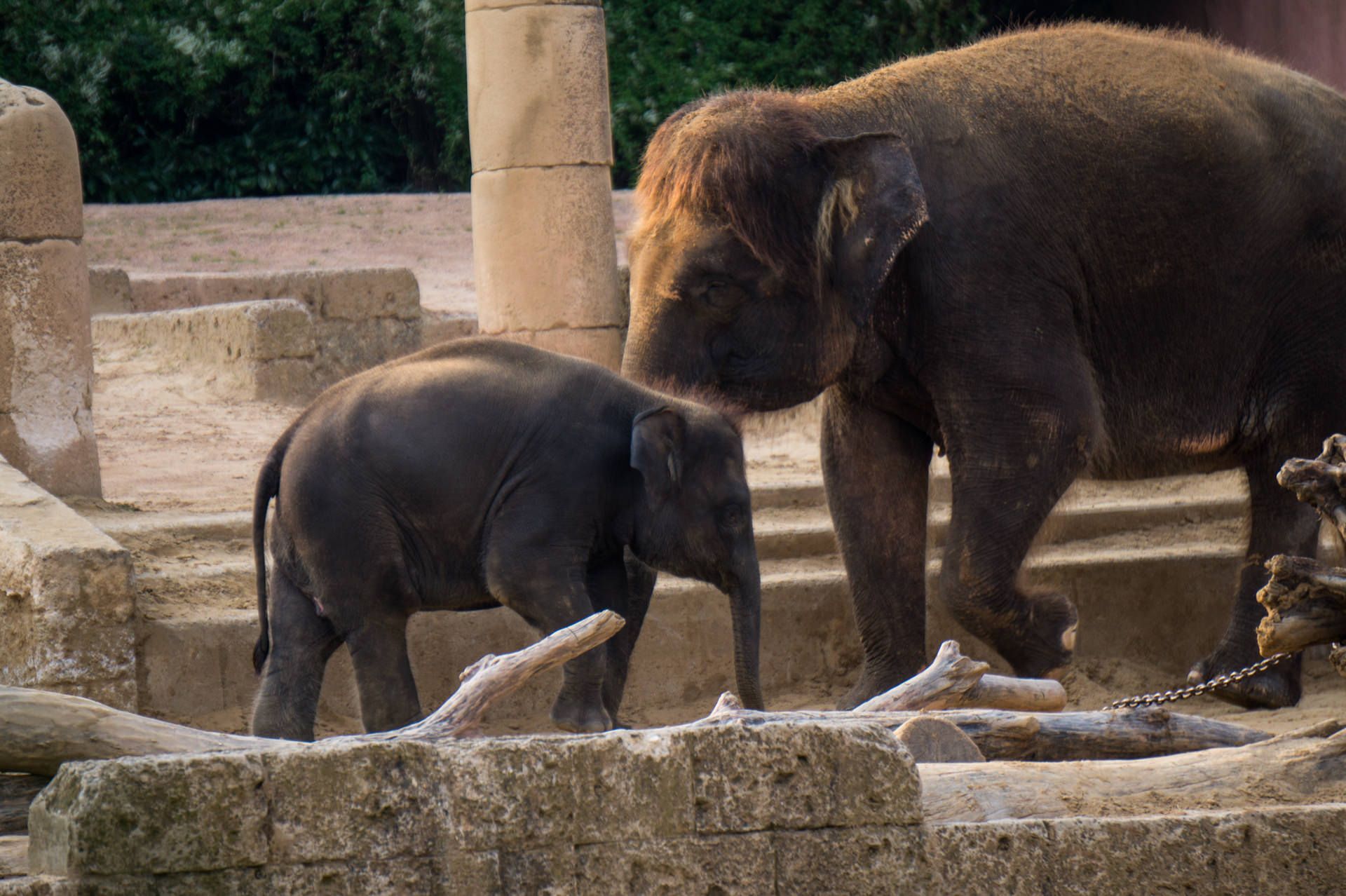
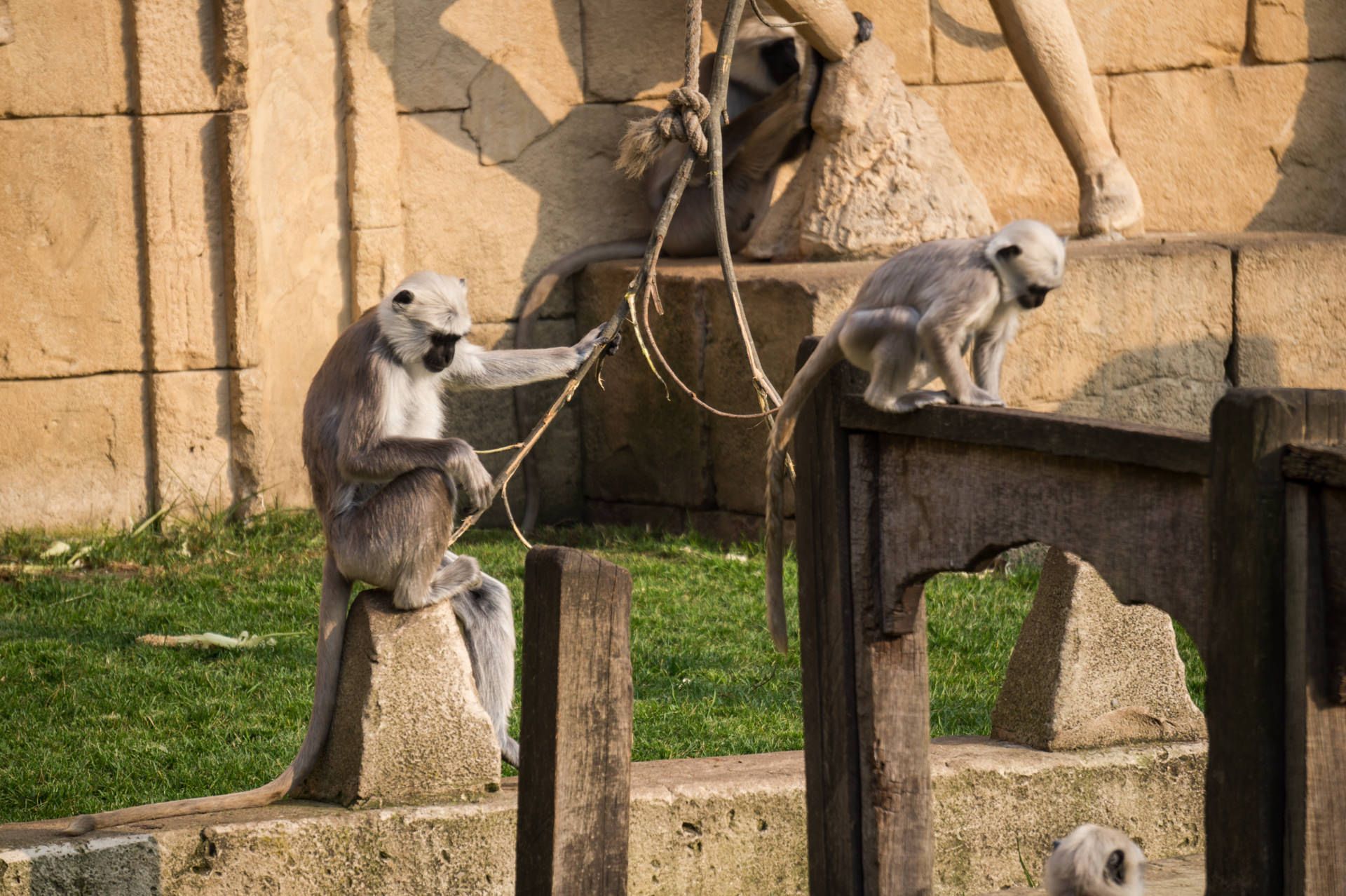
Indischer Dschungelpalast

A very exotic area


Animals


Meyers Hof

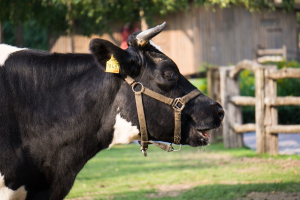
Home to many farm animals


Erlebnis-Zoo Hannover
 

Mullewapp

A great children’s area


Animals


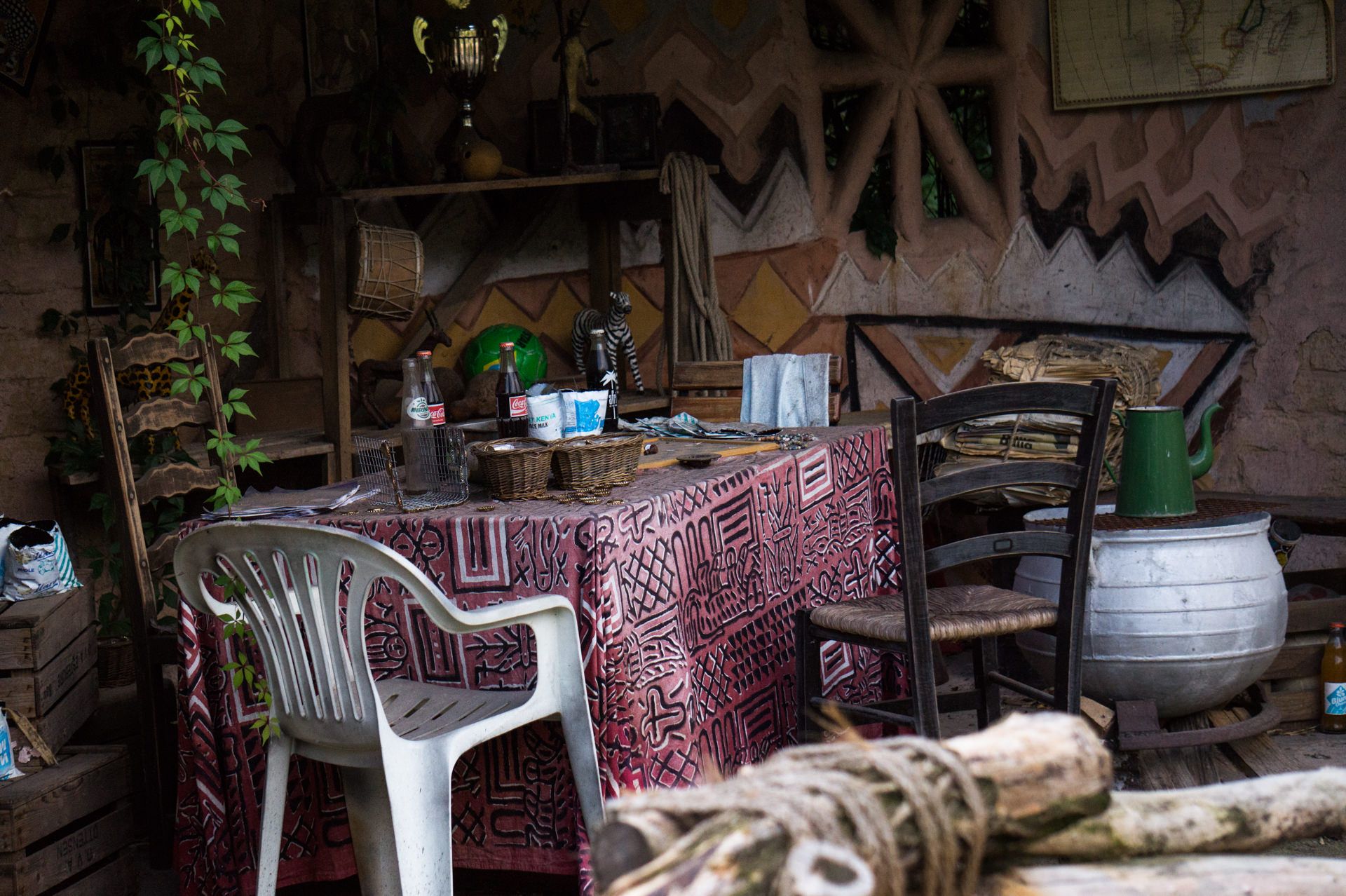
Sambesi

Deep in Africa


Animals


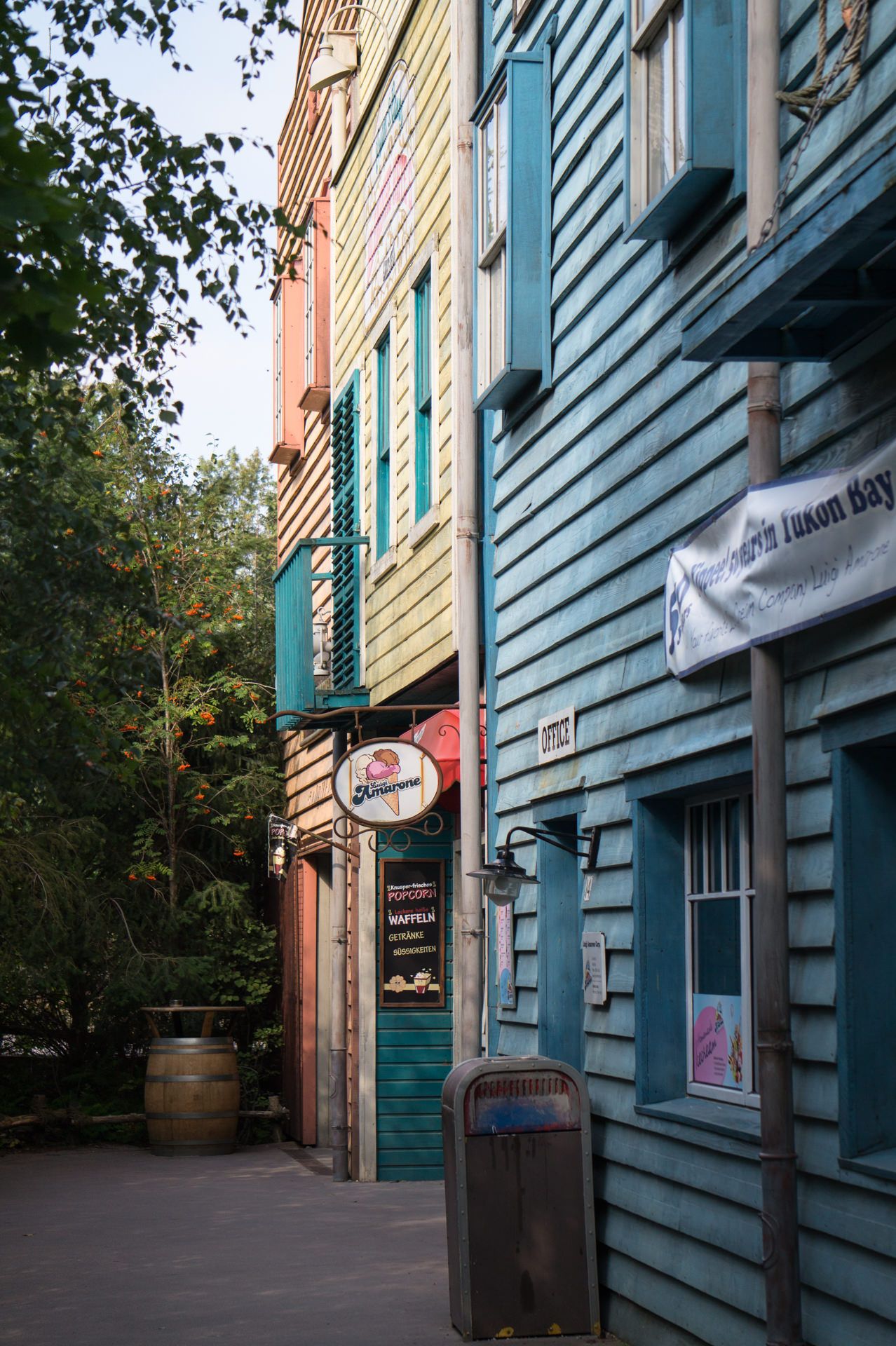
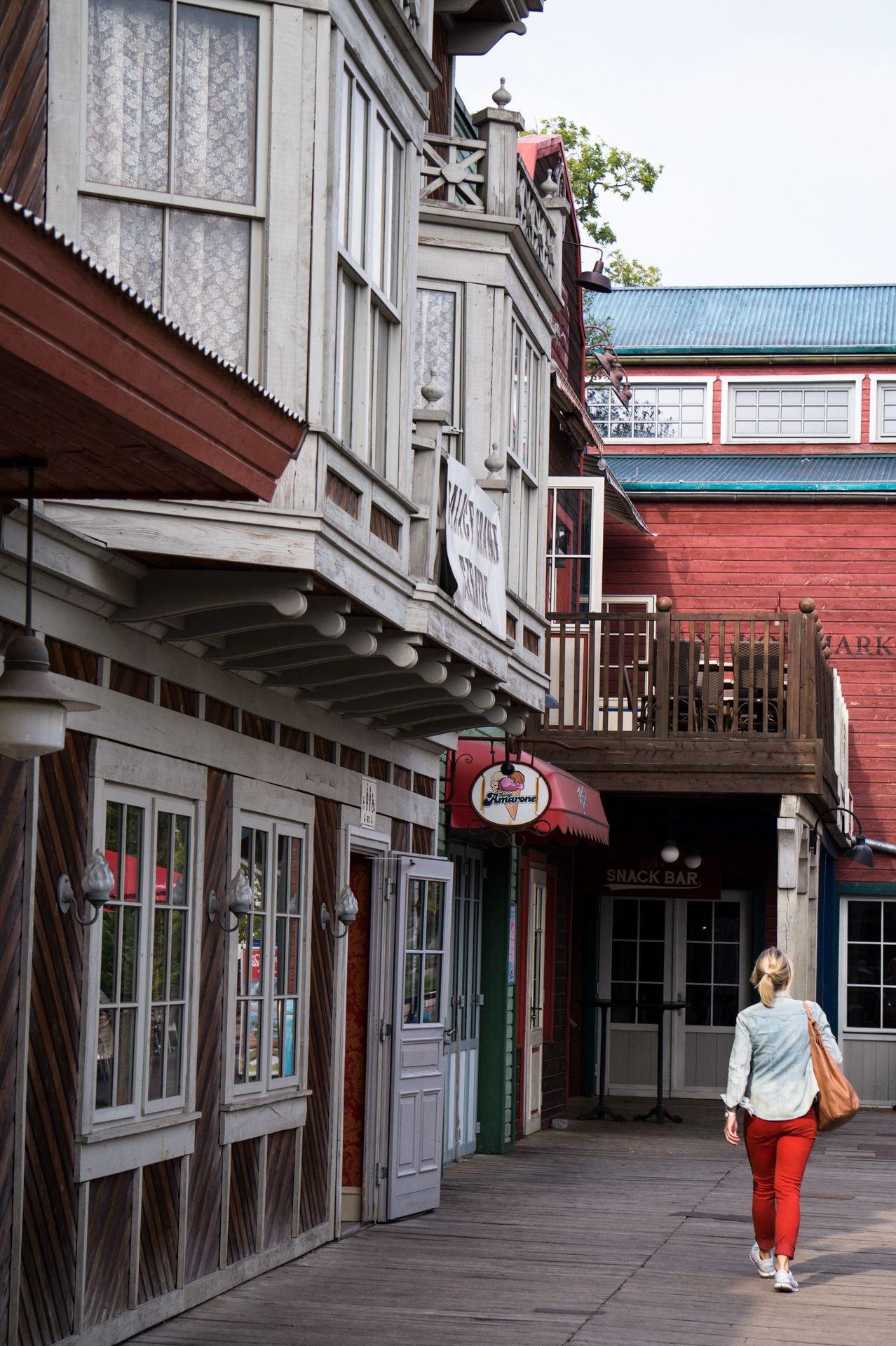
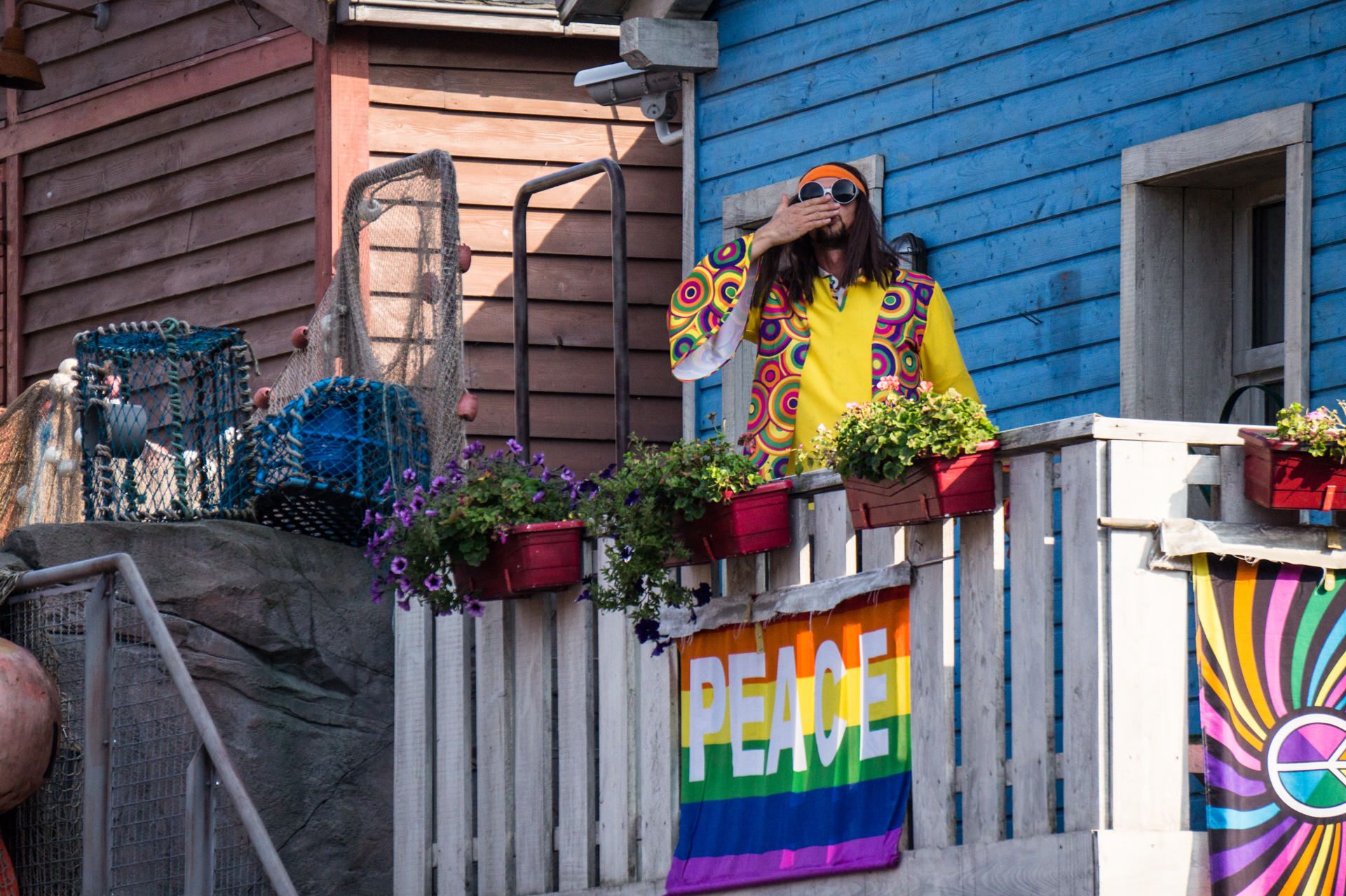
Yukon Bay

Probably the most beautiful themed area


On Expedition through the Erlebnis-Zoo Hannover
History of the Erlebnis-Zoo Hannover
On May 4, 1865, the Zoological Garden Hanover was founded. In the period of now more than 150 years, the fifth oldest zoo in the Federal Republic experienced many ups and downs. From 1922-1924 the park was closed due to financial difficulties and reopened only on concerns of a citizens’ initiative. Through private involvement of the Alfeld based animal trading company Ruhe, the zoological garden developed more and more into a showcase of the company, before the zoo went into the possession of the city of Hannover in the early 70s. Visitor records and breeding successes determined this time, before it went down rapidly with the very conventionally operated zoo in the early 90s.

A new beginning was needed, which is why the animal park was sold symbolically in the first instance to the municipal association Greater Hannover, ie to the Hanover region. Reorganized as a limited liability company, the company benefited massively from the approaching World Exposition in the year 2000 and, being the first zoo in the country, gave up its long-established and discredited way of animal husbandry. The theme areas Zambezi, Gorilla Mountain, Meyer’s Farm and the Indian Jungle Palace have been shaping and shaping the image of the Erlebnis-Zoo Hannover since then.
A visit to the Erlebnis-Zoo

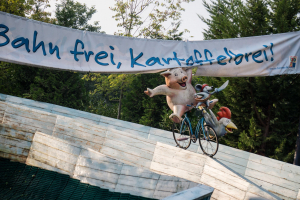
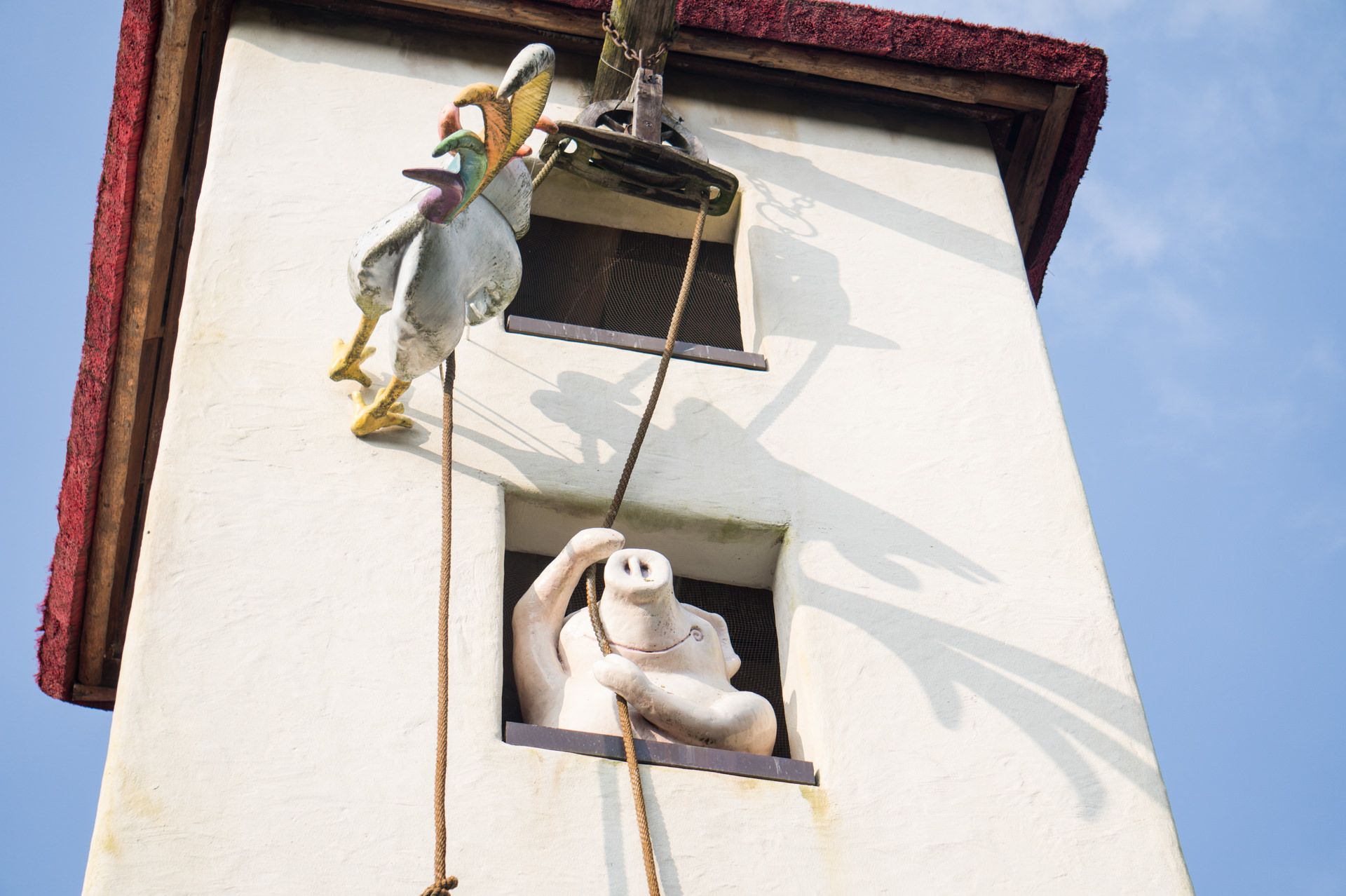
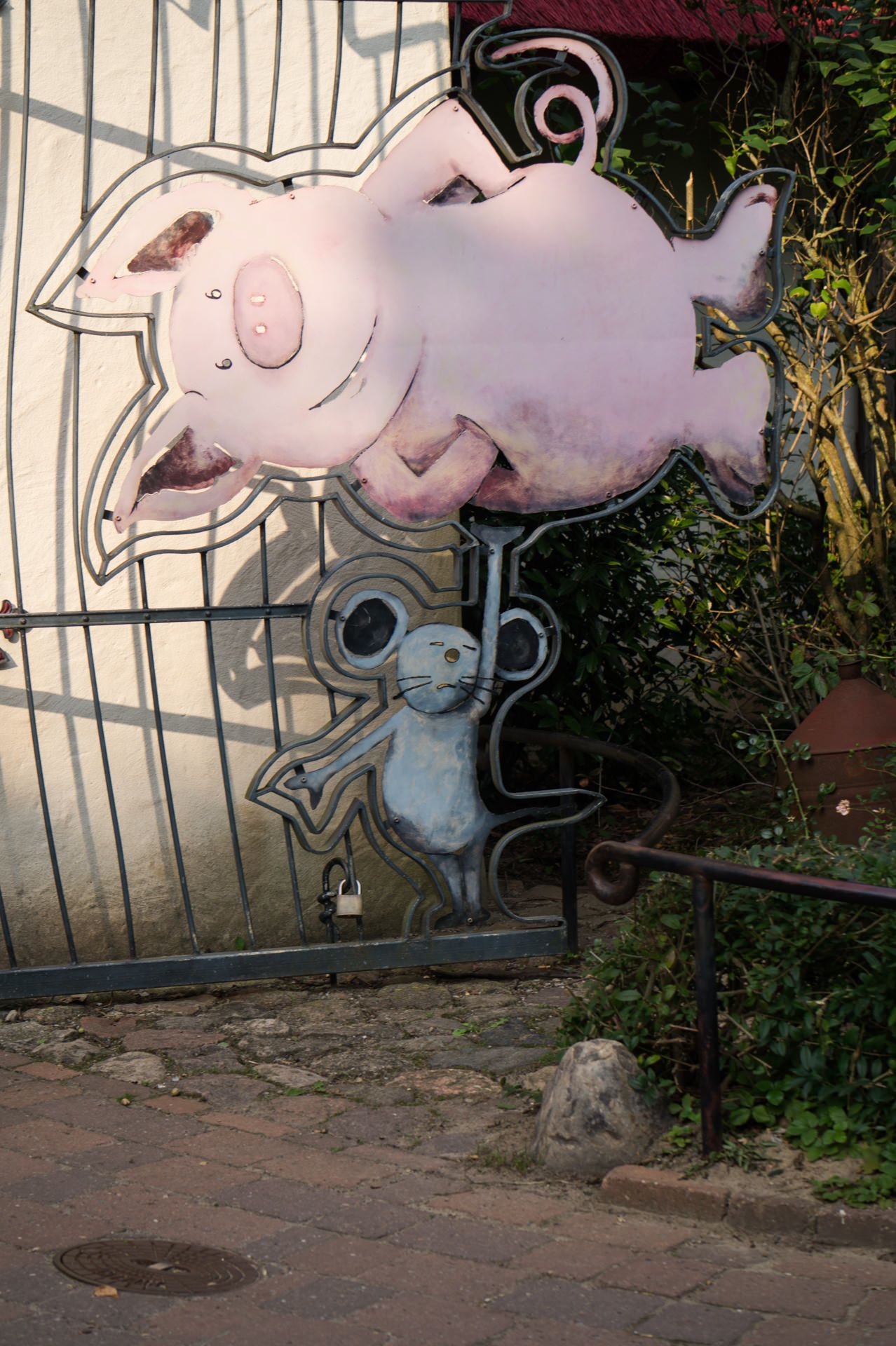
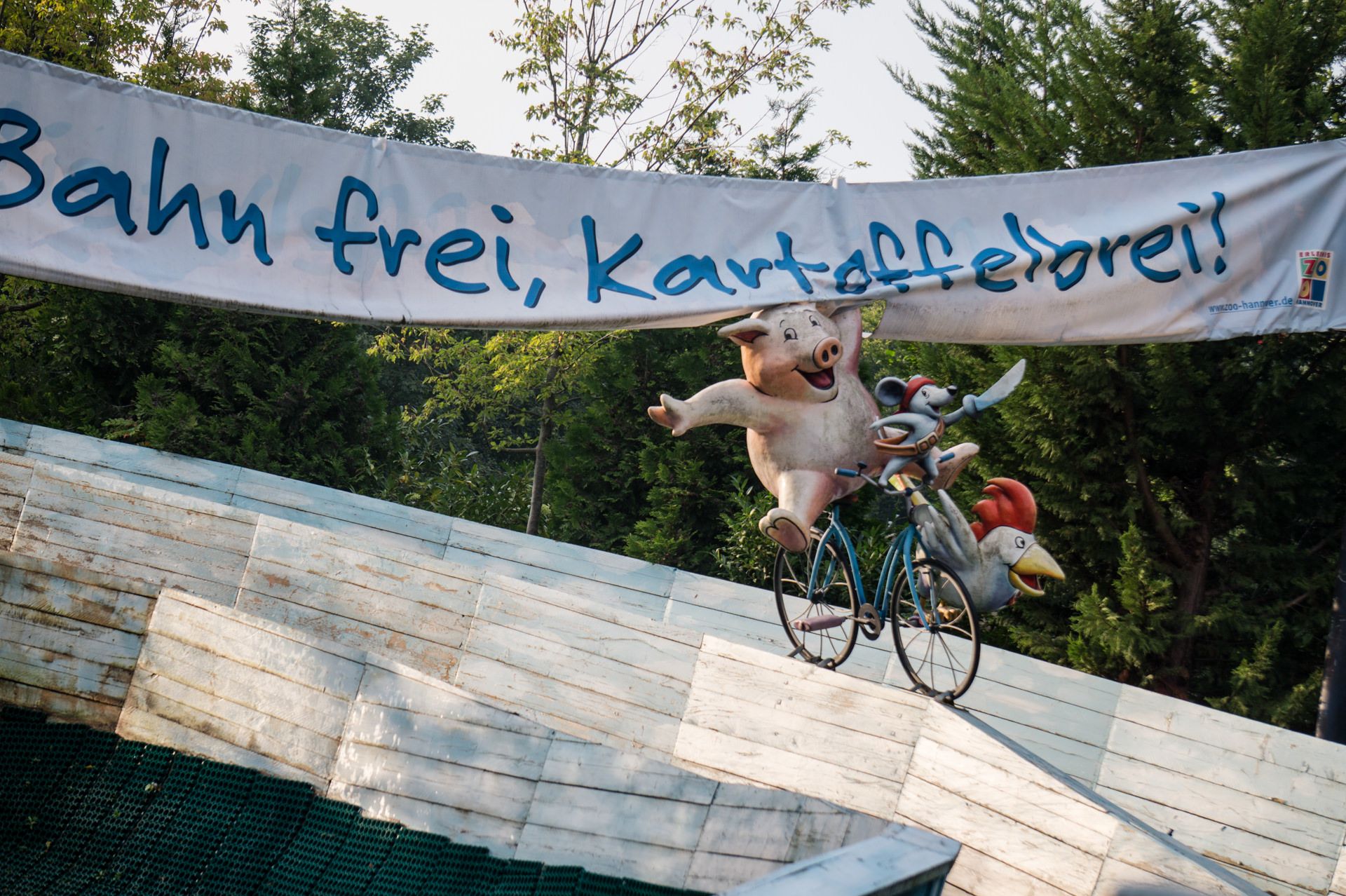
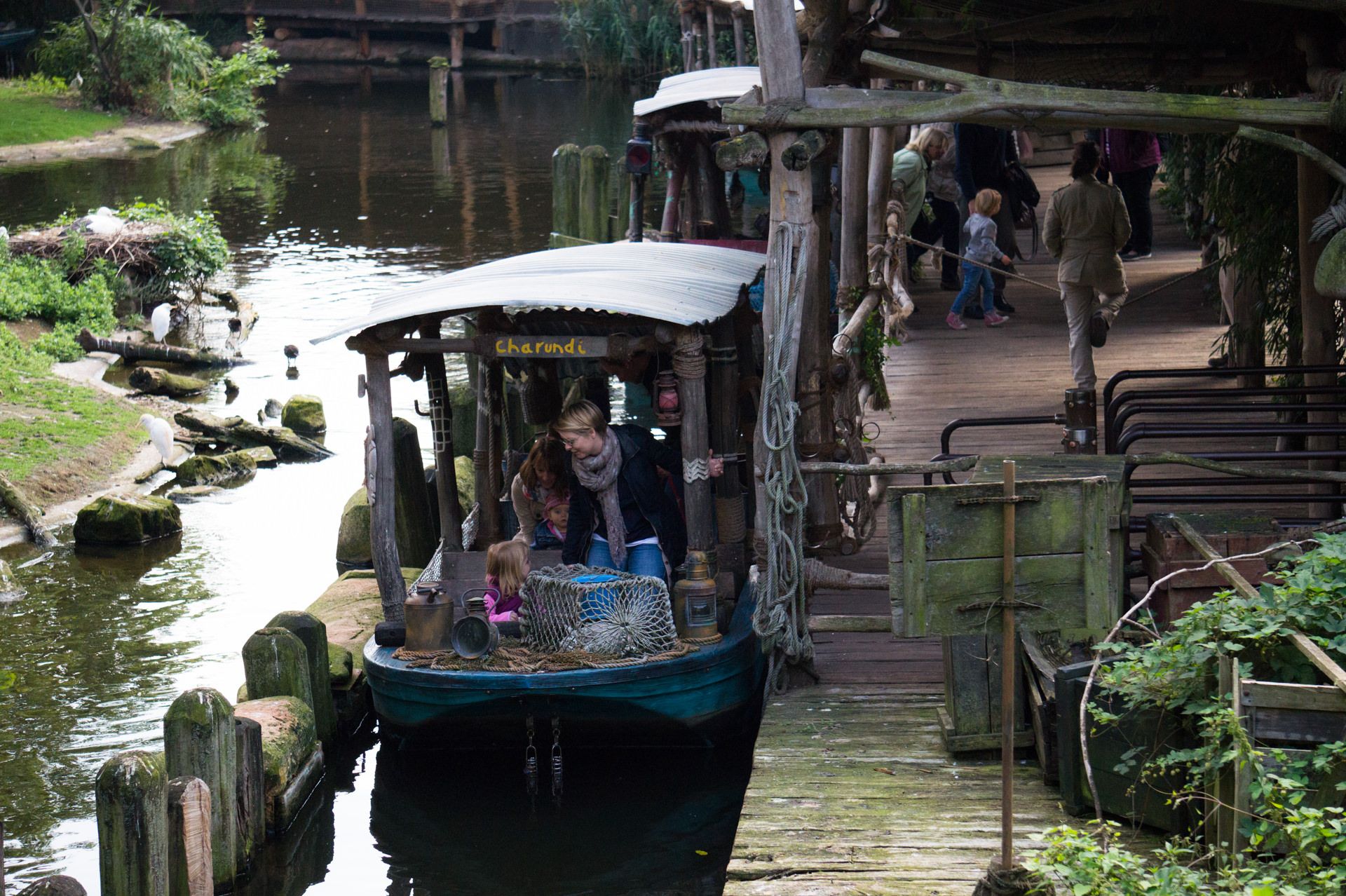
As a native Hanoverian, I grew up with the Erlebnis-Zoo Hannover. I even spent a week with my primary school at the zoo, trying to ride the Sambesi boat ride (a tow boat ride by Intamin) over and over again; the rest of the time, we spent at the amazing playground. In  Northern Germany, a good animal park is typically characterised by the size of its playground and this one was meaningfully upgraded in 2007 by the integration of the figures Johnny Mauser, Franz von Hahn and the thick Waldemar from the children’s book Freunde by Helme Heine. The Mullewapp area also has three summer tubing lanes, which are included in the entrance fee.

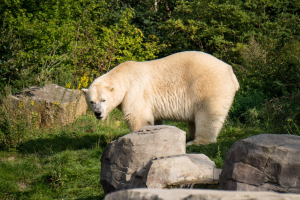
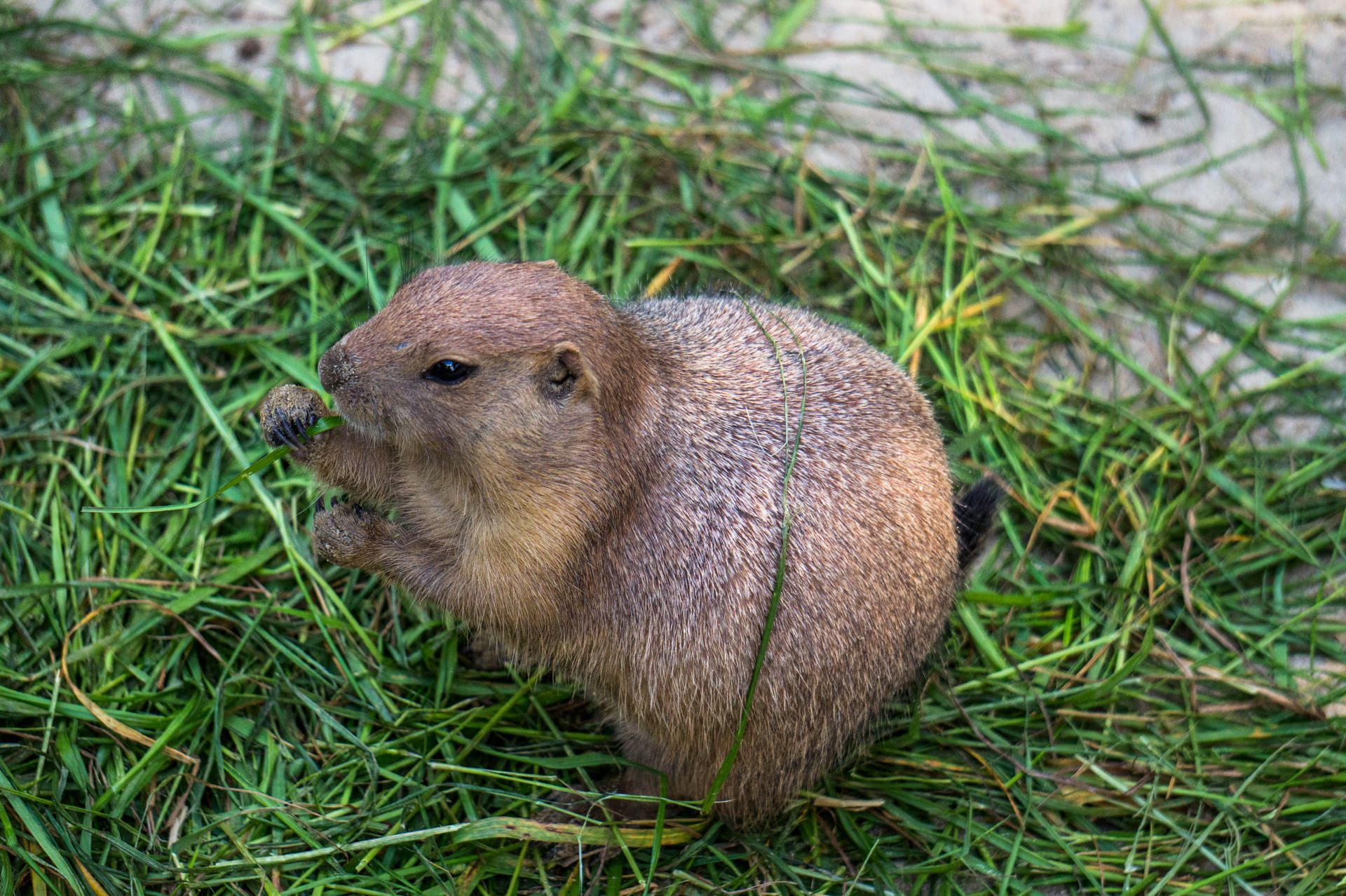
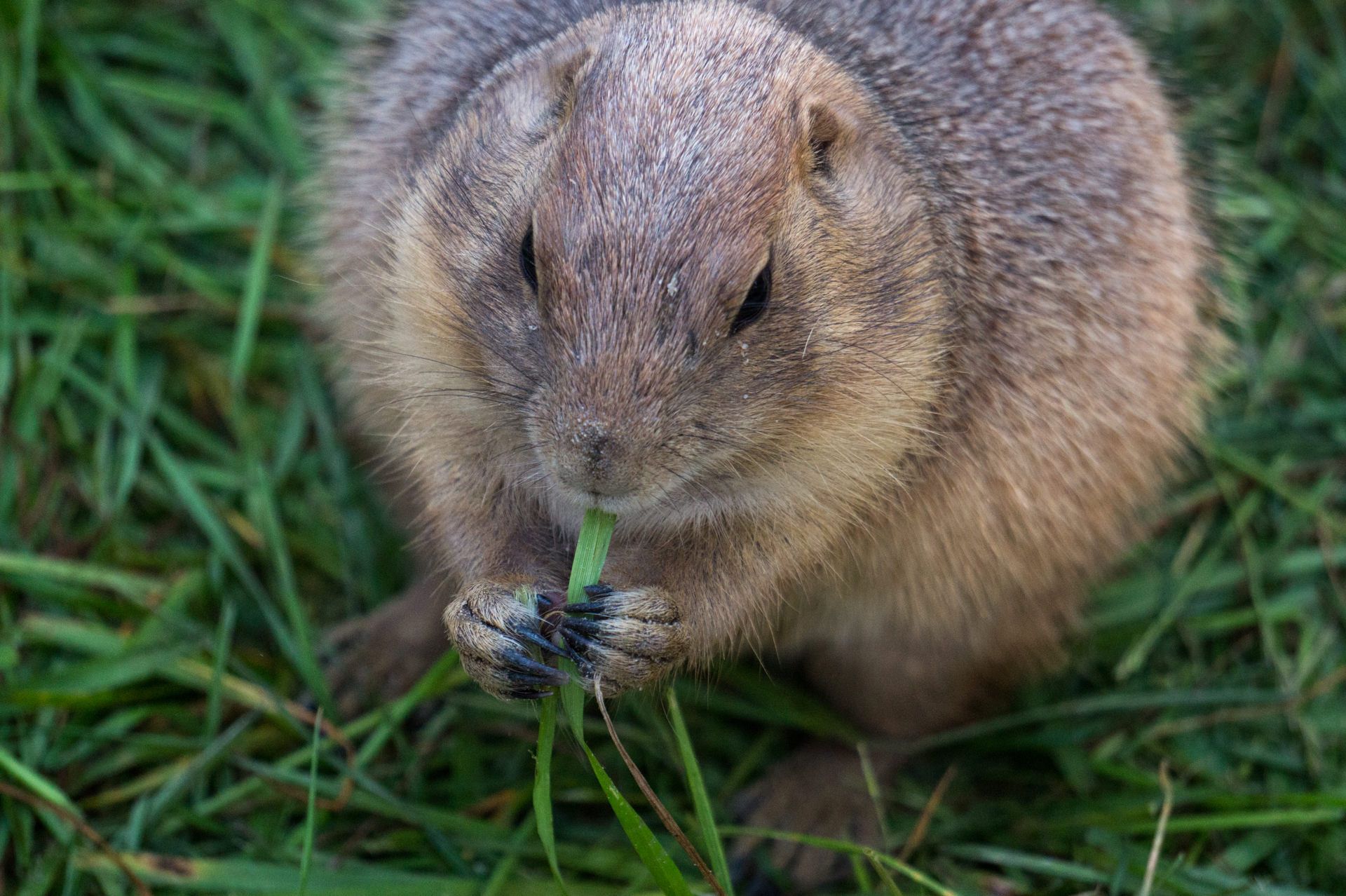
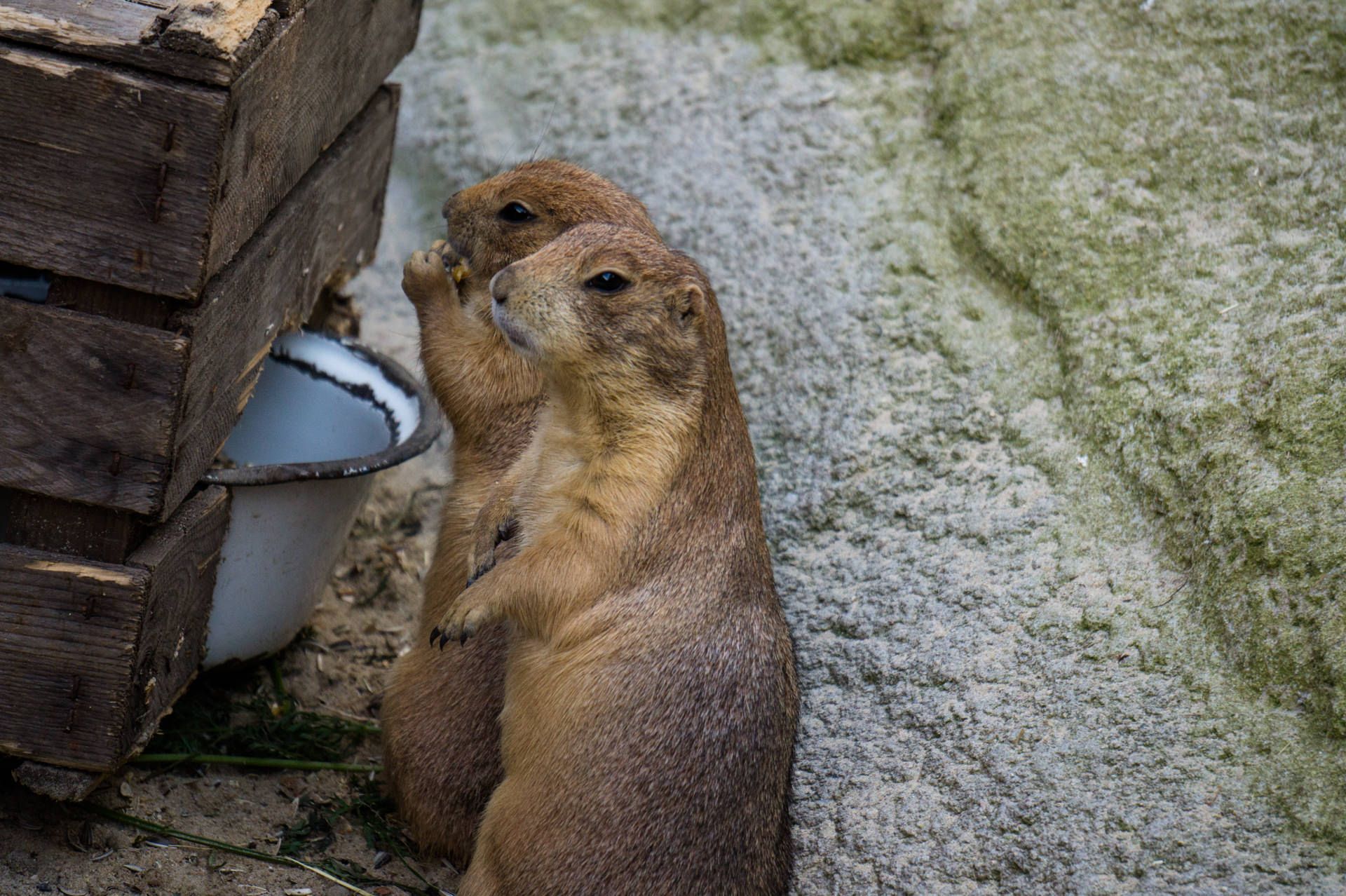
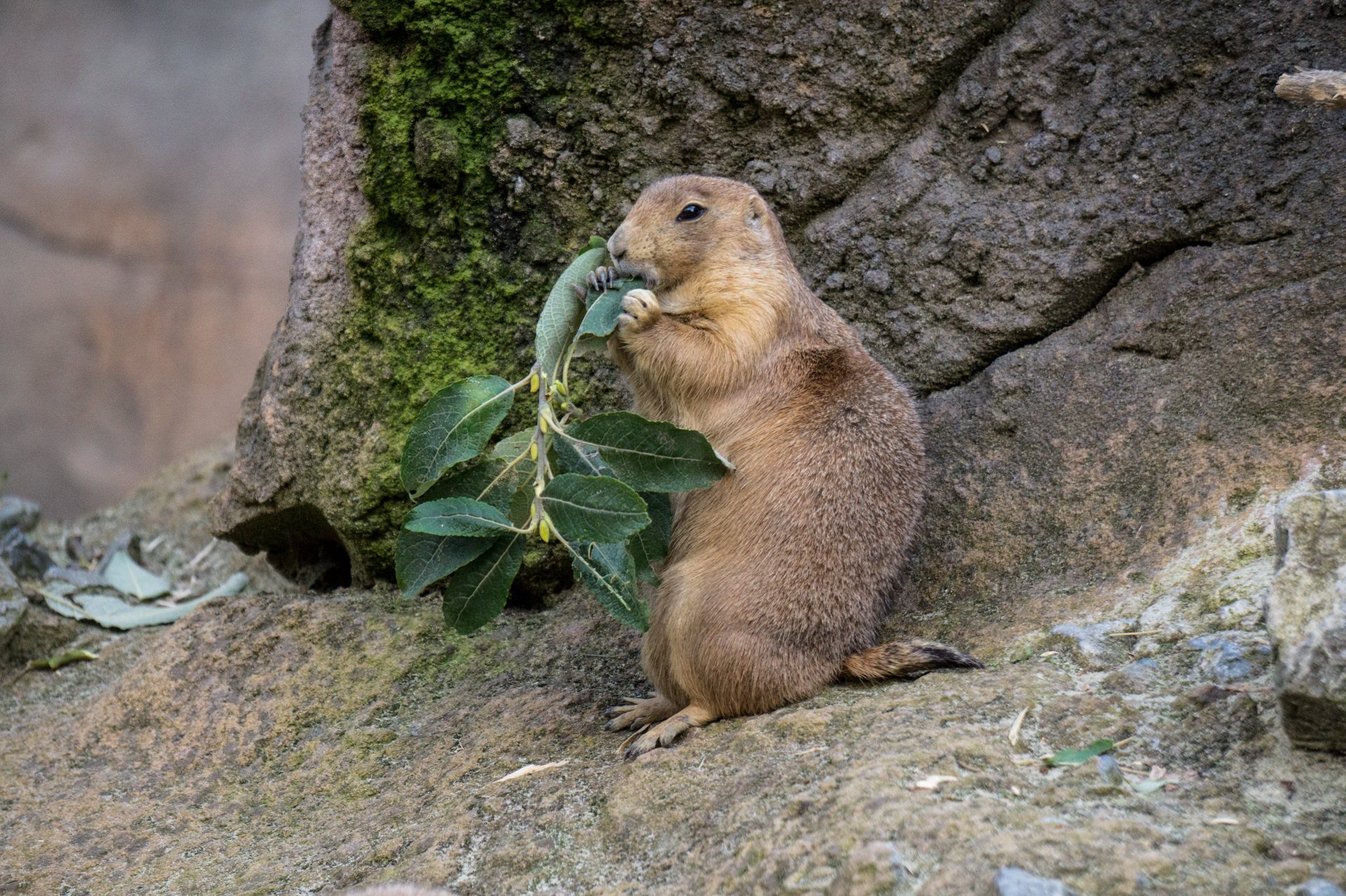
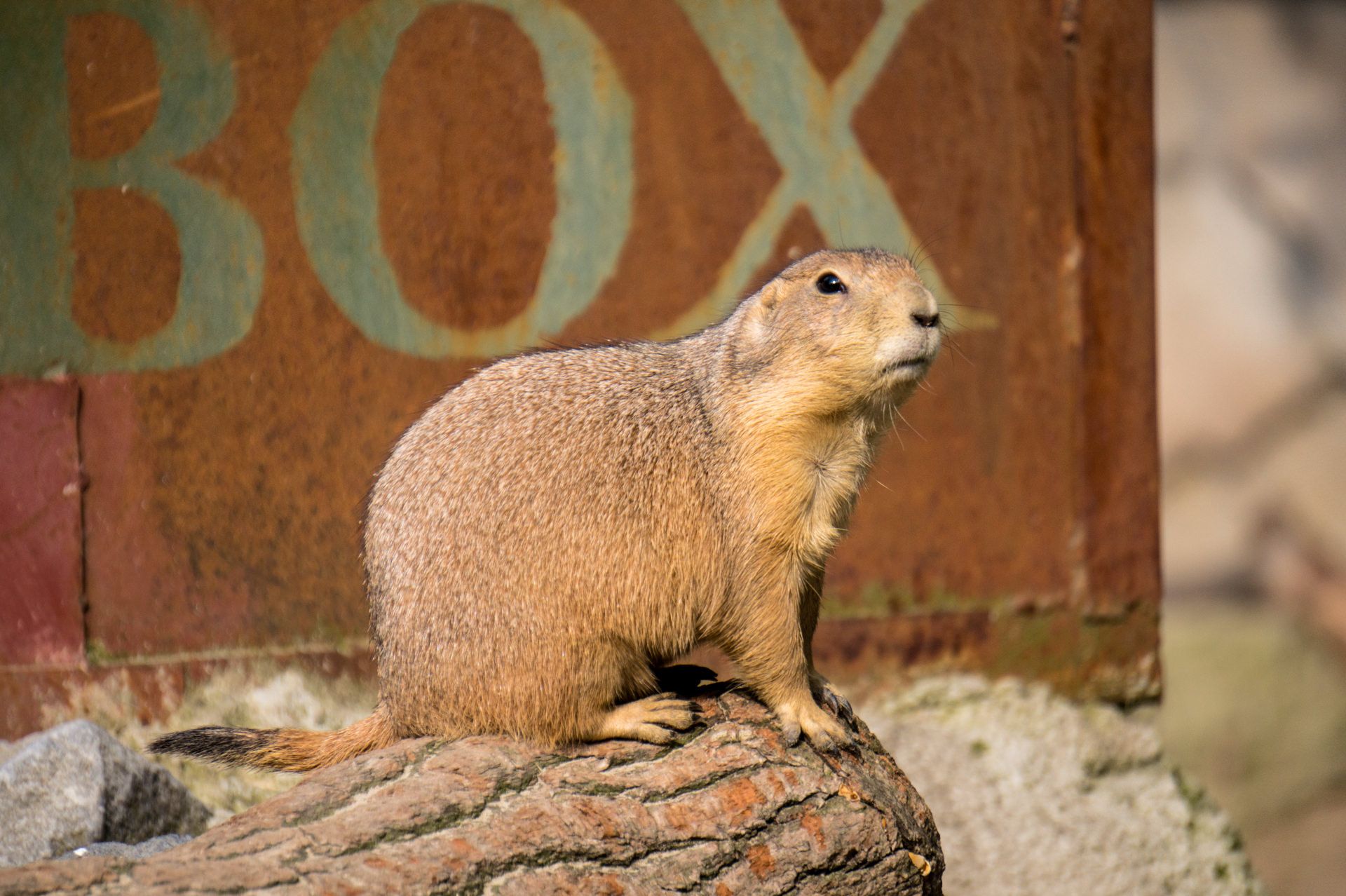
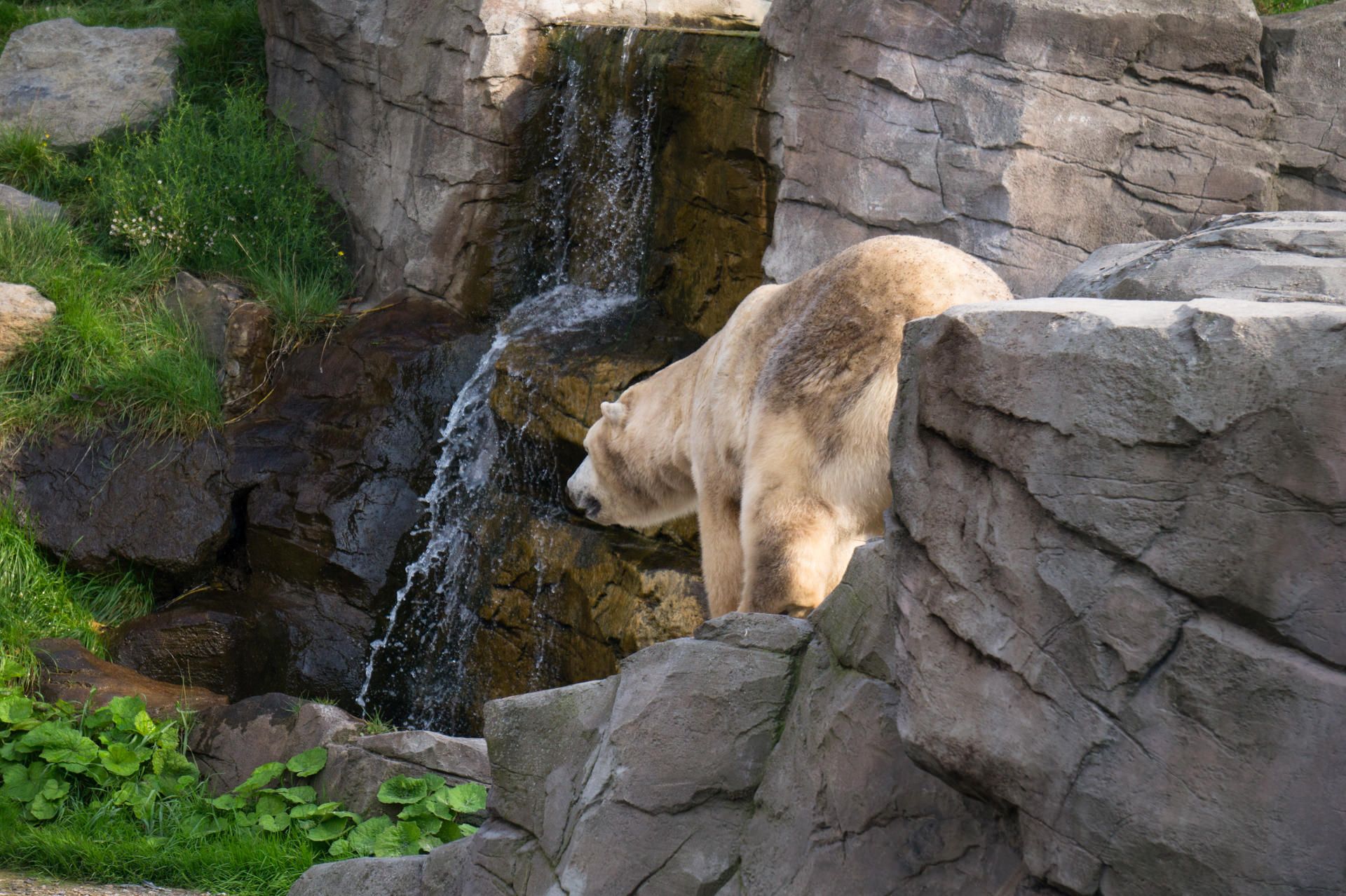
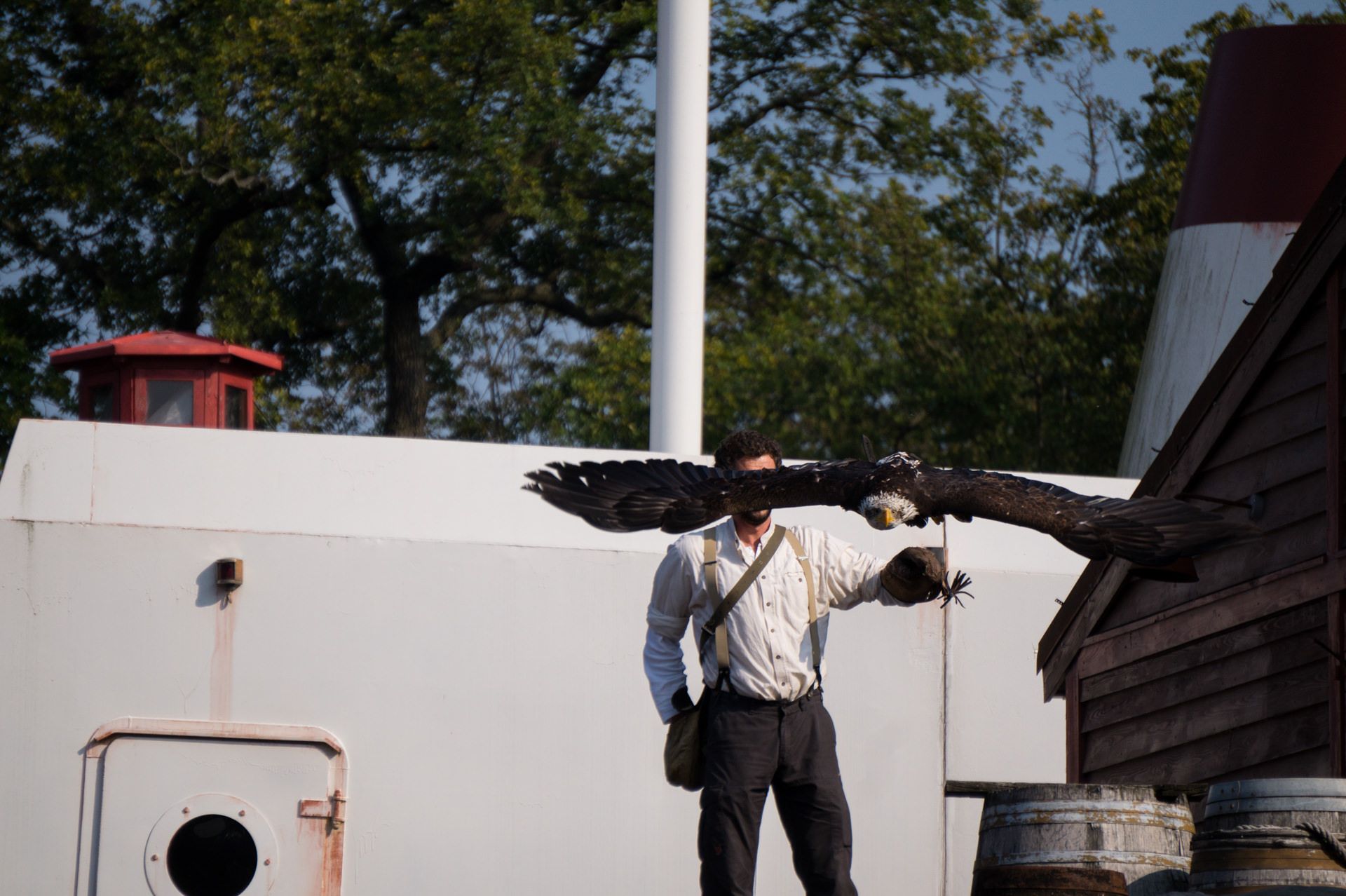
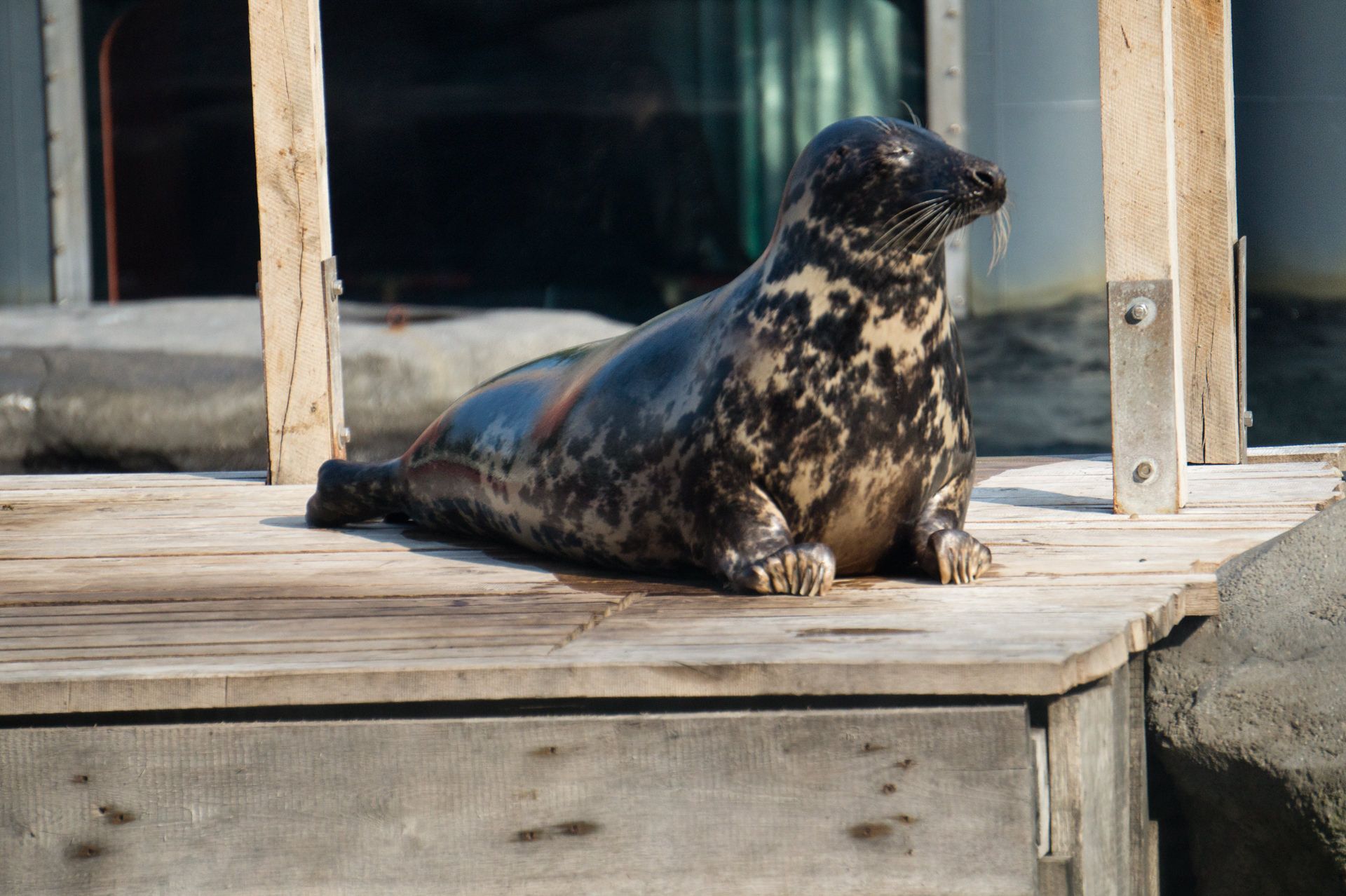
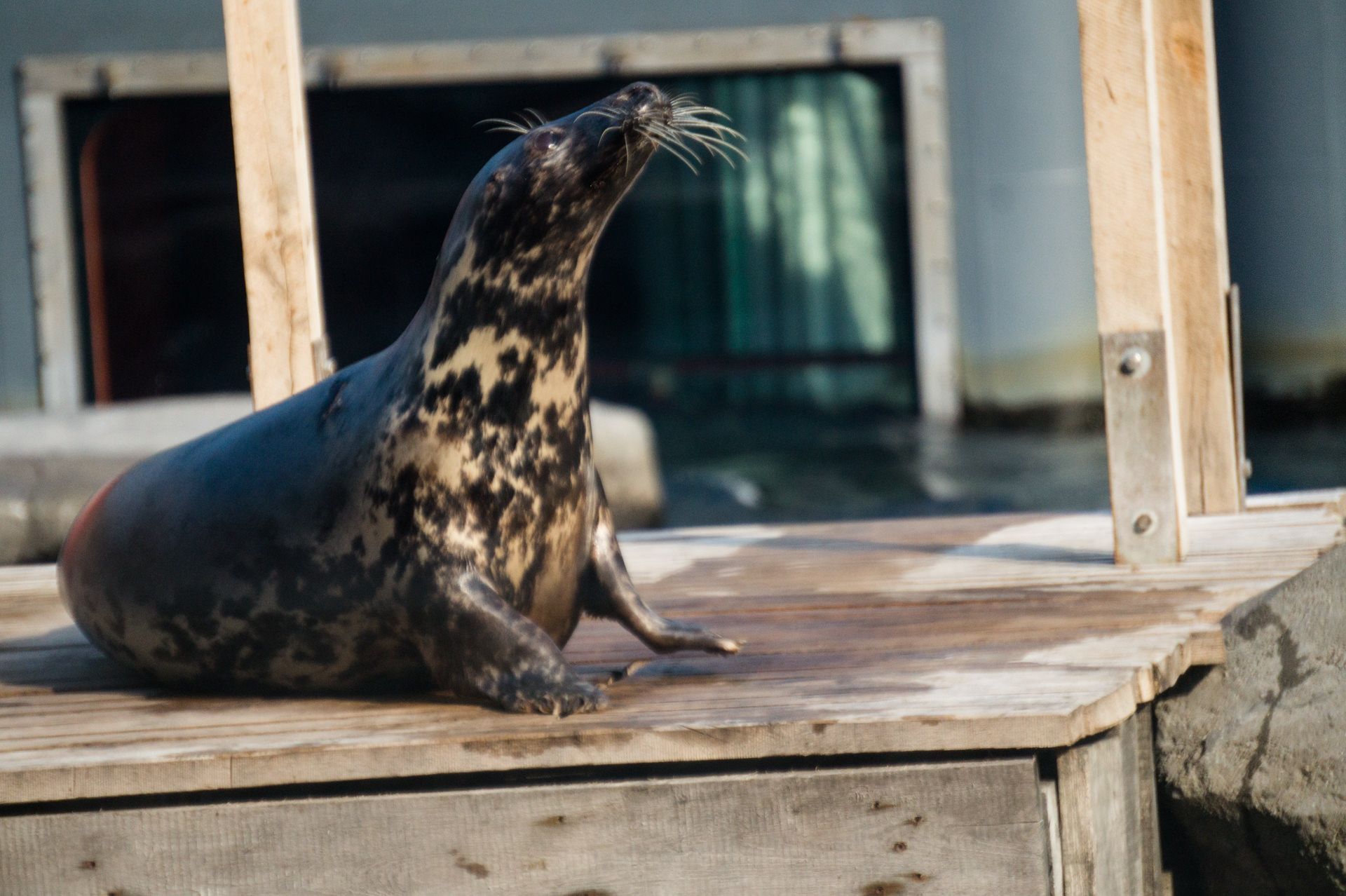
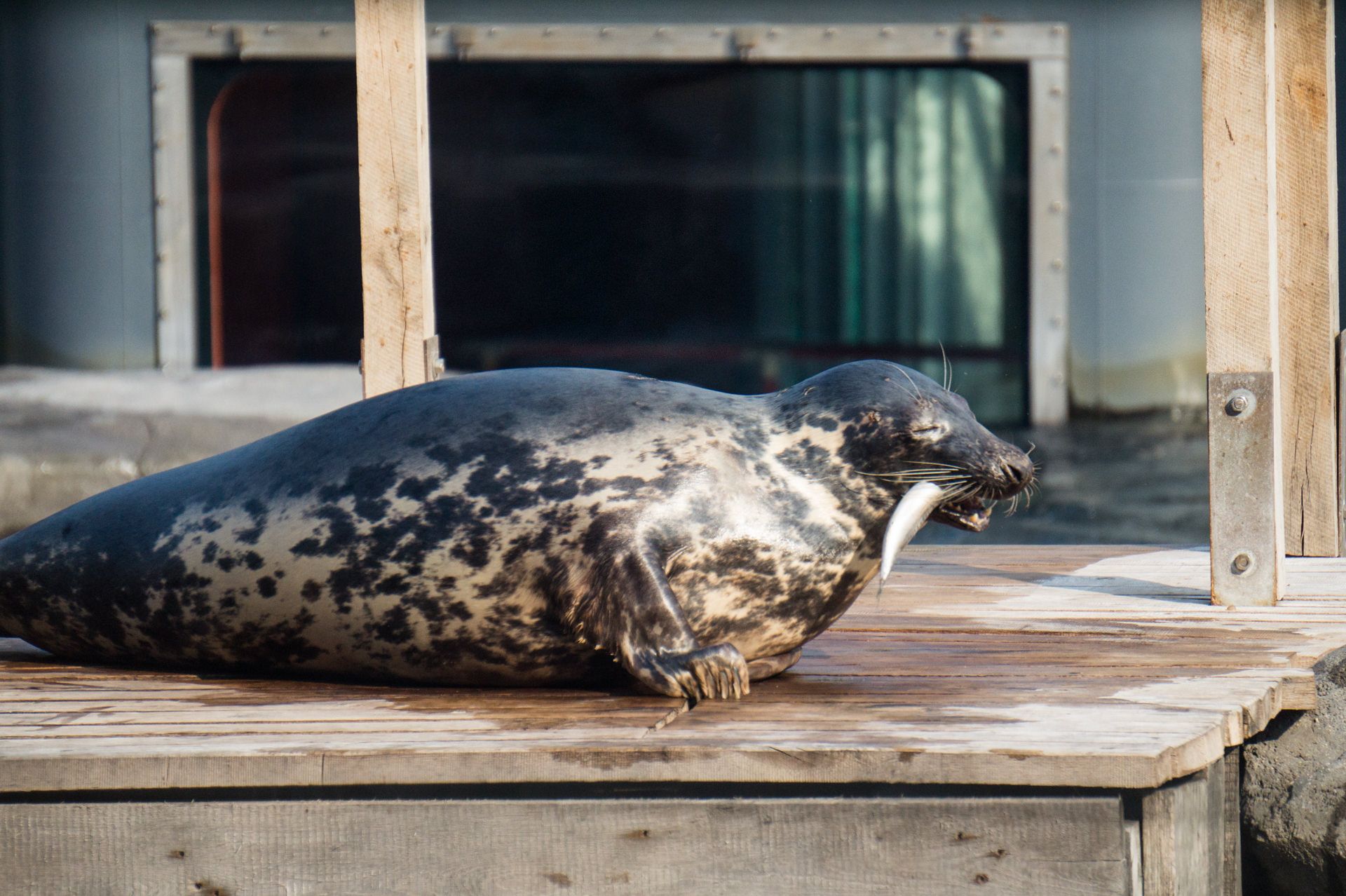
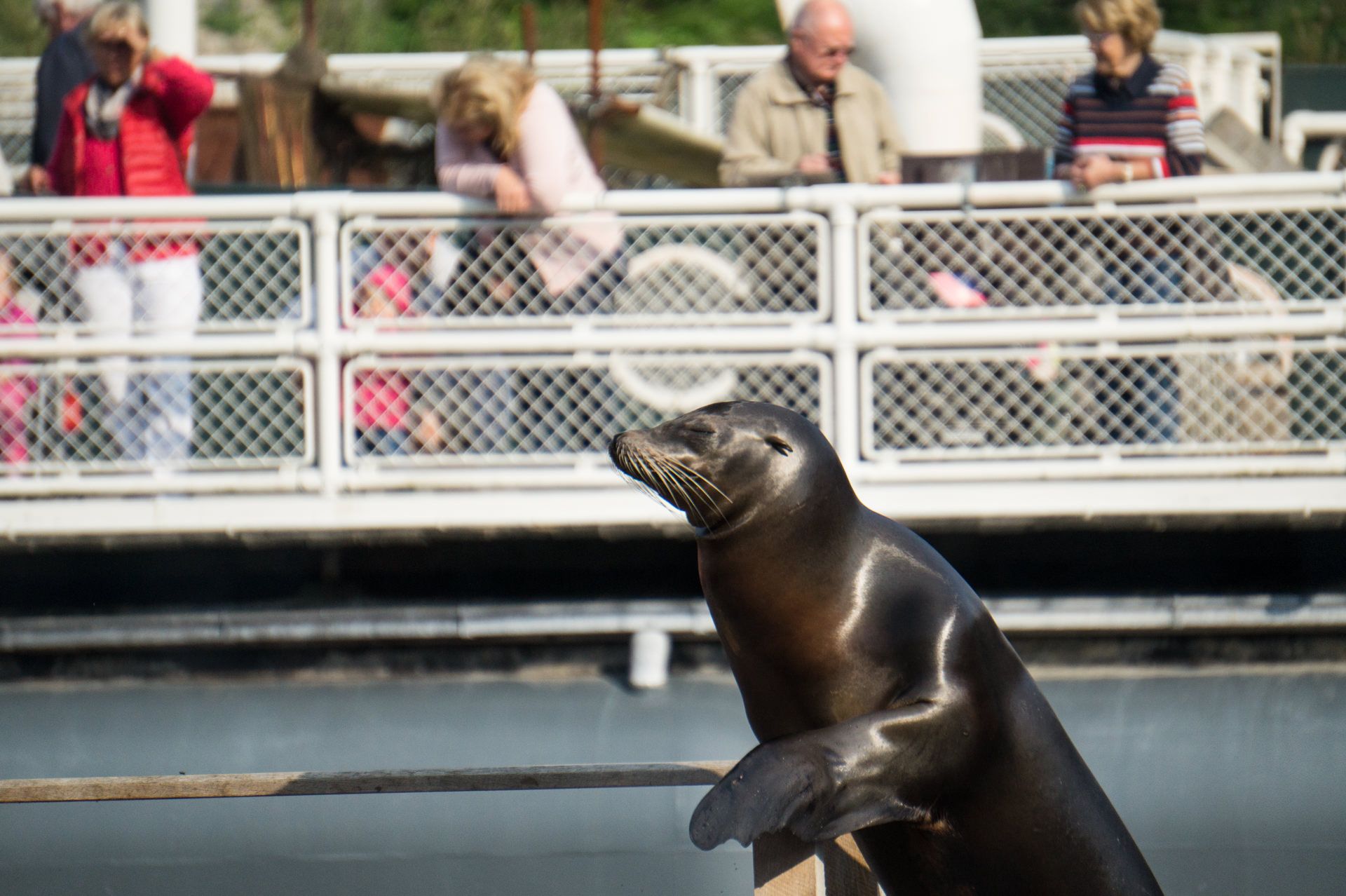
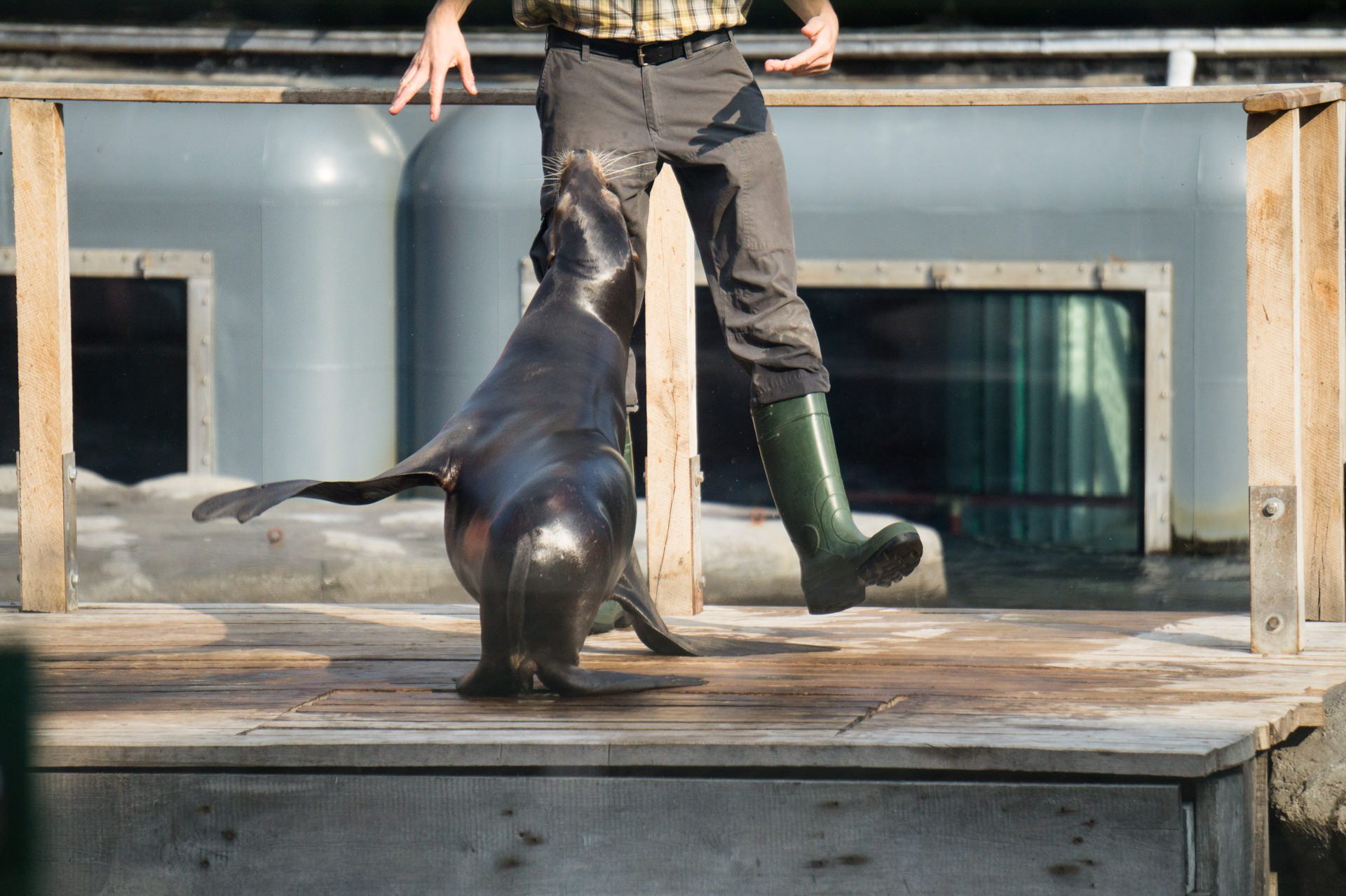
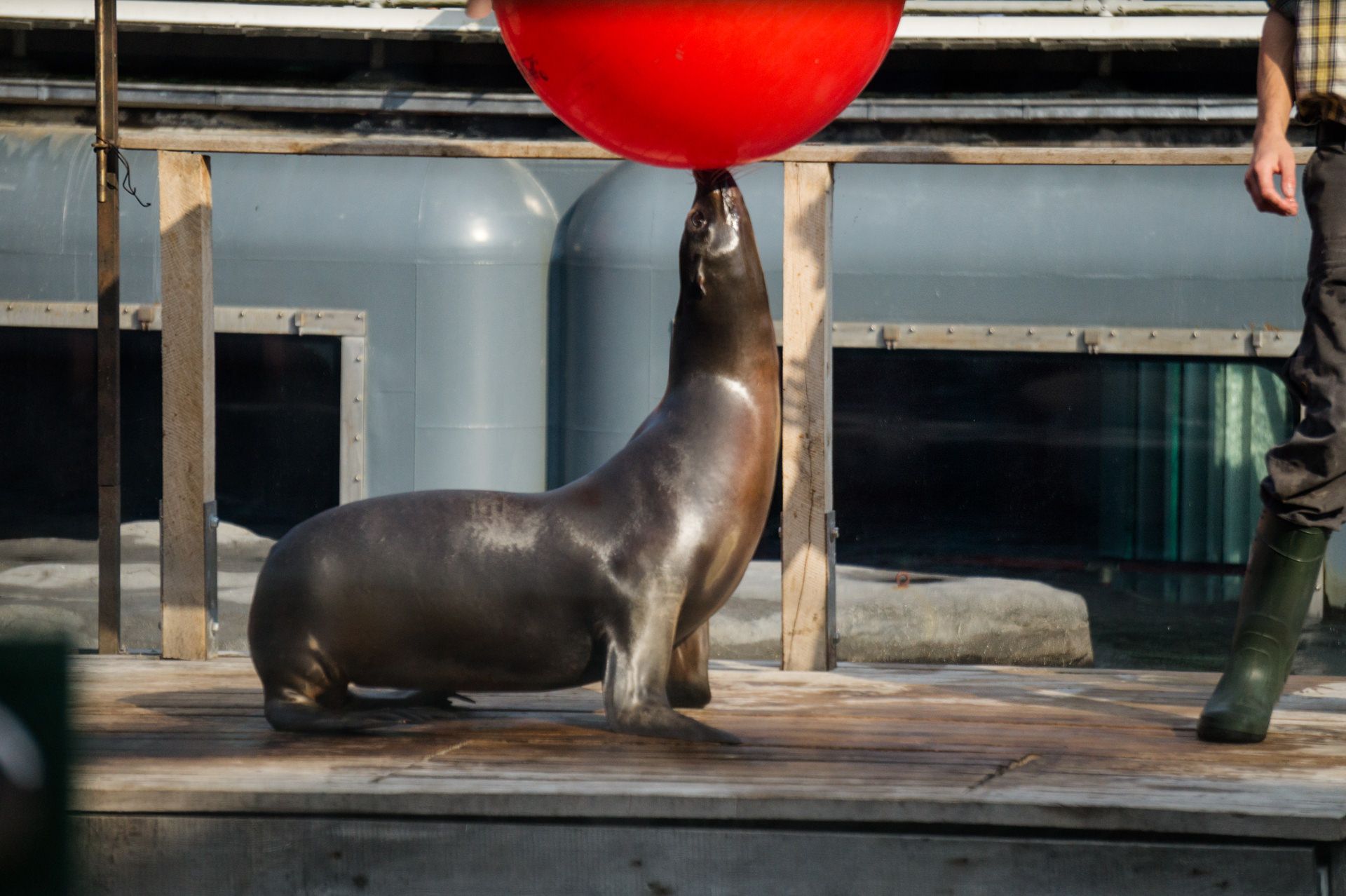
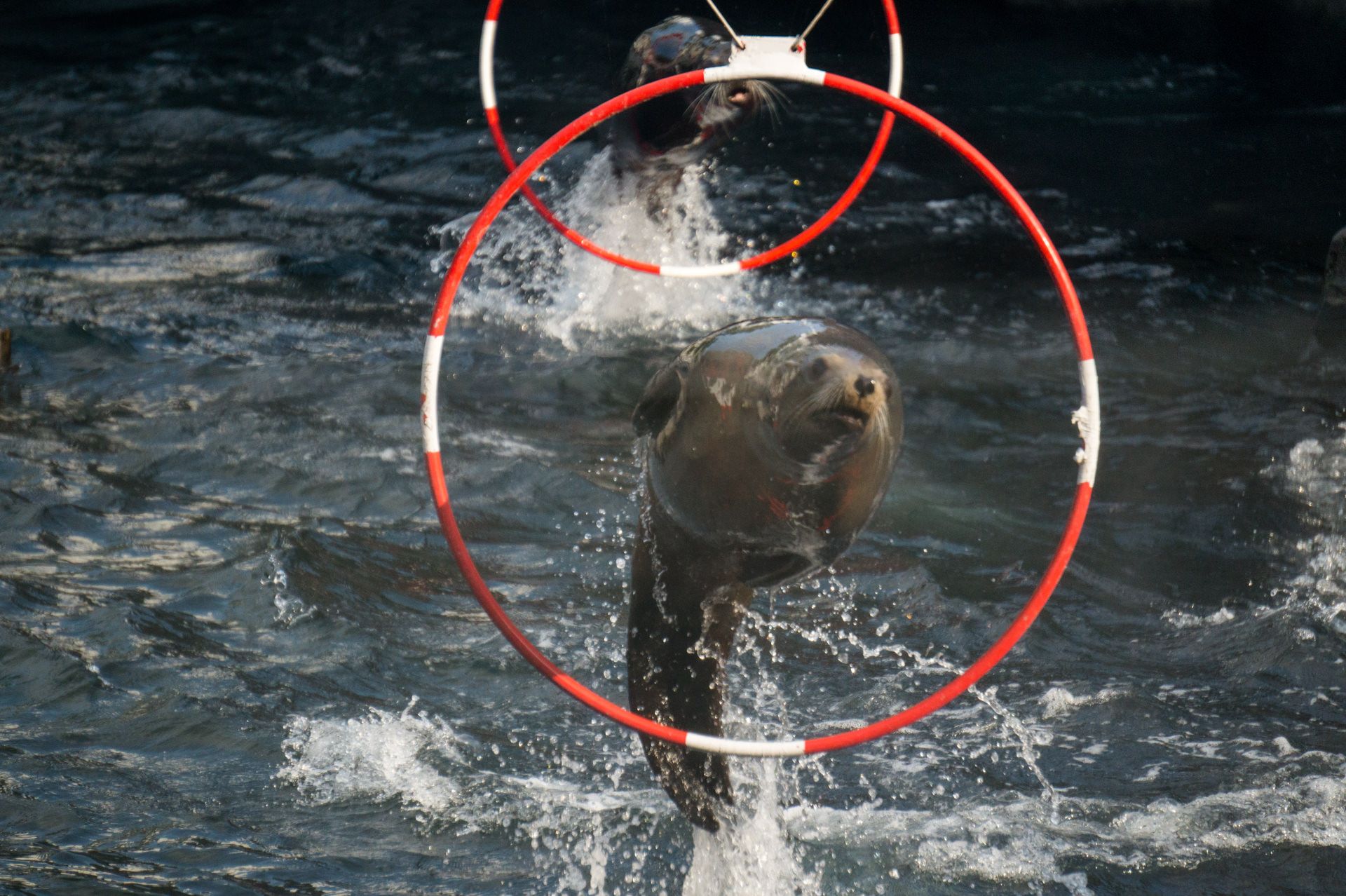
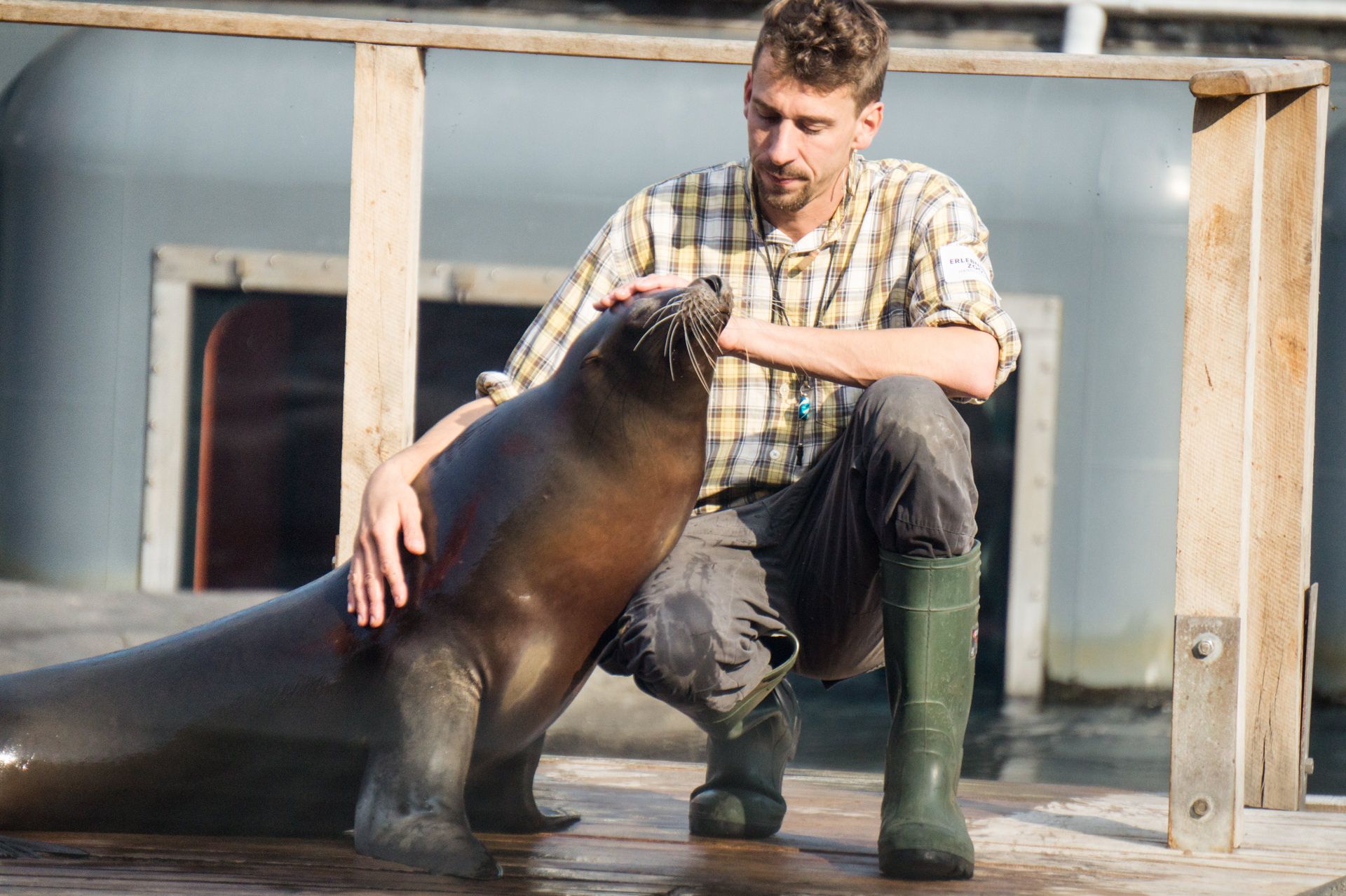
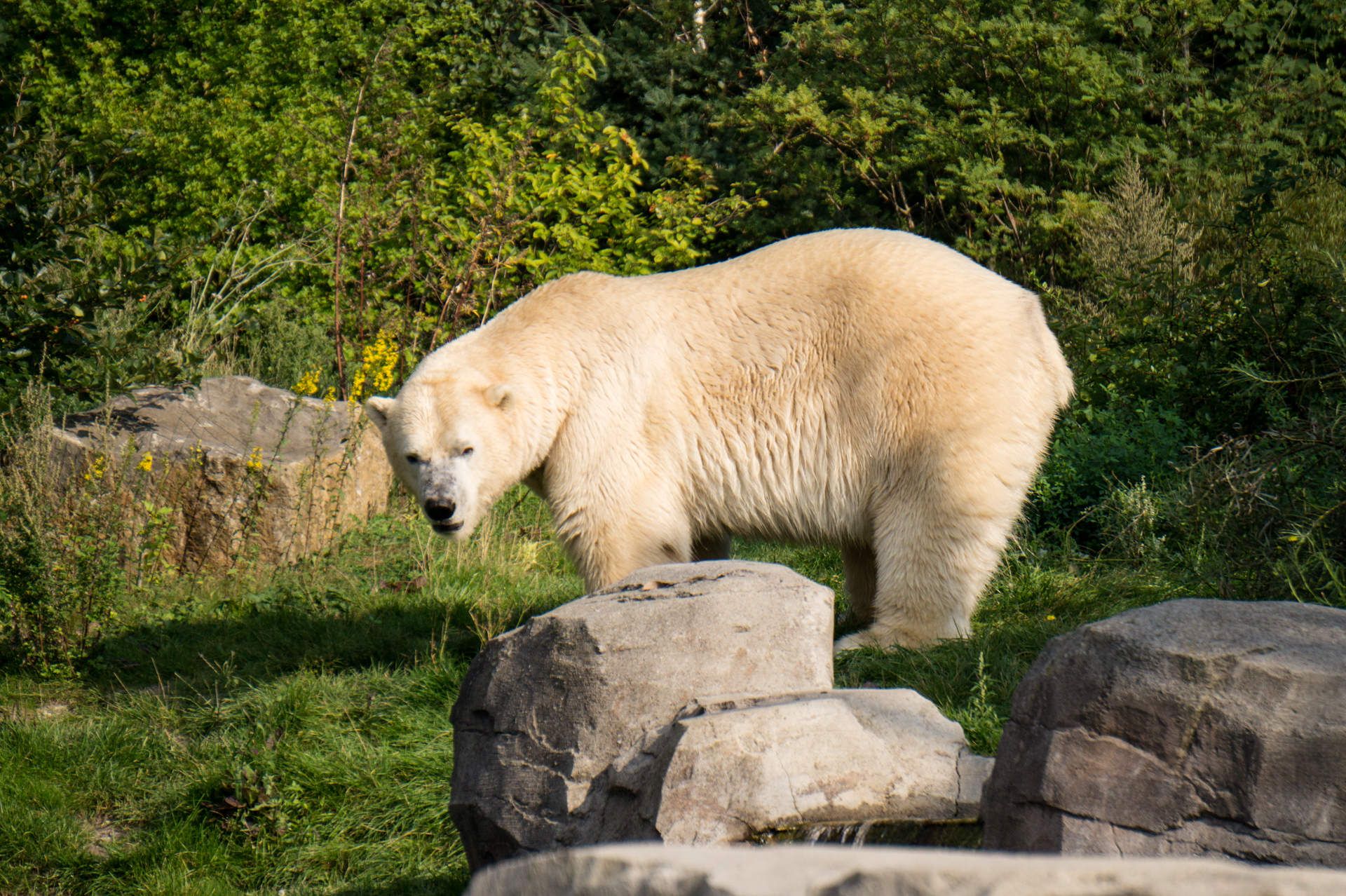
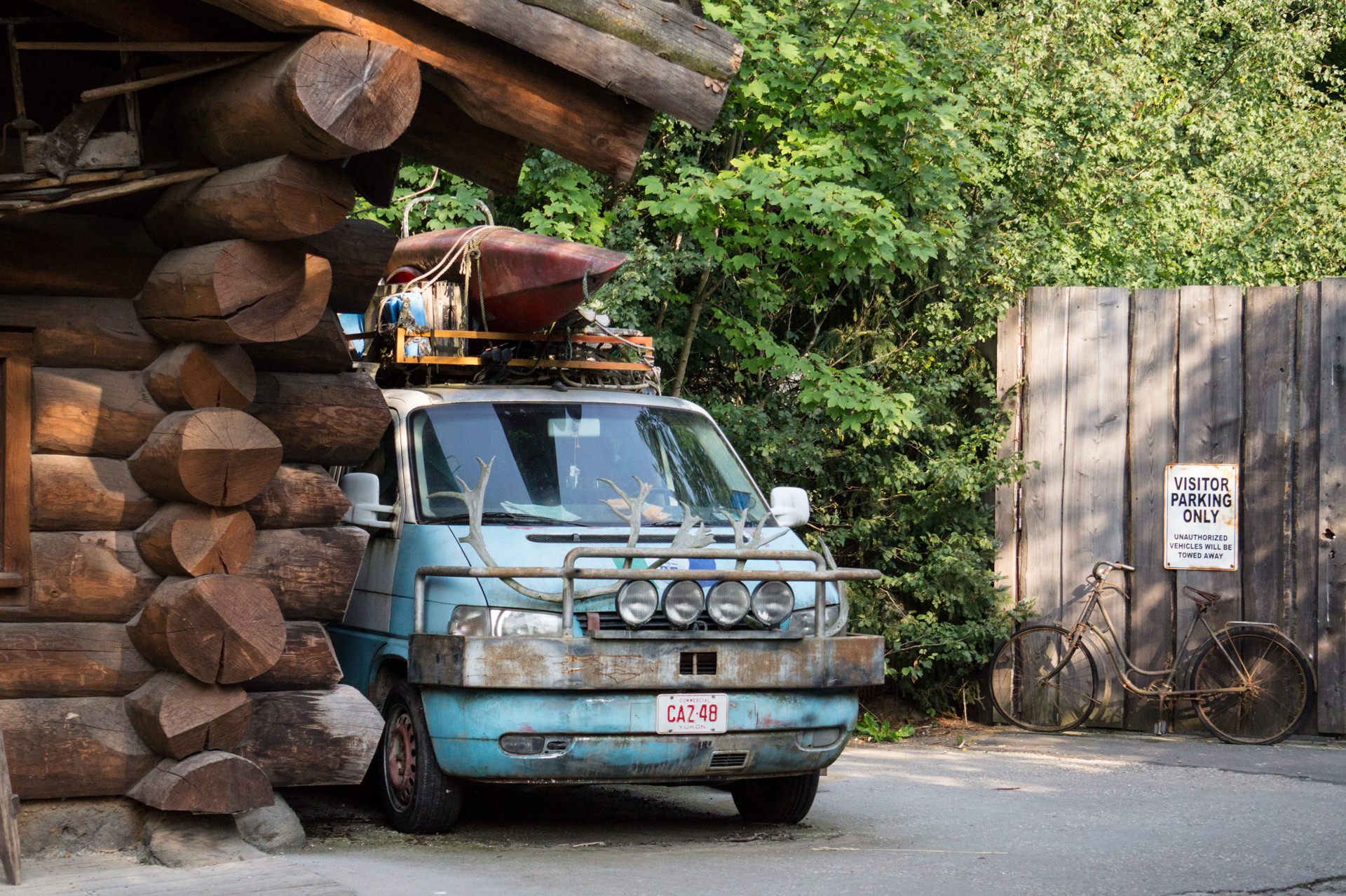
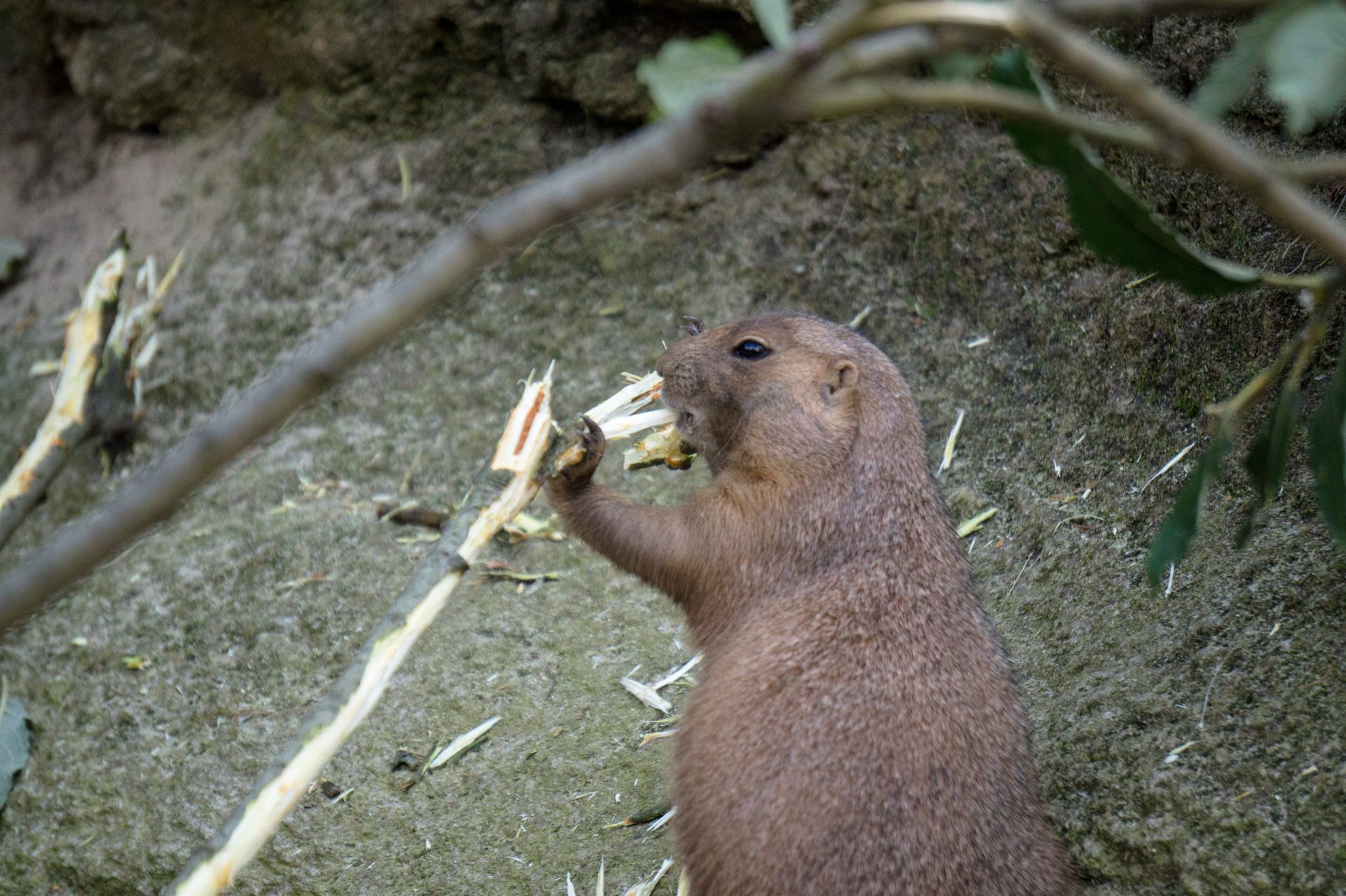
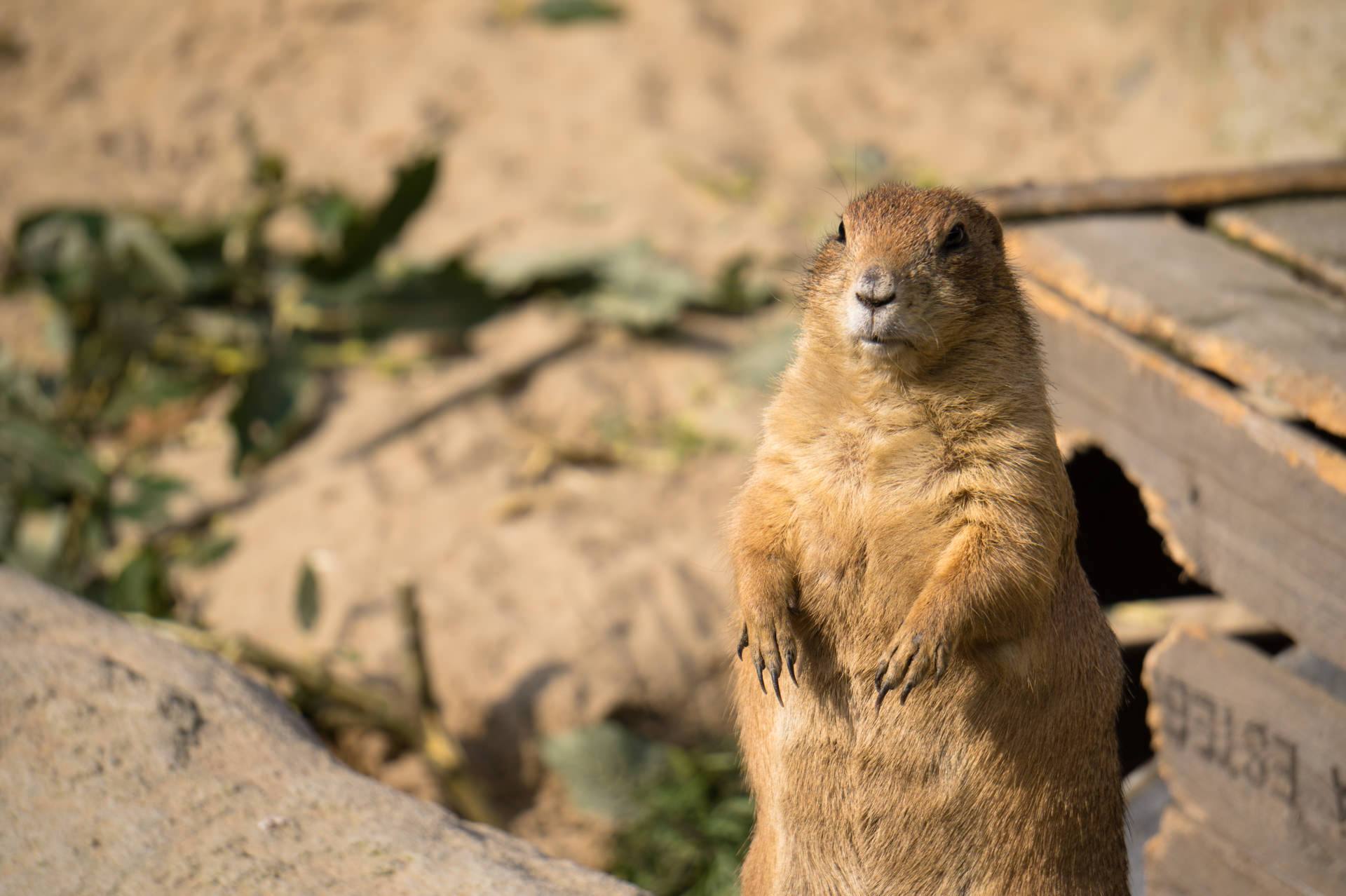
By 2010, the enclosure with Australian animals was relocated, resulting in the small Outback theme area, as well as the opening of the Canadian themed area Yukon Bay. As an amusement park enthusiast you will encounter many nice themed areas on your journey throughout the different countries of the world, mostly crowned by a more than just thrilling rollercoaster, but Yukon Bay beats them all by far. You can see why prairie dogs are the new meerkats and polar bears are true masters in cliff jumping when suited in a sufficiently large and versatile enclosure.  In addition to a large stage with a worth seeing sea lion show, the theme area even offers some good food options and some boardwalk games.

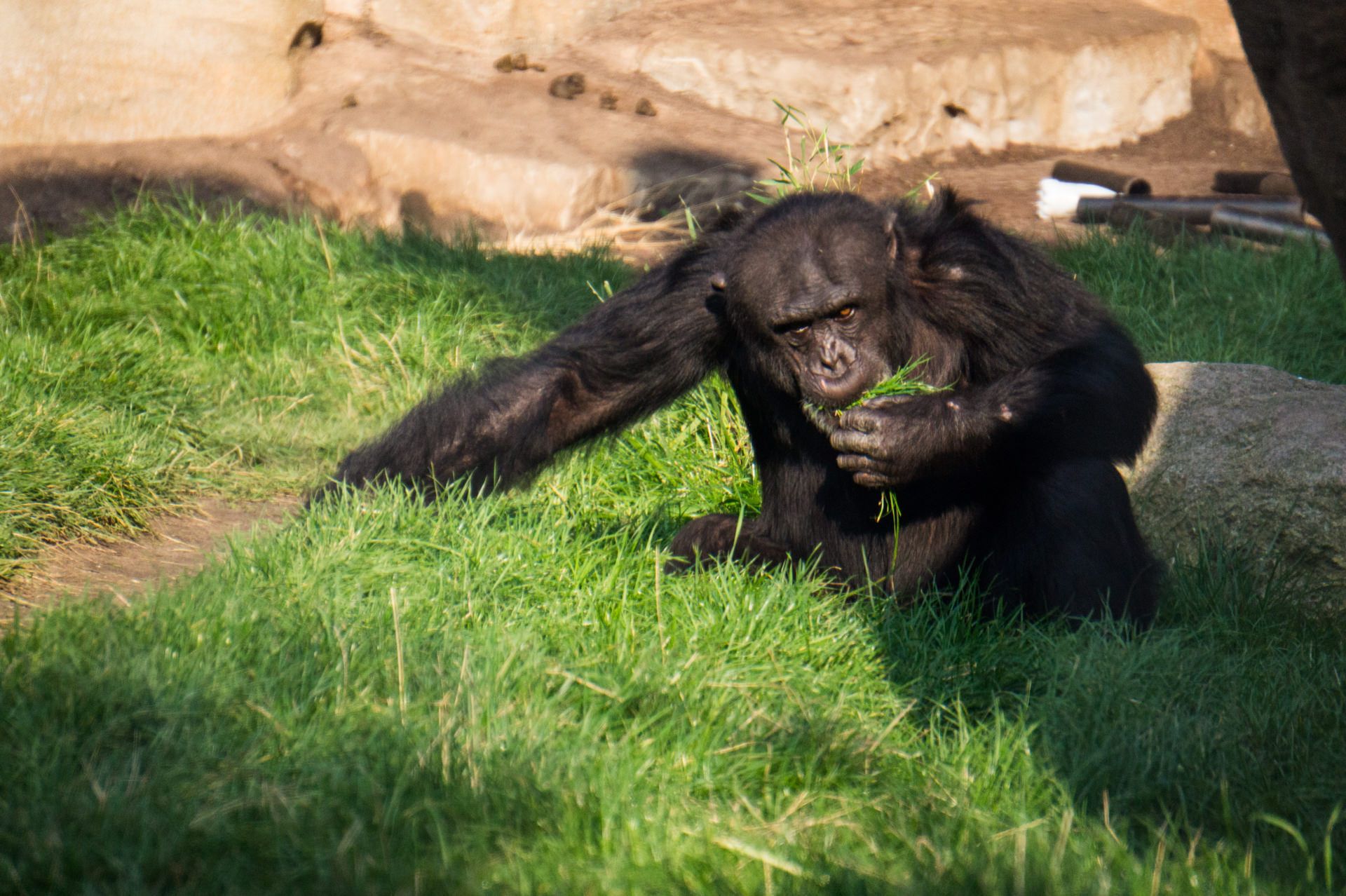
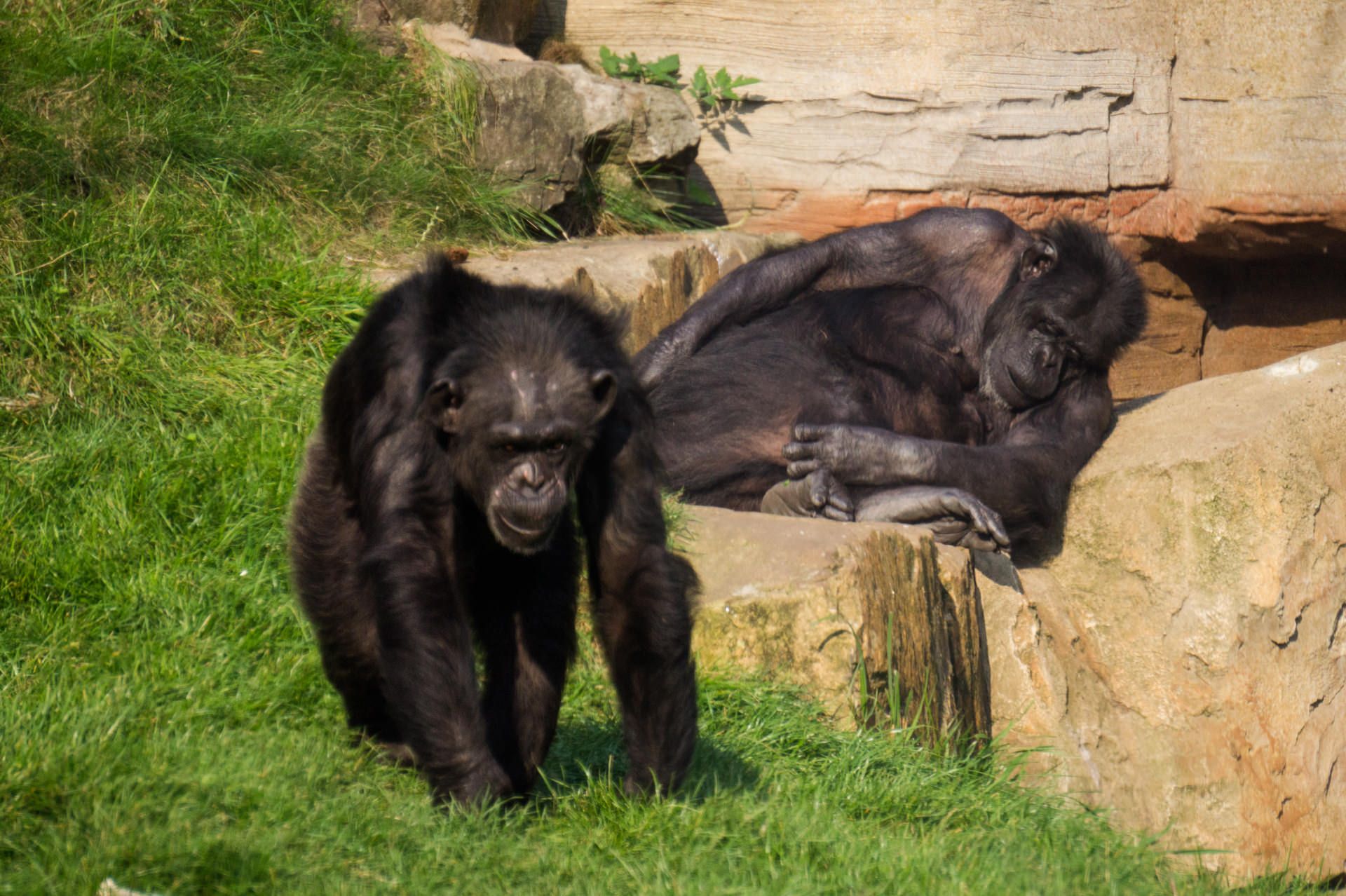
In 2013 Kibongo opened. The new outdoor area of ​​the chimpanzees, which expands the gorilla mountain. The zoo is currently working on a new economic sector, which will also expand the Zambezi theme area. A transfer of the entrance area and other projects promote the growth of the zoological garden, which lives up to every single cent of the comparatively high admission price.

Pictures Erlebnis-Zoo Hannover
Conclusion Erlebnis-Zoo Hannover
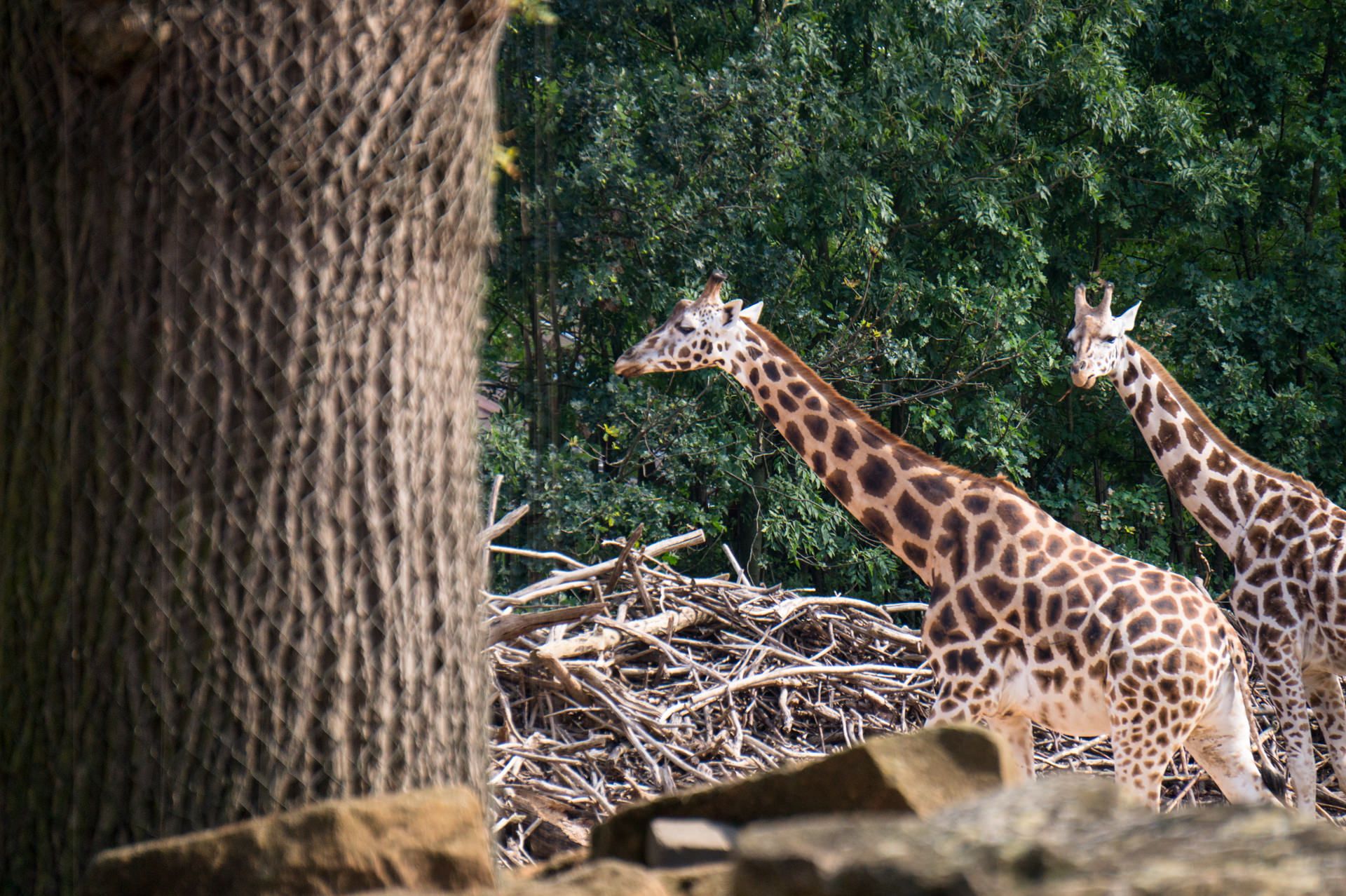
The Erlebnis-Zoo Hannover is a very versatile animal park. You can spend several hours without any problems. Although the animal enclosures, by the limited space of the zoo, are by far not as huge as in the animal and leisure park Flamingo Land in the English county of Yorkshire (which is why you will hardly see a giraffe chasing an ostrich over here), they are still quite big; The animals all seem to be in good health and that should be the goal of any zoo in general. For late-comers and bargain hunters, there is also the possibility of a reduced entrance fee in the last few opening hours of the park (if the park is not hopelessly crowded, it is a thoroughly pleasant alternative).
 

What is your opinion about Erlebnis-Zoo Hannover?  Just write it in the comment field below the report or visit our social media channels: