The History of the Universal Studios Japan
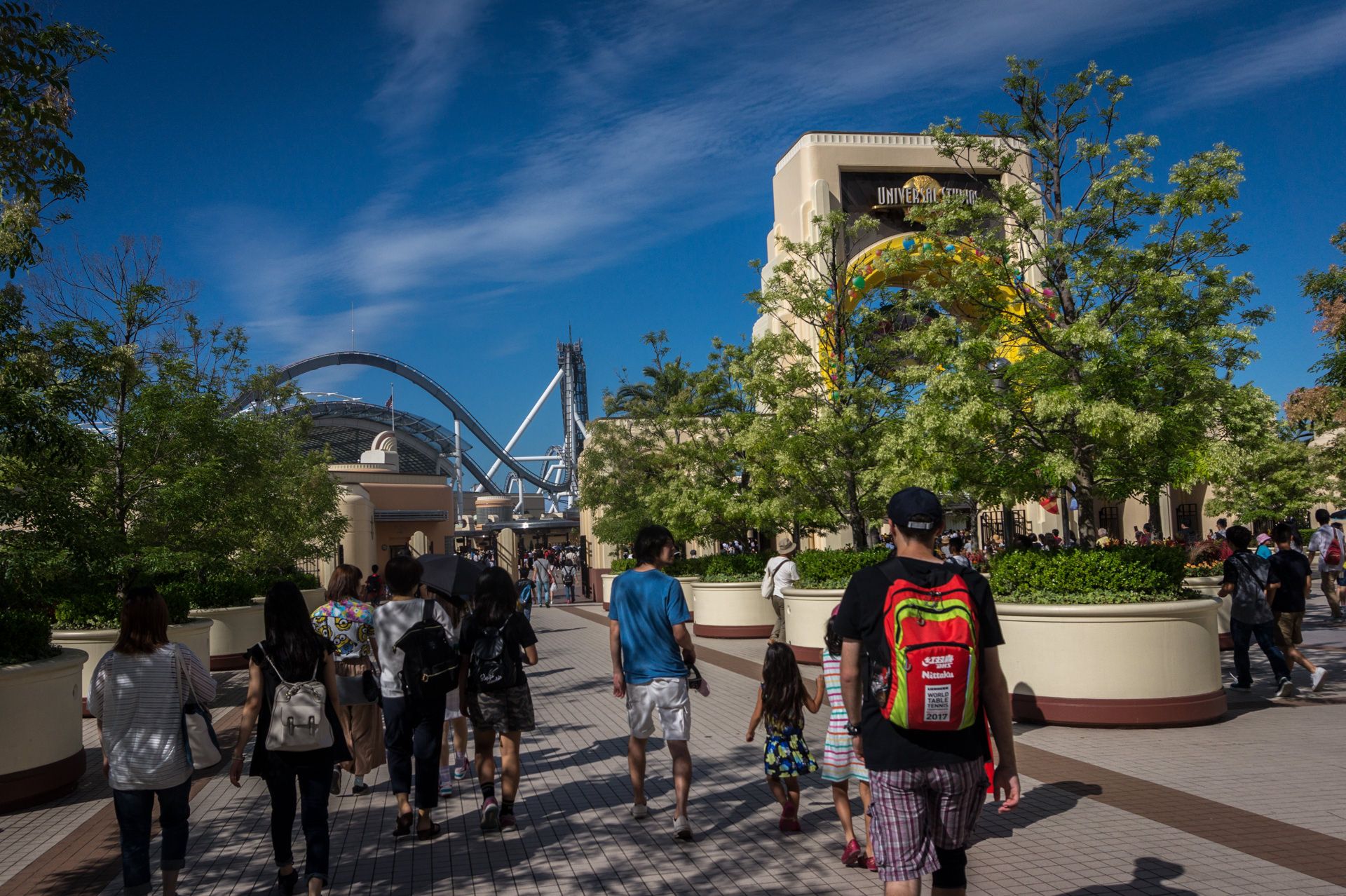
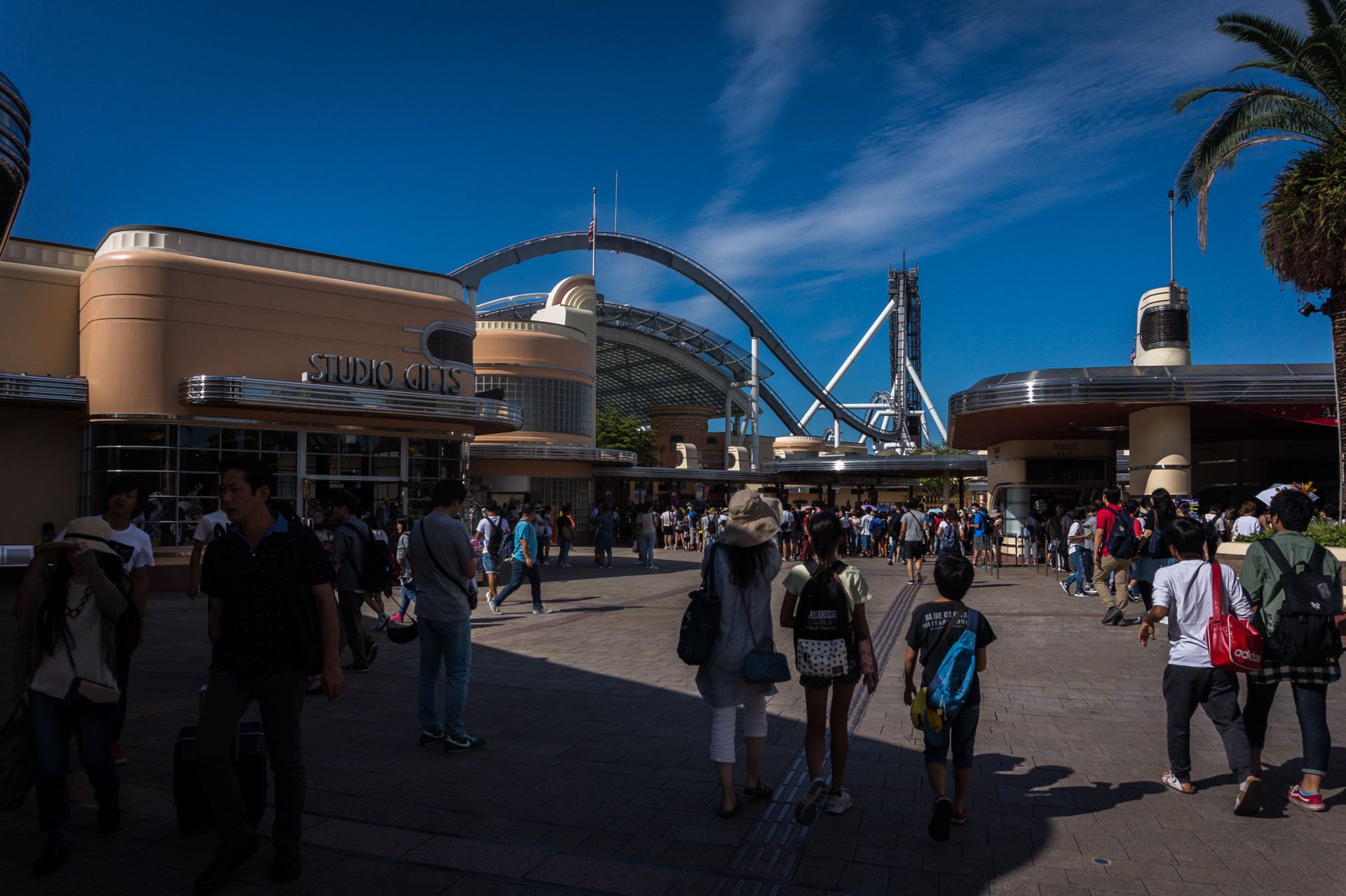
When 30,000 visitors means a less crowded day, and every local visitor seems to be wearing yellow T-shirts and blue overalls, then – and only then – you are in Universal Studios Japan and the Minions have found their way into the park.
When it comes to Universal Studios Japan, it is important to understand how successful this park is and that 30,000 visitors is not an everyday number for any major park in Europe, nor would it be a desirable starting point for the visitors; but how did it come about that the fourth most visited theme park is located in Osaka, Japan?
To answer the question, you have to go back in time a little, to the 1980s to be precise, when the group’s only theme park to date was located in Hollywood and offered little apart from a studio tour and a few shows. Plans to build a similar attraction in Florida were always on the cards, but it wasn’t until after the huge success of the King Kong expansion of the studio tour in 1986 that these plans were realised. At the same time, sites for another park in Japan were also considered – including Nippon Steel & Sumitomo Metal Corporation (NSSMC) sites in Kitakyūshū and Sakai. While the Space World theme park was built in Kitakyūshū, the Sakai site was abandoned in favour of an urban development project in Osaka. At the end of 1994, Osaka Universal Planning Inc. was founded and two years later renamed USJ Co., Ltd. Arnold Schwarzenegger broke ground in October 1998 and Universal Studios Japan opened in March 2001.
In the first year alone, more than 11 million visitors came to the park, an unparalleled success – because unlike most other theme park projects, the park did not miss its target number of visitors by miles, but topped it many times over. However, the number of visitors dropped to 8 million in the second year and stabilised at this level until 2011. With the construction of the children’s area Universal Wonderland in 2012, the average number of visitors changed to 10 million. In 2014, the inauguration of The Wizarding World of Harry Potter theme area was followed by a jump in visitor numbers to 12.7 million visitors and 13.9 million visitors the following year. Another boost came in 2016 with the opening of The Flying Dinosaur roller coaster, which, however, also led to waiting times of up to 750 minutes at the roller coaster.
Tour of the park
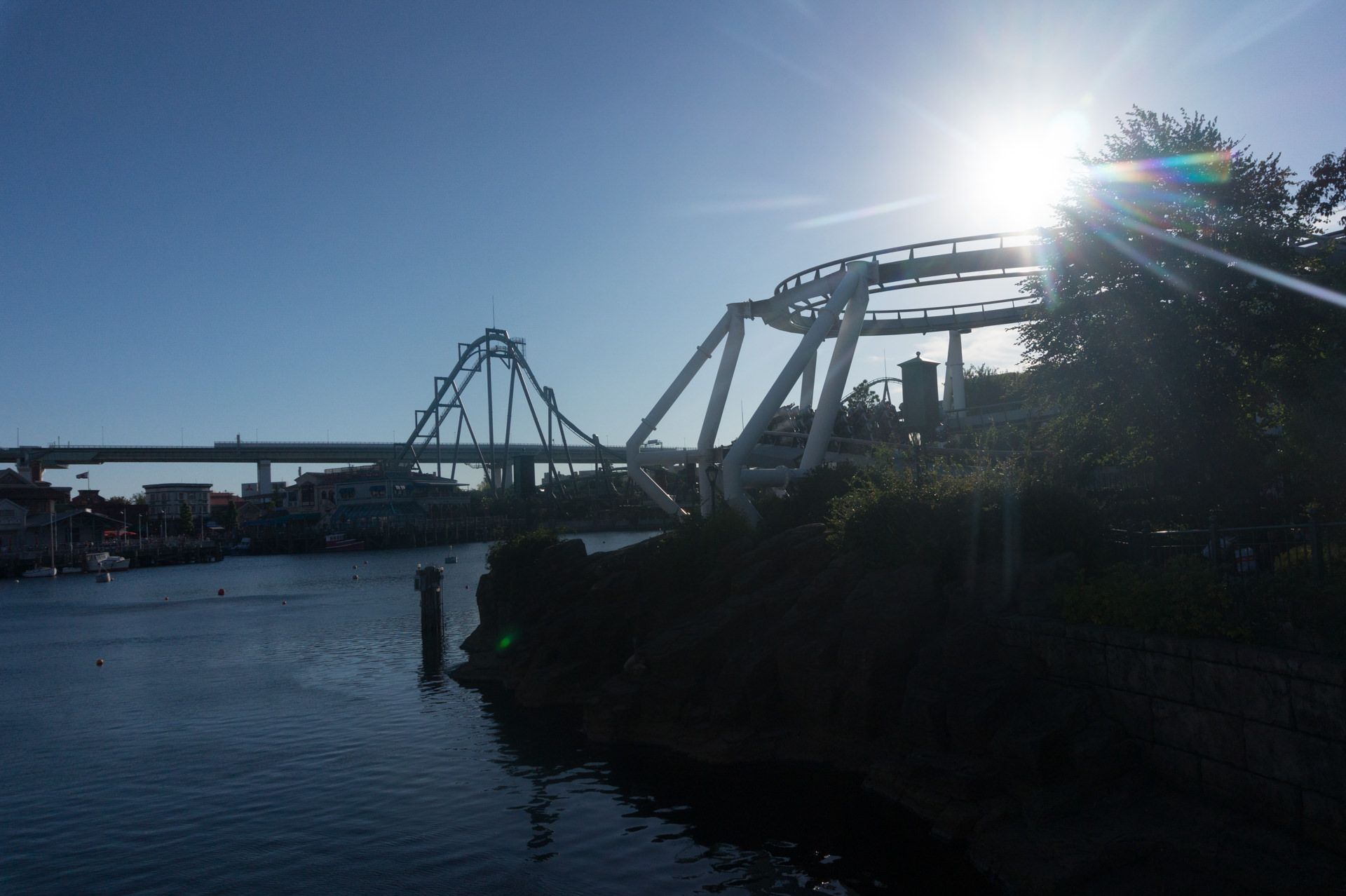
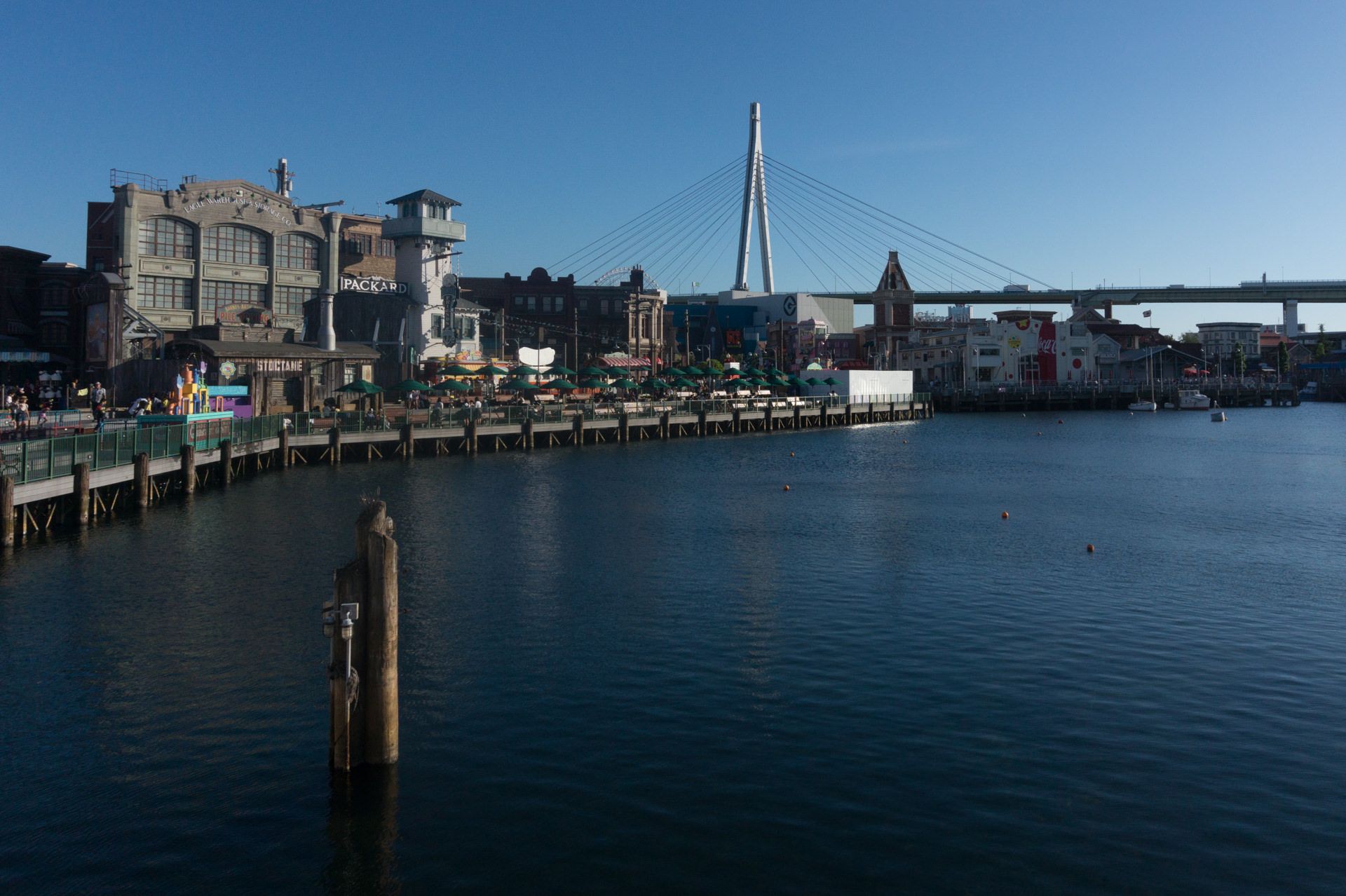
It’ s therefore no wonder that we have included the Universal Express Pass 4 – The Flying Dinosaur in our planning for the tour. Other fast passes are available, but the Express Pass 4 was the most reasonable because of the Flying Coaster. But before we reach it, we first have to walk around the central lake of the Universal Studios Japan theme park.
Space Fantasy – The Ride
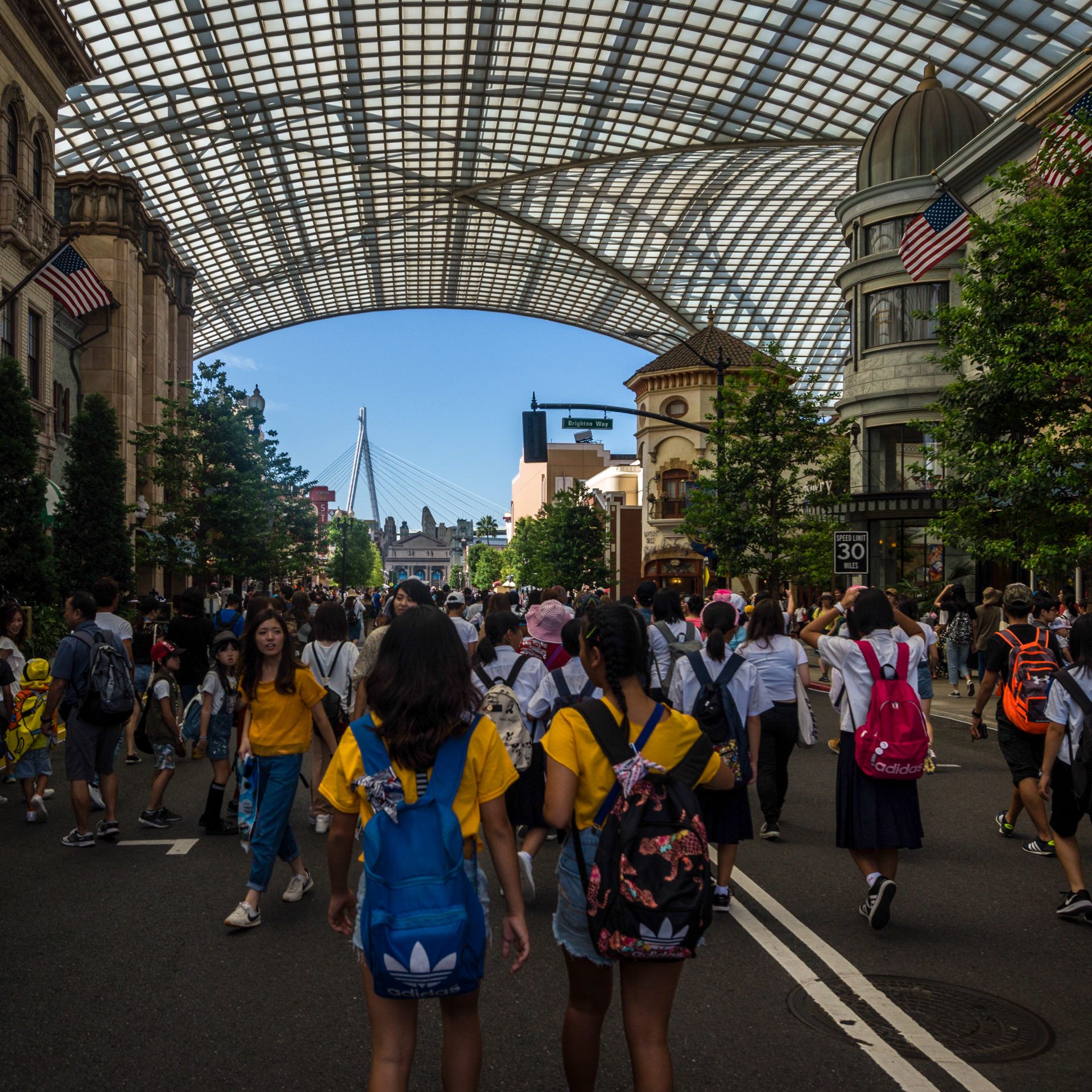
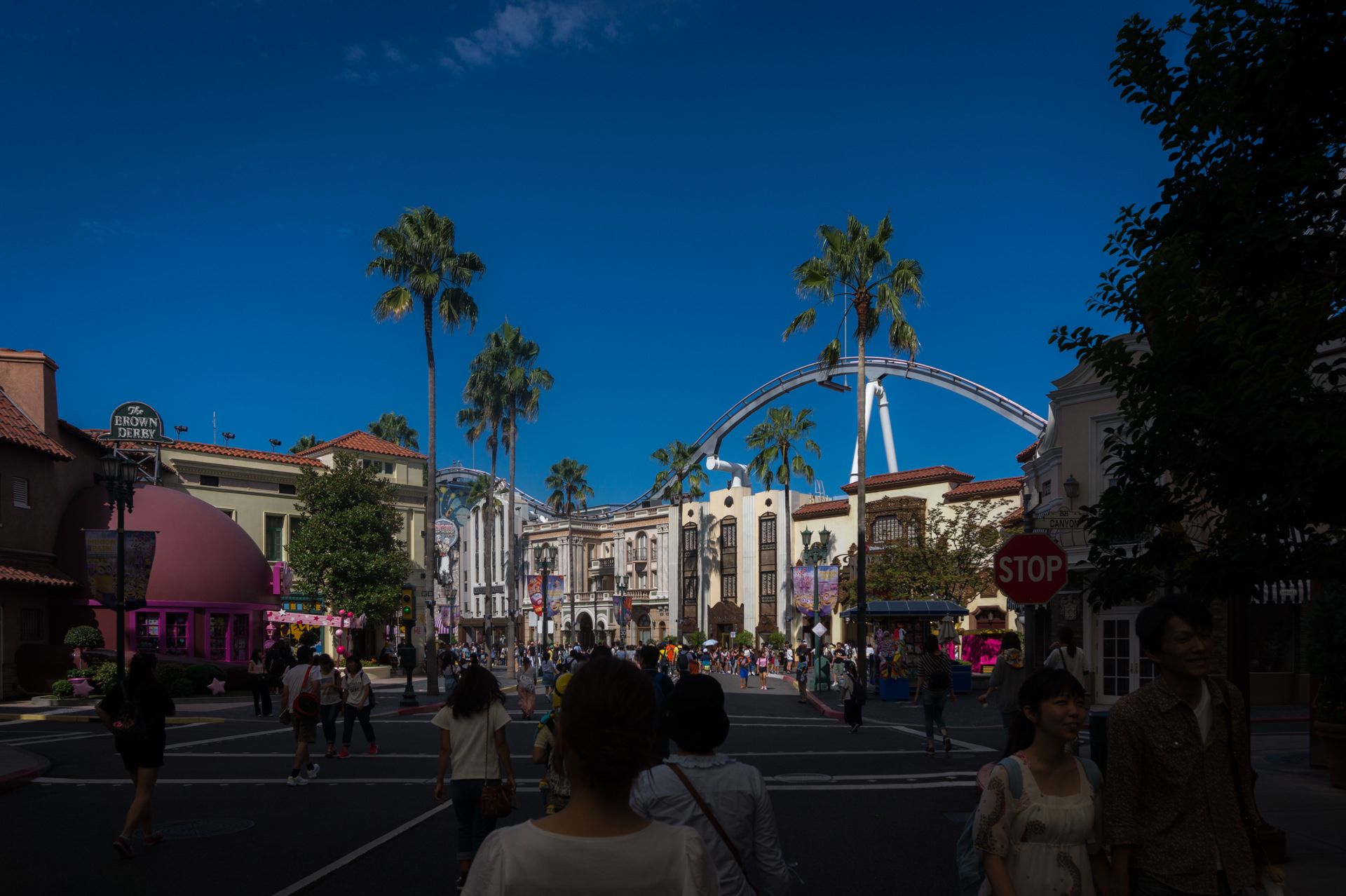
We therefore start on the covered Main Street in the Hollywood themed area and disregard the highlight on the right side of this; instead, we continue straight ahead, where several studio buildings smile at us on the left, including the one of the indoor roller coaster Space Fantasy – The Ride.
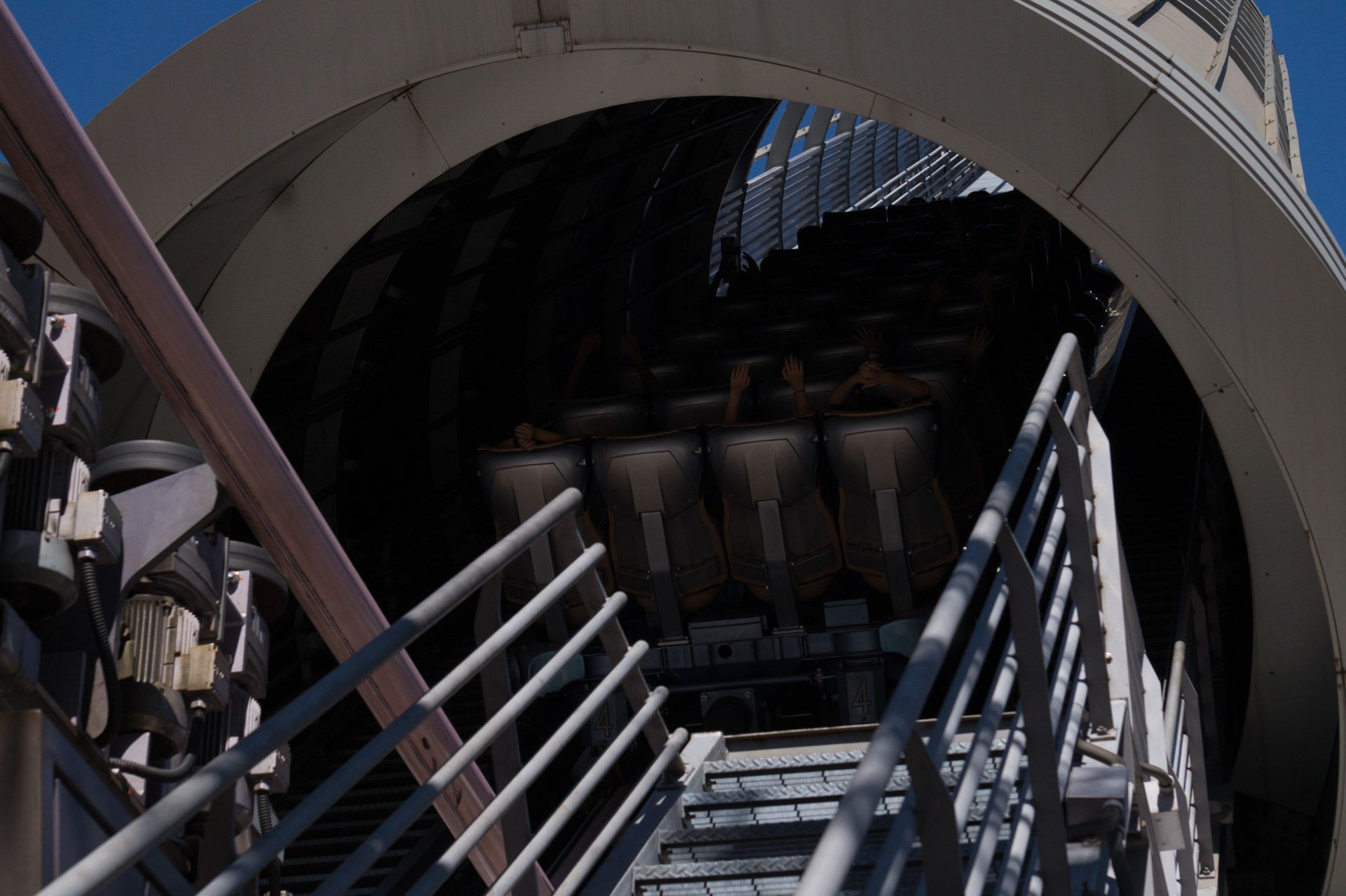
The ride on the most Japanese of all spinning coasters from Mack Rides begins with a small right turn, which soon leads us into the first lift hill. To the sounds of the band Dreams Comes True, we now throw ourselves into a steep left turn that quickly turns into a 270° upward helix. After a short straight, we head towards the floor again in a similar manoeuvre and, after a crisp right-hand bend, into the first braking section. With reduced speed, we now tackle the path towards the second lift hill and have plenty of time to let the J-Pop sounds and grandiose design take effect on us.
At some point, the ceiling of the hall is reached again and a wonderfully jagged downhill helix follows. A short bend to the right in the valley then leads us onto a short ramp, whereupon we cross the track of the first section. Two serpentine curves follow, leading us directly into the third and last lift hill of the ride.
The finale of the spinning coaster then begins quite brilliantly with a steep curve down to the hall floor, followed by another steep curve to transport the train back towards the ceiling of the hall. After a short straight section, the train enters a 180° downward helix in which, visually very convincing, a supernova is ignited on the passengers. This is followed by a short bunny hop and after a small turn you soon find yourself in the final brake of the ride and shortly afterwards in the station.
Space Fantasy – The ride is completely convincing despite its low altitude and speed. The space ride has a great flow and a simply wonderful design, and the comparatively idiosyncratic layout with its many straights and rather leisurely gradients fits perfectly to this country – a true Japanese coaster and thus a great product out of the Black Forest.
Terminator 2 3D
Equally brilliant innovations can be admired at the Cyberdyne Corporation in the building next door. Accompanied by a hostess, we are guided through the annual Cyberdyne Expo, which includes an image film and a product presentation in the theatre next door. But one thing in advance, the lady is hilarious and so the audience is first made fun of in a bitterly nasty way – of course only in Japanese, but still (especially thanks to the lady’s over-acting) uproariously funny. The image film itself is interrupted by an announcement from John and Sarah Connor, and Cyberdyne’s employees do their best to somehow cachet the situation.
In the theatre, we then experience the presentation of the first Terminators and, more importantly, the Skynet. Sarah and John Connor break into the auditorium. The situation seems to be under control, but a T-1000 appears and pursues the two. But first he quickly gets rid of the hostess. A second Terminator then comes through a time portal on a motorbike and immediately appears on stage. He then grabs John and flees with him through another portal. A wild chase ensues between our hero duo and the T-1000, as well as other adversaries on the way towards Skynet. Once there, the aim is to destroy the central core of the system – yet the T-1000000 is waiting here as the final enemy. Briefly stopping the T-1000000, the T-800 manages to make the necessary preparations to send John back in time and destroy Skynet. During the ensuing explosion, the visitors’ seats abruptly lower.
It was not really our priority to see rides and shows that still exist in the other Universal Studios parks and can be marvelled over there with a shorter waiting time. Interestingly, shortly after our visit, it turned out that Terminator 2 3D is to be discontinued at Universal Studios Orlando. We were lucky, because the show itself is just fantastic, albeit a little tough in the middle part of the 3D film. The interaction of stage and screen is exceptionally well done and the finale is beyond surprising, likewise the special effects in the auditorium are all worth seeing. Awesome!
The Amazing Adventures of Spider Man – The Ride
Another extremely well-attended attraction at the studios, at least as long as a raving Elmo isn’t setting the mood on the big stage and most of the Japanese are attending the concert at Universal Studios Japan, is the dark ride The Amazing Adventures of Spider Man – The Ride, in true 4K3D style.
There’ s a lot of things one has heard about the Spider Man ride in advance. Statements like “The best darkride in the world” were definitely true, especially after the update of the video quality, but I was still extremely sceptical, after all, one should keep one’s expectations low in order to be all the more amazed by the system in the end. Perfectly coordinated movements interact with the video projections in the most ingenious way, so that in the end you leave the ride vehicle speechless and amazed and would like to queue up again. Particularly noteworthy is the electric shock scene, triggered by the villain Electro, and the scene with the anti-gravity gun; otherwise it is difficult for me to describe this dark ride, as it really is simply overwhelming.
Despicable Me Minion Mayham and Backdraft
Past the Minion Park and the dark ride Despicable Me Minion Mayham, which was characterised by horrendously long waiting times, as well as the fire effect show Backdraft – whose last show we unfortunately missed by just a few minutes – the path leads us directly to Jurassic Park. But not to the world-famous water ride Jurassic Parc – the Ride, which everyone knows anyway, but to the good new stuff that makes you fly. But don’t worry about the water ride, it’s still extremely exhilarating, just to say that in advance.
Flying Dinosaur
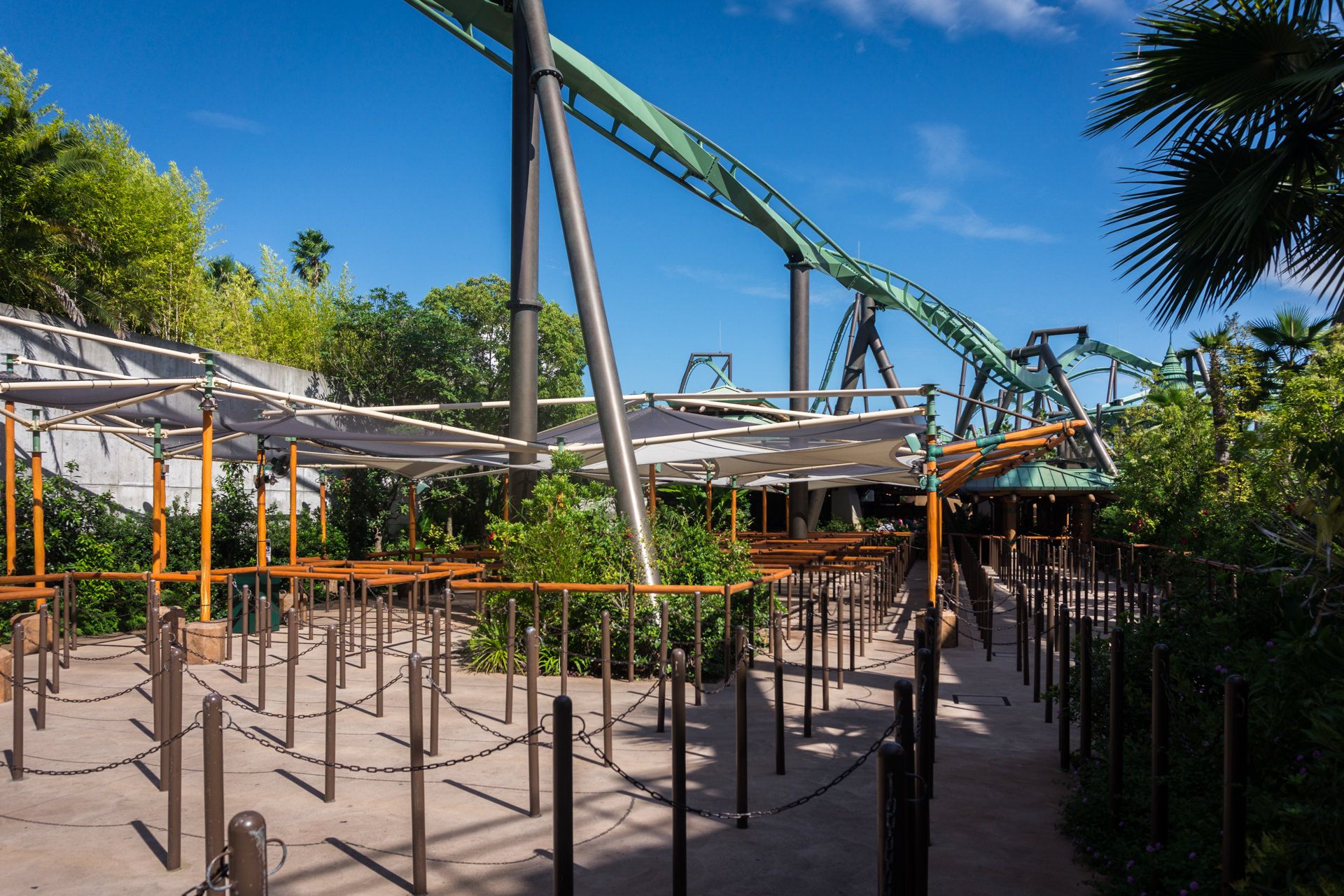
In fact, the ride on the Flying Dinosaur was our first of the day, after all, our Express Pass had a time slot that we were keen to heed – but that was still a little way off, so we dutifully joined the regular queue. Faster than expected, we made our way through the half-empty waiting area, which gave us a first glimpse of the immense willingness of the Japanese to wait, only to find ourselves 40 minutes later in the double loading station of the ride, standing in the front row.
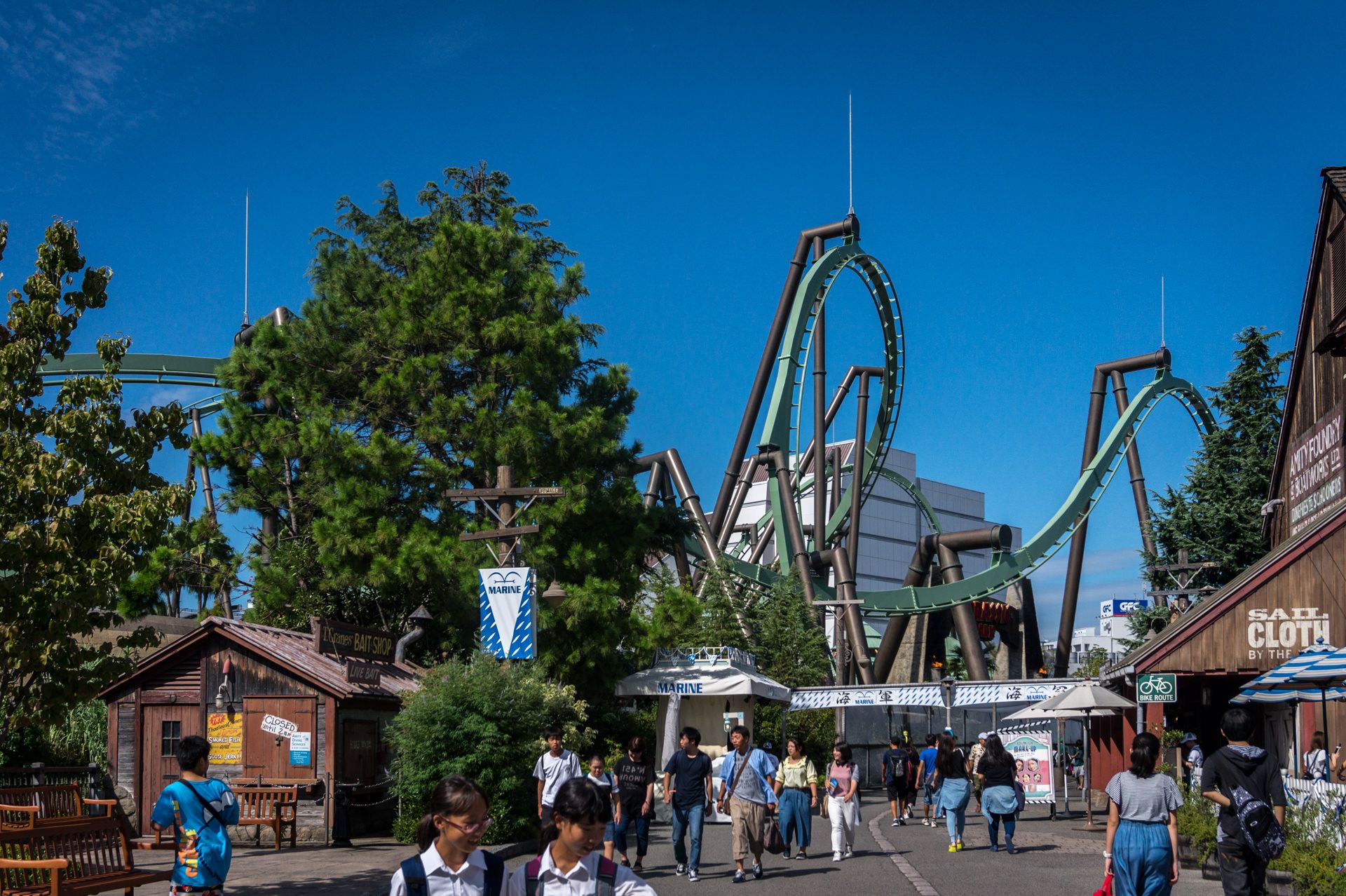
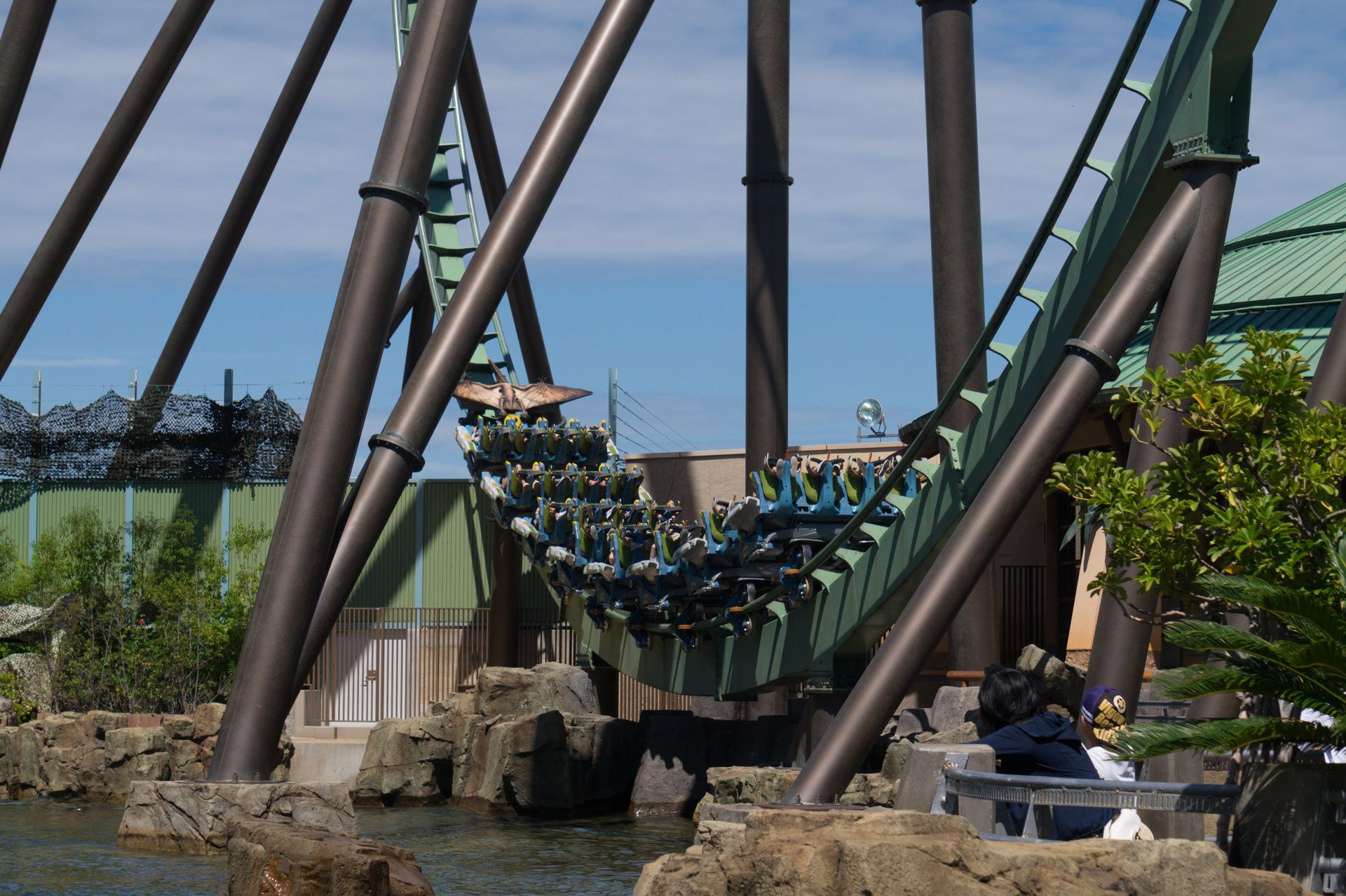
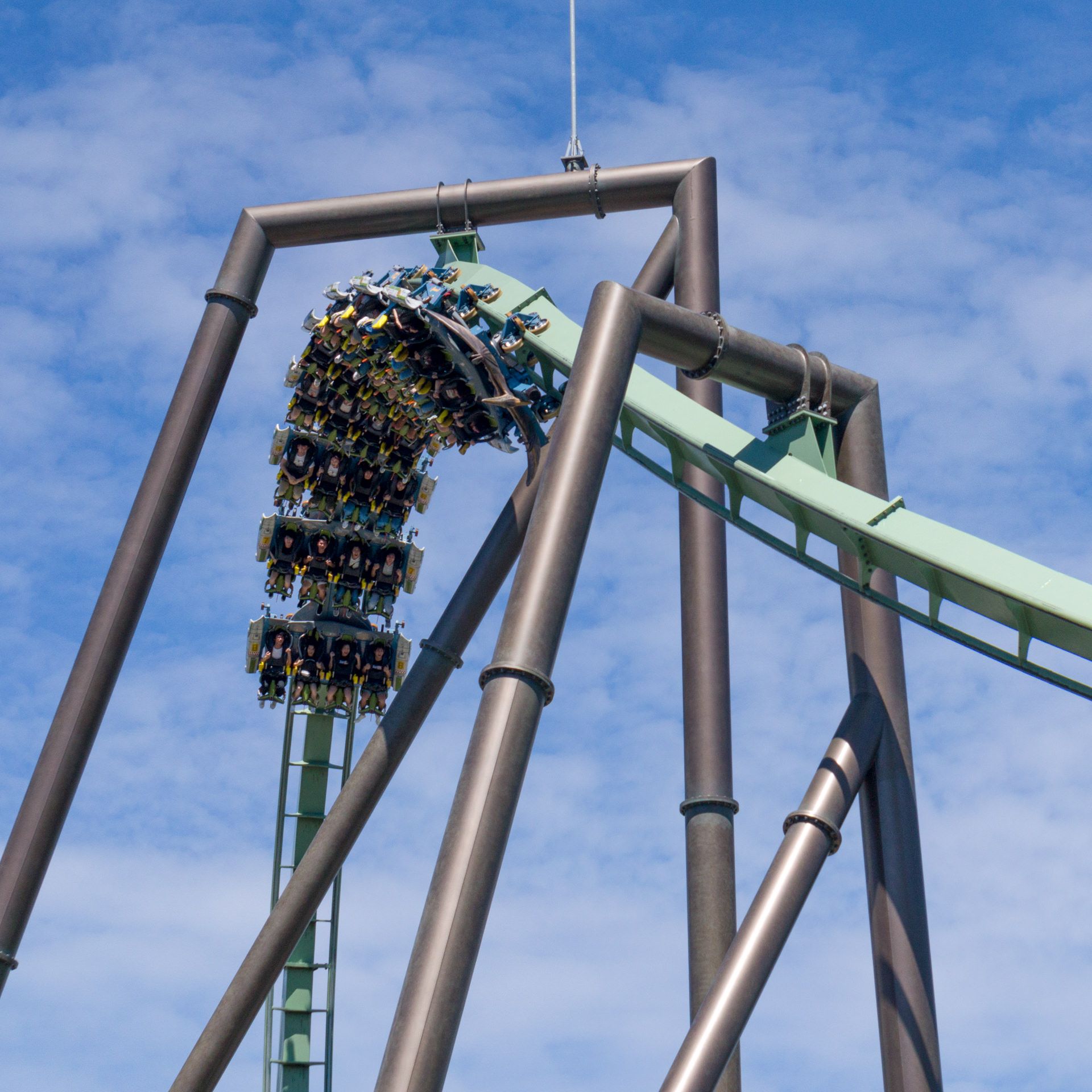
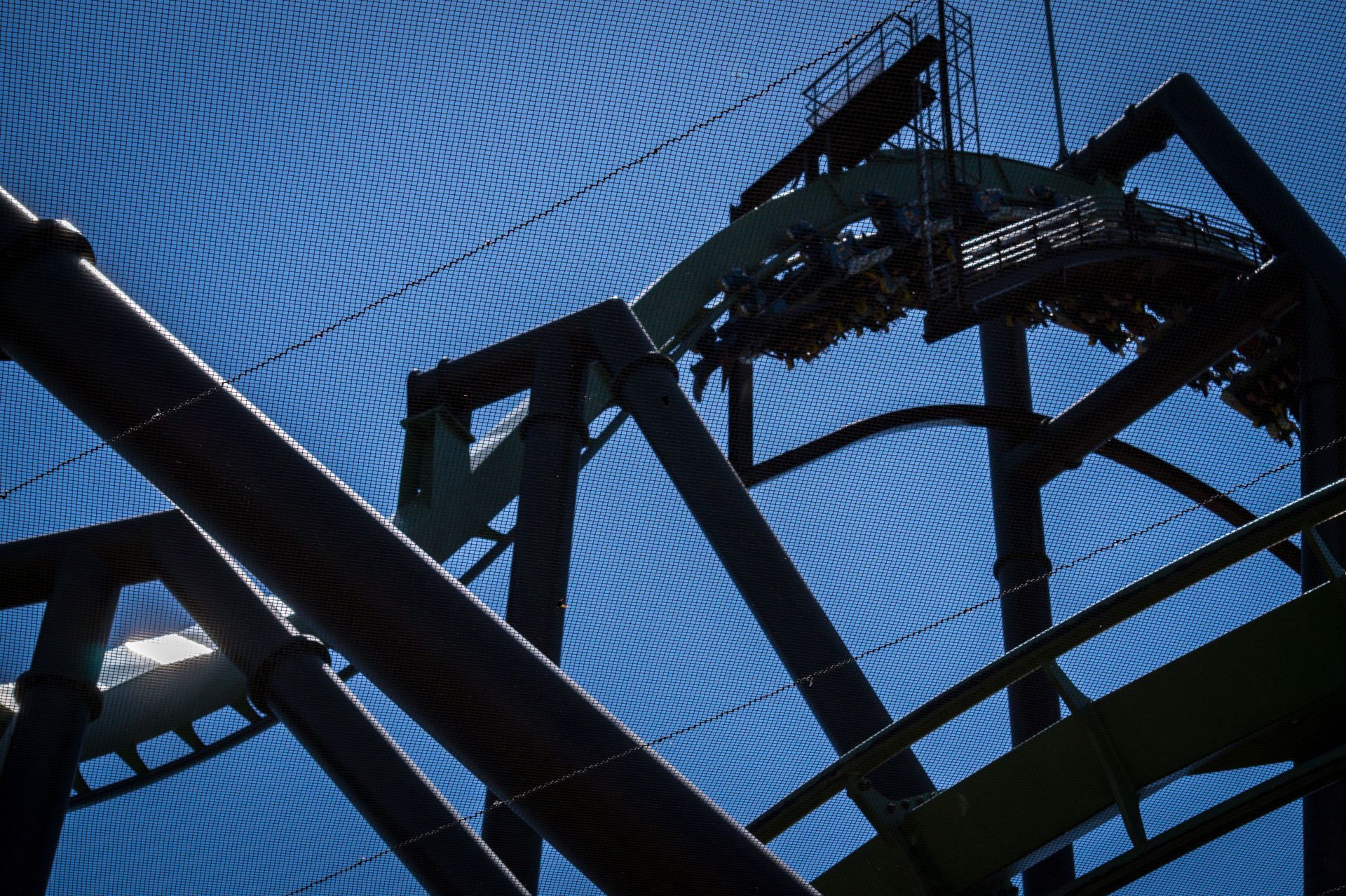
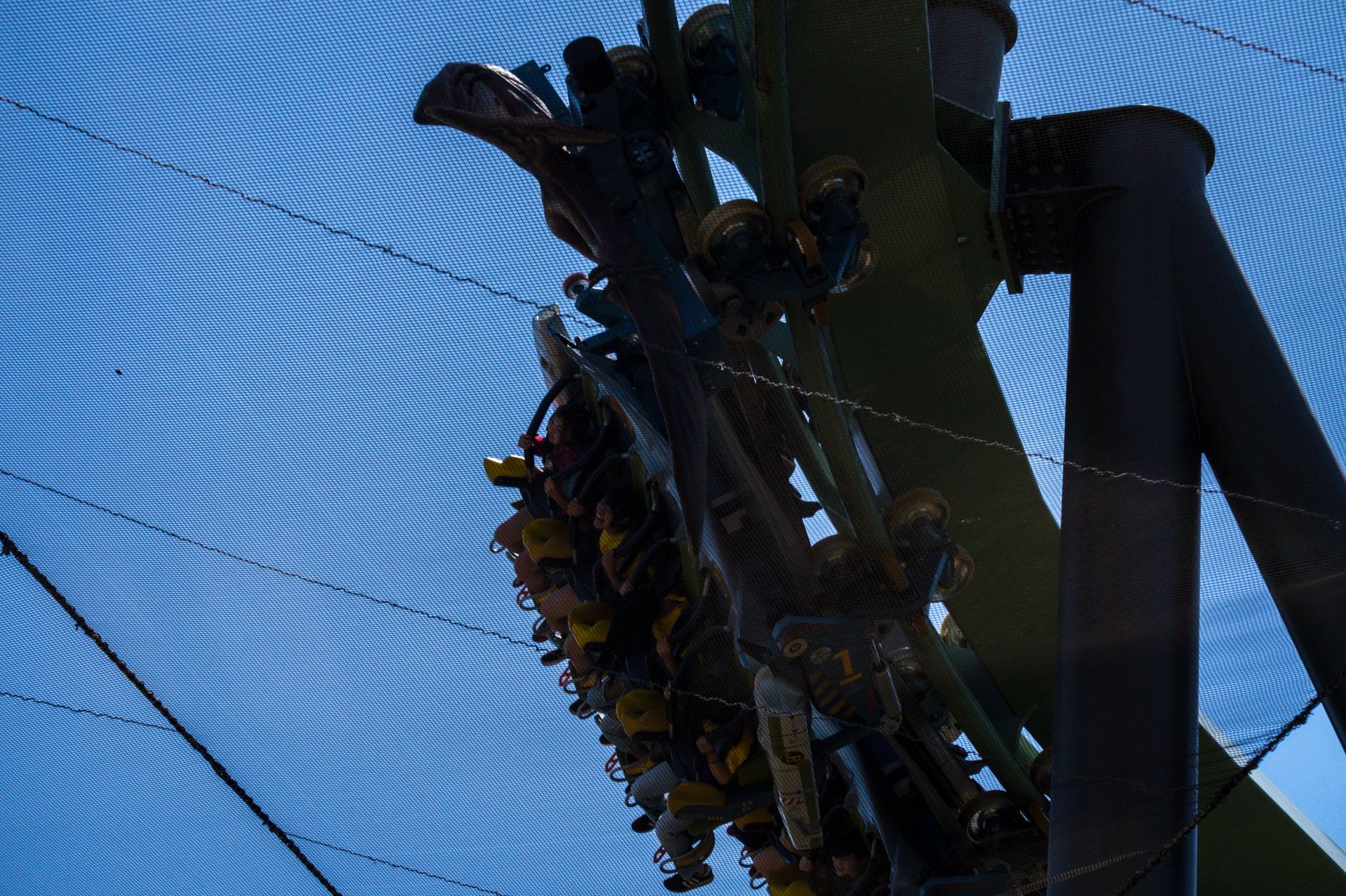
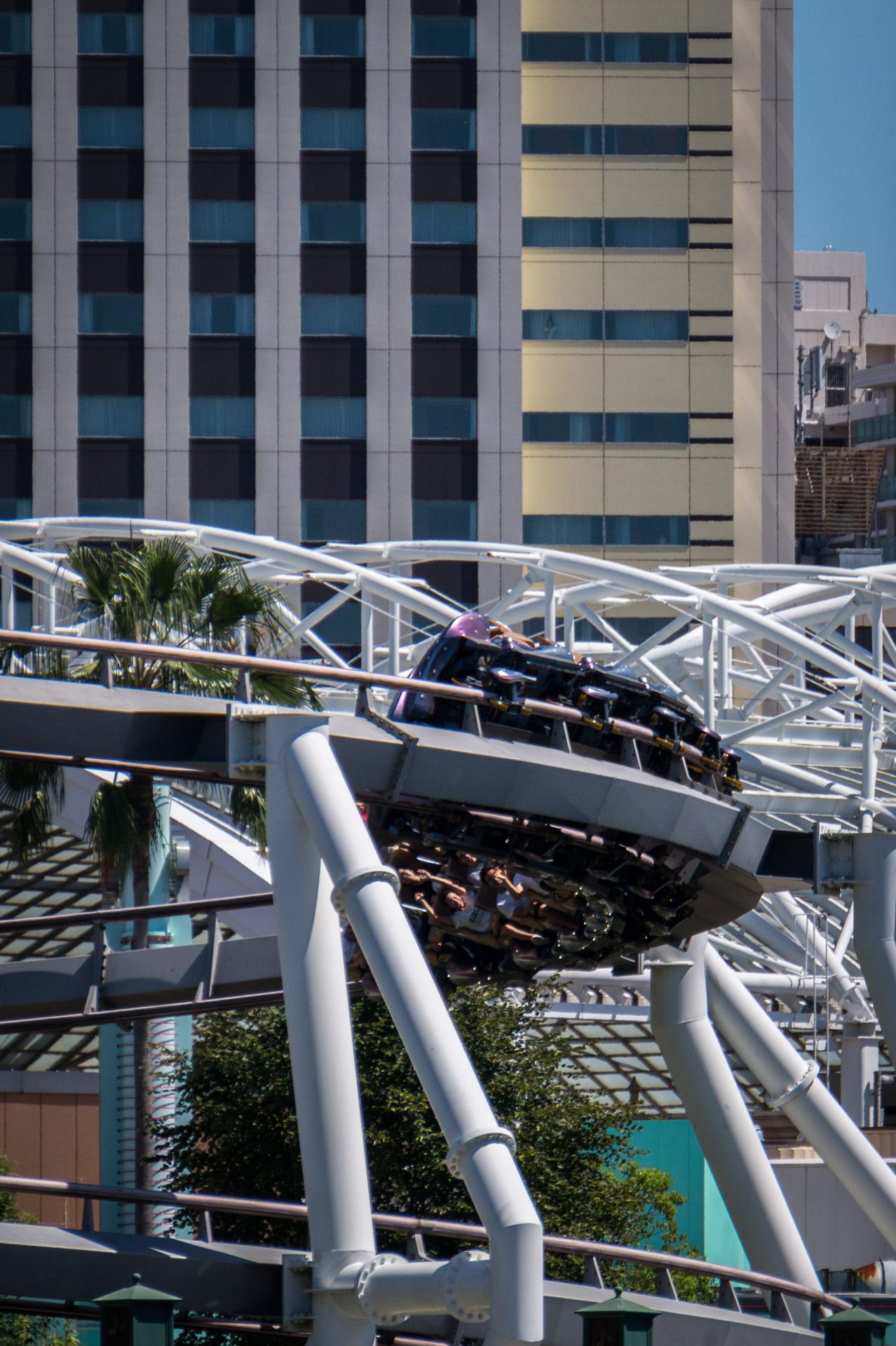
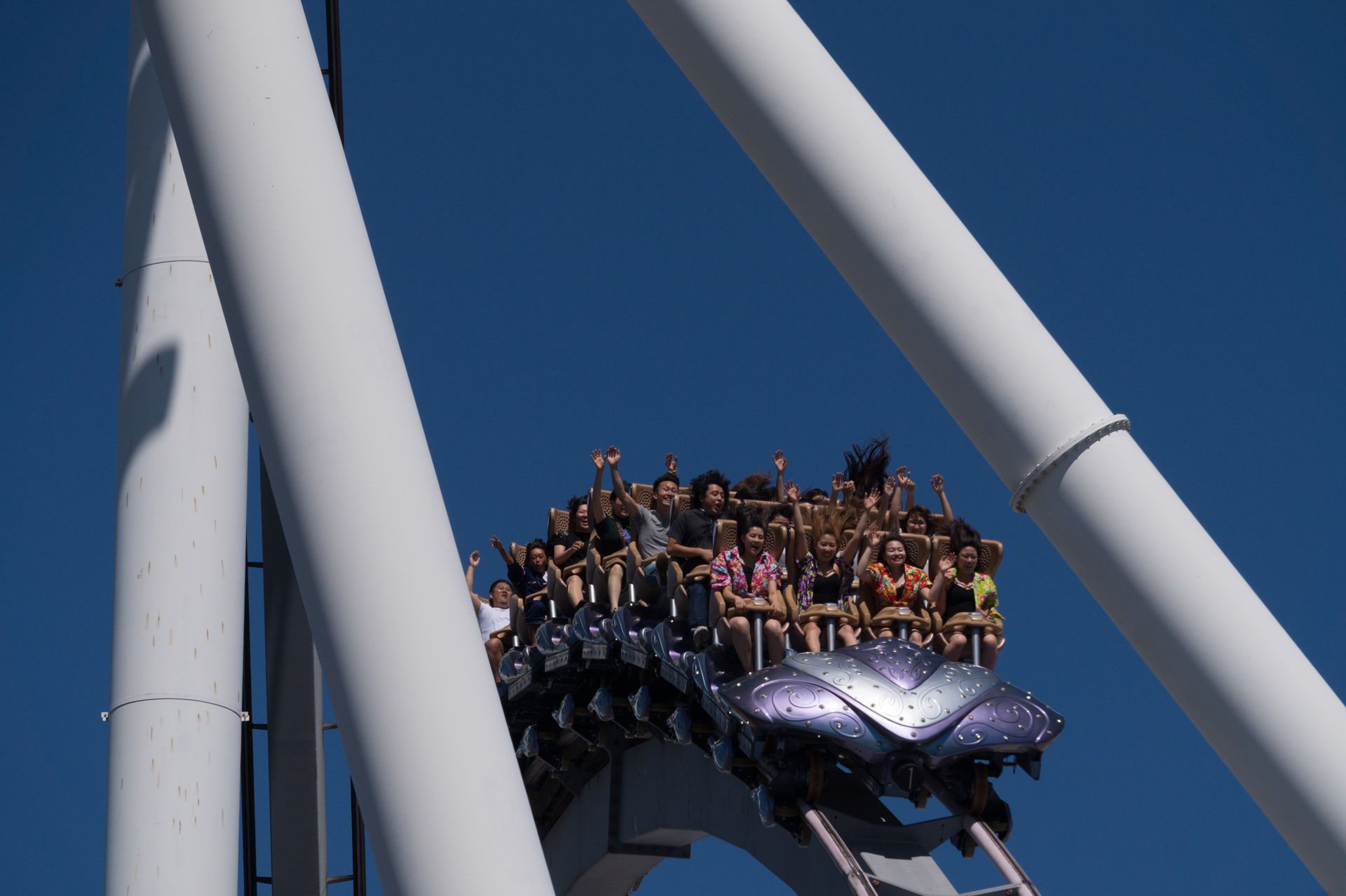
After you have dutifully stowed your luggage, it doesn’t take long before the restraint is checked and you are waiting in the flying position for take-off. It is interesting, especially during boarding in the first row, how the staff in charge protectively stand in front of the wings of our chosen aircraft, knowing very well that some people have already bumped their heads. Via a switch we immediately reach the lift hill, which takes us up to an altitude of 38 metres. The first drop follows, which is extremely steep. In the first valley, we fly over the astonished passers-by at a lofty height that is nevertheless quite close to the ground, before we skilfully spiral upwards in an in-line twist. In doing so, we almost experience the crest again in flight position, but in the exit of the roll another half-twist is waiting for us to be pressed extremely brutally into the back cushions in the next valley. In the following inside raven turn, a kind of immelmann loop without a headstand, the dinosaur does not refrain from reducing the pressure in any way, which is why we only get to breathe again at a distant altitude.
But the next element is already approaching and after a short right/left turn far above the heads of the potentially riders at Universal Studios Japan, we reach it. With a lot of momentum, we plunge into the Pretzel Loop, a ride manoeuvre in the shape of a pretzel, the valley of which we ride through in a lying position. With breathtaking speed and insane pressure on the ribs, we shoot through a short tunnel, just before we find ourselves again in lofty heights and lead our way from now on relatively close to the ground along the central lake. In a wide right turn we take momentum to be turned around our own axis once more in another in-line twist. This then turns into a beautiful and powerful 360° helix, which releases us parallel to the lift hill. A short dip later, we cross the last of the three in-line rollers before we soon find ourselves in the final brake of the ride.
The Flying Dinosaur is an insanely intense roller coaster that likes to use its high forces very often on its passengers. In fact, I would go so far as to call it the most intense roller coaster I have ridden (up to the time of my visit), and that includes calibres like the spinning coaster Tornado from the Danish amusement park Bakken, but with the fundamental difference that the Flying Dinosaur is also fun. Whether it’s the brutal in-line-twist-fly-to-lie combo and its subsequent breathtaking valley or the Pretzel Loop that is ridden through way too quickly – the flying dinosaur simply knows how to convince. Even the slow passages, which do exist, fit absolutely harmoniously into the overall picture and make The Flying Dinosaur one of the best rides of its kind.
Jurassic Park – The Ride
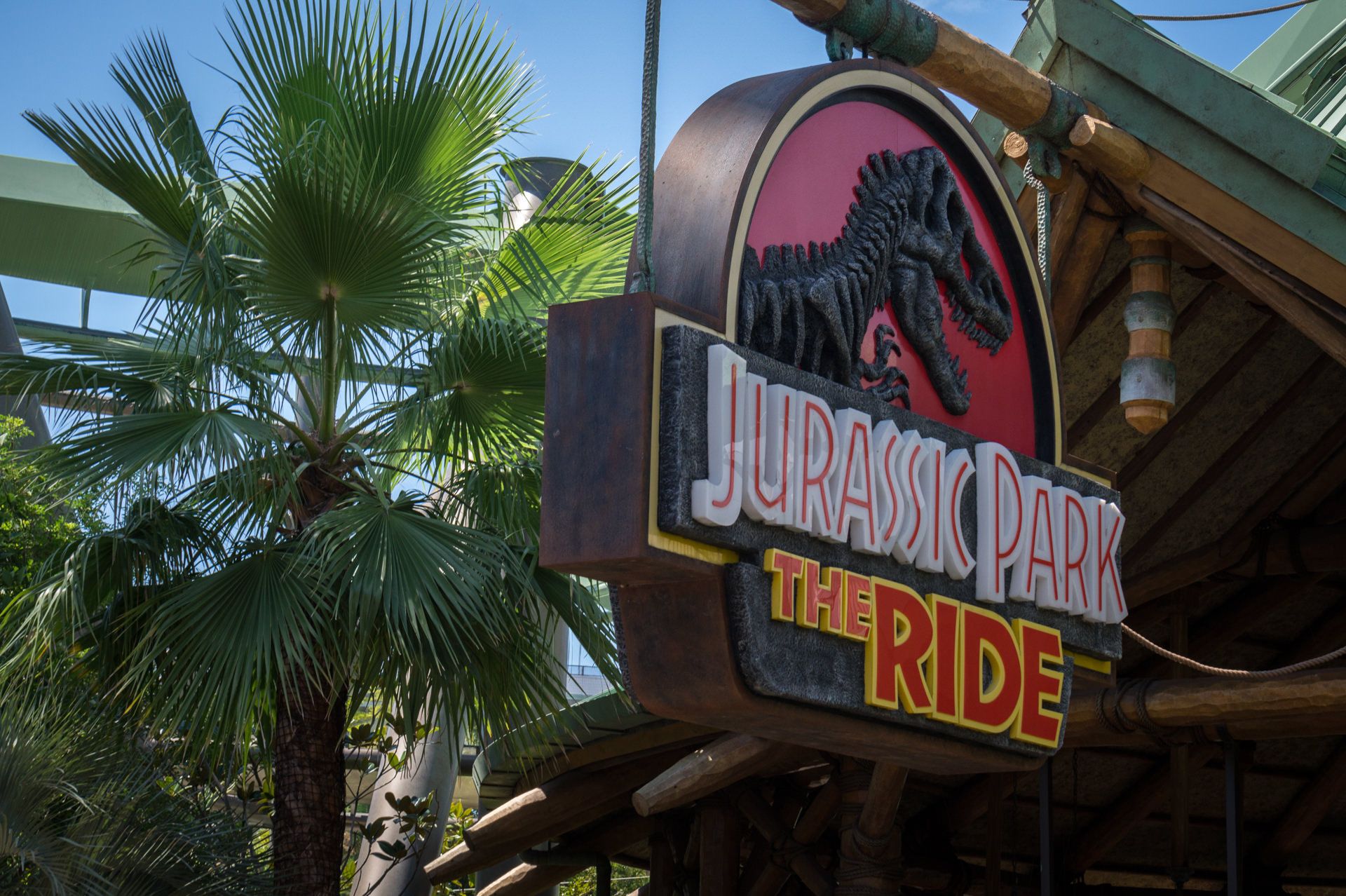
Another of the best rides of its kind is the Shoot-the-Chutes Jurassic Park – The Ride. The ride through the time-honoured dinosaur park is certainly one of the best-known rides in the world; so it’s all the nicer when the posted waiting times go by much faster than initially thought.
Since the ride is thankfully based on the first film, we are looking forward to an adventurous ride without divorce drama and genetically manipulated hyperdinos on the island of Isla Nublar. After leaving the station, a short lift hill takes us to an intermediate level, where we first bob through the channel for a few metres before approaching the significant gate from the film. The gate opens, the music plays and you feel like you’re back in your childhood again, so my primary school self was addressed, and so the path leads us quite leisurely through the Ultrasaurus and Stegosaurus enclosures. In the hadrasaur enclosure we get a warning that the raptors have escaped. Meanwhile, two dilophosaurs fight over the remaining coat of a park employee, enough distraction to worry about our own escape. As we approach a building, a small container almost falls on our heads. In the building itself we use the transport device inside to get to the power station. On the now very long lift hill we gain some height and are attacked by velociraptors from both sides. Once on the power station level we are attacked by more dinosaurs as we approach the evacuation path in a wide curve. A short lift hill brings us to the aforementioned shot, so that we can only very narrowly escape from a T-Rex that has just appeared. We now descend a good 26m, after which the obligatory splashdown takes place at the end.
This is also quite effective and can soak you wonderfully, although on the first trip we wondered when this would take place, before (quite untypically) it simply caught us ice-cold with a wave generated from behind. Although the subsequent trips used the more traditional method, you could observe it quite well on some boats. But before I digress too much, let me say that Jurassic Park – The Ride is a water ride that is absolutely worth seeing and should not be missed.
Jaws
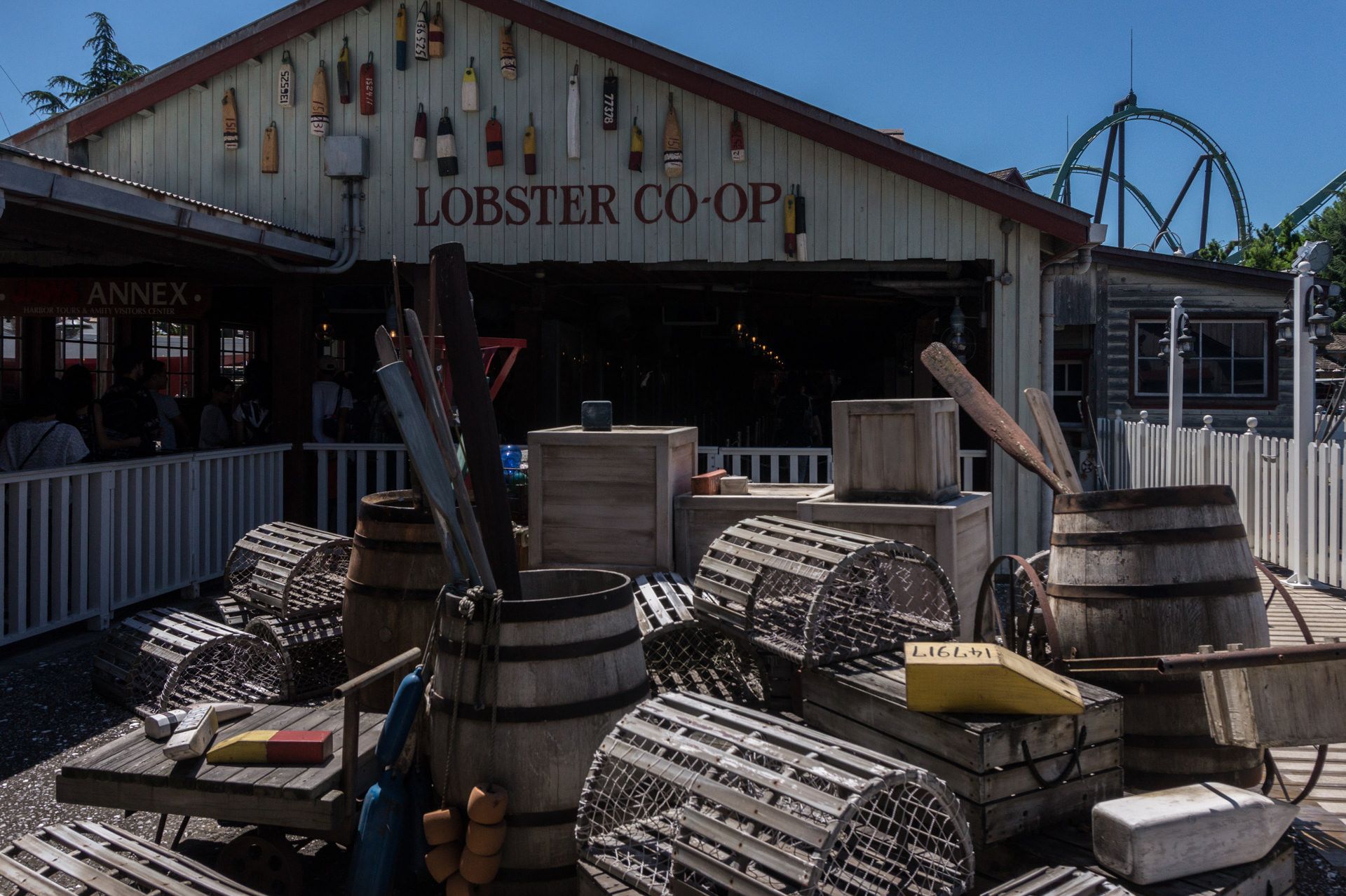
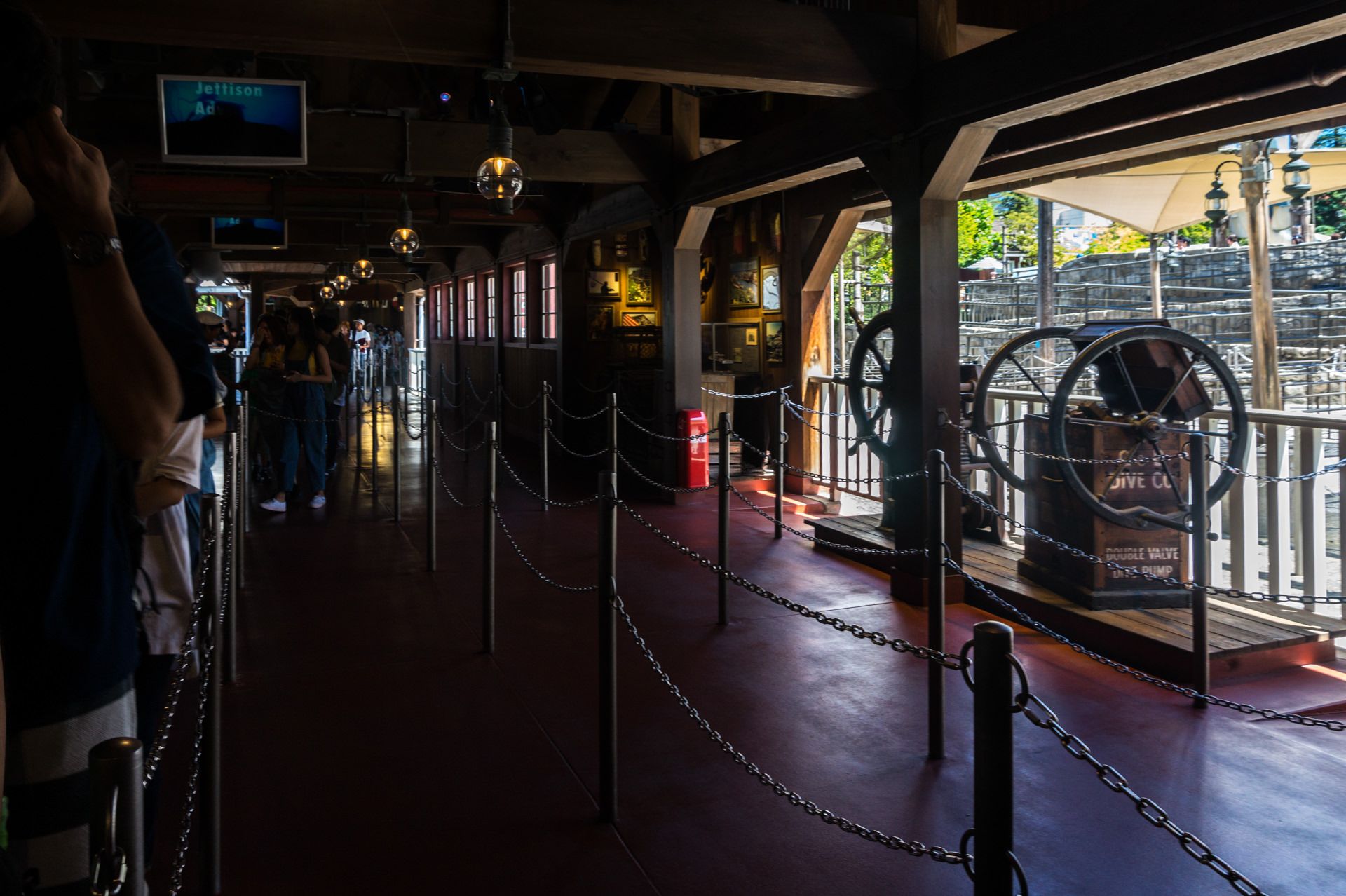
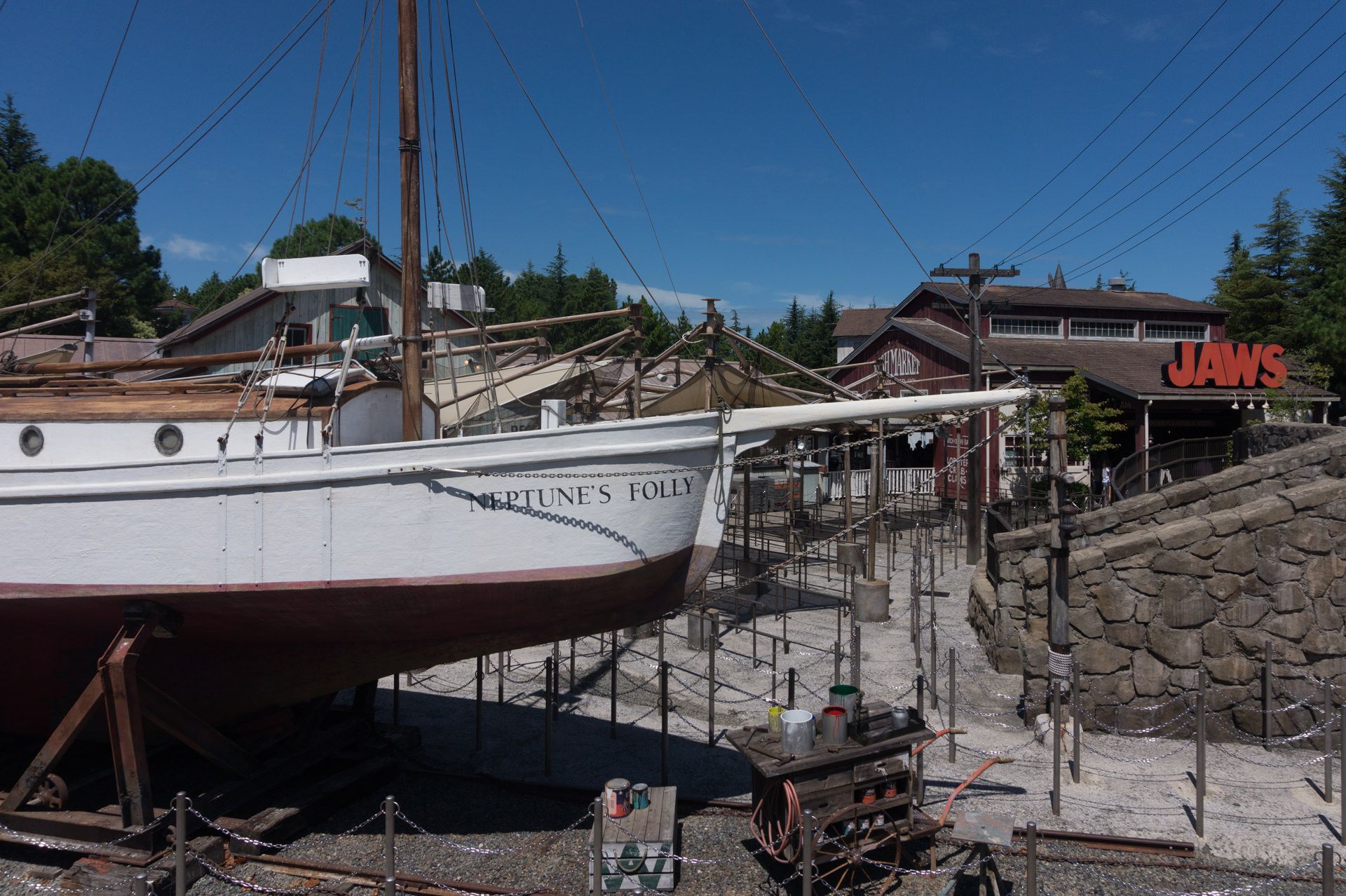
Certainly worth seeing, but unfortunately only once a day, is the water stunt show Water World, which we actually wanted to watch – but which absolutely did not fit in with the time schedule. Instead, we now focus on the fishing village of Amity and its famous harbour tour in Jaws, which visits the sites of the shark attacks from the summer of 1974.
Passing numerous well-known buildings and locations from Jaws, we leisurely sail through the harbour of the coastal town before a distress call reaches us. A short time later we only hear screams and then a torn boat and the fin of a shark. The shark now passes under our boat, which is then shaken back and forth a little. Our skipper grabs a gun and fires two shots at the shark, but both miss their target. Meanwhile, we drive into a nearby boathouse to wait for Chief Brody. But the inevitable happens and the great white shark attacks us here as well.
We flee, but the shark is always on our trail. Armed again, our boatwoman shoots the grenade launcher once more, but now hits a gas tank, whereupon it ignites. Again, we only just manage to escape. On a nearby pier the boat is now to be evacuated. The great white shark attacks again, but bites into a conveniently placed underwater cable of a nearby electricity platform and thus roasts itself. After this stroke of luck, we reach the saving harbour and a truly adventurous harbour tour comes to an end.
Jaws is simply sheer cult, but the ride itself varies greatly due to the performance of the ship’s captain. The ride itself is solid and visually convincing, but it’s only really fun when the staff are excited and slightly panicked, and some are much better at that than others. Nevertheless, you should by no means miss out on the fun at Universal Studios Japan, because solid as the first film is, it certainly is.
Wizarding World of Harry Potter
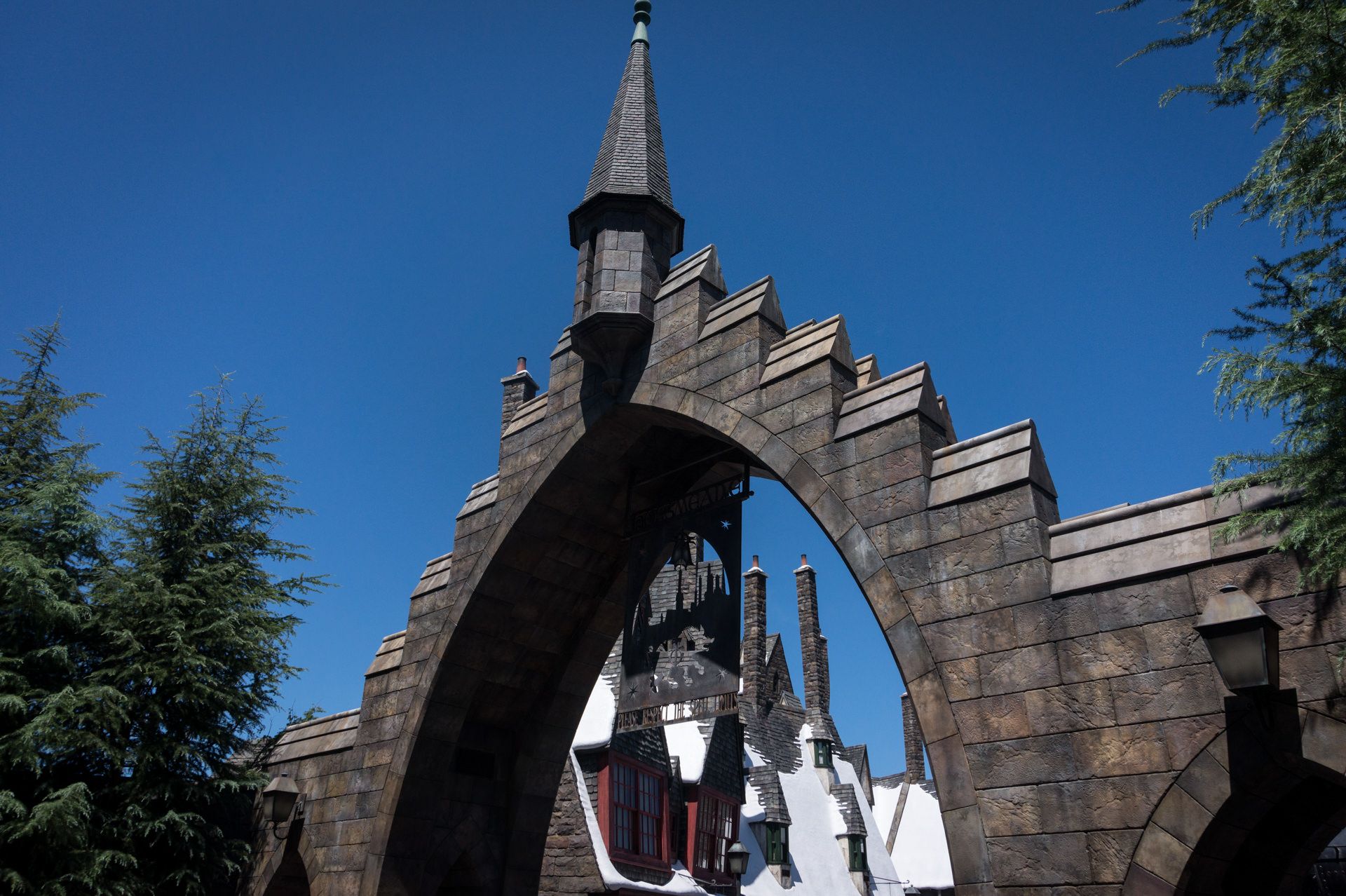
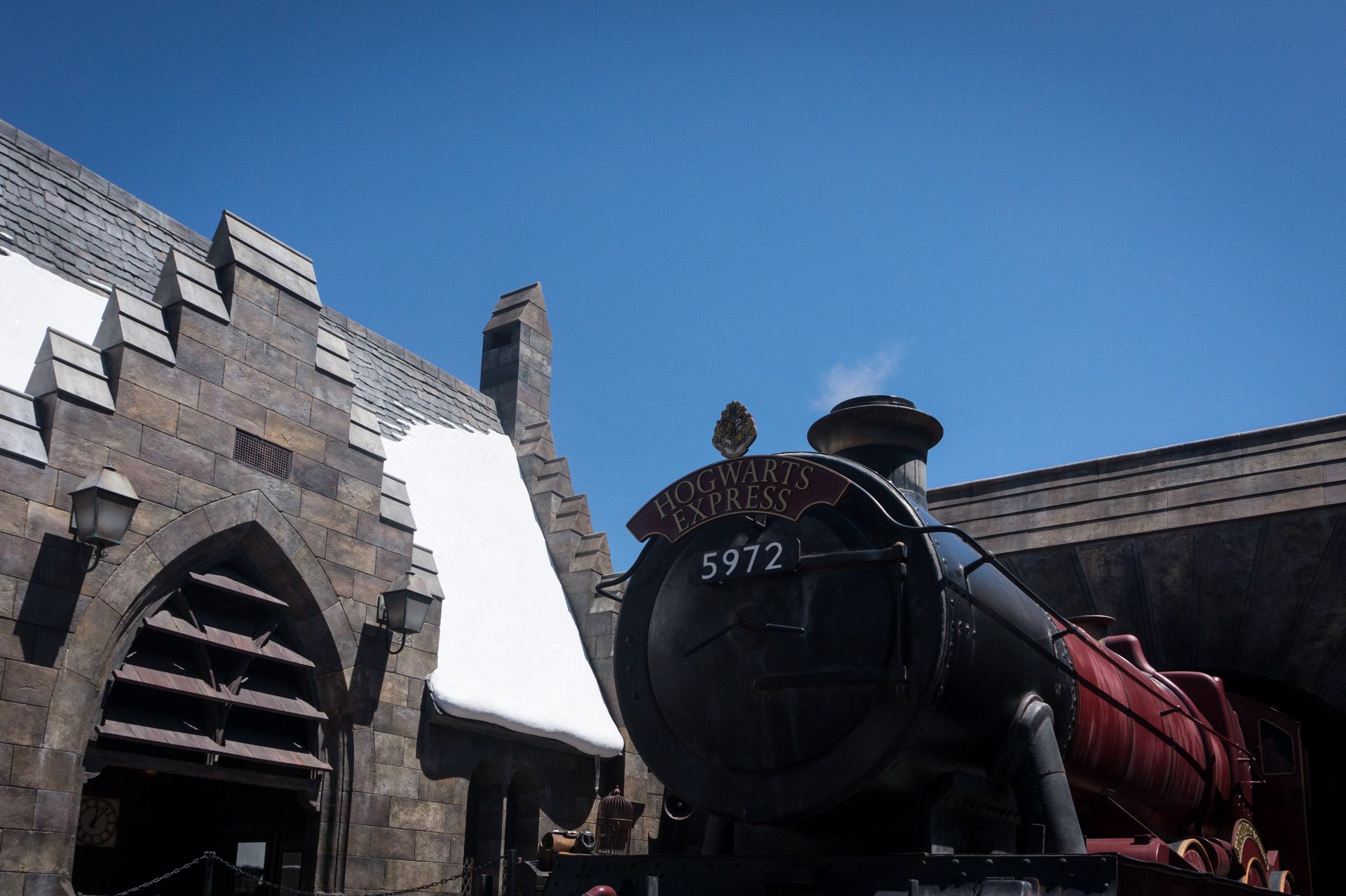
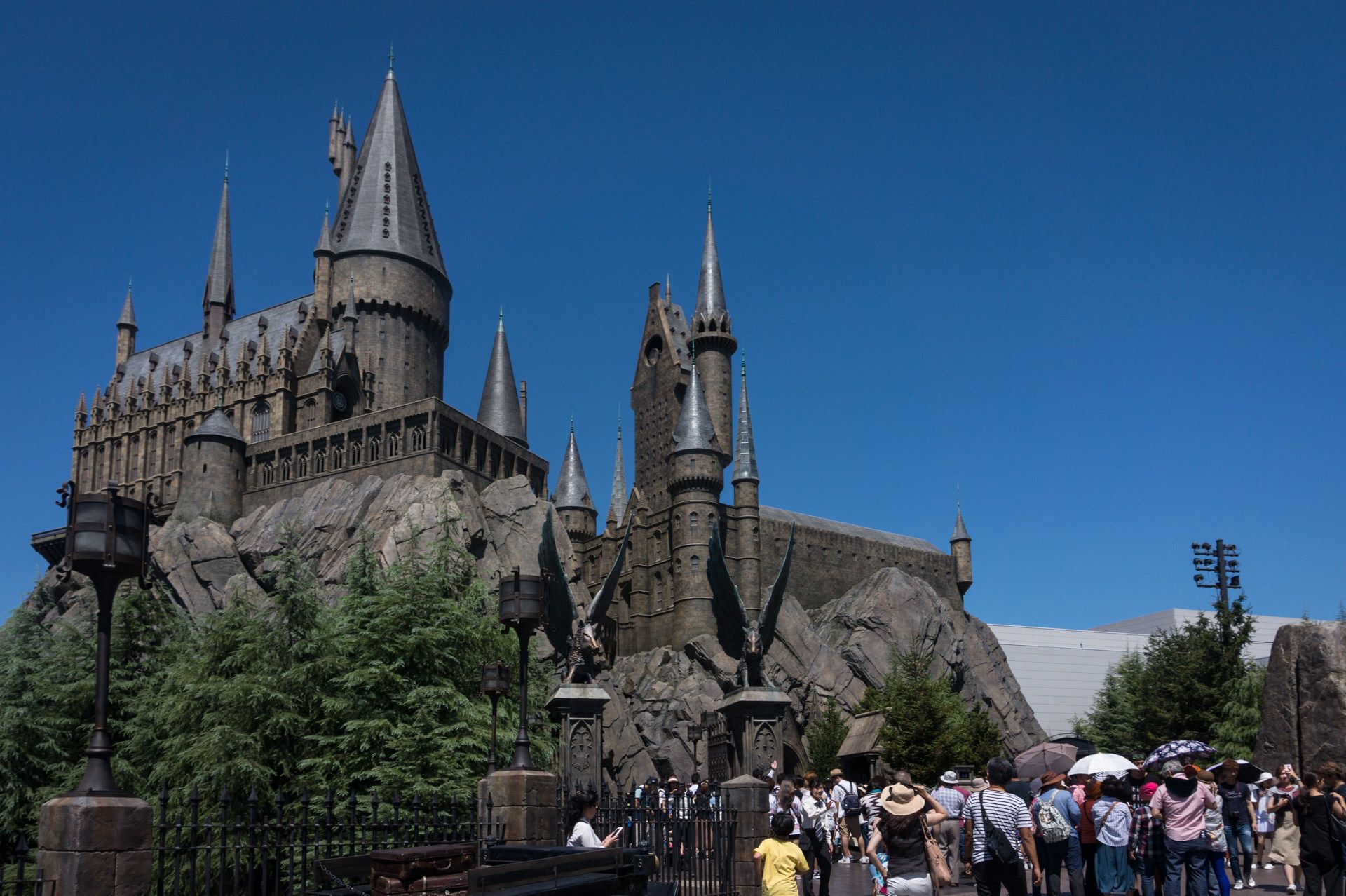
The Wizarding World of Harry Potter, on the other hand, has led to a solid increase in the number of visitors to Universal Studios Japan, and today we can even enter the themed area without a time ticket. But before we stand in front of Dumbledore’s office entrance at Hogwarts, we have to explore the village of Hogsmeade and get a wand from Ollivander’s branch. Admittedly, the service is terrific and having a Japanese woman recite the spells from the Harry Potter universe was an extremely entertaining choice by the old man.
Flight of the Hippogriff
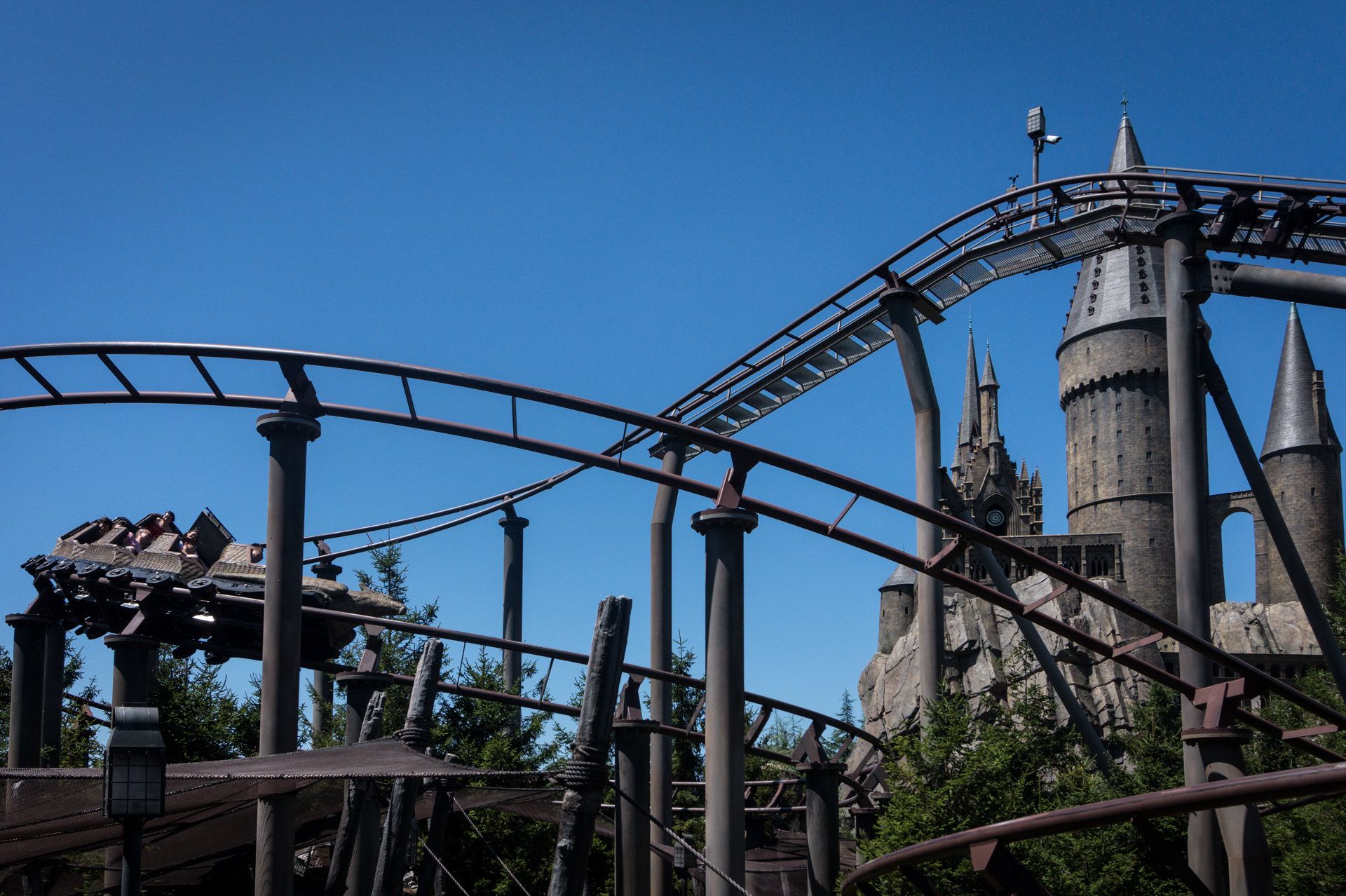
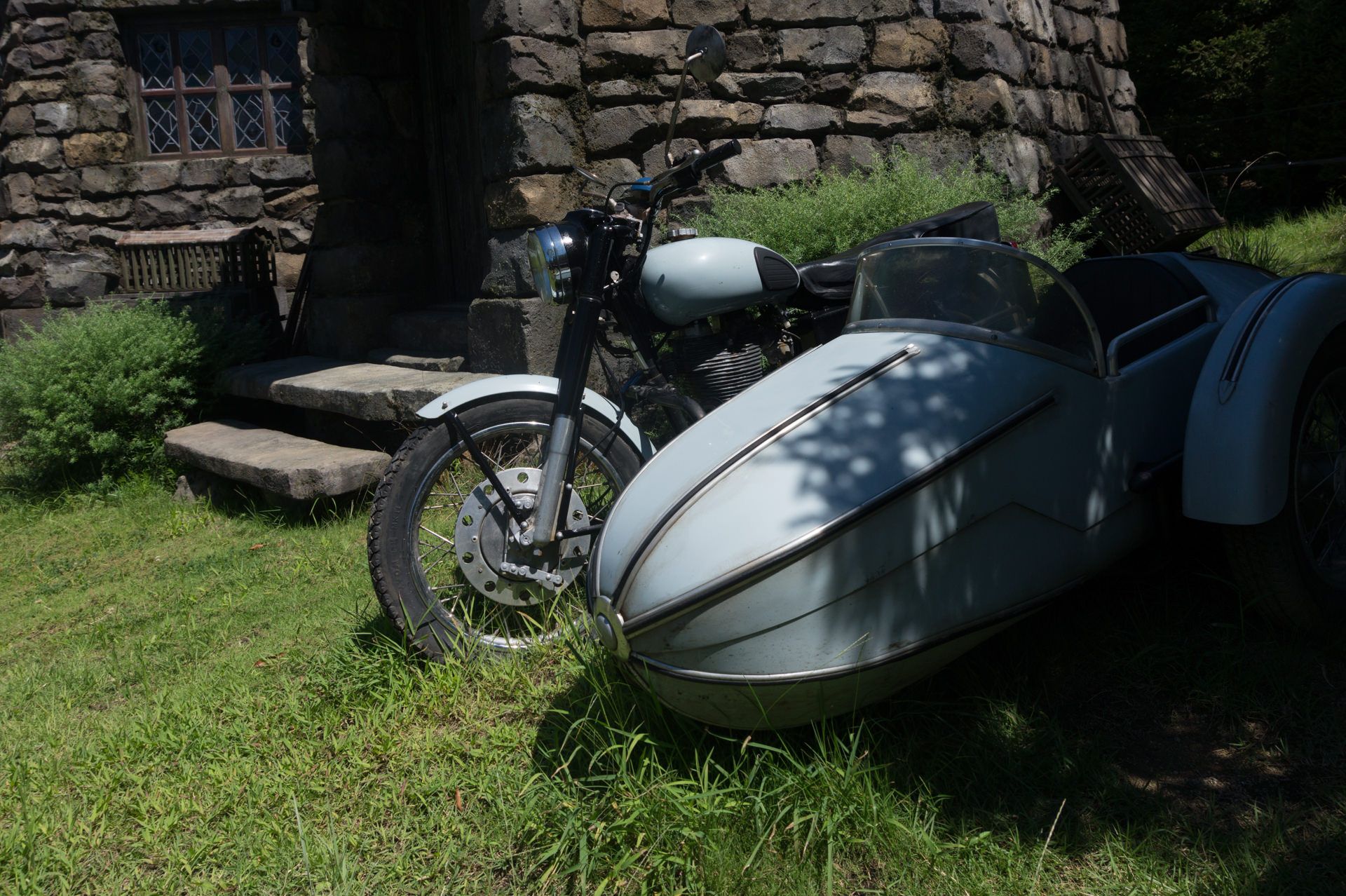
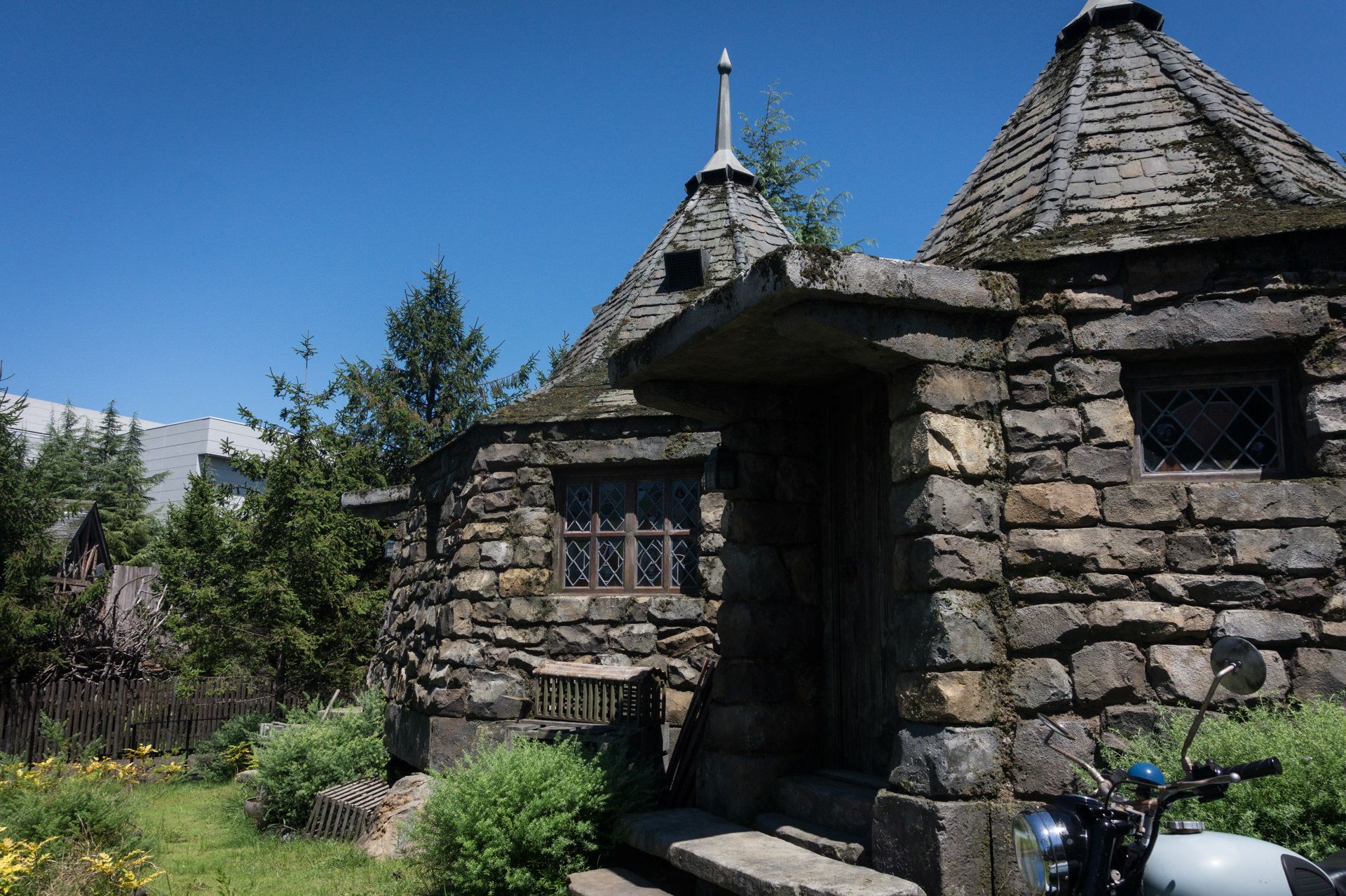
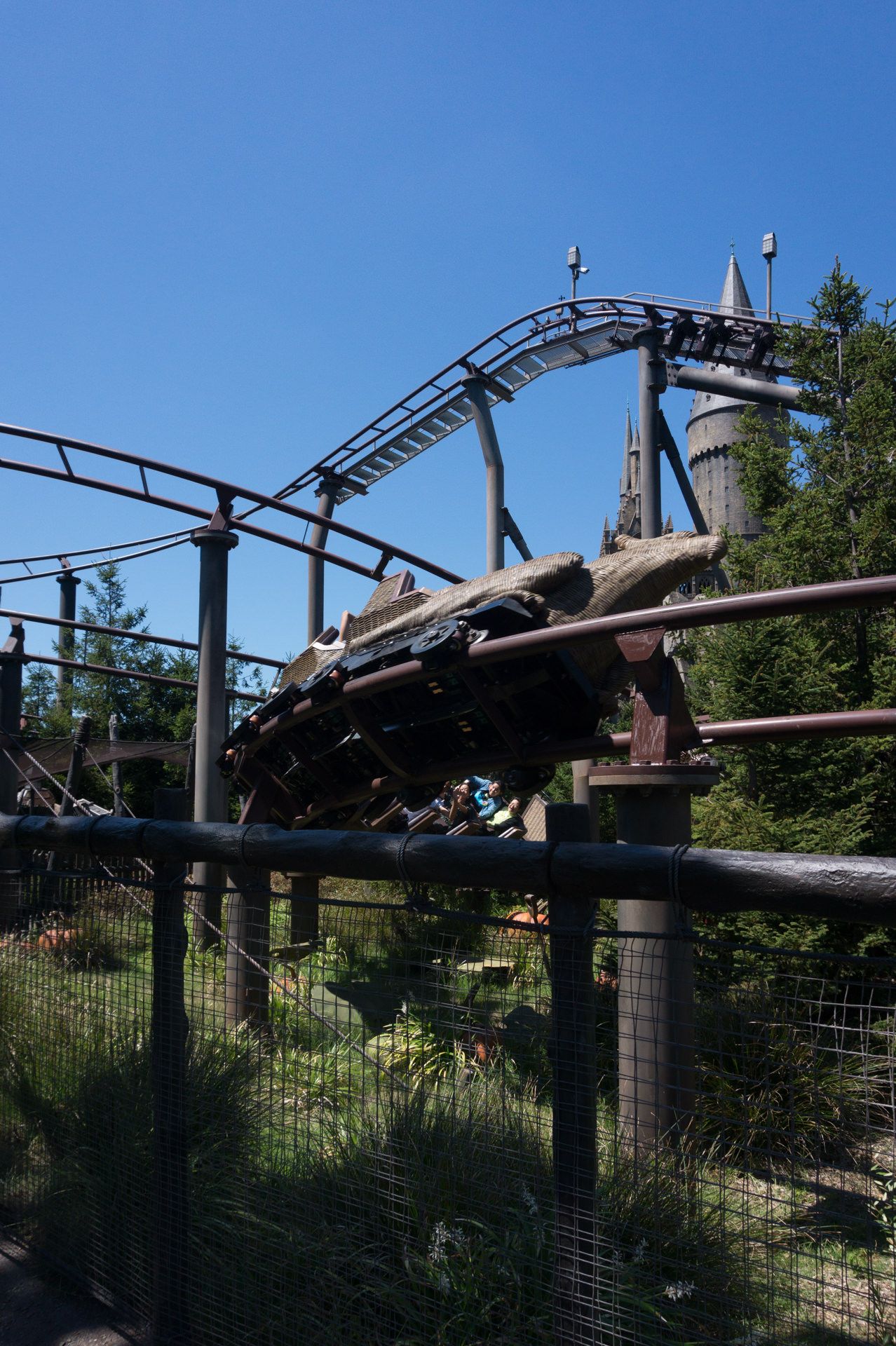
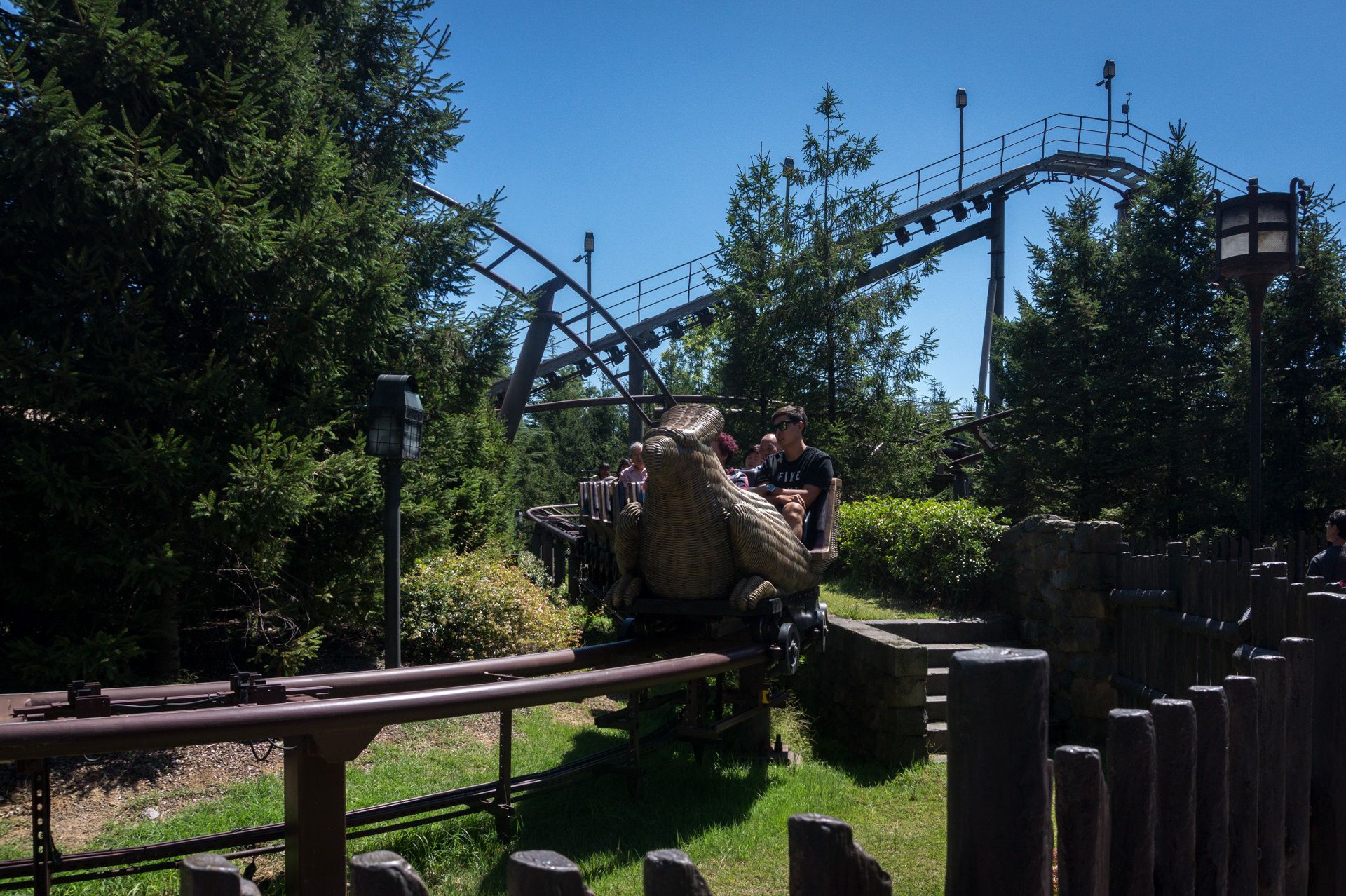
Since we were already close to Hagrid’s hut, we didn’t miss the chance to pay him a visit and take a flight on the Hippogriff. Flight of the Hippogriff is the standard model of a Vekoma Roller Skater with a little special feature, namely two trains. Accordingly, the ride begins with a short curve out of the station and the subsequent lift hill. Immediately, you complete a left-leading steep turn with a subsequent upward helix, cross a short valley and a wide right turn near the station. Over a hill you cross the course you have just covered, whereupon you lose some altitude in another helix. A left turn follows, and soon the braking section is waiting. Here you wait a little until the train has been dispatched at the station and you can enter it.
Harry Potter and the forbidden Journey
Inspired, we joined the guided tour of Hogwarts, after all, we wanted to see what the castle looked like inside and we did not planned to experience the normal queue with its length of 120 minutes on this day. With our express pass in hand, going through the express queue at Harry Potter and the forbidden Journey was also of an enjoyable nature, even though we had no further rights after checking in our hand luggage and had to wait there for a few minutes.
But that was also only of short duration, so that a short time later we could take a seat on one of the four-seater gondolas. The wild ride through the old walls begins with Hermione’s generous use of flea powder, on which we are soon to find ourselves in the observatory. Slight tilting effects to the side provide initial excitement during the transport, because all movements are absolutely smooth – which is quite unexpected, given the otherwise very rough movement profiles of the stationary robo-coasters. In the observatory itself, we join Harry and Ron and experience a fabulous ride over the rooftops of Hogwarts towards the Quidditch game. Meanwhile, we encounter Hagrid, who confronts us asking if we’ve seen the dragon, only to encounter said dragon moments later. Pushed by the dragon, our path leads us into a bridge, where it then waits for us as an animatronic, but we manage to escape.
Shortly afterwards we find ourselves in the forbidden forest, where we immediately encounter Aragog. Hermione rushes to help and chases him away, while we continue our escape. More spiders get in our way, but we manage to leave the forest. In the clearing, the whipping willow awaits us, although we are able to avoid it quite well, it eventually catches us and we are thrown into the Quidditch stadium. So far so good, after all it was our goal and we are live in the action – which is much cooler than the trendy sport of the Muggles in Europe.
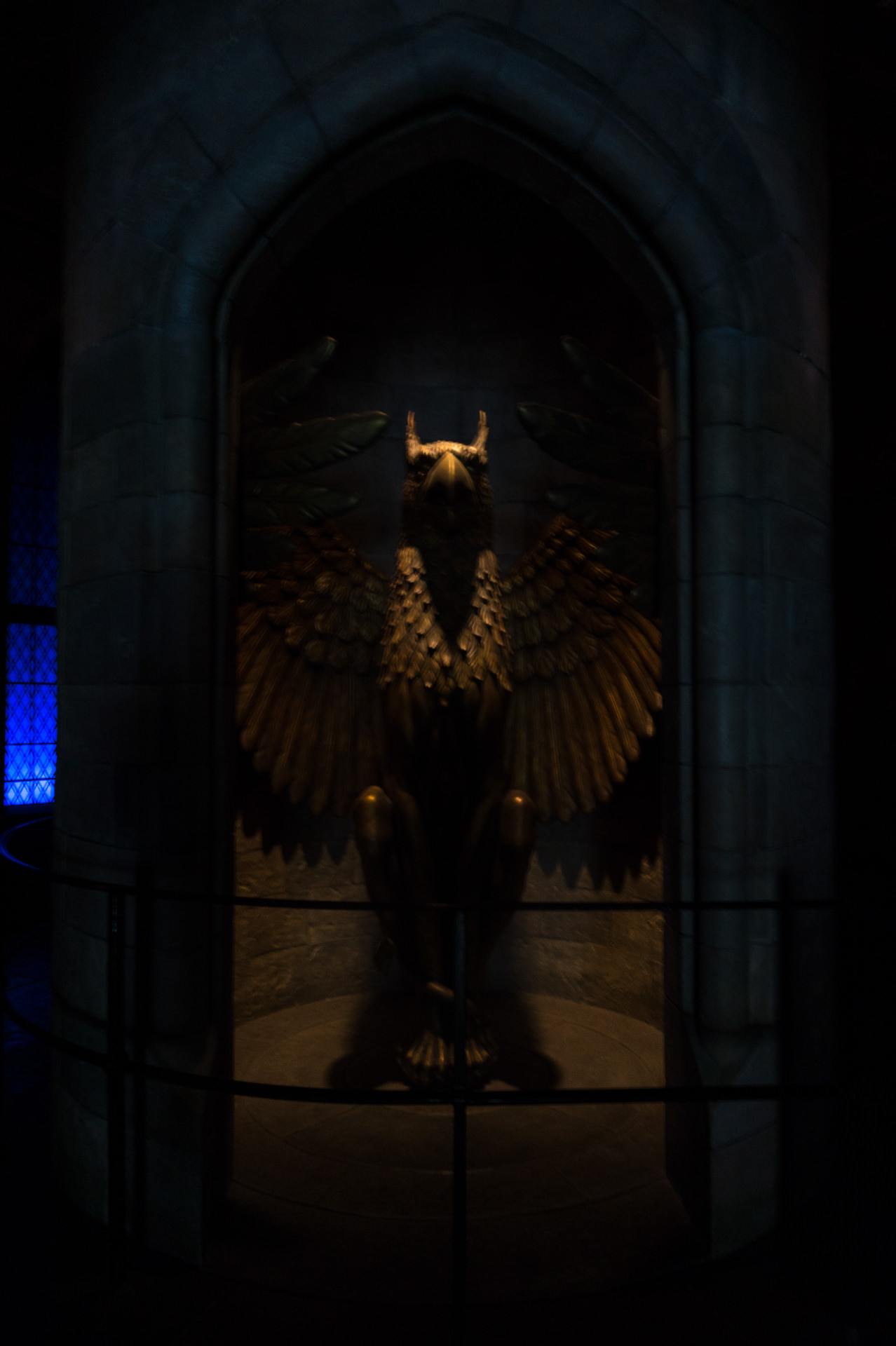
When Slytherin unfortunately scores a goal against Gryffindor, Dementors enter the arena, and since evil plus evil always results in evil, Harry immediately escorts us out of the arena. In the process, we get separated from Harry and soon find ourselves in the Chamber of Secrets. Another Dementor chases after us and even Lord Voldemort gives in. We manage to escape, but a horde of Dementors is already waiting for us. It is getting cold, the movements of the gondola carrier noticeably slow down and a heartbeat sounds from the subwoofers of the gondola is played. At the last possible moment, Harry chases the Dementors away and we follow him through the collapsing entrance towards Hogwarts. In the main hall leading to the grand staircase, we meet all kinds of students and teachers and, last but not least, Albus Dumbledore, who uses flea powder to transport us to the Room of Requirement, i.e. the station of the ride.
I was flabbergasted. I would never have thought that the Kuka robots could make such a journey. I was also simply overwhelmed by the scale of the decorations and screens. The whipping willow in particular thrilled me so much that I could only respond to the rest of the ride with a broad permanent grin. The symbiosis between projection and real scenery works just perfectly and the ride system supports this in the best way. The great freedom of movement of the robots in particular brings an incredible dynamic to the ride, which is also used perfectly and thus ultimately offers an absolutely wild but extremely harmonious ride through the Harry Potter universe. I’d love to see more of it!
Wonderland
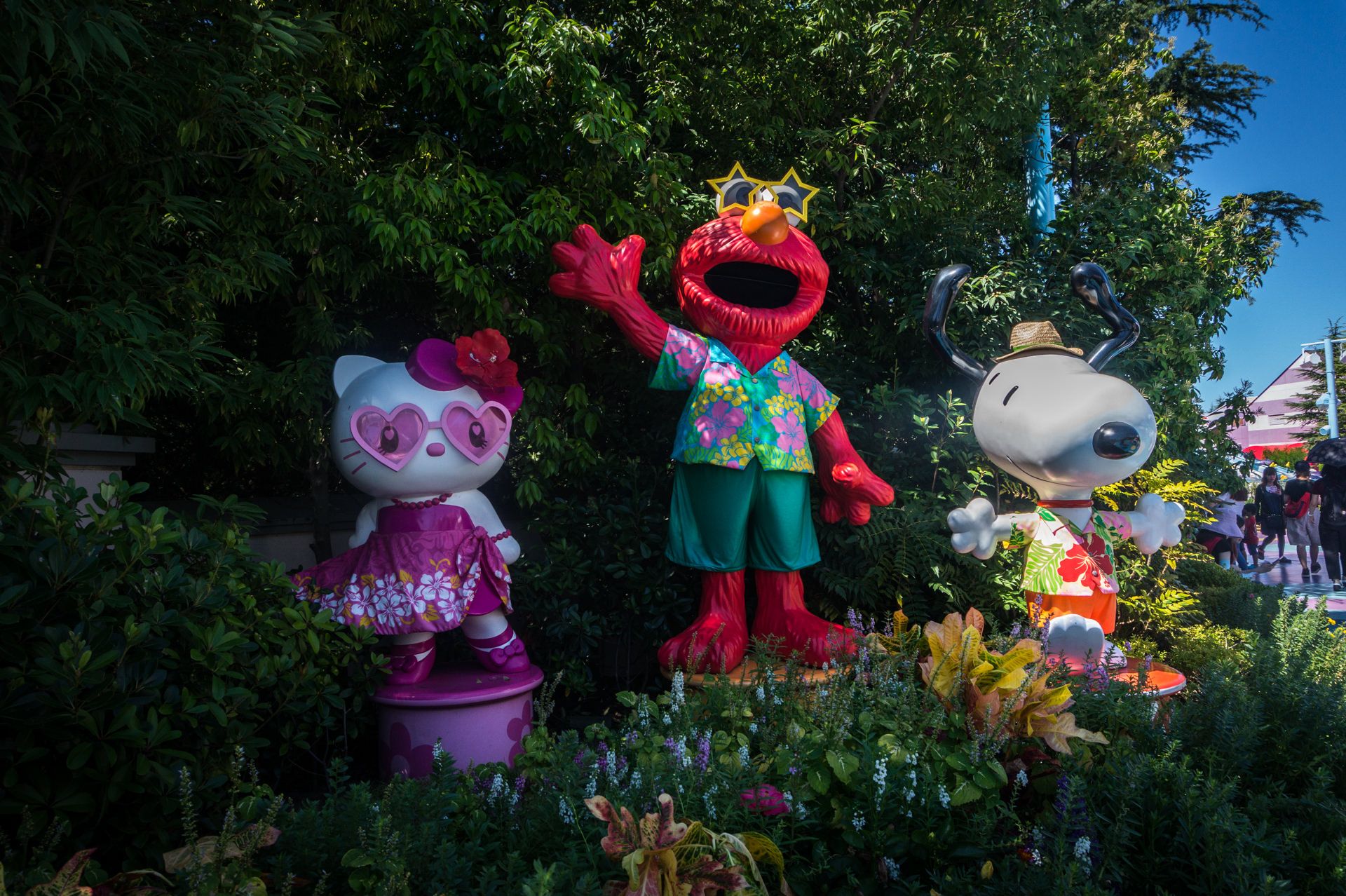
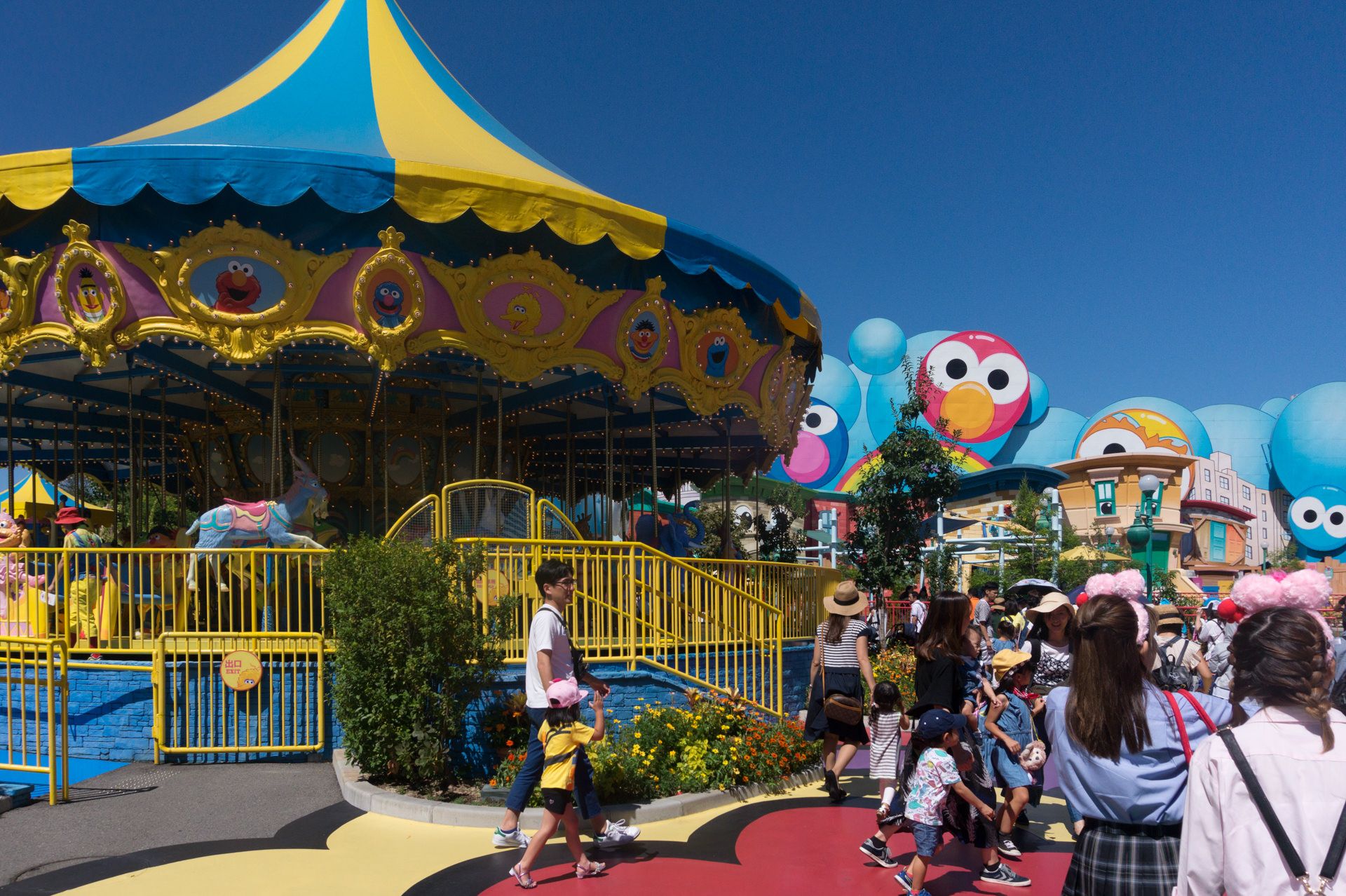
I’m at least looking forward to returning to Hogwarts at some point and taking another ride on the magical benches, but before that I’m heading to see Harry Potter And The Cursed Child in London and for you now to the Wonderland themed area, where characters from Snoopy, Sesame Street and Hello Kitty can be found.
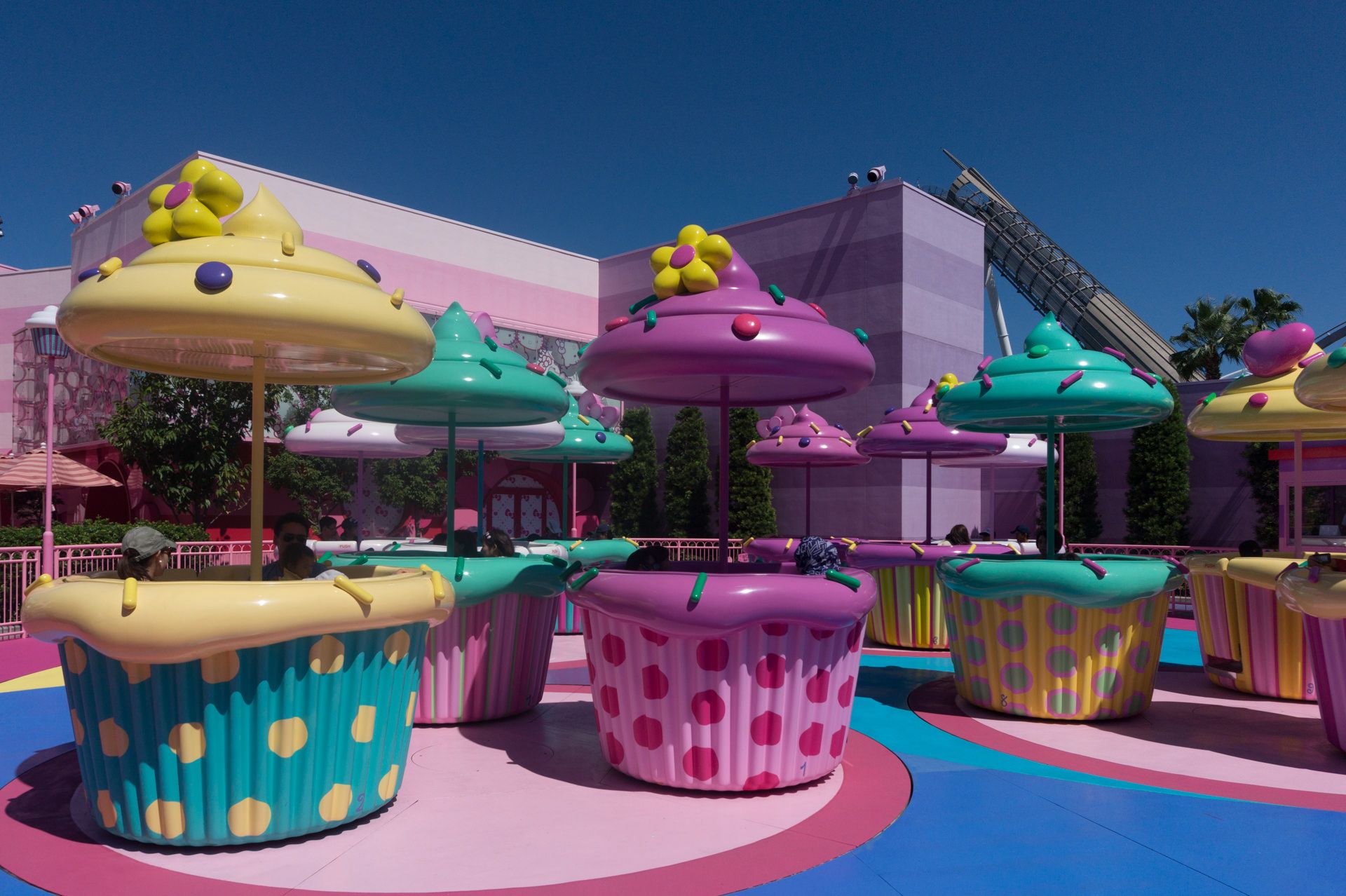
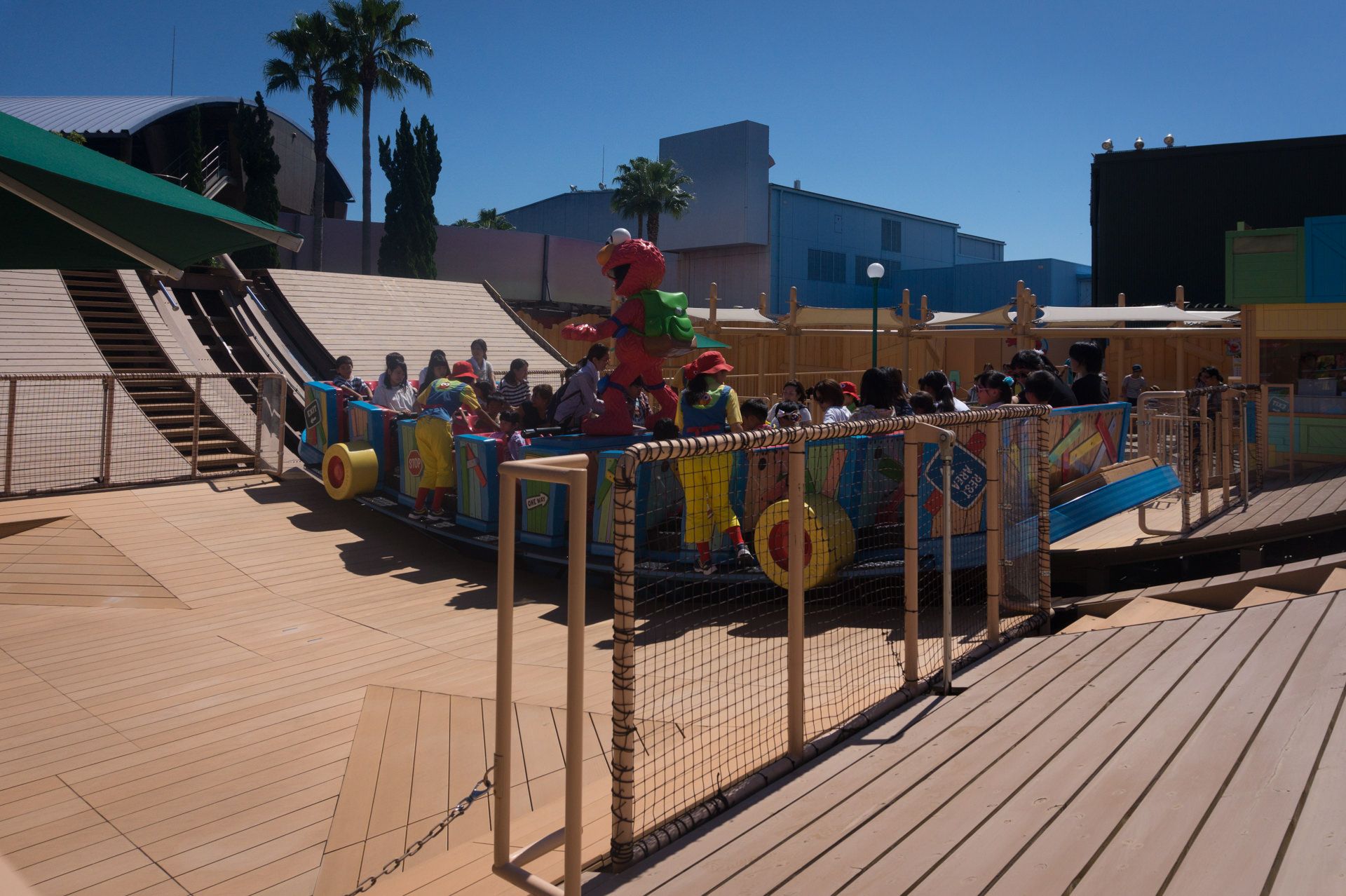
There are all kinds of children’s rides here, such as a horse carousel, a Kontiki, a children’s driving school and much more. In one of the halls of Snoopy Studios there is another children’s roller coaster, which unfortunately had horrendous waiting times during the day, but luckily in the evening you could get on directly, which is why I didn’t miss out on a ride – especially as it is a Japanese ride from the manufacturer Senyo.
Snoopy’s Great Race
The ride in the soapboxes of Snoopy’s Great Race begins with a small right turn out of the station. The friction wheel lift quickly transports the train up to the ceiling of the hall, whereupon it quickly picks up speed on a short straight. In a left turn in Bavarian curve style, the train leads over hill and dale before it dives under the lift hill. In a wide right-hand bend, the train breaks through a large billboard and shortly afterwards gains height on the rear wall of the hall. A short dip to the right leads the train into the rapid finale of the ride. After a short uphill section, a wonderful left-hand helix follows, whereupon the braking section and station are soon reached and the ride on this wonderful family roller coaster comes to an end.
Hollywood Dream – The Ride
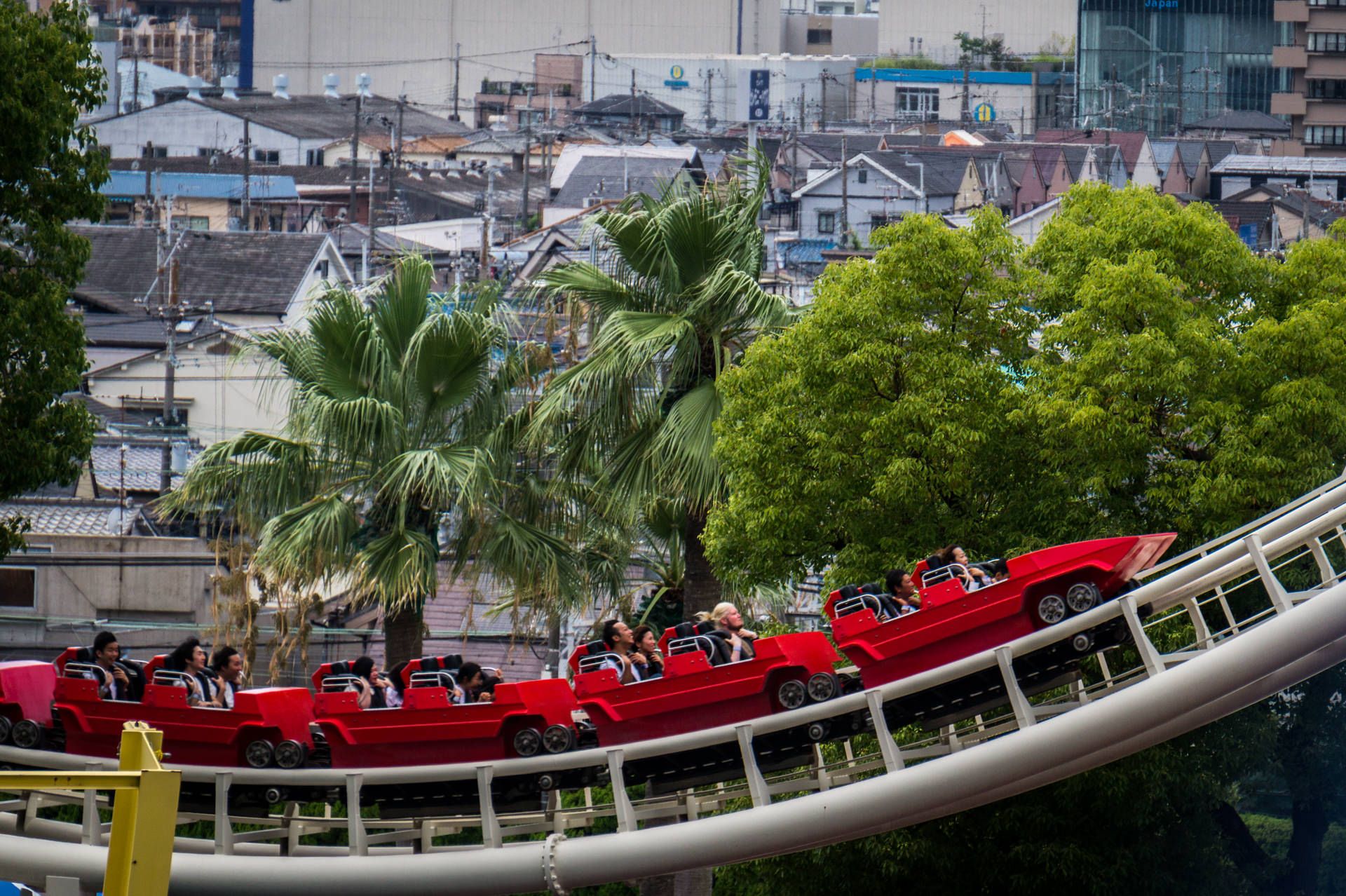
Passing the show theatre of the Universal Monsters Live Rock and Roll show, which we once again just missed, we head for the last roller coaster at Universal Studios Japan: Hollywood Dream – The Ride. Universal wouldn’t be Universal if the B&M Hyper Coaster didn’t have one or two special features – so it’s no wonder that in addition to a selection of different songs, there’s also the option to ride the ride backwards in the backdrop train.
Since the waiting times for both options differed only minimally, we naturally chose the backdrop option for our first ride, as we wanted to be surprised by the track layout. Since three of the four trains are forward-facing, the queue was always pushed forward, but with the handling here at Universal Studios Japan, even this circumstance hardly mattered, so that we were able to board the train quite quickly.
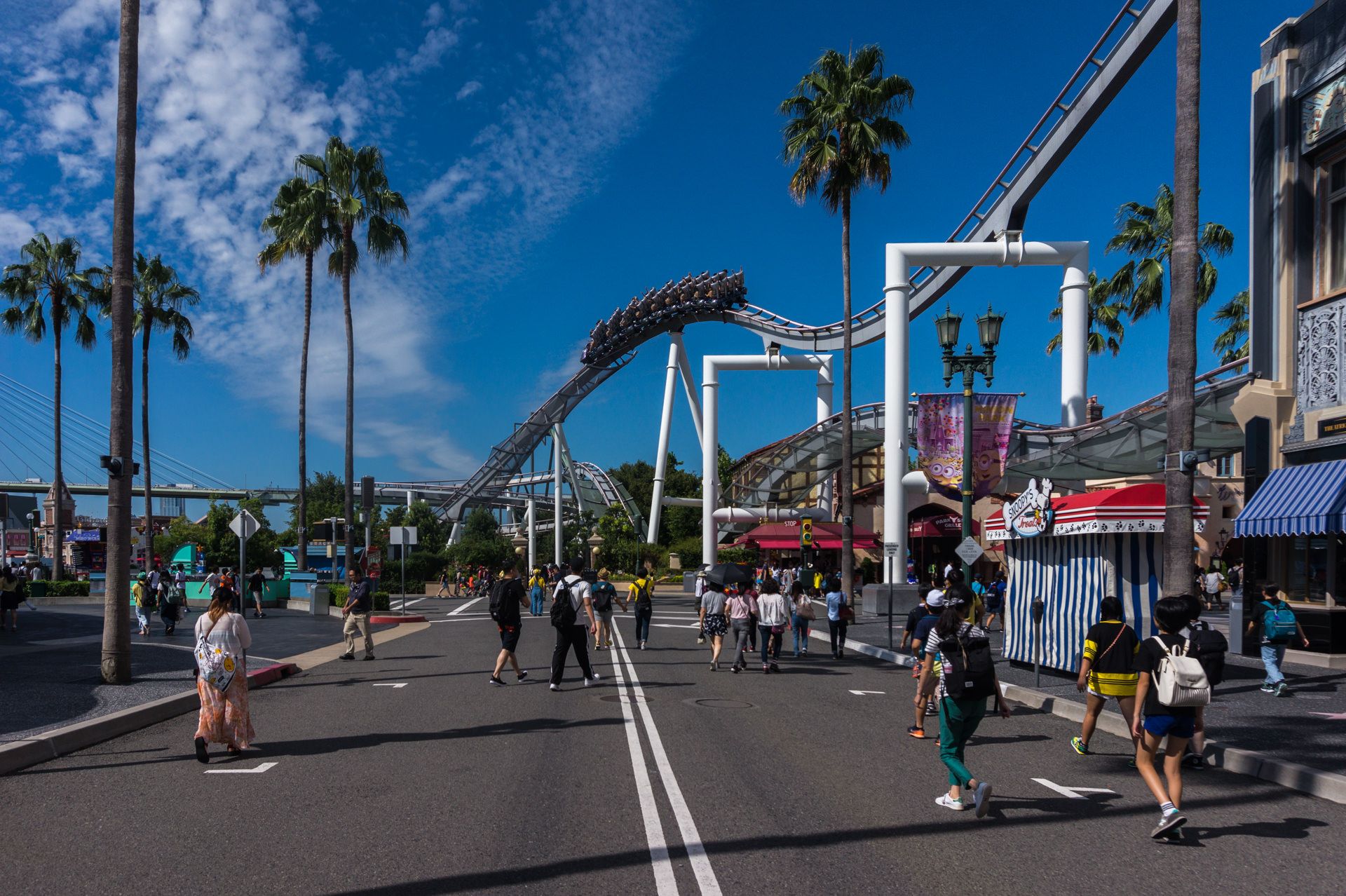
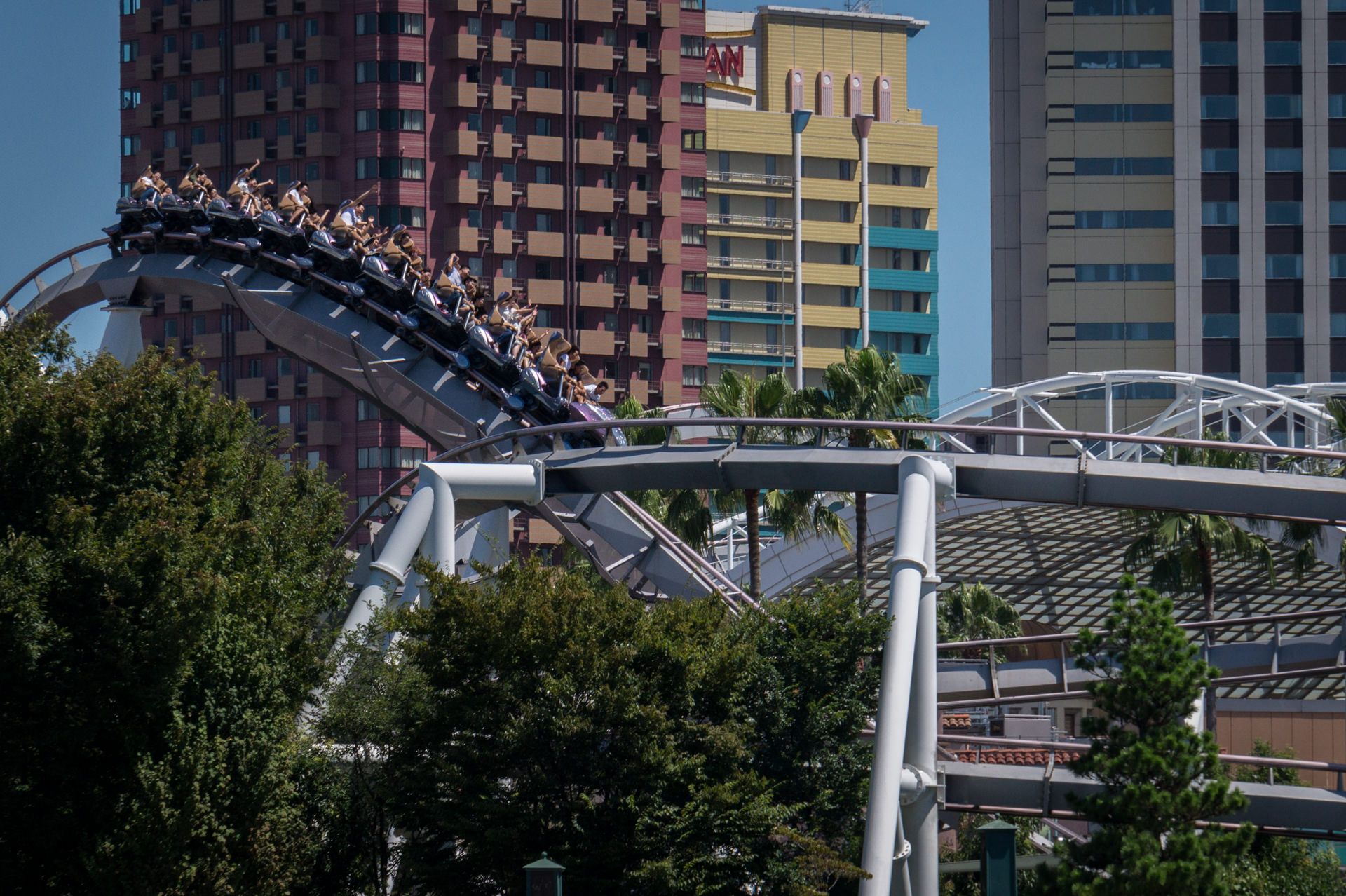
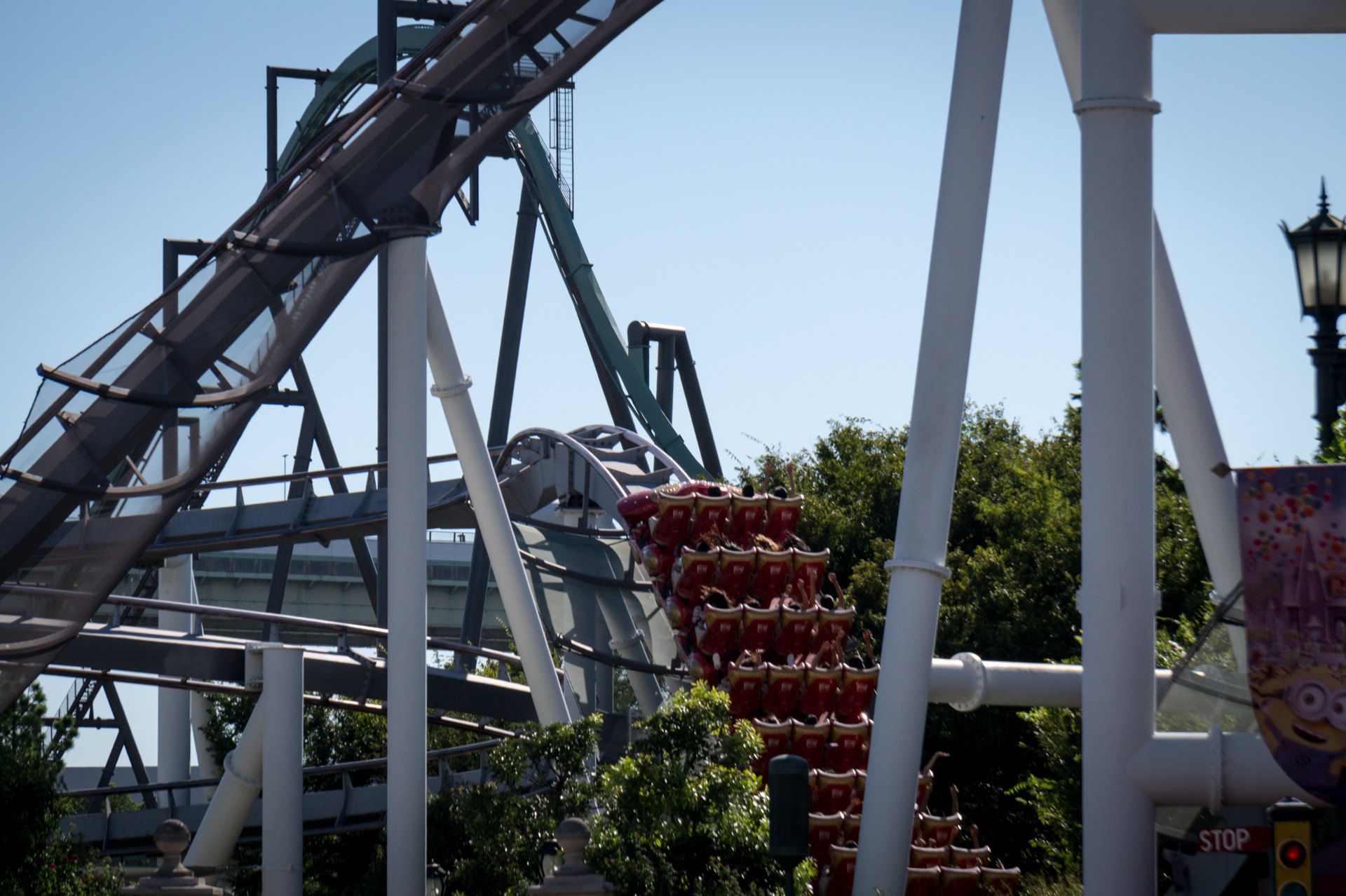
Once dispatched, the train leaves the station via a switch and then takes a wide left turn with a straight intermediate segment before reaching the lift. For us at this moment, of course, everything happens the wrong way round, which is why a short time later we are hanging in the clamshell bars. To the sound of Justin’s Timberlake’s Can’t Stop The Feeling in a rendition by the in-house music band R&B The Voice, we climb the 44m-high lift hill and immediately plunge down to the loud cries of jubilation of the first shot. With the flow of the music, we pass the first slightly transverse valley, whereupon we shoot up a camelback and immediately lose contact with the seat. Landing on the seat again, we are immediately torn back and forth in a wild S-curve manoeuvre, very similar to the finale of the Silver Star roller coaster from Europa Park, only to then tackle the front turn of the layout. This is shaped like a classic horse-shoe element and is driven through with a lot of pressure. The exit of this element is much lower than the entrance, because the next metres of the track we now complete directly below or slightly parallel to the track we have just completed. In the process, we cross two more wonderful camelbacks before the train takes a new path. Another camelback follows after a short curve, just before the intermediate brake of the ride is reached.
We pass through it at a good speed and immediately plunge down again a few metres. We throw ourselves into a transversely inclined hill and plunge towards the ground. With insane pressure we now cross a 540° helix close to the ground before we take the way back just below the route we just completed. In the process, we cross a small hill, pass through a house façade and end up in the final brake after a small S-curve swerve. The band says goodbye and wishes us another wonderful day at Universal Studios Japan, whereupon we reach the station.
We leave the ride full of enthusiasm and immediately agree that Hollywood – The Ride Backdrop is the best roller coaster at Universal Studios Japan and one of the surprises of the entire tour. Everything is just right here, so of course we didn’t miss the chance to do a little marathon on the ride; after all, the waiting time in the single rider line flew by despite the waiting time indicated. Unfortunately, there are deductions in the B grade for the forward ride, as you can already see the track in front of you and there are no surprises. On a positive note, however, even in this case the ride is outstandingly good and makes all European rides of this kind look so old. To be fair, however, it should be mentioned that I generally find the smaller rides from the manufacturer B&M much better than the large representatives.
Pictures Universal Studios Japan













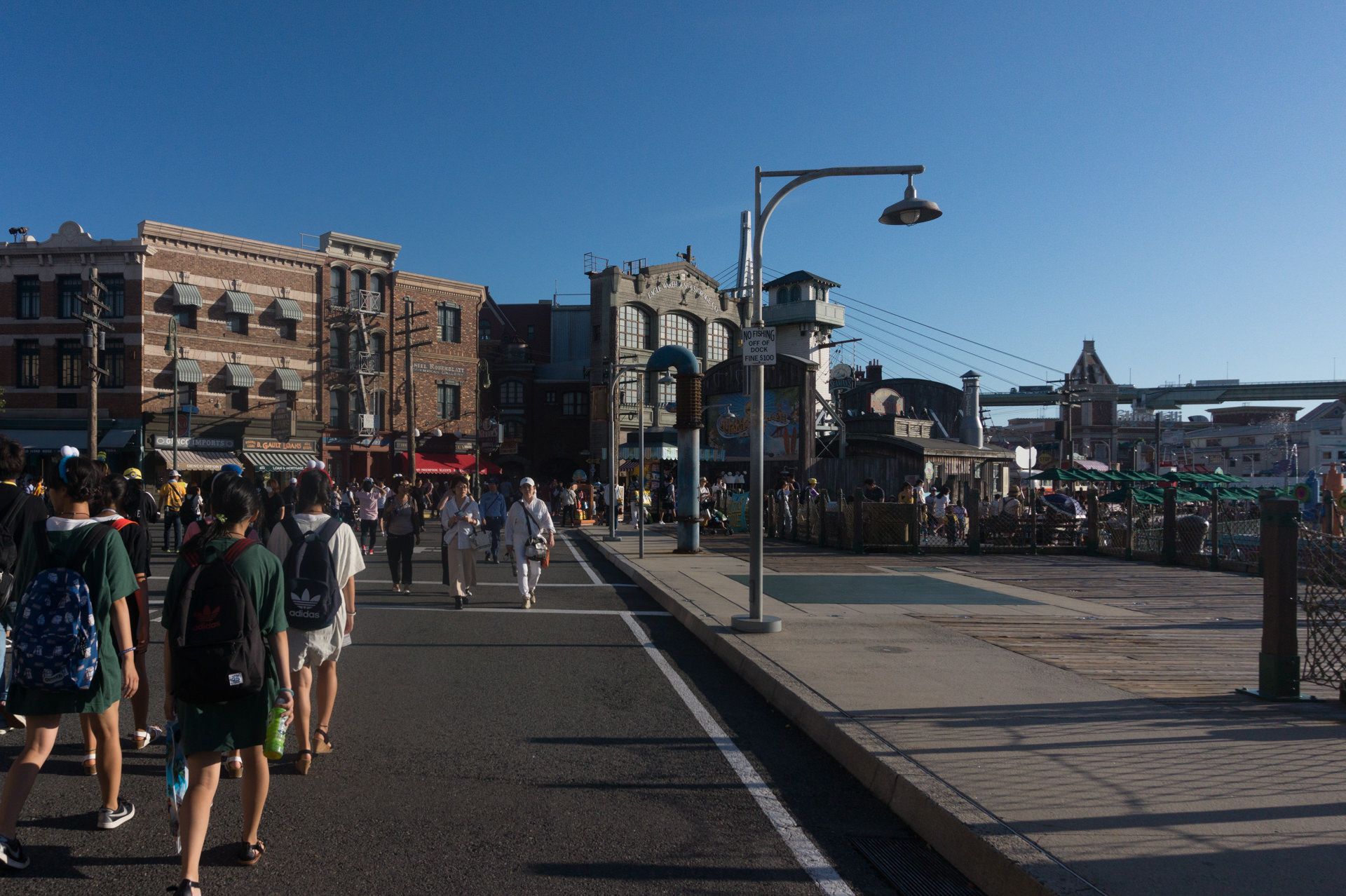
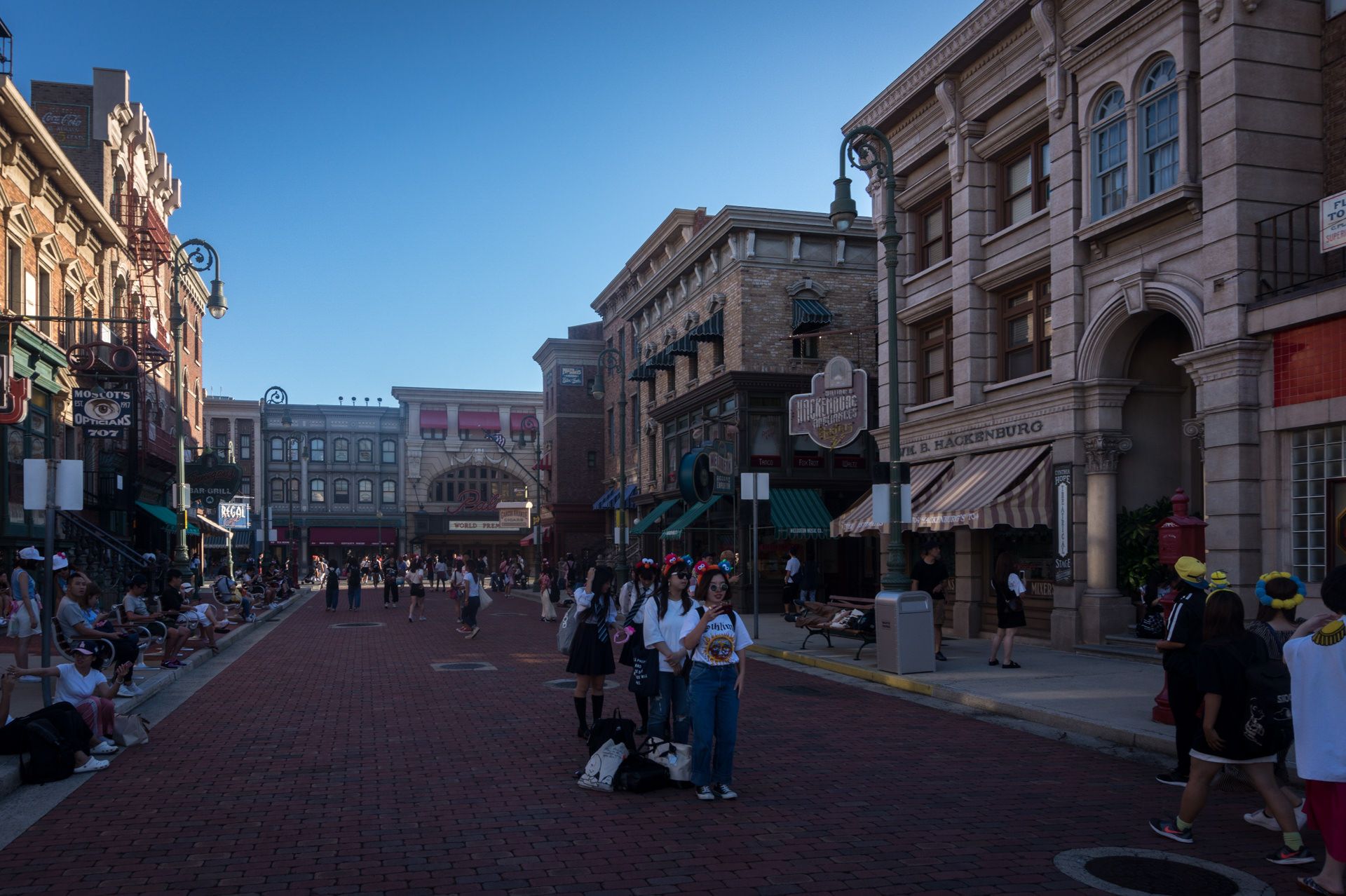
Conclusion Universal Studios Japan
We ended the day at the nearby Hard Rock Café, because apart from its catering prices, Universal Studios Japan is the best amusement park I have visited so far. Despite the crowds, we were able to ride all the roller coasters more than once and probably got our money’s worth thanks to the Express Pass. Of course, the question is whether we would have needed it, but the answer is definitely no – it was just nice to have it because it allowed us to do more. Since we still didn’t see any of the shows and even did without a ride on the Minions, we definitely recommend a longer stay at the studios, because Universal Studios Japan is simply not doable in one day – it’s hard to imagine what it would be like if the park is actually full (which is often the case) and you can’t even get into The Wizarding World of Harry Potter or take a ride on The Flying Dinosaur.
What is your opinion about the theme park Universal Studios Japan? Just write it in the comment field below the report or visit our social media channels:
Click here for the next report of the Titanic Max Tour