Bavaria’s strongest piece of leisure

Preface

On my way to Munich, I have already passed Bavaria’s strongest piece of leisure twice; the first time ignorant of the existence of the amusement park as a child, the second time out of respect for my passenger, who had promised to visit the park to another person for years, and a rather strict daily schedule. Since I accompanied my father on a bicycle tour along the Tauber river to the Main river, starting in Rothenburg ob der Tauber, the 30km long detour off the A7 motorway to the Freizeit-Land Geiselwind was finally tackled.

Freizeit-Land Geiselwind

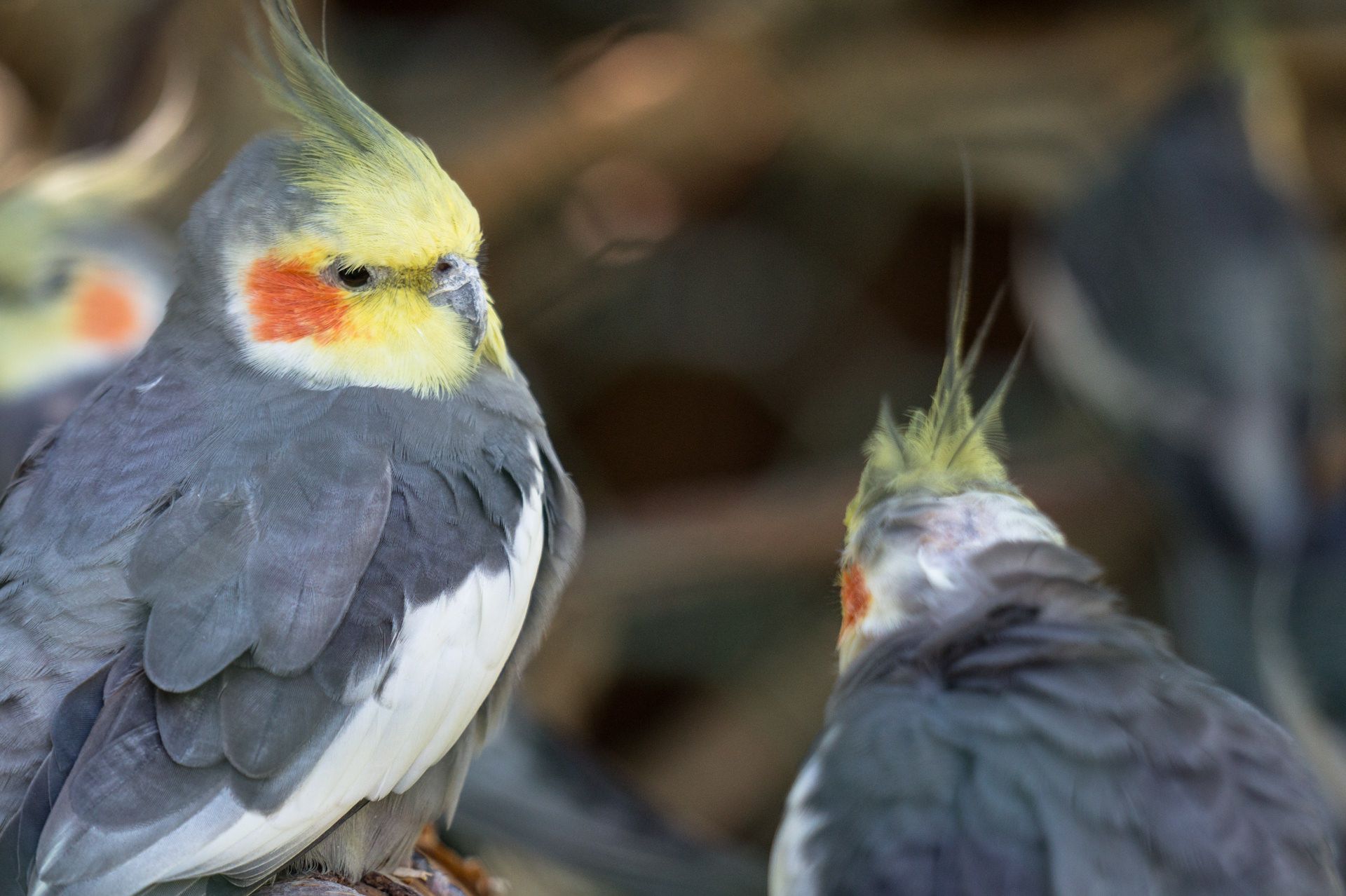
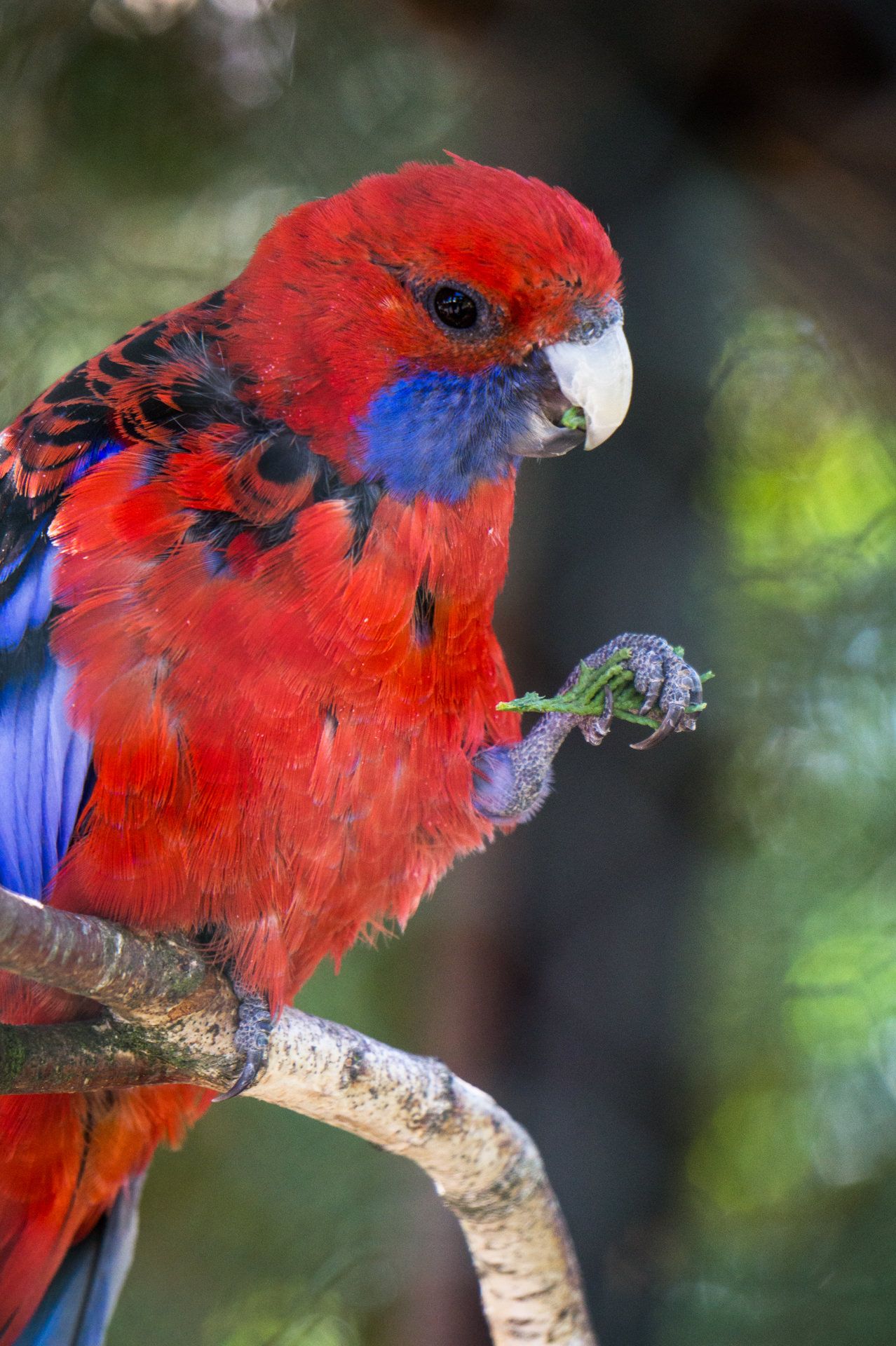
The amusement park, which opened in 1969, has its origins as a bird and pony fairy tale park, a mixture that was already extraordinary back then. Although remains of the fairy tale park have been preserved, the animal enclosures dominate the amusement park, which has also featured an increasing number of rides since the 1980s. Since then, these rides have generated the greatest interest. At the same time the zoo is quite respectable and, similar to Weltvogelpark in Walsrode in Lower Saxony, it can boast a great variety of species in sufficiently large aviaries and enclosures.

T-Rex World

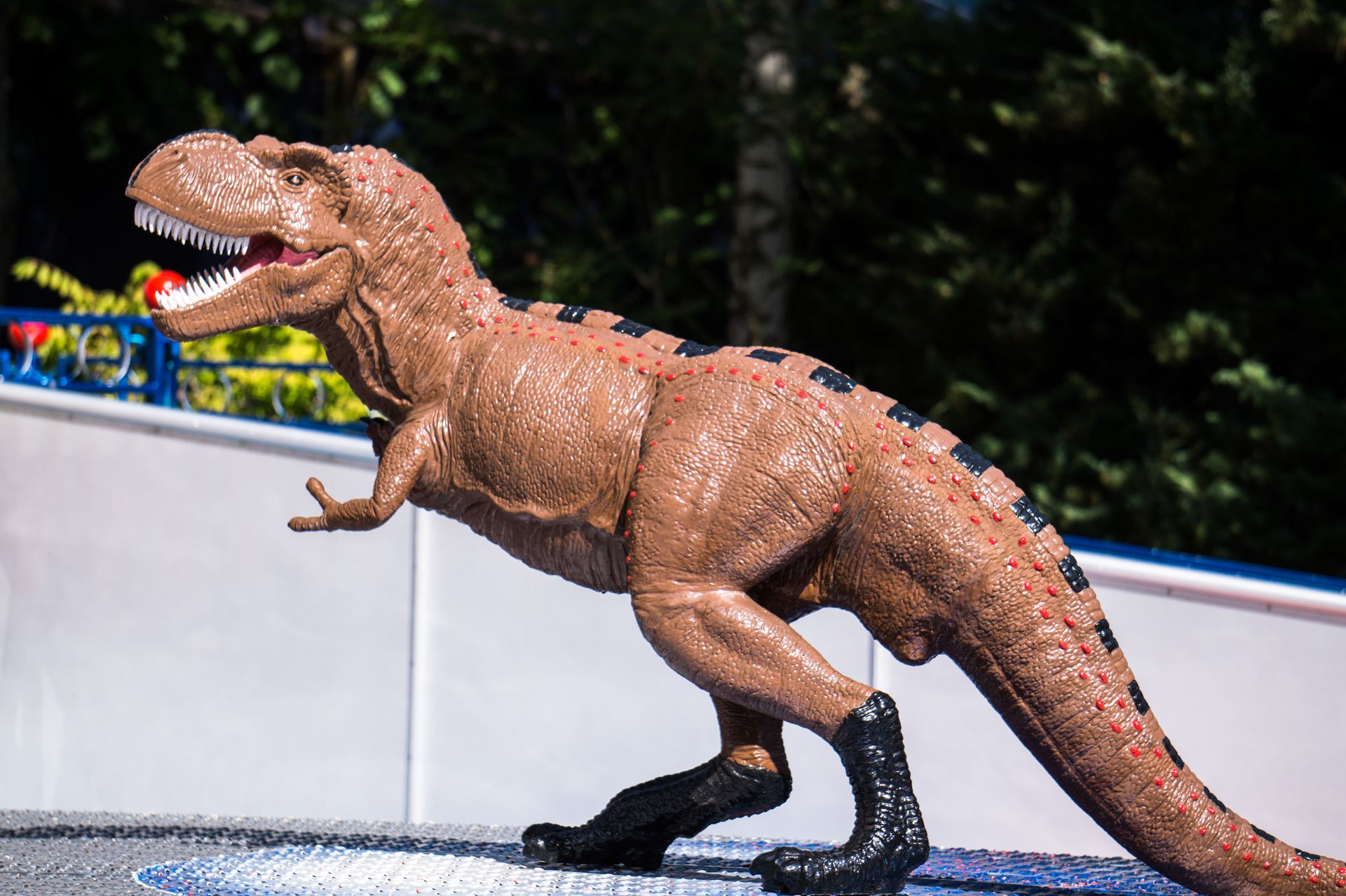
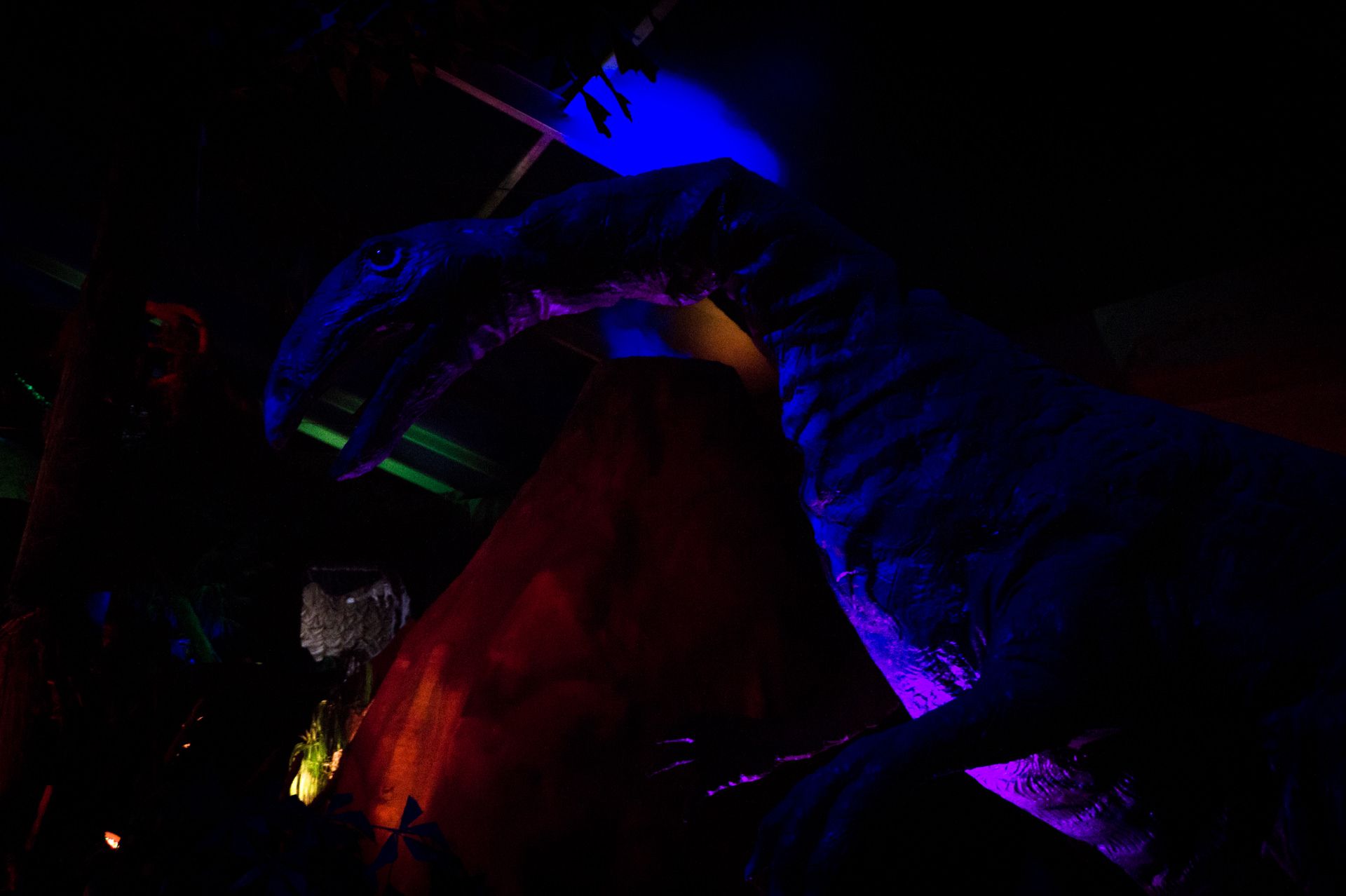
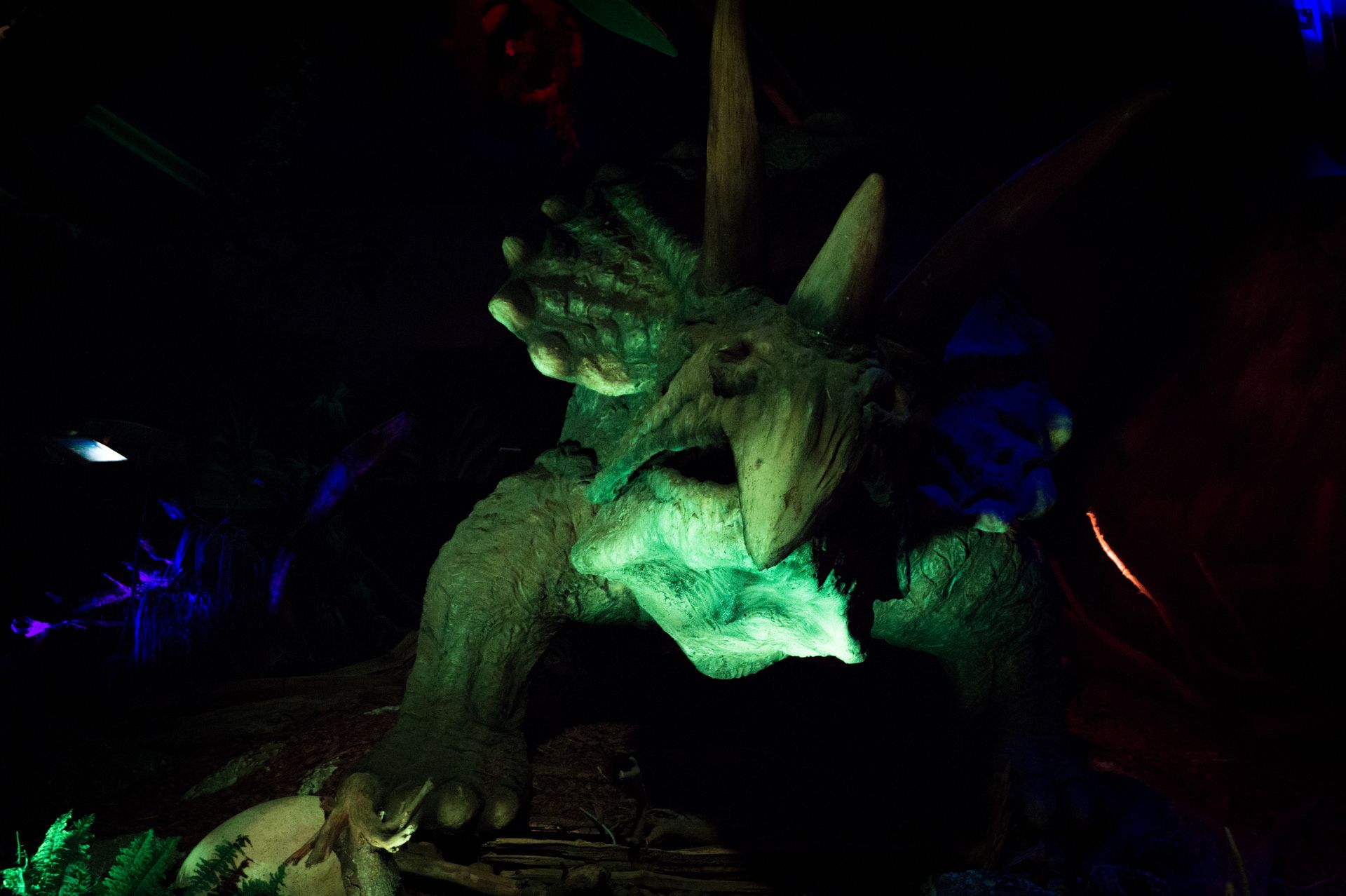
In terms of design, however, the Freizeit-Land Geiselwind is dominated by extinct creatures. In addition to a railway in dinosaur look and numerous figures, the dinosaurs are particularly popular in T-Rex World. This is a small exhibition worth seeing with animatronics, which were skillfully staged. Interestingly, the exhibition here convinced me more than the guided exhibition of newer Era T-Rex in the Portuguese amusement park Zoomarine, despite the much smaller size.

T-Rex Tower

In front of the hall is the T-Rex Tower, a Shot ‘n’ Drop by the manufacturer HUSS, a vertical ride that has become extinct at least at German fairs. While Robrahn’s Countdown travels through France under Fleur and Goetzke’s Freefall was sold to the Australian amusement and water park Adventure World near Perth, Roies Shot ‘n’ Drop is the only ride remaining in Germany. Like the towers mentioned above, the T-Rex Tower delivers a solid ride with a very nice shot up and drop down. Despite the lack of negative acceleration compared to the manufacturer S&S Sansei, the ride is always a little more fun due to the beautiful launch, although the end of the ride is reached after just one cycle.

The HUSS Corner

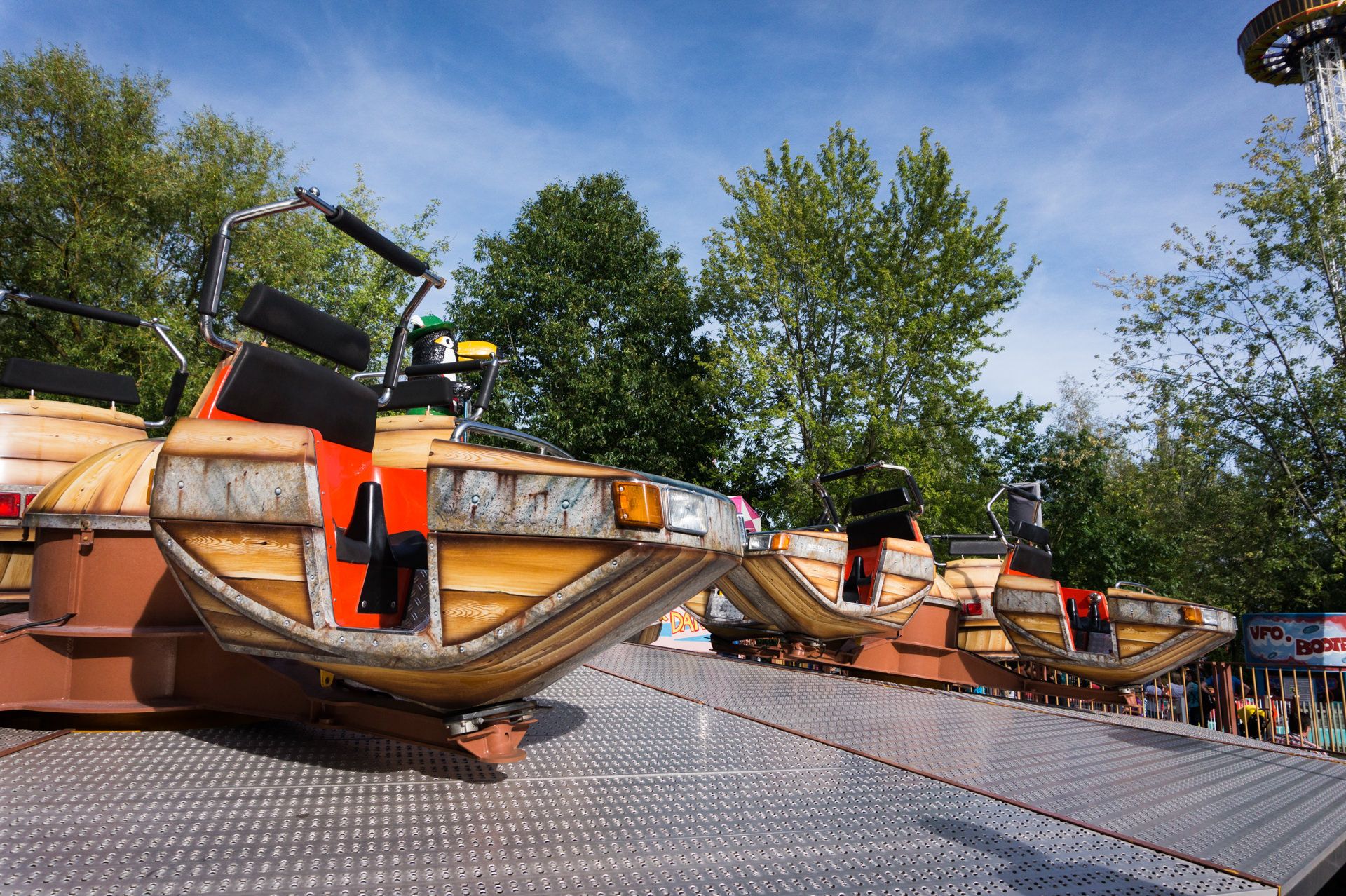
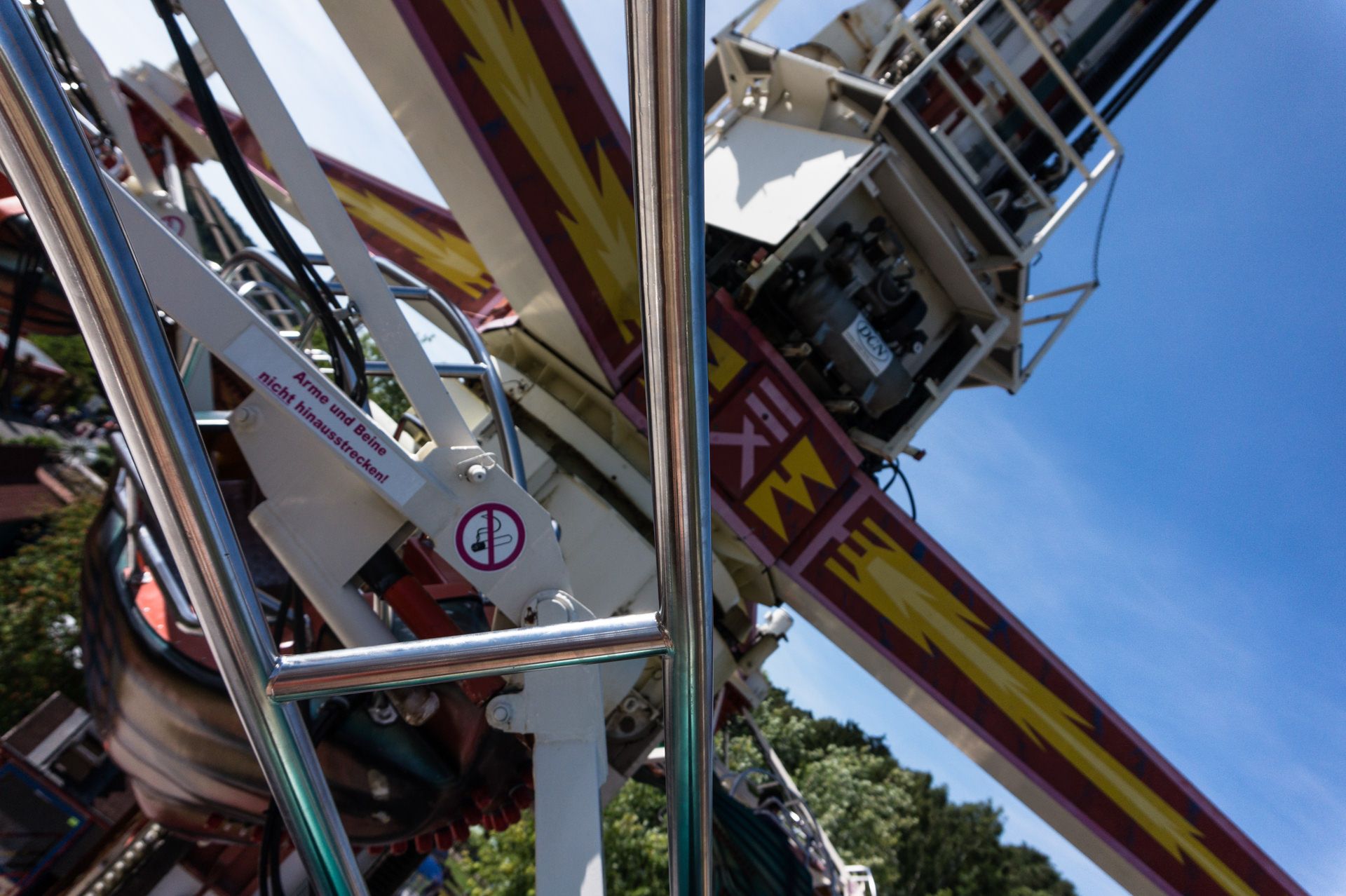
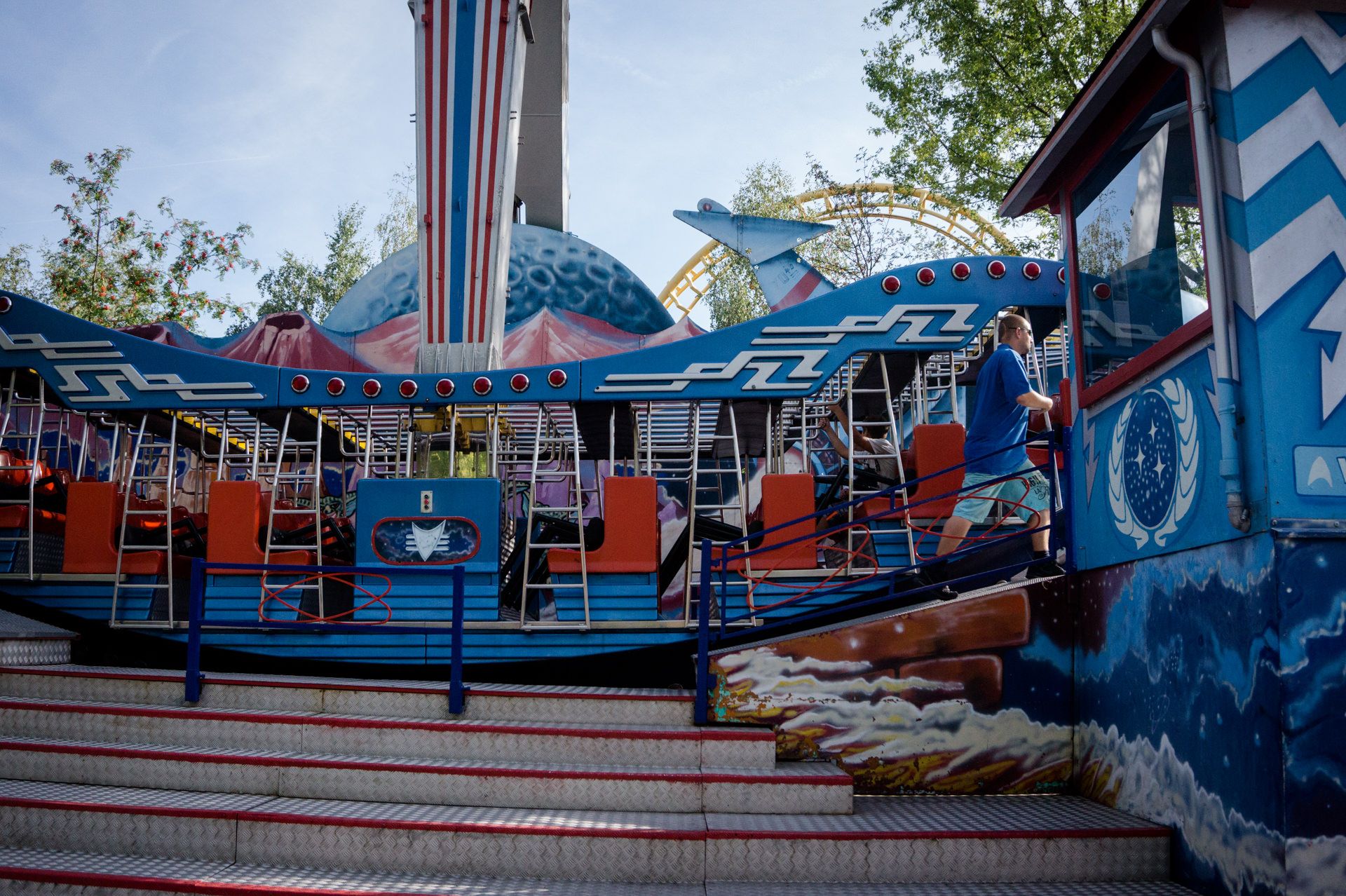
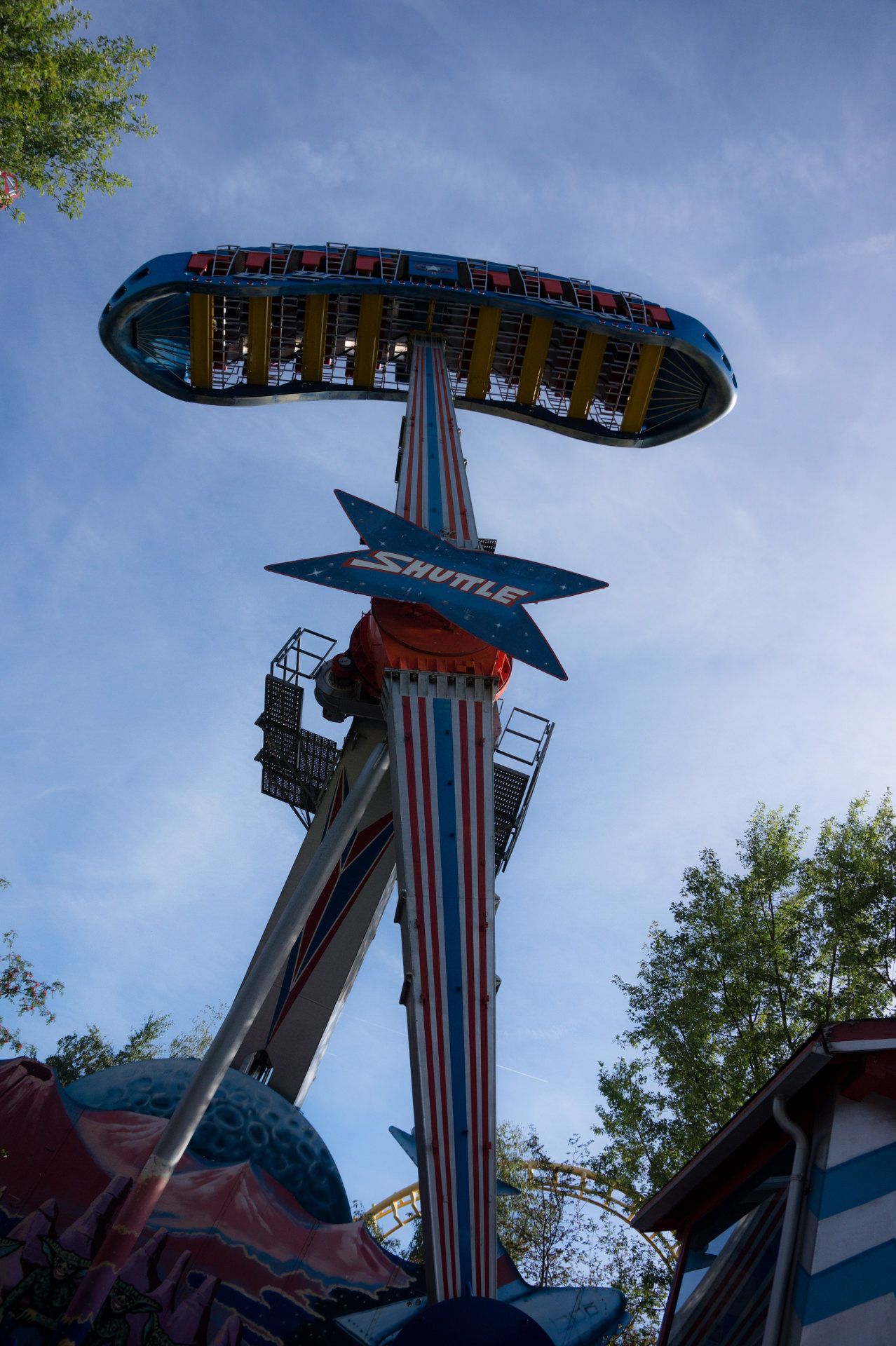
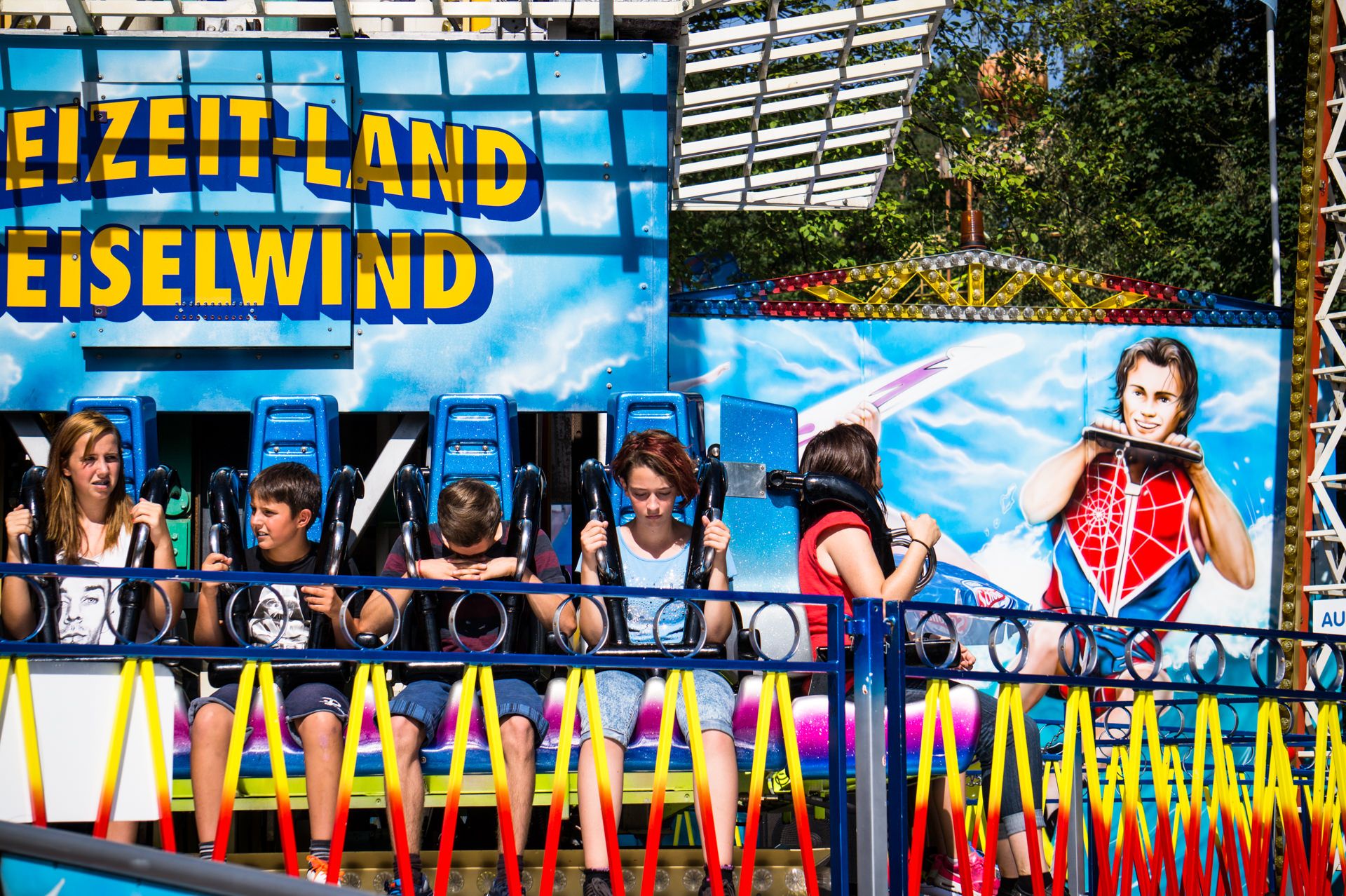
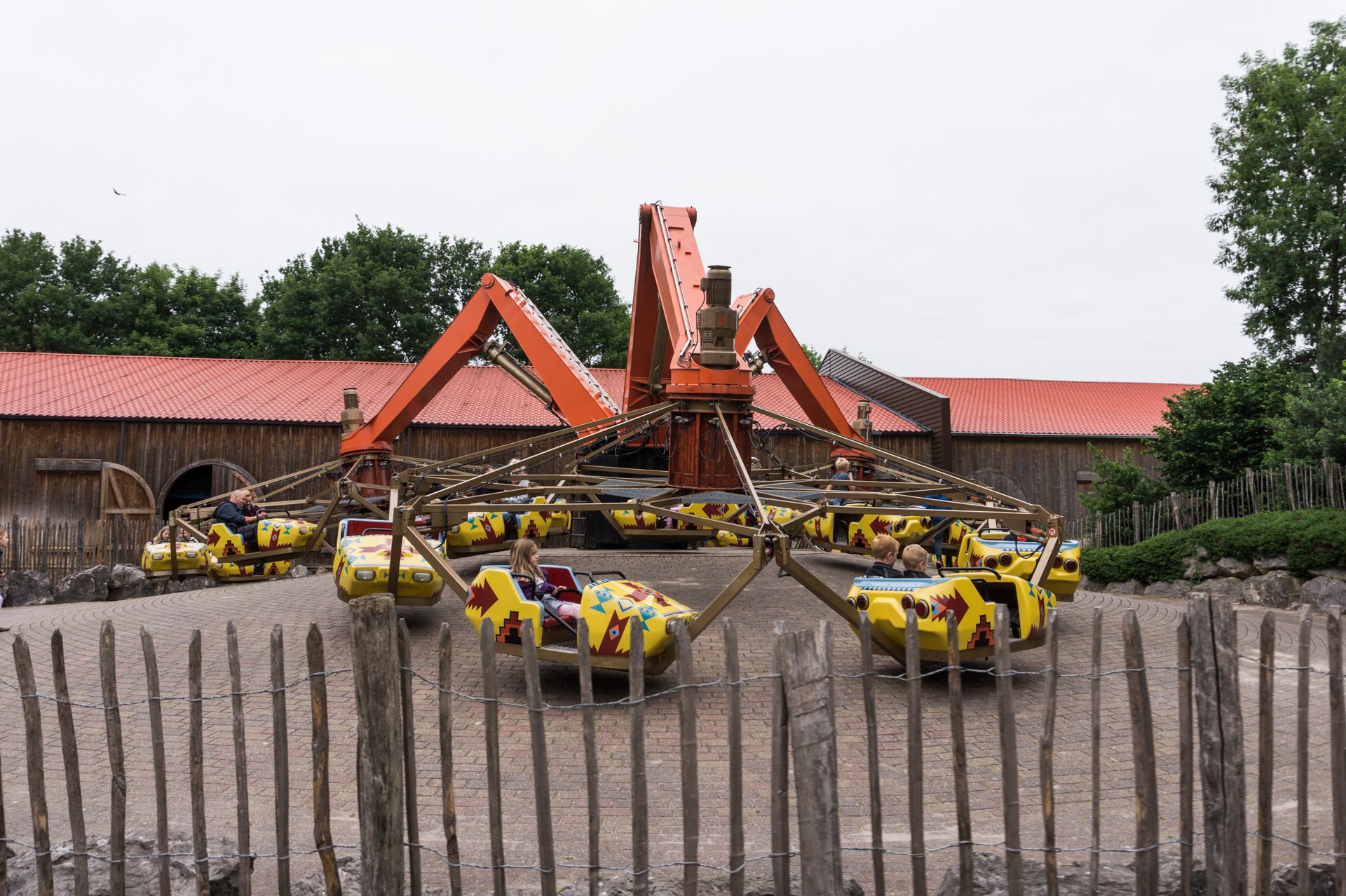
Next to two water basins with Nautic Jets and water roundabouts, which always had the longest waiting time, there is a corner exclusively consisting of rides from HUSS, as could be experienced before, in a similar constellation, in the Lower Saxony amusement parks Heide Park and Serengeti Park. Besides a stylish condor called Ikarus and a Ranger called Shuttle, you can ride an Enterprise, as well as a Break Dance. All rides offer a long ride with more or less balanced programs. I found the acceleration phases of the Ranger interesting and at the same time a bit disturbing, because it always decelerated in the valley, which was never the case with the identical Fliegender Hai ride in Hansa Park.

Wildwasserbahn

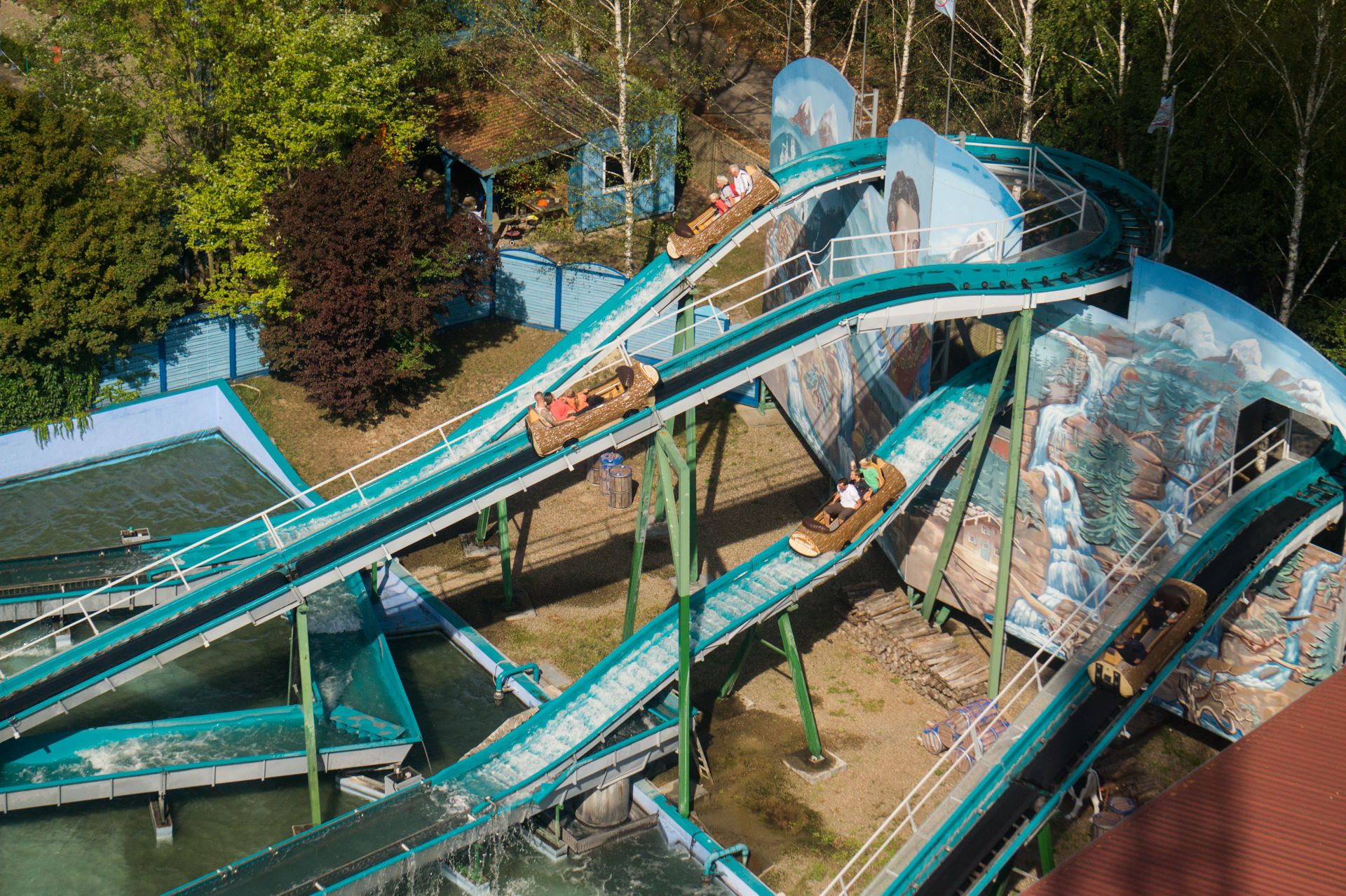
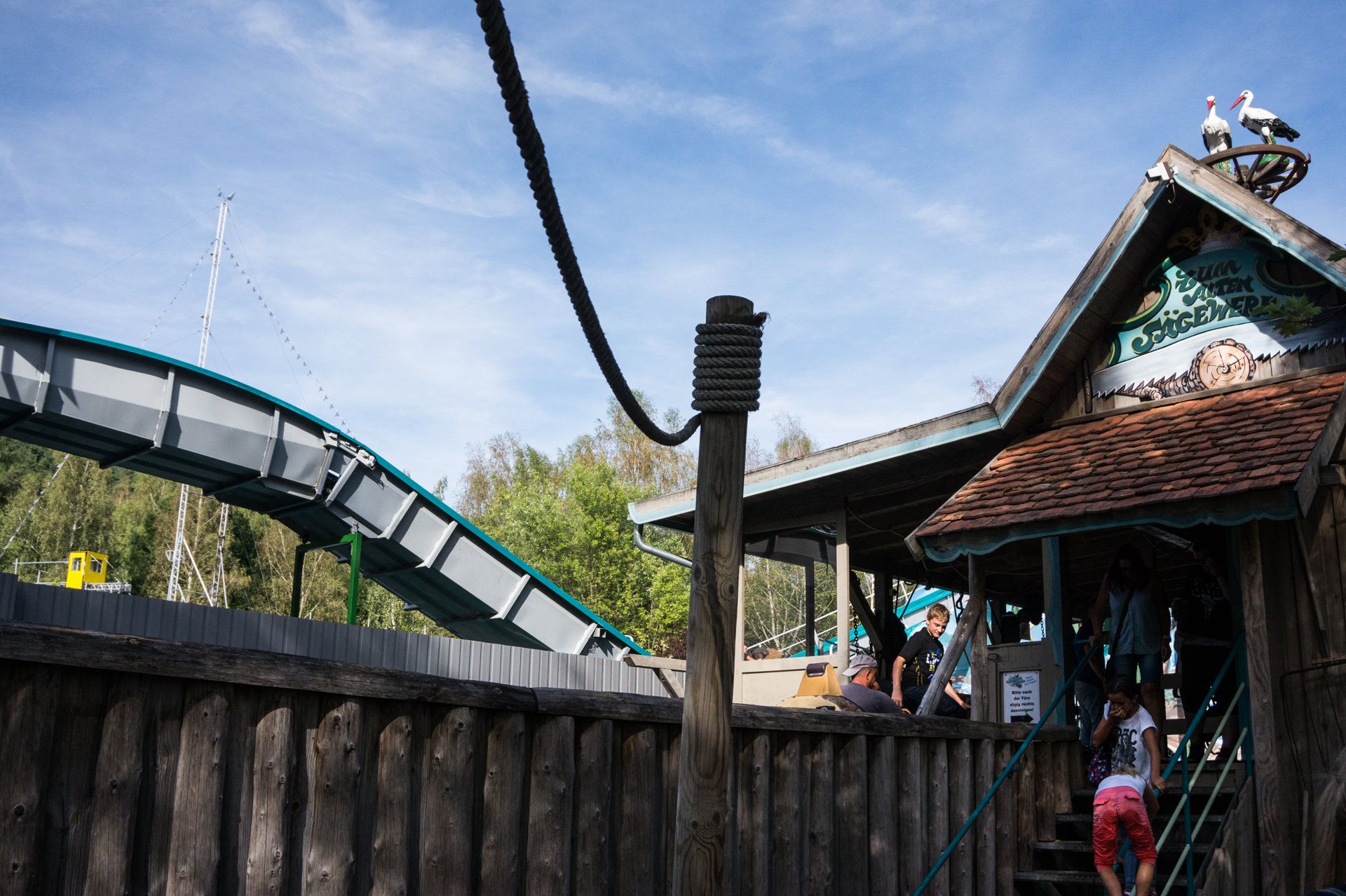
If you follow the paths further on you will come across the big log flume Wildwasserbahn with its three shots. This is a slightly modified version of the standard model of the French manufacturer Reverchon, which has been supplemented by a further downhill run. Although the ride reminds of a funfair of the past due to its large back wall, the general design of the ride, especially the nicely designed waiting area, is successful.

After the boat has left the station, one rumbles a little through the channel along the maintenance hall of the Freizeit-Land Geiselwind before taking the first lift. At the top you make a small curve behind the back wall on rollers until a friction wheel pushes the boat into the first shot. This is designed as a double gradient and releases you a little wet into the further course. One S-curve later it goes up again and a small right curve follows. Now the smallest descent of the ride follows and as fast as this one came, as fast the end of the run-out distance is already reached and you rapidly make another right turn. After a slightly longer straight, the boat accumulates for the last time in altitude. Arriving at the top, the game repeats itself and a high shot follows without any interruptions. Arrived at the bottom you get properly moistened just before you continue the rest of the way towards the station. By ingenious technology, which I actually noticed for the first time at the ride, the boats are stopped briefly before they are gently put on the conveyor belt of the station without crashing against the other boats.

Top of the World

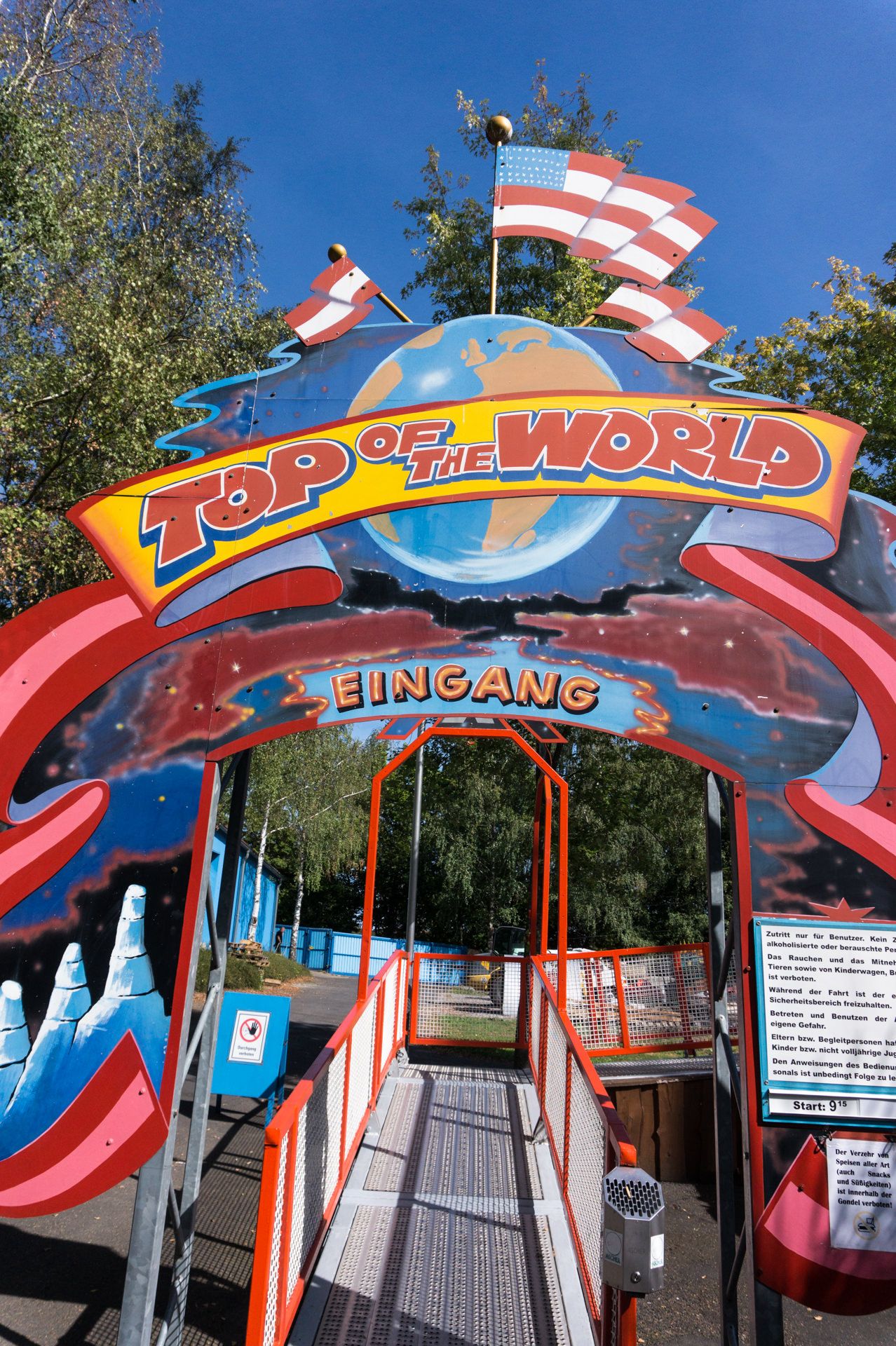
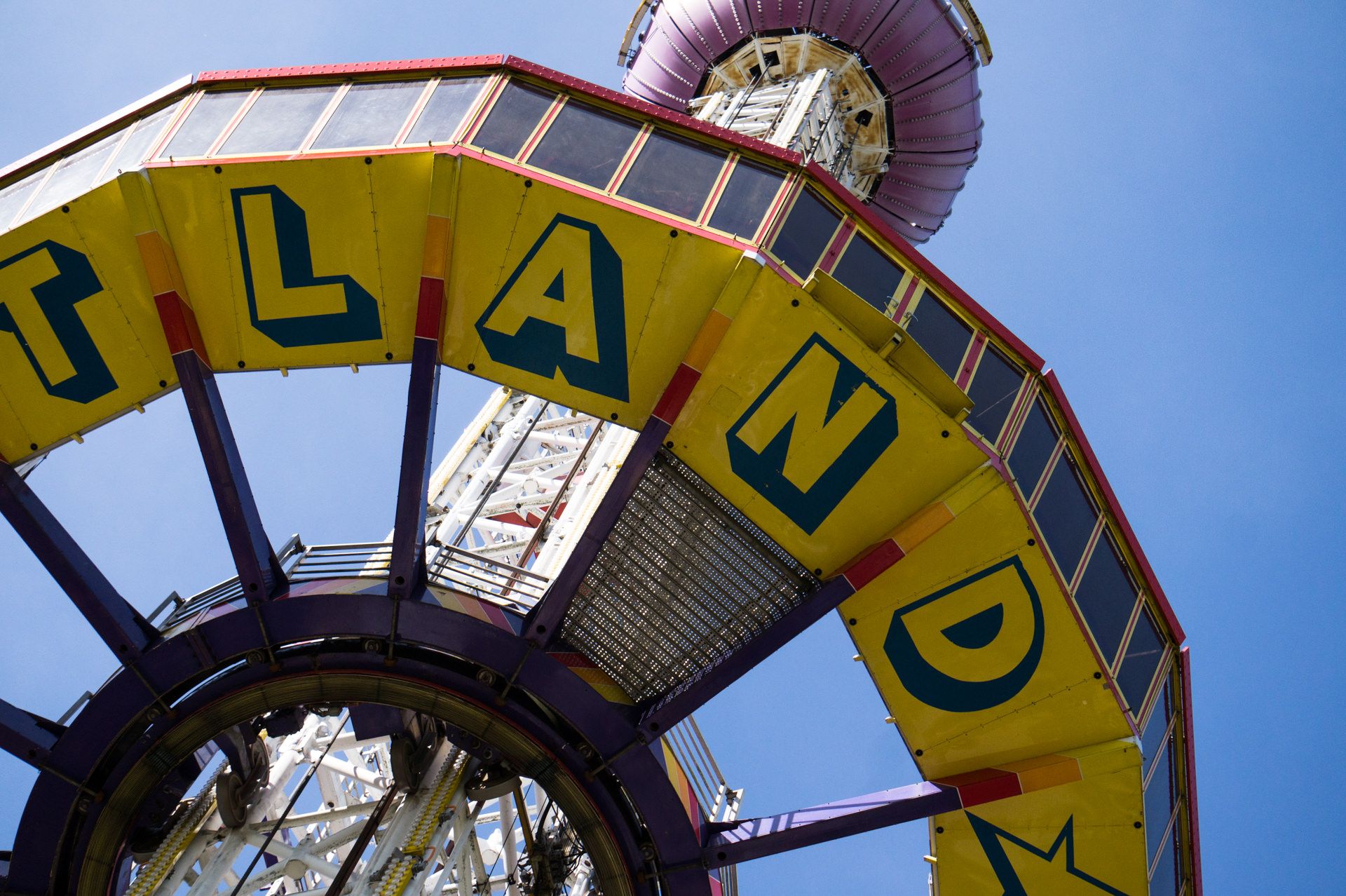
Similarly interesting from a technical point of view, but on a much larger scale, is the Top of the World observation tower, which can be briefly described as a monster with a capacity of 132 people. The formerly largest transportable ride in the world measures a total height of 95 m, with a ride height of 72 m. The ride was built in the mid-90s by Nauta Bussink for the Bremen showman Finnendahl, who operated the 270-tonne structure until 1998. Compared to the modern free-fall towers of the manufacturer Funtime, the ride is very massive, which is already noticeable by the four outriggers. The tower itself is relatively wide, which certainly did not make transport easy. The technology of the nacelle, however, is very simple and is driven by two steel cables that are rolled up and down and thus lift and lower the counterweight and thereby influence the position of the nacelle. After the gondola has been lifted a little, a power rail ensures the supply of the motors for the rotation of the gondola. The ride itself, however, is relatively slow in both movements and thus offers a good view of the amusement park. Thereby, also the air-conditioned gondola is a very special, as most of the seats are designed as standing places and are arranged in two rows. Moreover, the view from the windows is surprisingly clear, as there are no traces of scratches and other wear and tear.

Drehgondelbahn

Quite inconspicuous and easily overlooked even from above is the Drehgondelbahn, a truly unique roller coaster at Freizeit-Land Geiselwind. This is the only spinning coaster of the company Zierer, which has been making its rounds in the park since 1994. This fact alone is more exciting than the actual layout of the ride, as there is only a simple oval with a descending helix in the middle. As simple as the track seems to be, as good it makes the gondolas turn, so that a thoroughly amusing ride emerges. For three rounds, one makes the way through the course before the gondolas are automatically aligned in the station.

It’s strange to find only one roller coaster of this kind from Zierer, because the potential to be a box office hit today is shown by the compact spinning coasters from SBF Visa with their even simpler layout. Especially for smaller amusement parks a ride like the Drehgondelbahn would be more than ideal, so a new edition of this classic ride would certainly not be the worst idea.

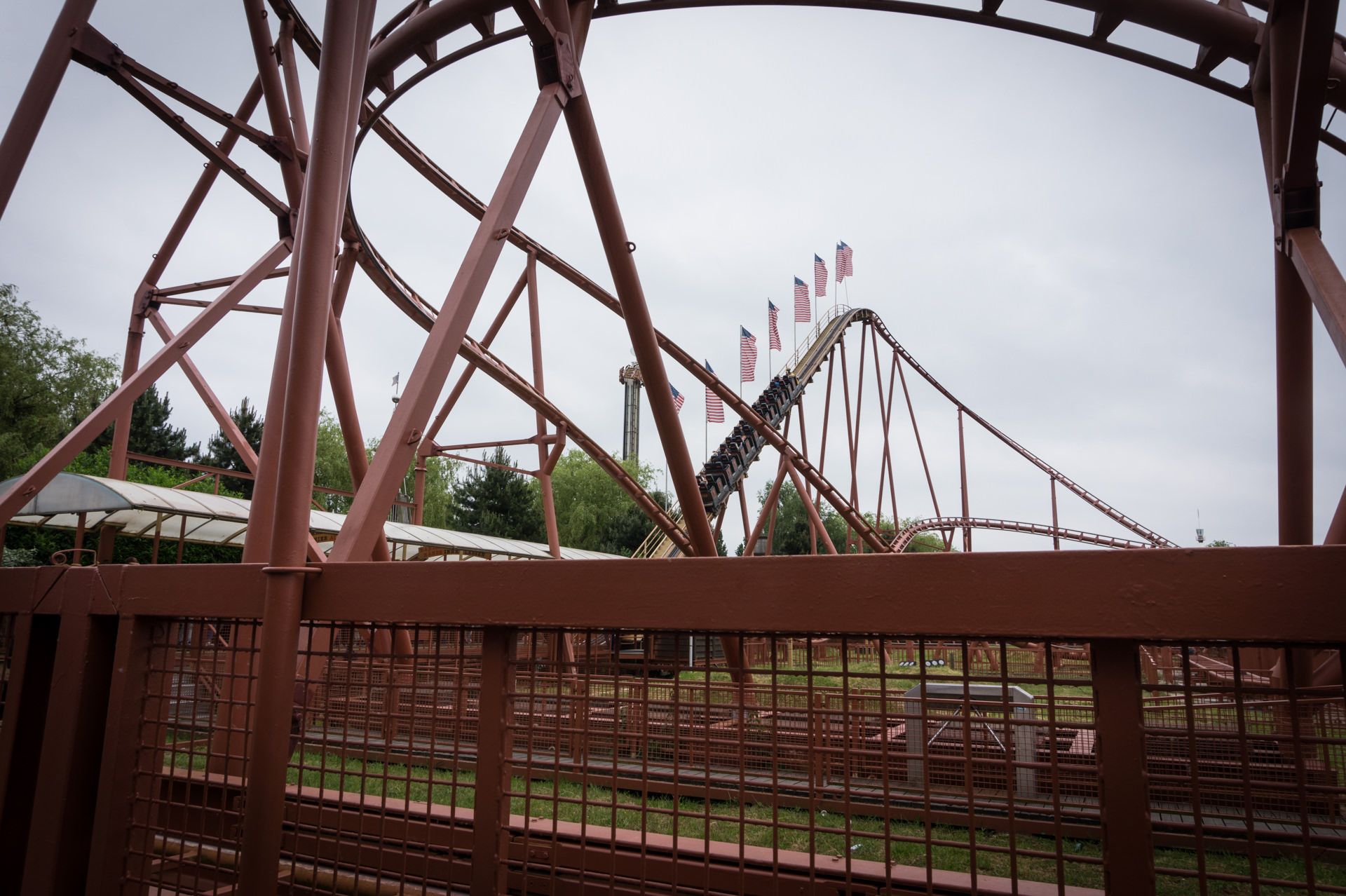
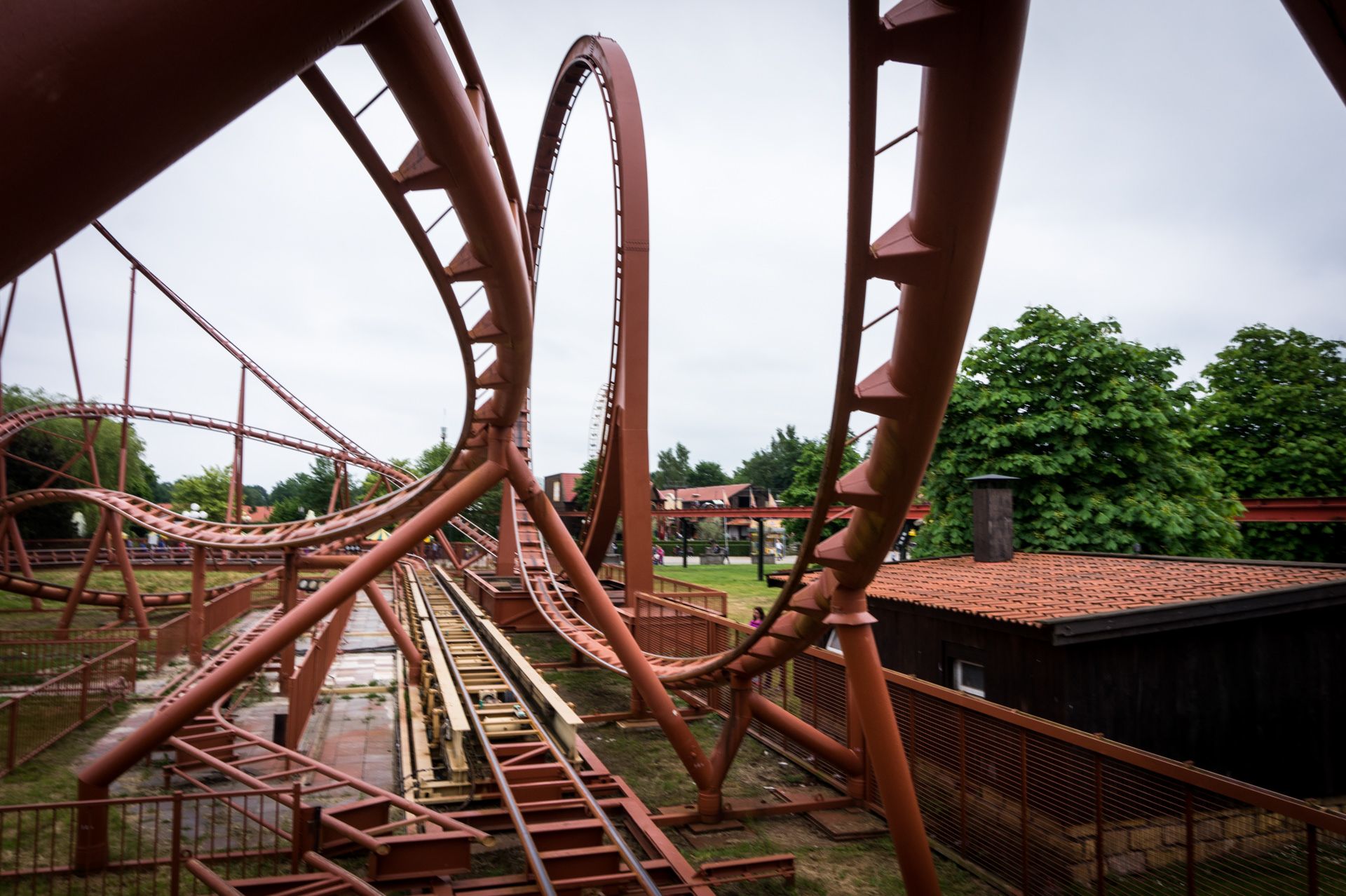
Boomerang

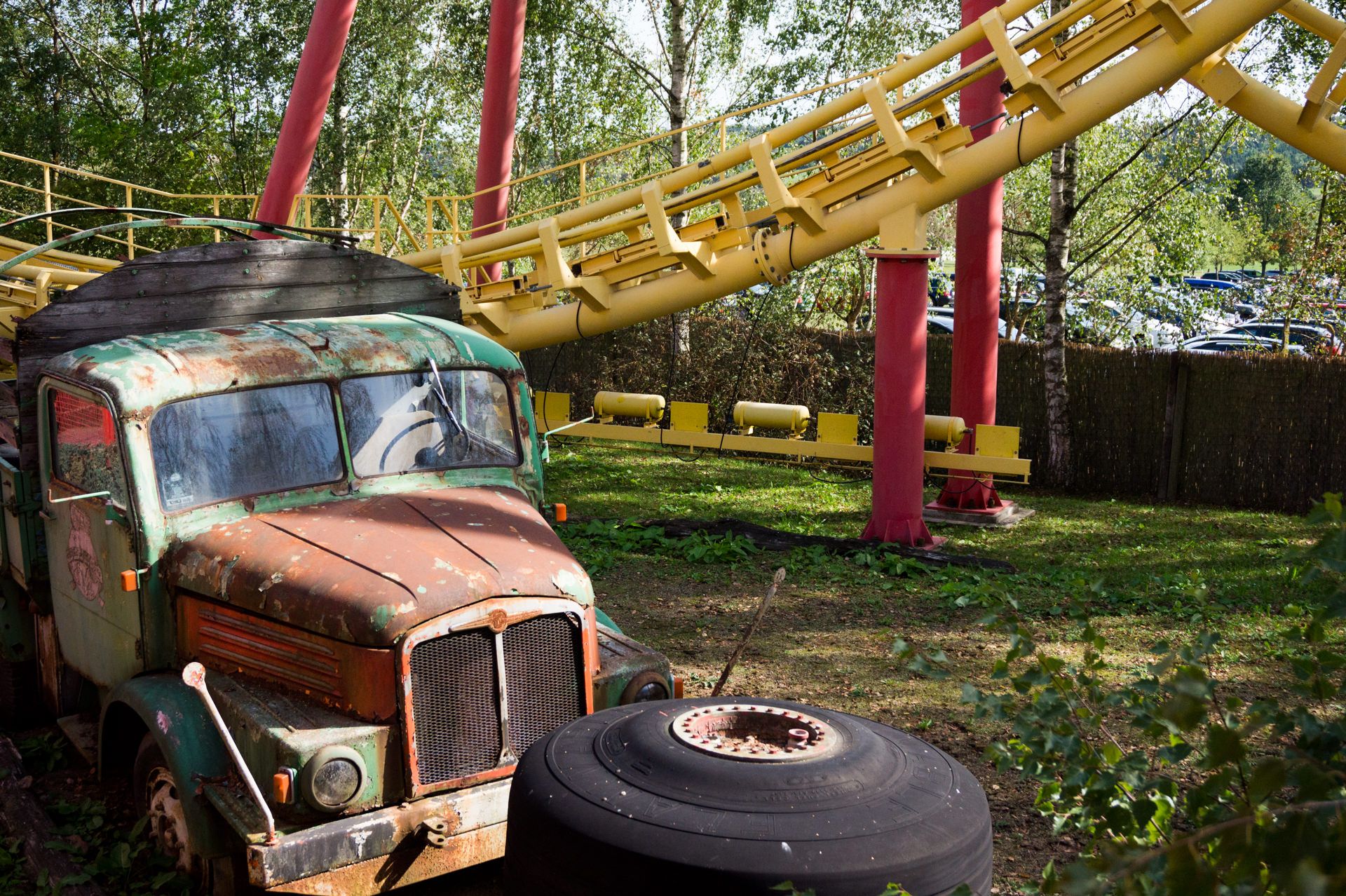
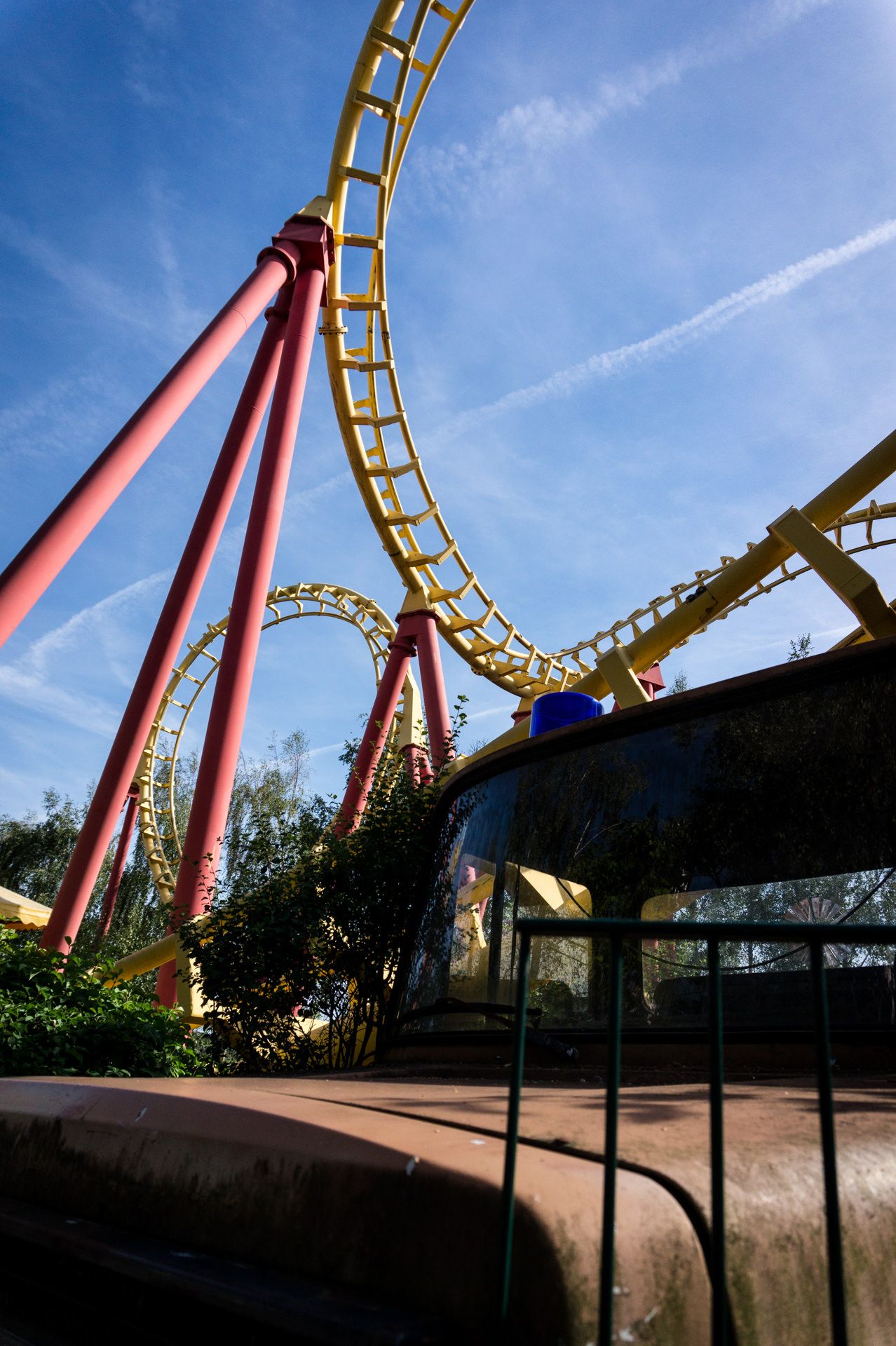
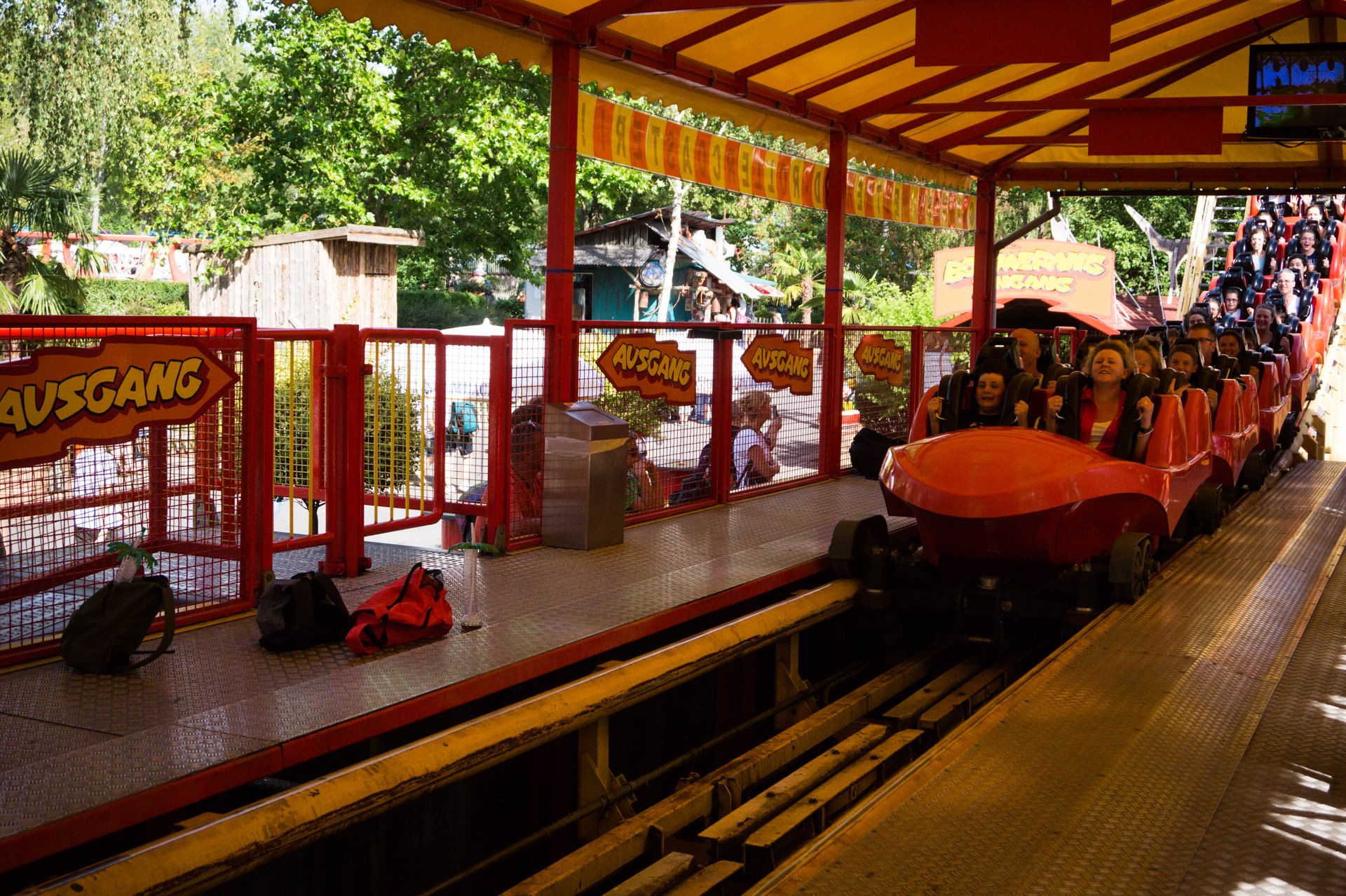
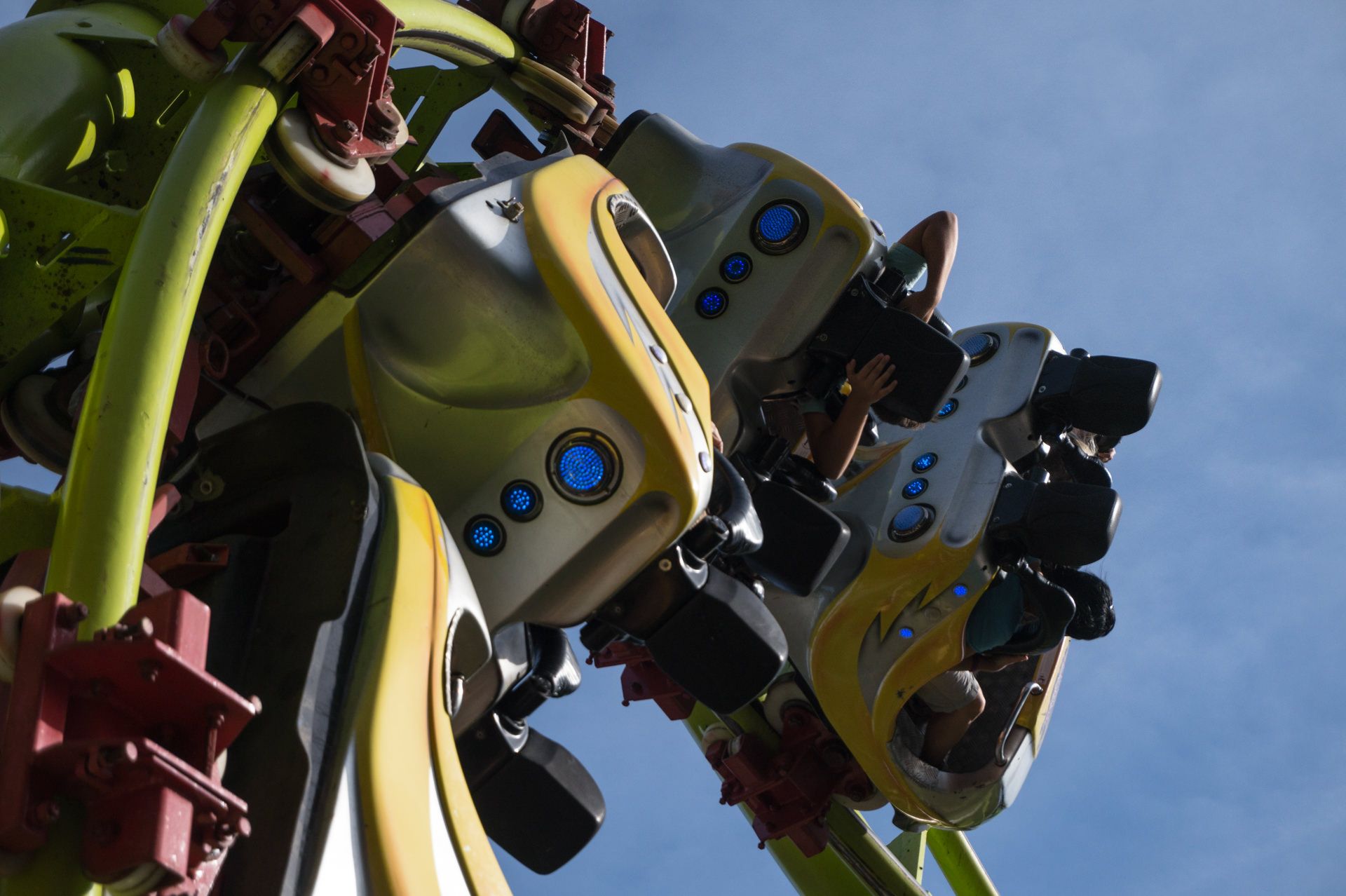
In an alignment with the Top of the World observation tower and the Drehgondelbahn, there is the biggest roller coaster of Geiselwind, a Vekoma Boomerang. Although it looks relatively normal from the outside it is an elaborately designed ride in Australian style, including the eponymous throwing weapon. Access to this ride is around the engine room, whereupon you are directly inside the station. Compared to similar rides, this one hardly vibrates when the train passes through, which is why, interestingly enough, televisions adorn the station.

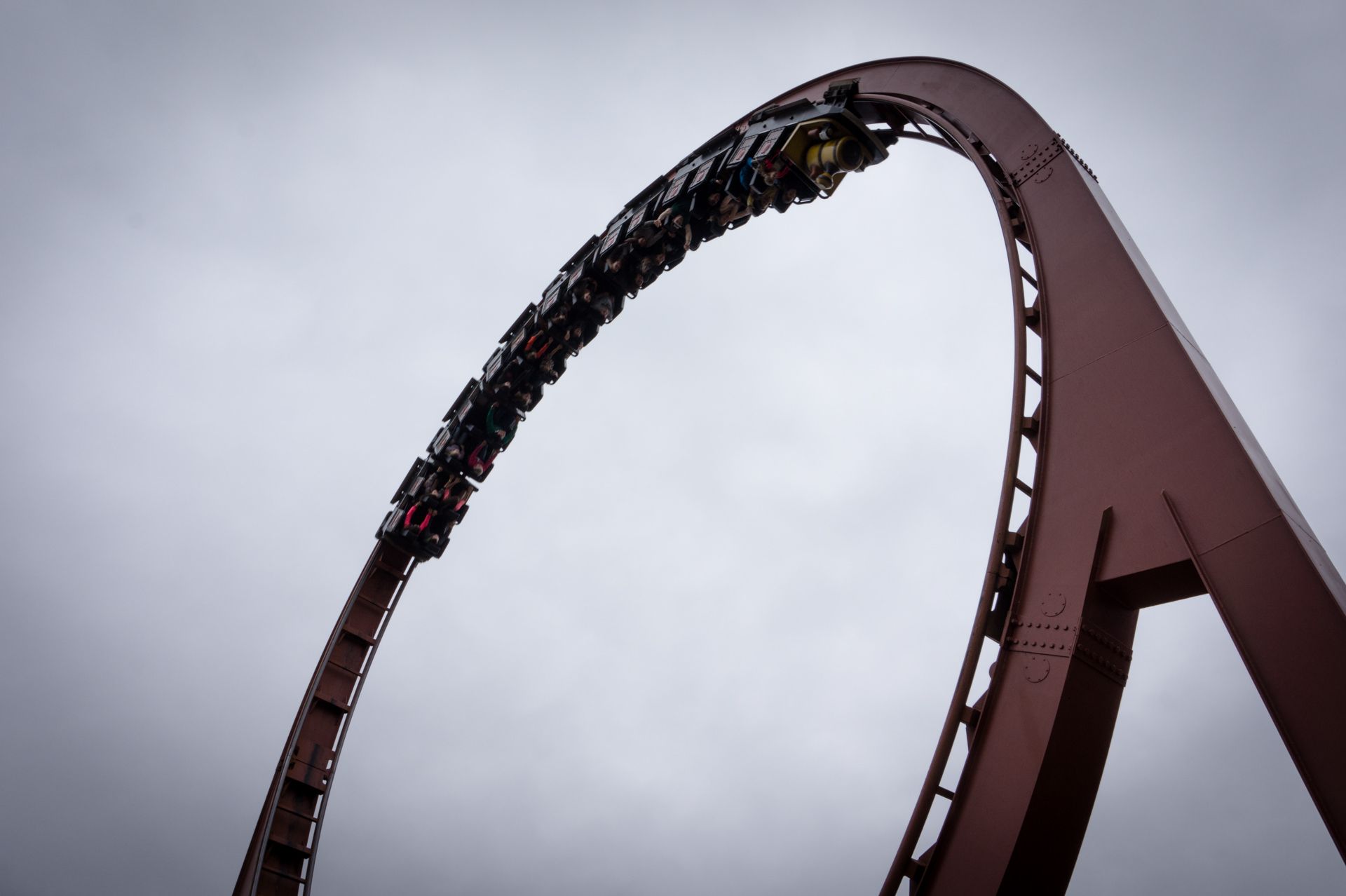
After the driver has gripped the train, it is slowly pulled up the first ramp. At the top of the ramp it automatically disengages, whereupon the train descends and crosses the station at top speed. The train then shoots up the first manoeuvre and stands upside down for the first time, before it goes overhead again in the second half of the Cobra Roll. A classic looping, which is powerfully passed through forwards, is added. In its exit, the first brakes are applied and thus reduce the speed just before the train engages a lift chain. This in return brings the train back to its maximum height before a mechanism lowers it and thus releases the train. Now it goes backwards down the second ramp and at top speed into the loop, which has now noticeably gained pressure. The Cobra Roll, on the other hand, will pass through a little slower before the train enters the station once more and the brakes engage. The riding characteristics are, similar to the ones from the Belgian amusement parks Bellewaerde and Walibi Belgium, extremely good and invite to several rides.

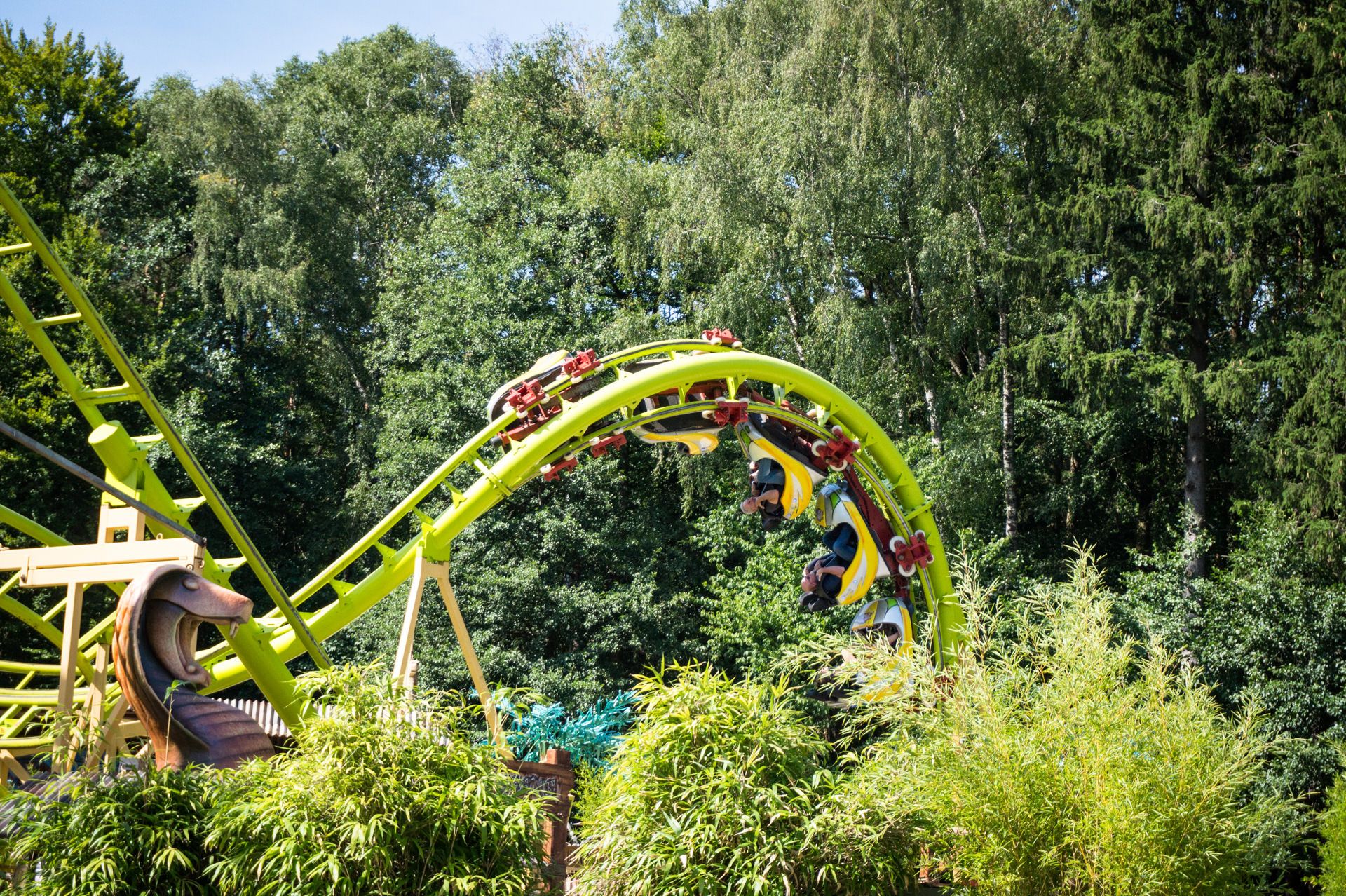
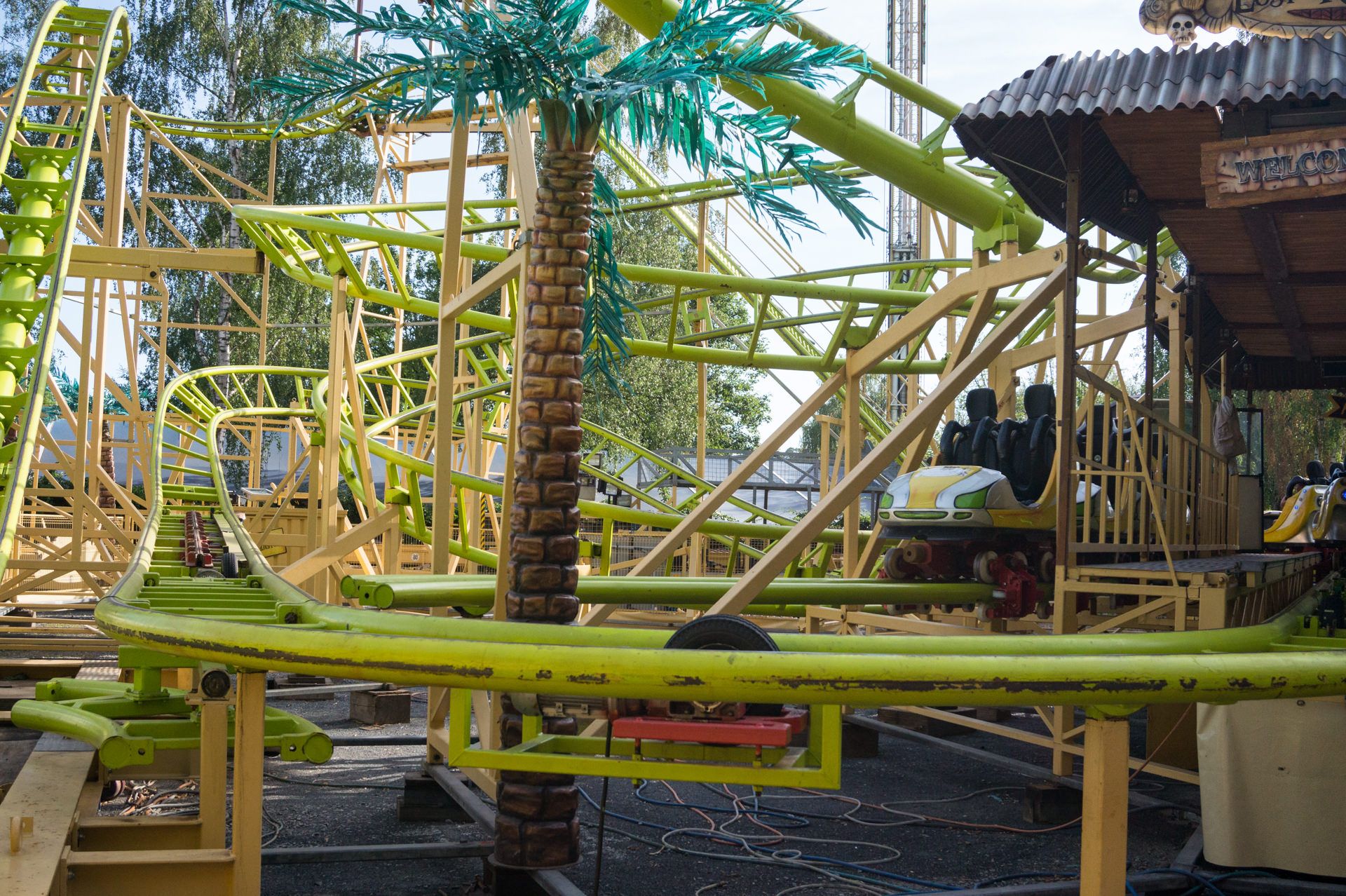
Cobra

On the site of the former roller coaster Marienkäferbahn, which left Freizeit-Land Geiselwind for reasons of cost and age, this year’ s roller coaster Cobra by showman Agtsch is located. In the years before, the place was already occupied by two Wild Mice, the indoor roller coaster Black Hole and a ghost train, which is understandable on the one hand, but on the other hand is not really needed due to the already large offer of rides. Because of the barriers along the ride this place doesn’t look very nice, a non-temporary attraction would surely be an advantage here in the future.

Blauer Enzian

Right next door is a Blauer Enzian roller coaster of the same name from Mack. Like many rides at Freizeit-Land Geiselwind, this is a former travelling ride, which can be seen by the two water basins that make the sole of the ride heavy. Since the bridge above the station was not built, the exit happens on the same side as the entrance. Therefore, one side of the train was closed off.

The ride begins with a wide left turn, followed by a leisurely climb. Once at the top, the train makes a downward helix to the left before climbing up a steeper straight. Now the train makes a wide downward right-hand bend, crosses under the track just passed and surrounds the first downward helix in another left-hand bend. With much more momentum, the car now crosses the station and then lap by lap the course. Except for the abrupt second change of direction, it’s a nice ride.

Fränkische Weinfahrt

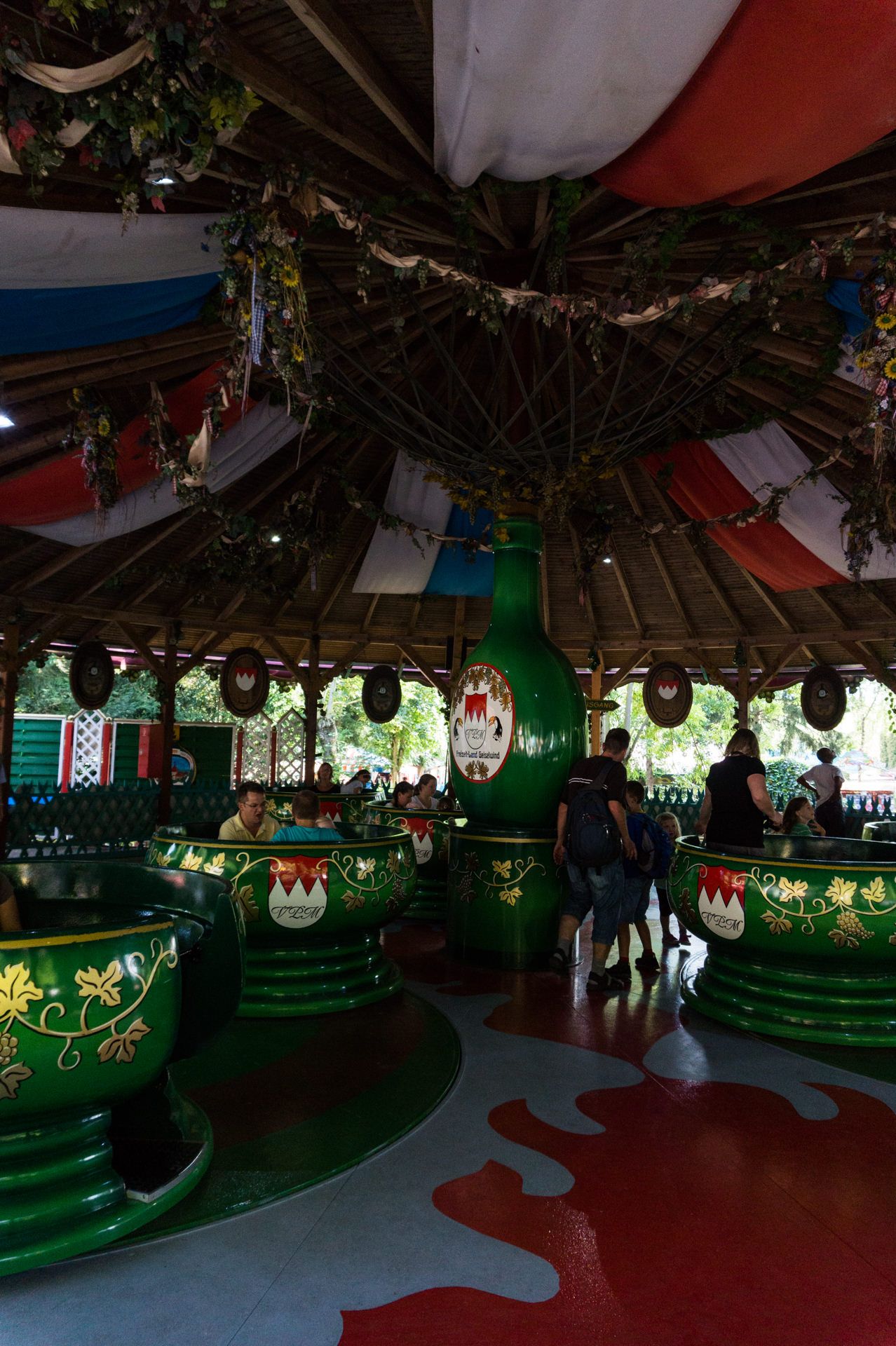
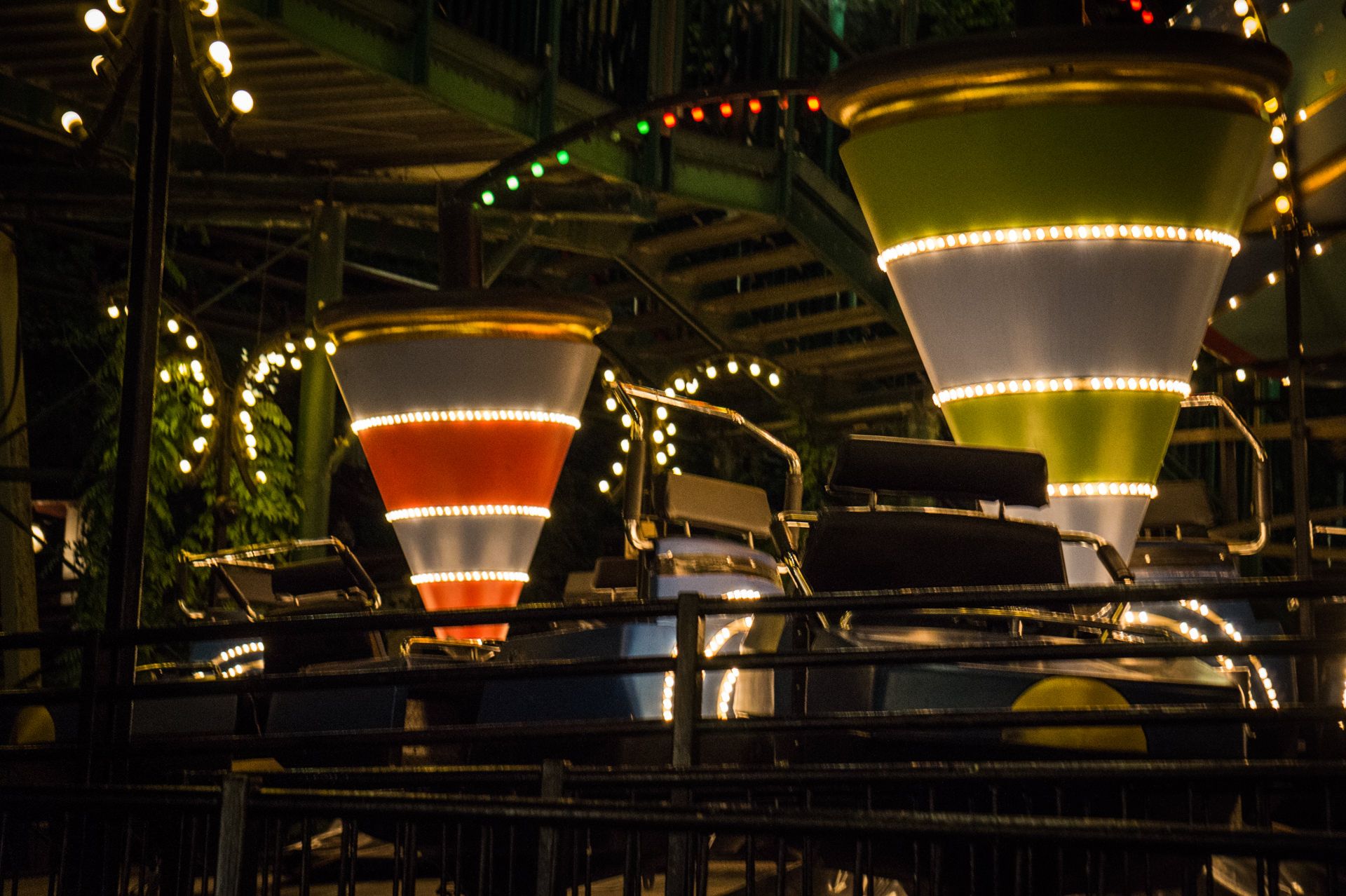
In addition to a 4D cinema, which is currently showing a film in the style of Jurassic Park, the Freizeit-Land Geiselwind also offers a number of flat trips, all of which have been well designed. However, only the Fränkische Weinfahrt (Franconian Wine Ride), a teacup ride, shows the regional reference of the park. Everything else is bavarian, which also keeps the gastronomy prices in a good range.

Pictures Freizeit-Land Geiselwind
Conclusion Freizeit-Land Geiselwind
The Freizeit-Land Geiselwind is a rather neat amusement park. The rides are all in a very good condition and generally appear to be very well maintained, as are the gardens. Despite the parcel-like division of the rides, the routing does not remind of the computer game Roller Coaster Tycoon, a state of affairs that can be experienced for example in the rear part of the Erse Park in Uetze, so that a harmonious overall impression is created. Although the origin of many of the rides cannot be denied, the impression of a permanent funfair is by no means created by the nice integration of the rides. At least, the Freizeit-Land Geiselwind easily manages to entertain its visitors for a few hours and offers a good price-performance ratio, which is why I would like to call the park Bavaria’s strongest piece of leisure, which makes the park’s slogan more accurate (but the competition in this federal state is very manageable).


What is your opinion about the amusement park Freizeit-Land Geiselwind? Just write them in the comment field below the report or in our social media channels:


The home of the old Danish Rutschebanen

Preface

I wanted to visit the Danish amusement park Tivoli Gardens for quite a while now. Unfortunately, visiting the Danish capital as a German student on a budget, this was not at all easy. Ideas to go on a road trip throughout Scandinavia were abandoned due to the lack of passengers to come along. Even day trips turned out to be not necessarily wise due to either high tolls or ferry fees, so that the cheapest way to travel from Hamburg to Copenhagen is surprisingly by train, although it takes quite a while even in an ICE. As at the beginning of the week there was supposed to be a return trip in the late evening and the hotels were comparatively cheap during an overnight stay from Sunday to Monday, a short trip to Copenhagen was quickly arranged. The Deutsche Bahn proved to be less reliable and the offered return trip could not be booked. A little research then resulted in a bus connection via Flixbus returning at the same time, which should actually arrive slightly earlier at the Hamburg main station.

The outward journey turned out to be a little nerve-racking. It all started with a bus, which actually didn’t show up (as it passed my station way too early), which resulted in a drive to the city where I parked my car nearby my university. It came worse, when a smelly stranger slept on my shoulder in the rail replacement service on the Danish part of the journey.

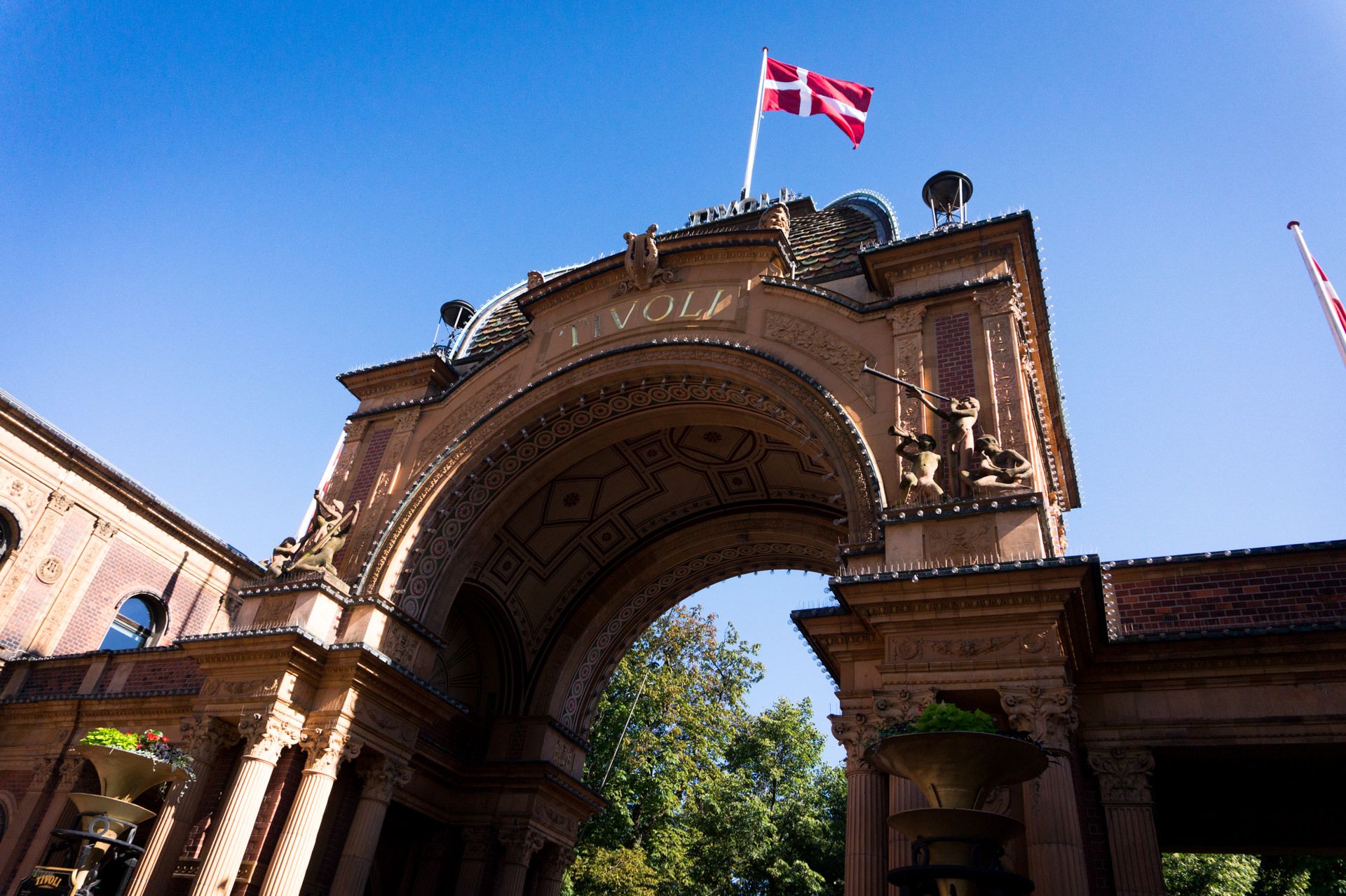
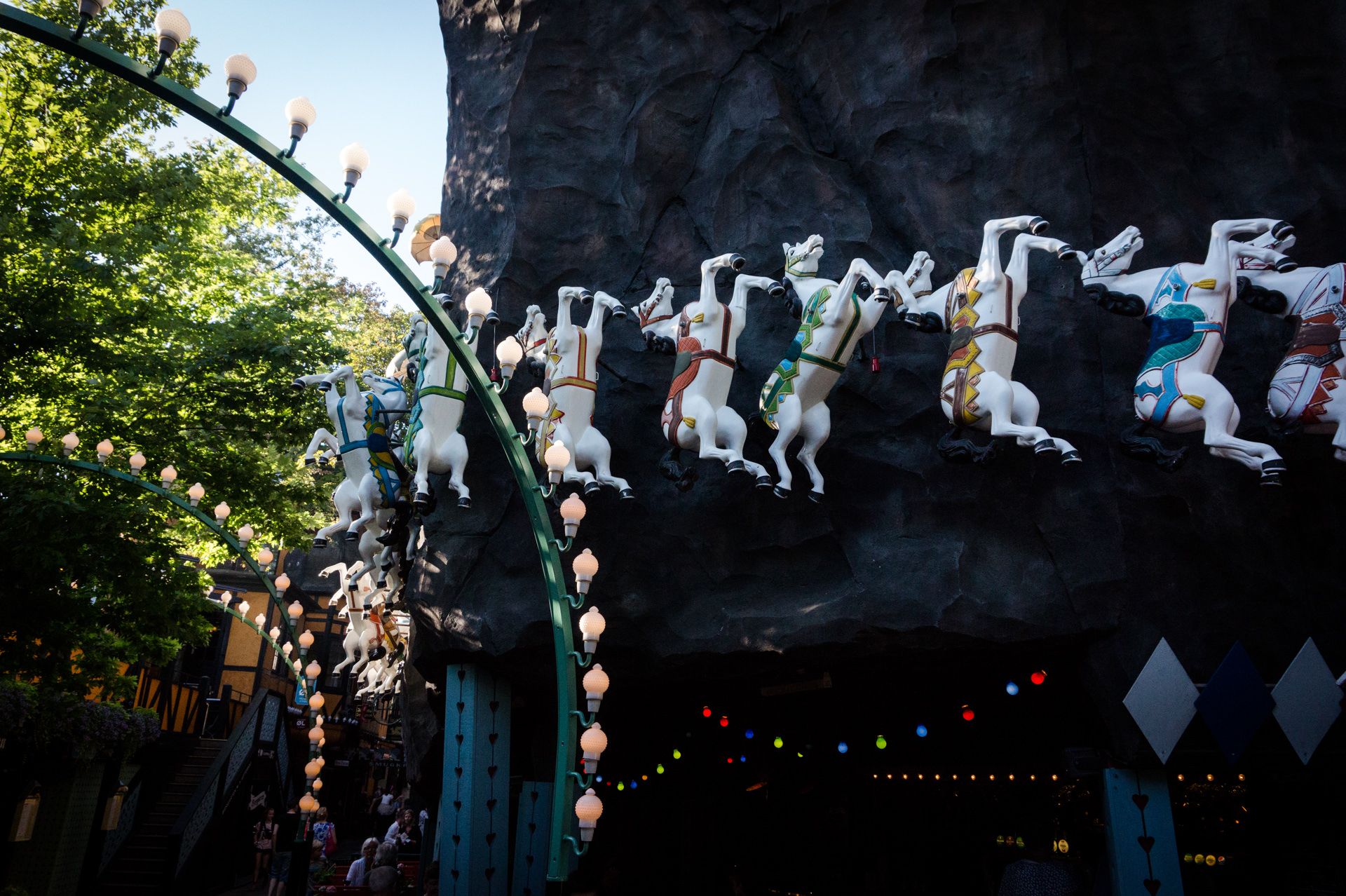
Tivoli Gardens

Arriving at the station, the reward for the morning’s exertions was immediately apparent, which was why I exchanged the prepaid all-inclusive ticket for admission, the wristband for unlimited rides on the rides, as well as the vouchers for a visit to the in-house aquarium, the meal and the ride photo. This package cost online around DKK 190 more than the regular entrance fee and the wristband, but as the meals in this city are generally in a similar price range, this is highly recommended. The offer varies according to the general price structure of the restaurants, so in cheap restaurants one additionally gets a big drink, in medium-priced restaurants a small drink, as well as in high-priced restaurants only the meal remains served. Without the voucher, I would have spent 210 DKK in addition to the 25 DKK saved at the aquarium, as well as the value of the ride photo.

Rutschebanen

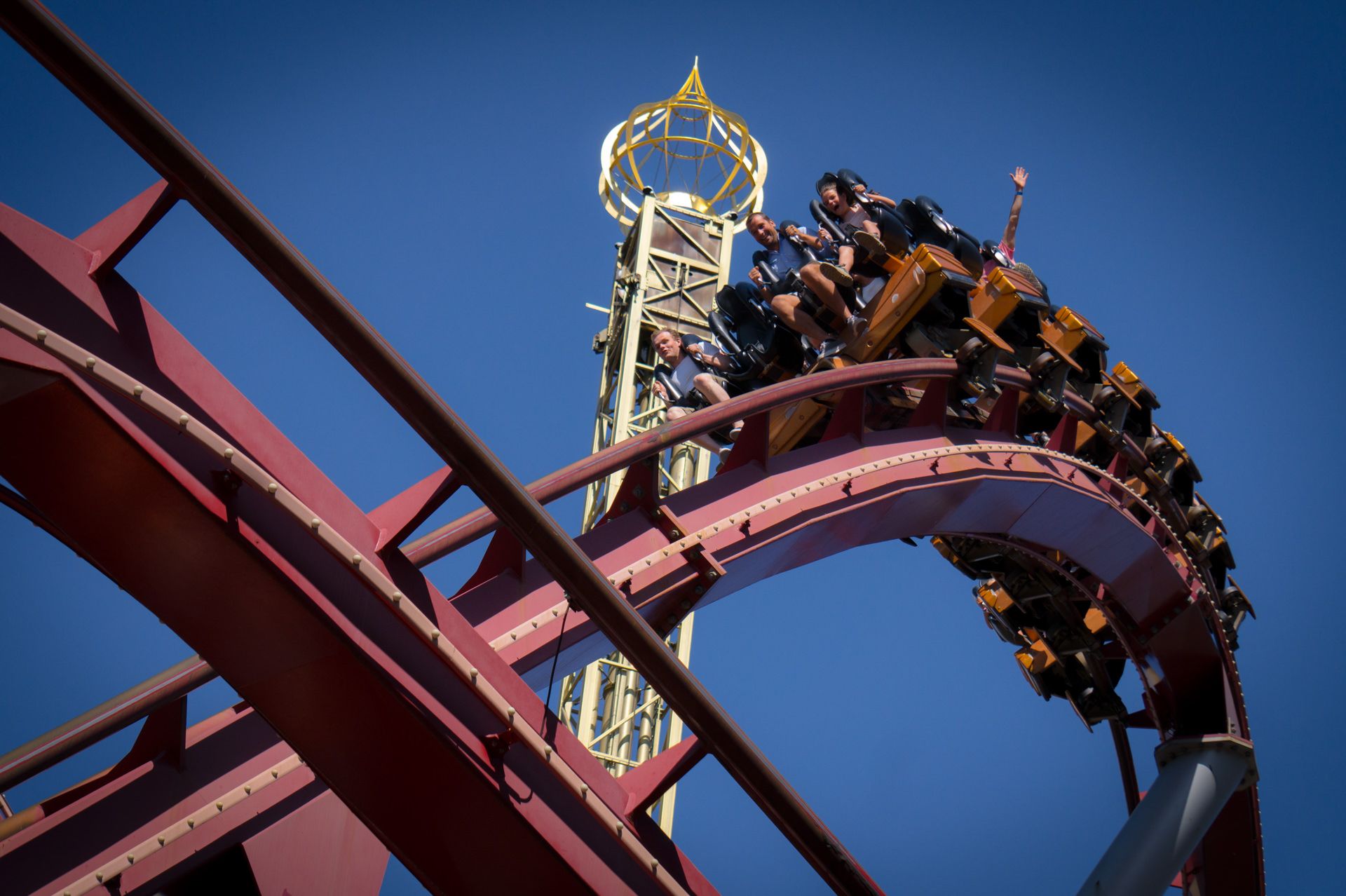
Since I used the less frequented entrance at the main station the ways led me fast and directly to the over 100 years old wooden roller coaster Rutschebanen and thus to the longest-serving roller coaster of Europe. On the occasion of the anniversary Tivoli Gardens gave the old lady an elaborate cosmetic operation, reminding her of her original design – which had been redesigned out of respect for arriving guests from the alpine countries, as they should not be reminded of their homeland immediately after leaving the train station by the peaks of Rutschebanen. As is generally the case with the so-called Scenic Railways, the Rutschebanen also has a brakeman riding in the train, so that the ride is controlled by his know-how and can be quite exciting at the same time.

Shortly after the train entered the station it disappears into the first tunnel. After a left turn, the train engages in the elevator cable and is quickly carried up to the top. For a short moment, you can look into the Fun House Skaersilden beneath the ride. At the top you can have a short look at the alpine design before going down the first slope. With full speed we pass the first valley and then a camelback. Back at a higher level, a turn is now made with a pronounced speed, so that one involuntarily wanders from one side of the train to the other. After leaving the ice cave, the train dives down into the depths before reaching about half of the starting height. Barely braked, the next turn is made, which is the reason why a single rider changes sides again. Immediately after a short straight section you go downhill and shortly afterwards a fast-paced interplay of curves begins. Here a short S-curve is taken before a right-hand turn, which is further intensified by the gently rocking cars. Along the station you follow the same sequence of elements as at the beginning of the ride and immediately enter another cave. In this one you execute a combination of curves which would have been used in the computer game Roller Coaster Tycoon, ideally on a Virginia Reel. After a small turn to the right follows a small turn to the left, which then changes into a larger turn to the left. Shortly afterwards you leave the tunnel and are led into the station by the brakeman.

Rutschebanen is a timeless classic, which still excites the visitors today. The way the train takes the cars through the numerous mountains, valleys and bends is simply stunning and is further enhanced by the constant change of the cars’ sides for single riders. The design of the layout is worth seeing and creates a through and through original appearance in connection with the trains and the accompanying personnel, which you would not want to miss in Tivoli Gardens.

Skaersilden and Minen

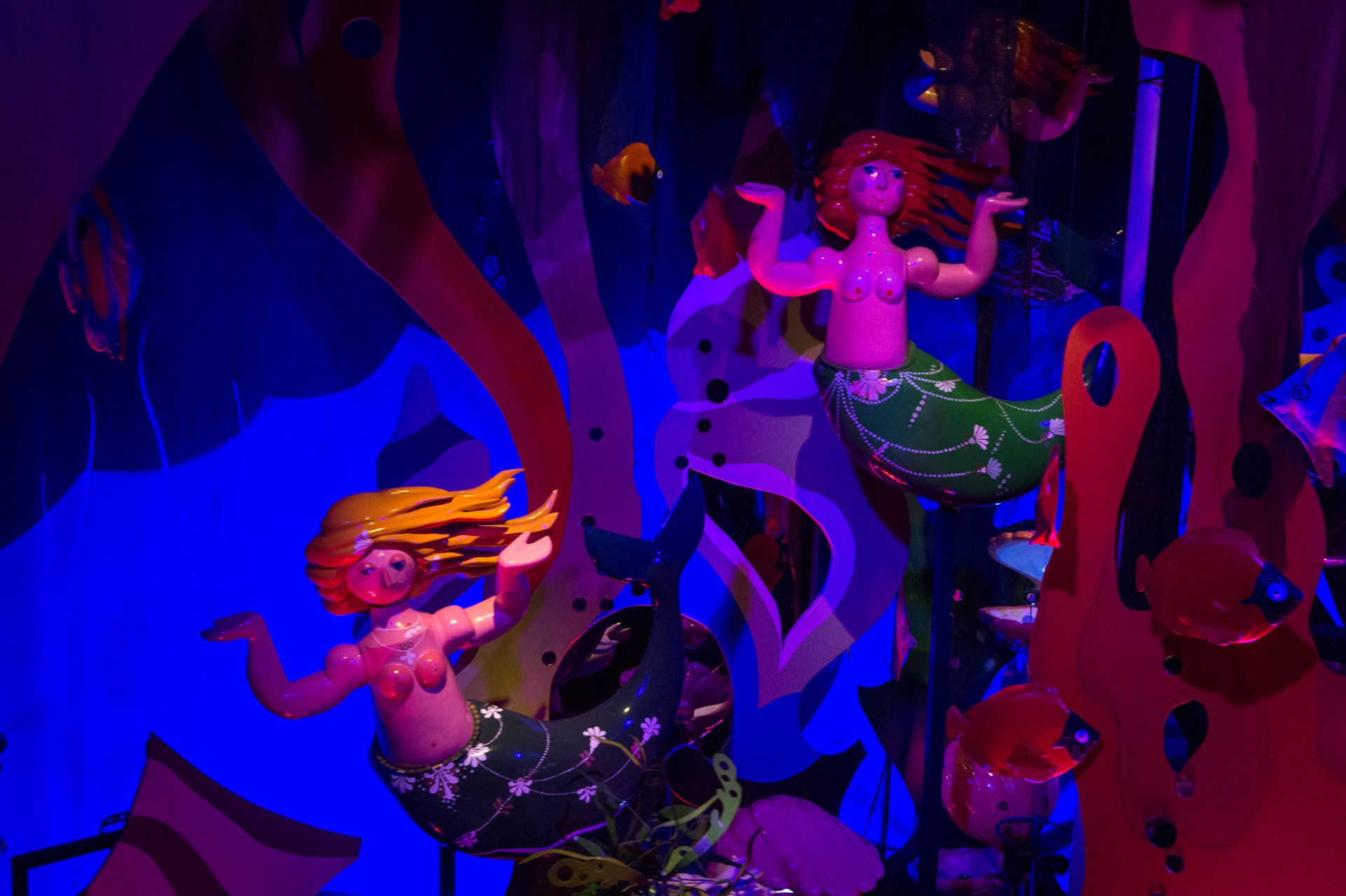
Below the old Danish roller coaster you will find the Fun House of Tivoli Gardens – which is well worth a visit – as well as the boat dark ride Minen, which was apparently upgraded by a lot of Peng Peng or better said interactivity. The stream channel passes larger and very detailed scenes, whereby it is better to skip the interactivity function of the boat altogether and enjoy the ride.
Himmelskibet and Snurretoppen

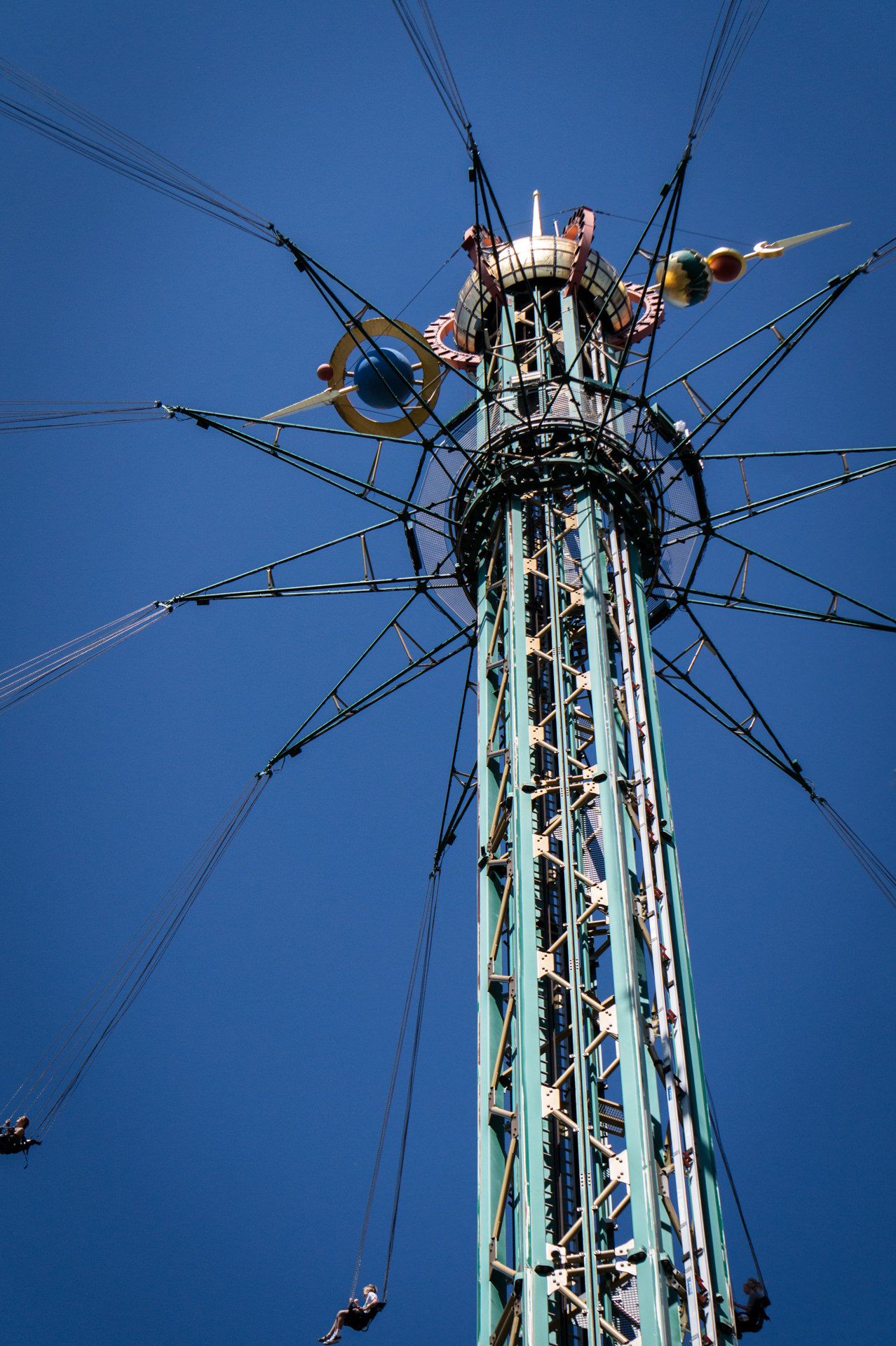
The 80m high Starflyer Himmelskibet is located above the sleek and surprisingly fast moving Break Dance Snurretoppen. Here one notices for the first time that the Tivoli Gardens does not trust its foreign visitors without any amusement park experiences particularly much. As a result, the dispatching takes ages, despite the already optimised loading process. On the way up to the loading station, one is basically reminded at every meter which things one is not allowed to take along; a counted group is then let into the area with the luggage rack. Here, a very detailed verbal briefing is given which things one is not allowed to take along. Afterwards, only one of the possible access ways is opened. Then, the riders are forced to knock on their trouser pockets and are warned to go back in case of positive results and finally to take their things out of their pockets. After a quite decent ride with a fantastic view over the city at the same time, one is now left in a separate area on the other side and is held there until everybody has received their things.

Aquila

Interestingly, however, the dispatch was still reasonably justifiable, as the routine had become established during time. Aquila, an Zamperla air race from 2013 has a thoroughly abstruse dispatch time, as everyone sitting in the car is asked if they still have anything in their pockets, although the system never sweeps over the heads of others and the potential danger is minimal. Compared to the prototype in the Portuguese water park Aquashow Park, the ride is not very entertaining and thus falls behind the expectations.

Odinexpressen

In the immediate vicinity, just like everything else in Tivoli Gardens, is the entrance to Odinexpressen, a Mack Powered Coaster built in 1985. Throughout the entire visit there was always the longest queue of all the roller coasters, which was not due to the total duration of the ride of three laps, but rather to the fact that the people waiting for the ride were only allowed to enter the station when the train was already empty and each bar was checked individually.

The ride begins with an ascending helix to the left, followed by a change of direction above the station. A wide right turn leads the train upwards, followed by a left turn. On the roof of the arcades, a 540° downward helix is executed, after which the train always leads downwards at a clear speed parallel to the ascent. Once again above the roof of the station, the train plunges surprisingly fast to the ground and passes through a narrow righthand helix, whereupon you pass through the station at top speed.

Odinexpressen is a very nice example of a powered coaster due to the very well designed and space saving layout. Similar to the English Merlin Entertainments Group’s parks, the mood at the ride is outstanding and the delicious smell during the downhill helix on the roof probably served as inspiration for the Alpenexpress Enzian at Europa Park.

Den Flyvende Kuffert

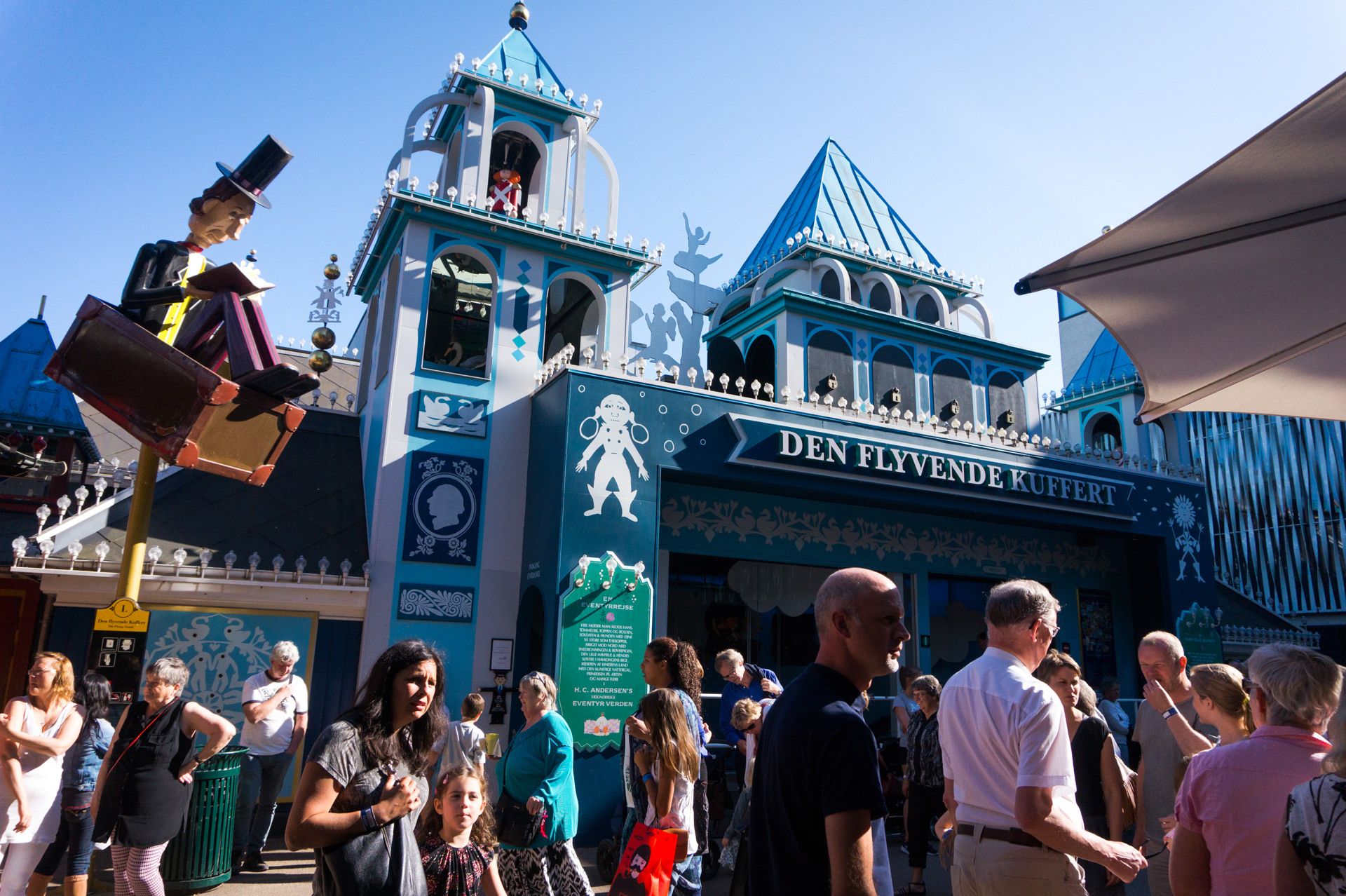
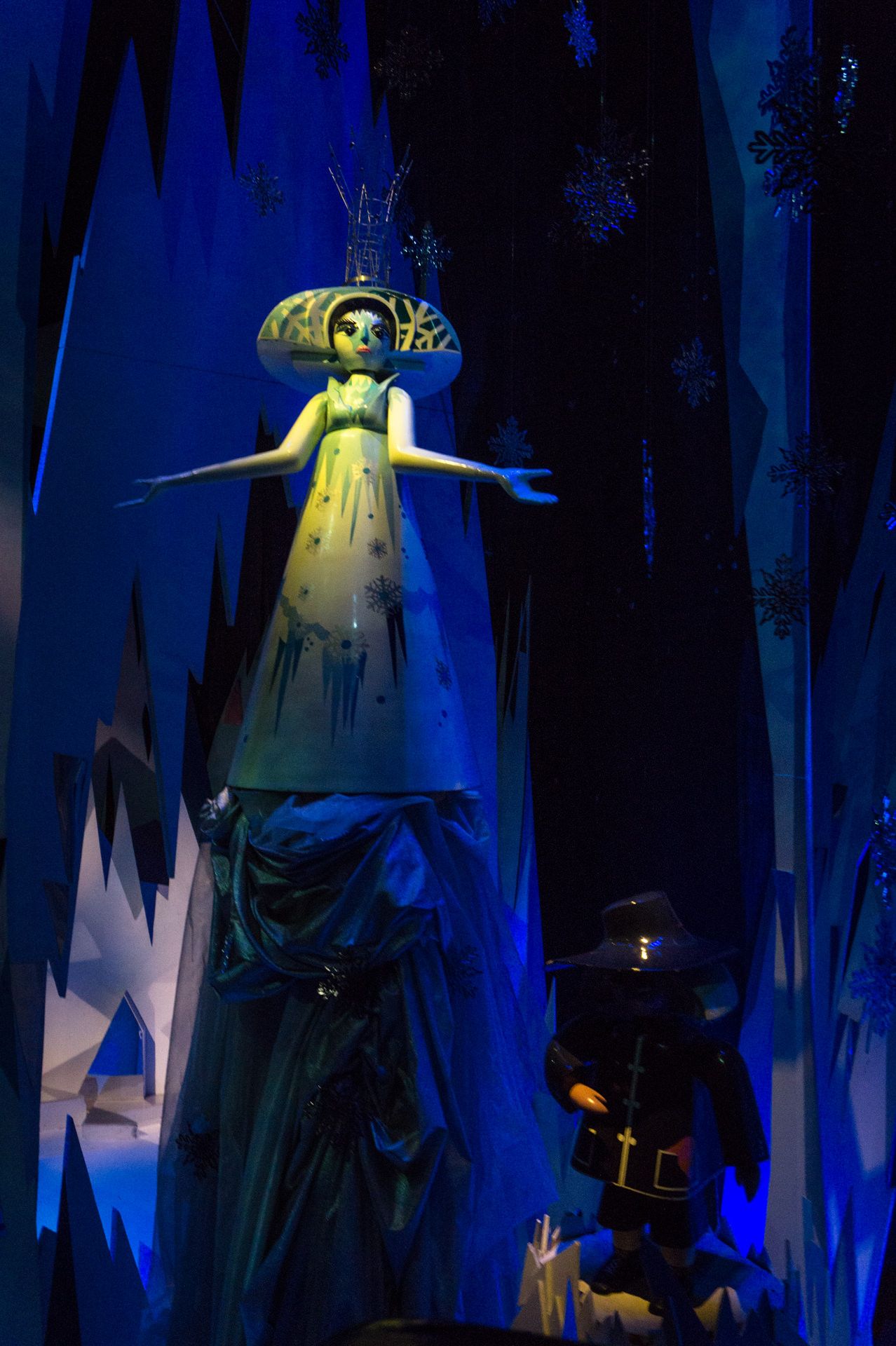
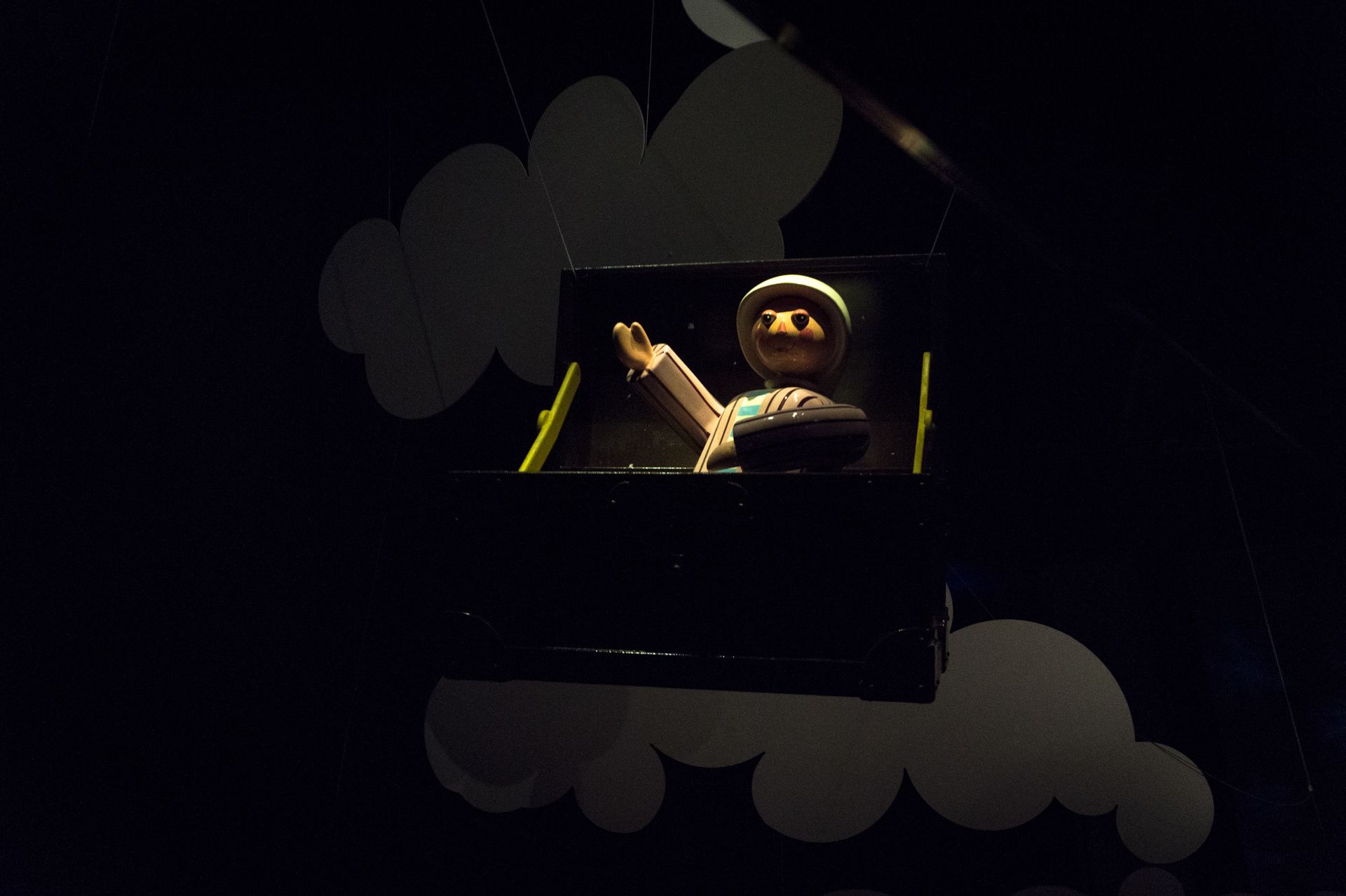
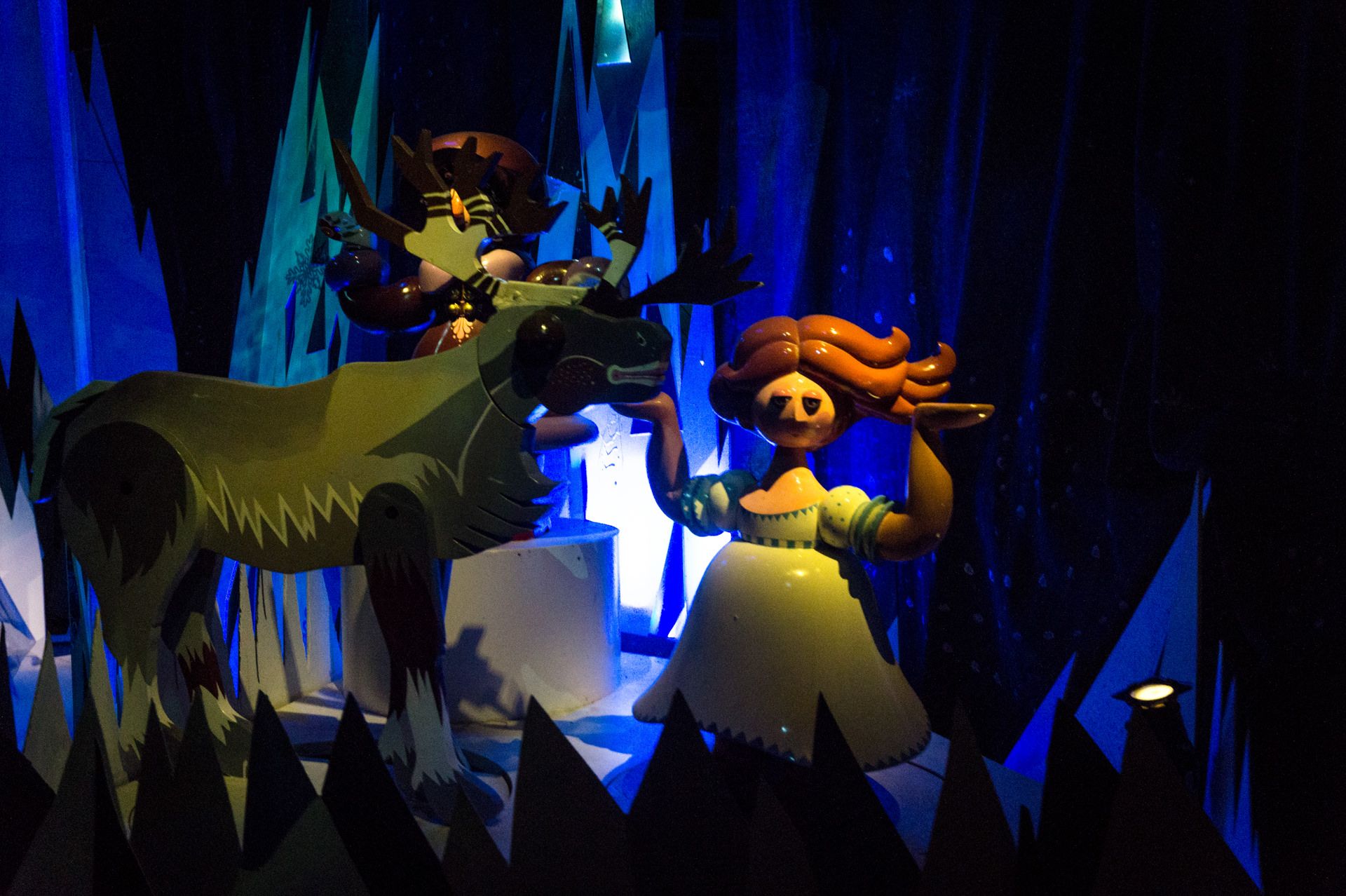
Next to the arcades you will find the dark ride Den Flyvende Kuffert which tells the fairy tales of Hans Christian Andersen in many scenes with cute little dolls. The ride in the flying suitcases is held in either Danish or English, whereby you have to listen carefully to avoid being distracted by the narrations of the other gondolas. During the long ride, which always leads up and down, one gets a good insight into the well-known fairy tales.

Tivoli Aquarium and Linie 8

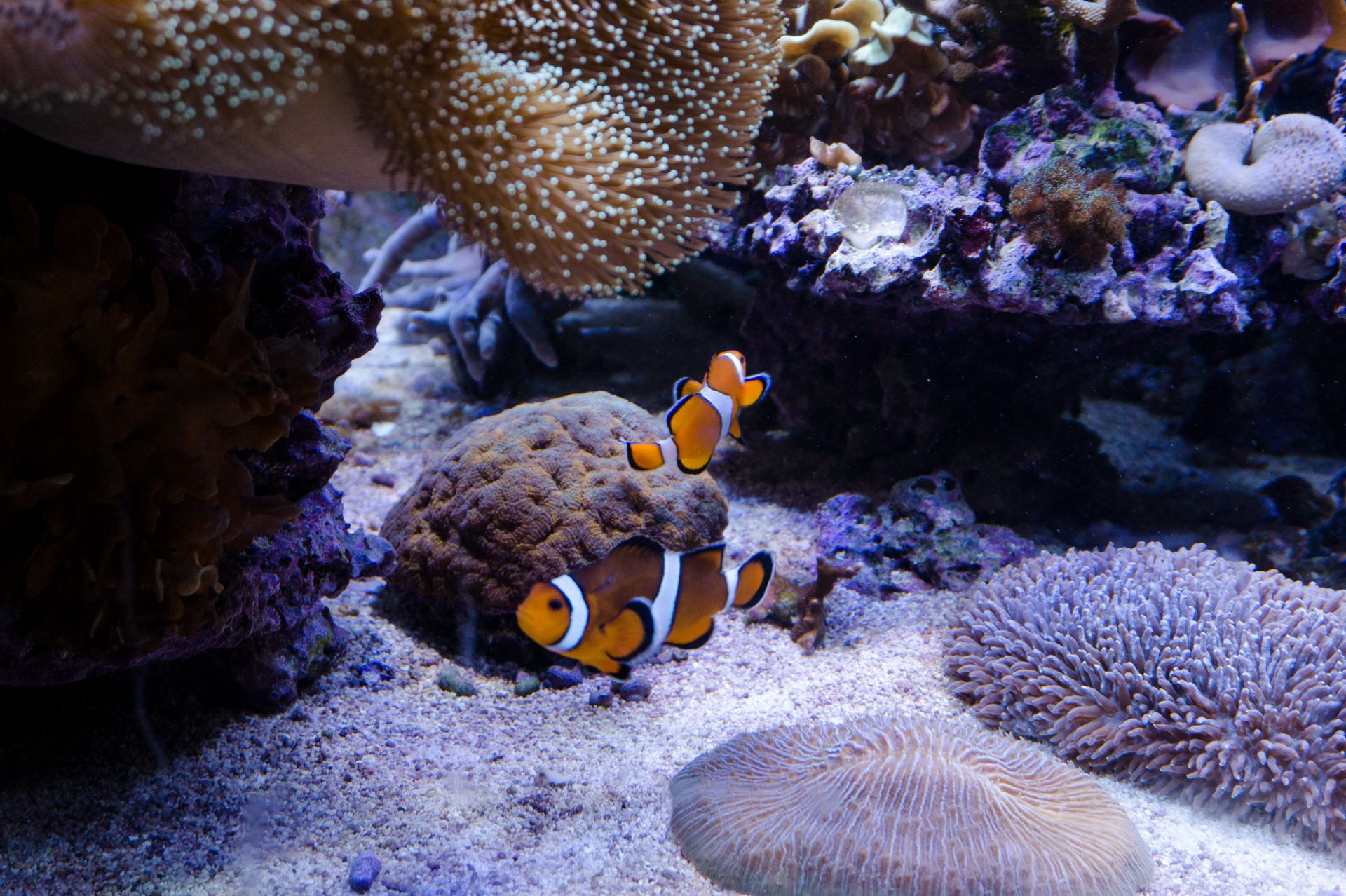
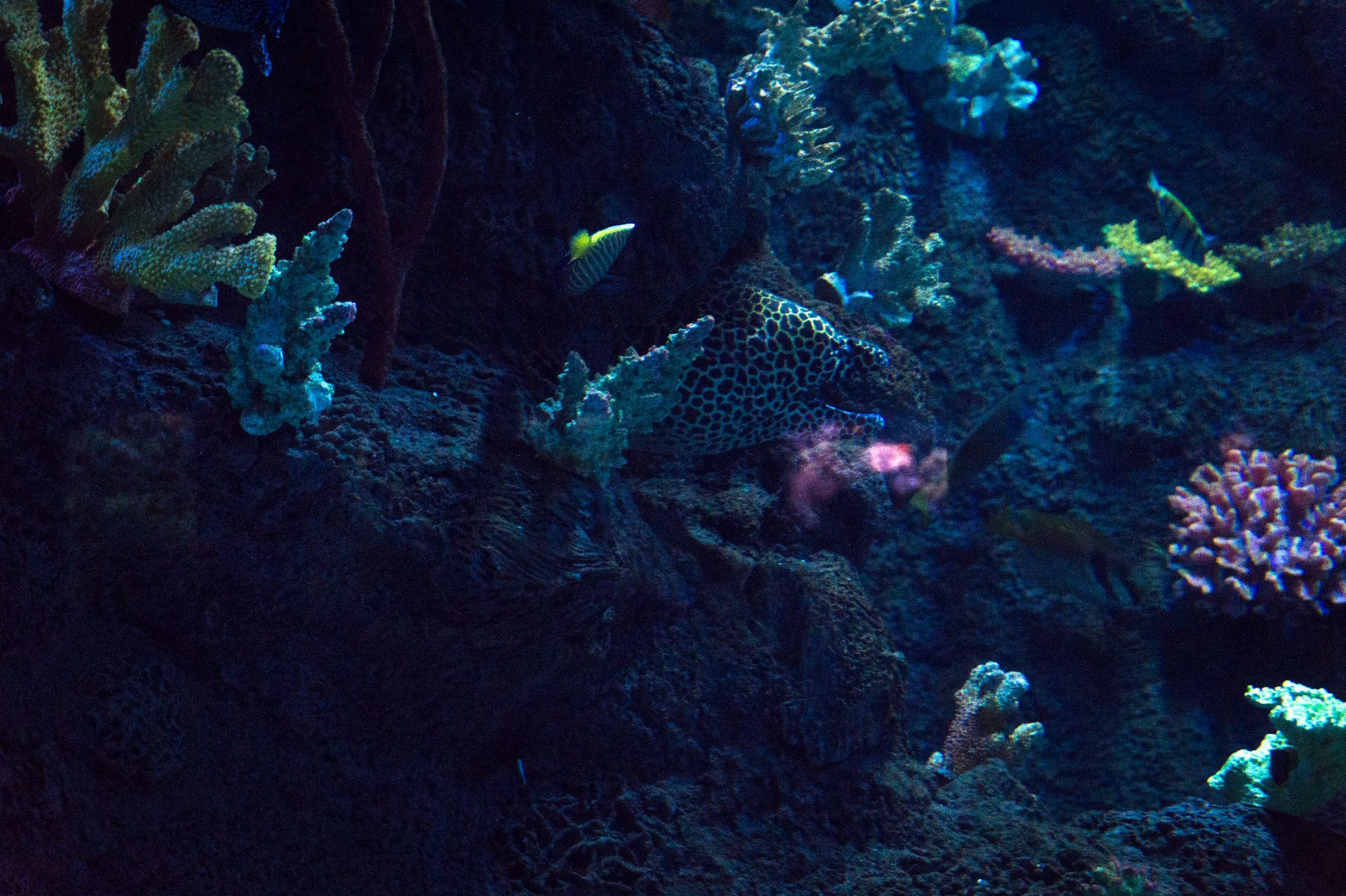
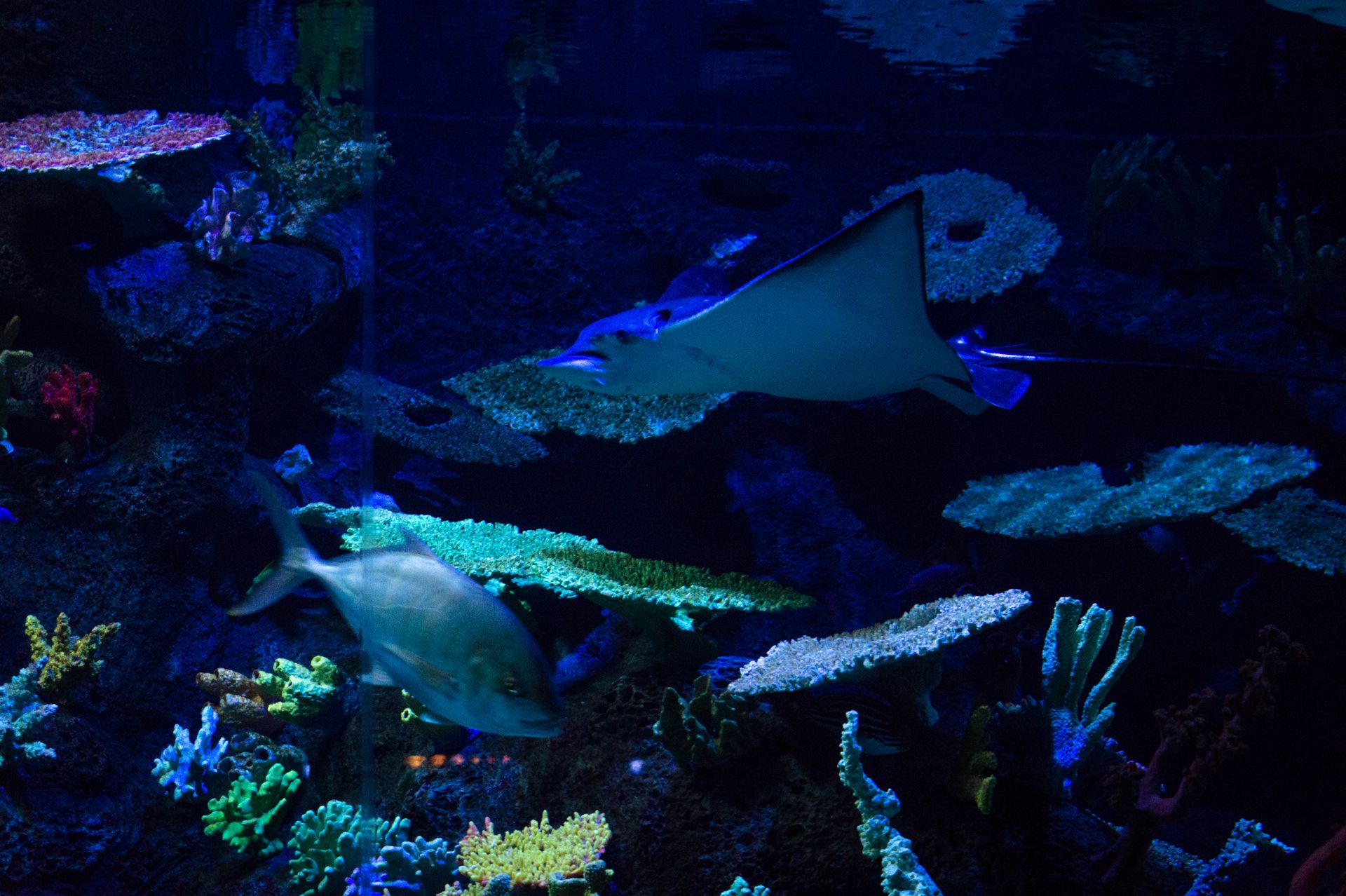
The Tivoli Aquarium is located in the foyer of the Concert Hall, a theatre with a capacity of 1660 that plays classical music as well as musicals. The Tivoli Aquarium is not included in the entrance fee and has smaller aquariums and a 30m long reef with more than 1600 inhabitants. In front of the concert halls there is the station of the historical railway line 8, which takes a little tour through the Tivoli Gardens.

Monsunen

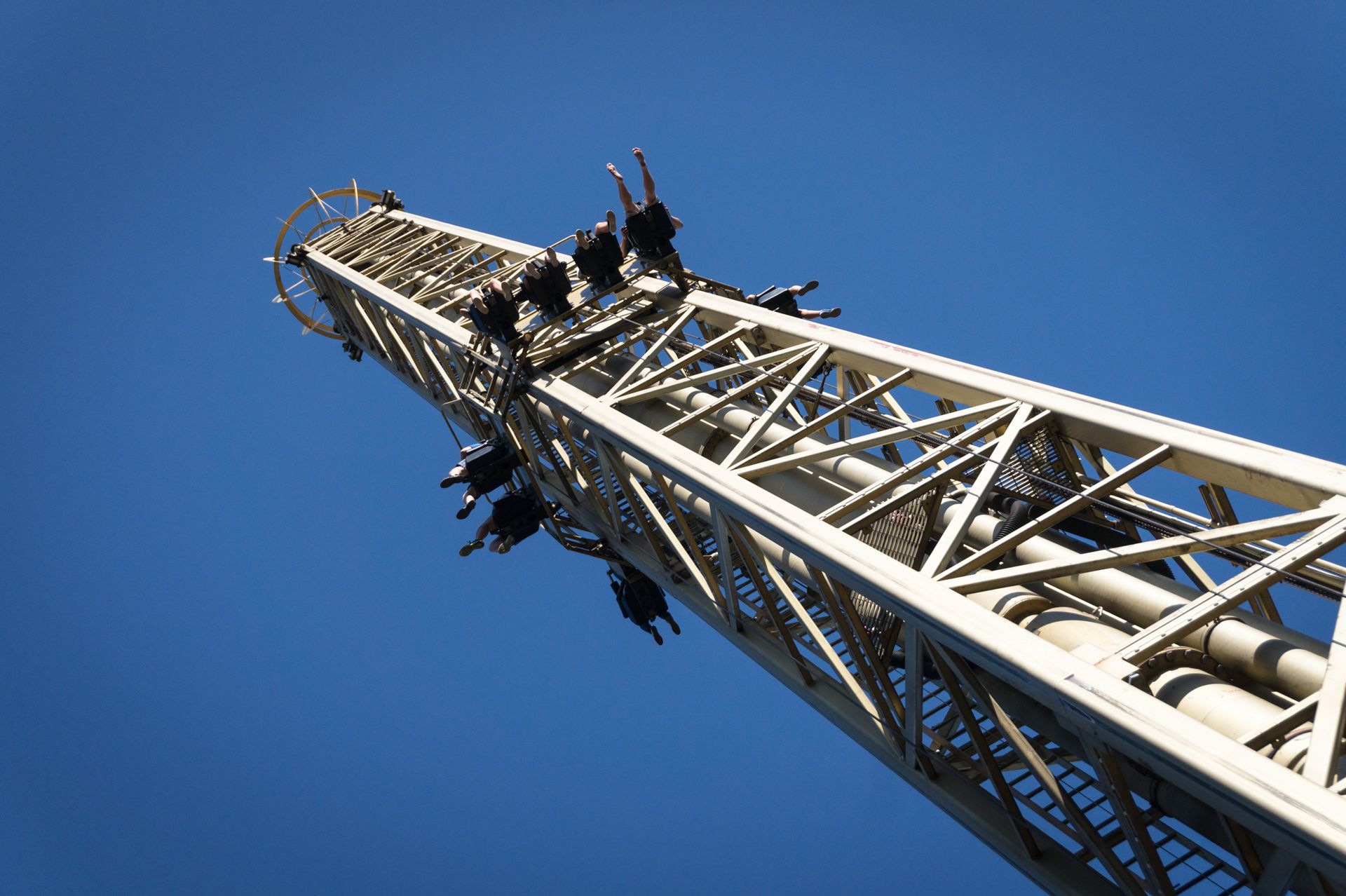
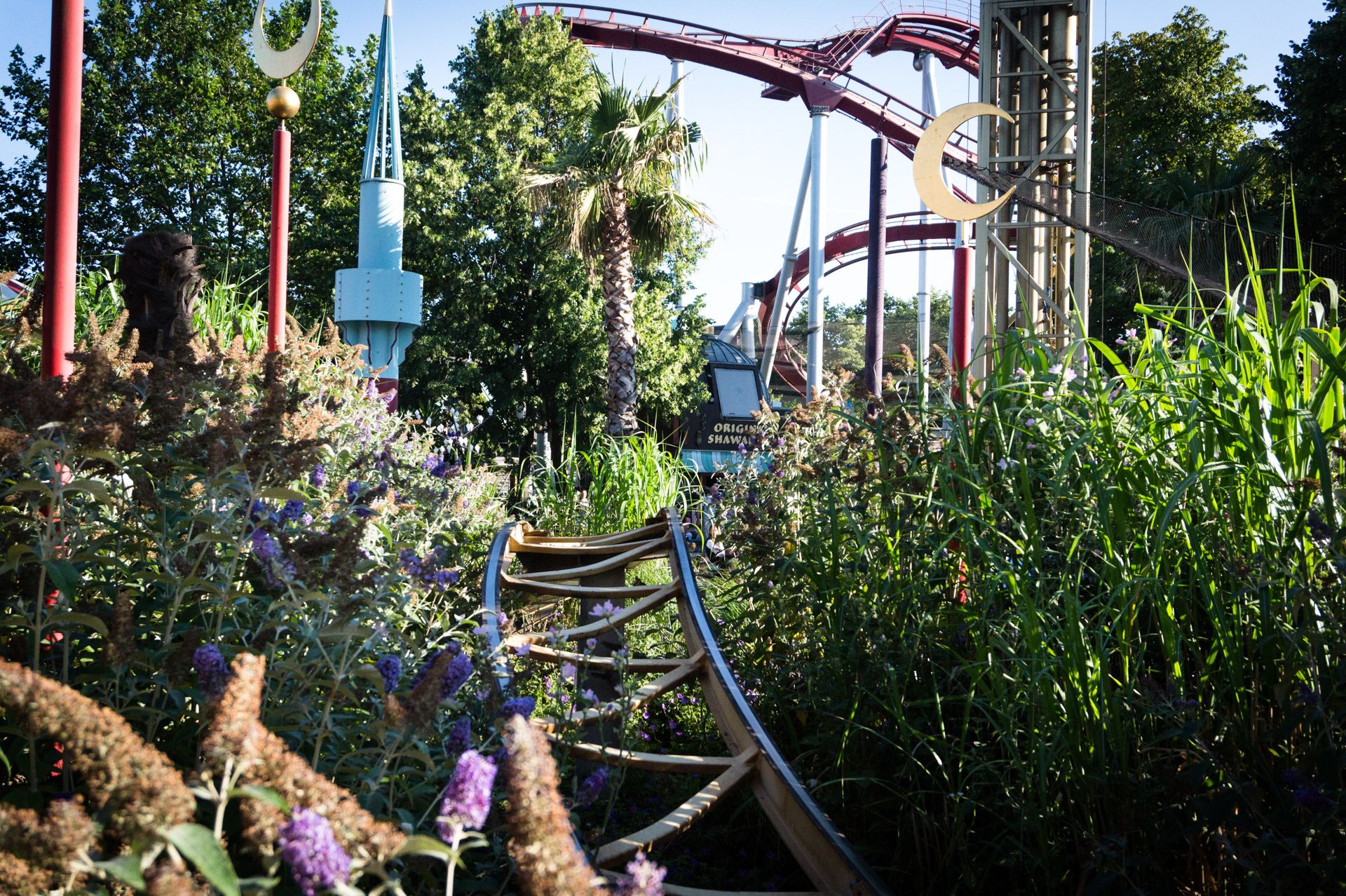
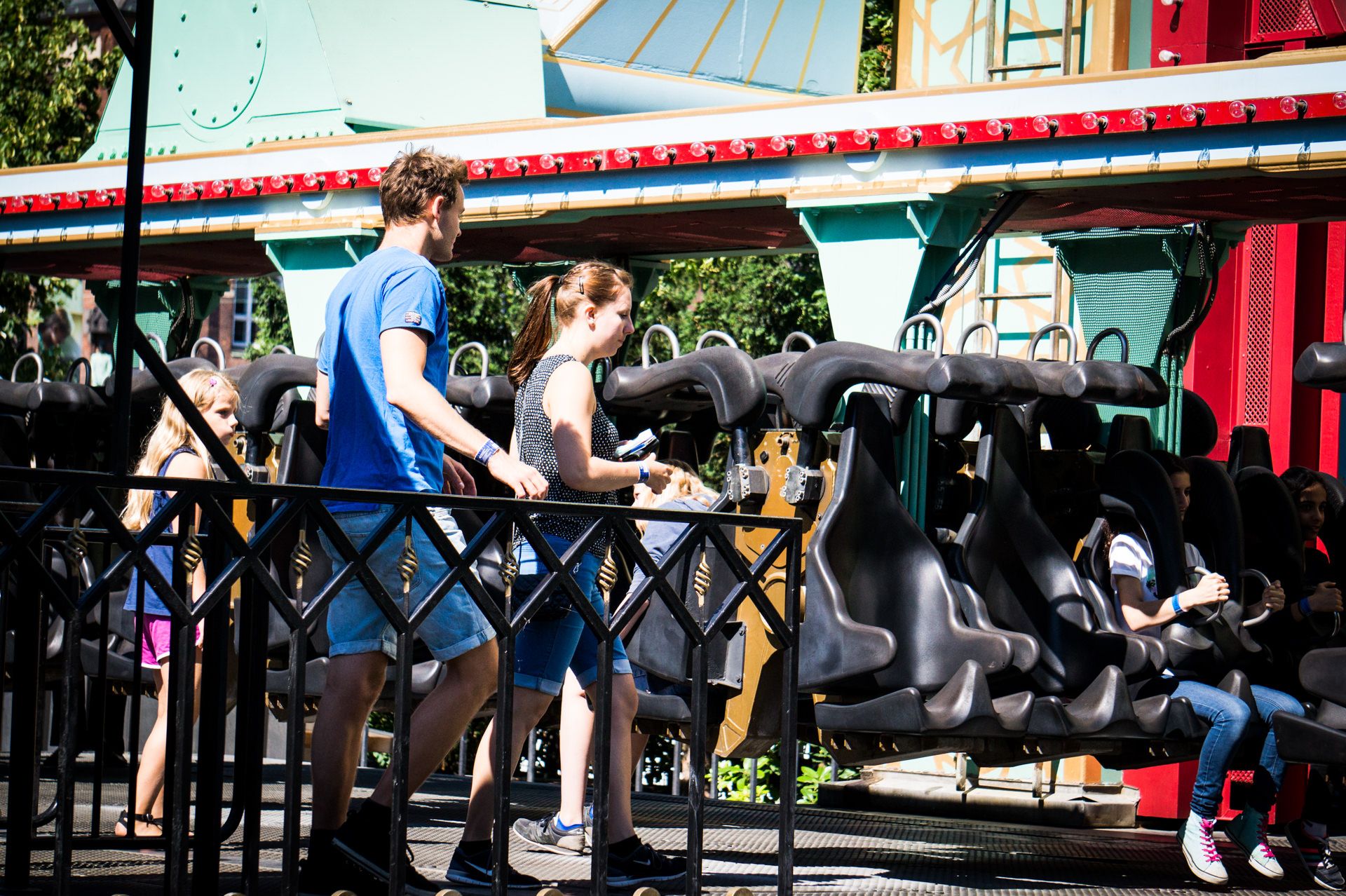
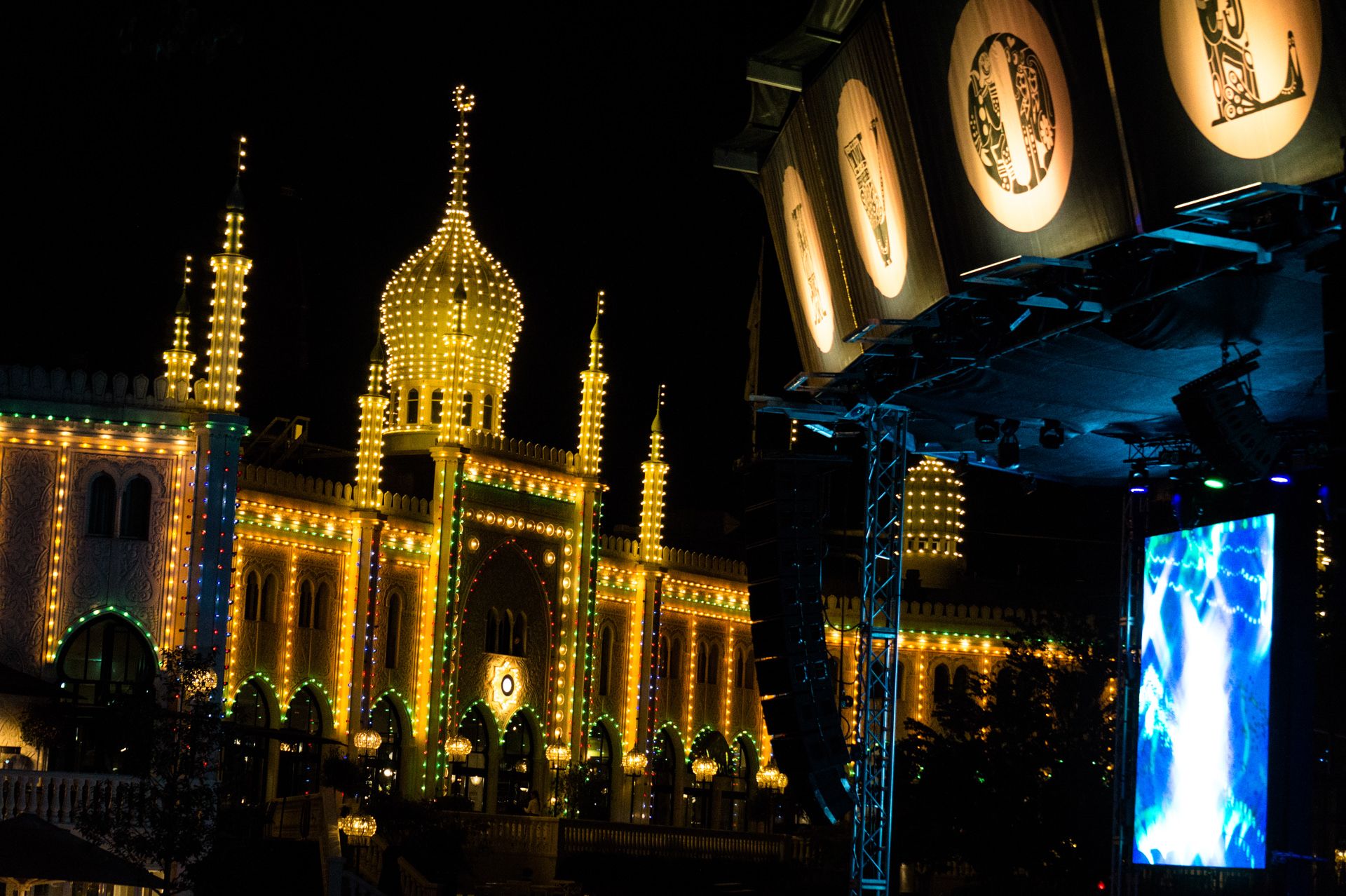
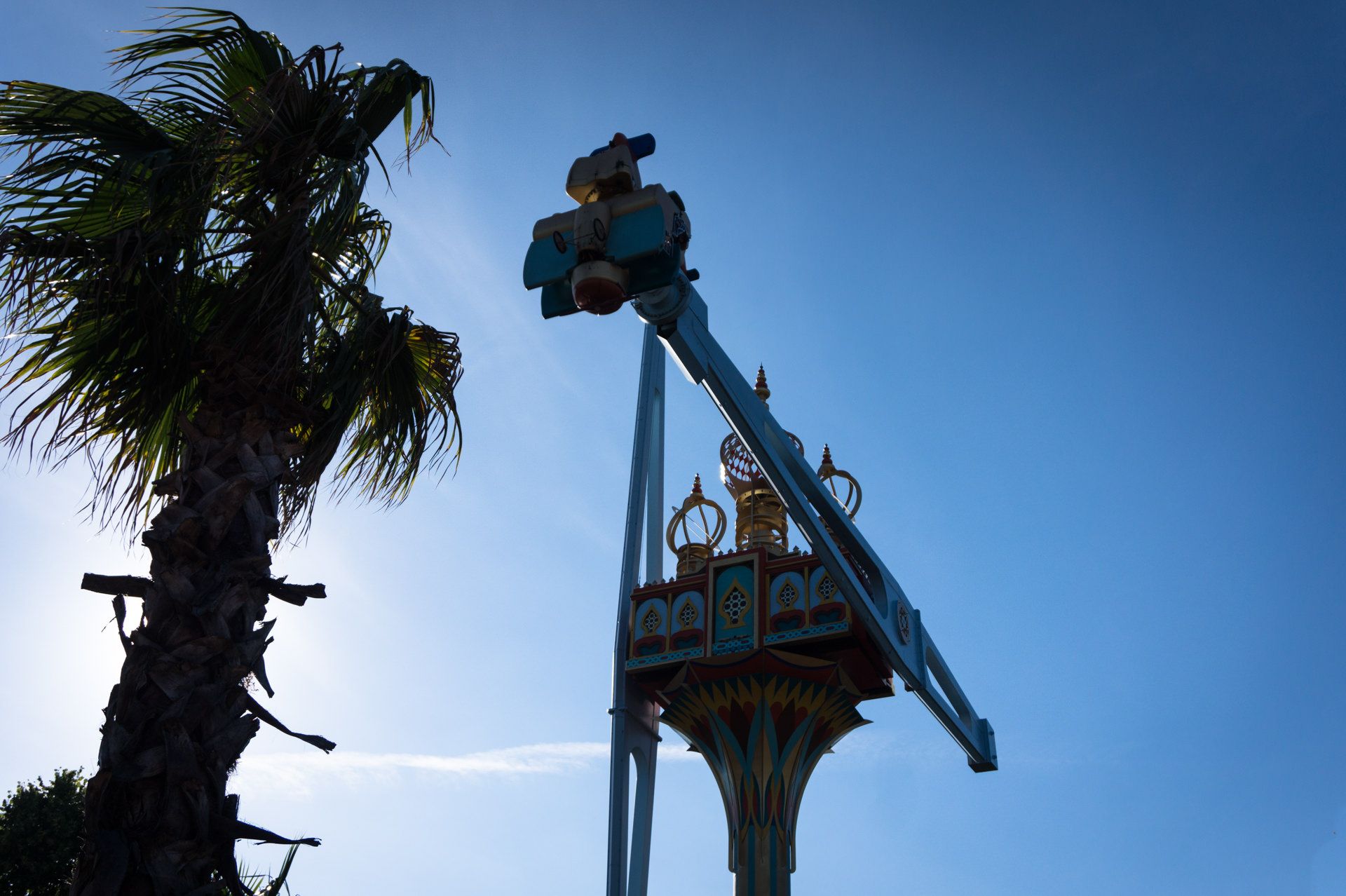
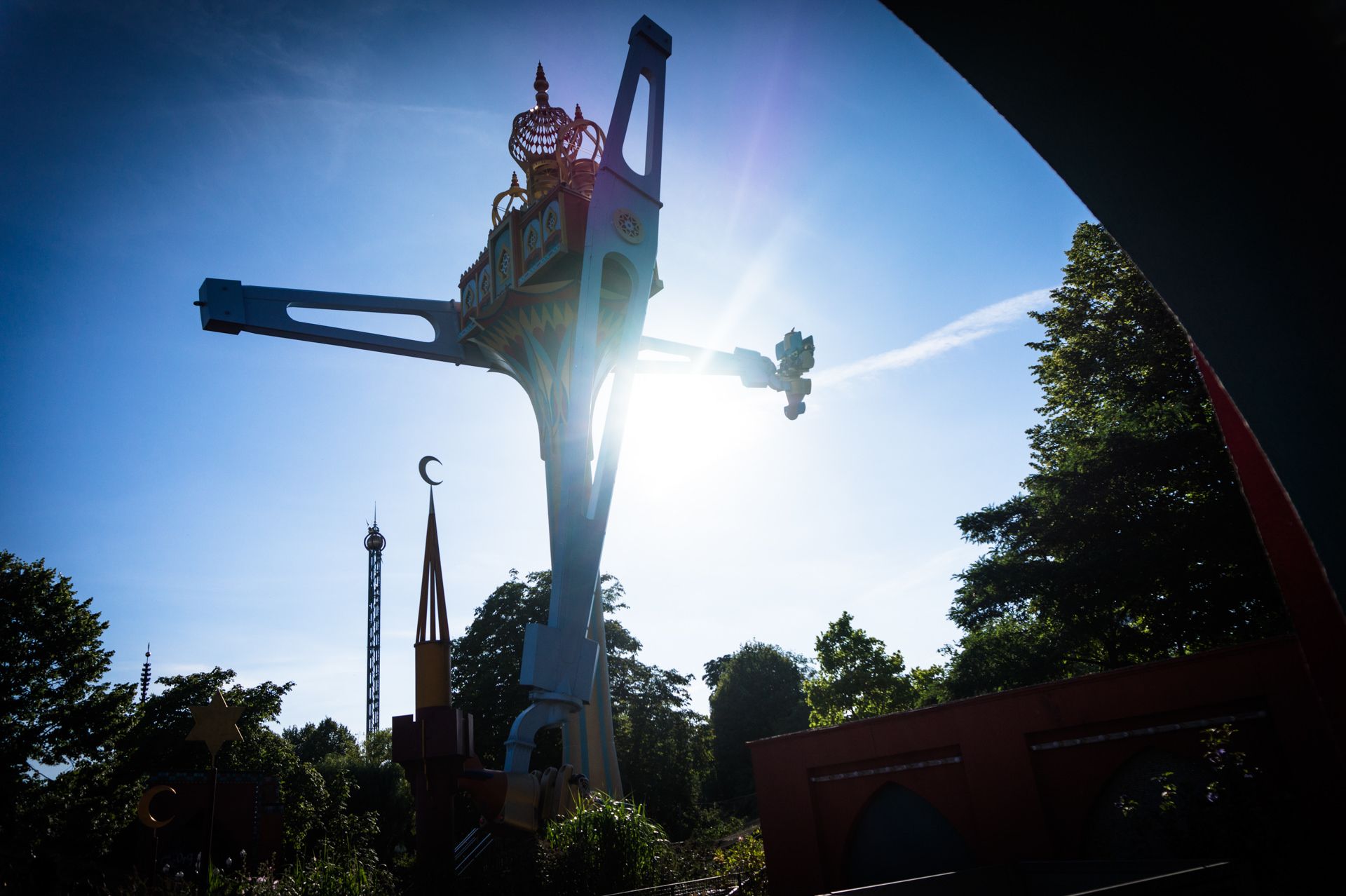
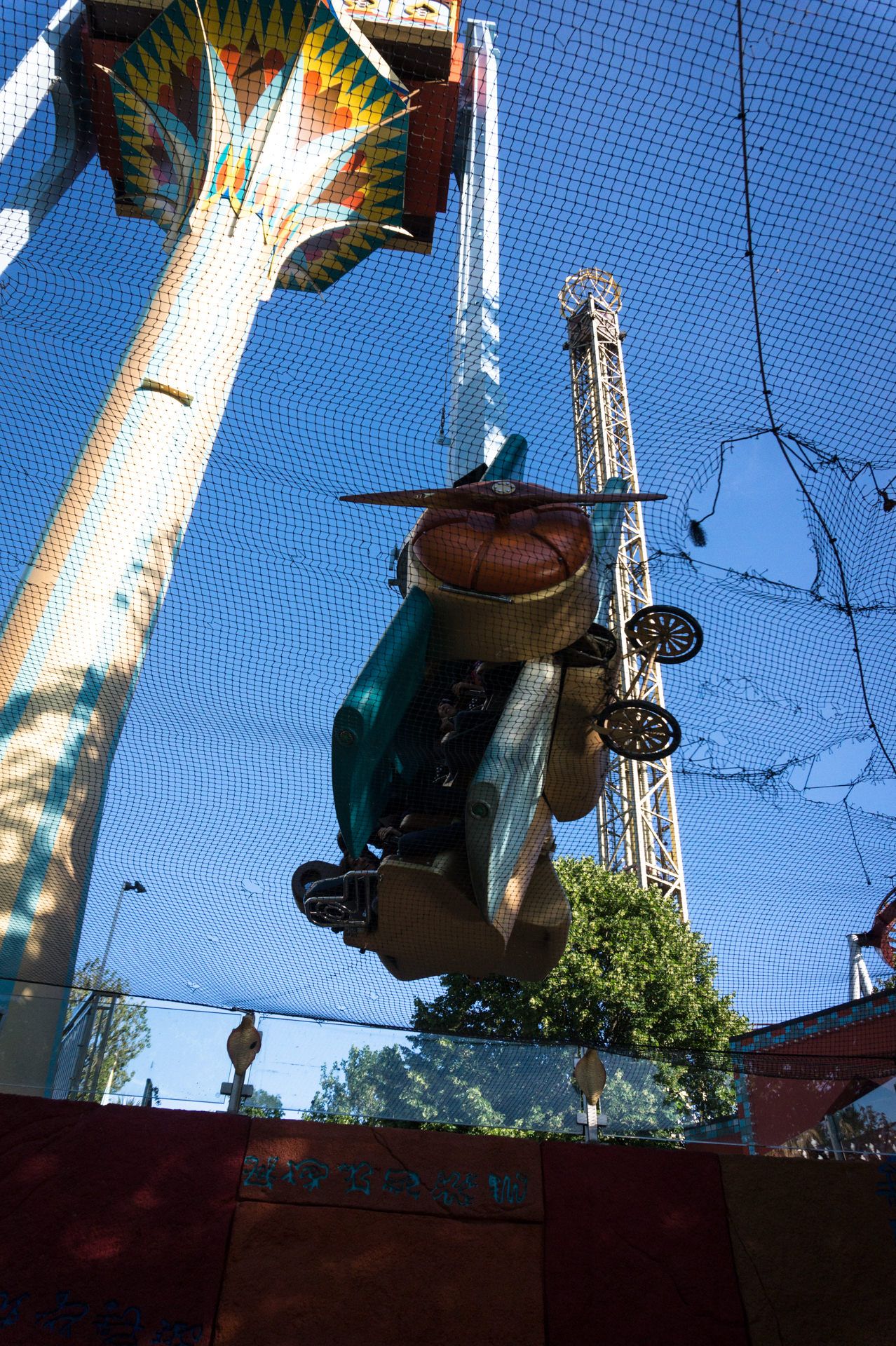
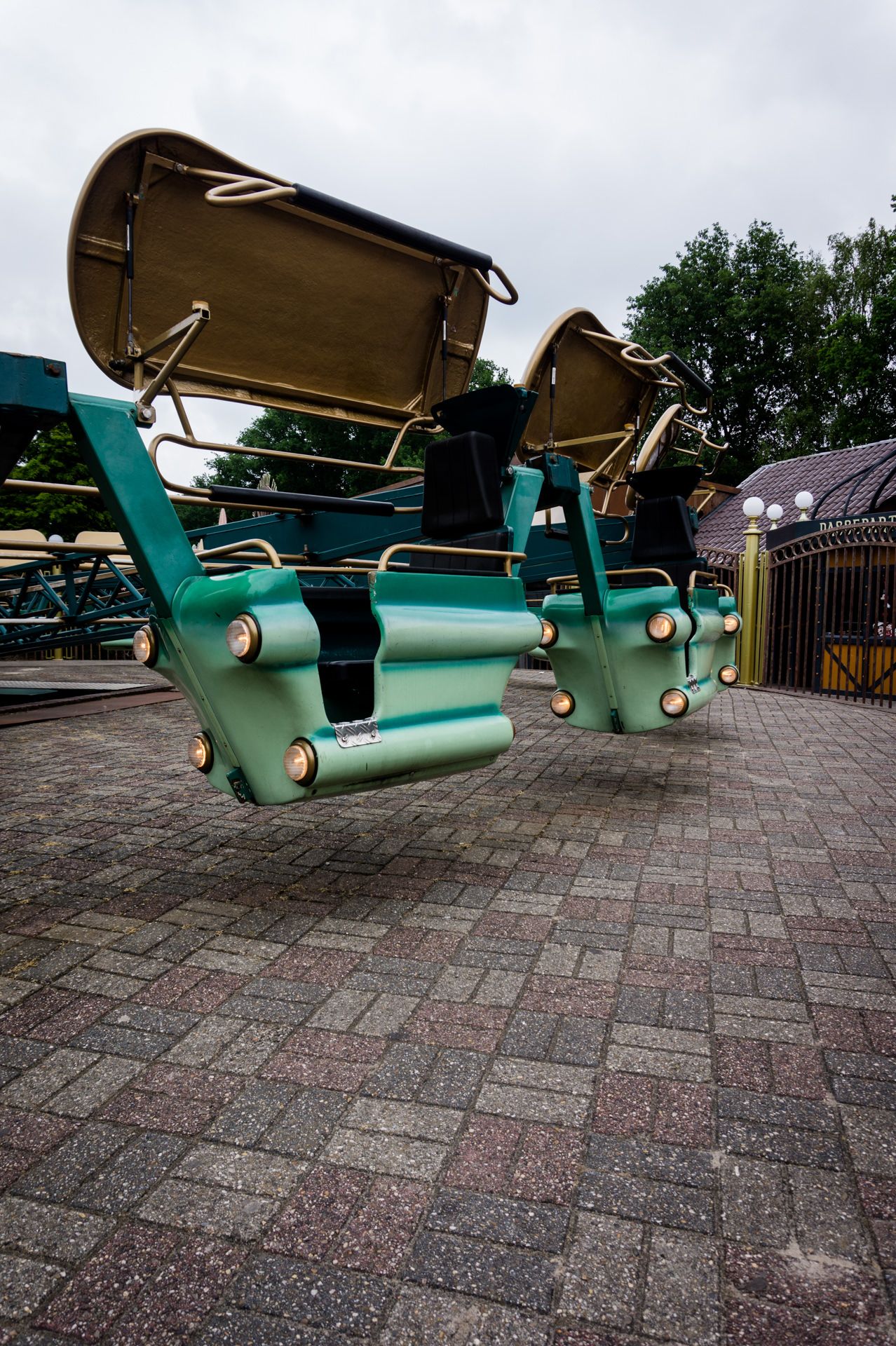
Passing by countless restaurants we now enter the furthest corner of Tivoli Gardens, where the Arabic theme area of the park is located. Strangely enough, most people from the region spend their time in the Tivoli Gardens here and unconsciously create the proper atmosphere. Located directly at the edge of the park is a Suspended Flying Carpet by Zierer. Monsunen is the only one of its kind in Europe, with only a second ride being installed in the Japanese theme park Nagashima Spa Land. The ride resembles the standard model of the Flying Carpet of the same manufacturer, except for the different sitting position. The only difference is that here not the upper body reacts to the movement, but the legs. Altogether the ride is a very interesting and above all massive installation with an interesting lifting technology for the boarding platform.

Karavanen

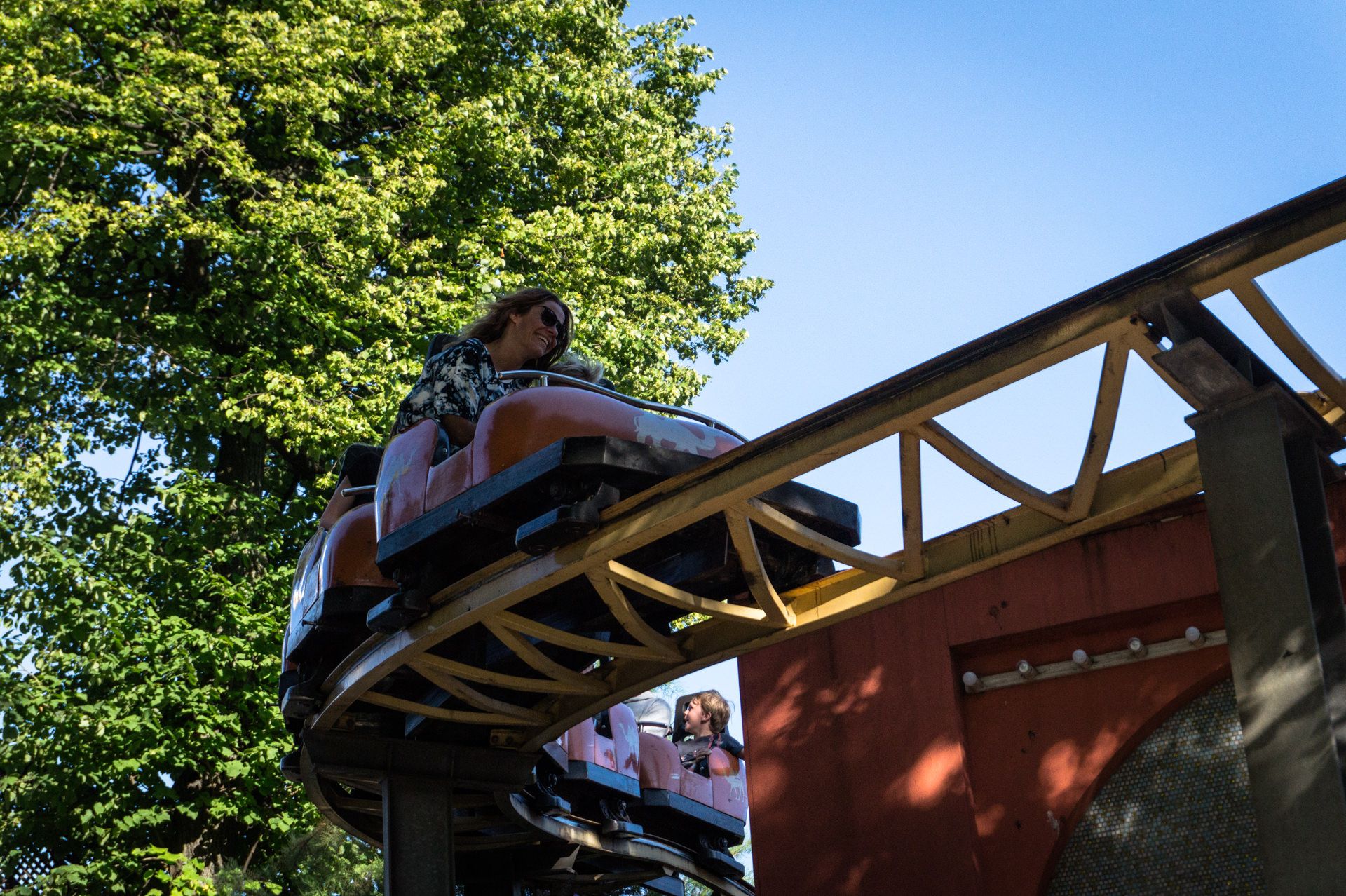
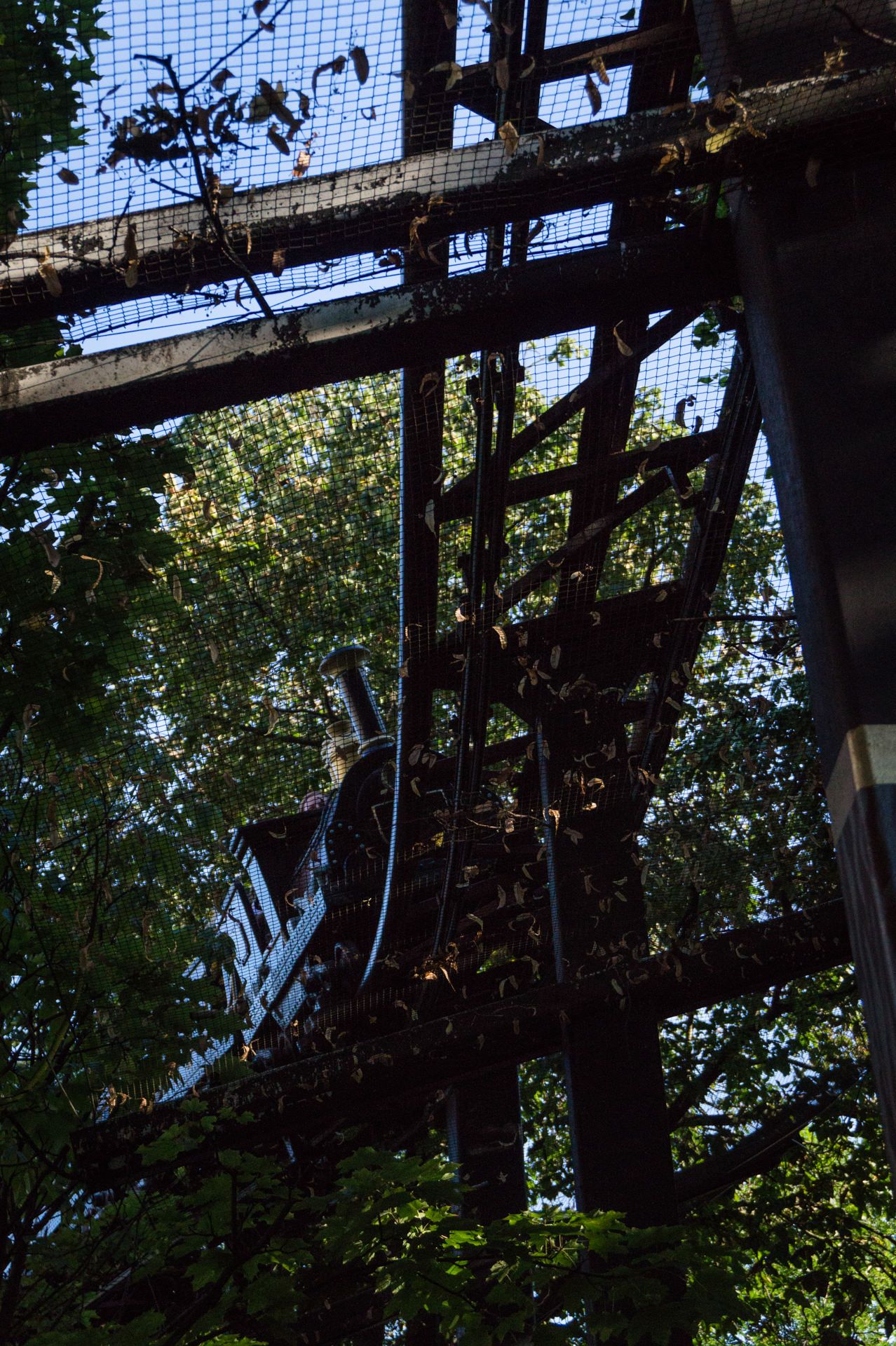
Directly opposite you can find the small Tivoli roller coaster Karavanen made by Zierer. Their Tivoli coaster was an initial success in the Scandinavian countries, which led to many installations worldwide. Karavanen itself features a small variation of the original design, which made it a slightly more dynamic ride, which almost automatically makes everybody in the train smile.

Vertigo

The most interesting facility in this area is by far Vertigo, a Flying Fury by Technical Park. In the early years of this ride it was possible to rotate the passenger carrier around its own axis, as well as the axis of the main arm, by yourself which resulted in a rather wild and individual way of riding. There was also the possibility to press a button for full throttle which let to an acceleration of constant 5G. Since the technology for the steering is unfortunately susceptible to errors – which i doubt very much and would rather blame the riders, which did not understand the ride – two automatic programs are used nowadays.

The ride begins with a few rollovers in the station area with a simultaneous rotation around the vertical axis before the ride continues at a lofty height. Of course, the machine also goes upside down through the station before the nacelle is locked and the machine accelerates to a speed of 120 km/h. Over a period of time you will experience a constant 5G, while your field of vision will slowly but surely narrow. This is where the only difference between the driving programs becomes apparent, as this passage is performed either looking forwards or flying backwards. After a few, almost uncountable laps, the speed is slowly reduced and you turn upside down again. The small aircraft now performs its last rollovers and then slowly approaches its parking position.

Vertigo has an amazingly versatile ride to offer with its only 2 minute long ride program. As almost always in life, a backward driving style makes the ride much more exciting. The waiting times at Vertigo are among the longest in Tivoli Gardens due to its capacity, but as a single rider it can take as little as 15 seconds. However, in both cases you should definitely take a ride and try out both ride programs.

Gyldne Taarn

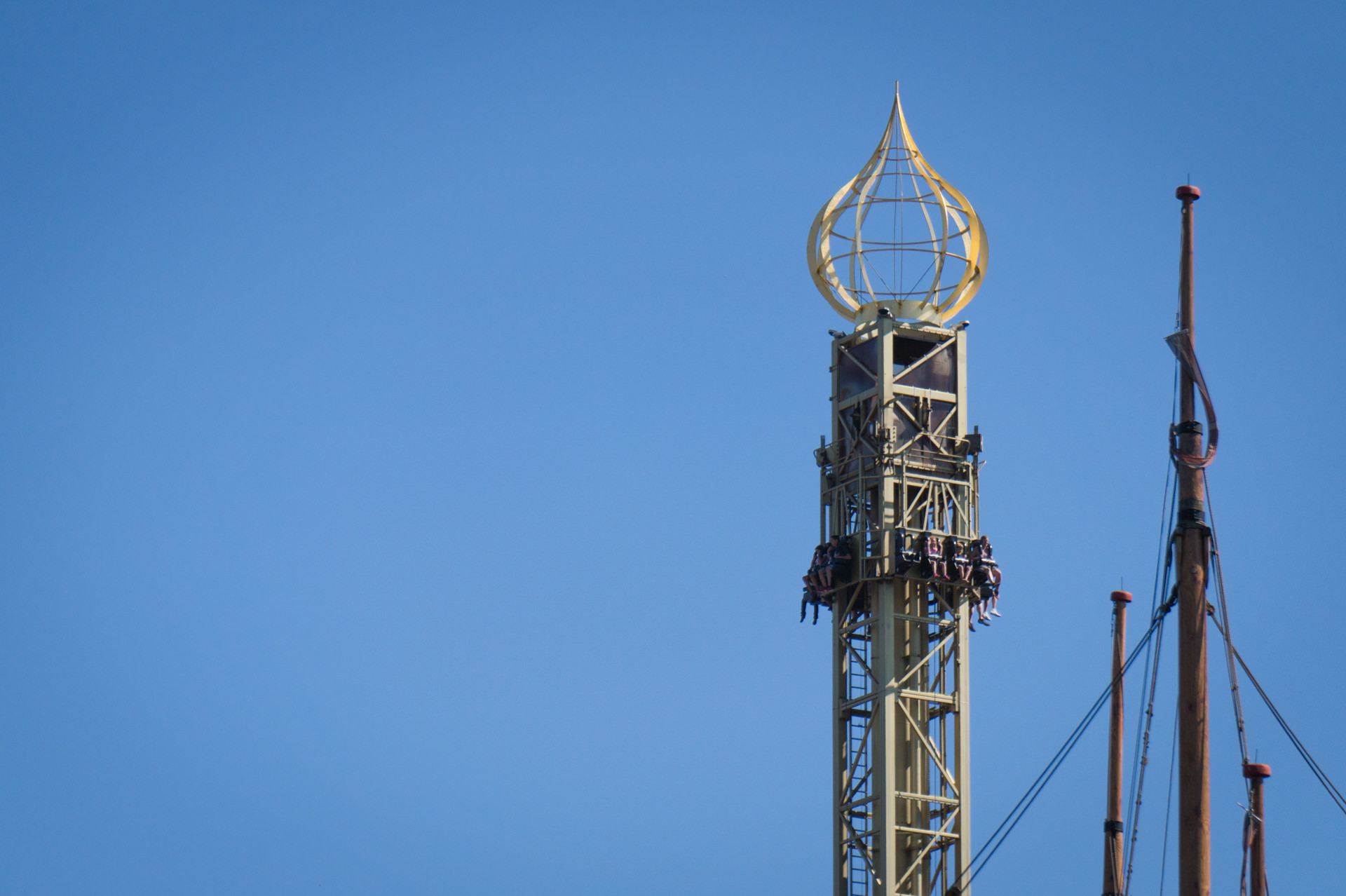
The last major attraction in this area is the golden painted Gyldne Taarn, a Turbo Drop Tower by S&S. This is a normal freefall tower where – similar to the freefall towers of the manufacturer Fabbri – you are shot downwards, which results in a pronounced airtime. Sadly, the Gyldne Taarn isn’t good at this when being compared to other towers of the same manufacturer.

Dæmonen

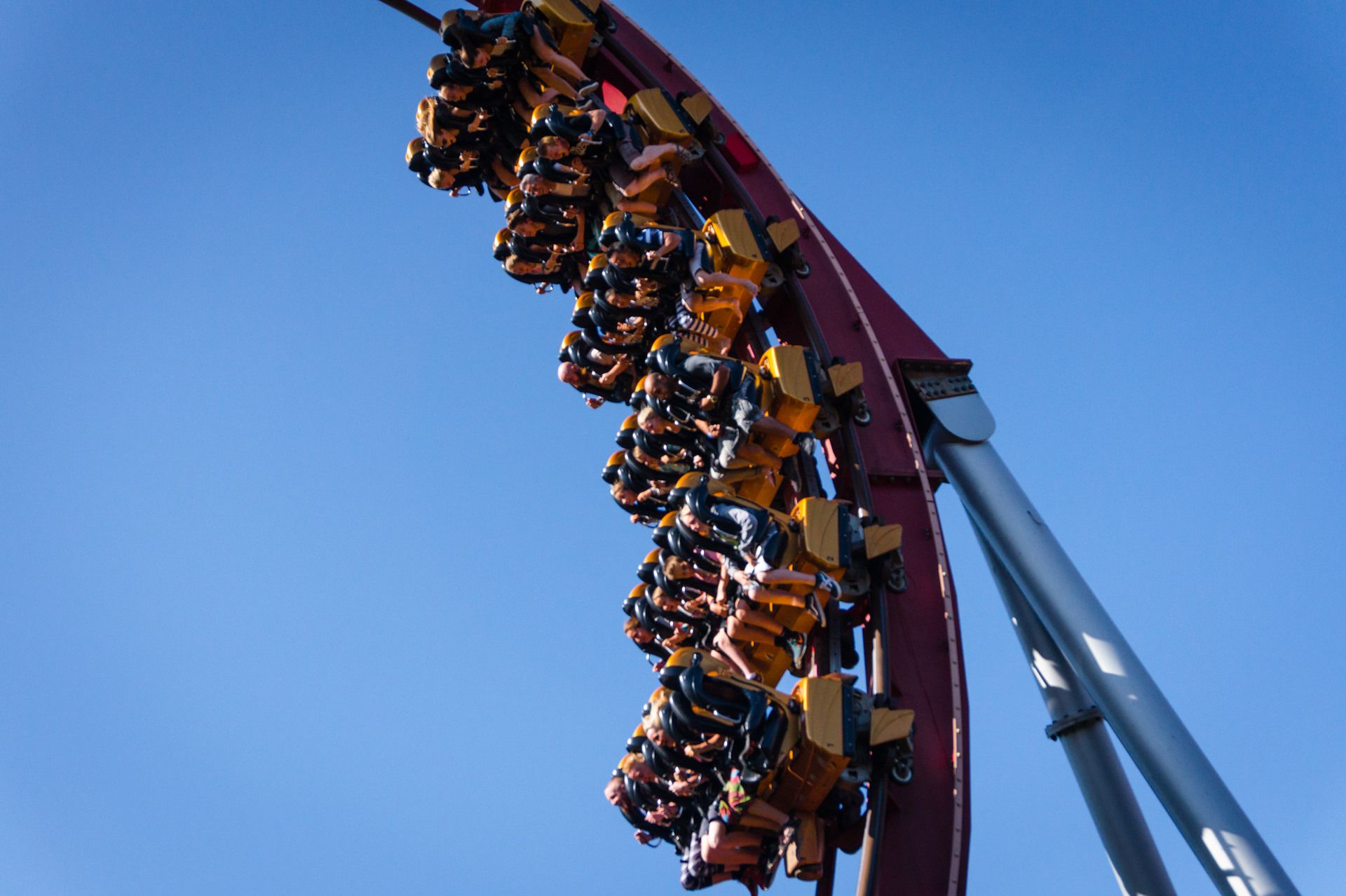
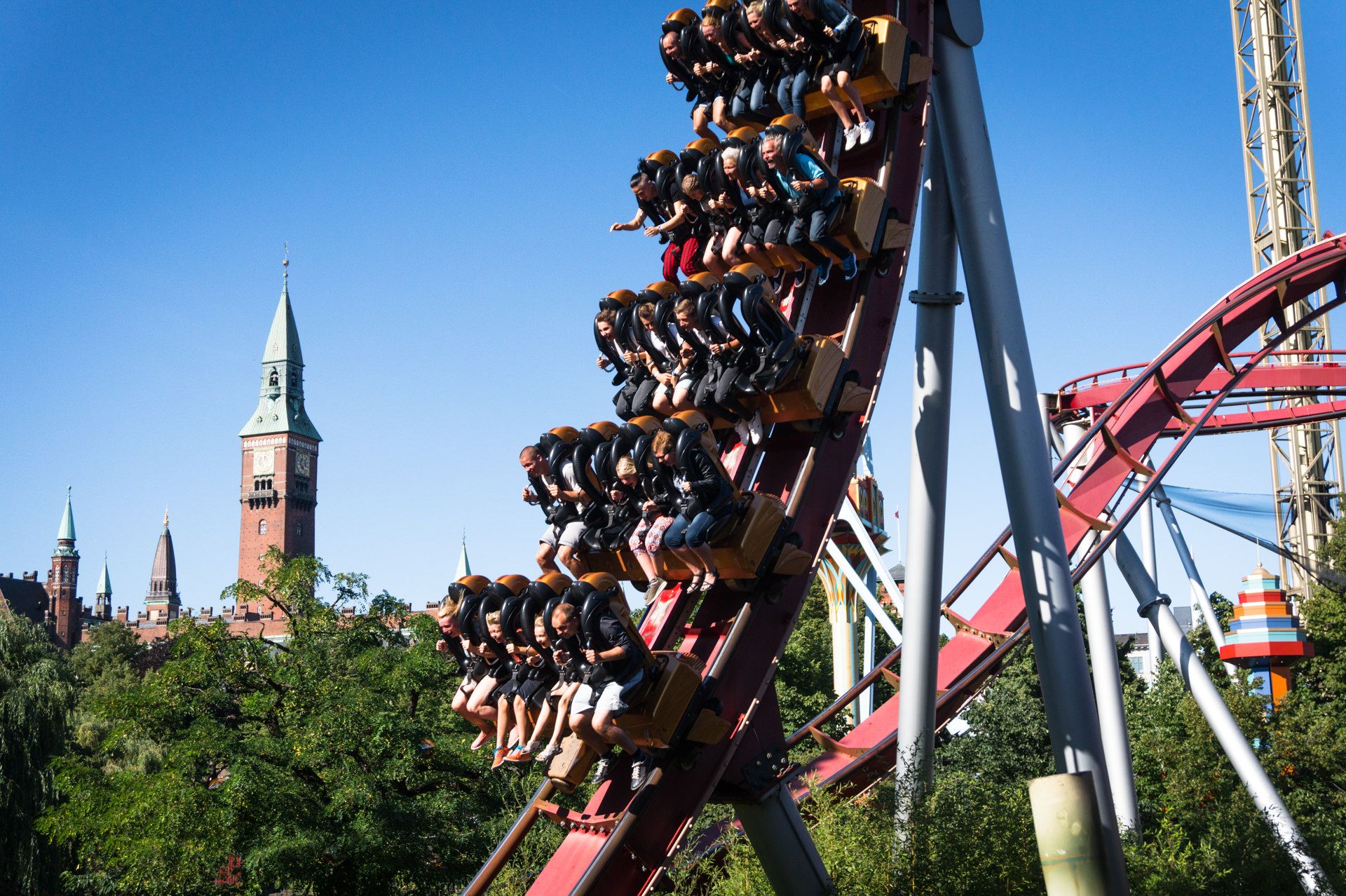
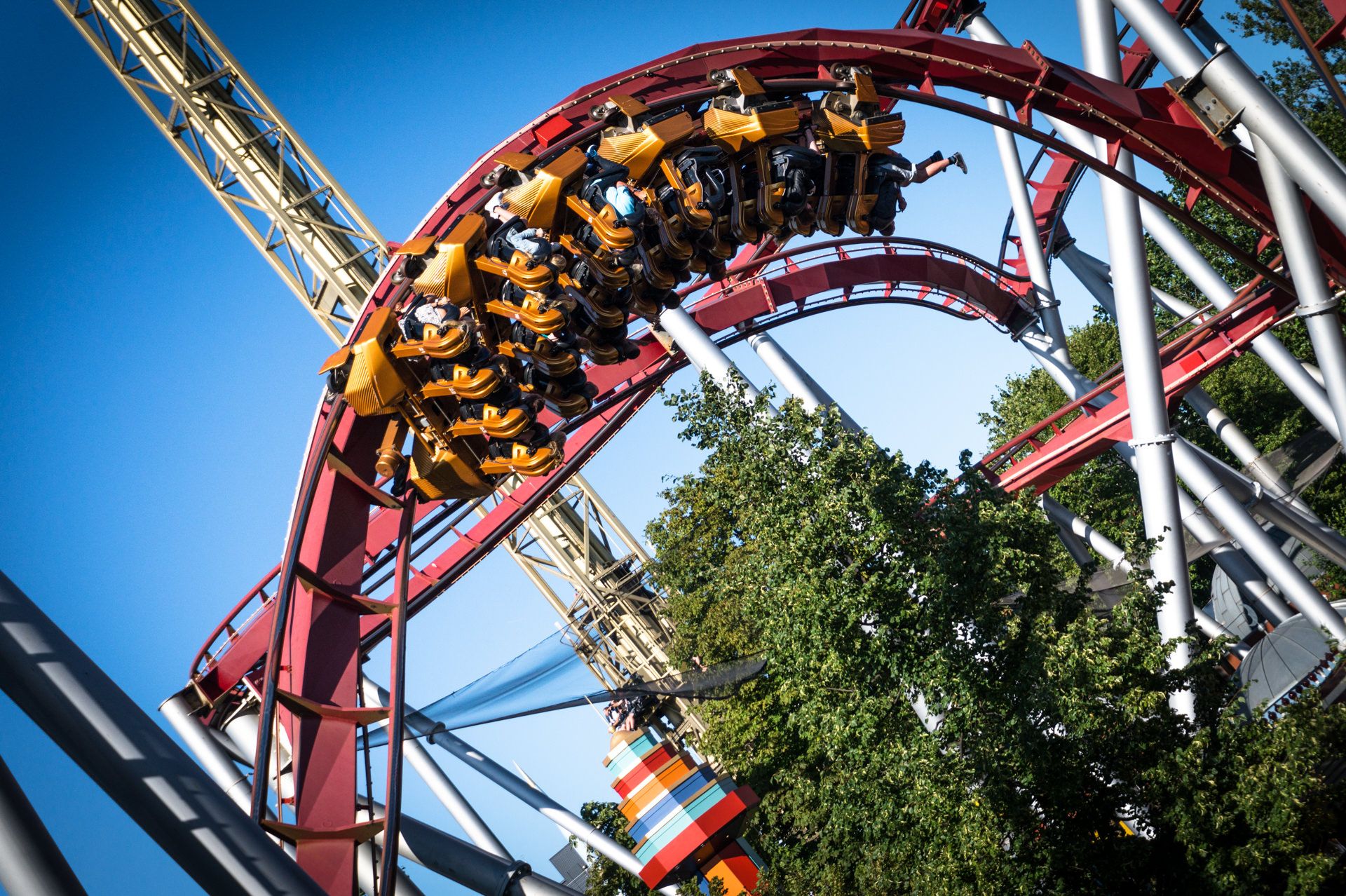
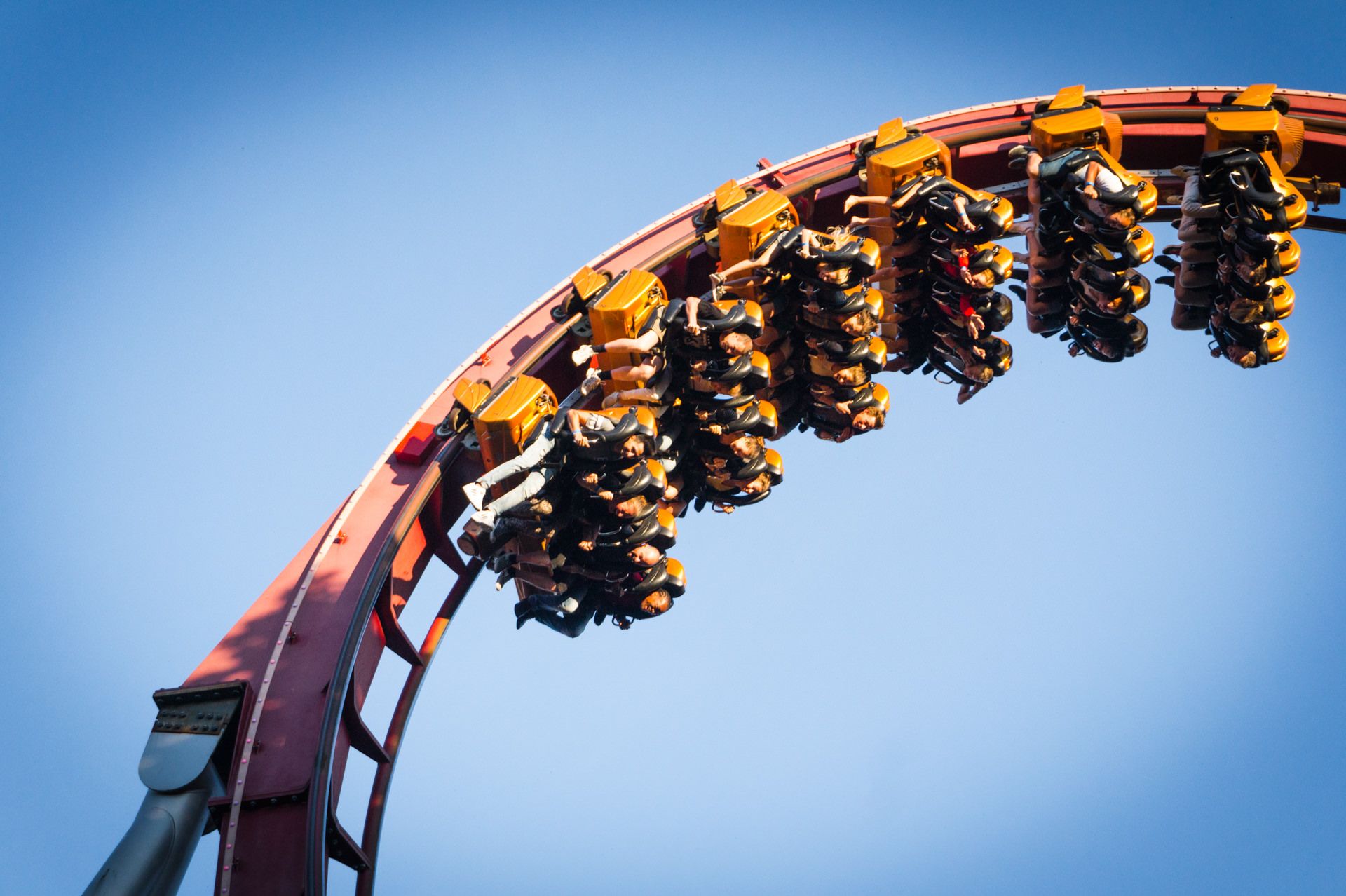
After such a disappointment you need a good ride. Thankfully, the B&M floorless coaster Dæmonen is nearby. This ultra-compact installation offers an untypical ride in the tightest of spaces. Usually, the ride features the lowest waiting time at Tivoli Gardens.

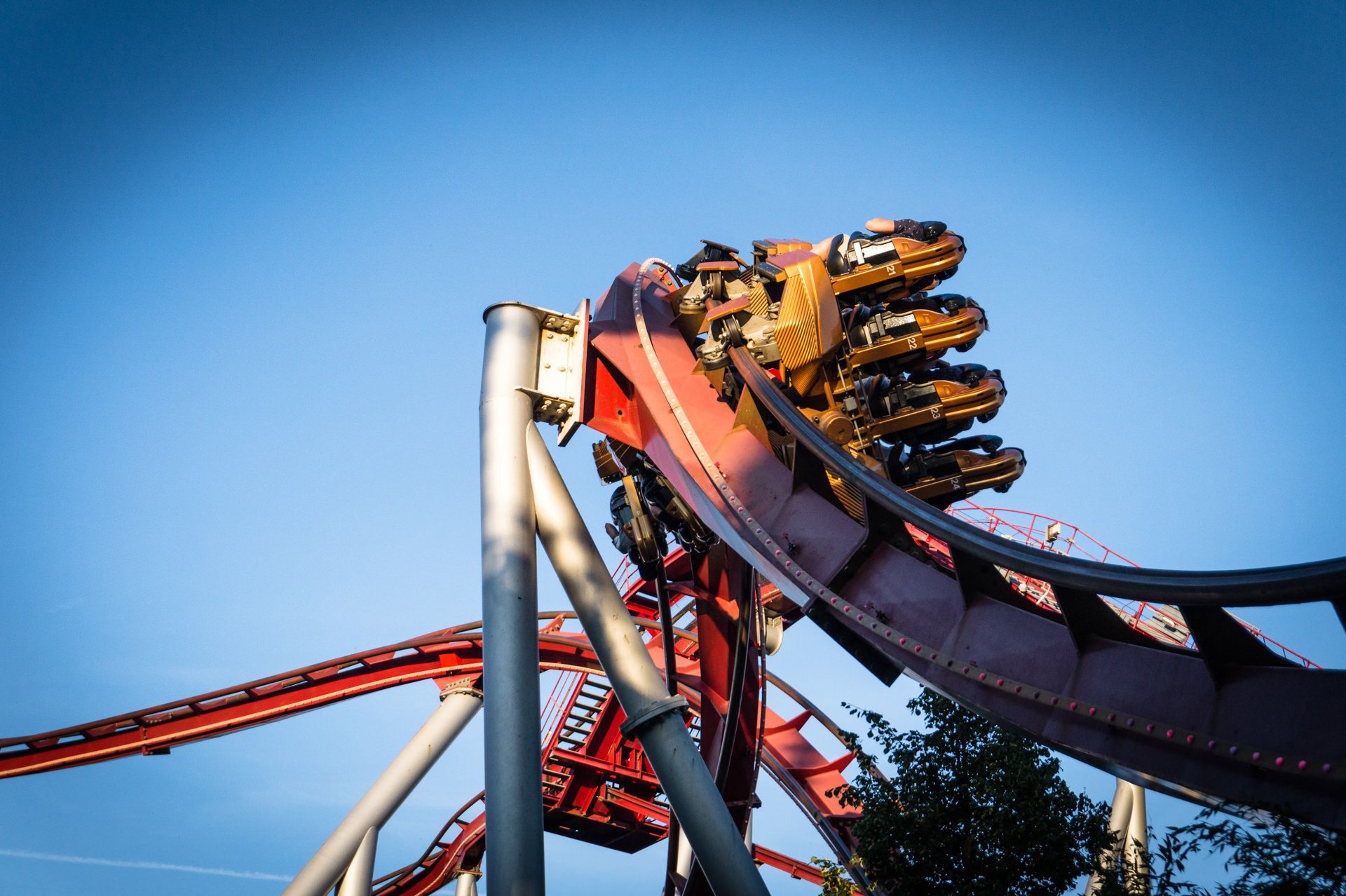
After reaching the maximum height of 28m the train runs over the crest and the first small drop. The train is now thrown into the first curve and crosses a direction change at dizzy height, a righthand helix follows to reach the starting height for the next drop. As soon as you have survived the combination of curves you immediately descend and shortly thereafter enter the looping of the ride. The subsequent change of direction takes place in an Immelmann just before the world turns upside down again in the Nul-G Loop (Danish for Zero-G Roll). Depending on your position in the car, you will be wonderfully torn back and forth, a truly incomparable experience. The final turns and hills towards the brake run are just as wild, offering some great airtime moments. Soon after, the ride is already over.

Daemonen is awesome, although a bit too short. From the first curves you can feel that this machine is by no means a sensitive one. The looping and the Immelmann support the general intensity of the ride tremendously, but they lose all meaning in consideration of the truly delicious Zero-G Roll and the great finale.

Pictures Tivoli Gardens

Conclusion Tivoli Gardens

The amusement park Tivoli Gardens is a worth seeing amusement park not only because of its long history. The atmosphere is very similar to that of the Pleasure Beach Blackpool, except that it is smaller and generally more tidy, which can be seen in the Smøgen alley. The rides have a thoroughly good quality and the many restaurants and small gardens create an ambience in which one likes to stay. The prices however are quite high and you may be surprised how many people use the ticket system and pay more than they should. A ride on Daemonen for example costs 75 DKK – which is about 10€ – the Wristband itself is available for 210 DKK, therefore it pays off after just three rides. During a well visited Sunday I was able to ride all the rides I wanted within four hours. A visit in the evening can be a great way to experience Tivoli Gardens without missing too much. Except there is the Fredagsrock Event, where the entry to the park is far more expensive during the evening (so make sure to visit the rides during the day to enjoy a great rock concert for free in the evening).


What is your opinion about the theme park Tivoli Gardens?  Just write it in the comment field below the report or visit our social media channels:


Slagharen, daar kun je veel beleven

Attractiepark Slagharen

One of the amusement parks which I have wanted to visit again for quite some time is the Attractiepark Slagharen. During my first visit in 2009, and still under the patronage of the Bemboom family, I was completely thrilled by the park’s 70s and 80s rides, which had long been decommissioned elsewhere. The cable car that leads across Mainstreet with all kinds of food stalls and connects the two parts of the park remains in your memory just as positively as the good old Looping Star roller coaster, the dark ride Ocean of Darkness or the flying swing Apollo, where simply everything was allowed.

Jules Verne Adventureland

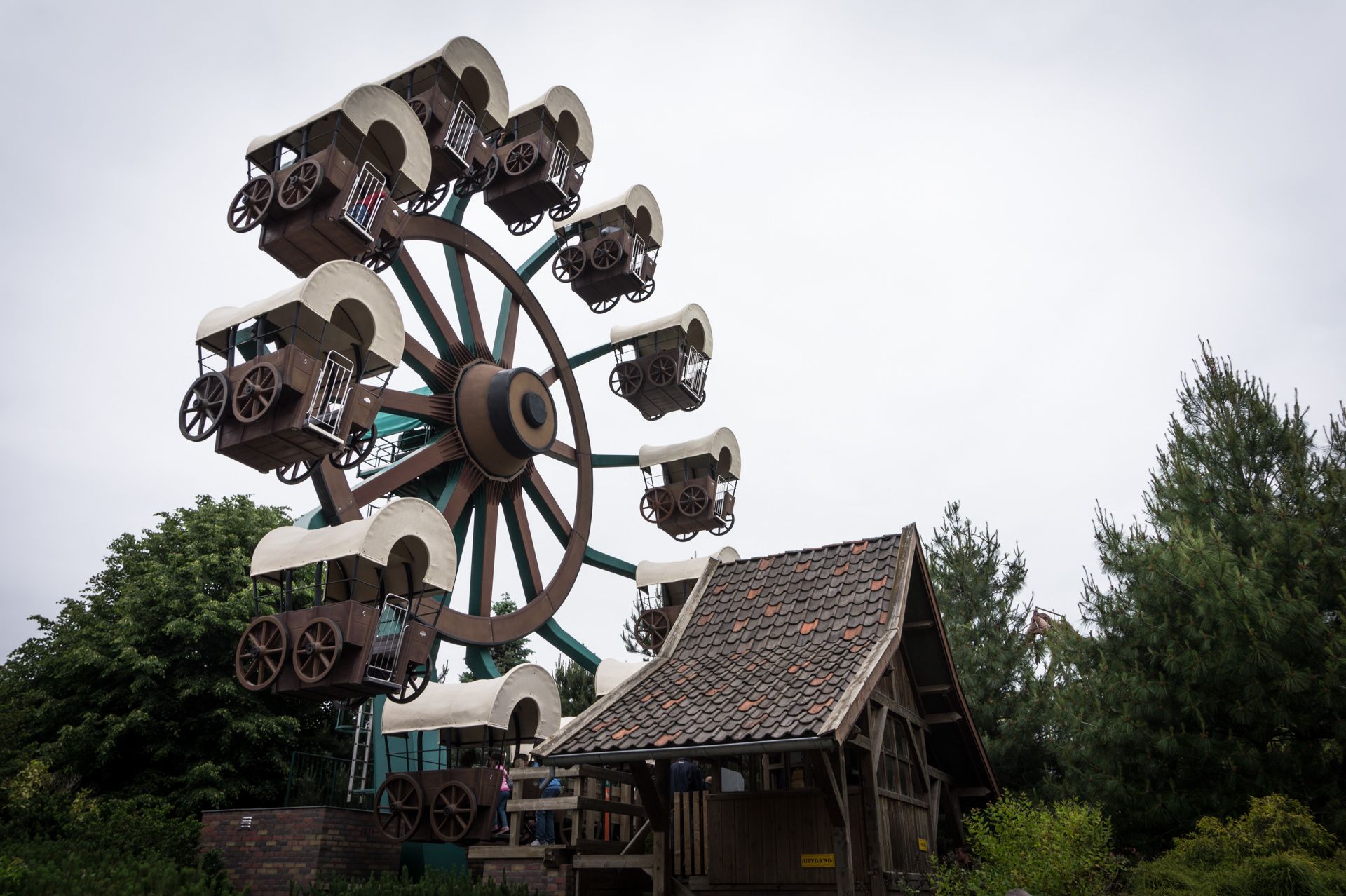
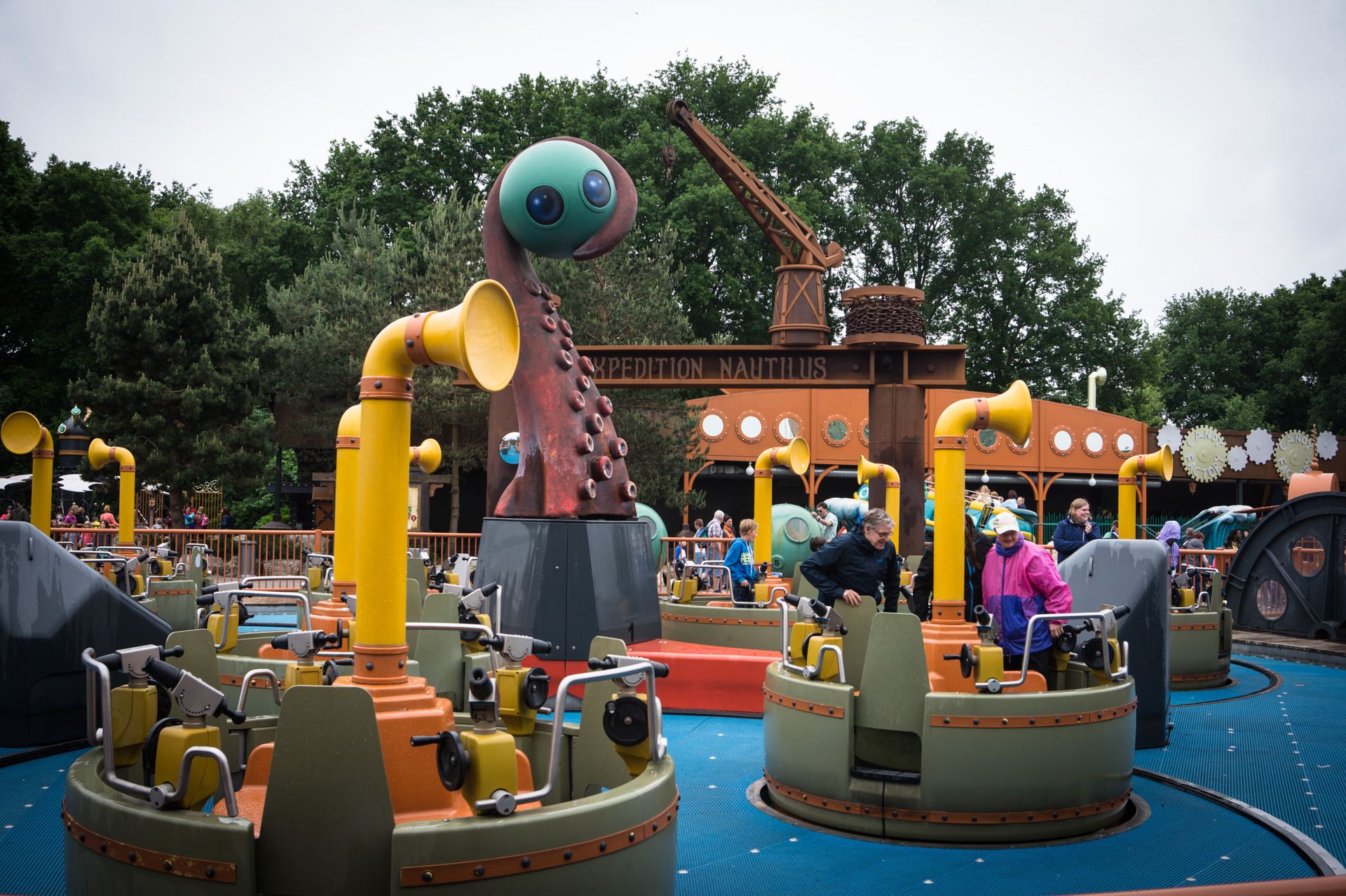
In 2012, after almost 50 years of family ownership, the park was sold to the Spanish group Parques Reunidos and an untypically rapid change in the park took place. The iconic Ocean of Darkness dark ride was the first to be demolished to make room for the queue for the children’s driving school The Passepartout Explorer. The surrounding area has been redesigned to form the Jules Verne Adventureland theme area with a number of Italian-made children’s rides, the still magnificent Schwarzkopf Enterprise and the Twist ‘n’ Splash Expedition Nautilus. The dream boat of the Weber company was therefore moved and is now, as is the Flying Carpet from the same company, no longer in the park.

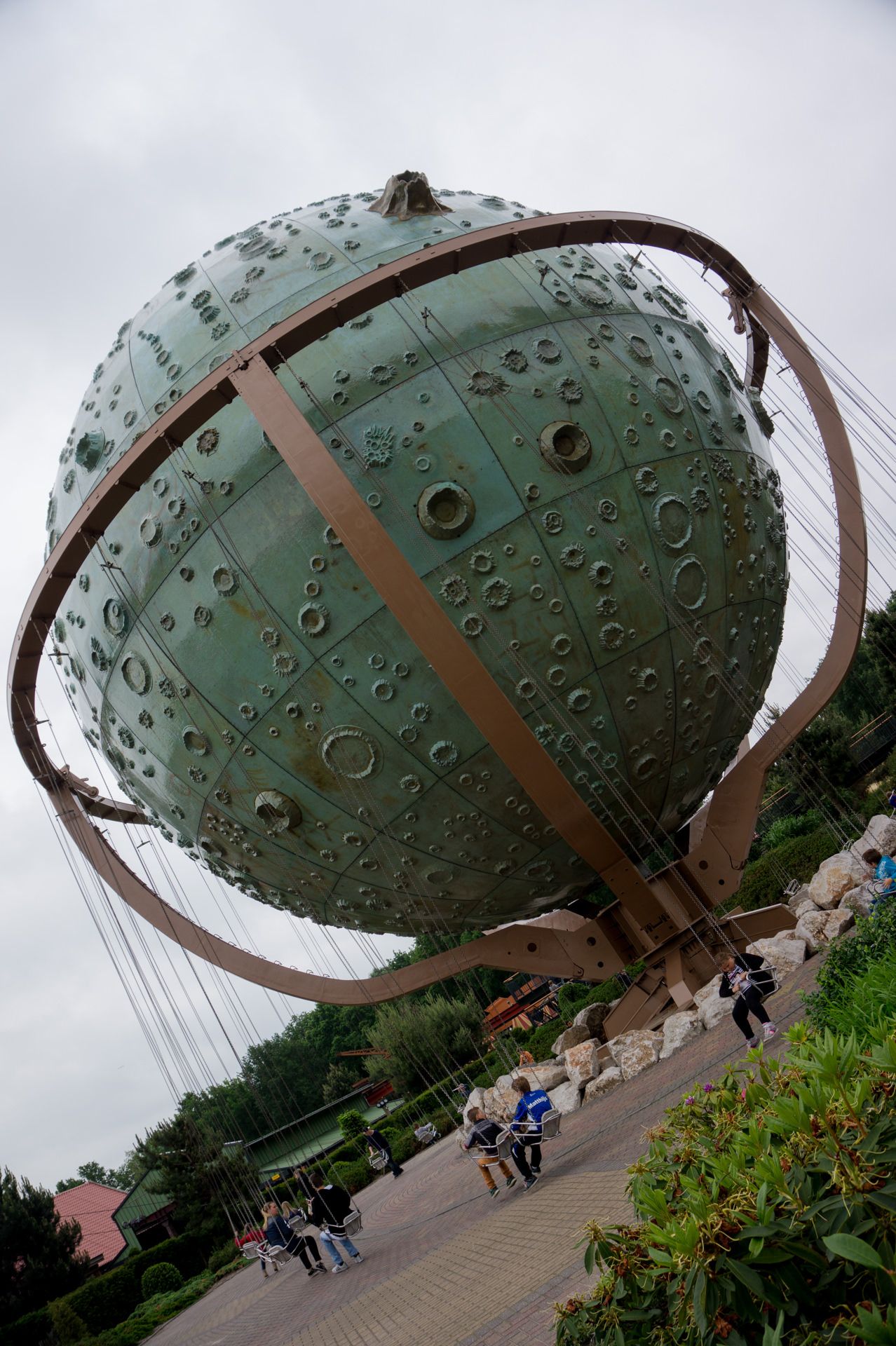
Apollo

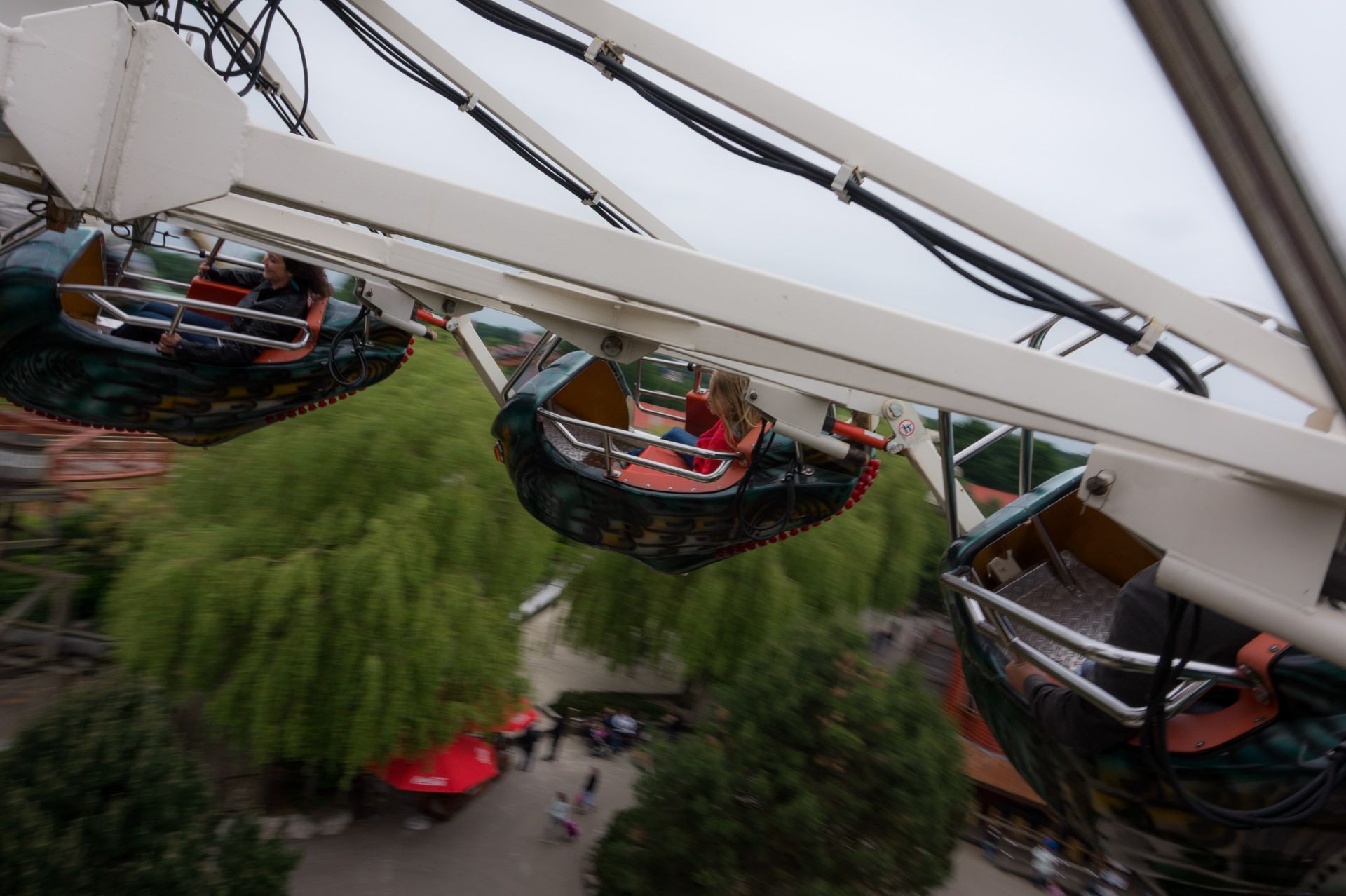
Since this year, the Apollo has only half of its gondolas, which makes the touch-down a bit smoother, but consequently reduces the fun of flying to almost nothing. The long seat chains, the mutual pushing off, the turning in before the ride, all this is now no longer tolerated and accepted, there have even been occasional warnings. The once most ingenious chain carousel of all times is now only a shadow of its former self.

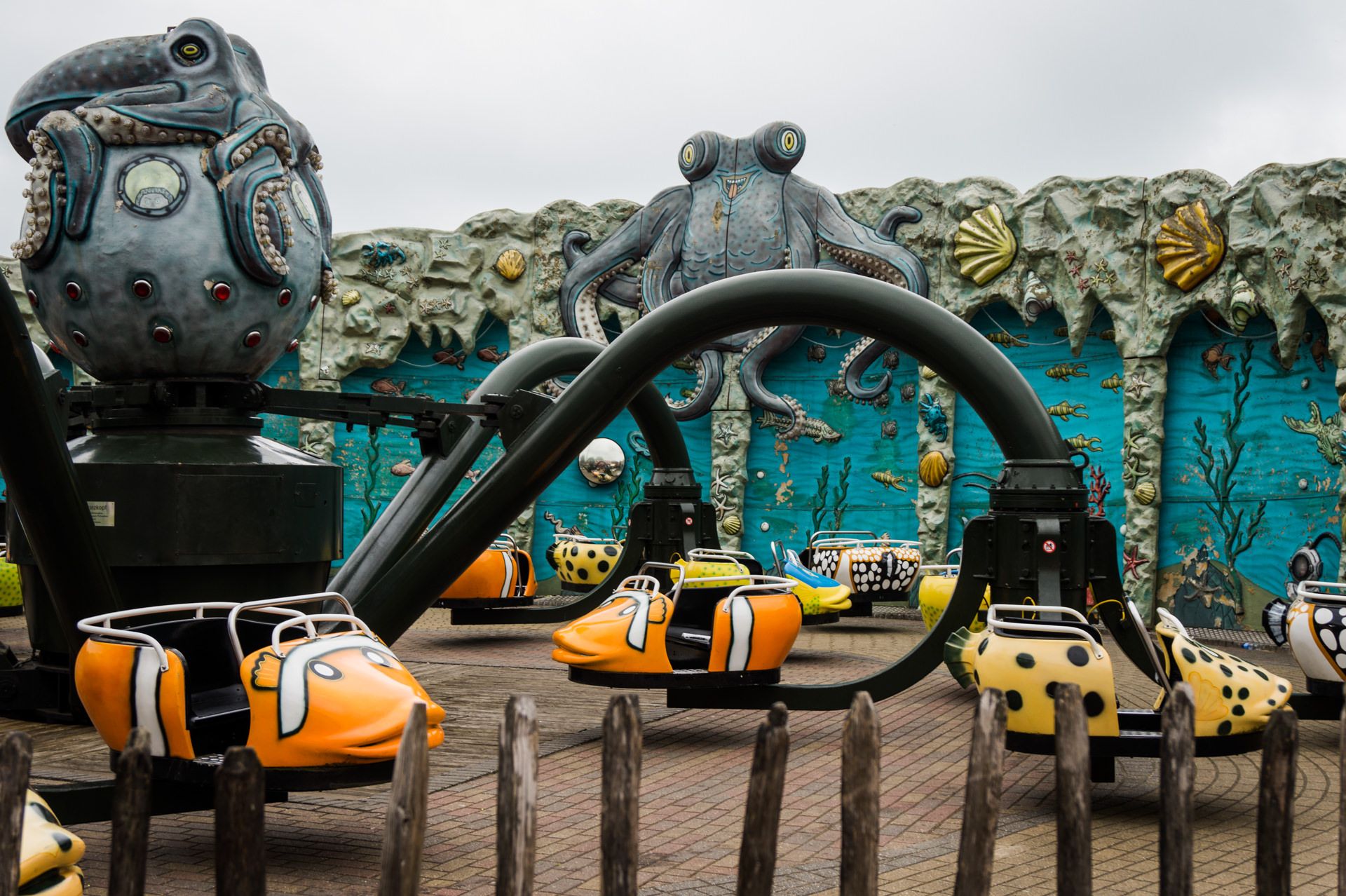
Octopus

The Octopus is another classic. The Monster II from Schwarzkopf is a very special ride, where you can spin like crazy inside the gondola without any great weight shift. This happens as soon as the gondola brakes are released and can be held for the entire duration of the ride with very little practice. And the ride does not have to hide behind the ride on the younger successor model, which is still widely represented at local fairs today.

Aqua Mexicana

Since this year it is no longer possible to take the monorail to the other side of the park, after all the main station near the swimming pool has been abandoned, so you can either take the monorail on foot or the standard route by the cable car. The number of rides on this side of the park has not been reduced as drastically, but the small swimming pool with iceberg theme has been modernised and supplemented with a handful of slides of a newer design. As Aqua Mexicana, the pool now stands out with its significantly increased surface area and slide tower, although I wonder why of all things the portfolio of the actual amusement park had to be reduced even further by taking over the dinghy slides.

Pictures Attractiepark Slagharen

Closing Words

As great as Attractiepark Slagharen continues to be, the quality of the park has been massively reduced in recent years under Parques Reunidos. Obviously something new has to be created from time to time, but not at the cost of a massive reduction of the existing portfolio, which was secretly the key to the success of the theme park. Nowhere else was the choice of rides as large or the number of roller coasters as negligible for a successful visiting day as here.

For decades, all the laws of the economy have been contradicted and it has been shown that with good rides alone, despite the perceived standstill, you can attract more visitors than most other parks of this size will ever have. Of course a lot of the success of the amusement park was due to the free tickets that were thrown in masses in supermarkets near the border and the focus on the holiday park as the main source of income, but all this has not changed much since the takeover. Besides, the ADAC discount is still highly recommended.


What is your opinion about the changes at Attractiepark Slagharen?  Just write them in the comment field below the report or visit our social media channels: