Canada’s Wonderland
Canada’s Wonderland is one of the largest amusement parks in North America. Along with a huge coaster lineup, the park is packed with flat rides, several family areas, and the massive Splash Works water park. Despite its size, though, the park is surprisingly easy to get around. Attractions are often packed closely together, at times almost reminding me of parks like Blackpool Pleasure Beach or Disneyland in Anaheim.
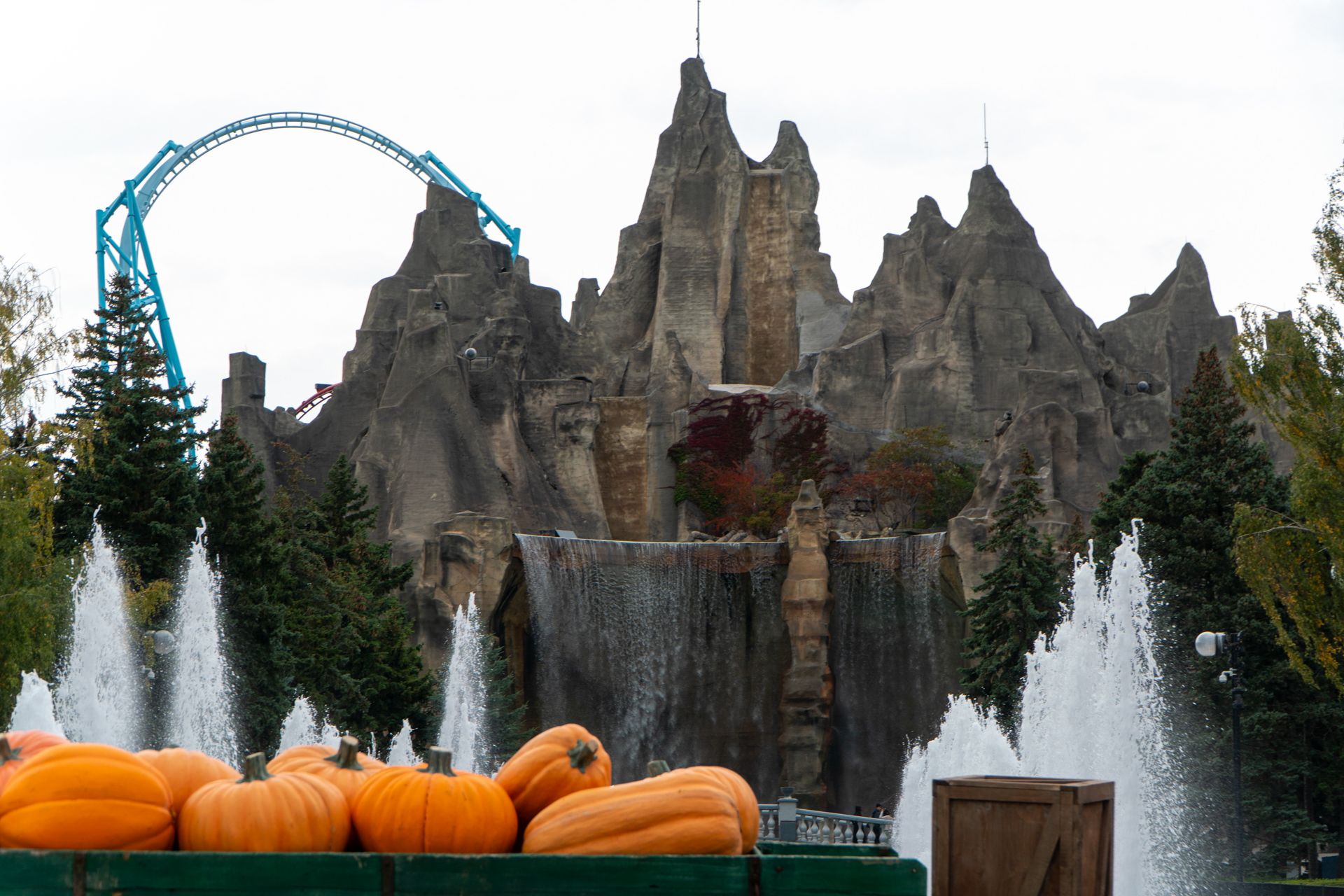
That wasn’t always the case. When Canada’s Wonderland first opened, its layout had much more in common with sister parks Kings Island and Kings Dominion. Instead of an Eiffel Tower, however, the centerpiece here is Wonder Mountain. The artificial mountain was originally a walkthrough attraction, offering views across the park and the largely undeveloped land surrounding it at the time. A cliff-diving show at the waterfall also became an early part of the park’s entertainment lineup.
Over the years, Wonder Mountain became increasingly integrated into the rides around it. Just five years after opening, Thunder Run became the first coaster to venture inside the mountain. Vortex followed for the park’s tenth anniversary, diving from the top of Wonder Mountain toward the water below. Wonder Mountain’s Guardian joined the lineup in 2013, and today even Alpen Fury blasts straight through the mountain.
Wonder Mountain’s Guardian
Located inside Wonder Mountain, Wonder Mountain’s Guardian was one of the first major attractions built by ART Engineering. The ride starts with a short outdoor coaster section before heading into the mountain.
Inside, large screens line both sides of the track as we blast away at monsters, collect coins, and eventually take on a dragon. The real surprise, however, comes right at the end, when the entire vehicle suddenly drops several feet in free fall.
It’s certainly an ambitious concept and the ride itself is plenty of fun. A stronger soundtrack would help all the shooting feel a little less random, though. As it stands, Wonder Mountain’s Guardian is still a fun attraction to hop on whenever the line isn’t too long.
Fly
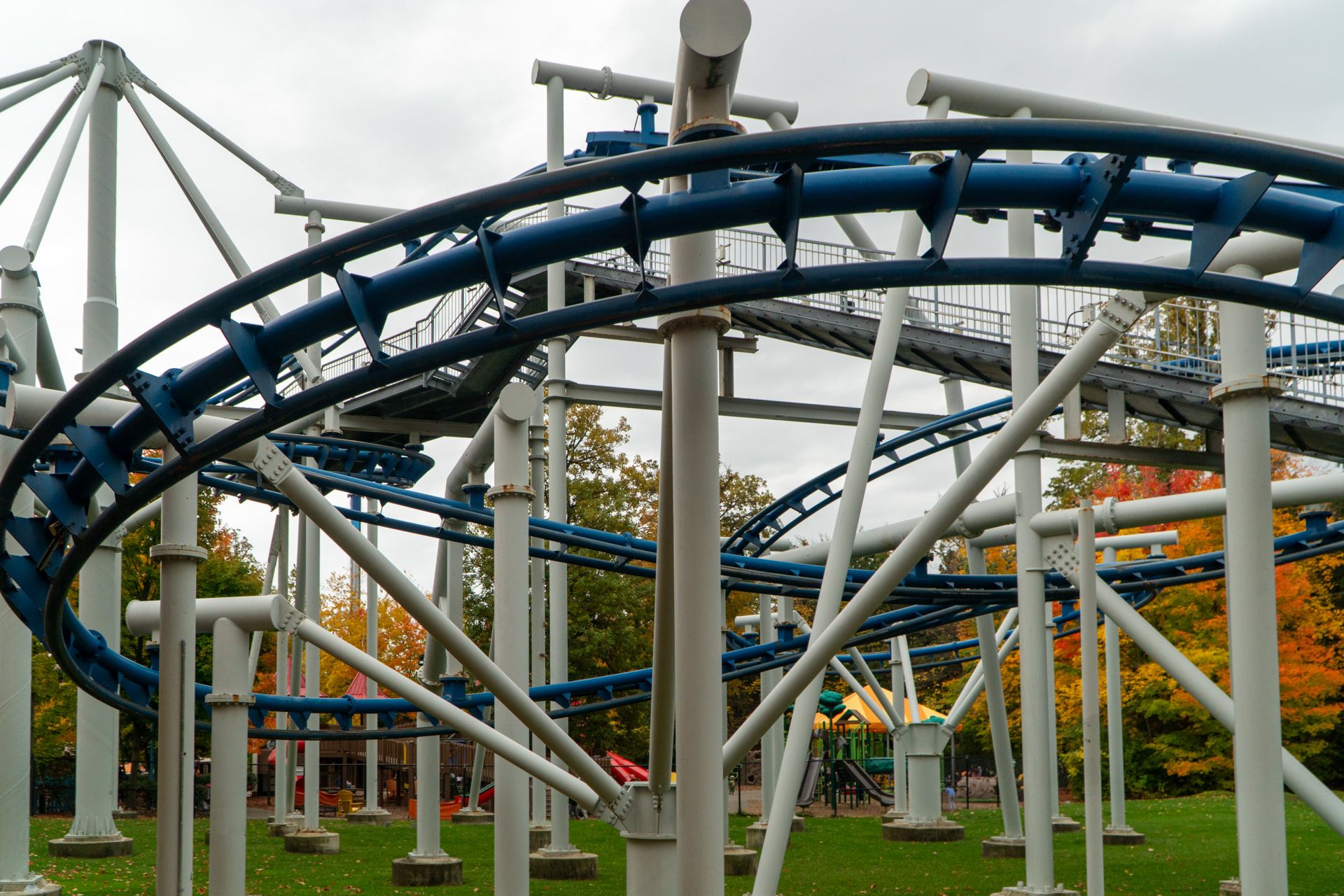
A little farther along, Fly is Canada’s Wonderland’s Wild Mouse. For a larger coaster of this type, it runs surprisingly fast and remains mostly unbraked until very late in the ride. That makes the tight hairpin turns in the first half especially fun, while the second half keeps up a nice pace as well. Overall, Fly is simply a really enjoyable little coaster.
Alpen Fury
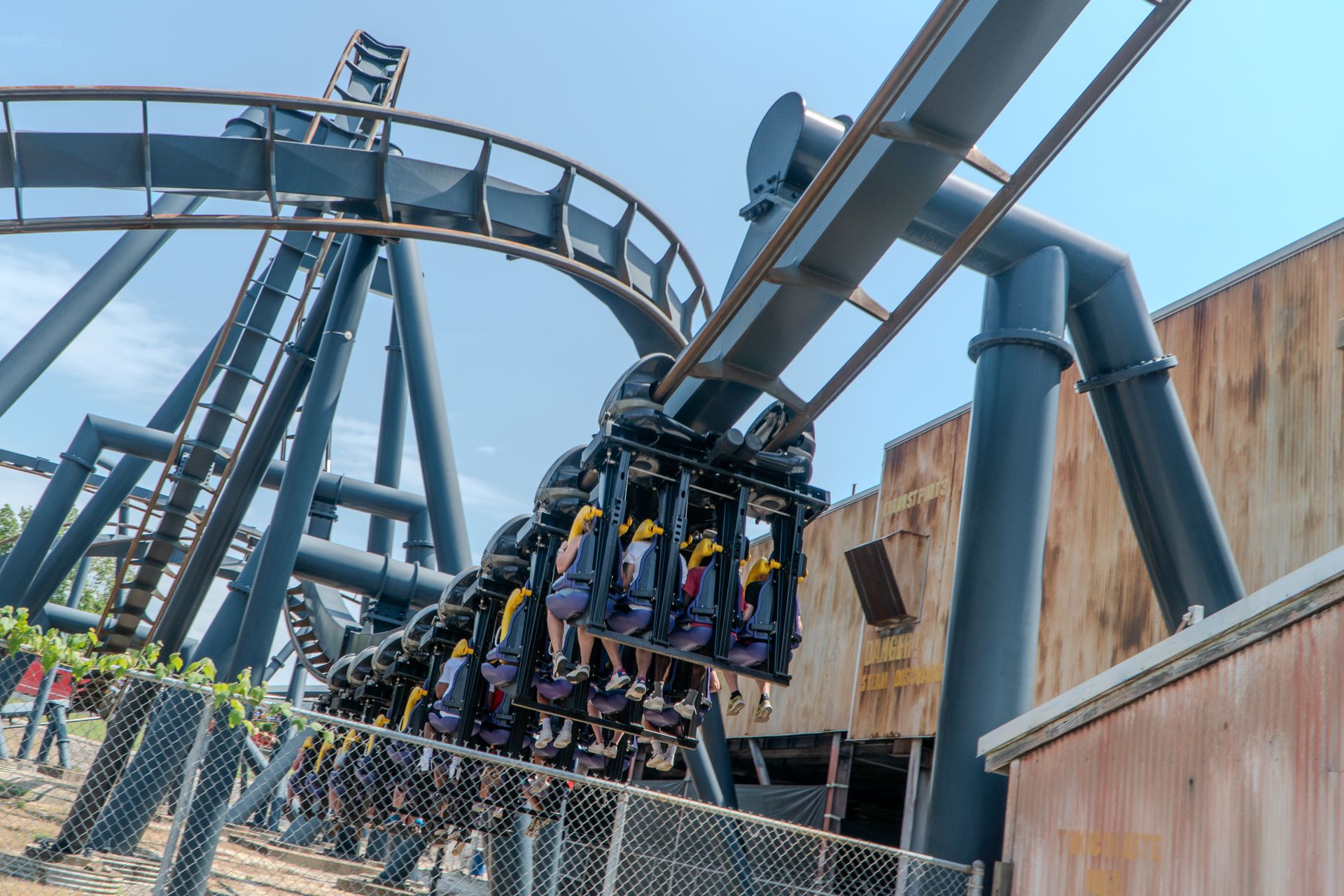
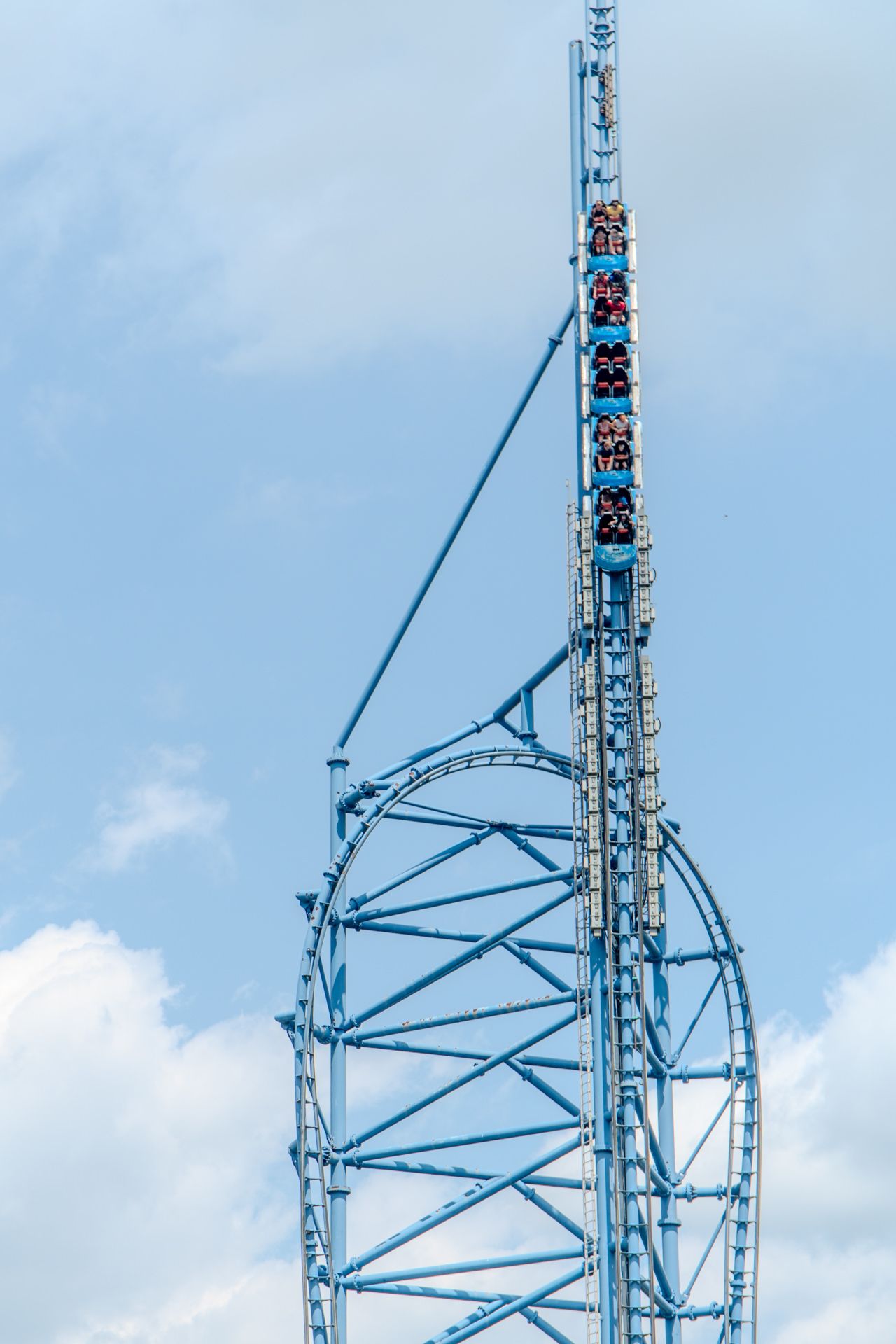
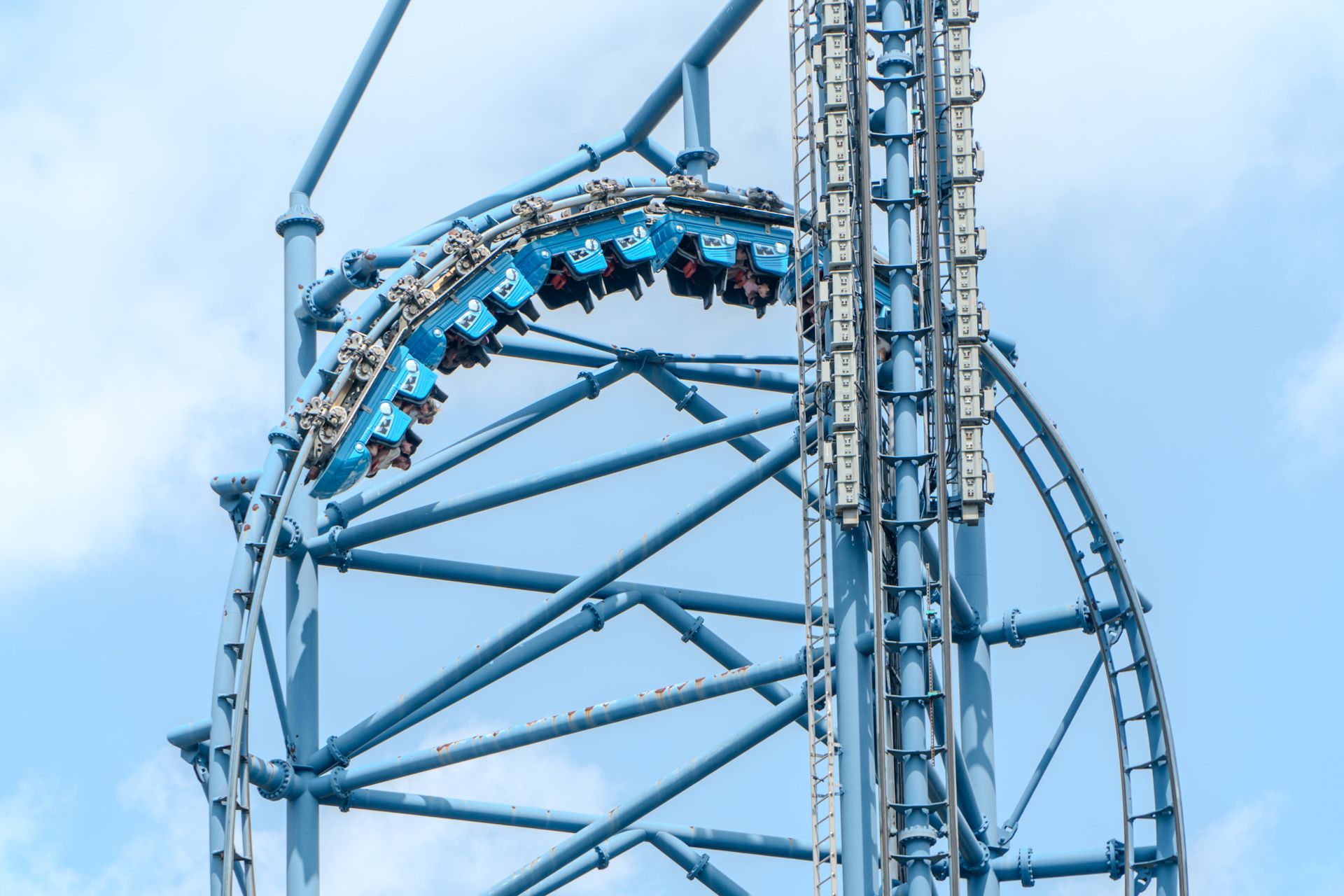
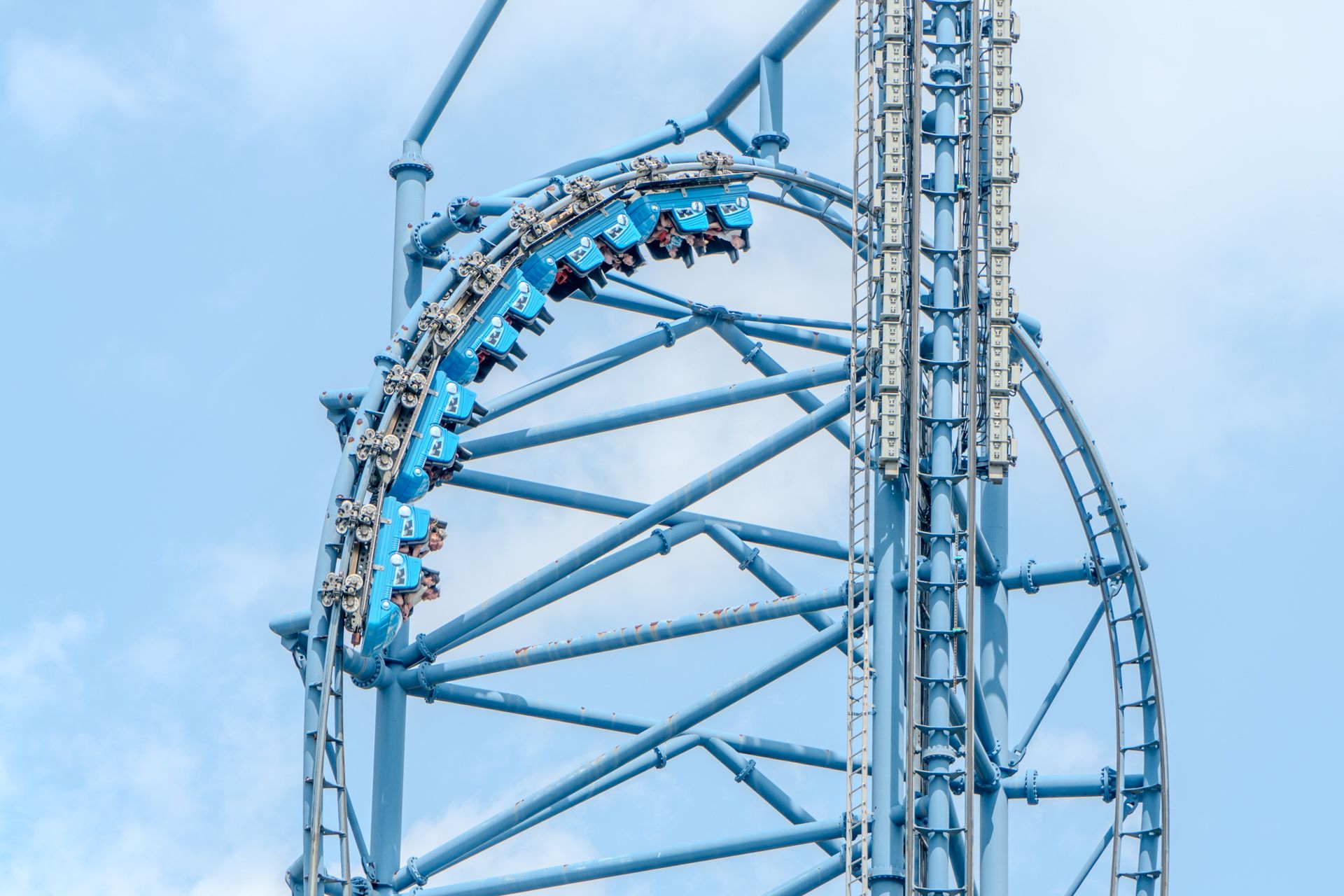
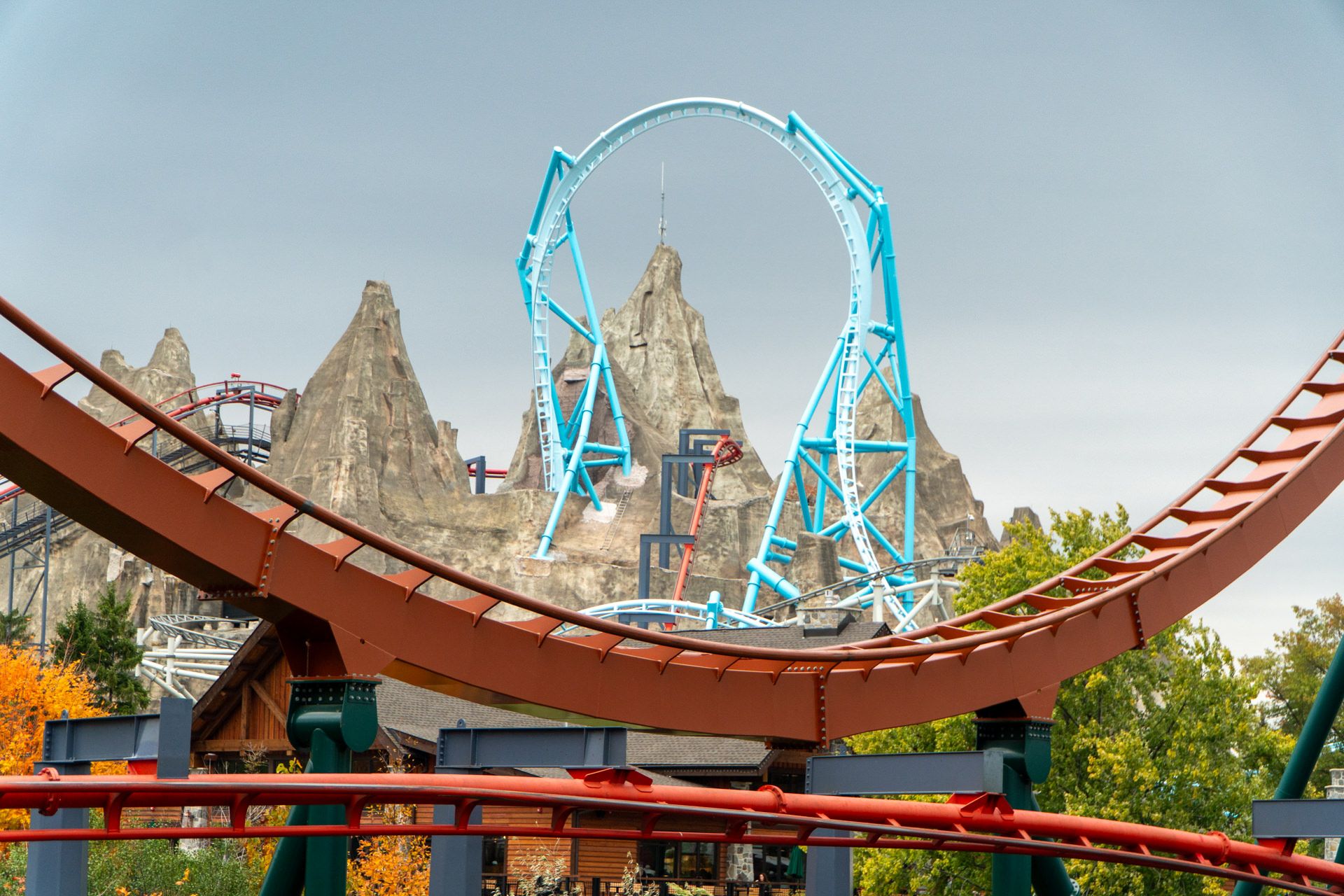
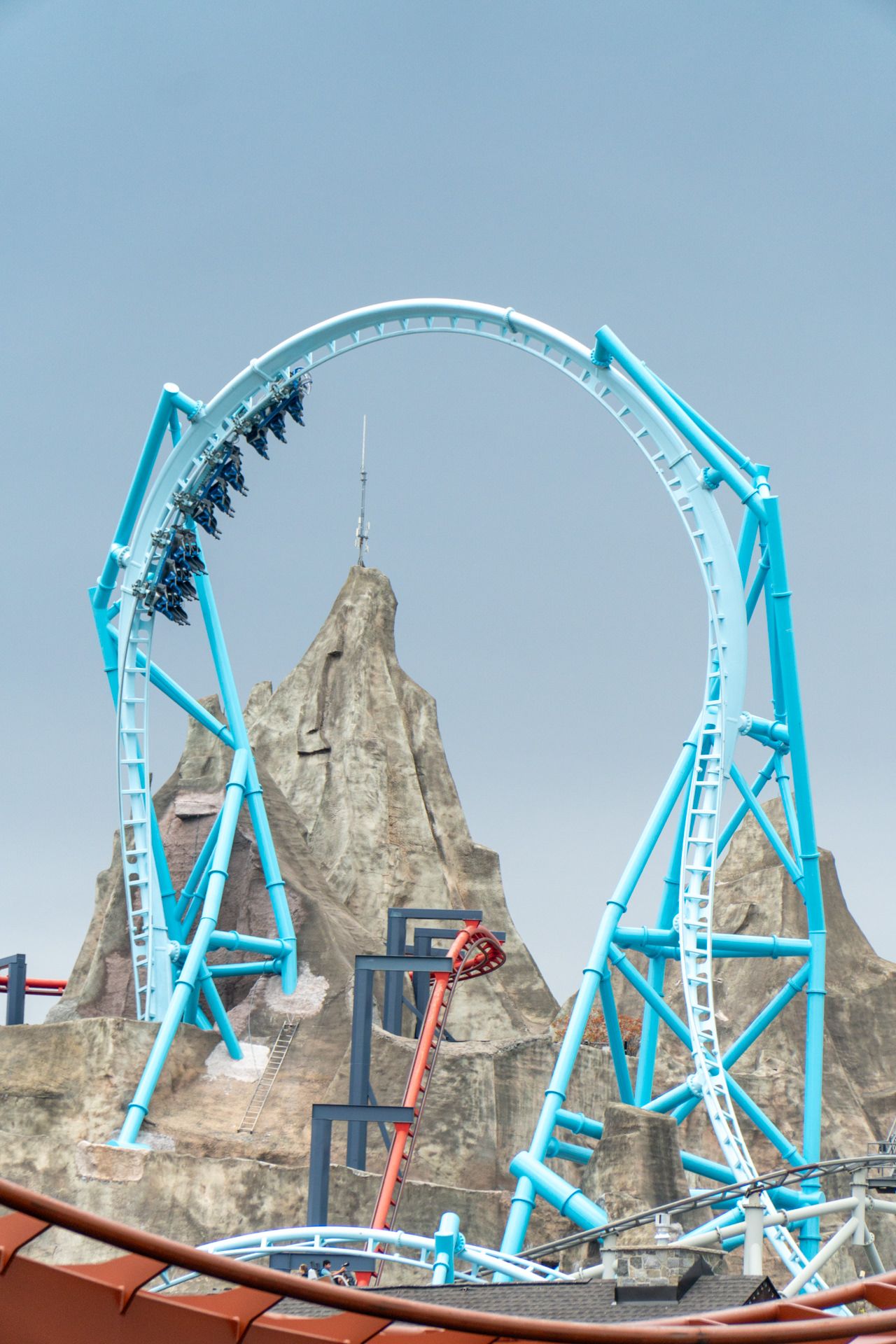
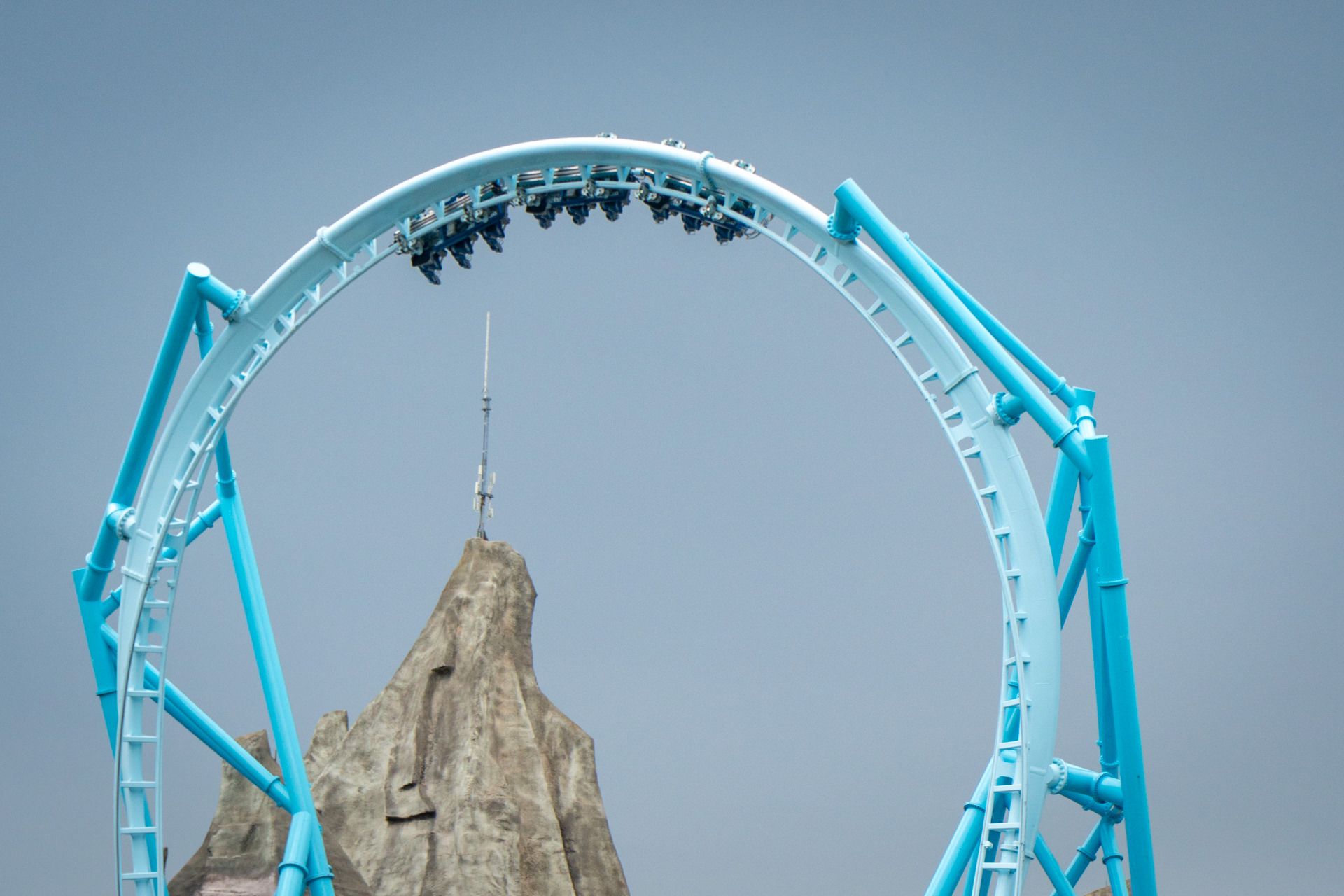
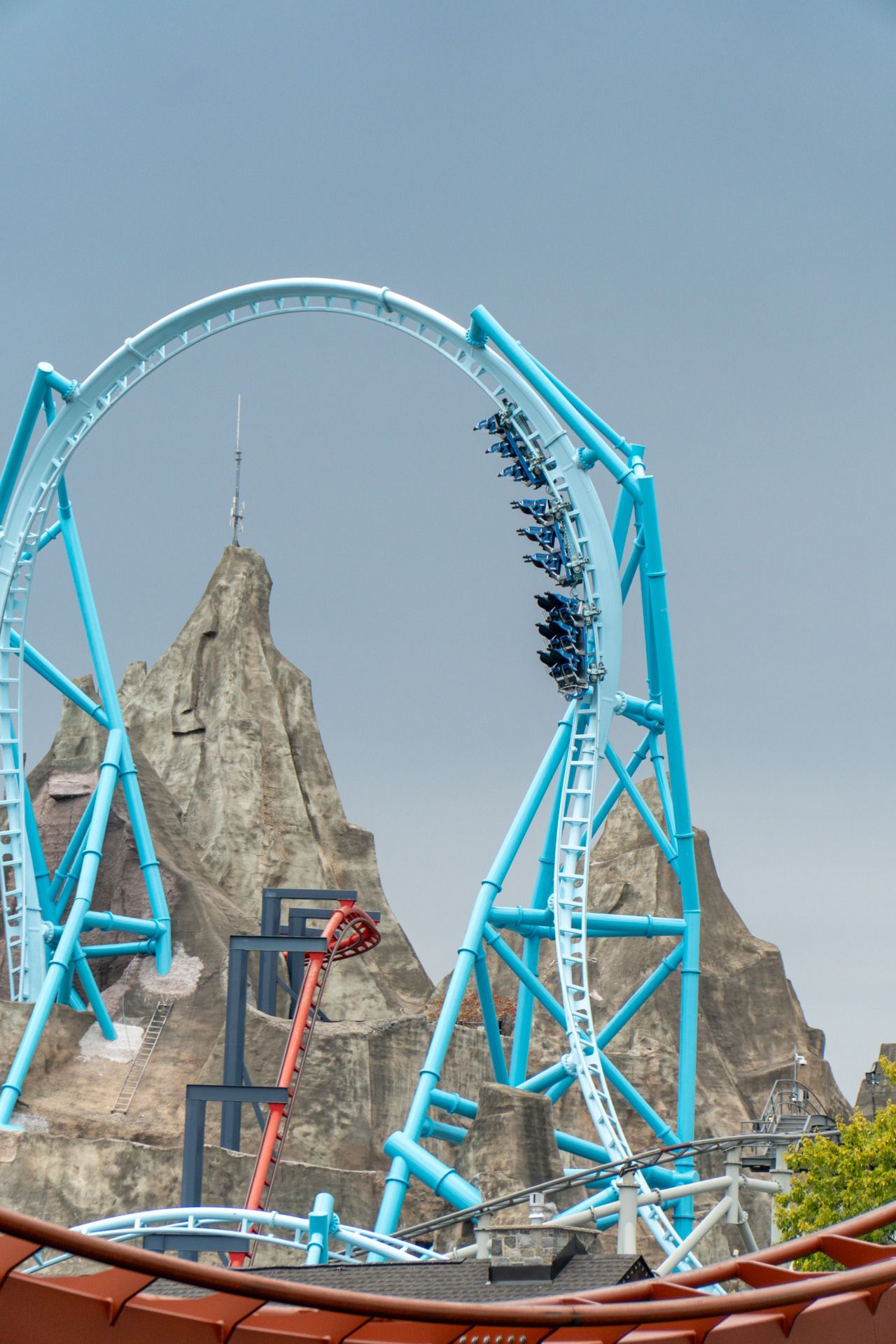
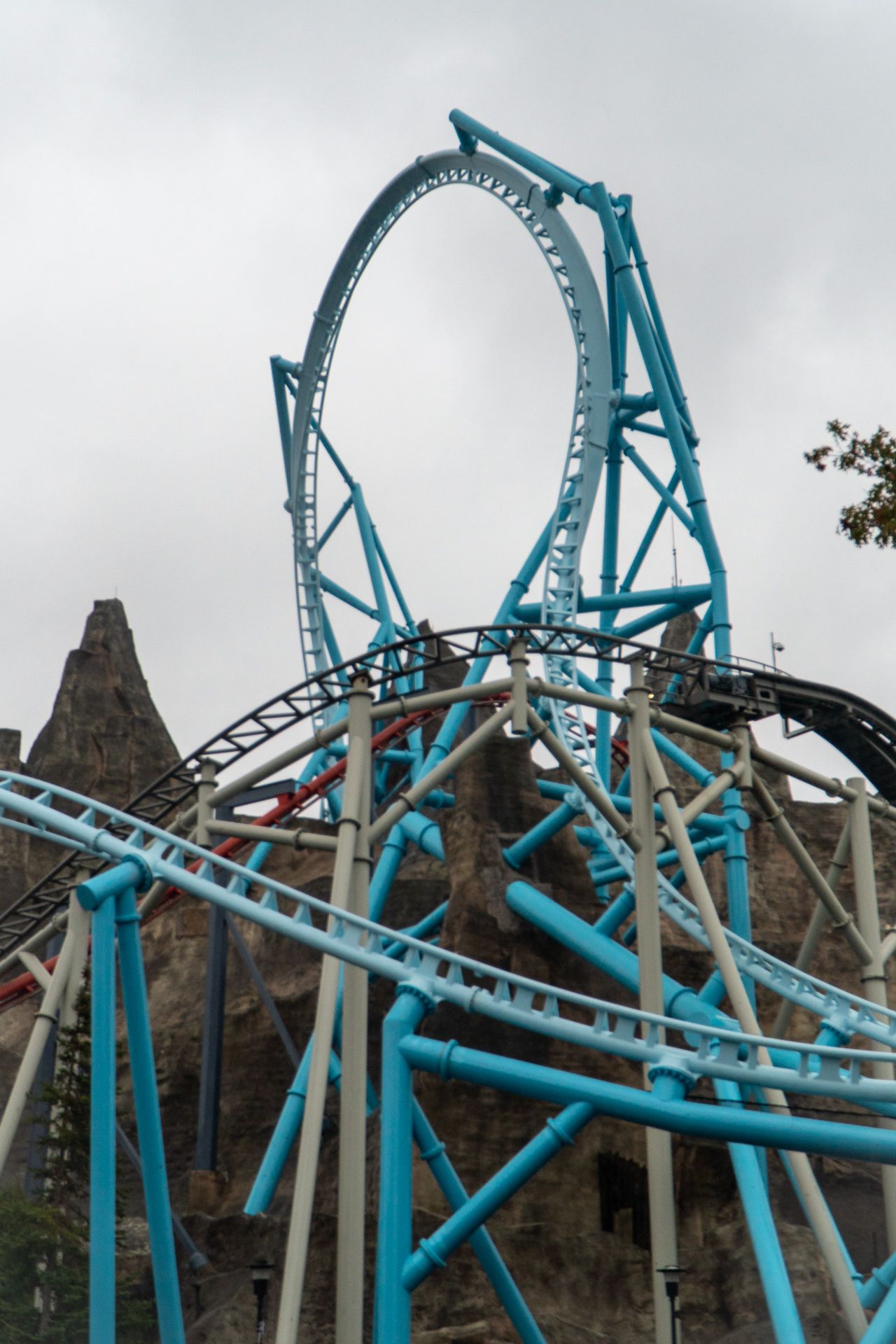
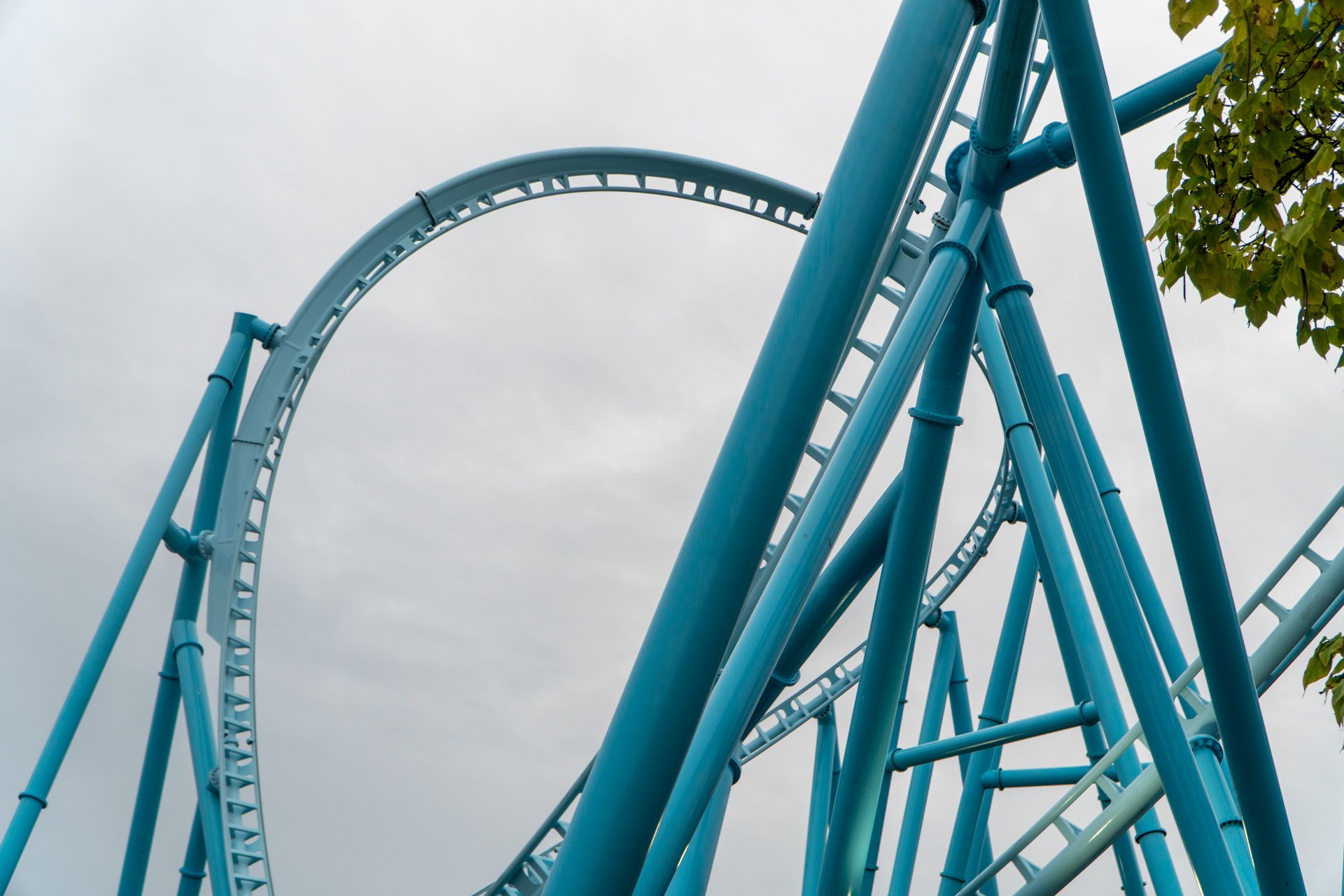
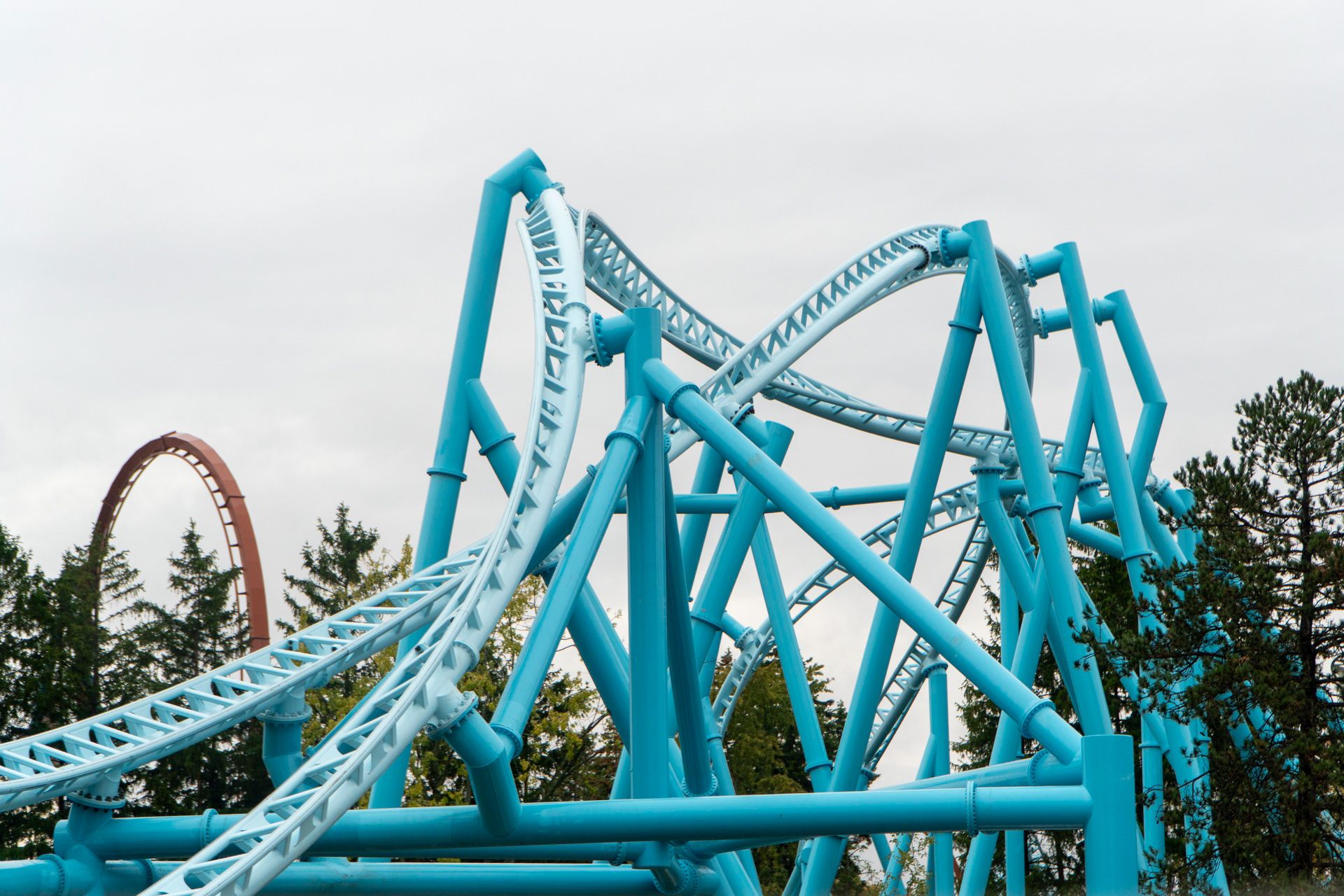
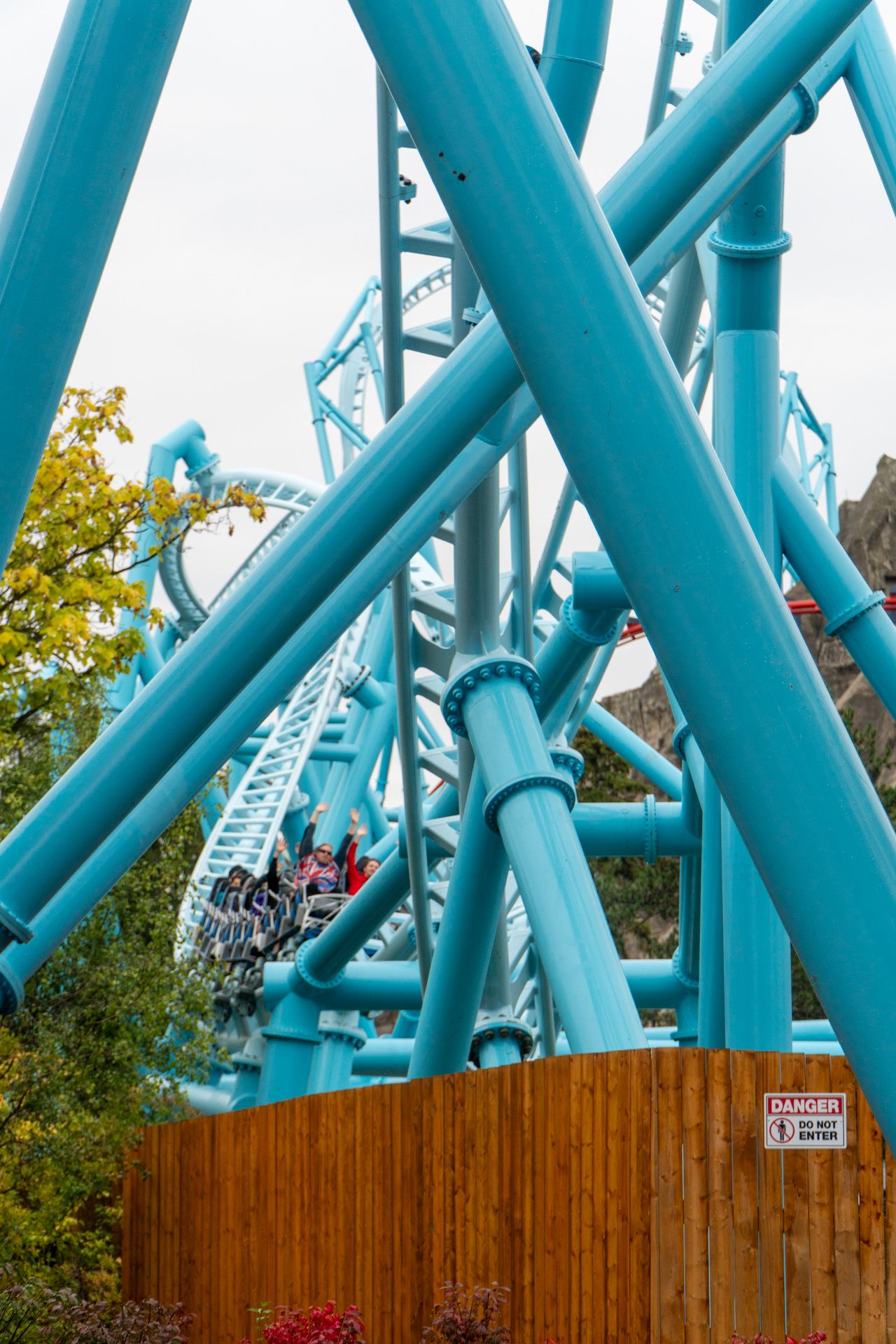
Right next to Fly is Alpen Fury, currently one of the most popular coasters in the park. Premier Rides packed the layout with a wild mix of tightly intertwined inversions, and the ride wastes very little time getting started.
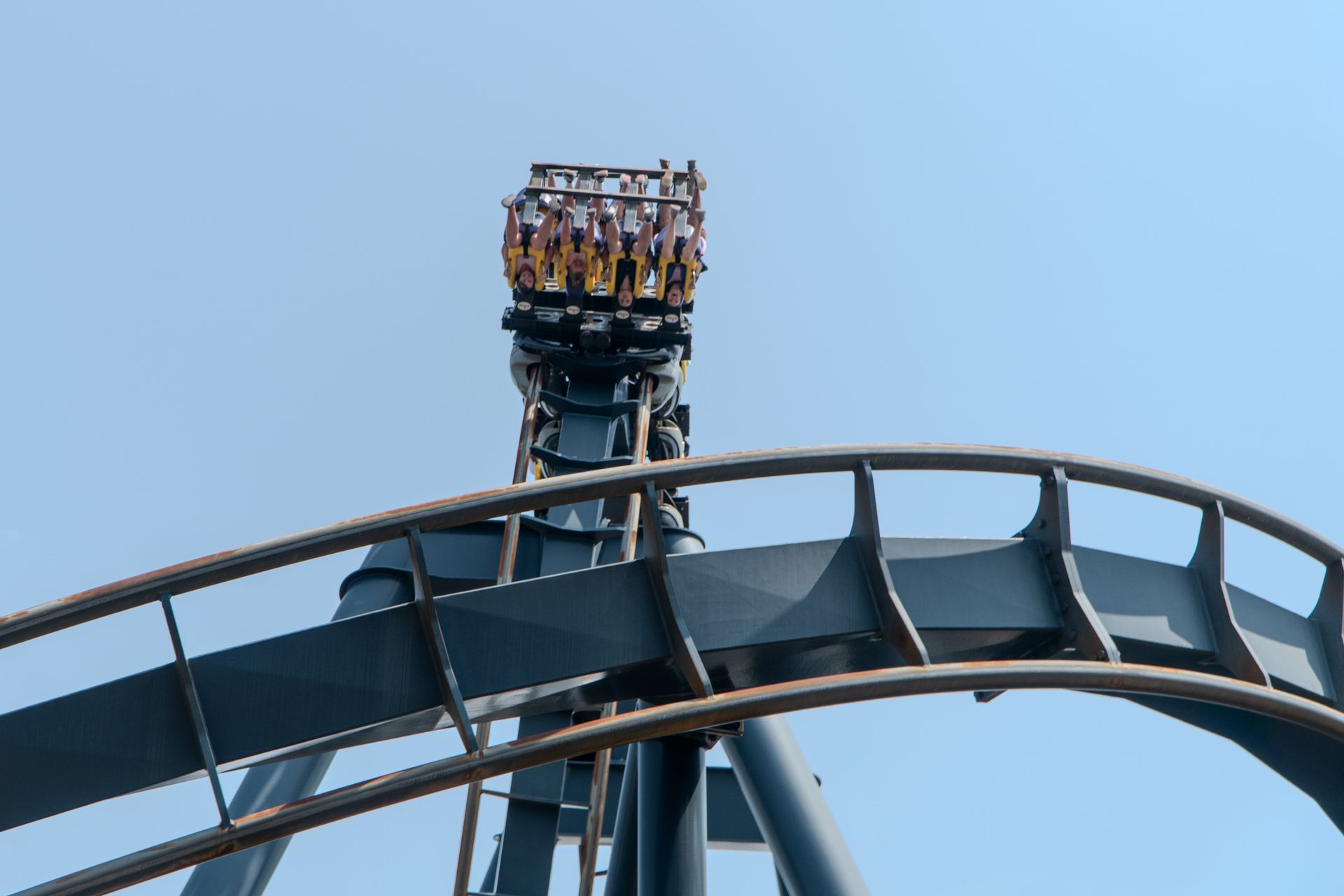
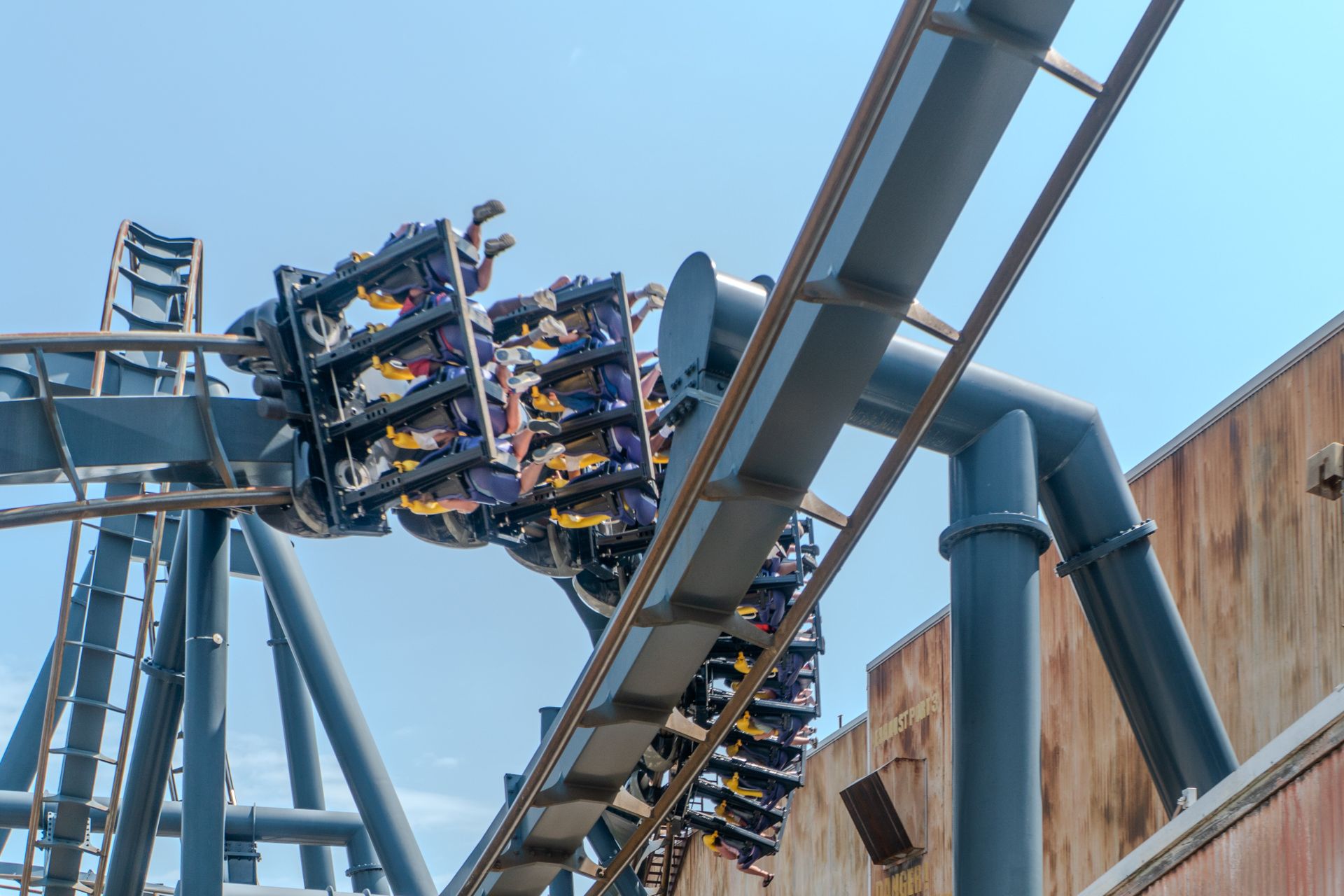
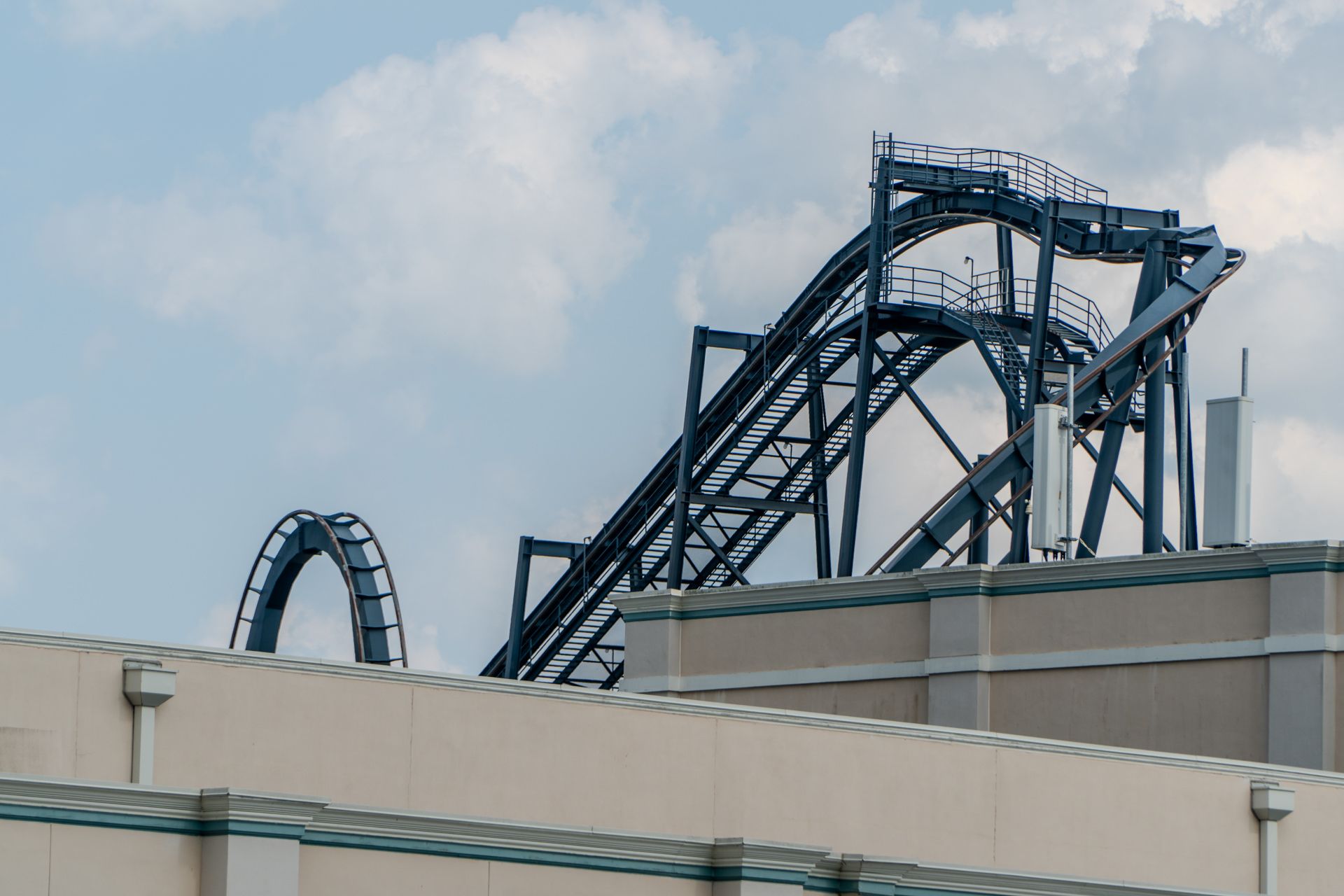
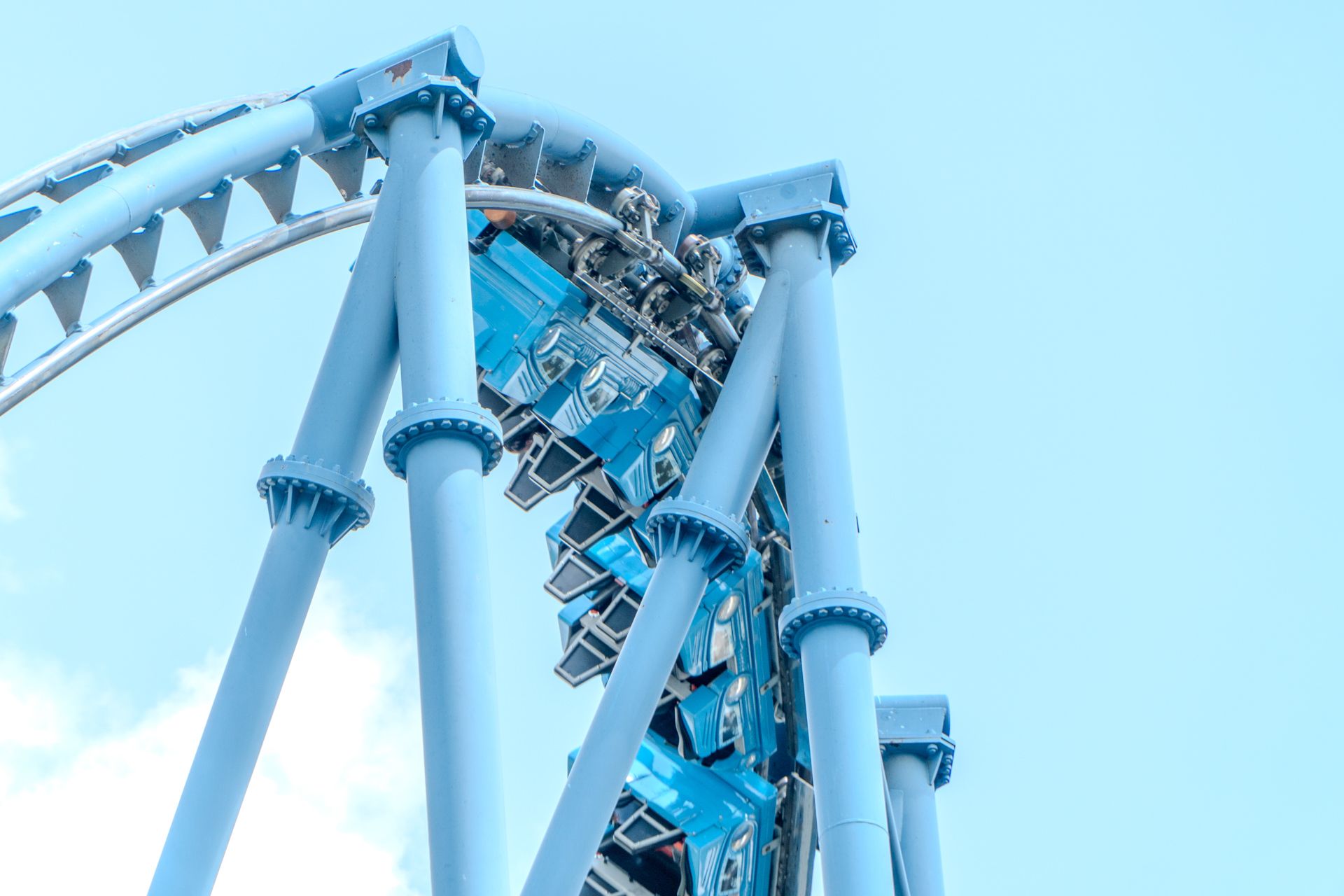
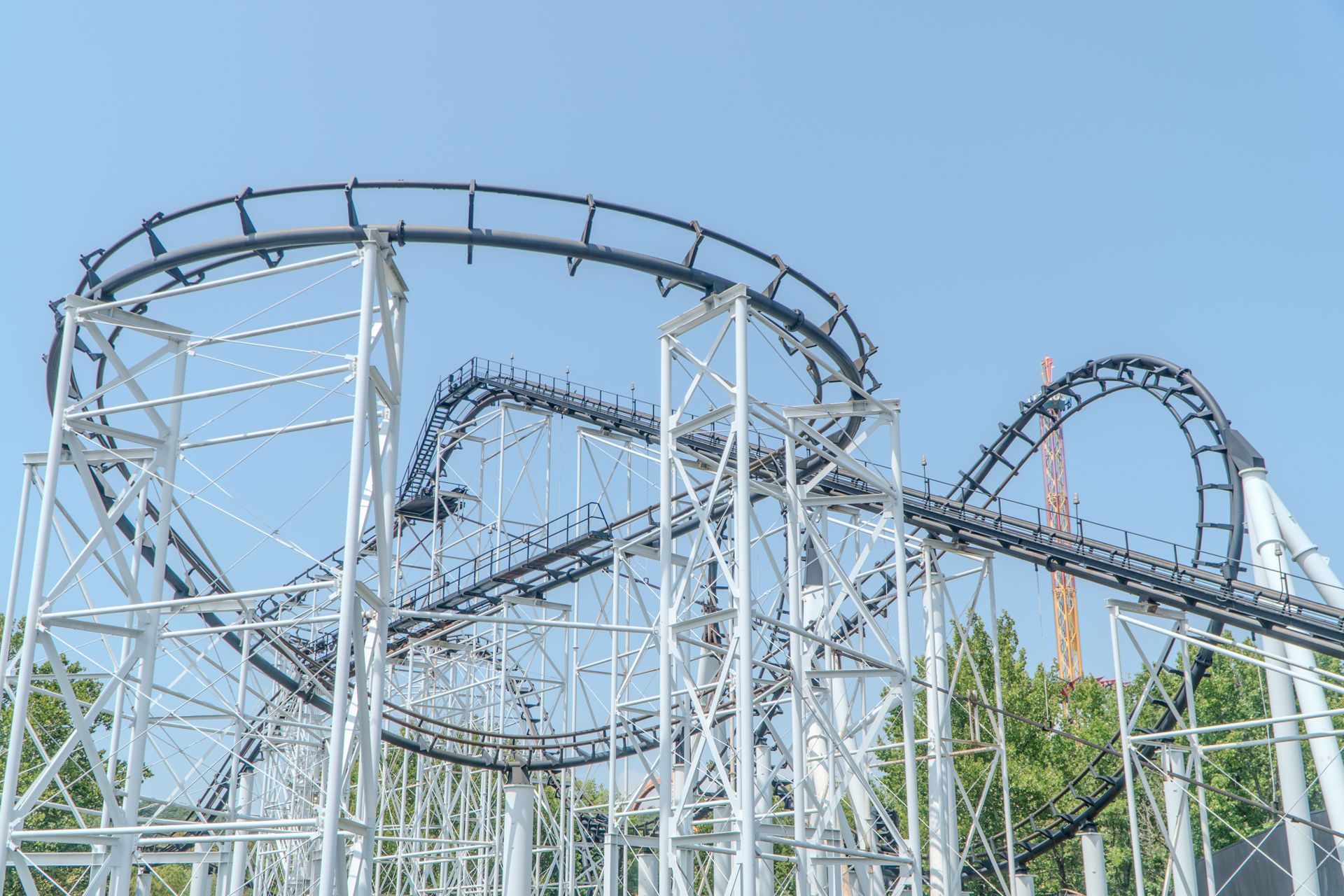
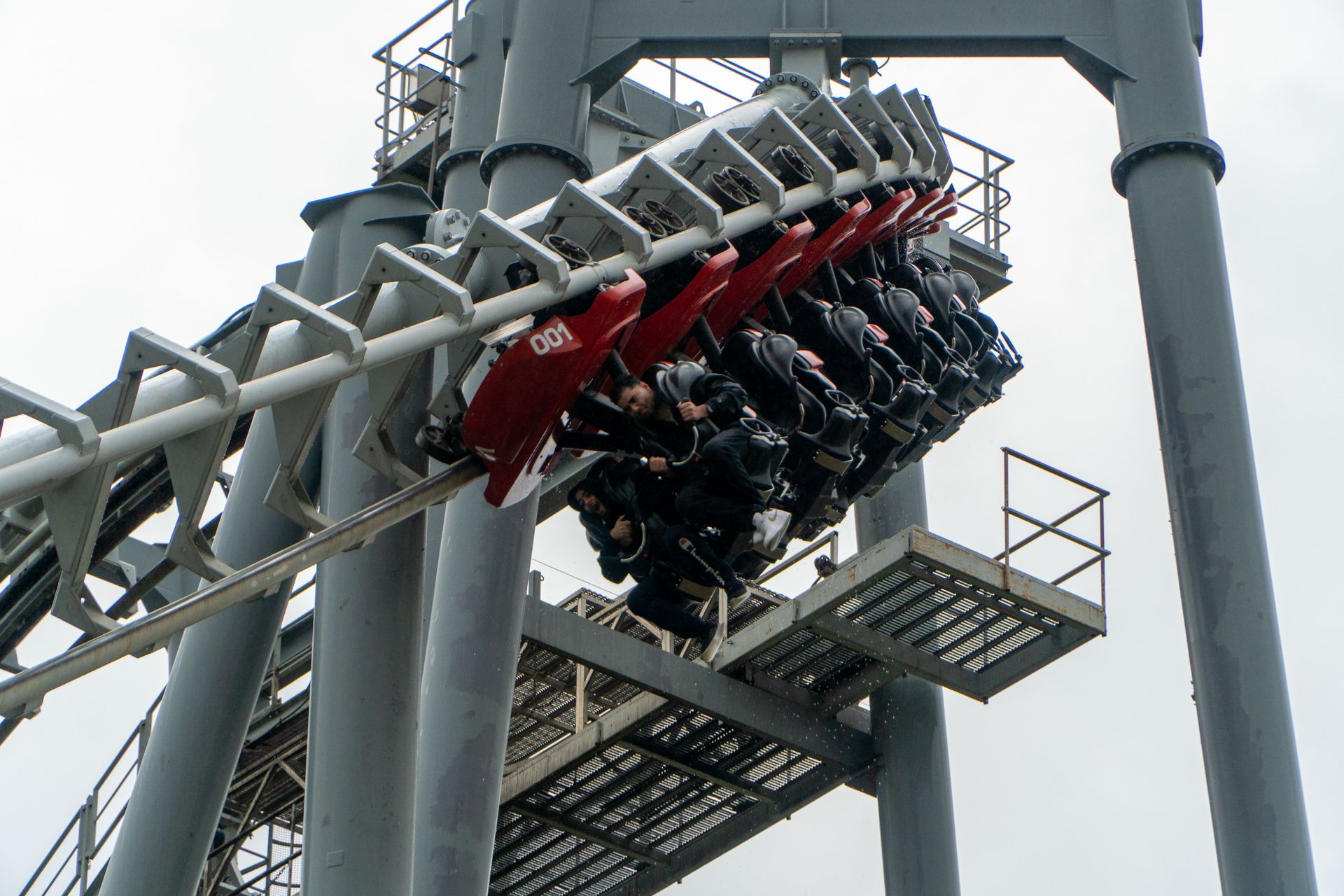
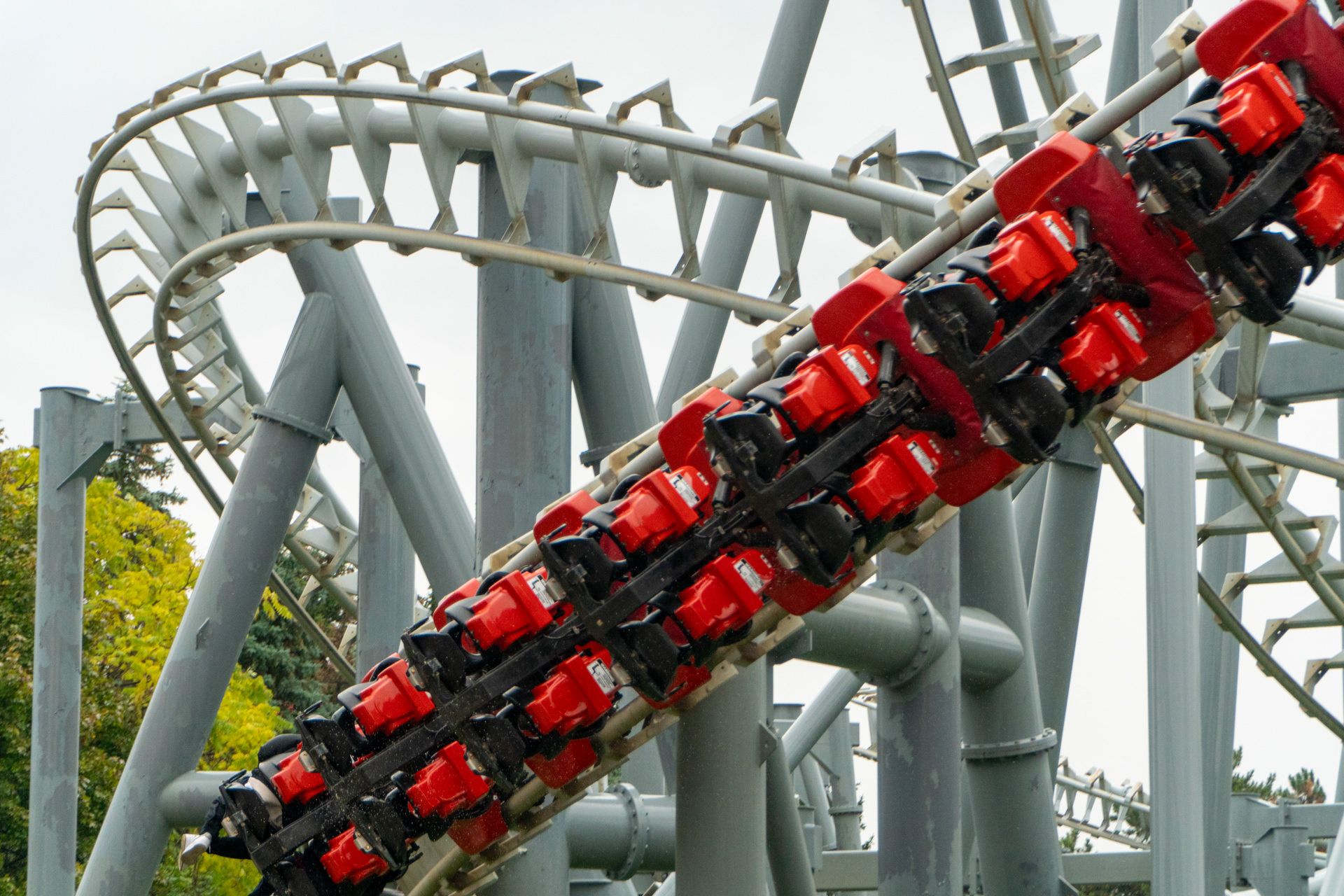
After a short right turn out of the station, we hit the first launch. Moments later, the train dives into Wonder Mountain, races through a nicely themed cave, and gets blasted back outside at serious speed. From there, we head straight into the inverted top hat. A high-speed section carries us across the ride area before we enter a zero-G roll. Next comes a wide right-hand turn that unexpectedly becomes another inversion before dropping us back toward the ground.
One of the more unusual sequences follows. An ascending roll to the left immediately transitions into a descending roll to the right, with barely any pause between the two. Two more rolls follow, then a short hill and one final inversion before a small hop sends us into the brakes.
Alpen Fury is a lot of fun. The ride quality is excellent and the layout is full of creative ideas. The biggest weakness is the dispatching. Between the lowering station floor and the very slowly moving bridge used by the ride attendants, loading and unloading takes far too long. With only 18 riders per train, the line can build quickly.
Shockwave
Right next to Alpen Fury is Shockwave, a fairly generic-looking Top Scan that makes up for its appearance with a very good ride cycle. Two direction changes, some strange moments of hangtime, and several inversions keep things moving without making the ride excessively intense. A really fun ride!
Thunder Run
Thunder Run runs straight through the middle of Wonder Mountain and combines ascending and descending helices with some surprisingly wild changes of direction, much of it in almost complete darkness. There is a bit of theming along the way as well, plus a handful of lighting effects to accompany the family coaster. Unfortunately, dispatches can be quite slow, so waits build up quickly.
Klockwerks and Krachenwagen
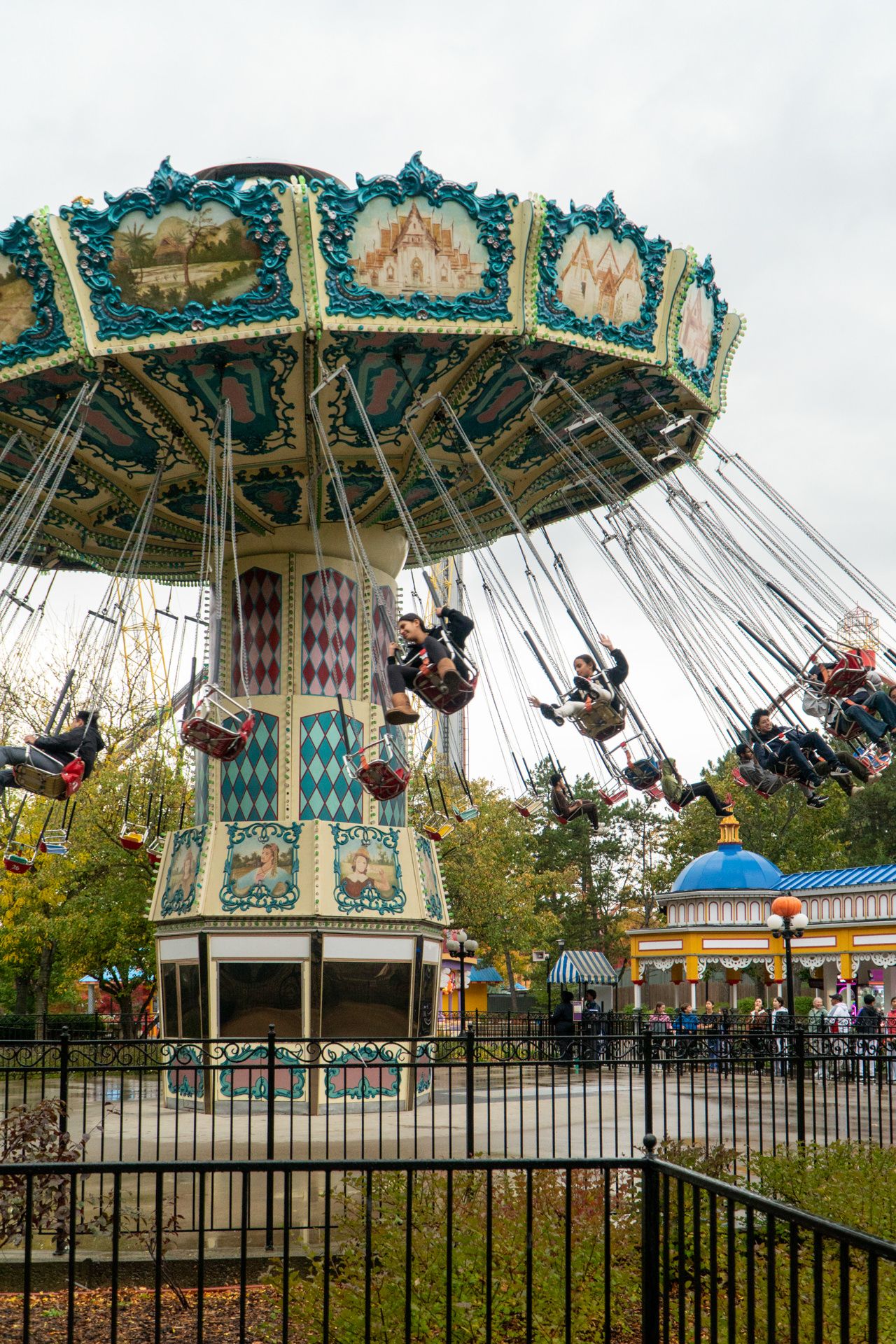
Canada seems to be rather proud of its German heritage as well, because two rides here have decidedly German-sounding names. Krachenwagen is a classic bumper car ride with a circular floor, while Klockwerks is a HUSS Swing-Up whose cars really start swinging once the ride gets going. Both are very fun rides and well worth hopping on when you happen to be passing by.
Planet Snoopy
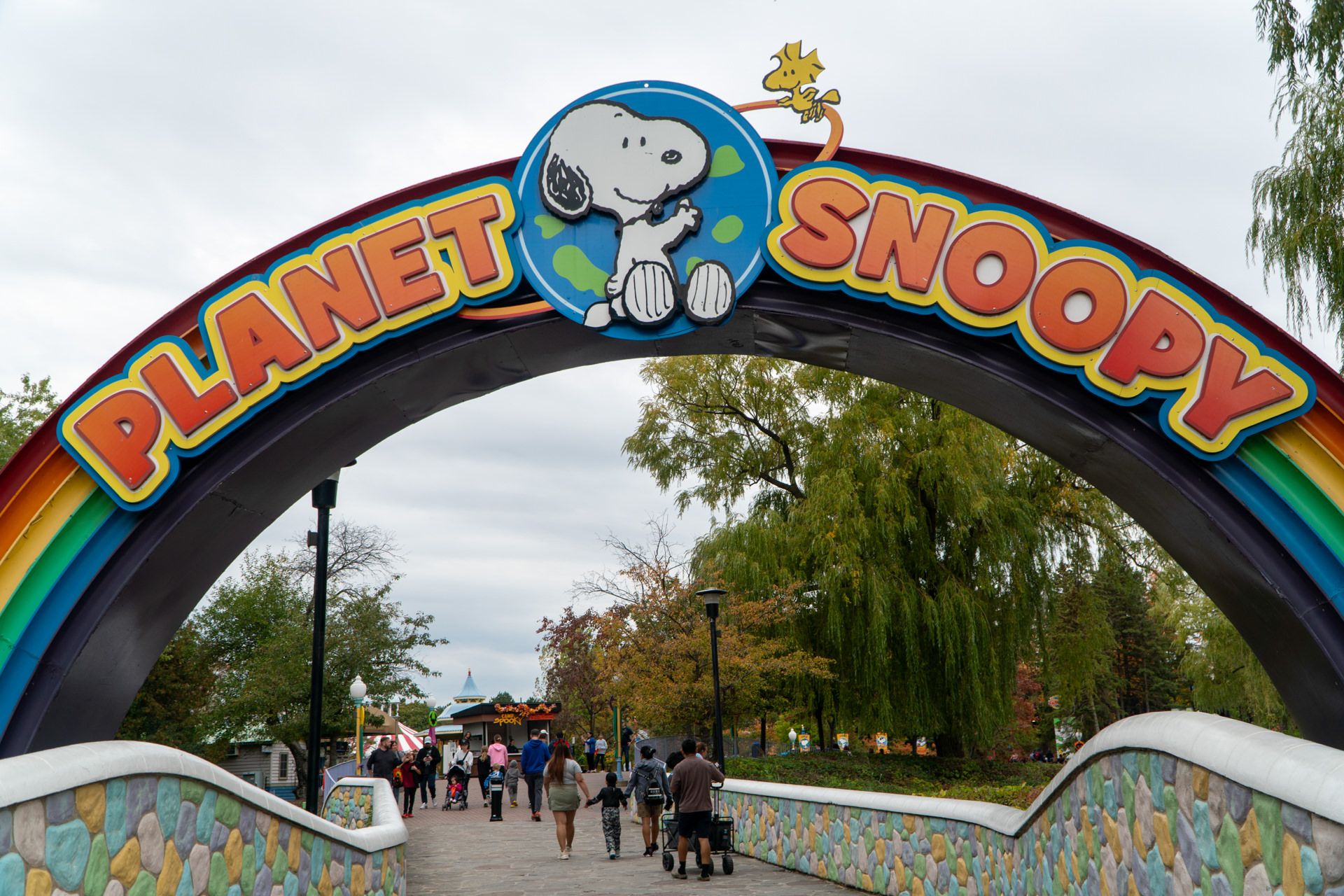
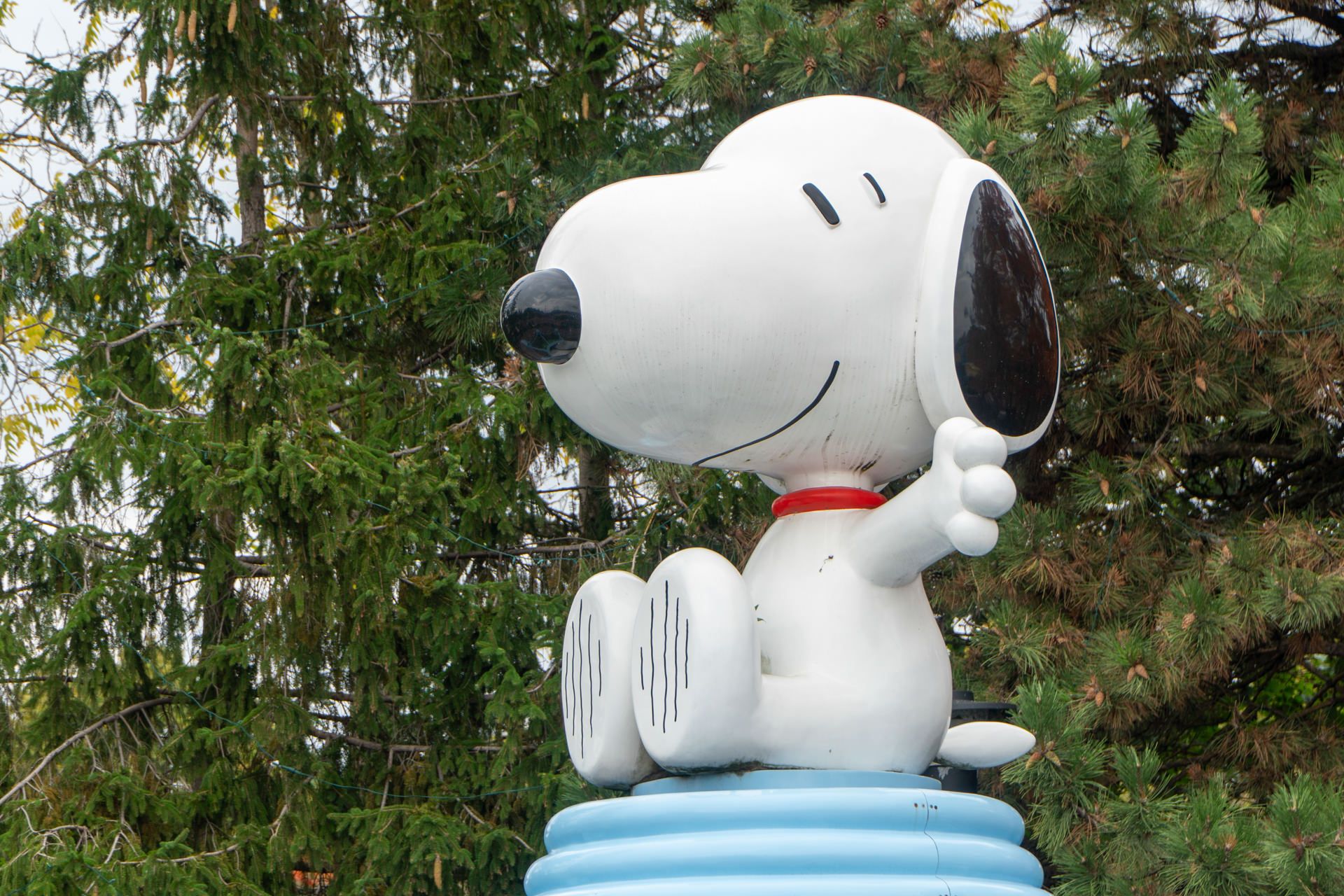
One of the entrances to Planet Snoopy sits between Shockwave and The Bat. Canada’s Wonderland has an impressively large children’s area, with two substantial family coasters, an interactive dark ride, and plenty of smaller rides for younger guests. Everything is nicely presented, and a solid entertainment lineup rounds things out. Just like at sister park Kings Island, kids could easily spend a huge chunk of the day here.
Boo Blasters on Boo Hill
Boo Blasters on Boo Hill is the interactive dark ride inside the children’s area. The attraction originally opened in 2000 as Scooby-Doo’s Haunted Mansion before the familiar characters disappeared several years later.
Today, we shoot our way through a wonderfully cheesy haunted house filled with skeletons, ghosts, and all sorts of other creatures while trying to hit as many targets as possible and rack up points. There is plenty to look at along the way, and even after all these years the ride is still a lot of fun.
Snoopy’s Racing Railway
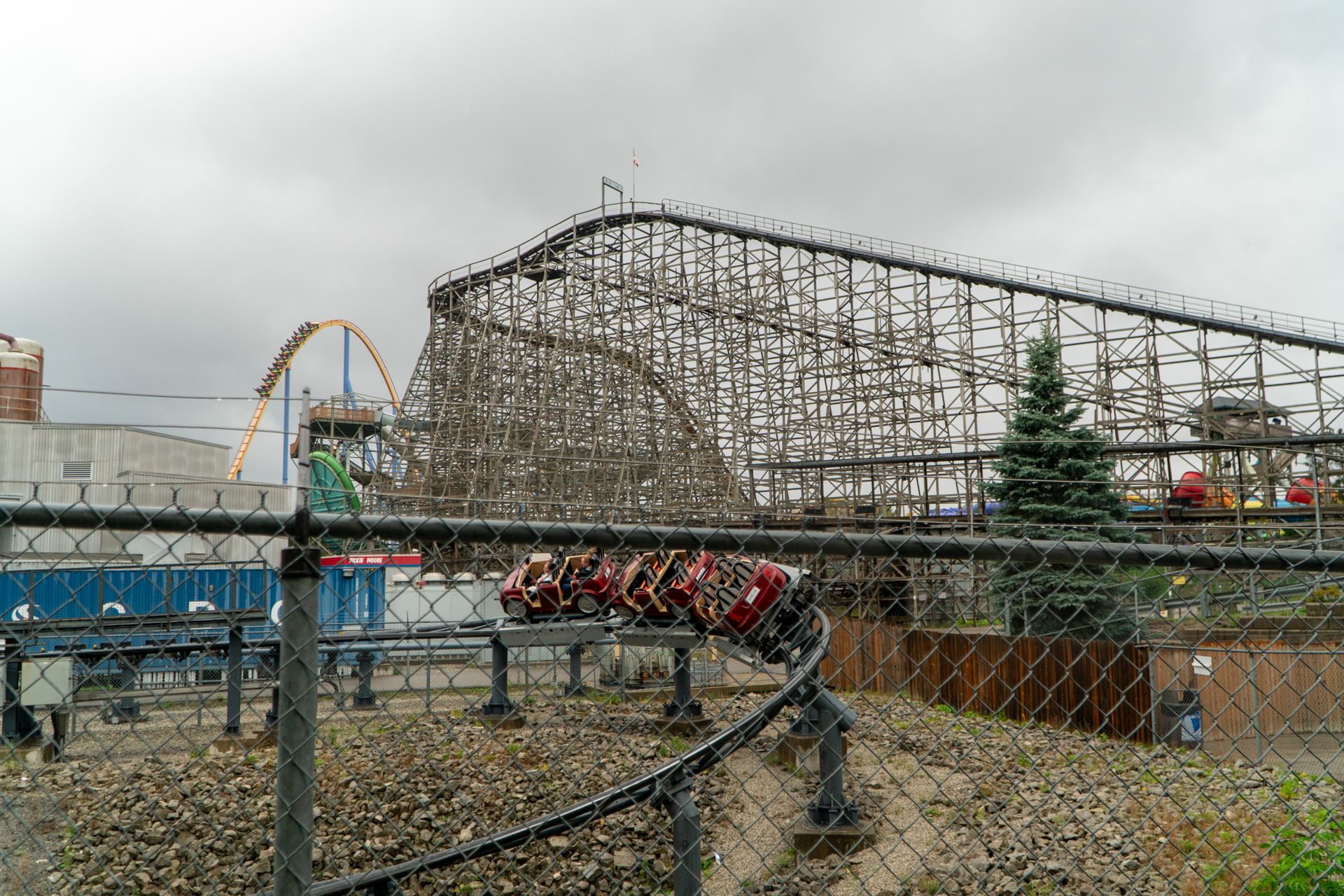
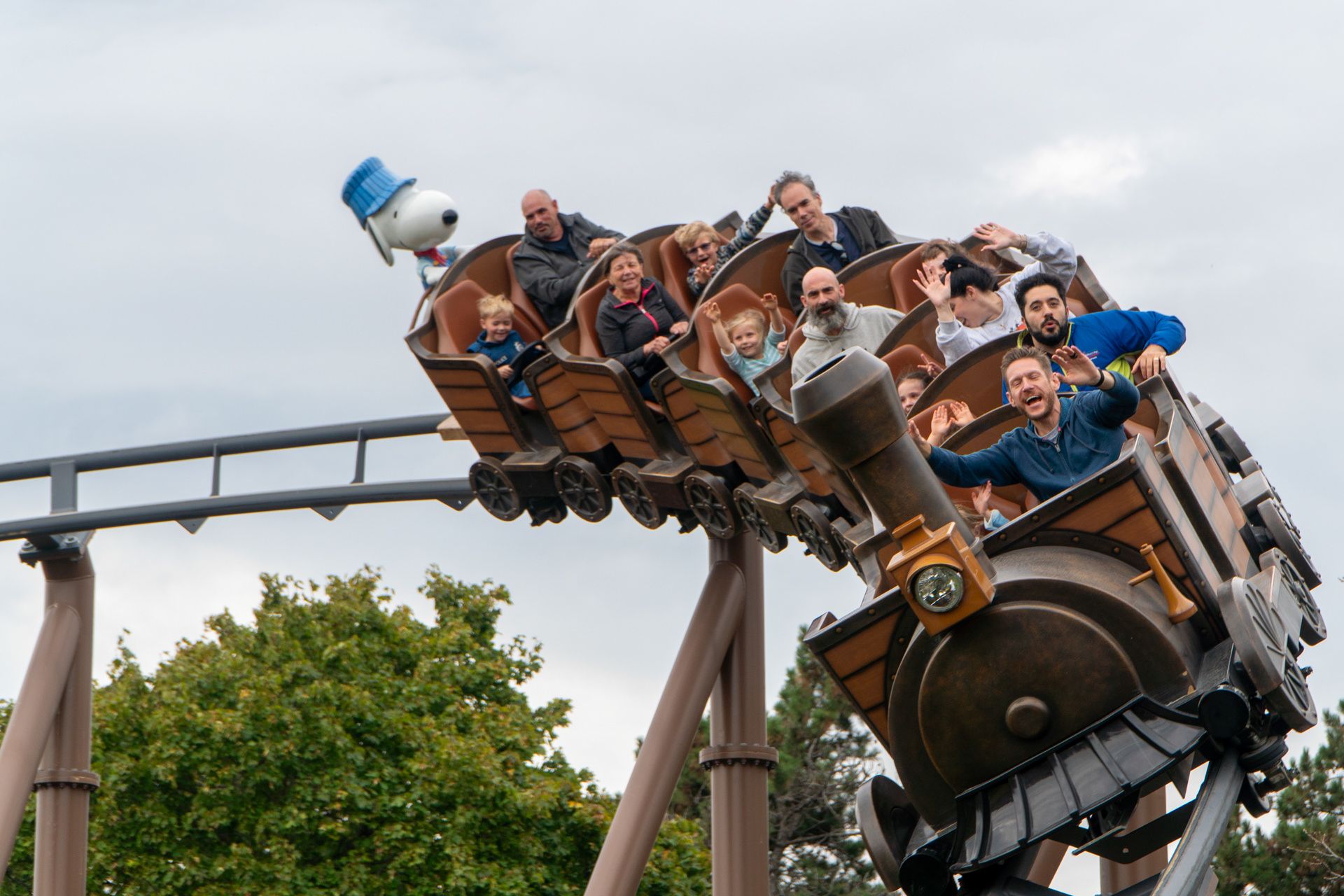
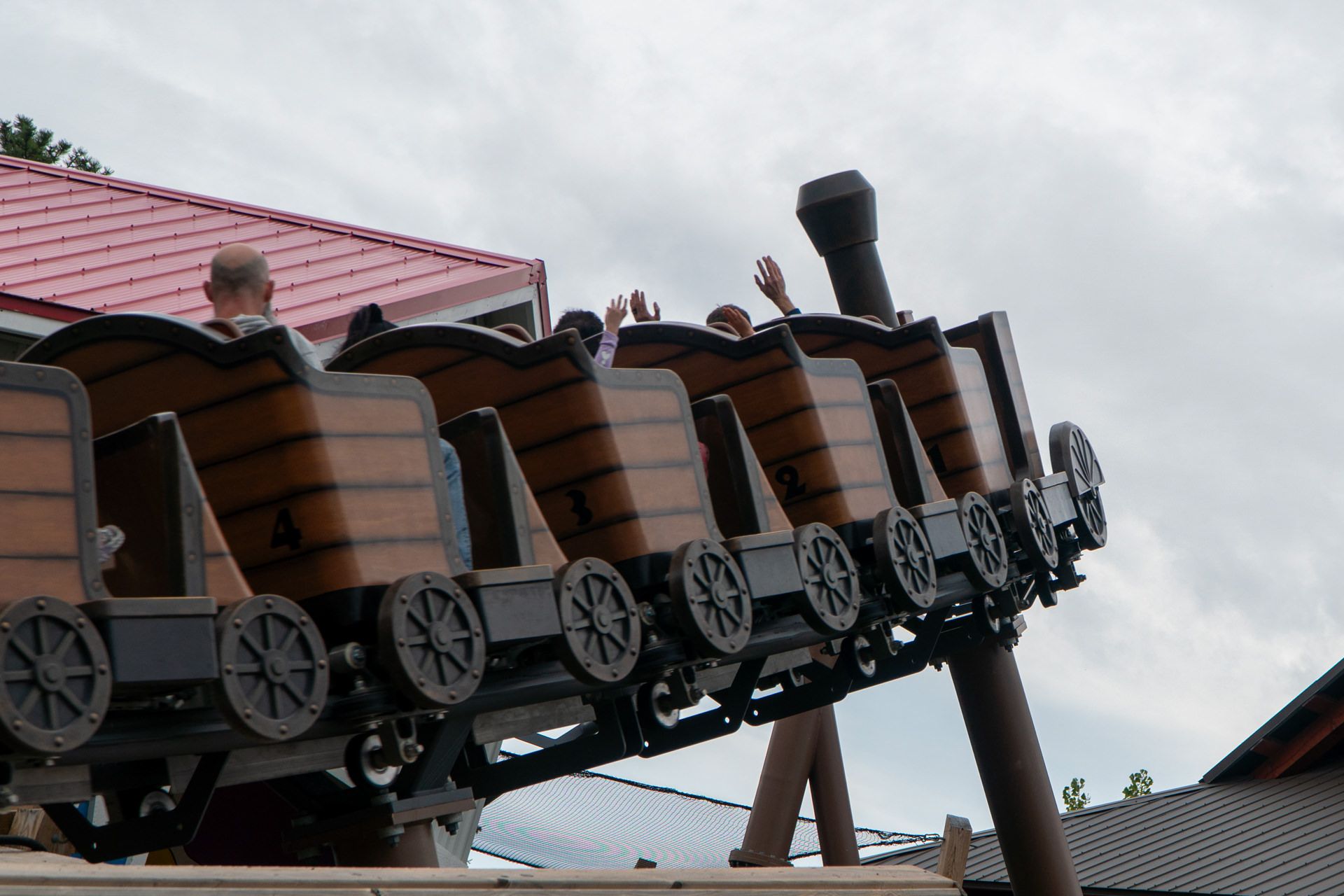
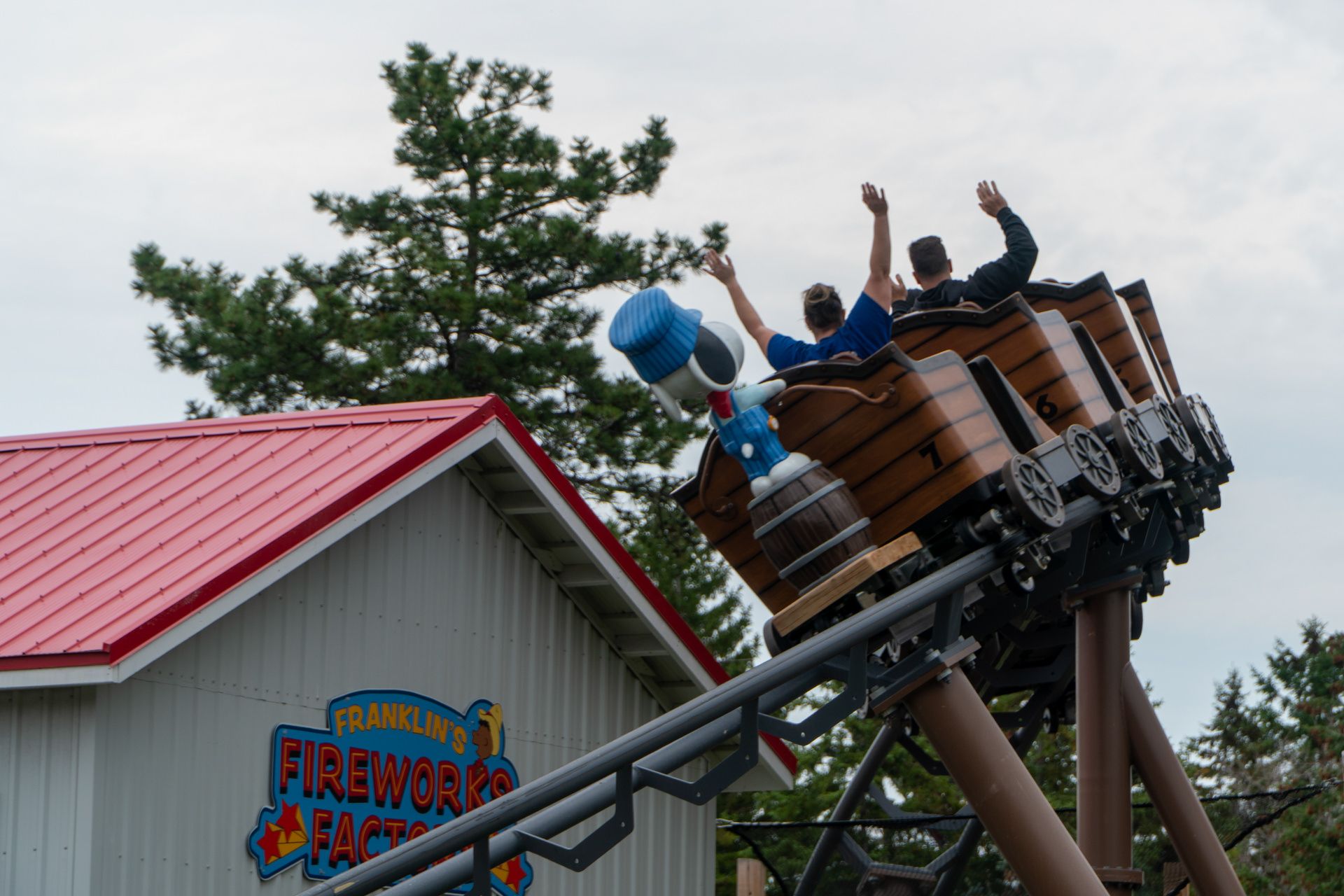
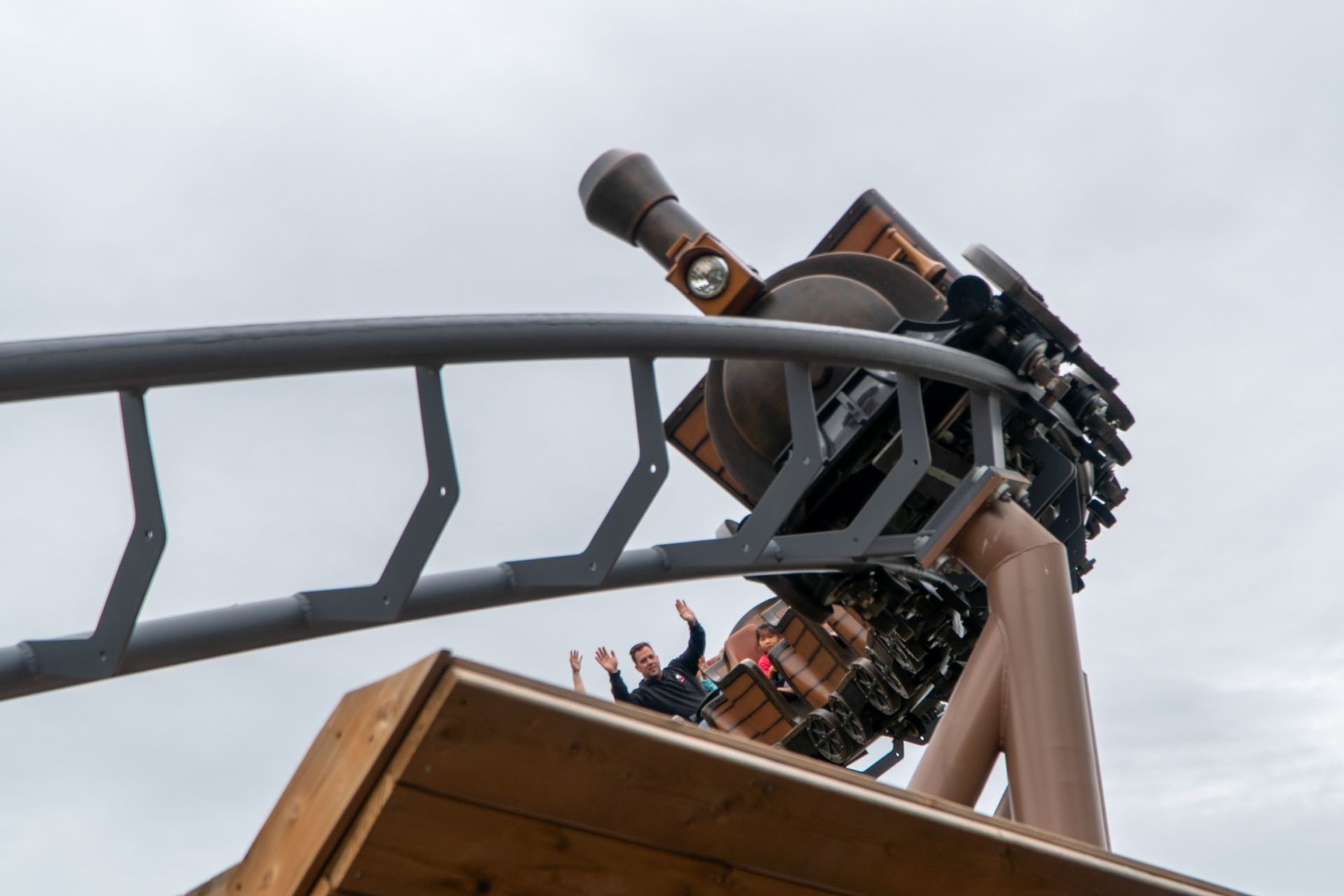
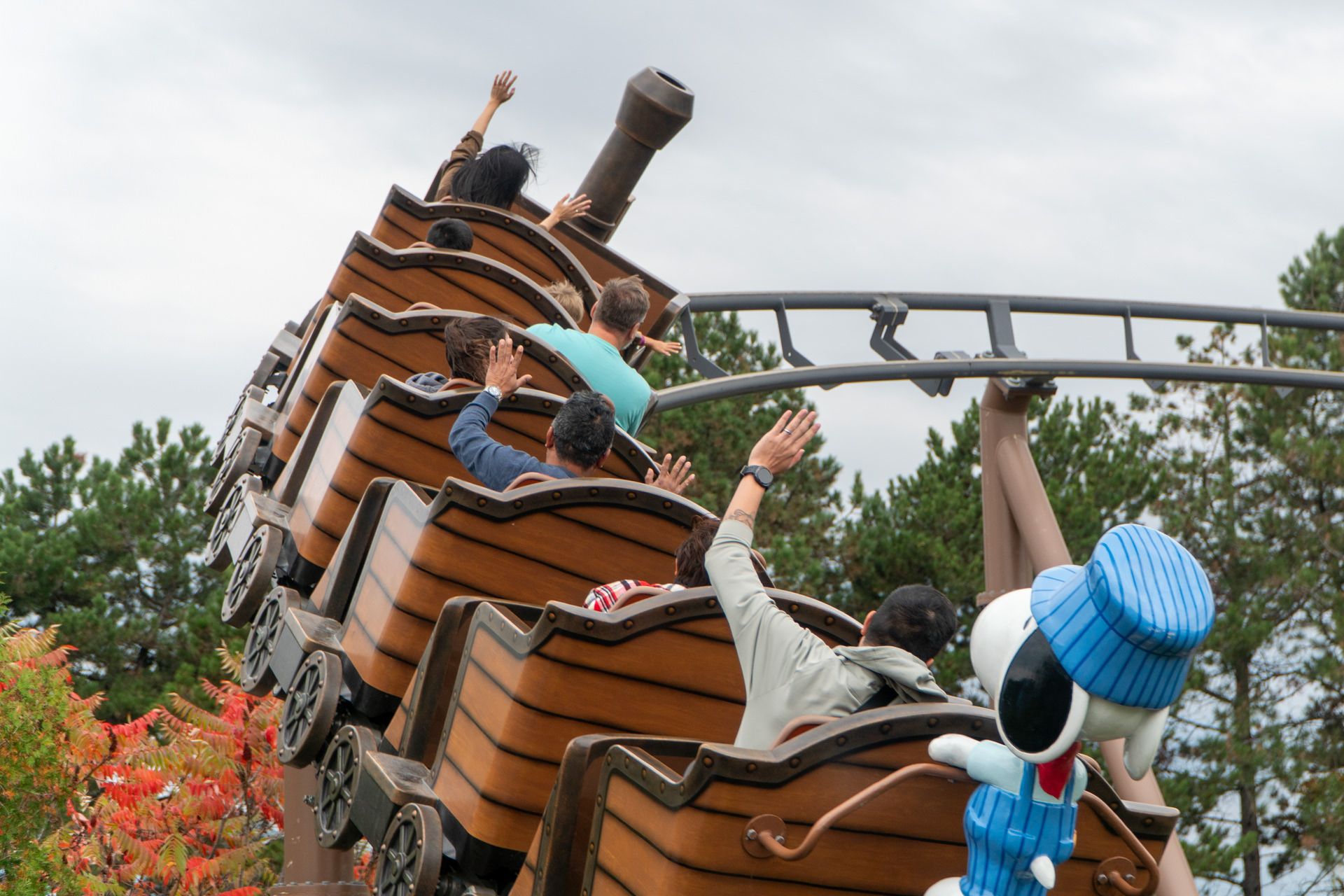
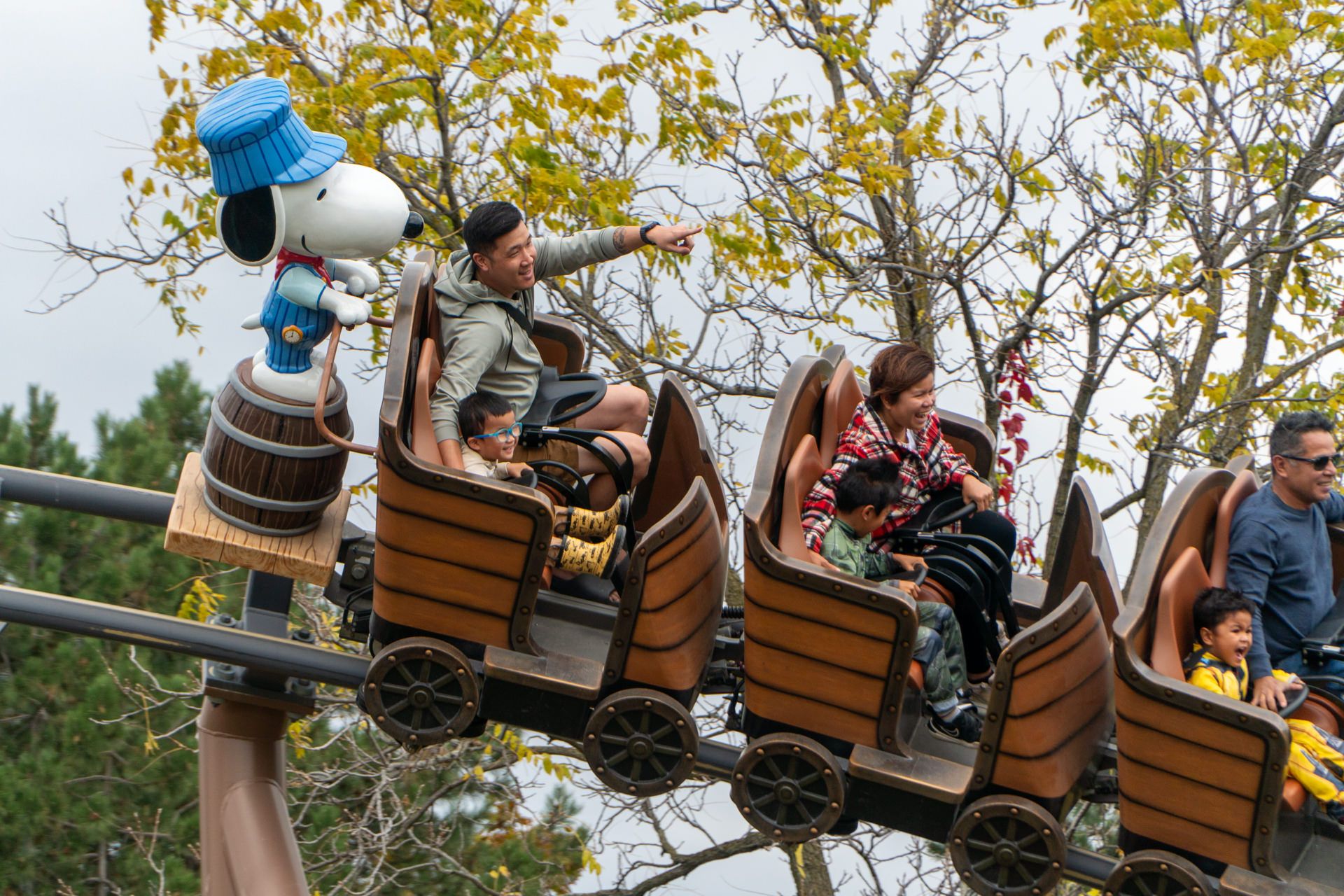
Snoopy’s Racing Railway is the newest coaster at Canada’s Wonderland and one of the most popular family attractions in the park. A friction-wheel launch gets the train moving right away before an elevated right-hand turn leads into a small drop and a quick hop. From there, we head through the Fireworks Factory in a left-hand turn.
A few fast directional changes follow before another left turn sends us into a second building, where the second launch is waiting. With plenty of speed, we climb another hill, transition through a sweeping change of direction, then dive into a valley and enter a helix. From there, we return to the station — only to head straight out for a second lap. Great fun for the whole family.
Ghoster Coaster
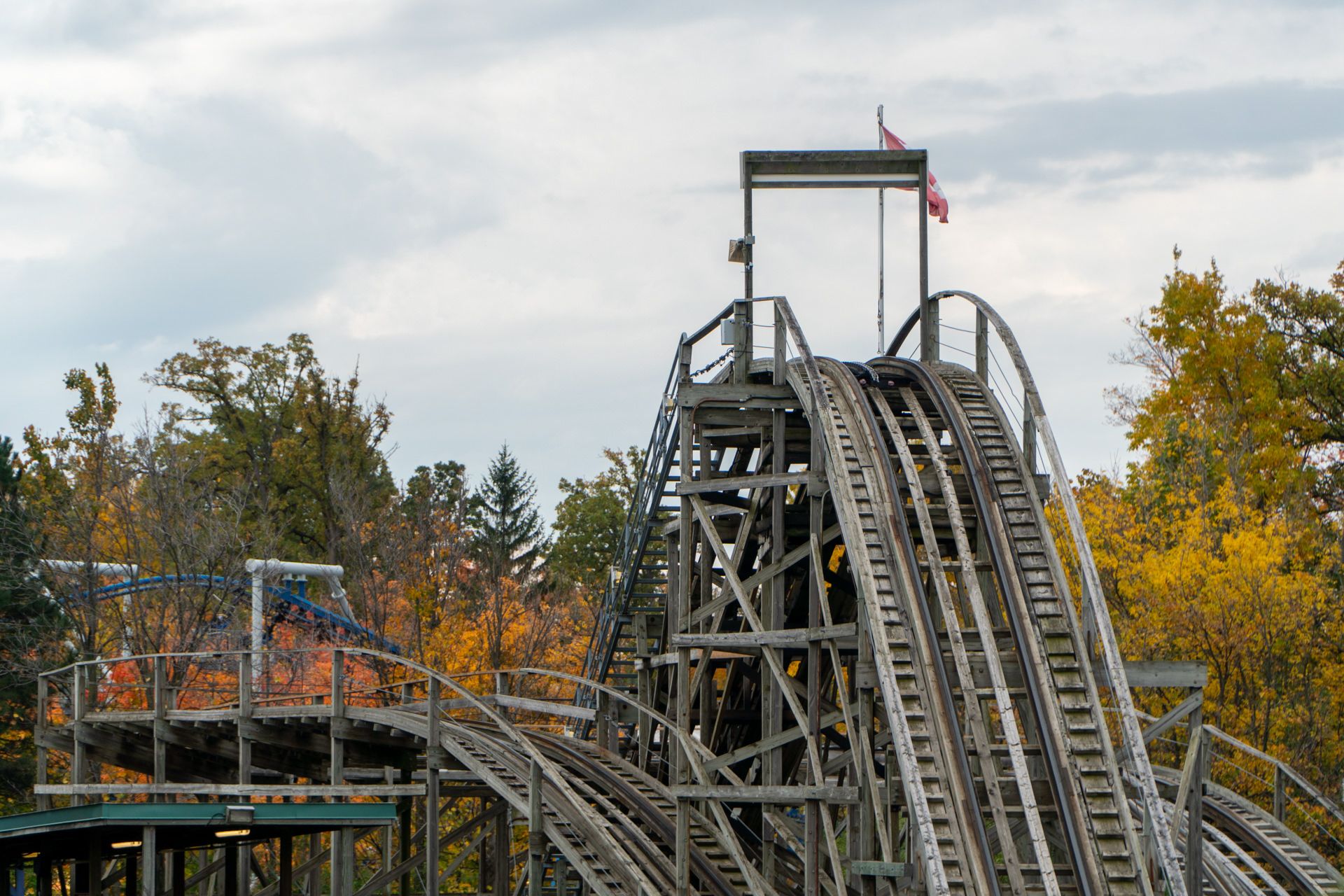
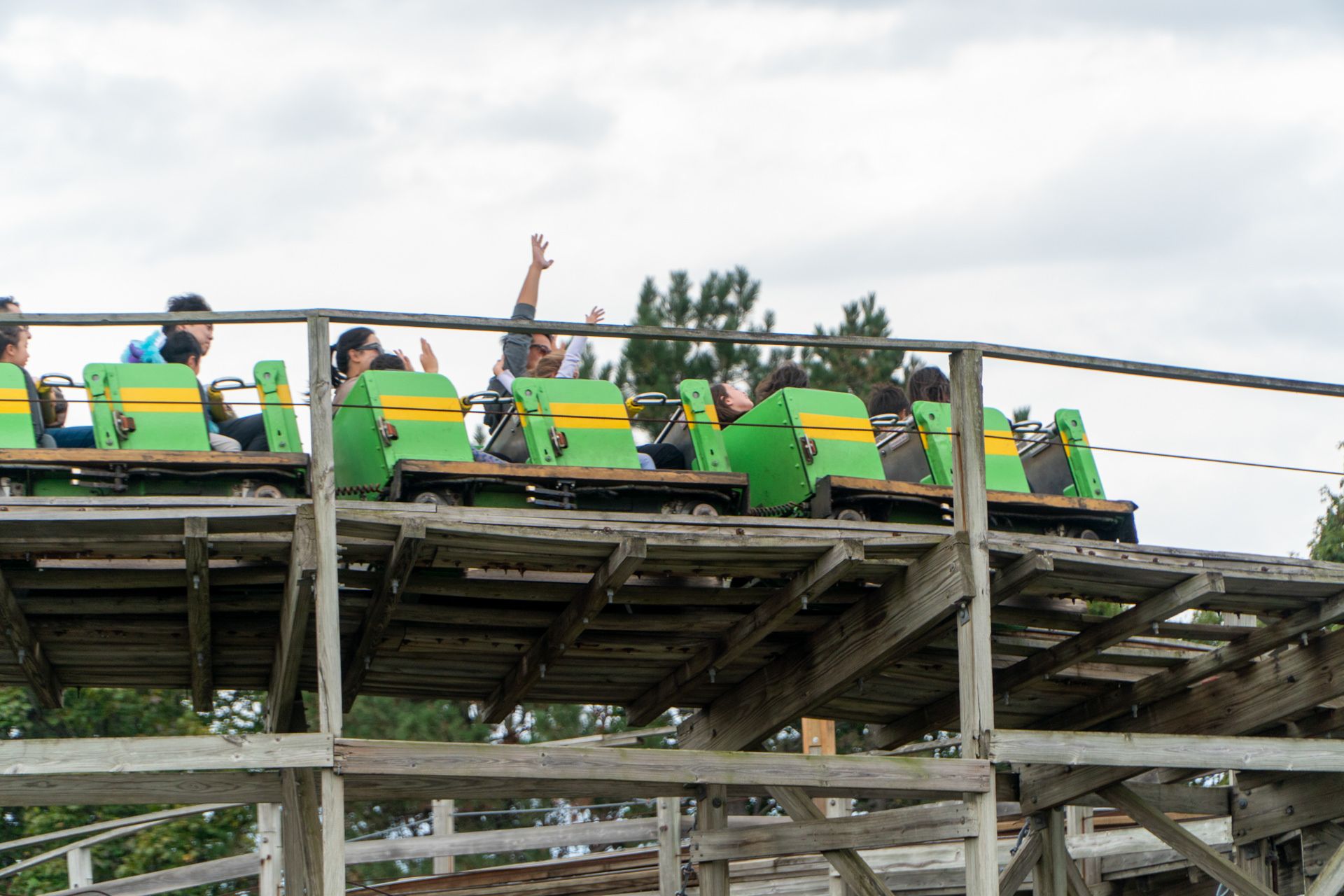
Ghoster Coaster is another classic family woodie inside Planet Snoopy. The layout is very similar to the familiar Woodstock Express design found at parks such as Kings Island, Kings Dominion, and Carowinds.
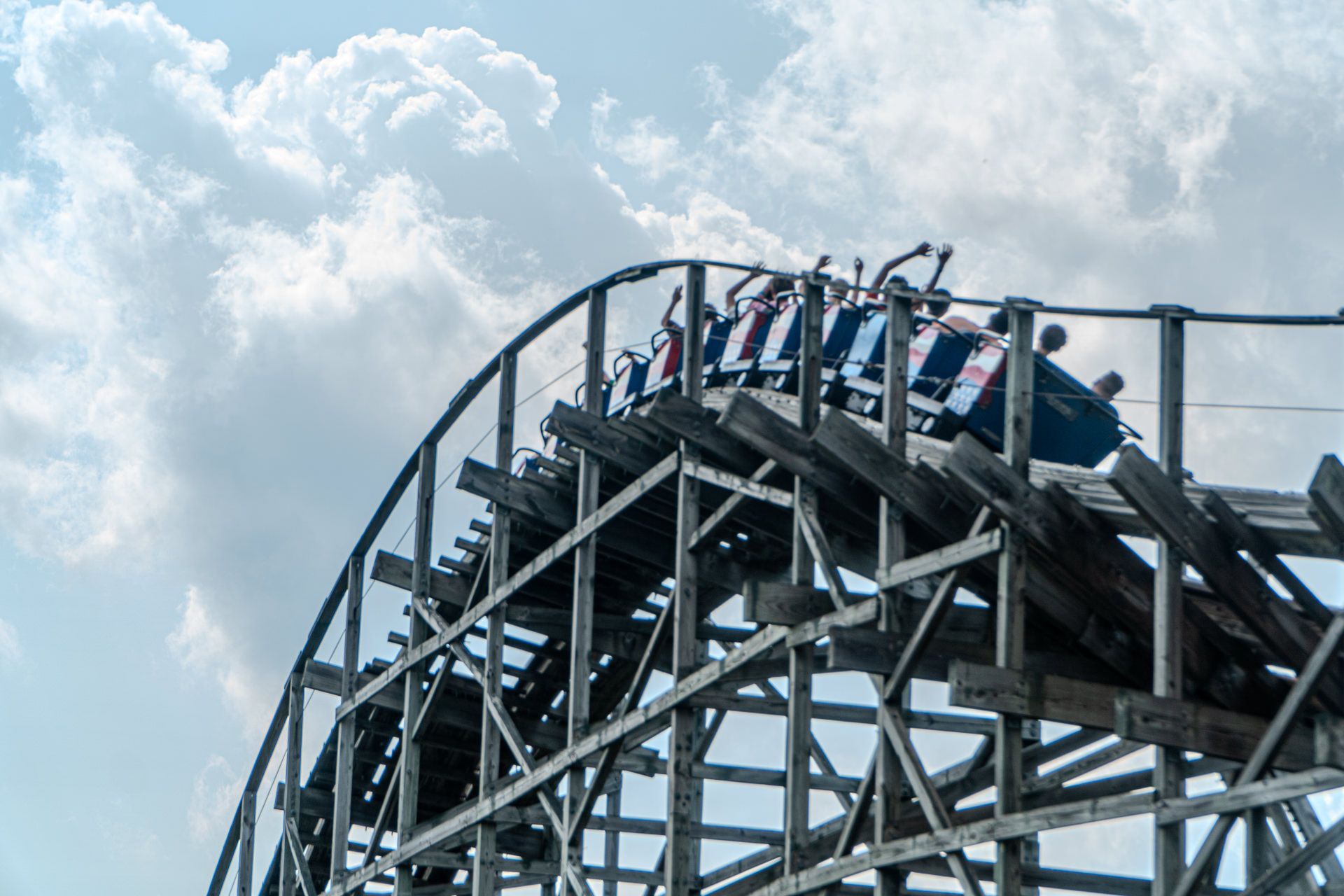
After a short right-hand turn, the train climbs the lift hill. From the top, we head straight into the first drop and climb into a large turnaround. Another drop leads into a small hill before the track dives through the wooden structure and crosses over to the other side of the ride. After another turnaround, there is a little more up-and-down action before we dive back into the structure and reach the brakes shortly afterward.
Ghoster Coaster is a wonderful little wooden coaster and a perfect introduction to woodies for younger riders.
KidZville
KidZville sits right next to Planet Snoopy and adds another large area aimed at younger guests. Plenty of smaller rides are spread throughout the area, including Flying Eagles, Treetop Adventure, and Frequent Flyers. More importantly, it is also home to two more family coasters: Taxi Jam and Silver Streak.
Taxi Jam
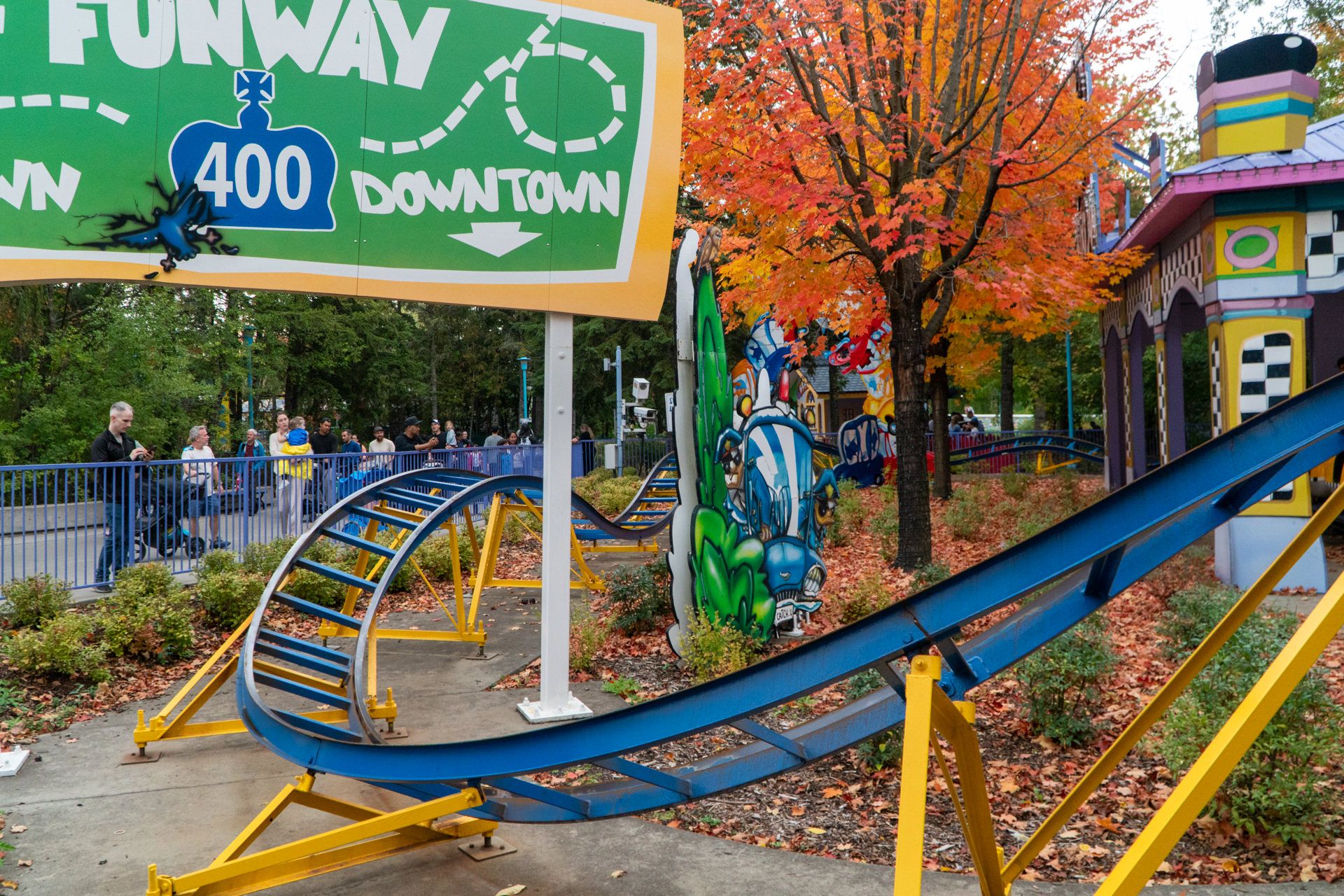
Taxi Jam is a small family coaster from E&F Miler Industries. The layout is basically an oval broken up by a series of small hills, but those hills deliver the kind of surprisingly strong airtime E&F Miler coasters are known for. You really shouldn’t underestimate how much punch such a small coaster can have. Taxi Jam is far more fun than it looks.
Silver Streak
Silver Streak is a Vekoma Suspended Family Coaster, with riders’ legs hanging freely beneath the seats. After a short turn out of the station, the train climbs the lift hill. At the top, a twisting descent leads directly into an upward helix. The main drop follows, sending us into a wide right-hand turn and then into a descending helix. One final left turn leads into the brakes.
It’s a smooth and enjoyable ride, and especially for younger riders Silver Streak is a very nice coaster.
The Bat
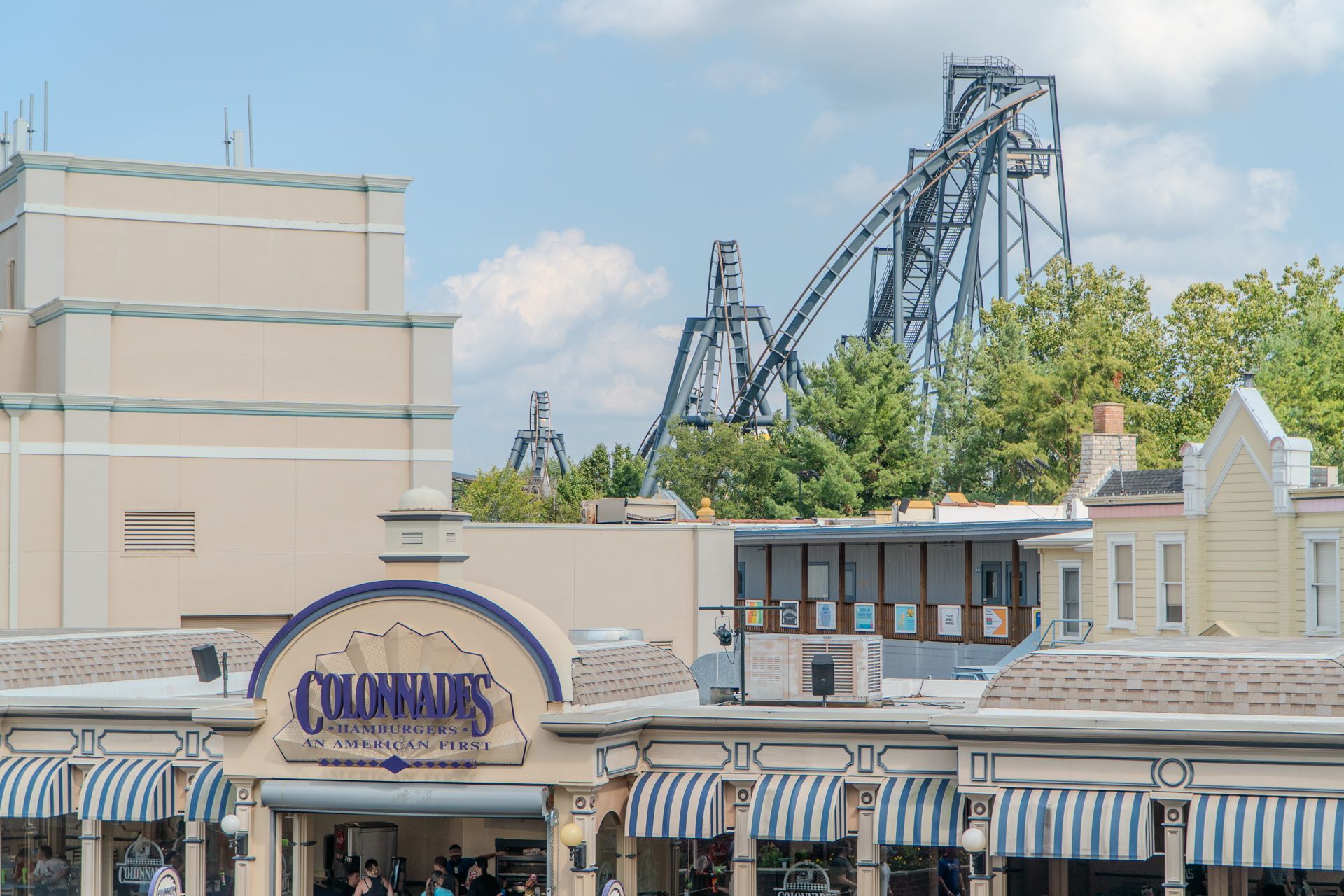
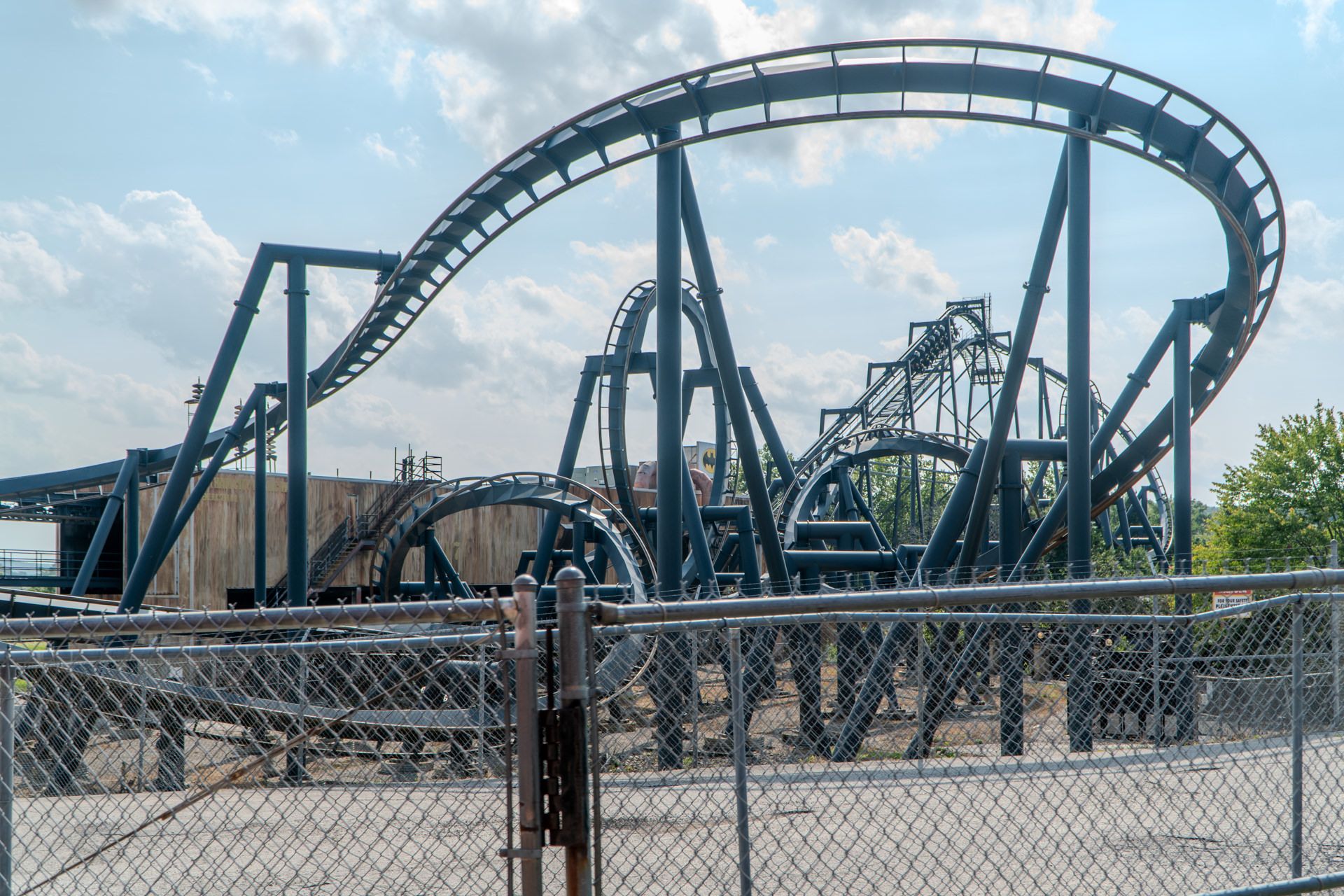
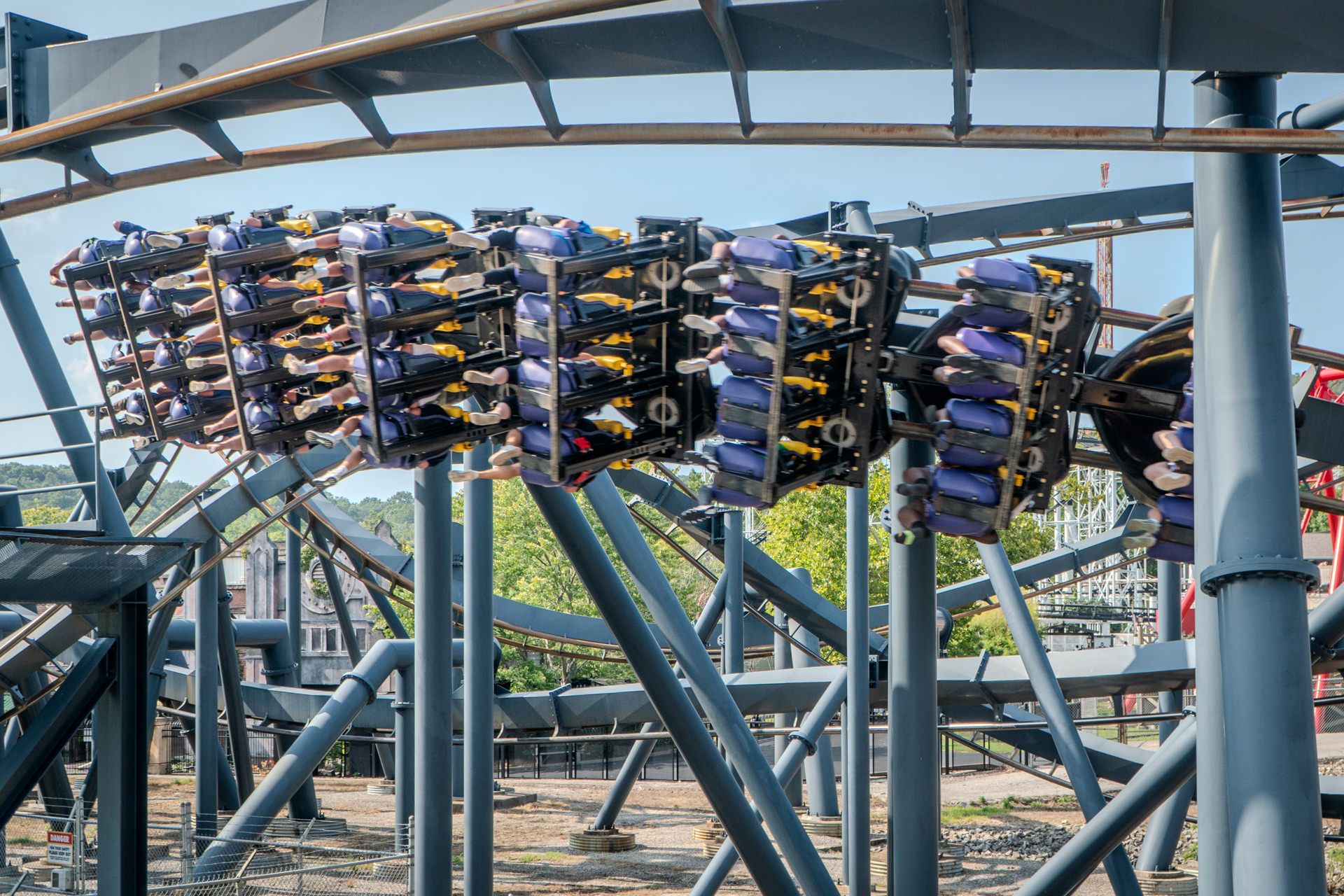
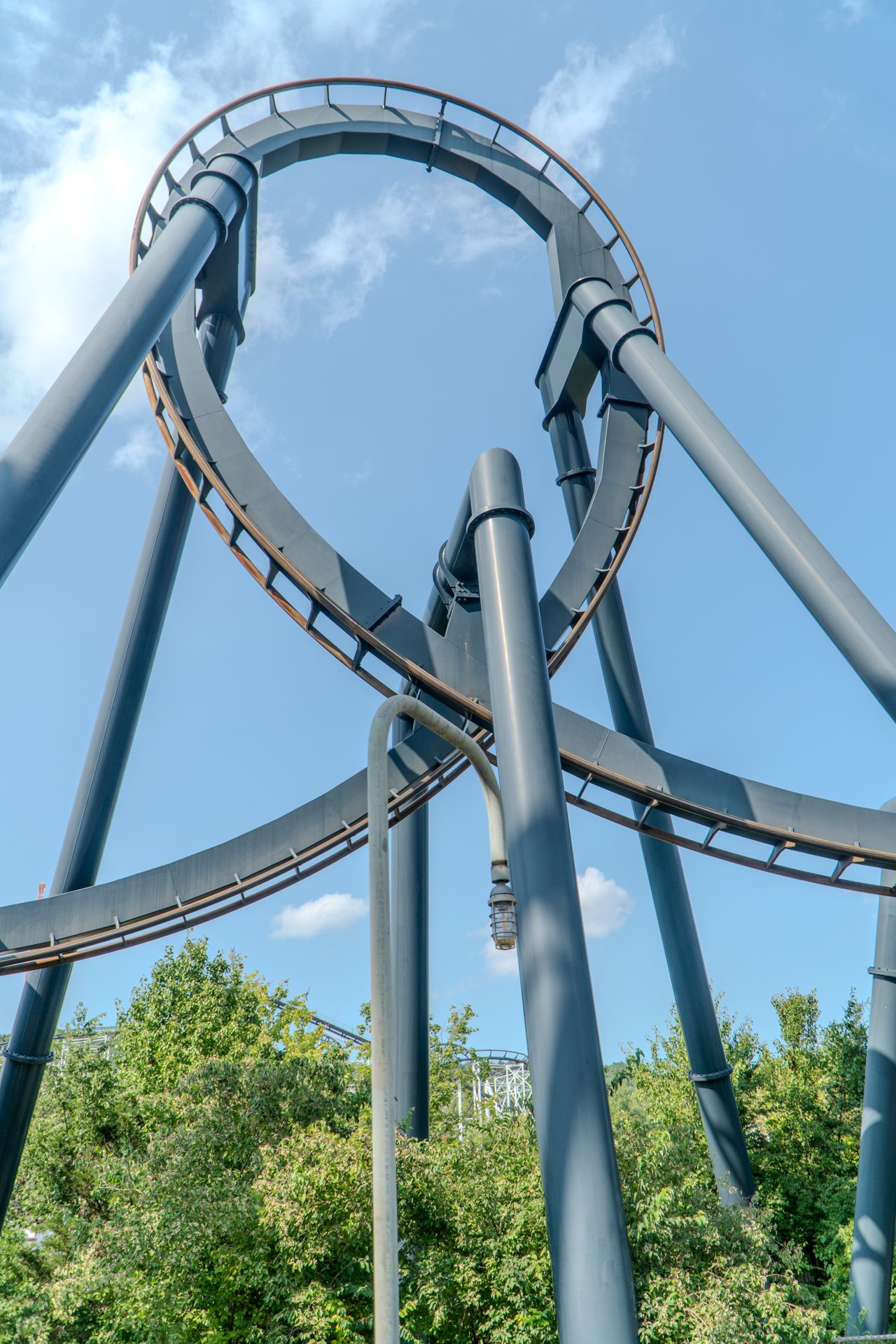
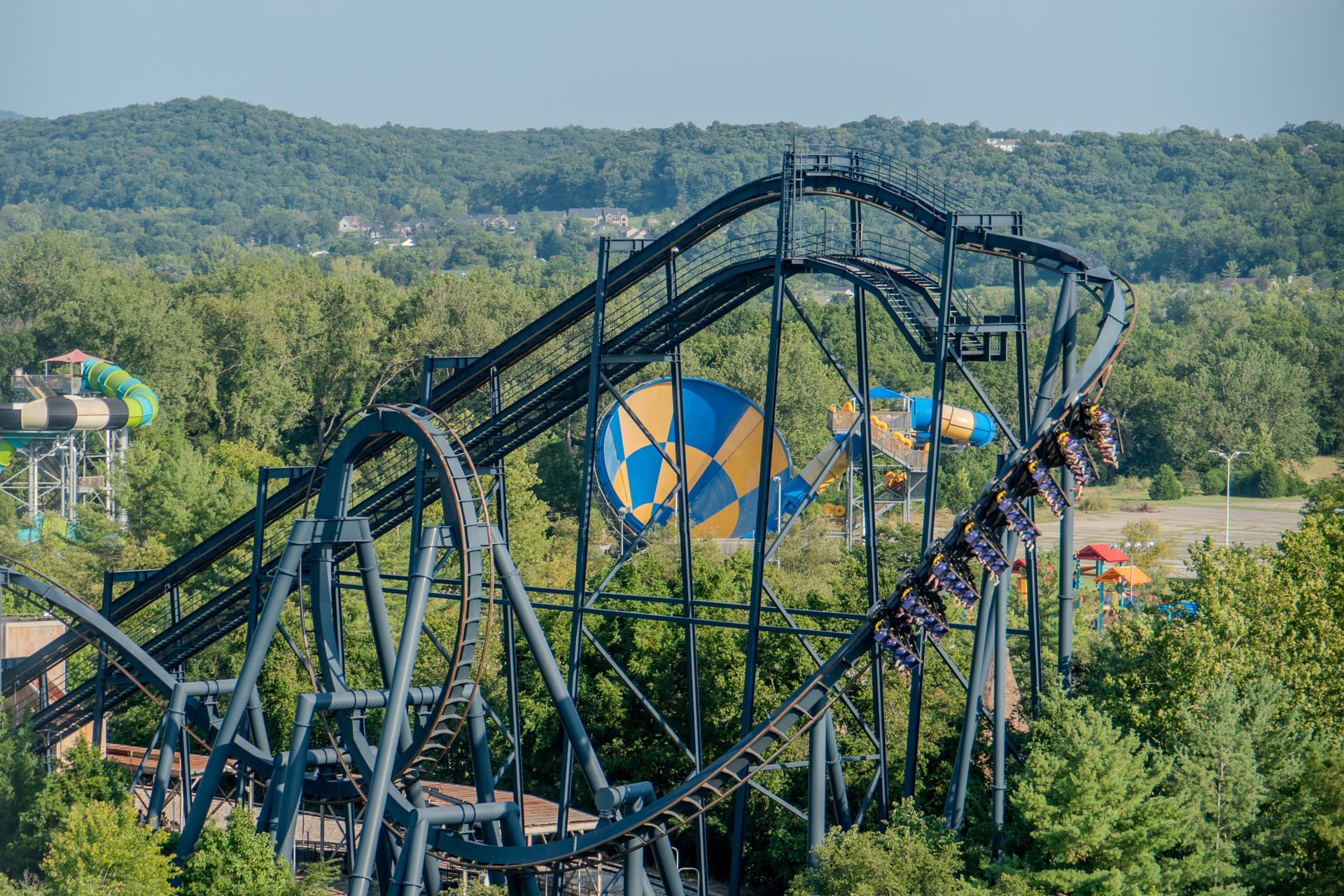
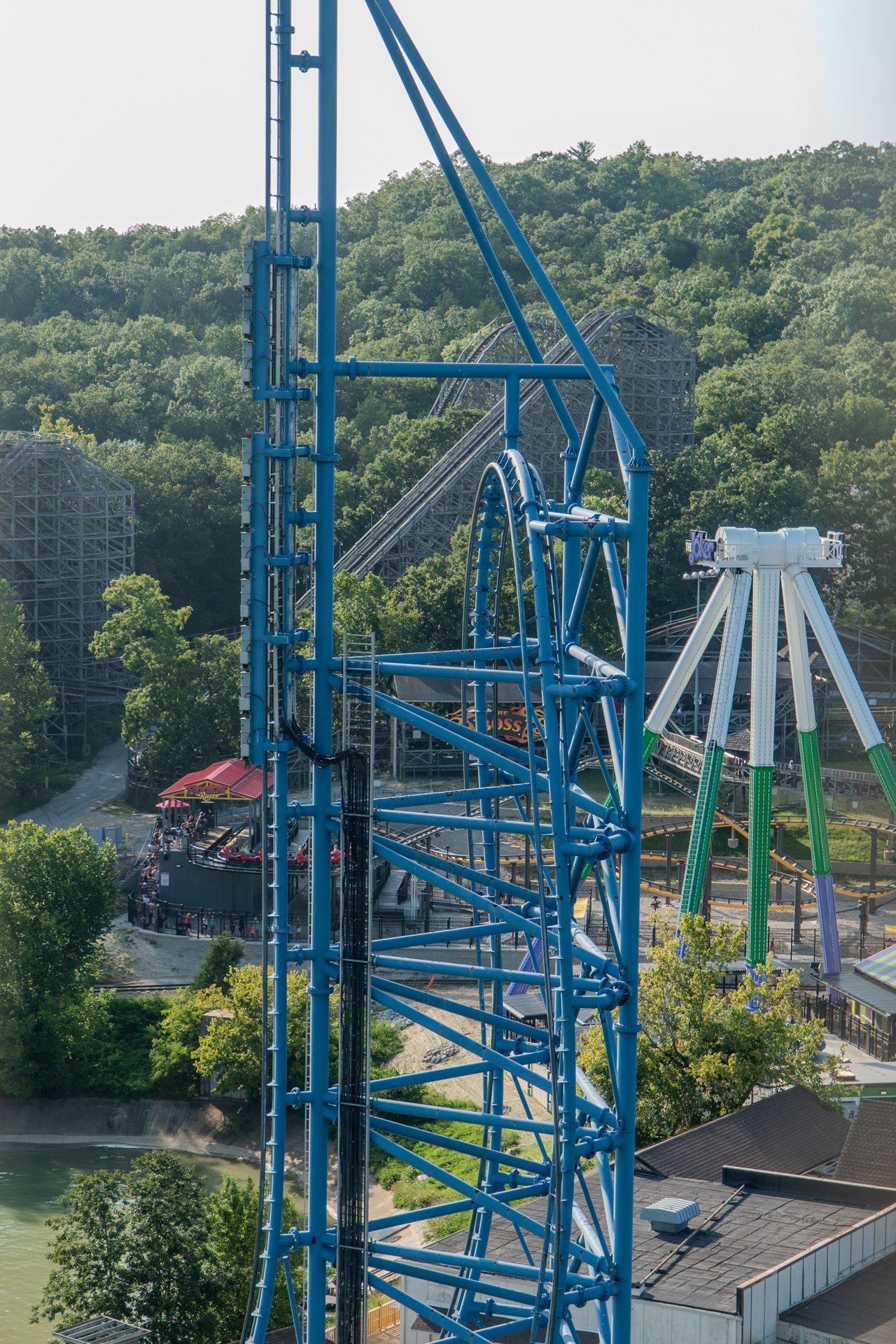
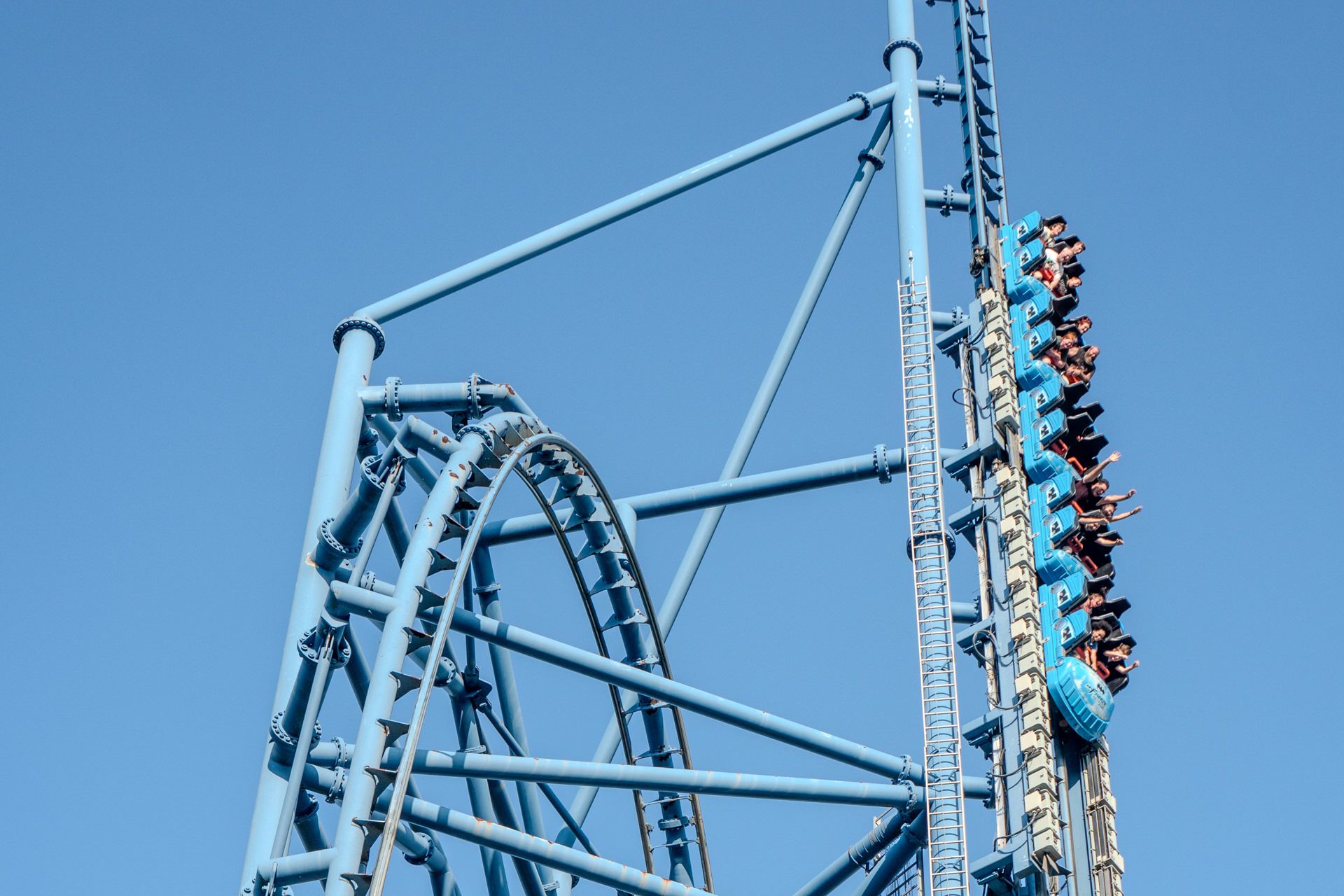
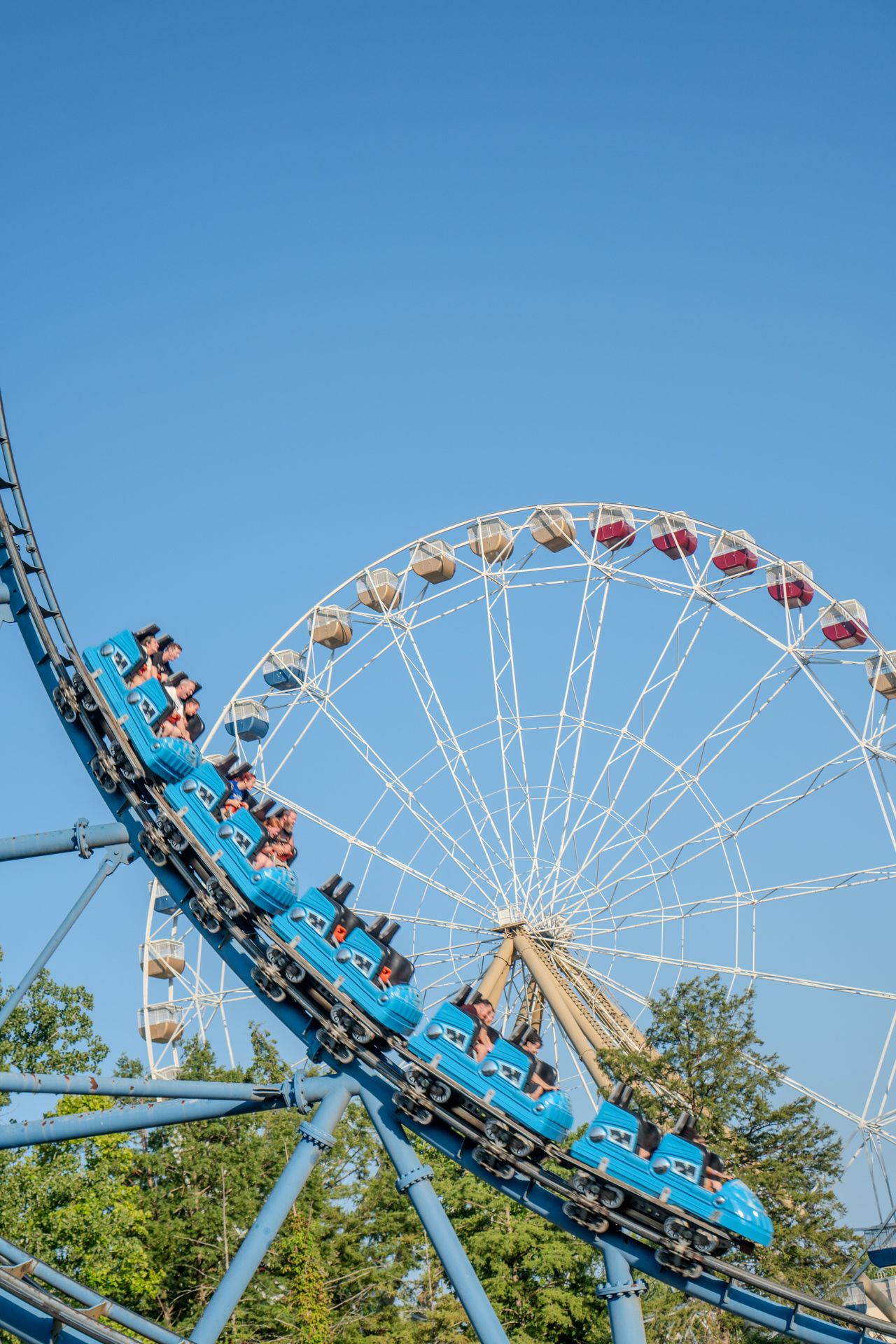
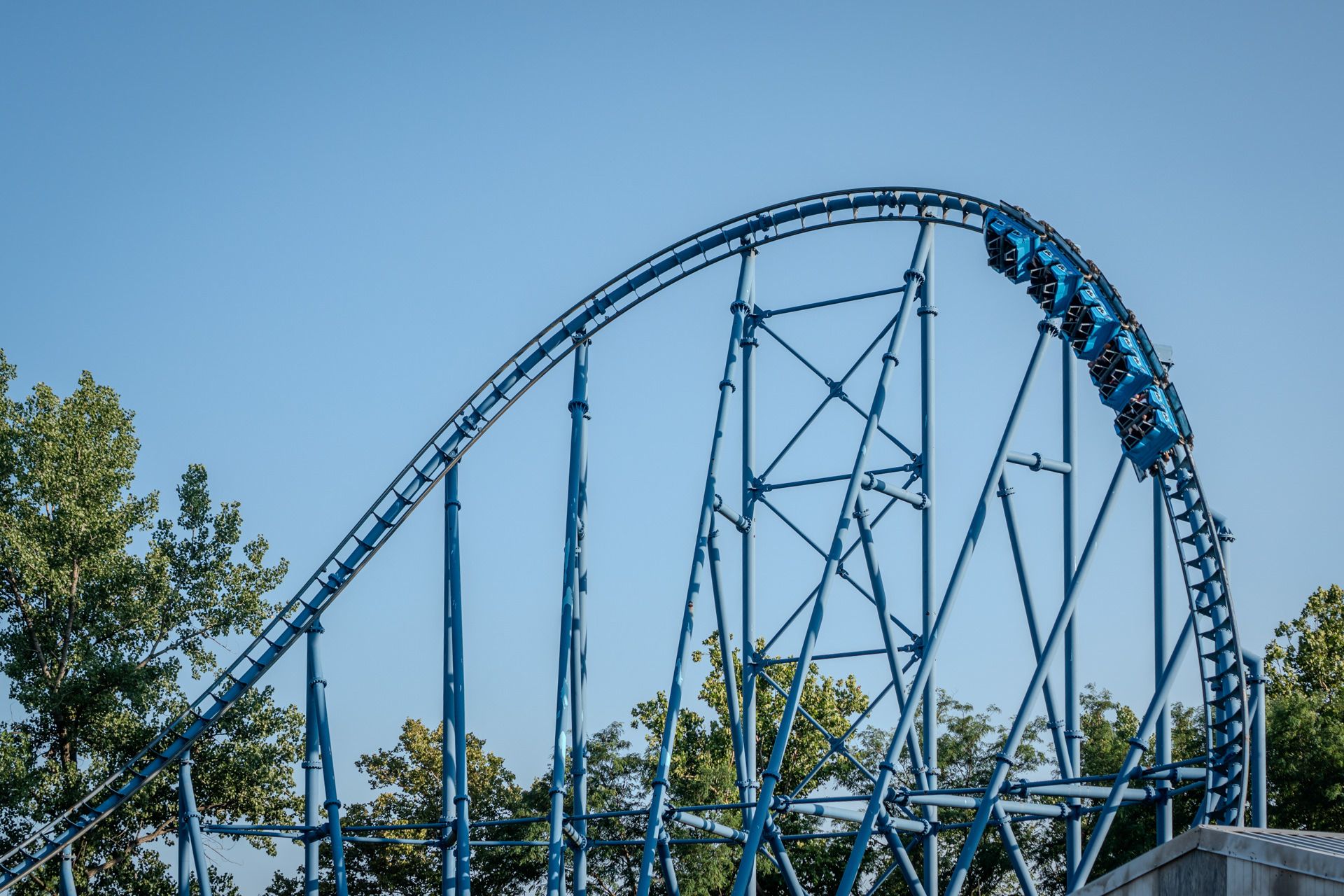
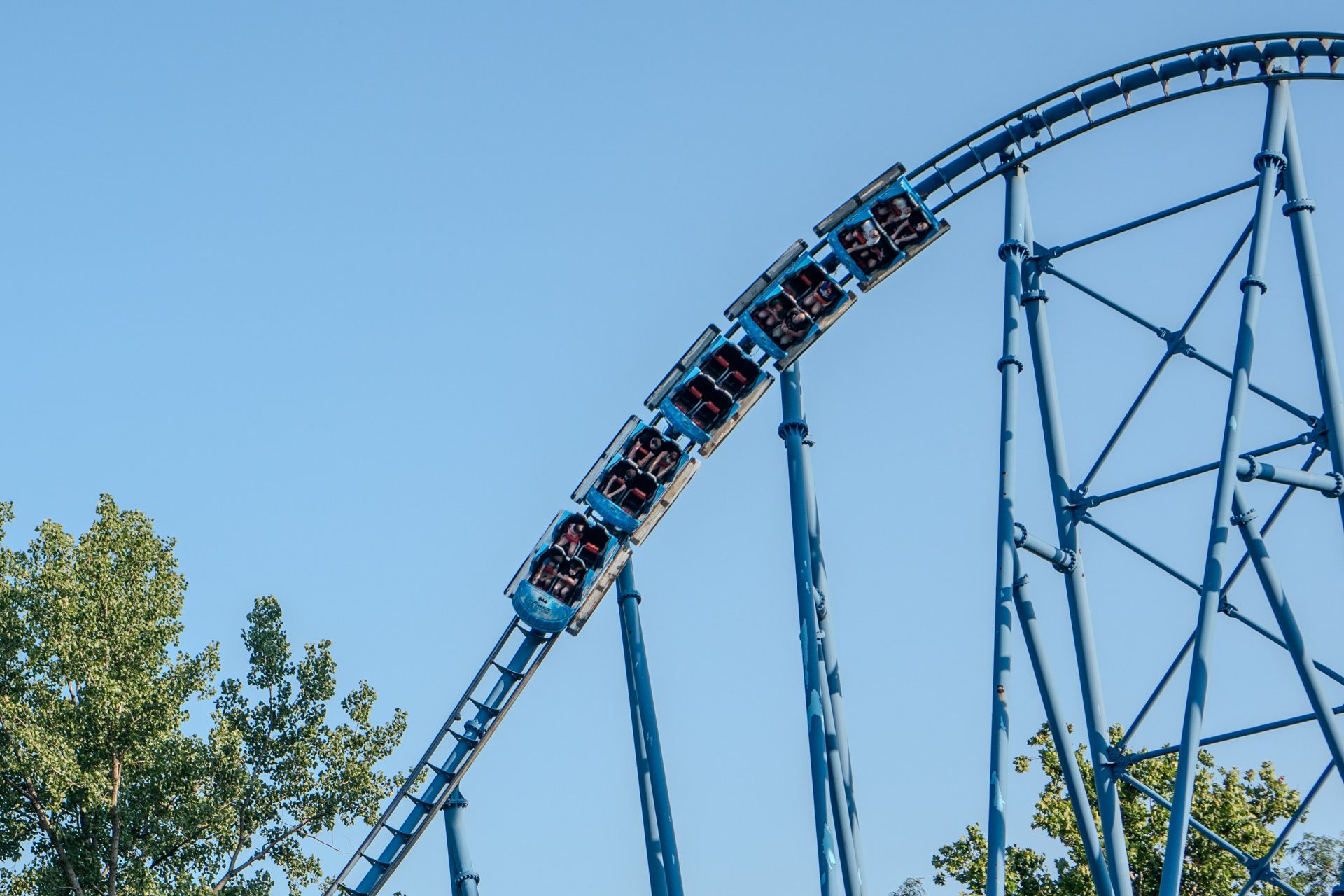
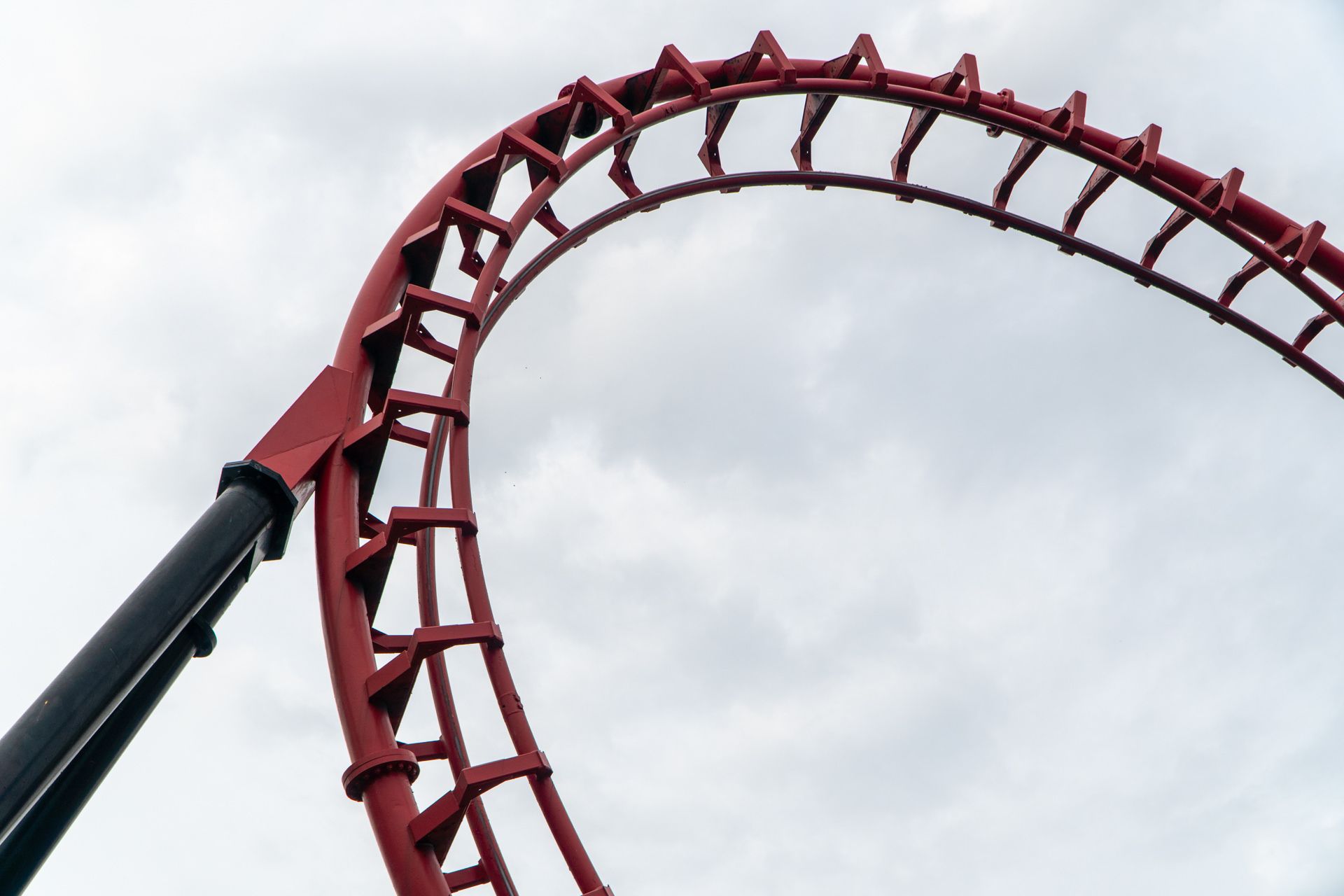
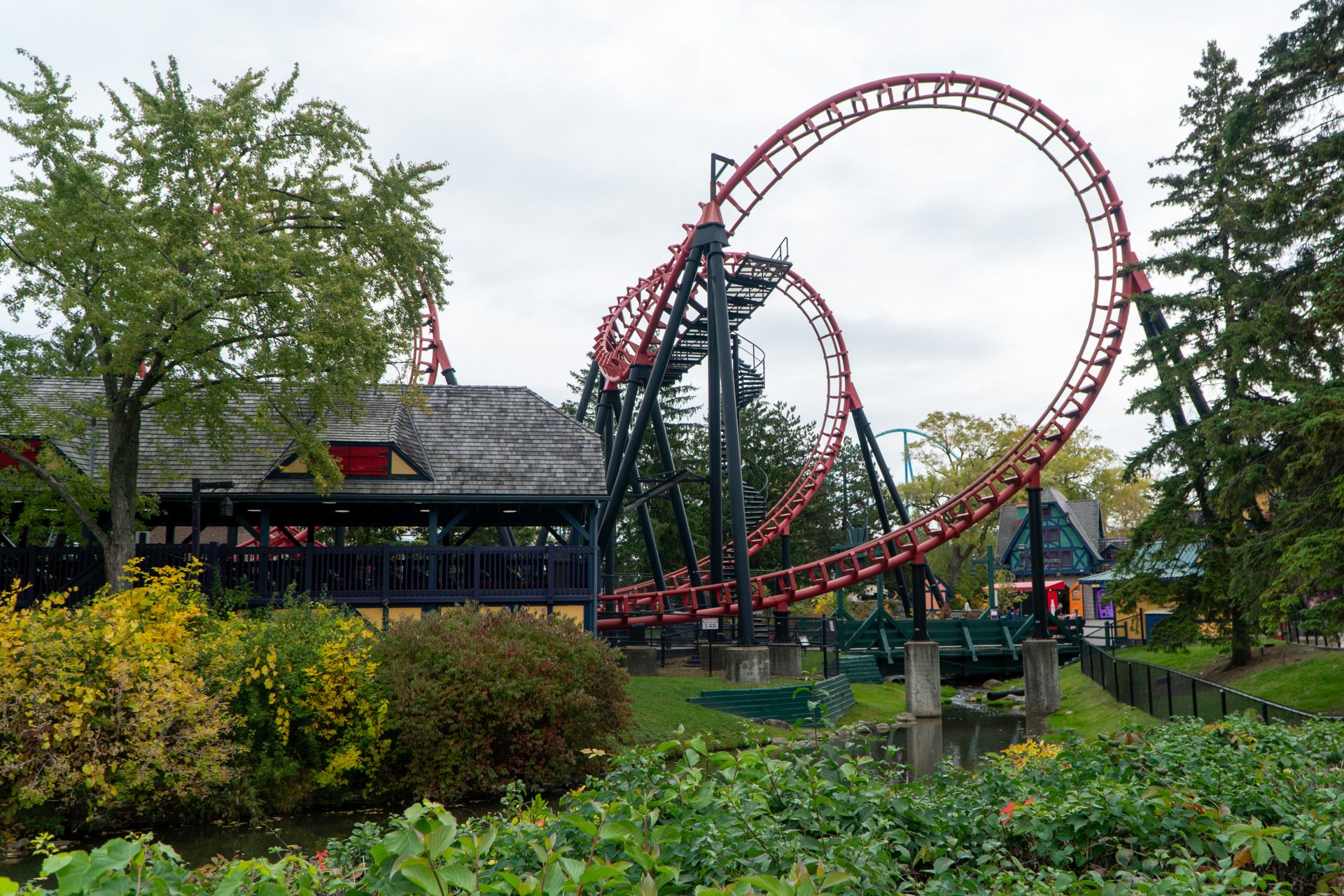
Now let’s return to The Bat, which I already mentioned near the entrance to Planet Snoopy. This is a classic Vekoma Boomerang. The train first runs through the cobra roll and loop before climbing the second spike and completing the entire course again in reverse. By the time we’re done, that adds up to six inversions.
I’ve always enjoyed Boomerangs, and The Bat is another good reminder of why. It rides very well, avoids any major hits, and is simply a whole lot of fun.
Wilde Beast
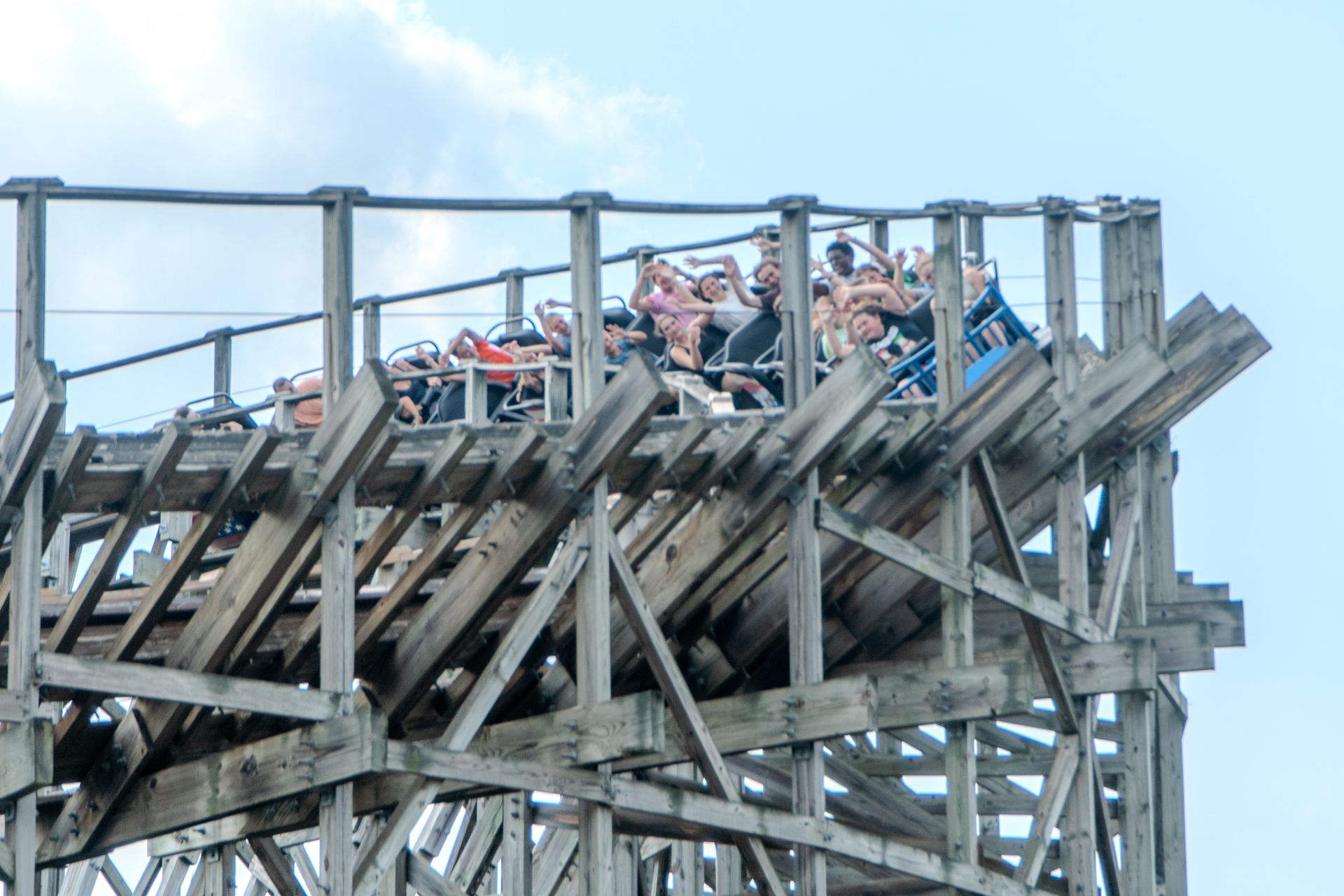
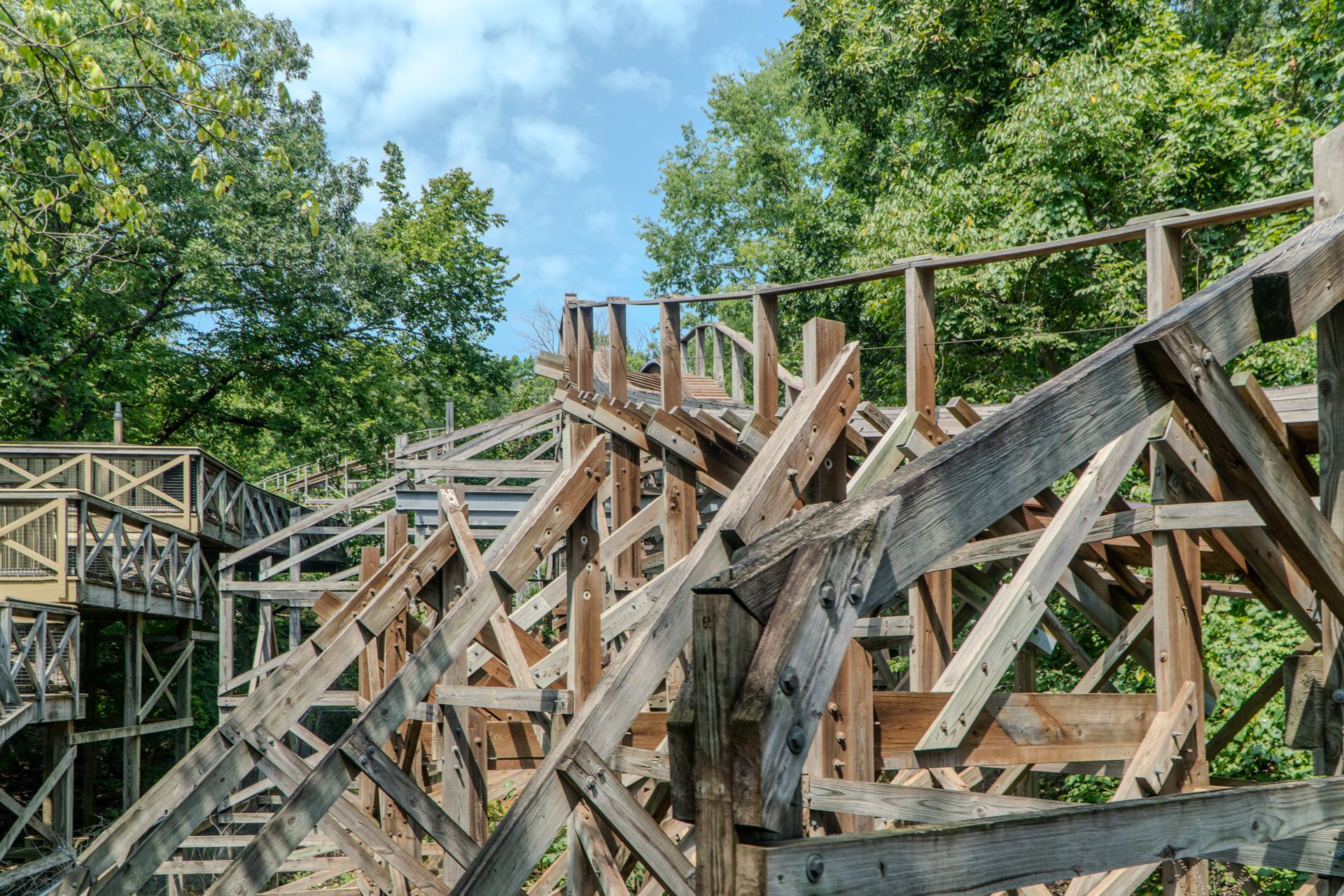
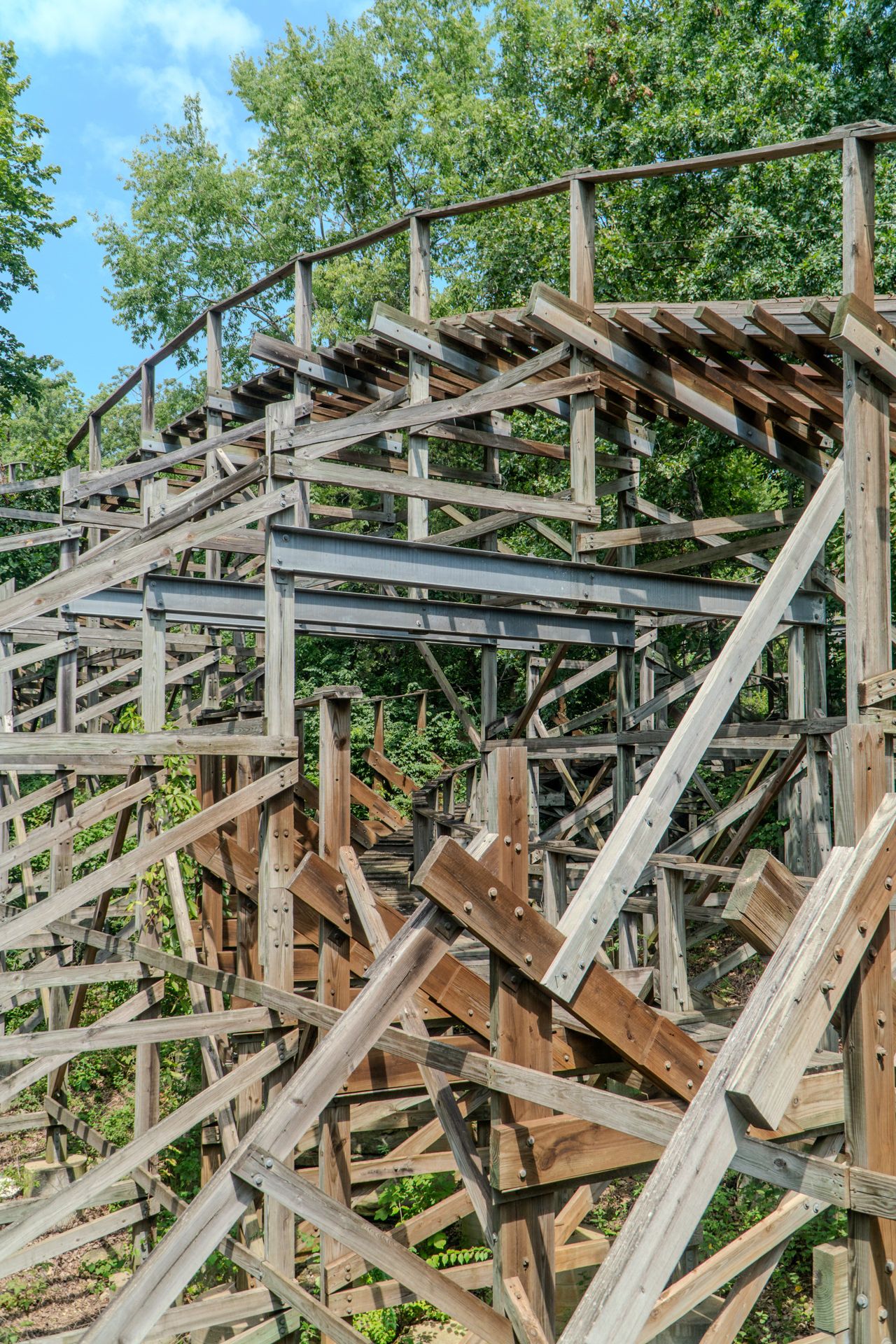
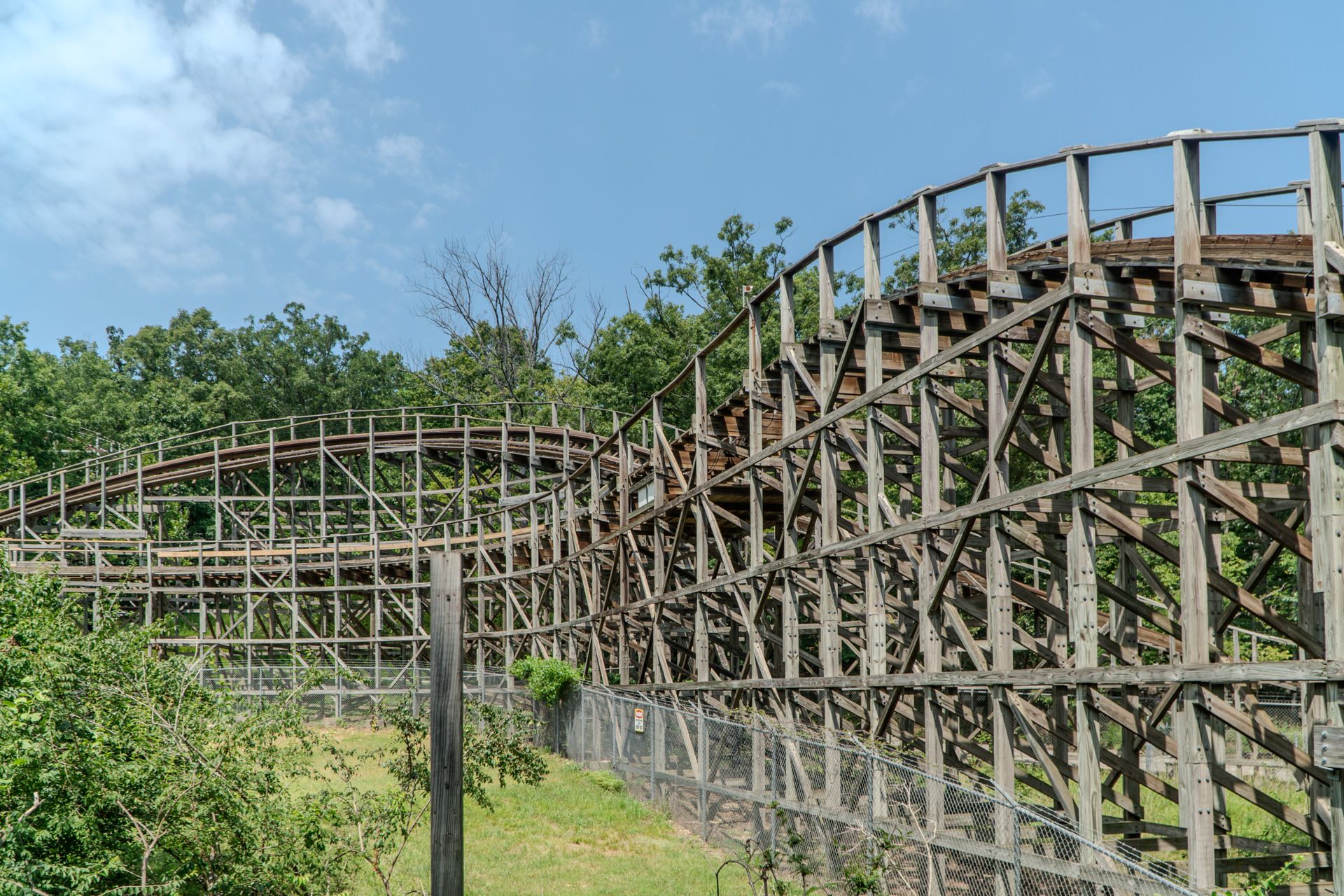
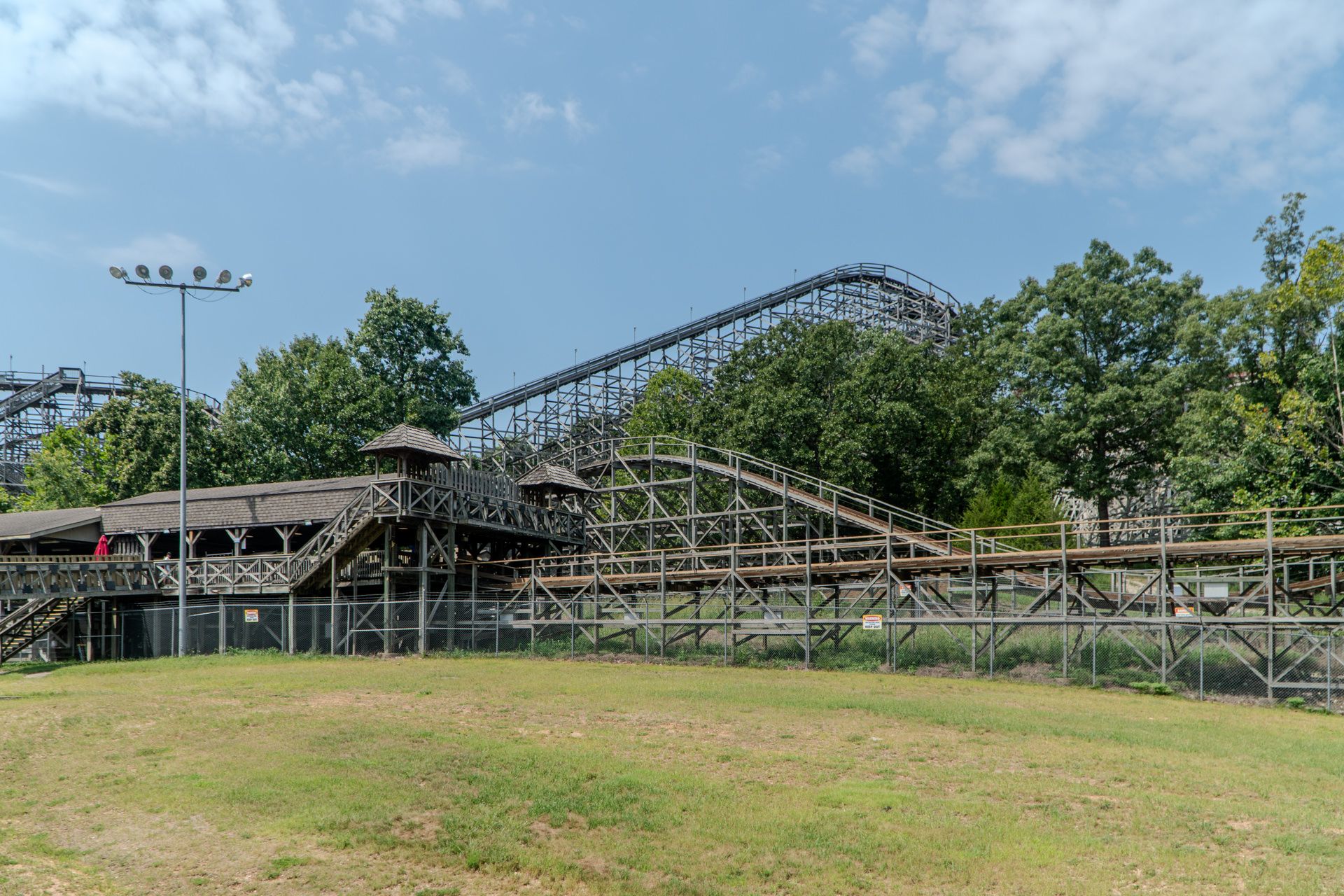
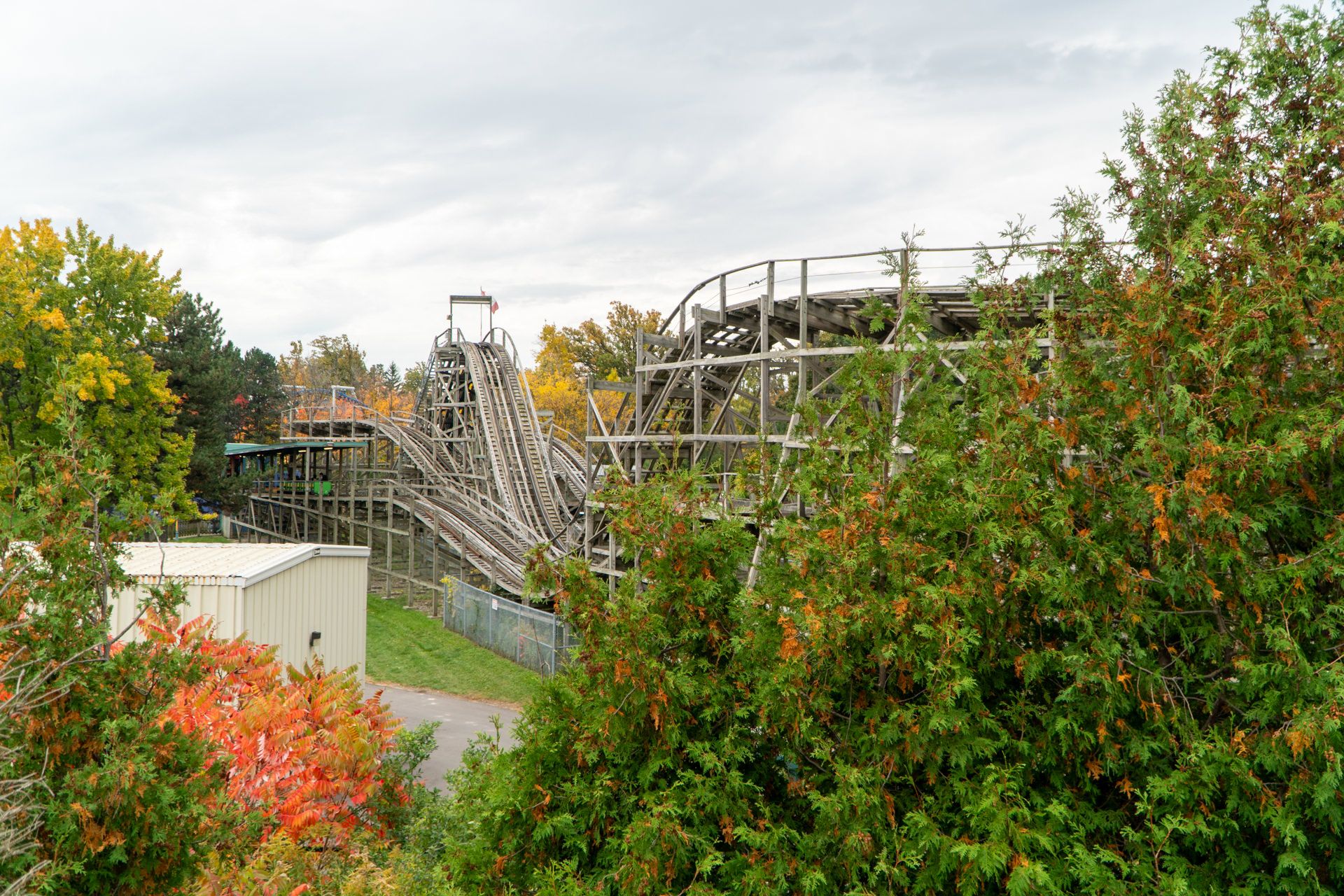
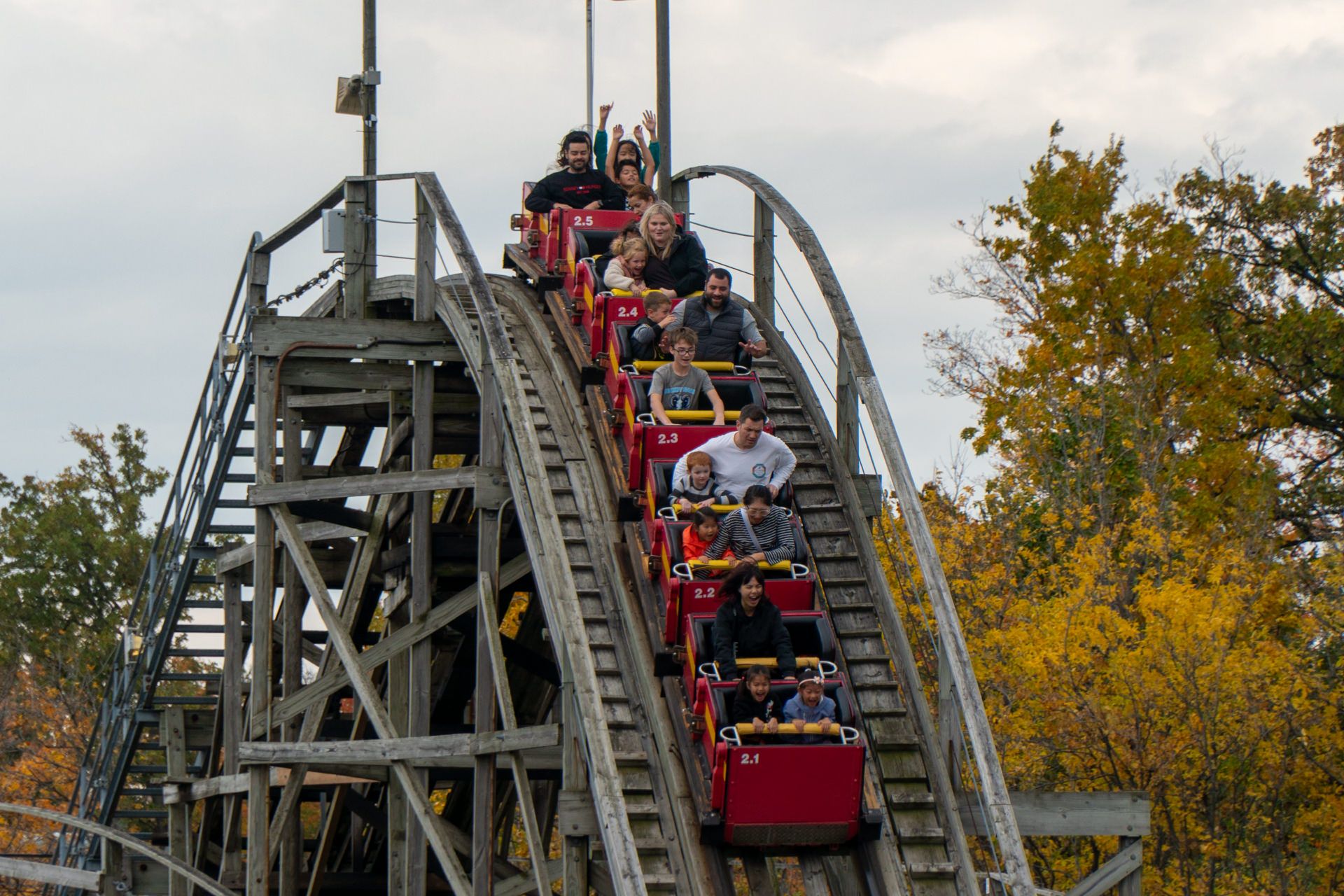
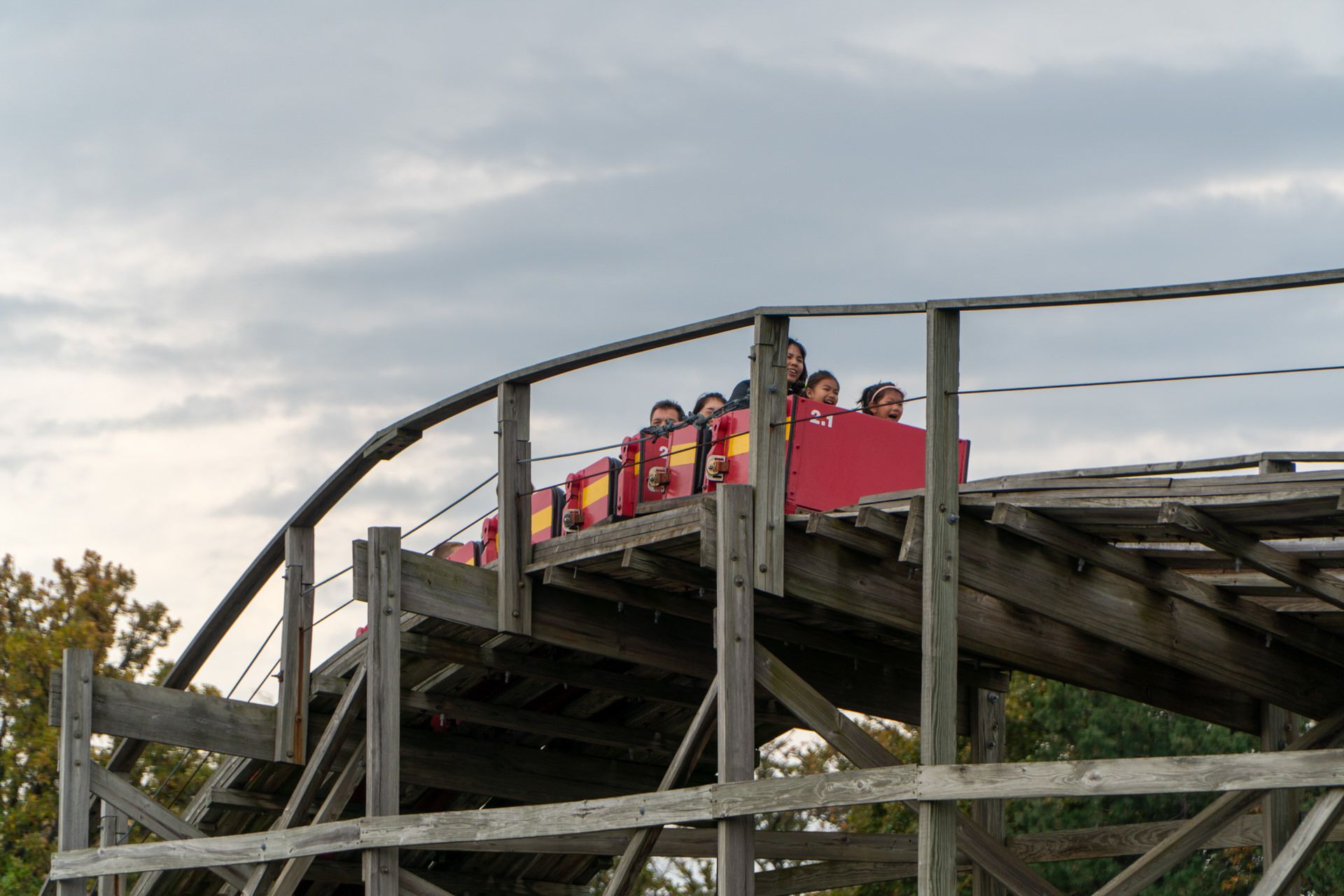
Wilde Beast is the sister coaster to Grizzly at Kings Dominion, and just like that ride, it is a wonderfully wild woodie. It may not have quite the same amount of forest to race through, but the coaster is still surprisingly well hidden within the park.
After a long left-hand turn, we reach the lift hill. The first drop leads directly into a large left-hand turnaround. The second drop sends us toward an airtime hill, followed shortly afterward by another smaller hill. A large turnaround then sends the train back alongside the first half of the ride, with more airtime along the way. Another turn and a series of smaller hills eventually bring us back toward the brakes.
Wilde Beast really does live up to its name. It feels wonderfully wild, slightly out of control, and is an absolute blast to ride.
Wilde Knightmares
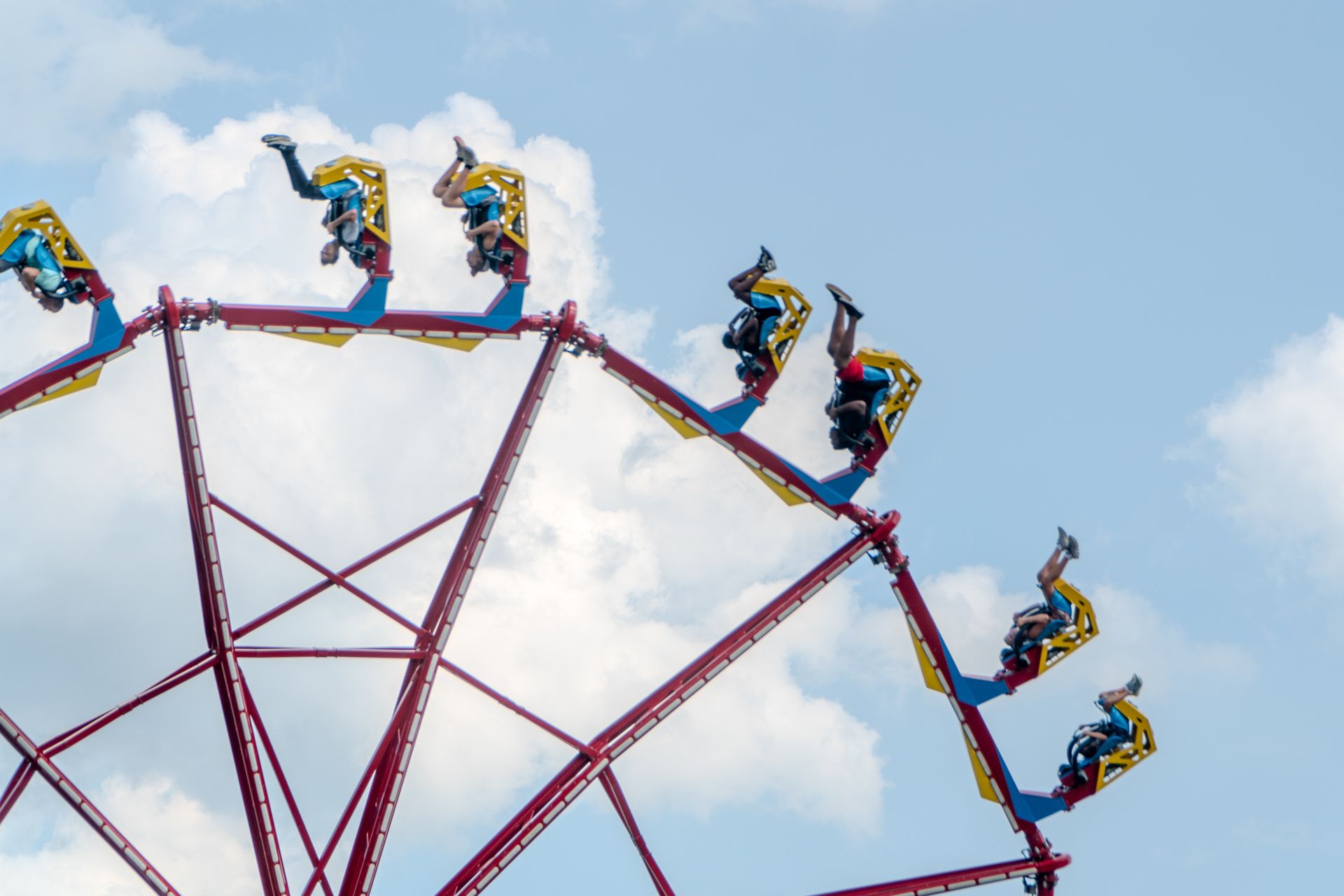
Right next to Wilde Beast is Wilde Knightmares, a HUSS UFO. Centrifugal force first pins riders against the back wall of the cage before the entire wheel begins to rise, gradually bringing everyone closer and closer to a vertical position.
There aren’t many of these rides left, so for me this is almost mandatory whenever I come across one. The cycle may be rather short, but it is still highly entertaining.
Drop Tower
Drop Tower may not fit the surrounding theme particularly well, but this is where Canada’s Wonderland’s Intamin free-fall tower stands. The name says pretty much everything you need to know.
Unfortunately, I skipped it on my first evening in the park and couldn’t make up for it on day two because of the wind. A shame, because I really do like these towers.
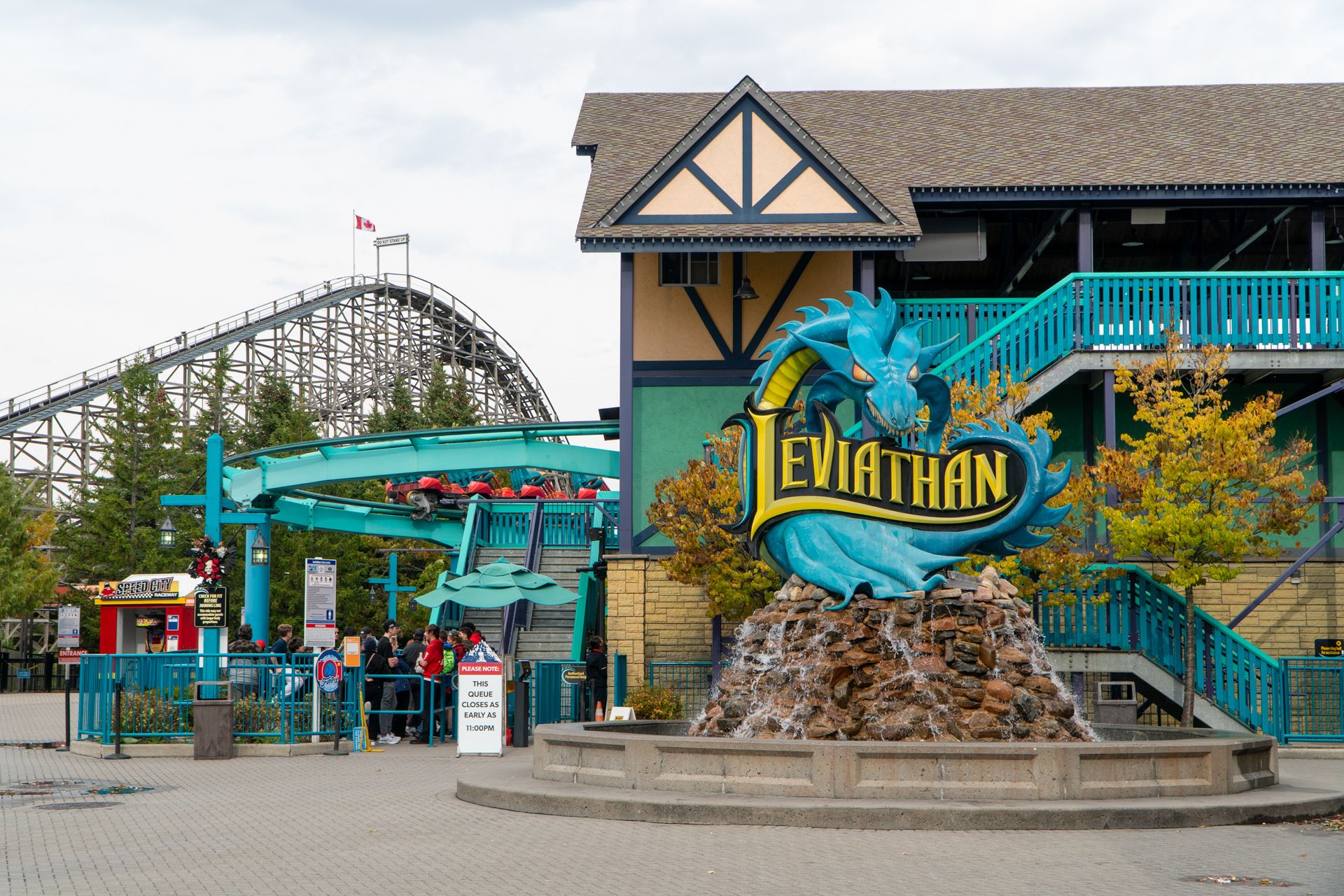
Leviathan
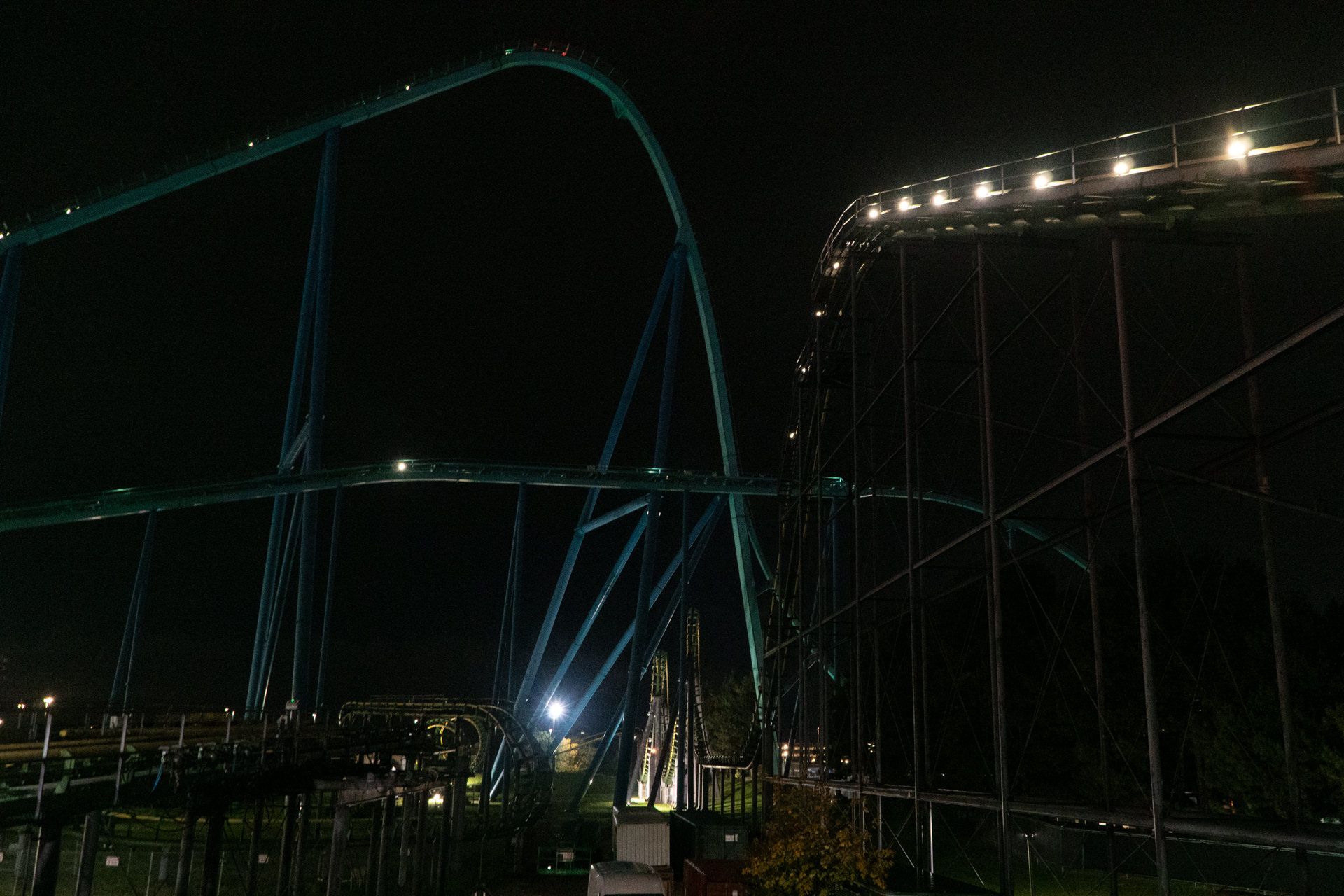
Leviathan proved to be far more tolerant of the wind. Thanks to consistent three-train operations, the B&M hyper coaster also had surprisingly short waits throughout my visit, which naturally led to quite a few rides.
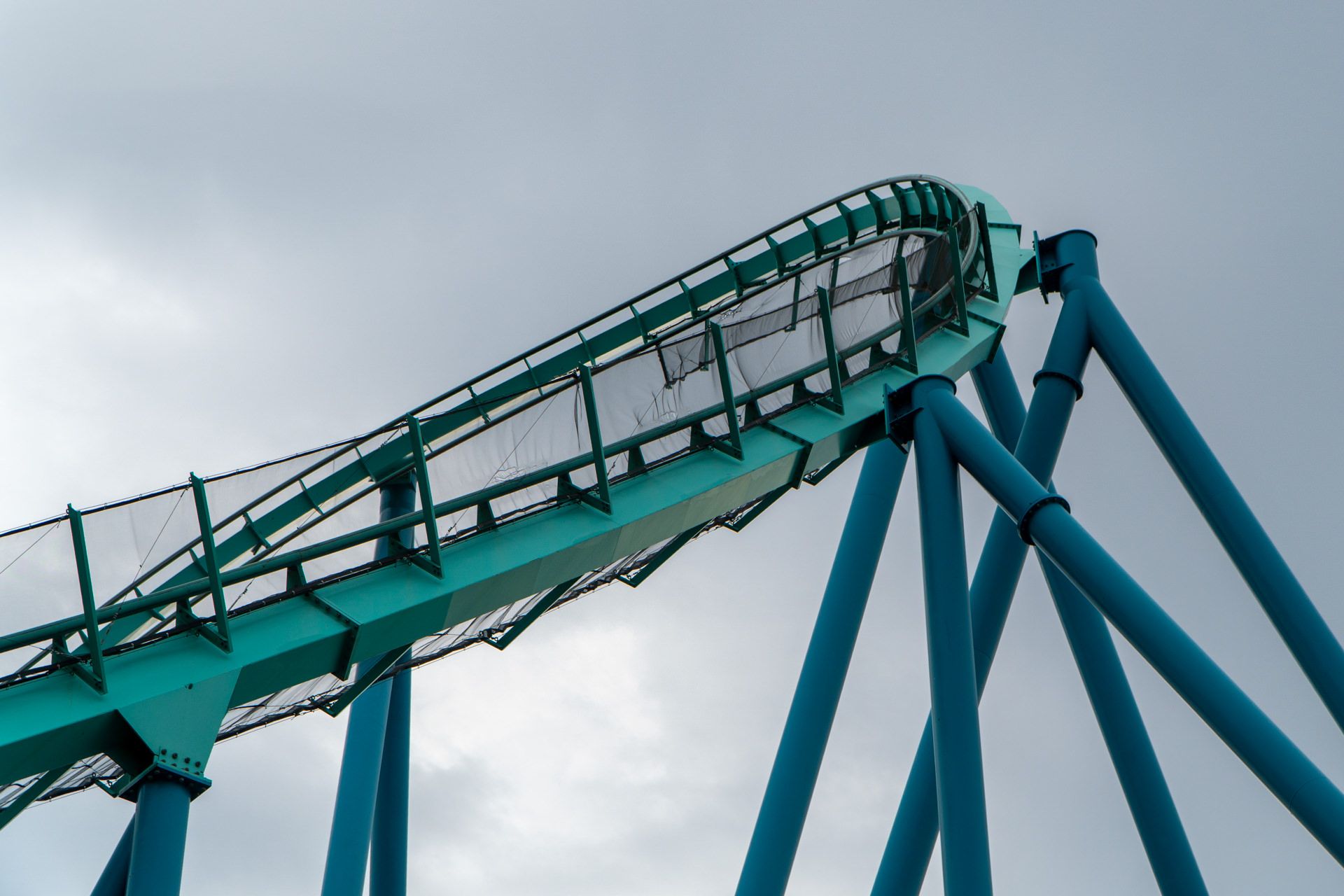
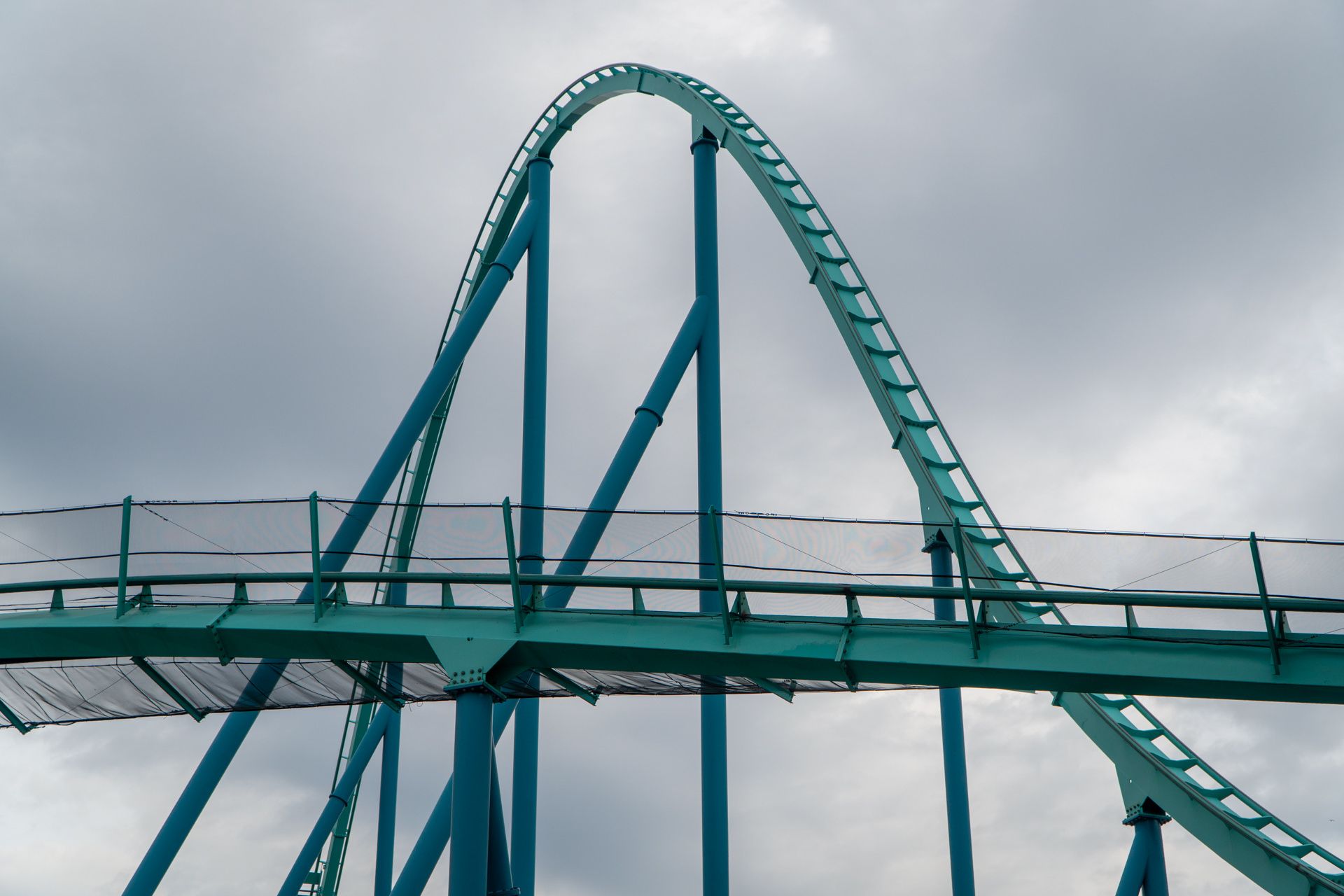
After the very tall lift hill, the train immediately plunges down the huge first drop into a low section containing a metal tunnel. A tall, heavily banked turnaround follows before a forceful valley sends us into a bunny hop that also bends to the left. Next comes a huge camelback, followed by another tall turnaround, a right-hand curve, another camelback, and a high left-hand turnaround. One final massive climb then takes us into the brakes.
For me, Leviathan is close to being the perfect hyper coaster. From the first drop all the way to the block brakes, the ride is just ridiculously fun. The highly dynamic layout, powerful airtime, and excellent ride quality all work together beautifully. There’s a reason Leviathan was easily my favorite coaster at Canada’s Wonderland.
Viking’s Rage, Spinovator and Riptide
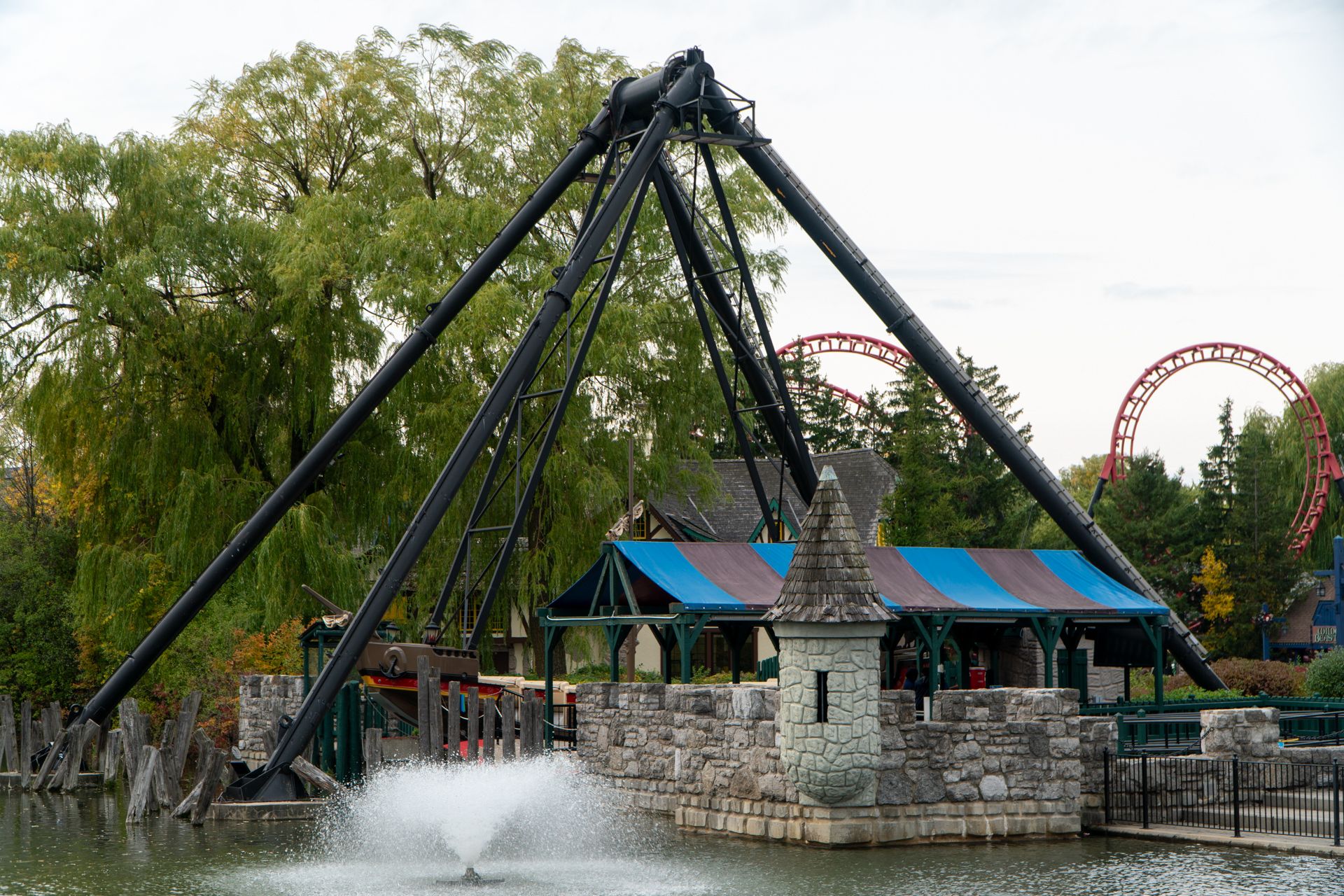
Viking’s Rage is a classic HUSS swinging ship and, naturally, always worth a ride. Not too far away, Spinovator — a Mack Calypso — spins away and delivers another very enjoyable classic flat ride experience.
In front of Dragon Fyre sits Riptide, a rather rare Mondial Splash Over. Unfortunately, the Top Spin variation with guaranteed soaking was closed during my visit, so I only got to admire it from the midway.
Dragon Fyre
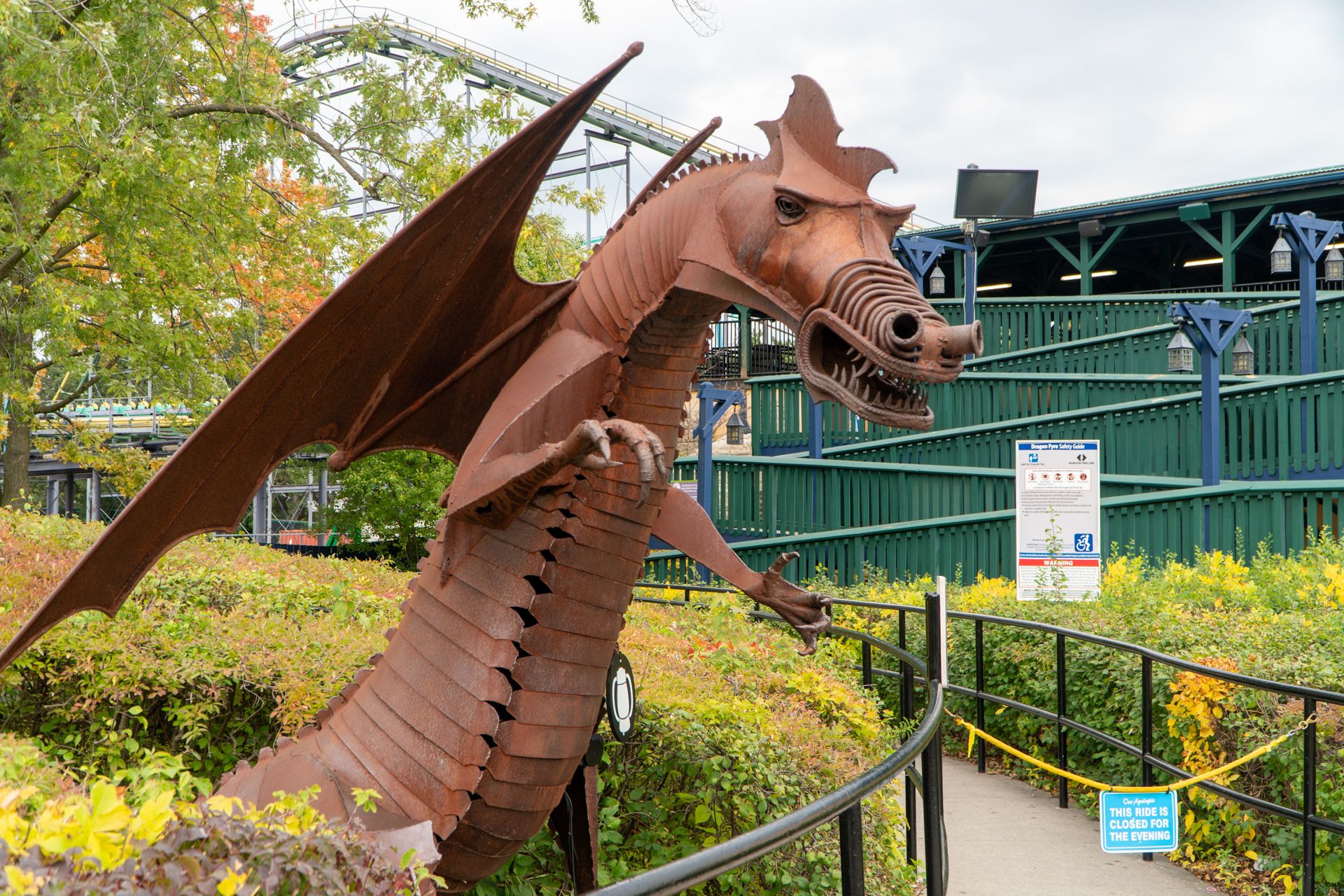
When Canada’s Wonderland opened in 1981, Dragon Fyre was the park’s big looping coaster and one of its headline attractions. Just two years later, a mirrored version opened at Heide Park under the name Big Loop — a coaster I have probably ridden several hundred times by now.
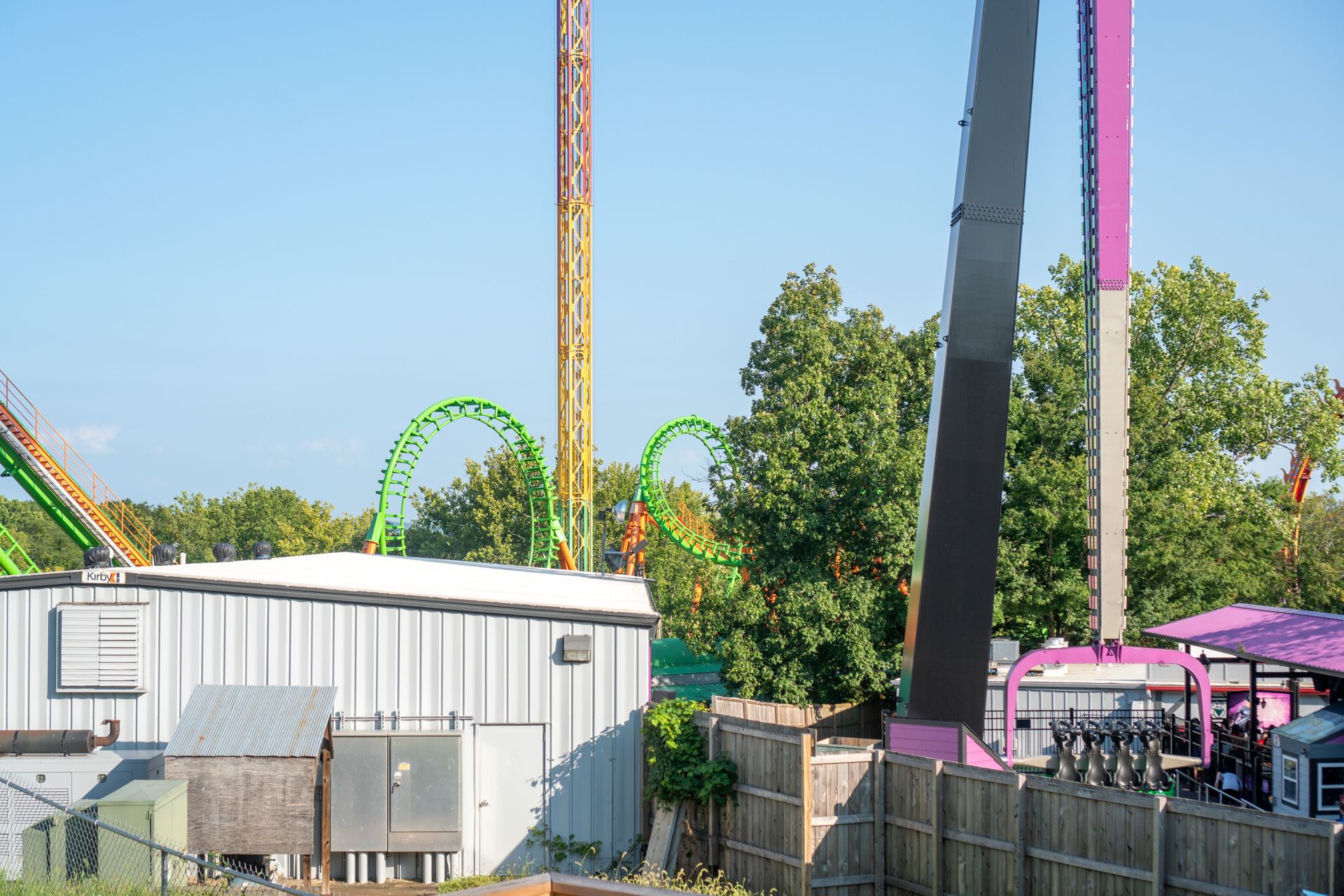
Dragon Fyre’s layout is built around long straight sections, two vertical loops, and a pair of corkscrews. These days, it is probably best approached with a healthy dose of nostalgia. While Big Loop is beautifully integrated into Heide Park, the original here essentially runs out across a big grassy field and then comes back again.
Unfortunately, the ride itself can also be pretty rough. The turnaround in particular requires a bit of preparation if you don’t want to get thrown around too much. That’s a shame, because I still happily ride Big Loop whenever I get the chance.
Flight Deck
On the other side of the Mainstreet, Flight Deck is the park’s Suspended Looping Coaster. Before reaching the station, however, you first have to work your way through an almost absurdly long queue. The path runs through several hangars and past various props, and today the whole thing feels massively oversized. You could easily shorten it and free up a substantial amount of land for something new.
The coaster itself is very fast and, surprisingly, doesn’t have any major track-related hits. Still, there is a good reason to pay attention to the warning at the queue entrance. The hard shoulder restraints can leave you stepping off the ride with some very red ears.
Psyclone
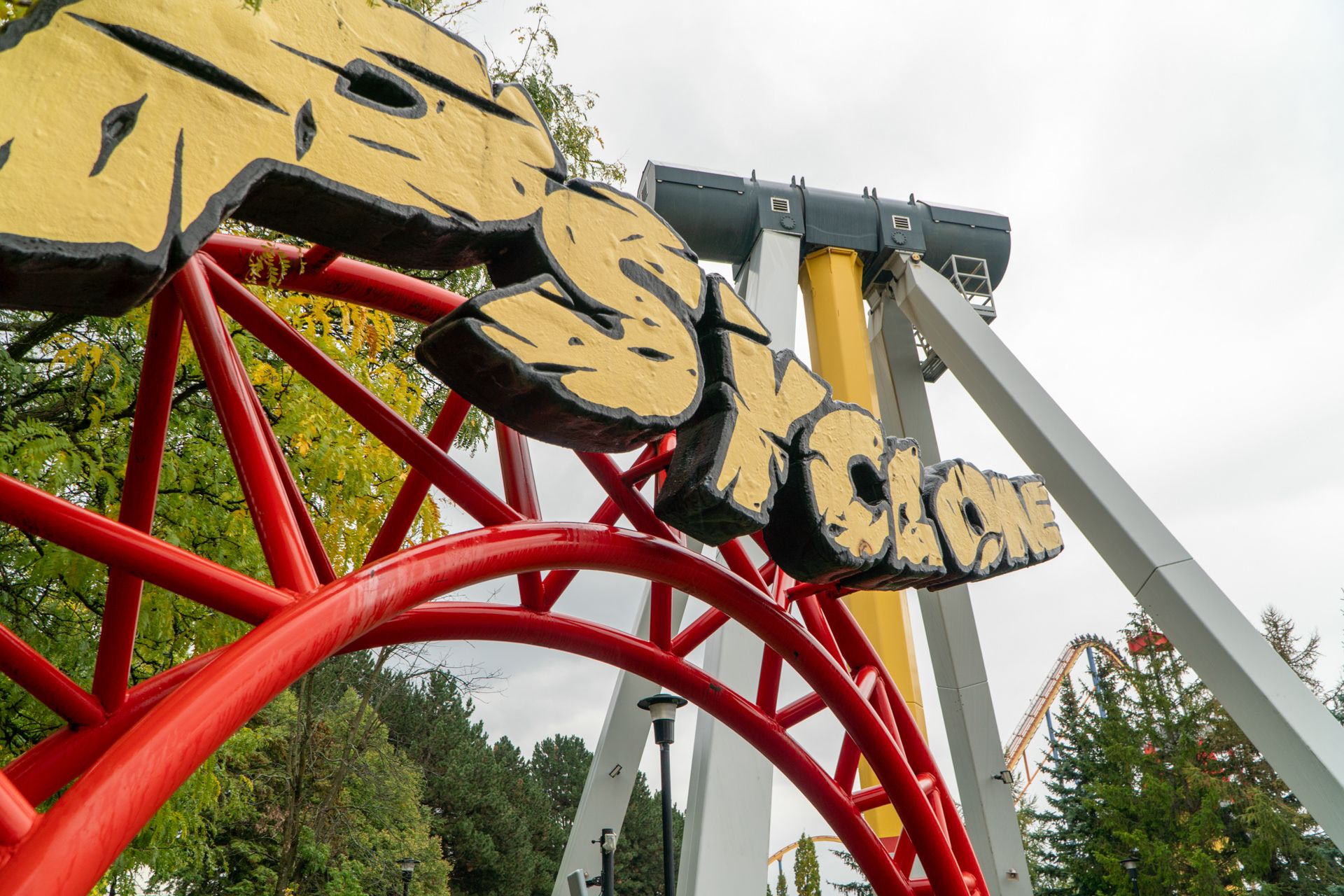
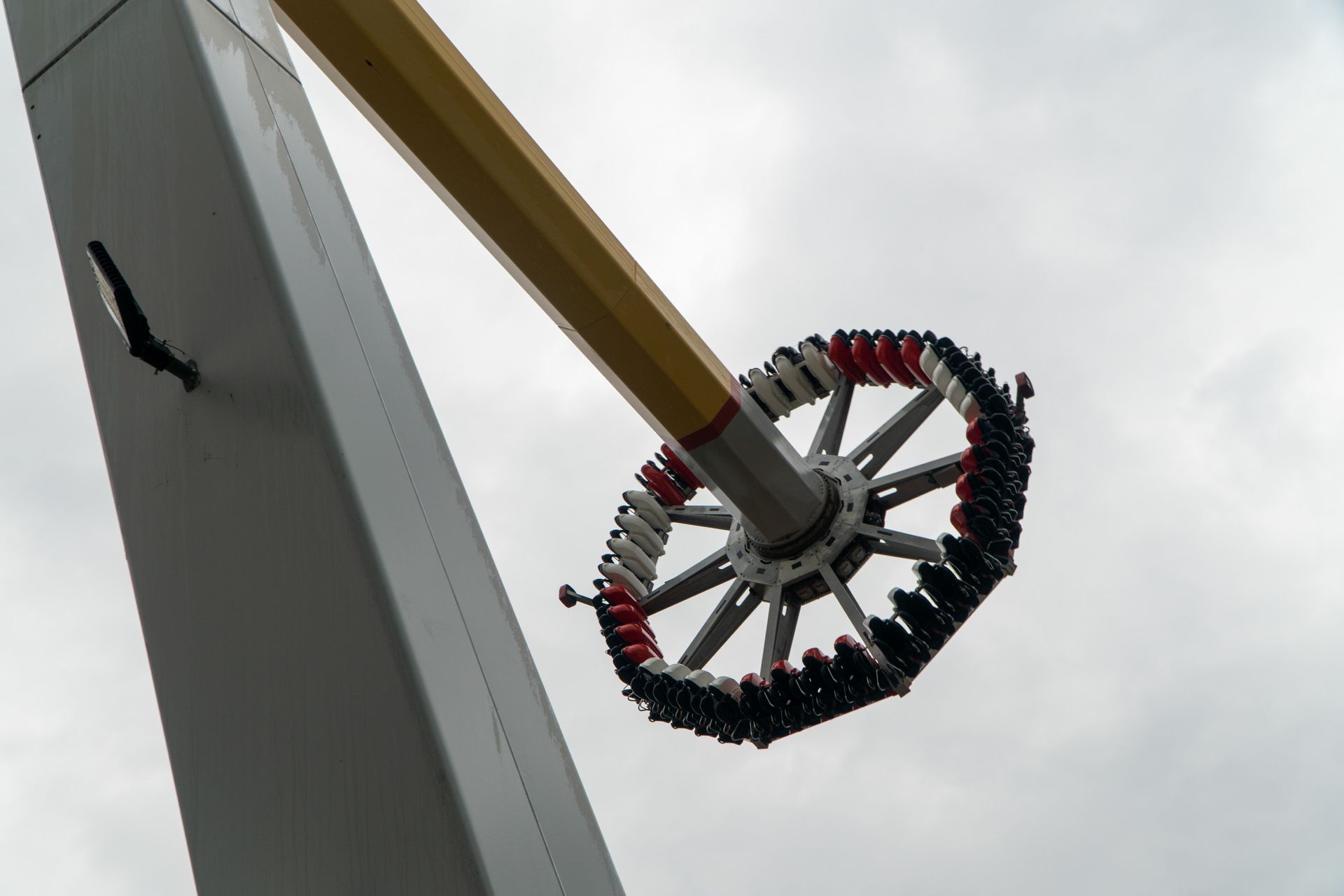
Passing Swing of the Century and the Antique Carousel, we eventually reach Psyclone. This large Mondial pendulum ride packs quite a punch. While the gondola rotates, the pendulum quickly gains height, producing plenty of pressure on the legs along the way. It only takes a few swings to reach the top before the ride immediately begins to wind down again.
Overall, Psyclone is a really great ride.
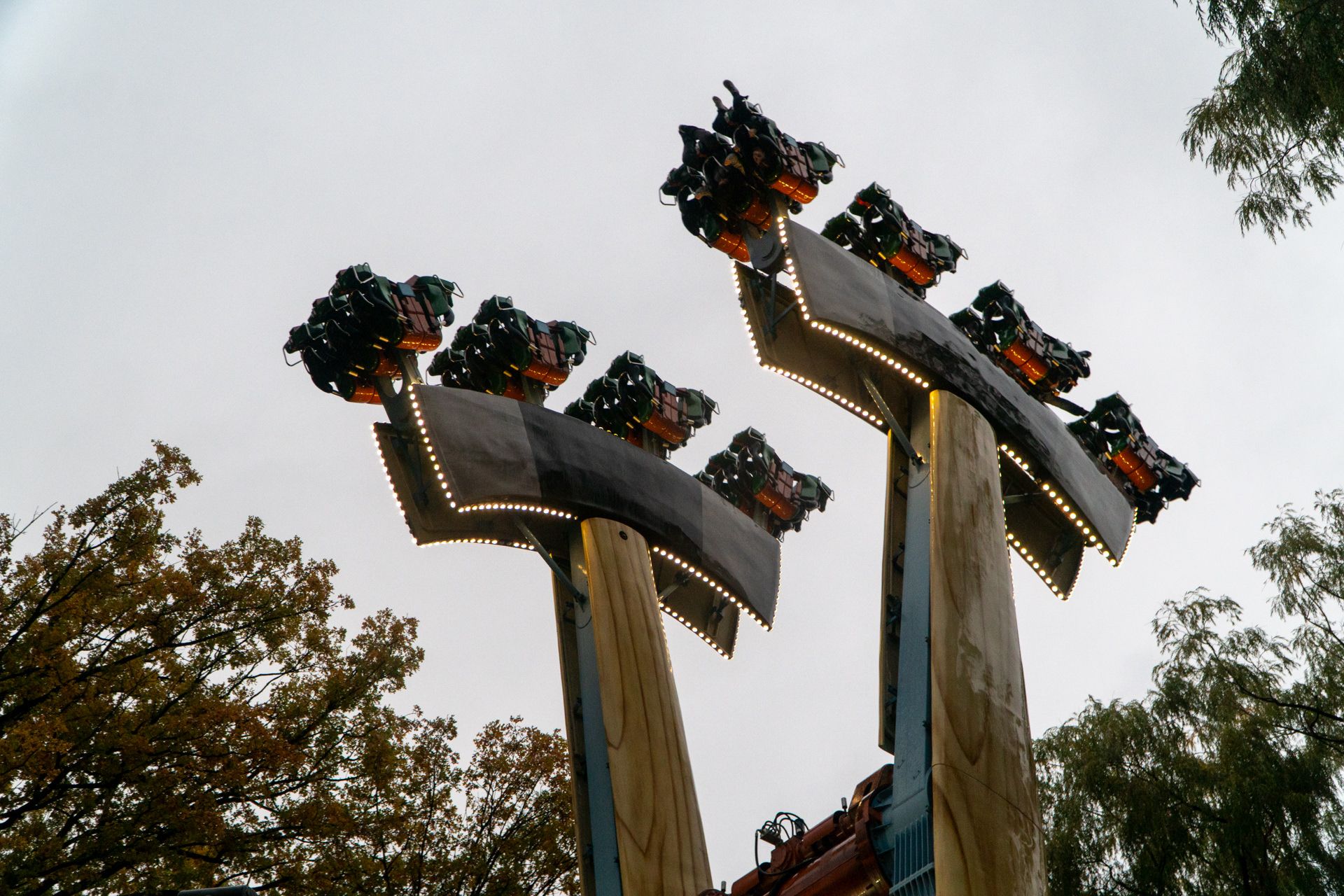
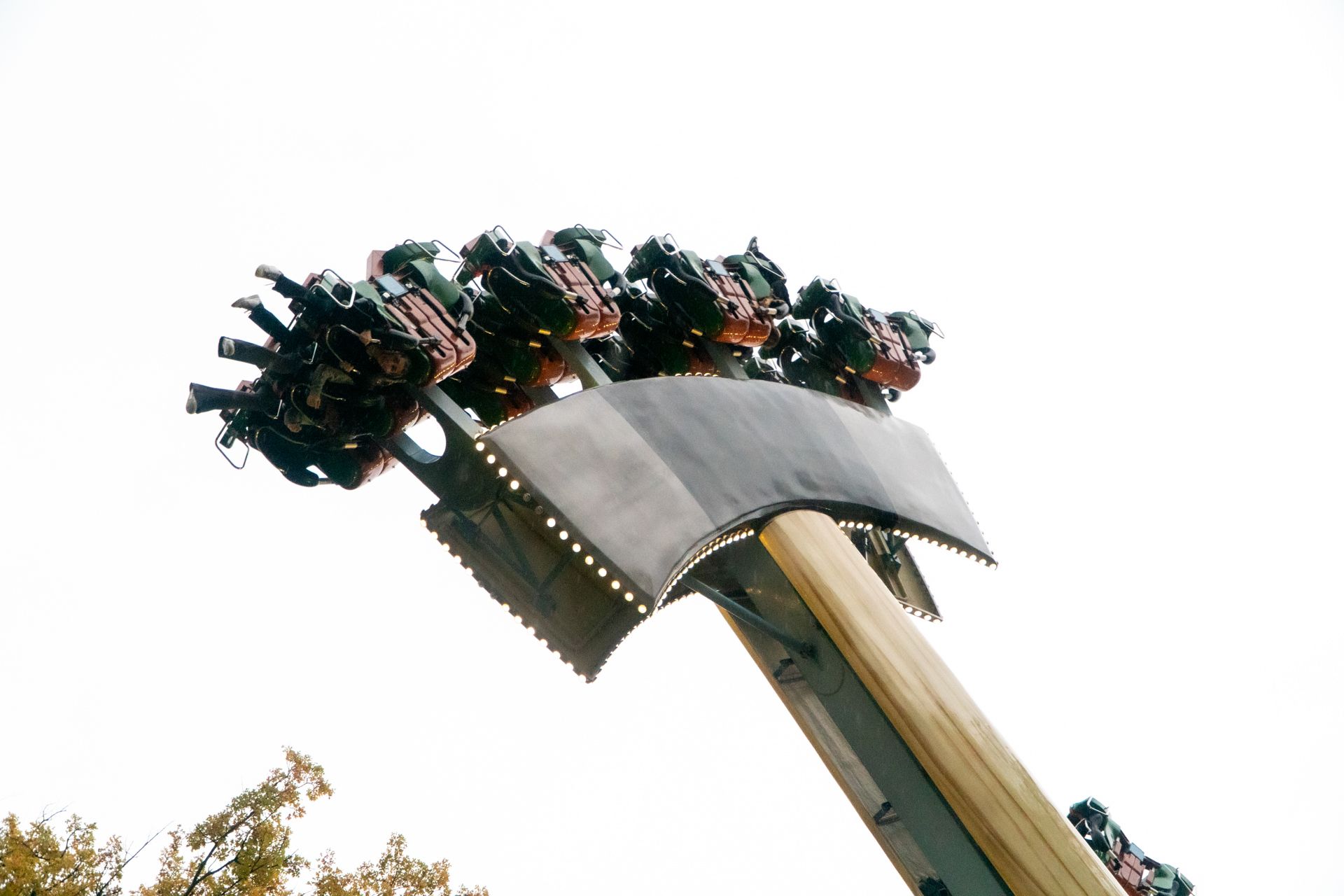
Sledgehammer
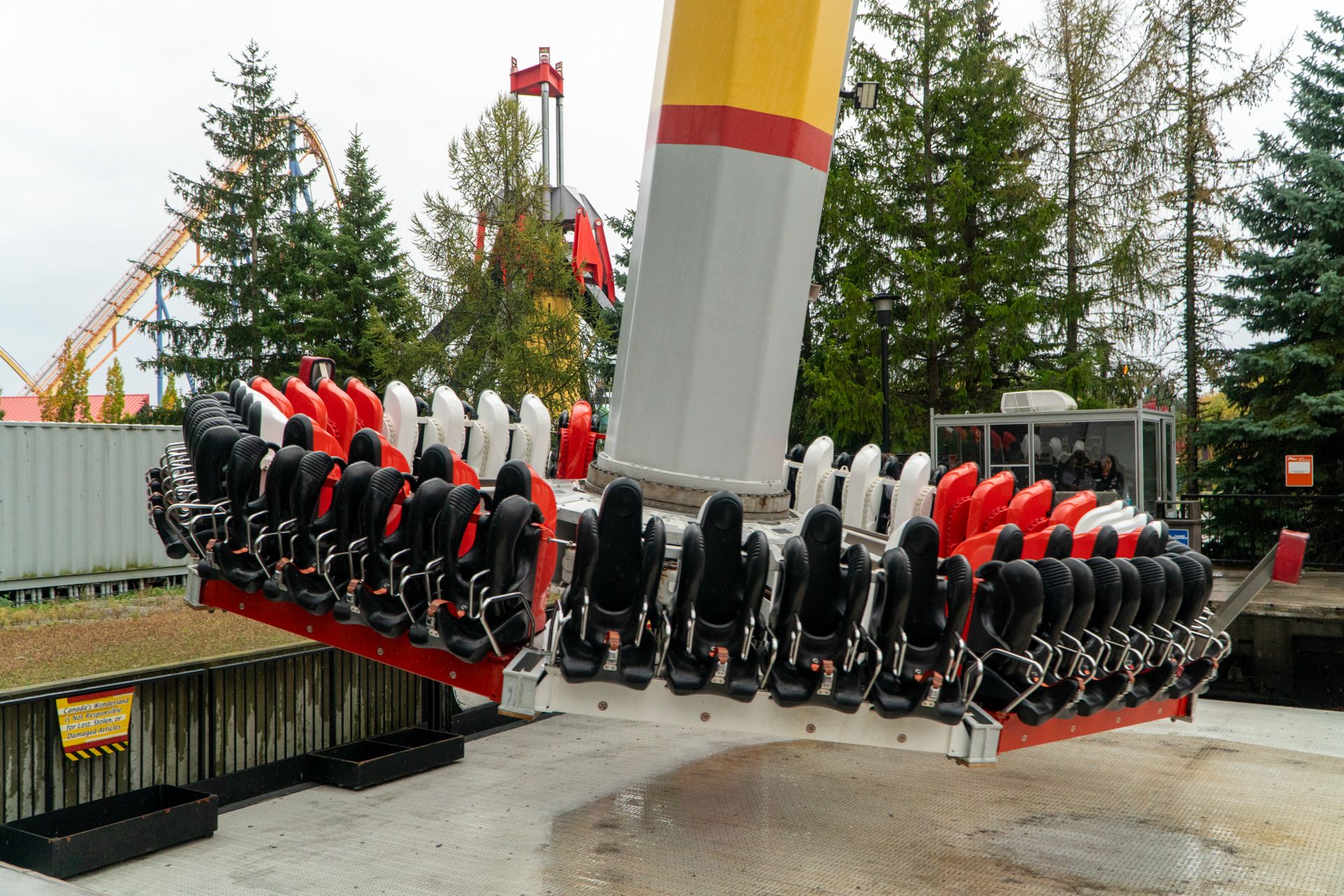
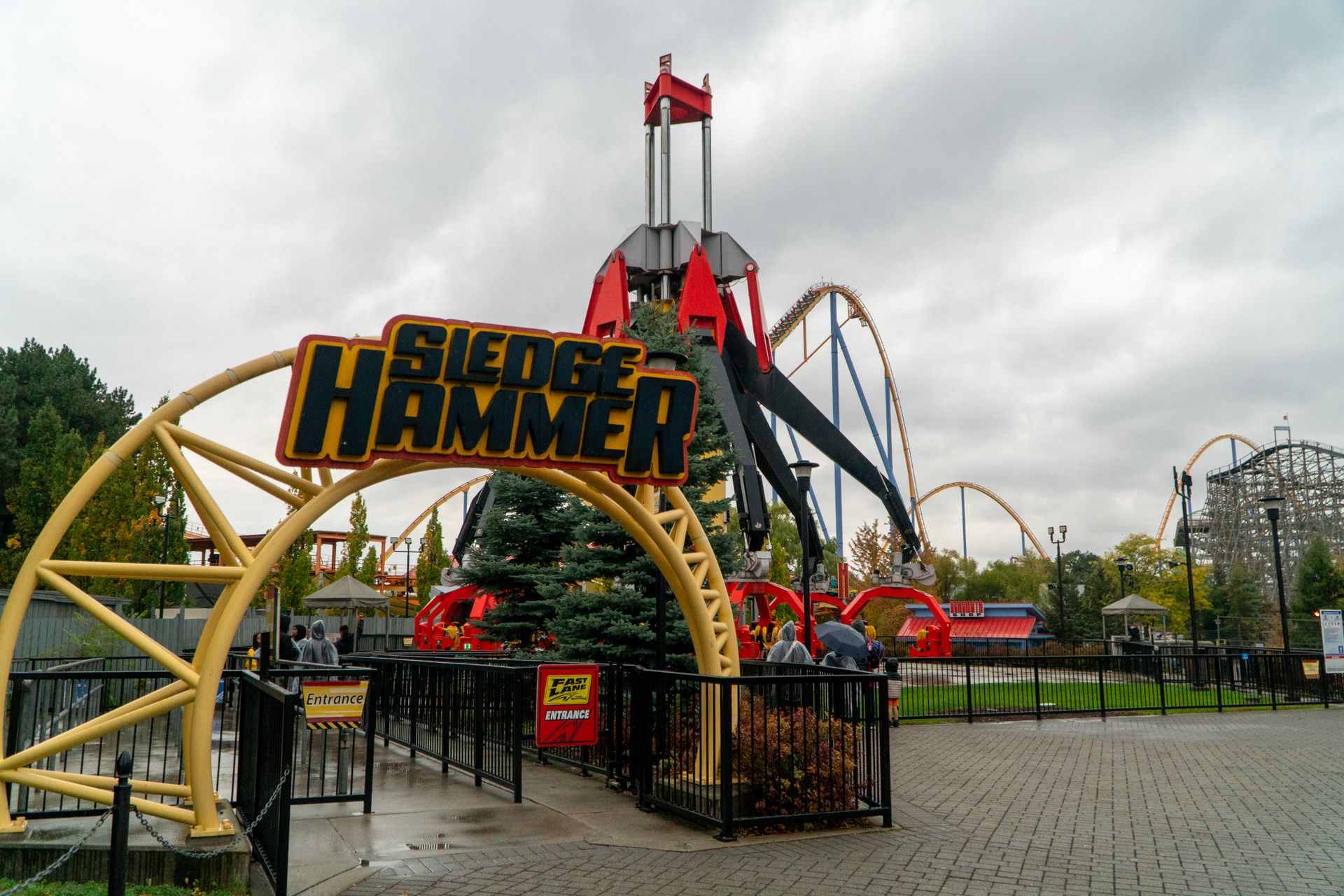
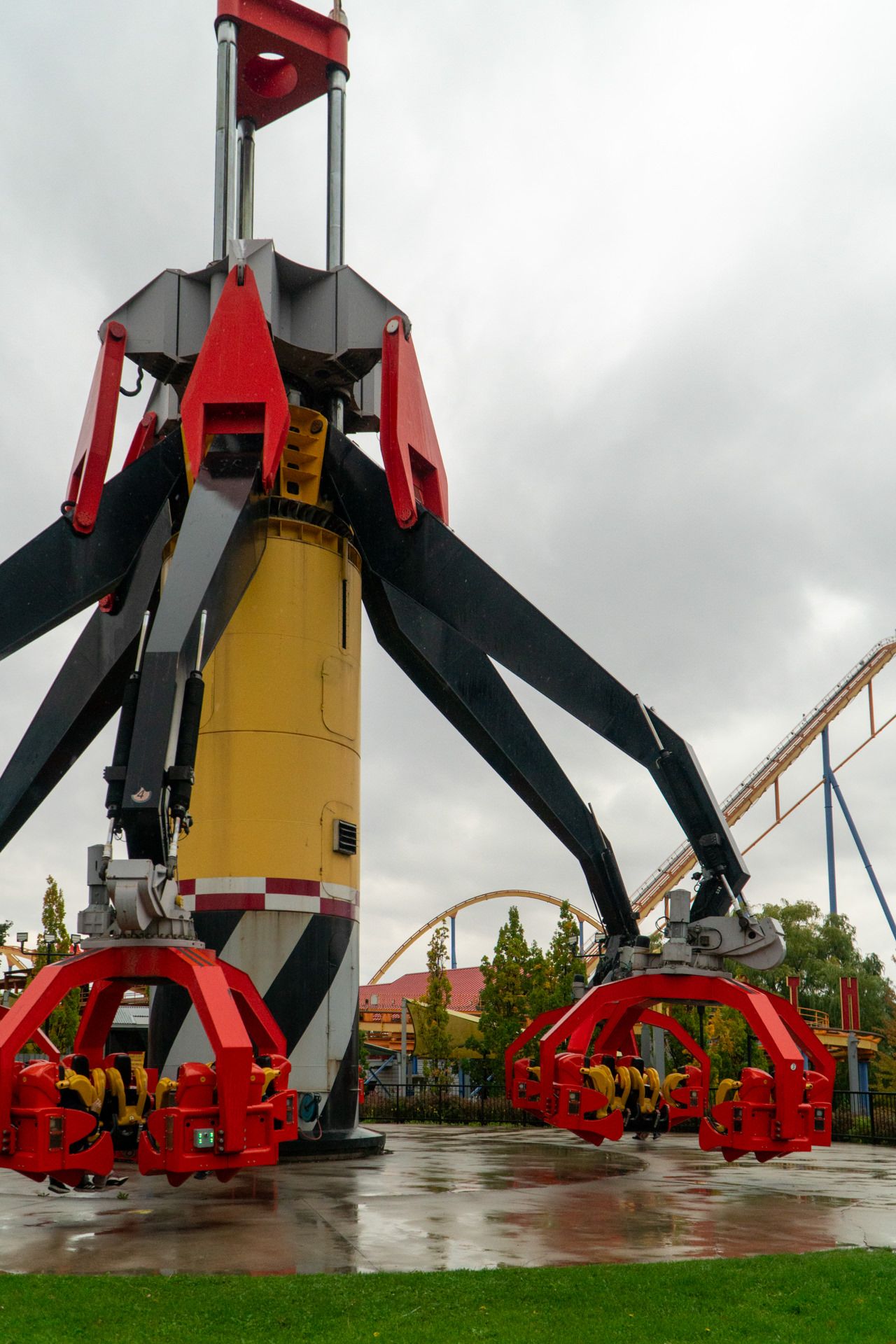
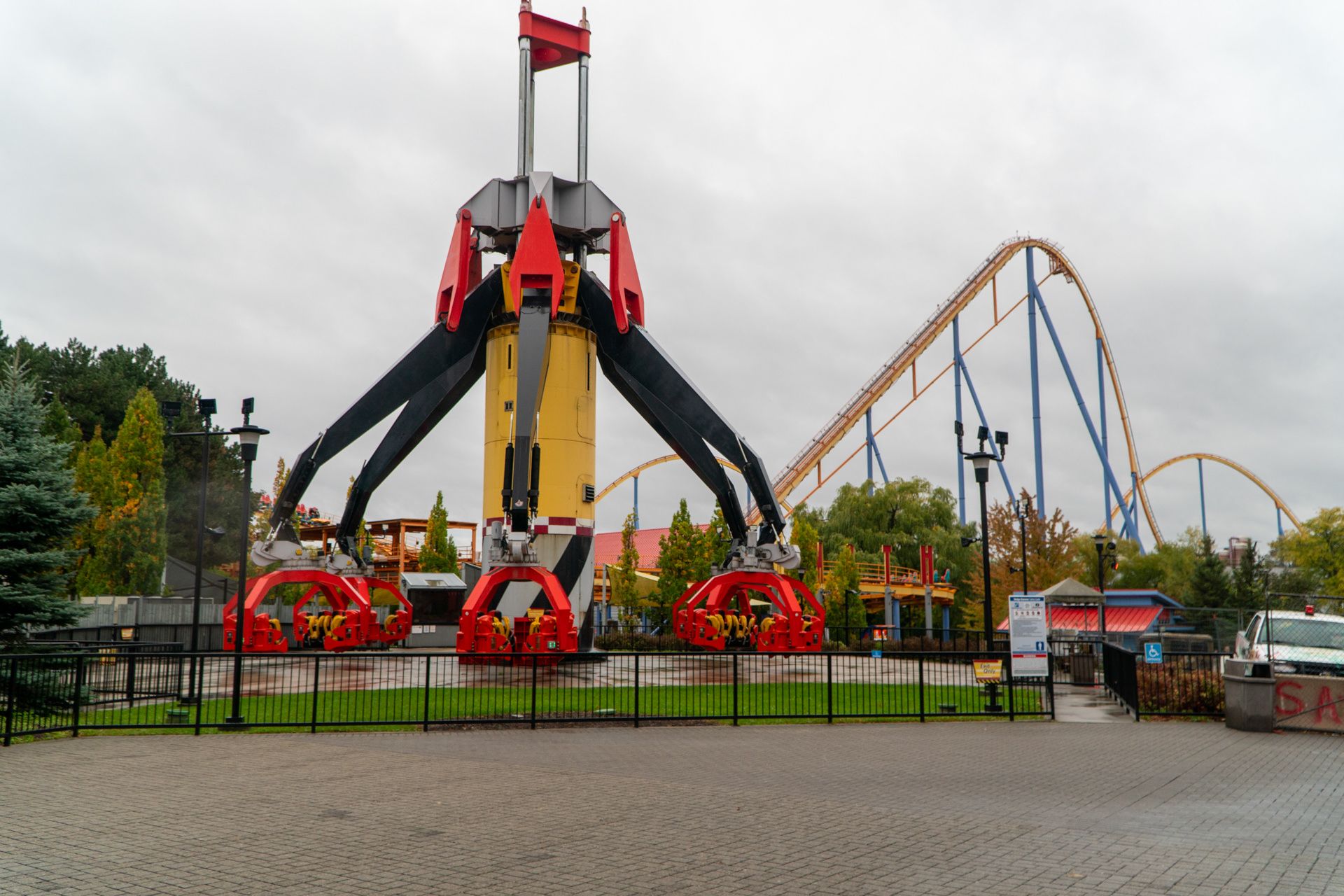
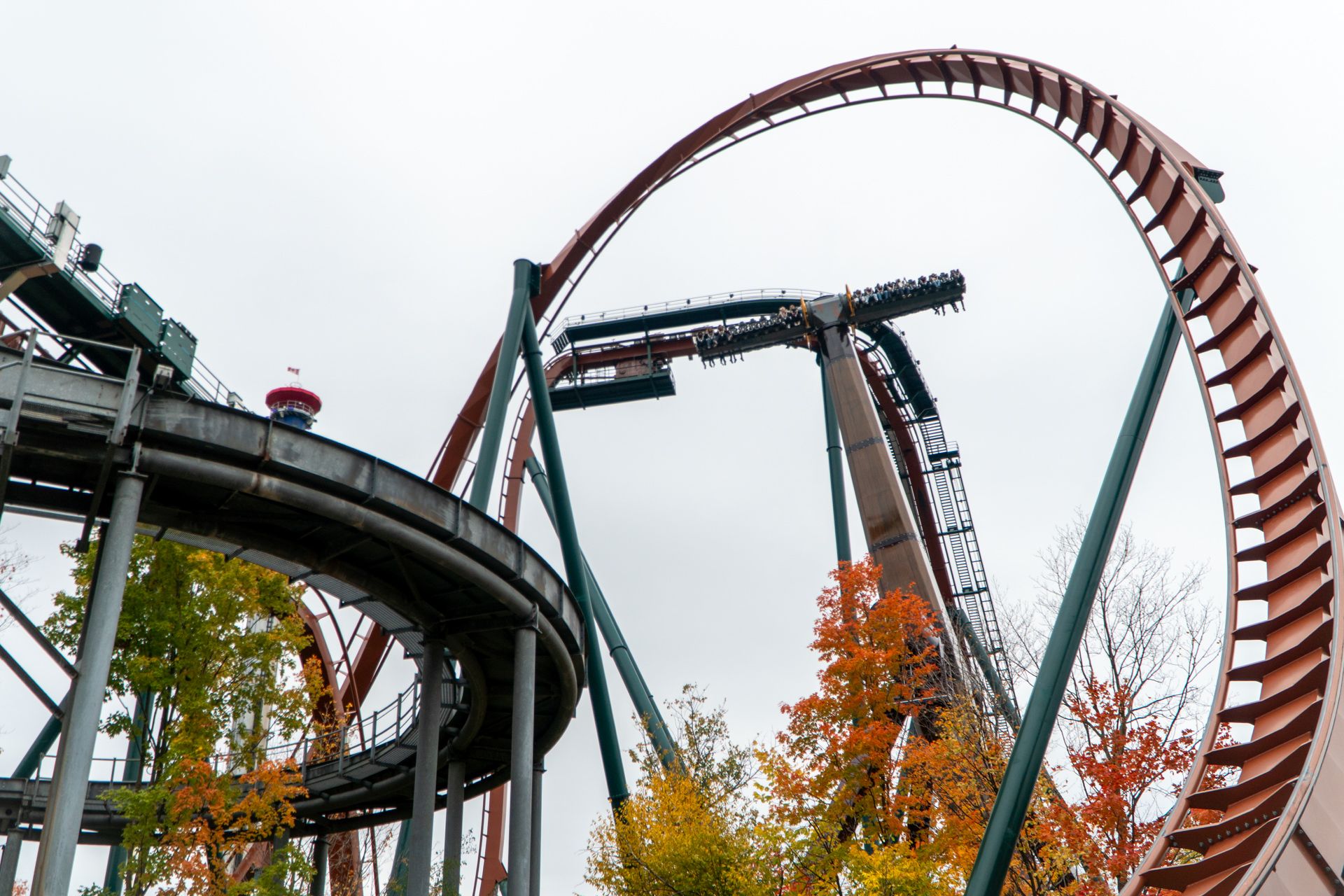
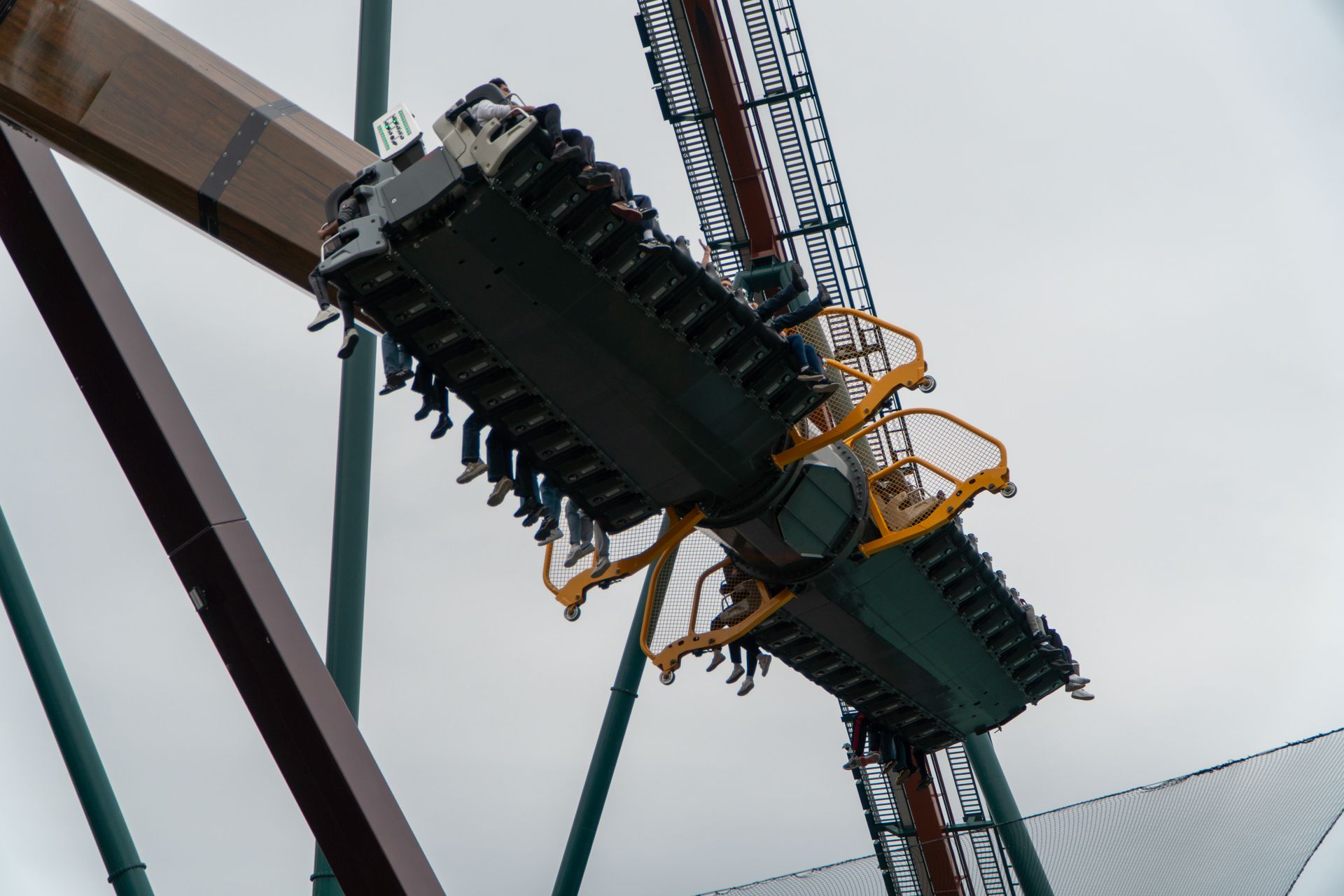
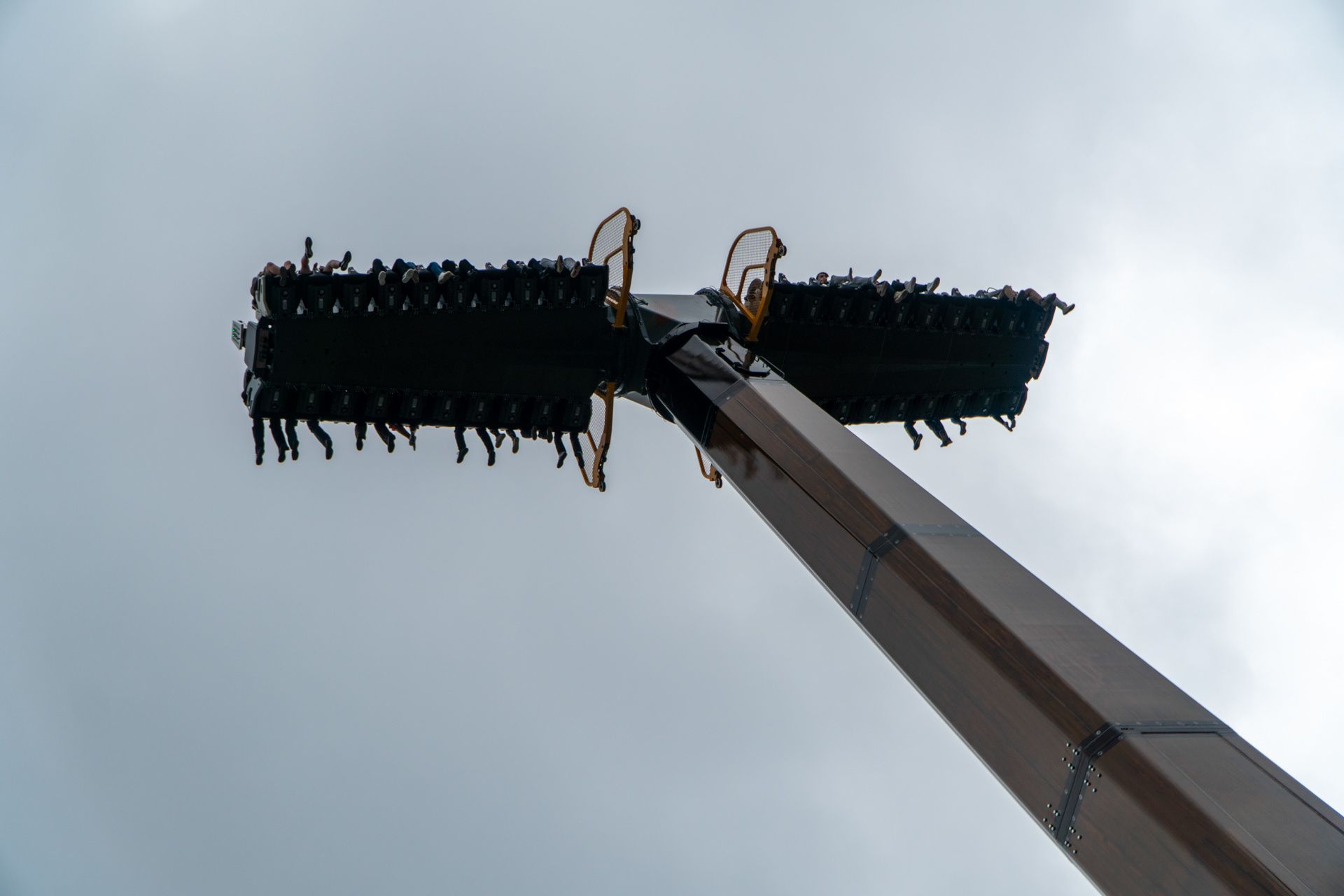
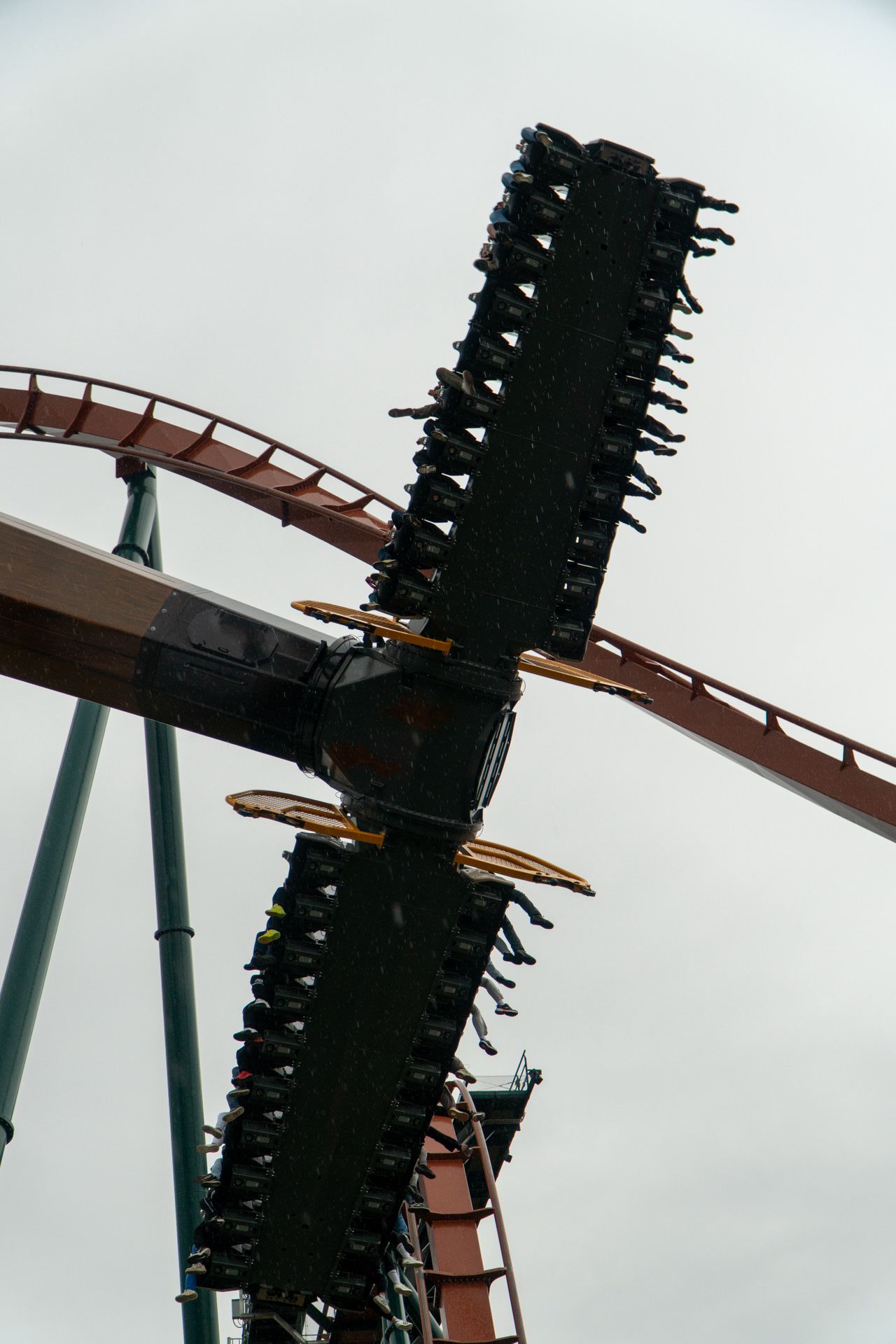
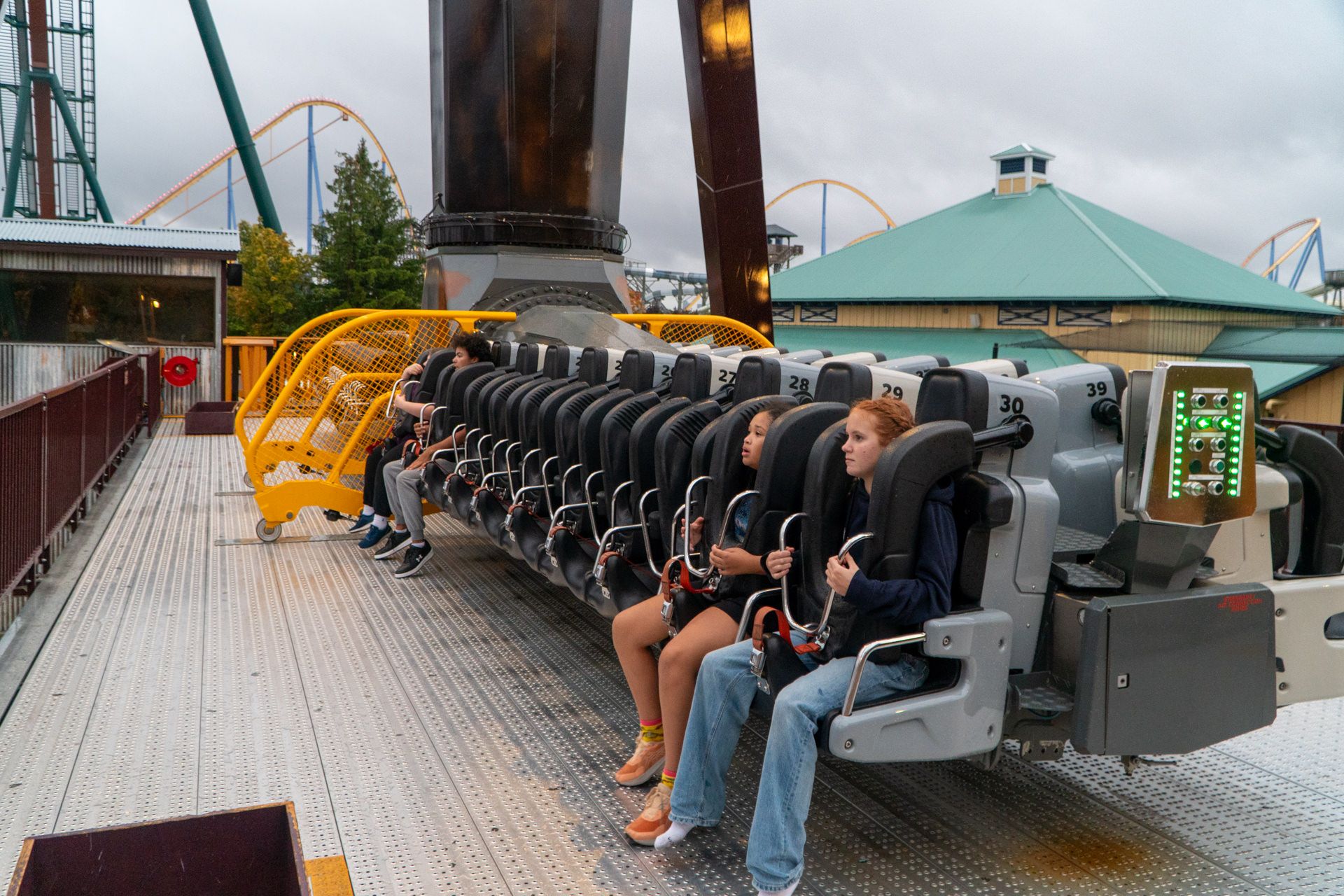
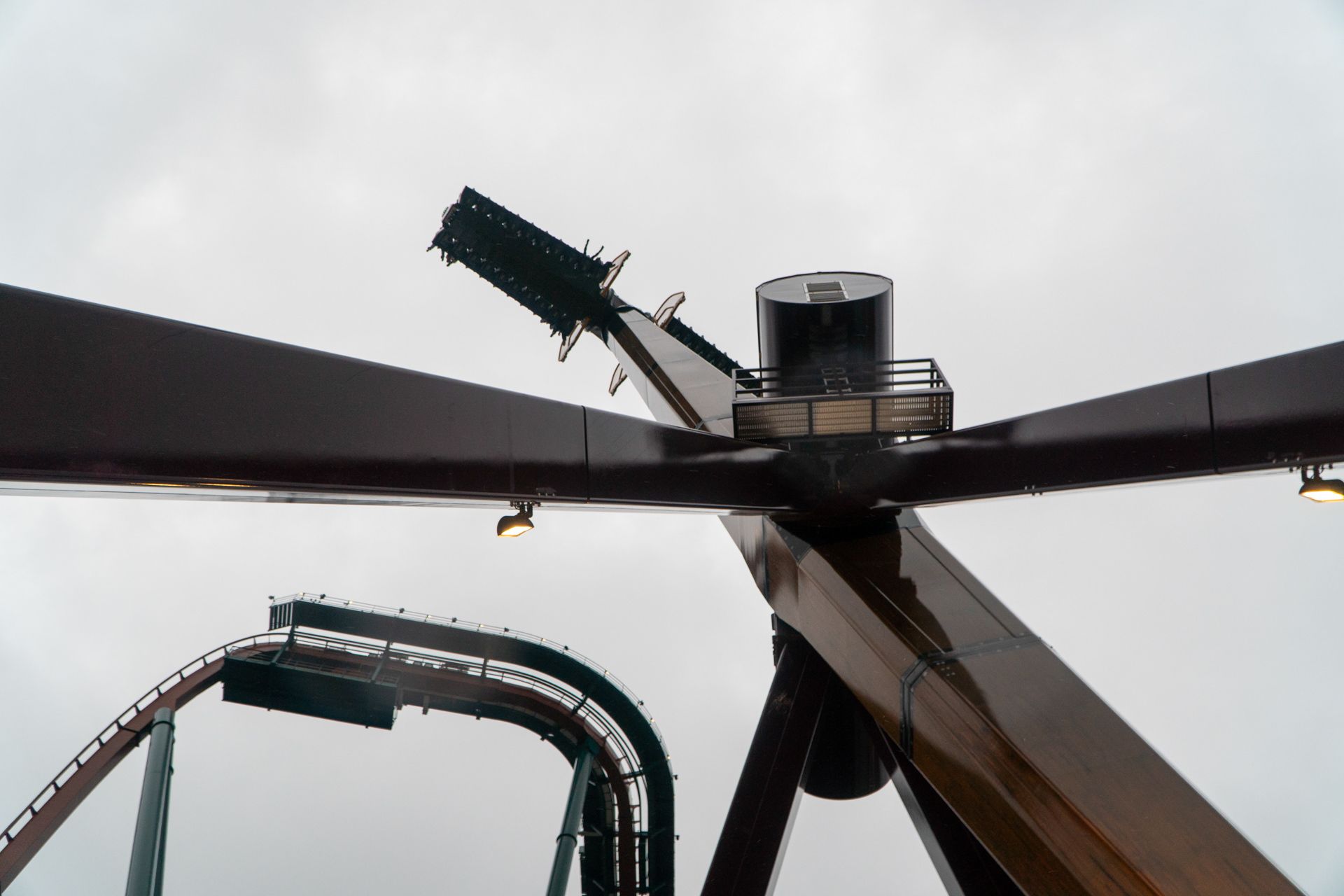
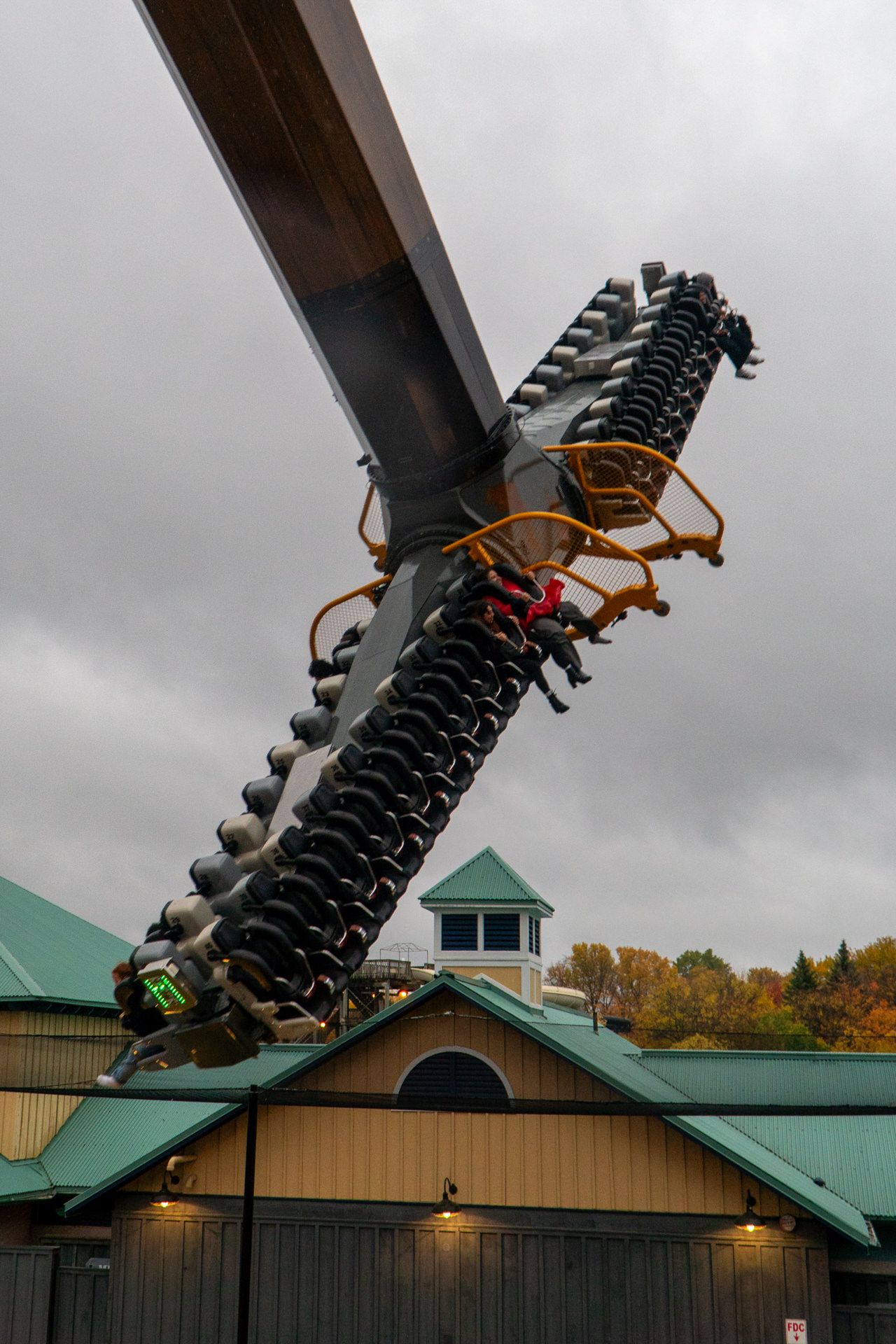
Right next to Psyclone is Sledgehammer, the only HUSS Jump2 ever built. The ride is somewhat similar to the smaller Jump, which could once be found on German fairs as Jumping with the Distel showmen. My last — and only — rides on one of those were at the Hamburg Sommerdom back in 2004. More than 21 years later, I finally made it to Canada’s Wonderland to try its much bigger brother.
And what a strange, wonderful ride it is. Free-fall moments with great floater airtime mix with fast rotations and all sorts of slightly odd angles. The whole thing is wonderfully unusual, and Sledgehammer completely won me over. An absolutely brilliant ride — it’s just a shame that, apart from the Giant Frisbee, HUSS’s Giant Rides line never really caught on.
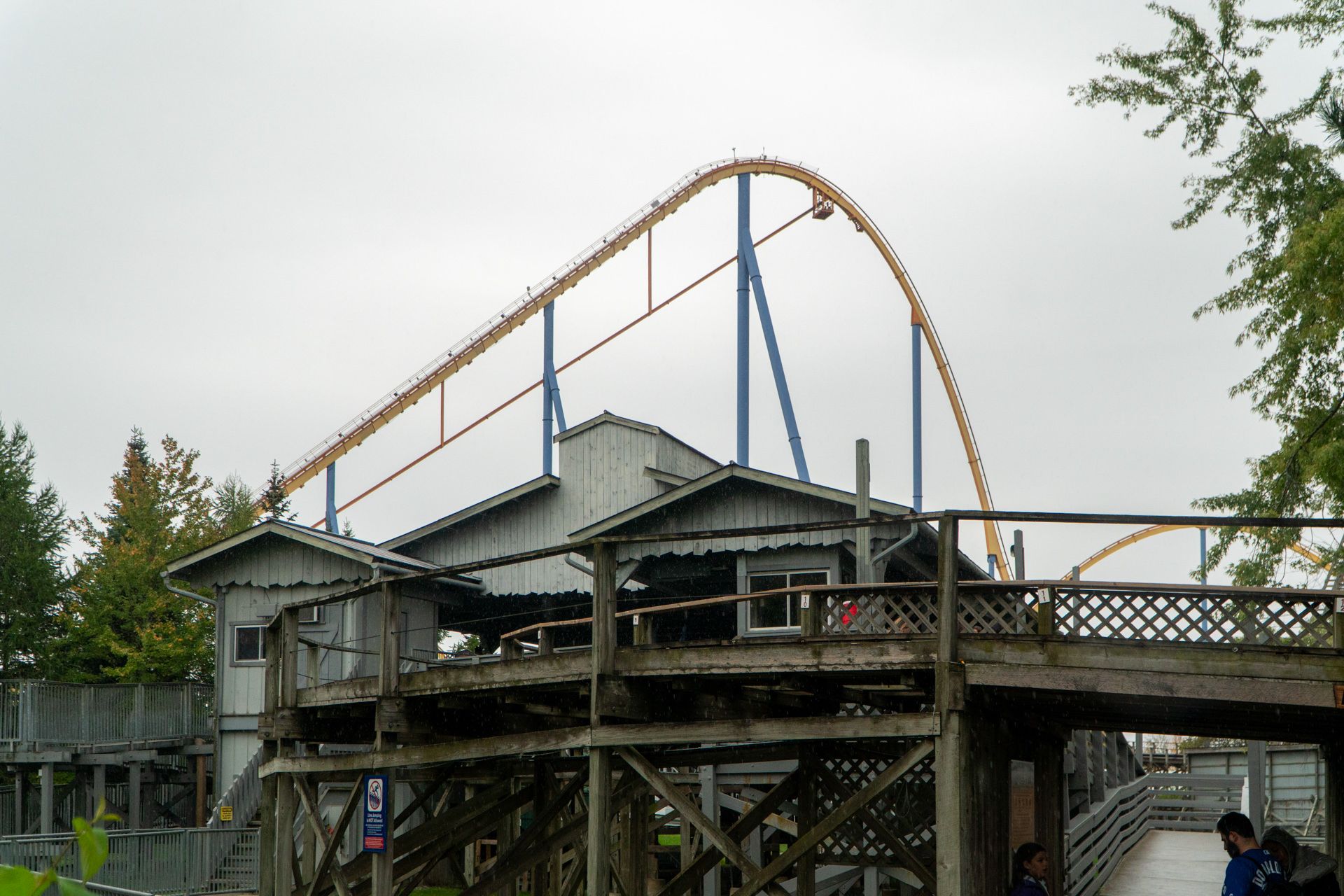
Behemoth
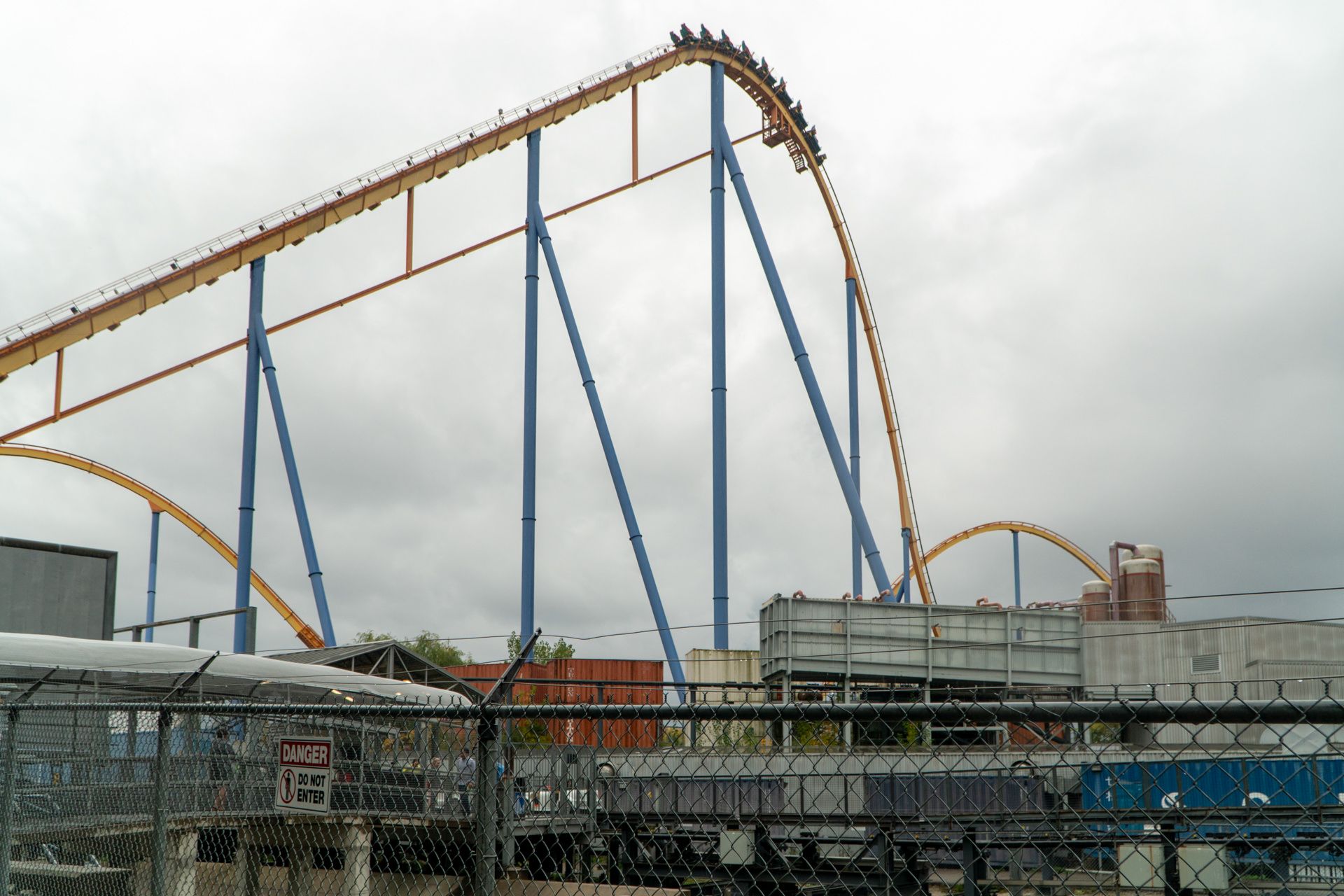
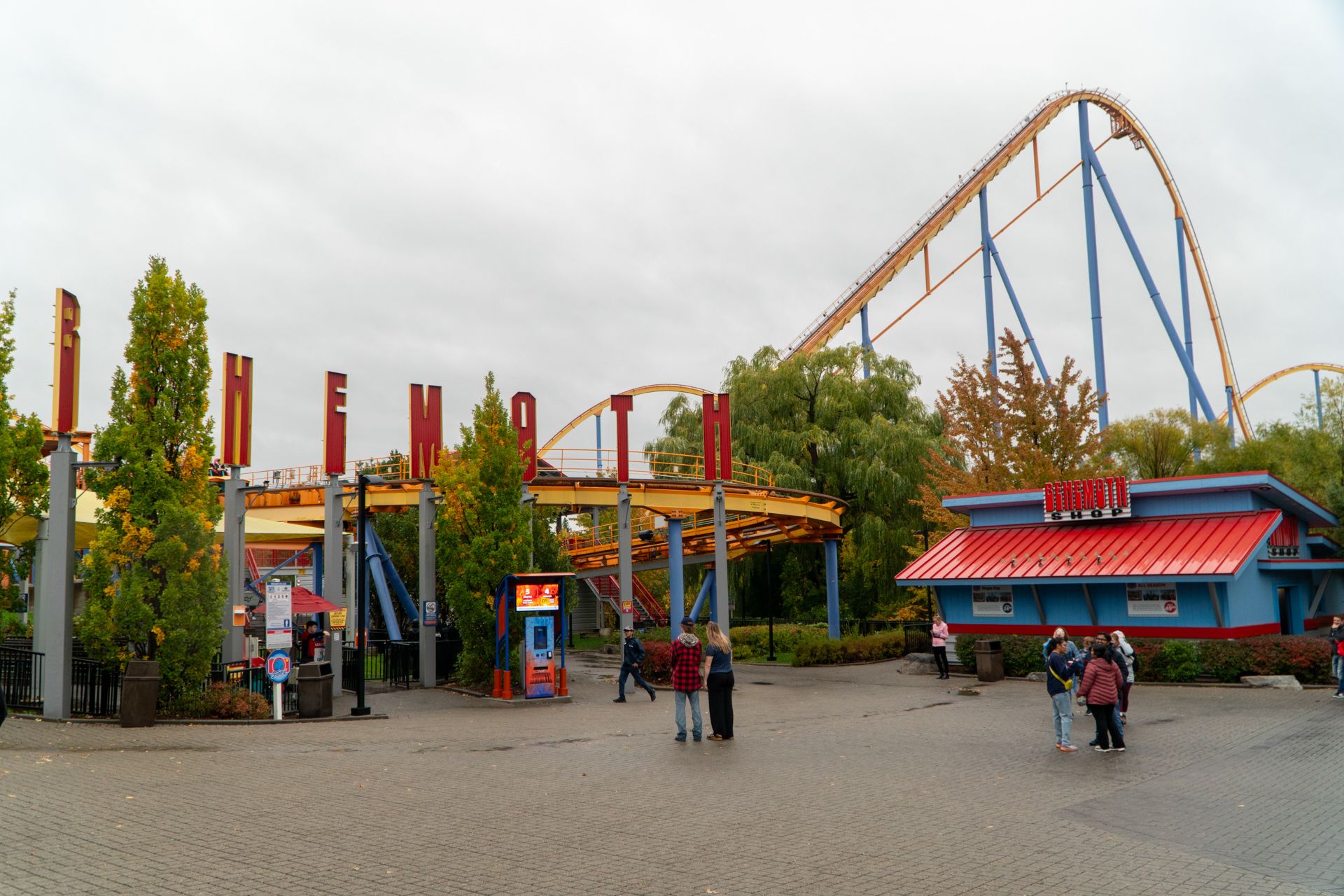
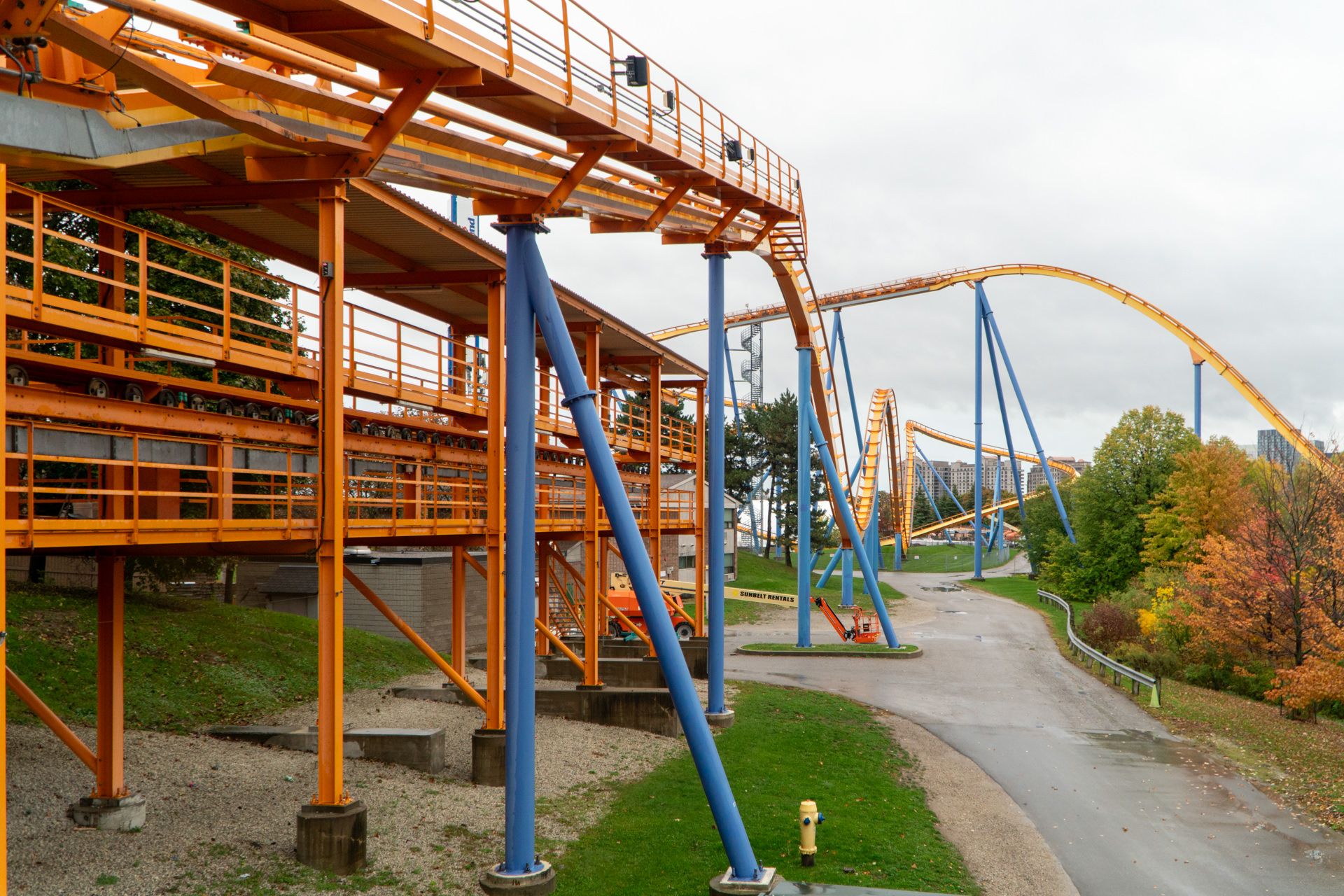
Behemoth sits near the edge of the park, with much of its track running over a large body of water. Compared with Leviathan, this B&M hyper coaster follows a much more traditional formula, with a long sequence of hills arranged in a classic out-and-back layout.
Fundamentally, Behemoth is a very solid coaster. For me, however, it falls into a similar position as Thunder Striker at Carowinds: overshadowed somewhat by its larger sibling. The floater airtime feels fairly restrained, and the trains carry a constant vibration that takes away from the ride a little.
Behemoth is certainly not a bad coaster, but here at Canada’s Wonderland it never quite managed to win me over.
Backlot Stunt Coaster
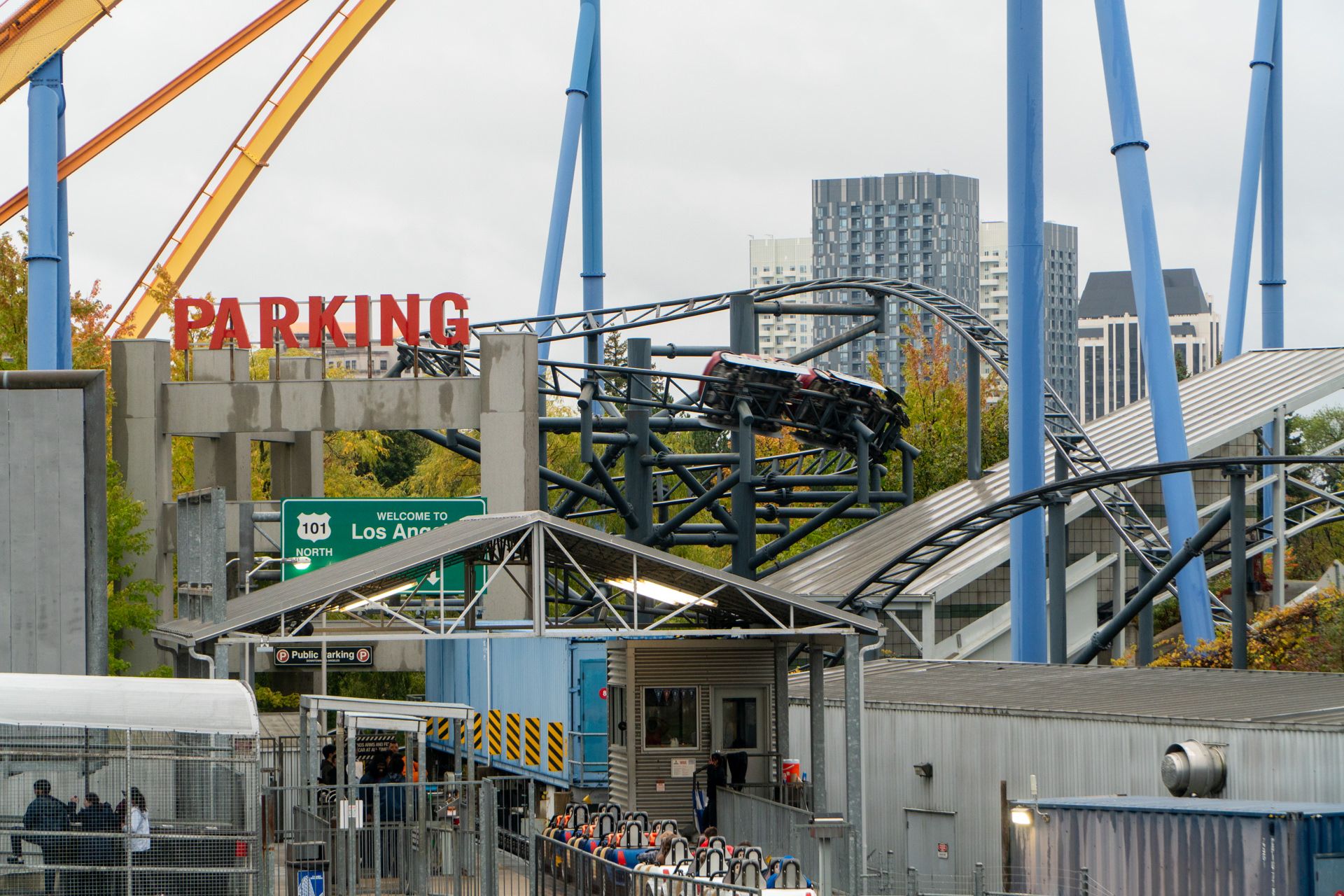
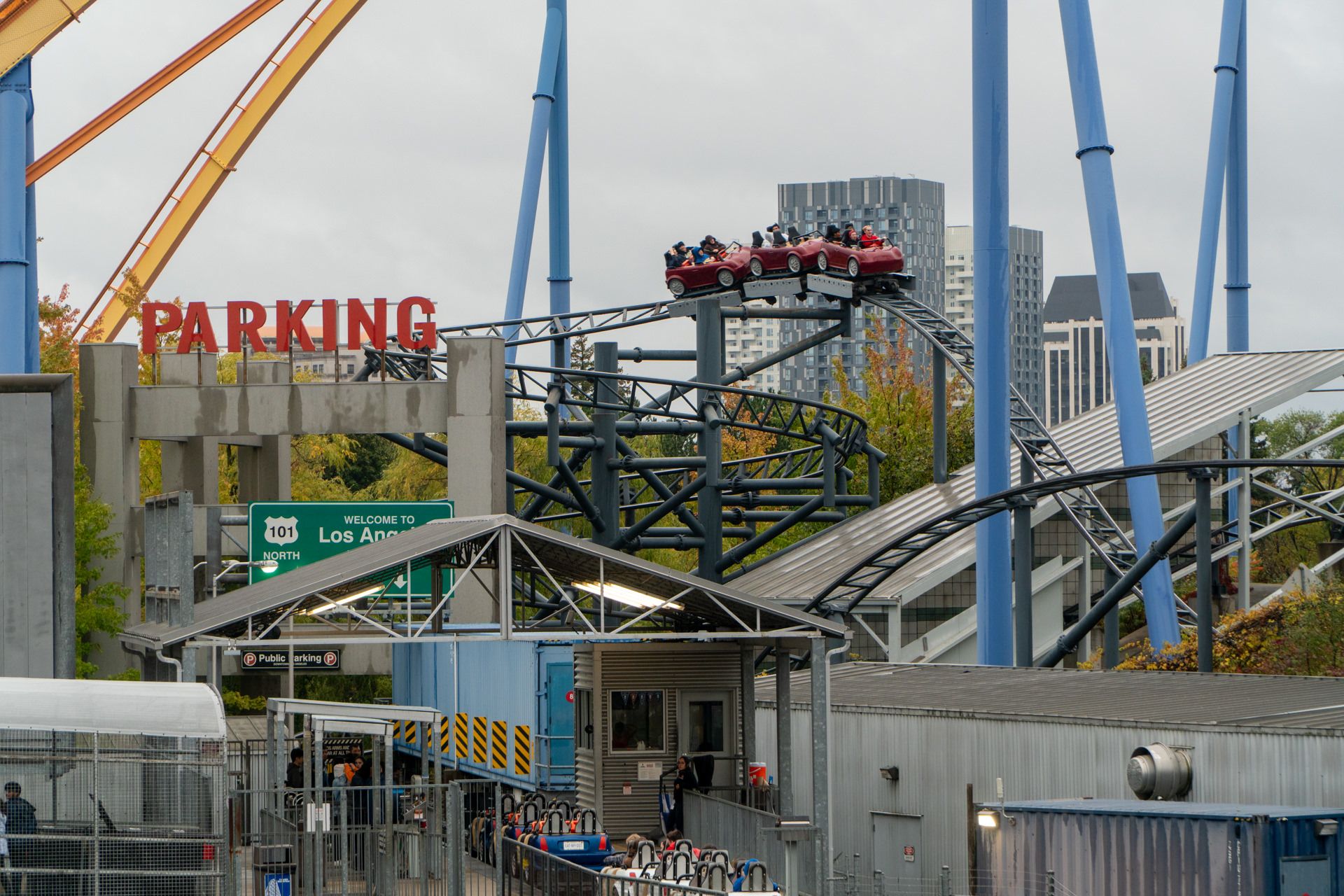
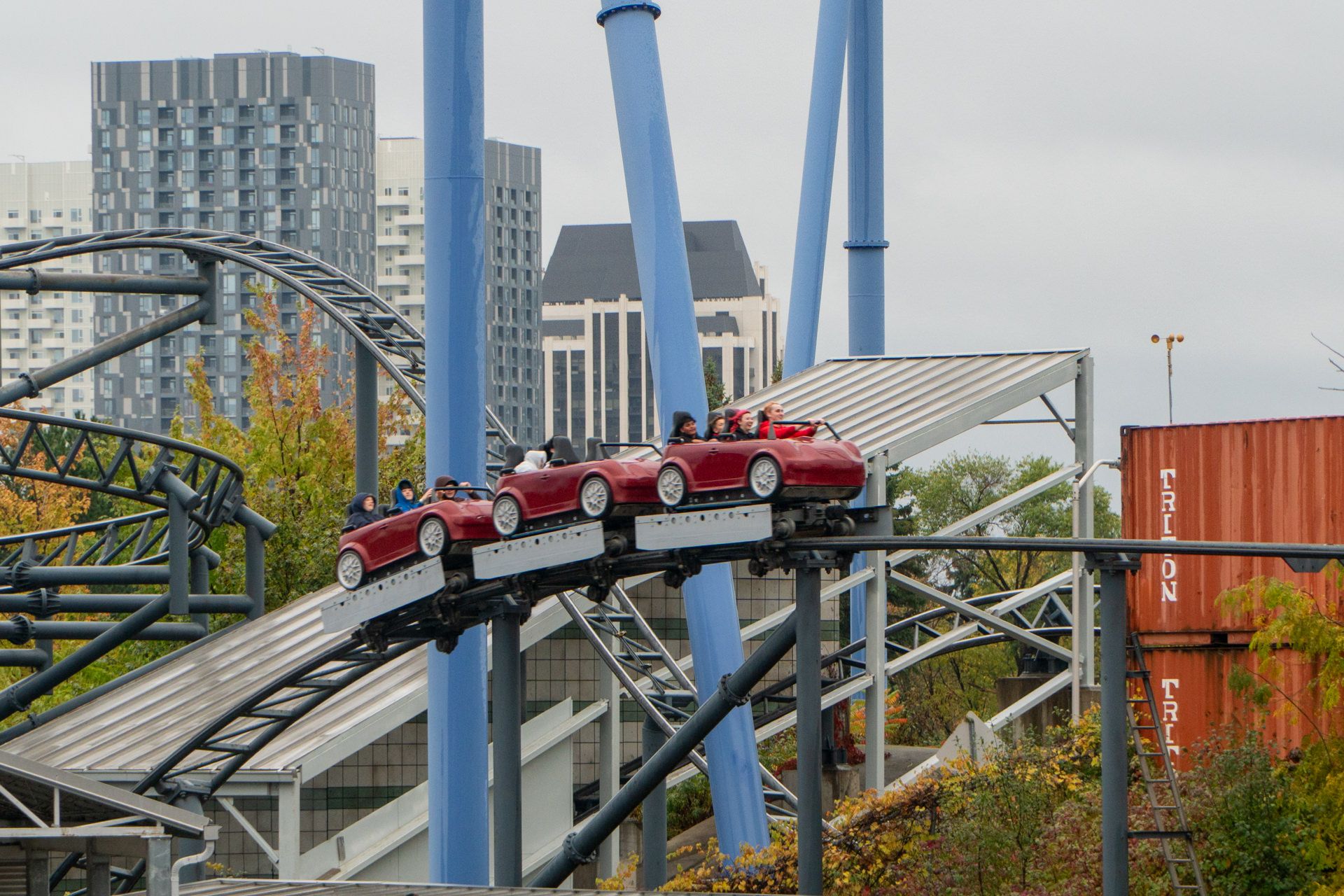
Backlot Stunt Coaster is already a familiar face from Kings Island and Kings Dominion, and the Premier Rides launch coaster is every bit as much fun here.
Right out of the station, the train launches into an increasingly tight upward helix. A fast descent follows, sending us through a series of quick directional changes past police cars, billboards, and shipping containers before an Immelmann-style turn reverses our direction.
Another hill and several turns bring us to the large helicopter effect scene before a second launch sends the train into the tunnel. A few more fast turns in the dark eventually bring us back outside and into the final brakes.
I ended up riding Backlot Stunt Coaster several times during my visit. Especially in the rain, it was considerably less unpleasant than many of the park’s larger open-air coasters — and, of course, it is still a whole lot of fun.
Mighty Canadian Minebuster
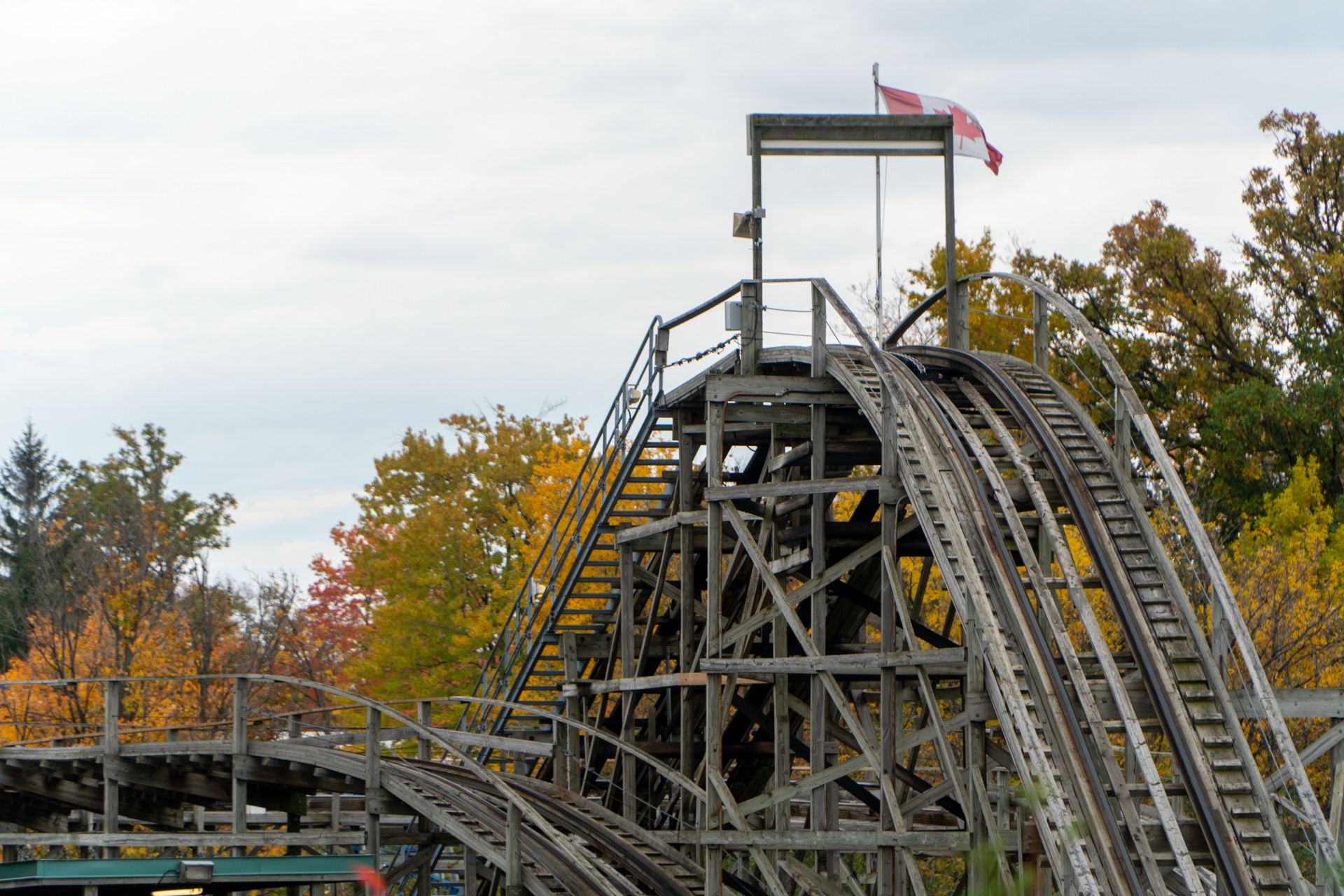
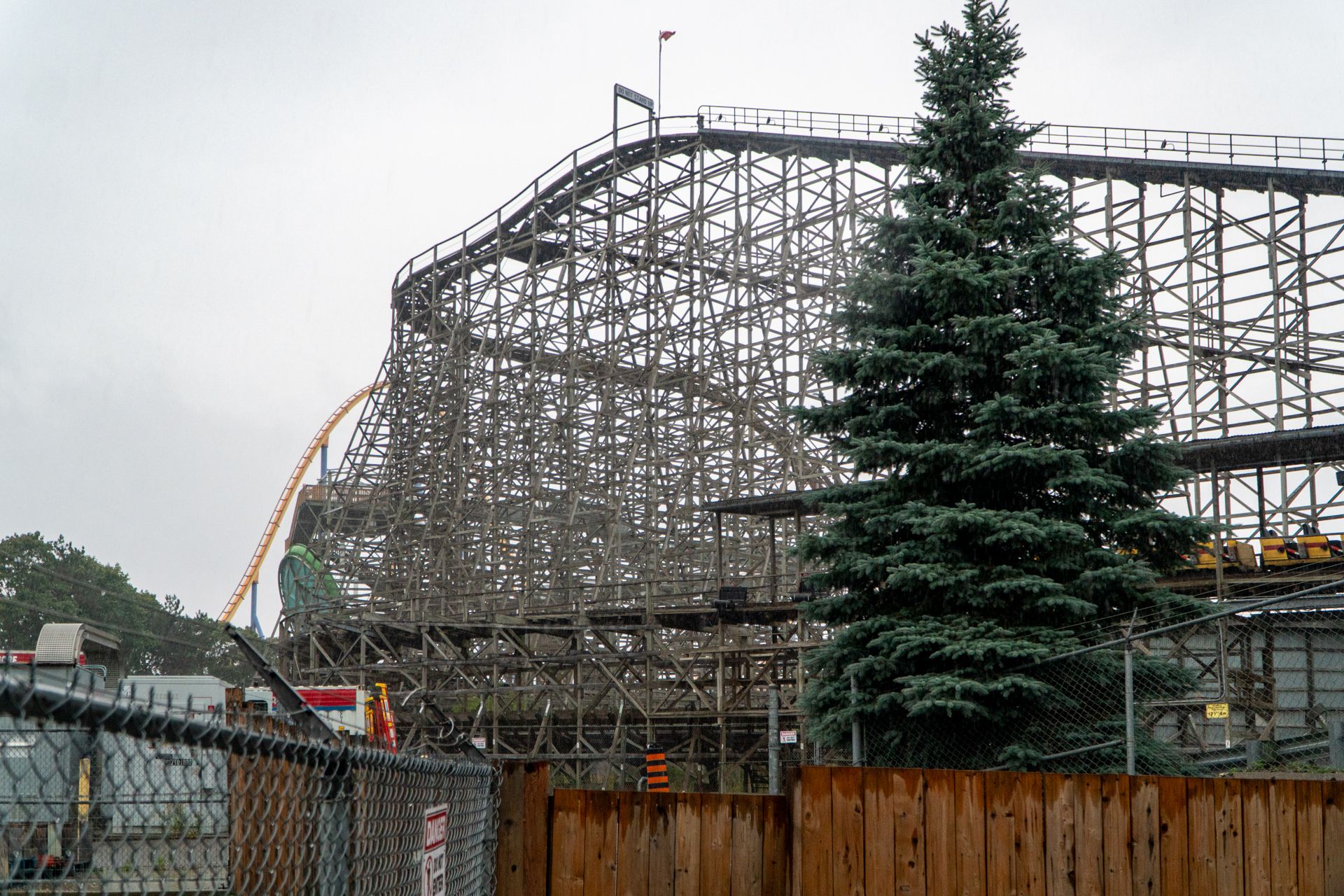
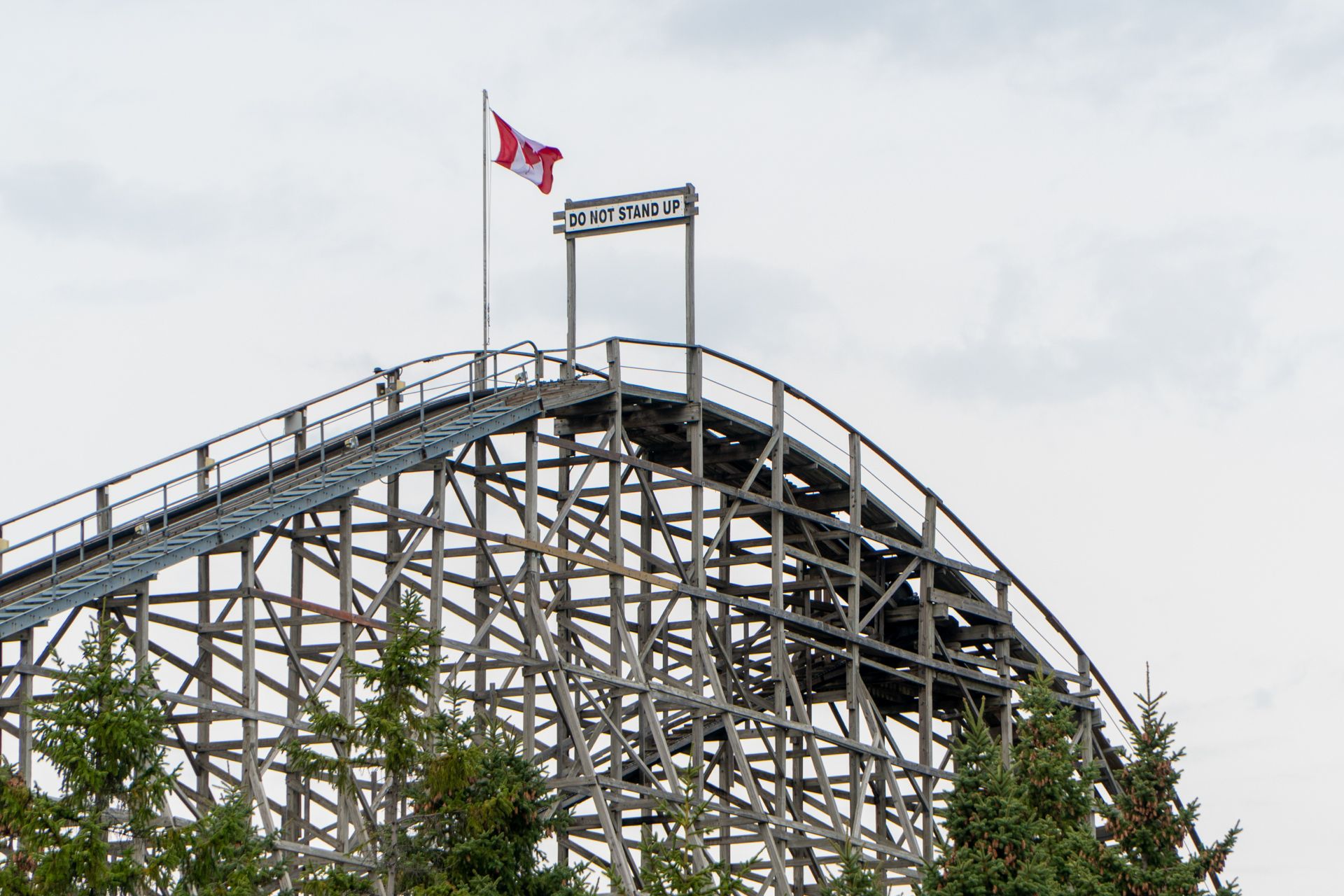
Mighty Canadian Minebuster is another coaster that delivers a lot of fun. The woodie follows a fairly traditional out-and-back layout, with the first half focused heavily on some very good airtime.
Things get much wilder in the second half. We race through a tunnel while the strong lateral forces mercilessly pin us against the side of the train.
It’s an absolutely brilliant wooden coaster, and those strong lateral forces even reminded me a little of the legendary Beast at Kings Island.
WindSeeker and Sky Hawk
WindSeeker is another familiar Mondial ride that I’m always happy to see. As the ride slowly climbs the tower, the seats swing farther and farther outward. Once at the top, we circle high above the park with a great view across Canada’s Wonderland.
As with the other WindSeekers I’ve ridden, I really enjoy the calm nature of the experience. The combination of height, wind, and the freely swinging seats is simply a lot of fun.
Sky Hawk, on the other hand, lets us decide how wild the ride should be. Gerstlauer’s Sky Roller gives riders the choice between going for as many flips as possible or simply enjoying a relaxed sightseeing flight.
Yukon Striker
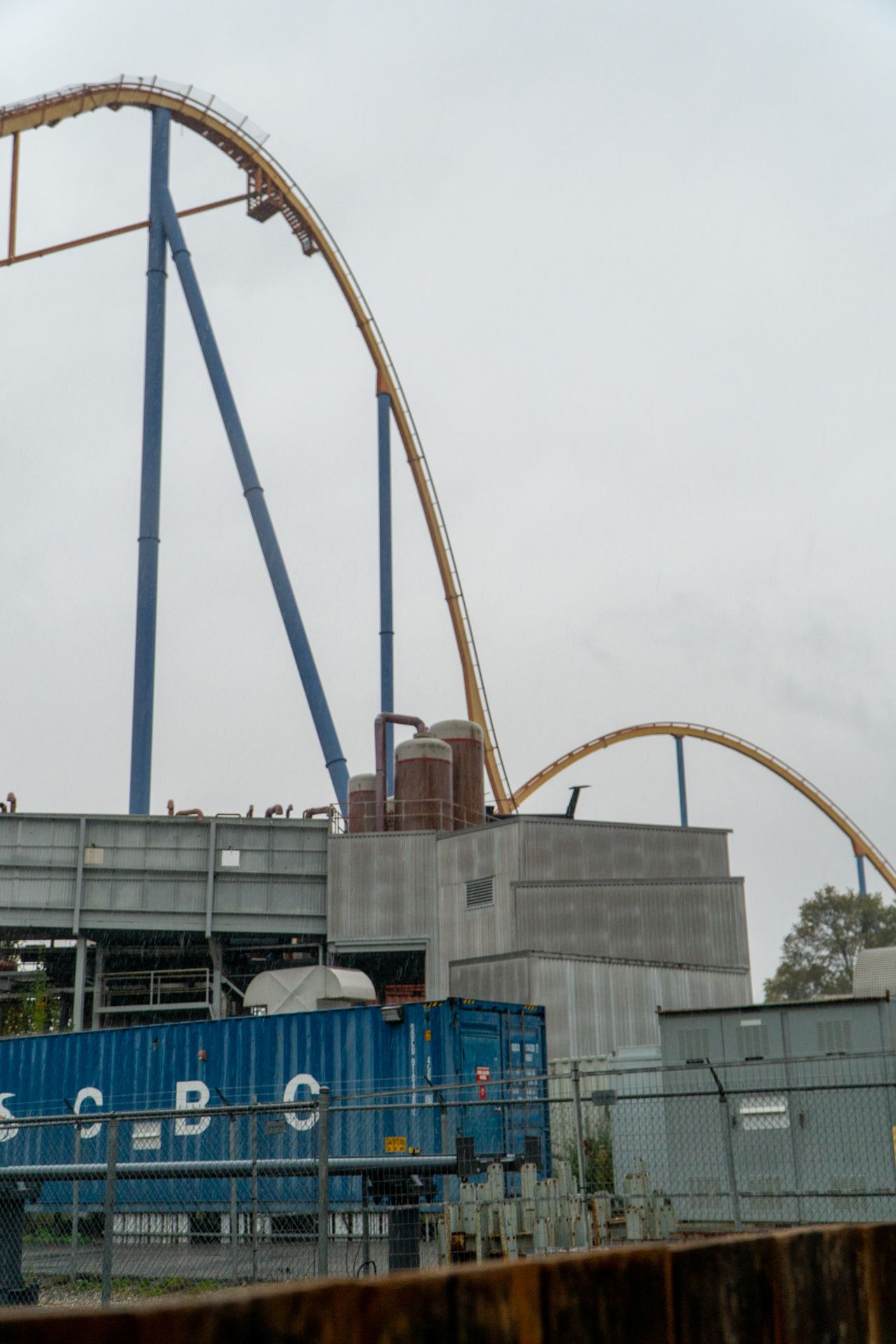
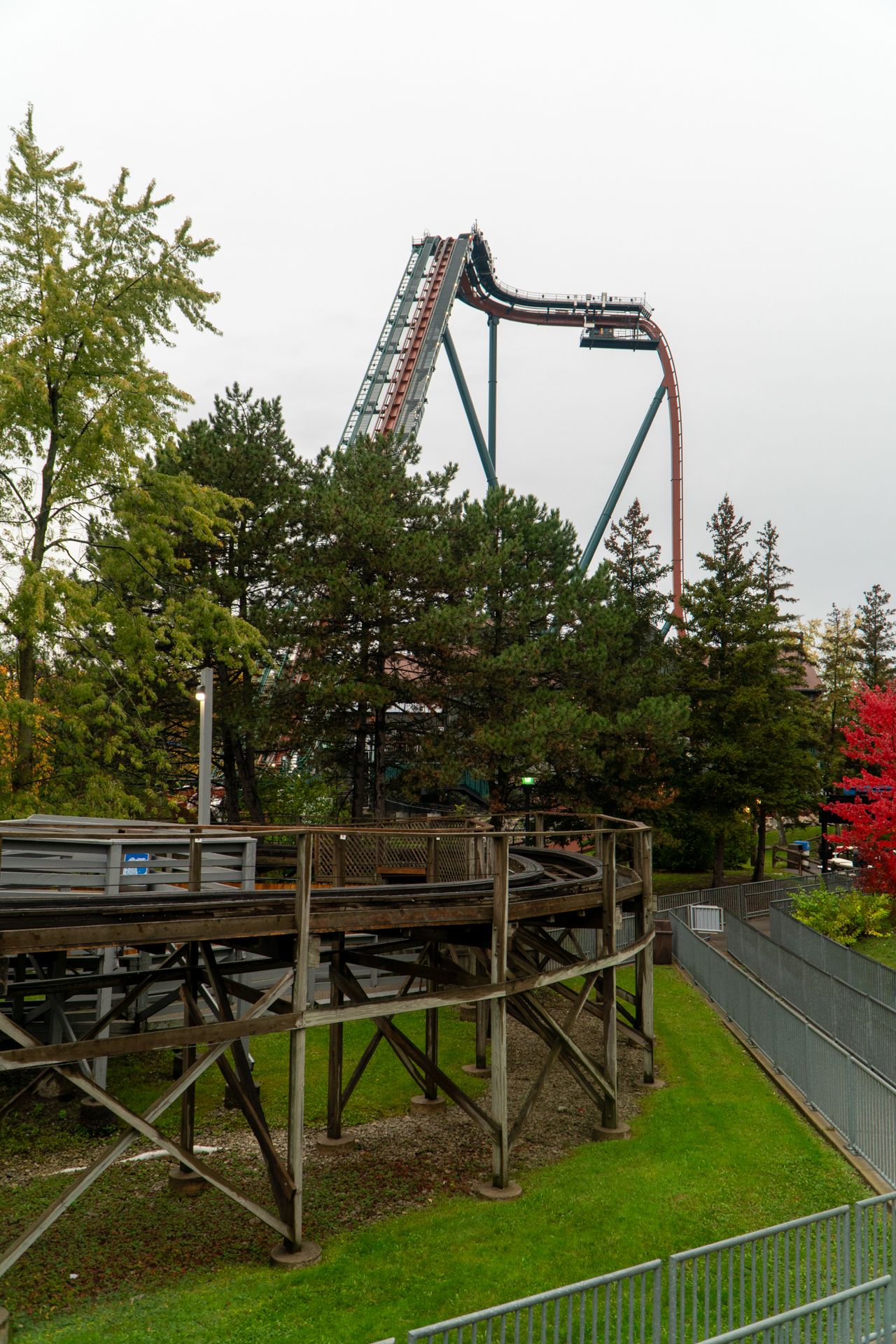
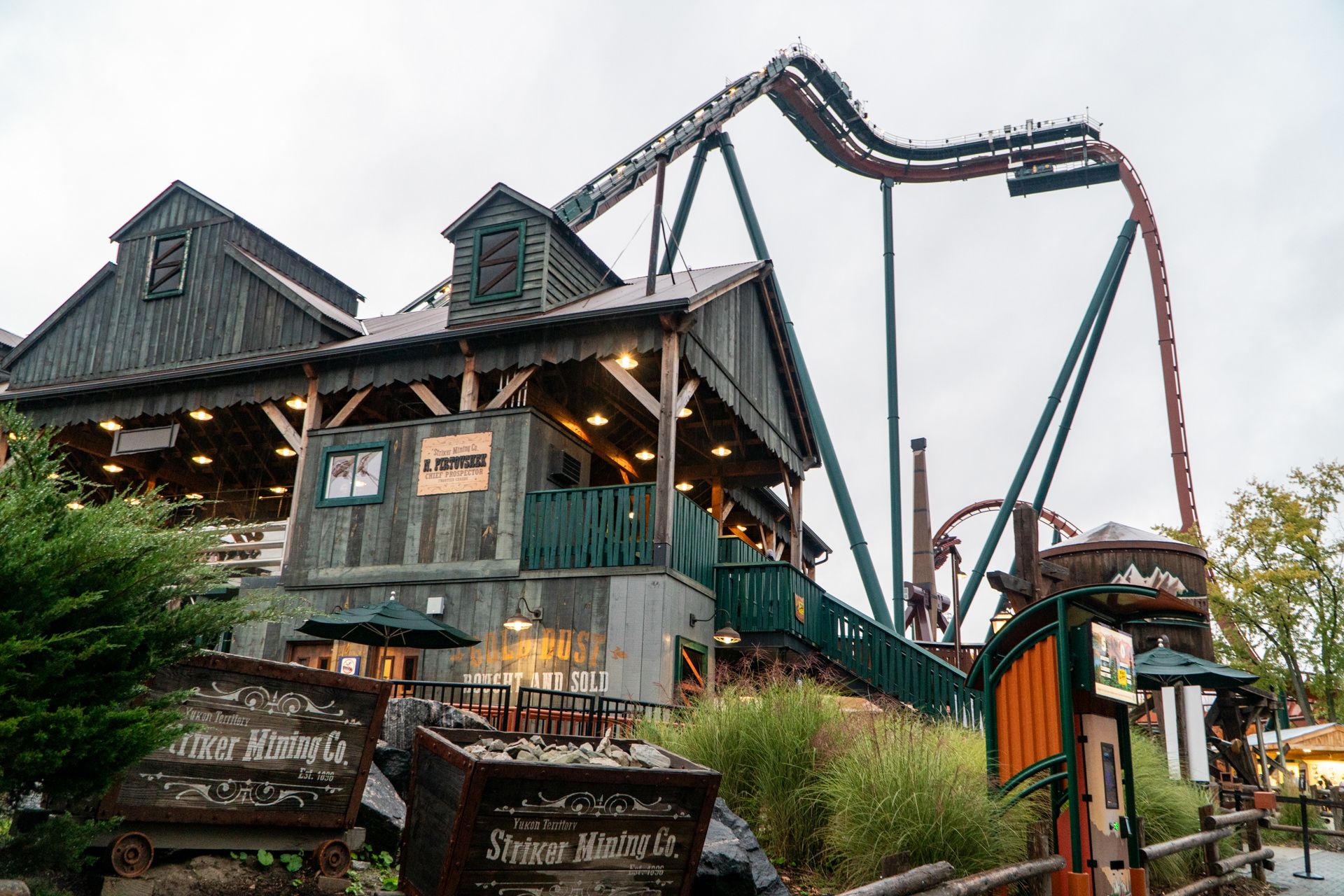
Yukon Striker is a massive B&M Dive Coaster. My first ride happened during heavy rain, which meant I honestly didn’t see much of the actual layout. Thankfully, conditions were dry on my second day, making the experience considerably more enjoyable.
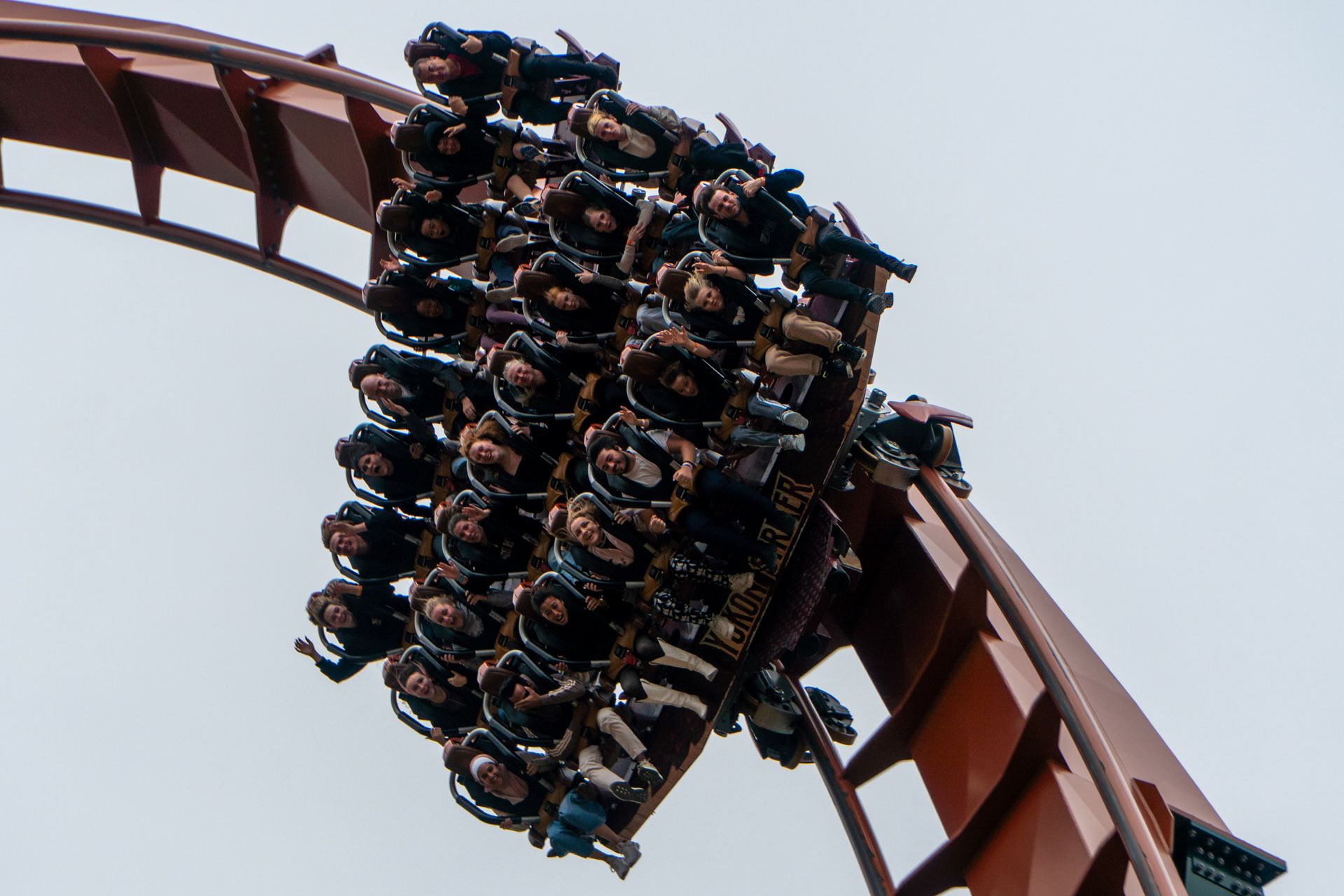
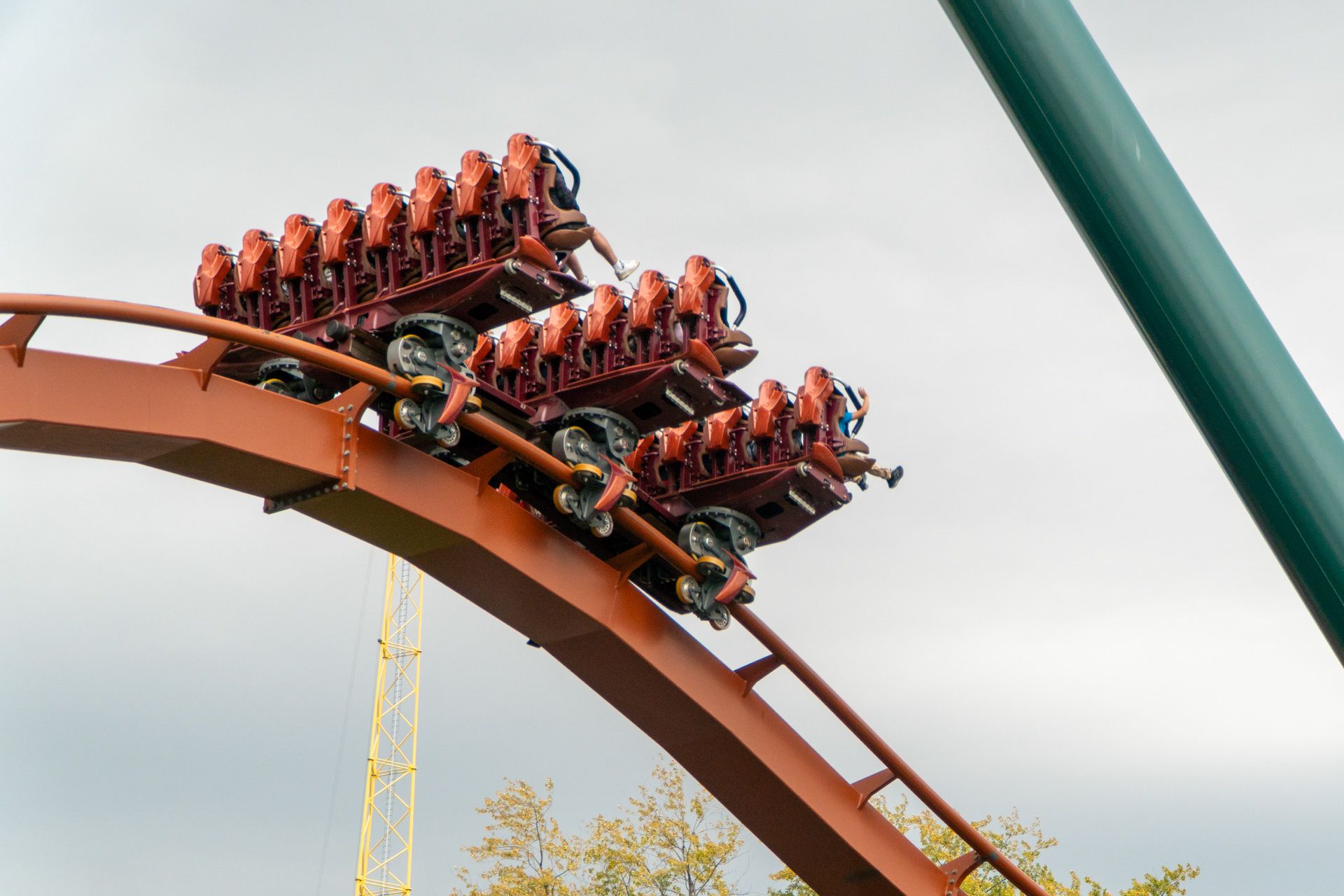
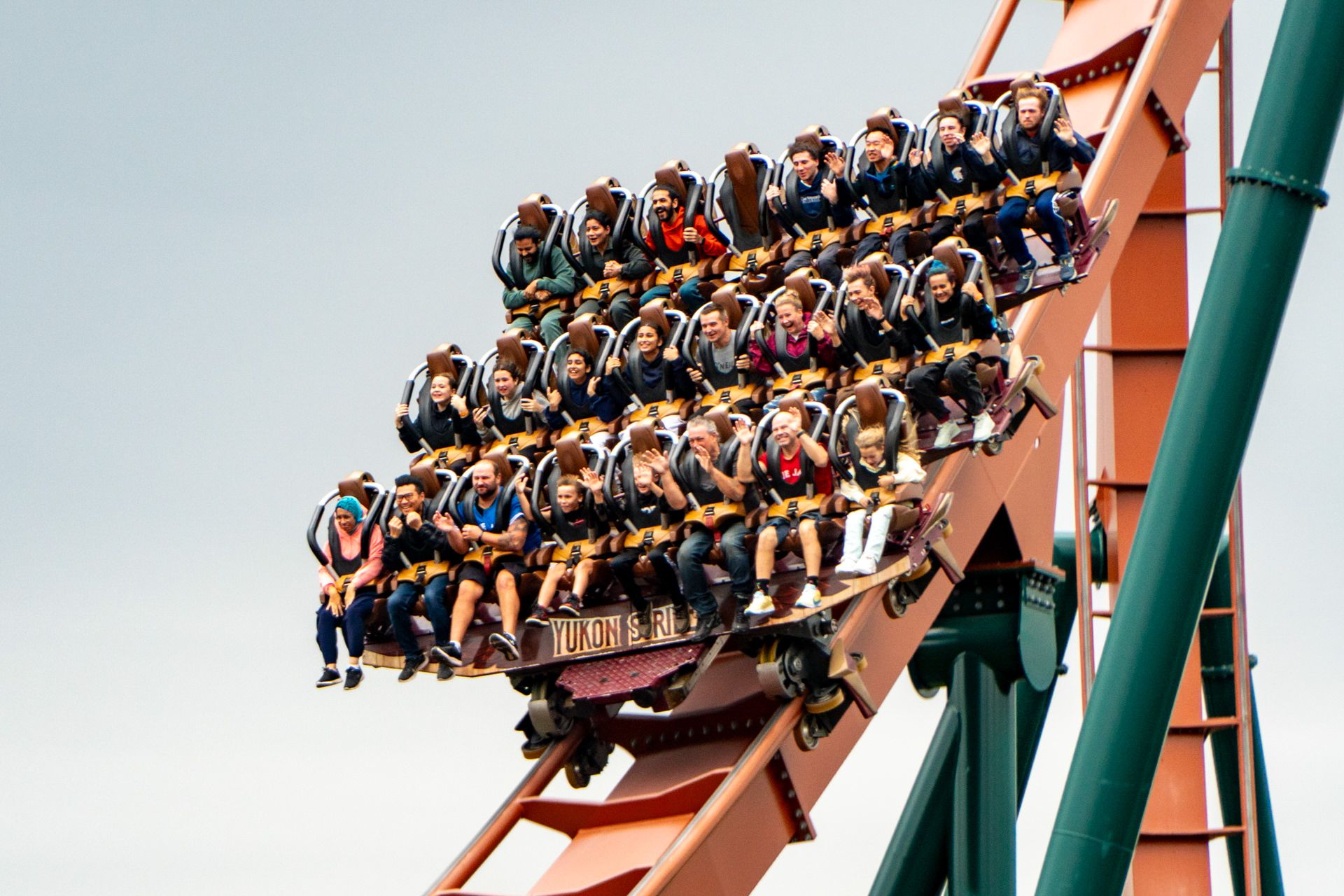
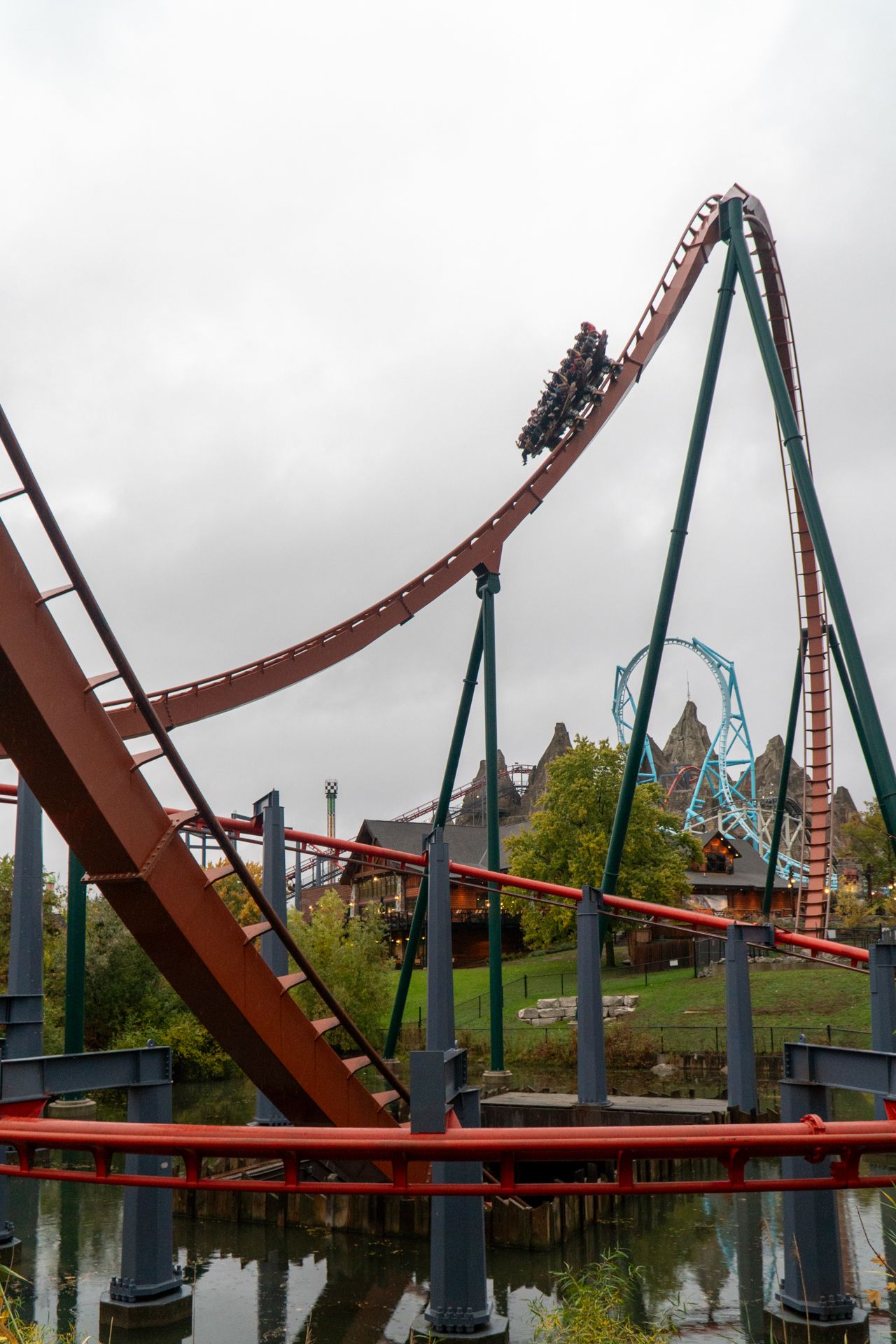
After the lift hill and a short turn, we head straight toward the edge. The holding brake pauses us there for several seconds before releasing the train into the vertical drop and through a tunnel beneath a large body of water. One particularly nice touch is that the drop passes straight through a helix of the coaster Vortex.
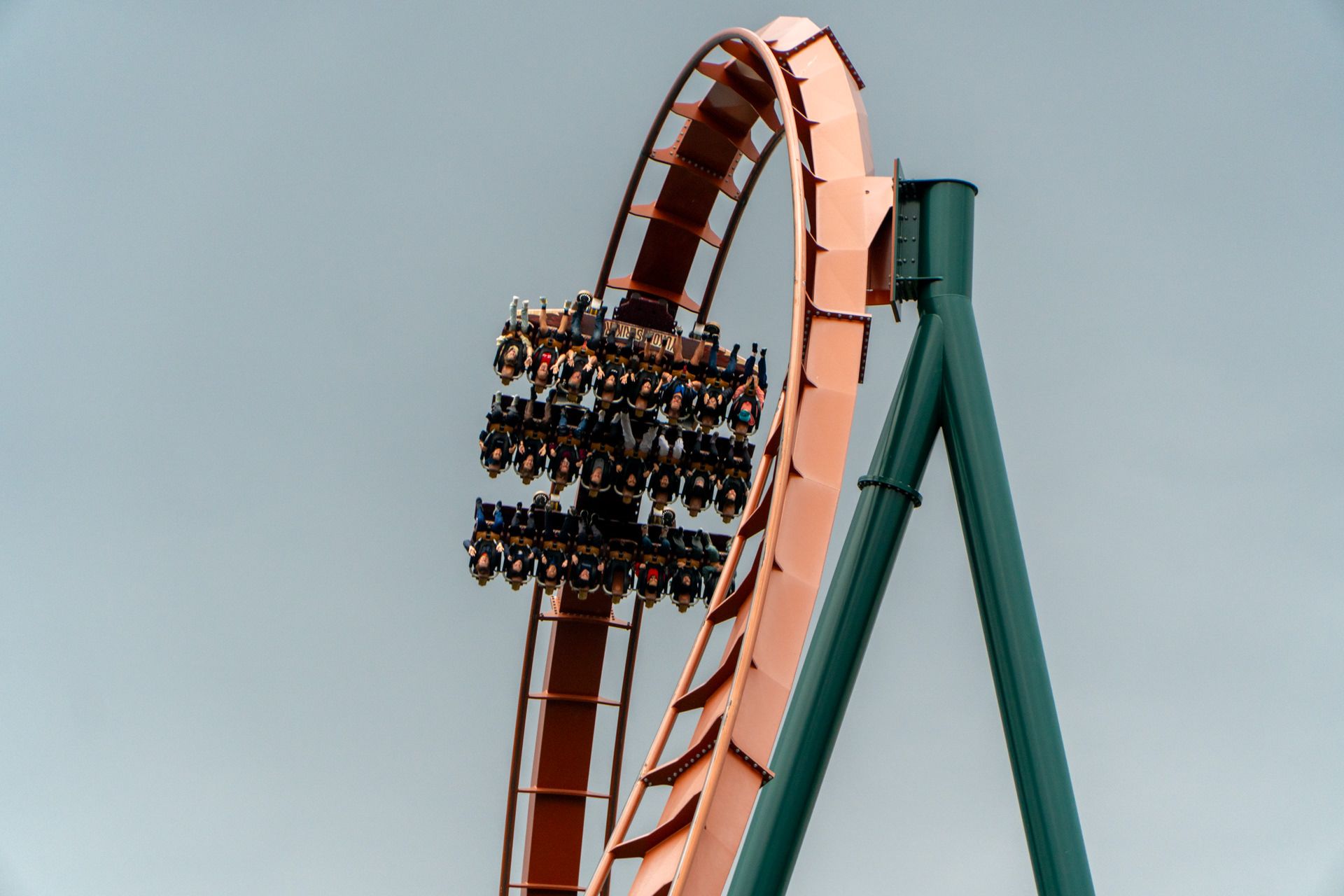
The huge Immelmann follows immediately. Next comes the climb into a zero-G winder, which turns us upside down before sending the train off into a sideways descent.
A traditional vertical loop follows — still a rather unusual element for a Dive Coaster. Another Immelmann takes us upward again before a small rise leads into the block brake directly above Timberwolf Falls. After being slowed considerably, we enter a second vertical drop, followed by an airtime hill and a forceful final helix into the brakes.
All things considered, Yukon Striker is a very solid ride.
Tundra Twister
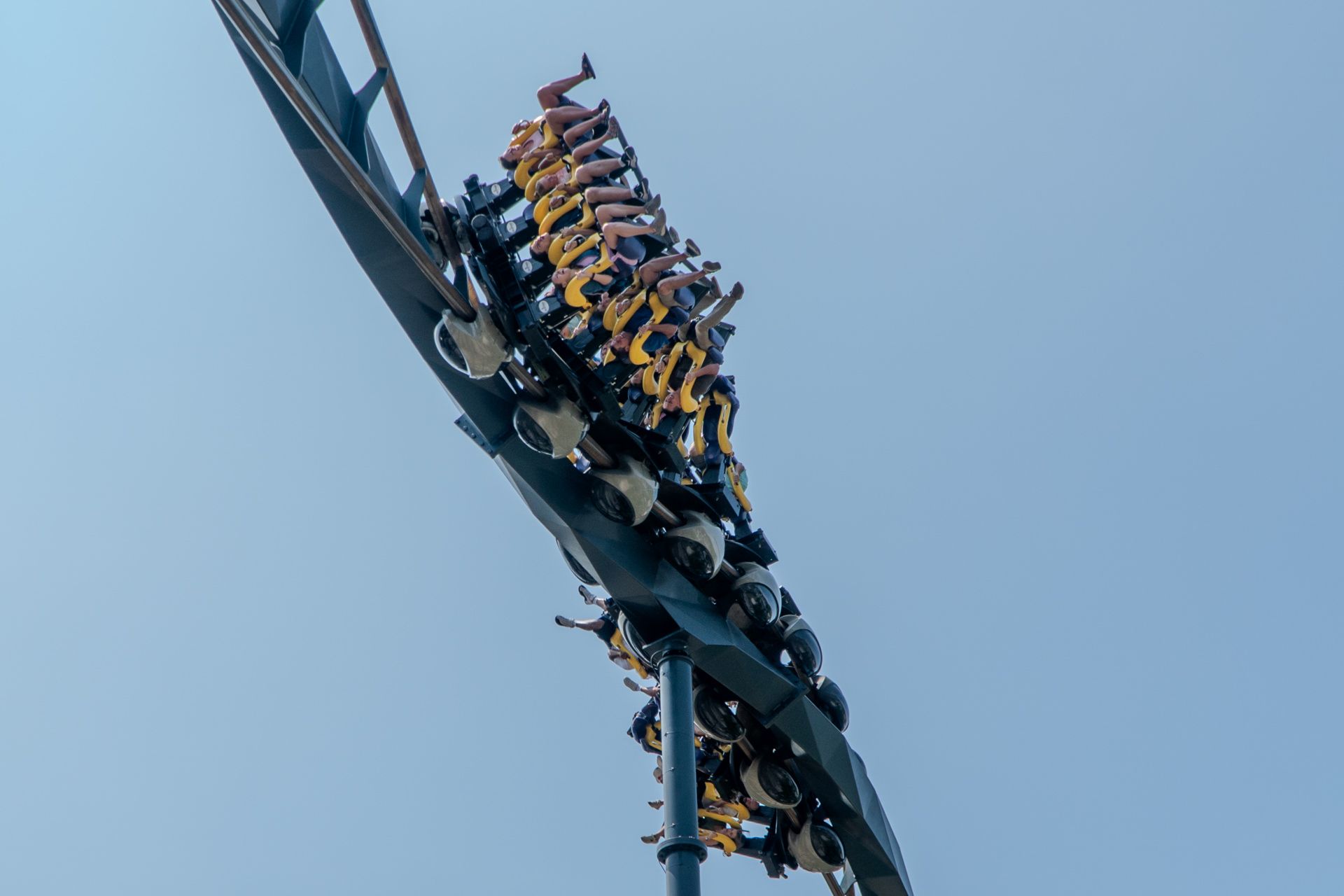
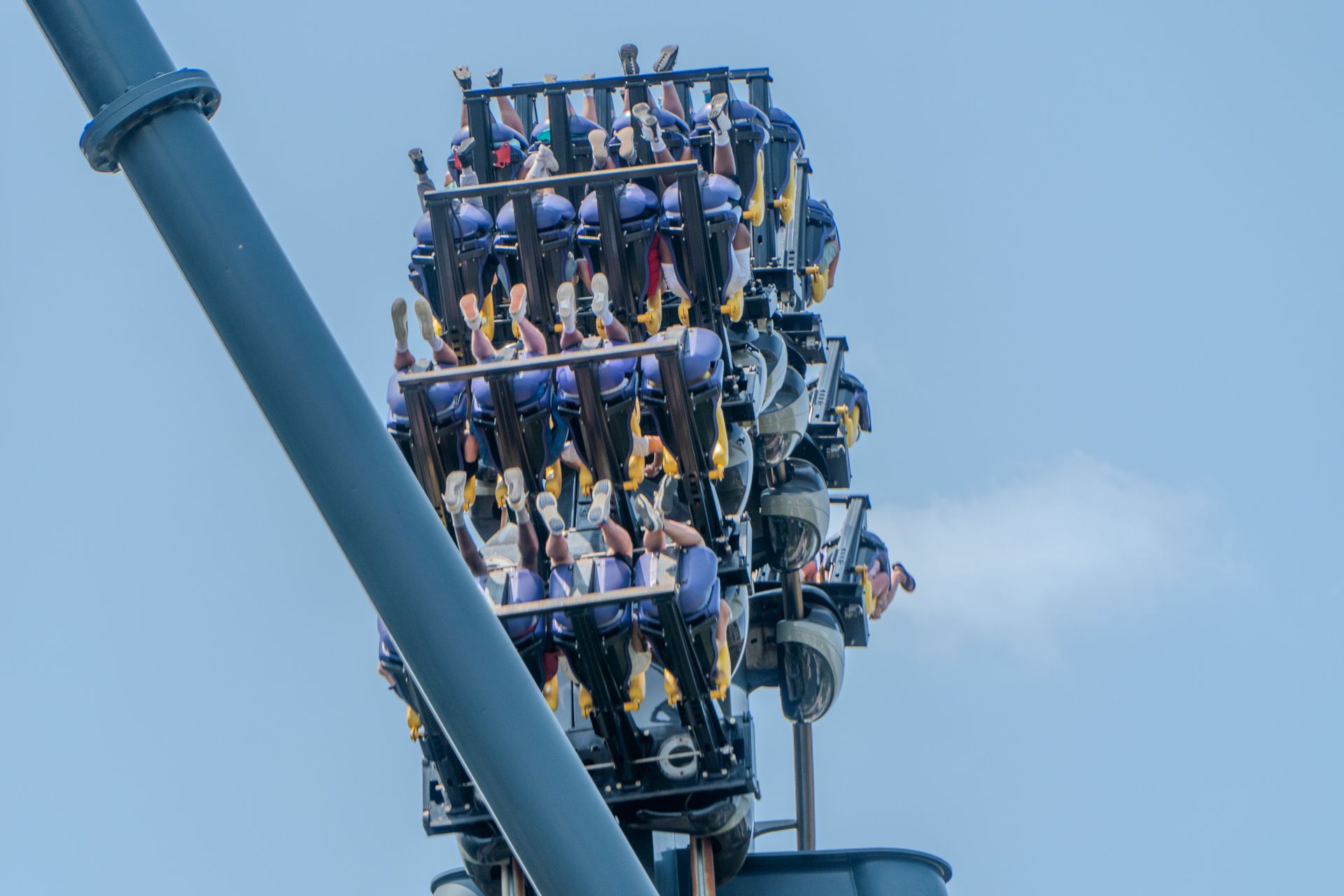
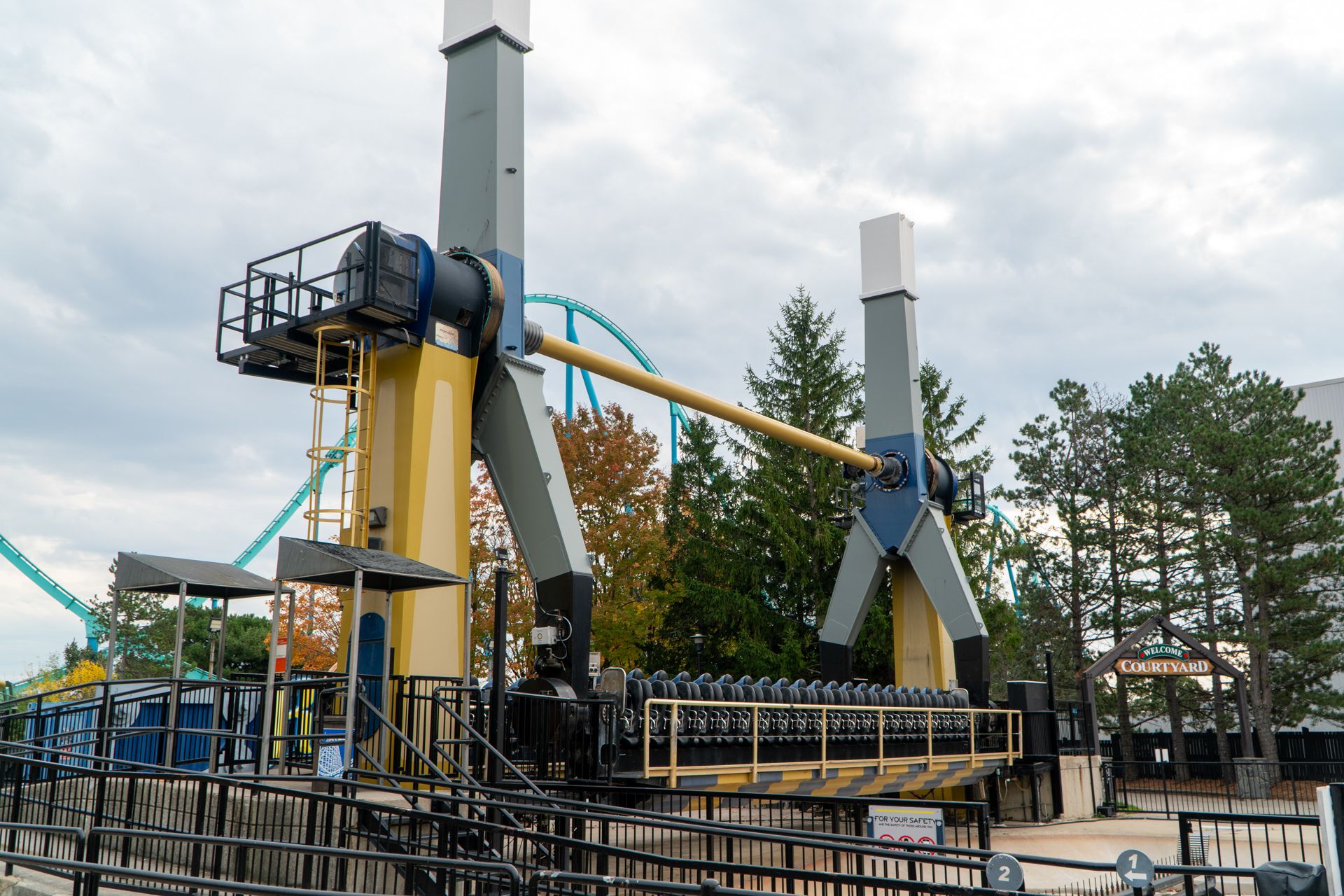
Tundra Twister is currently the only Mondial Avalanche in existence. It is an enormous ride, carrying 40 passengers at a time, and looks impressive even before it starts moving.
Because of the huge moving mass, the ride feels somewhat slower and more deliberate than something like Shockwave, so the rolls and inversions aren’t quite as wild. What it does have, however, is height: Tundra Twister reaches around 157 feet, which turns the ride into a pretty respectable test of courage.
A very cool machine.
Timberwolf Falls and White Water Canyon
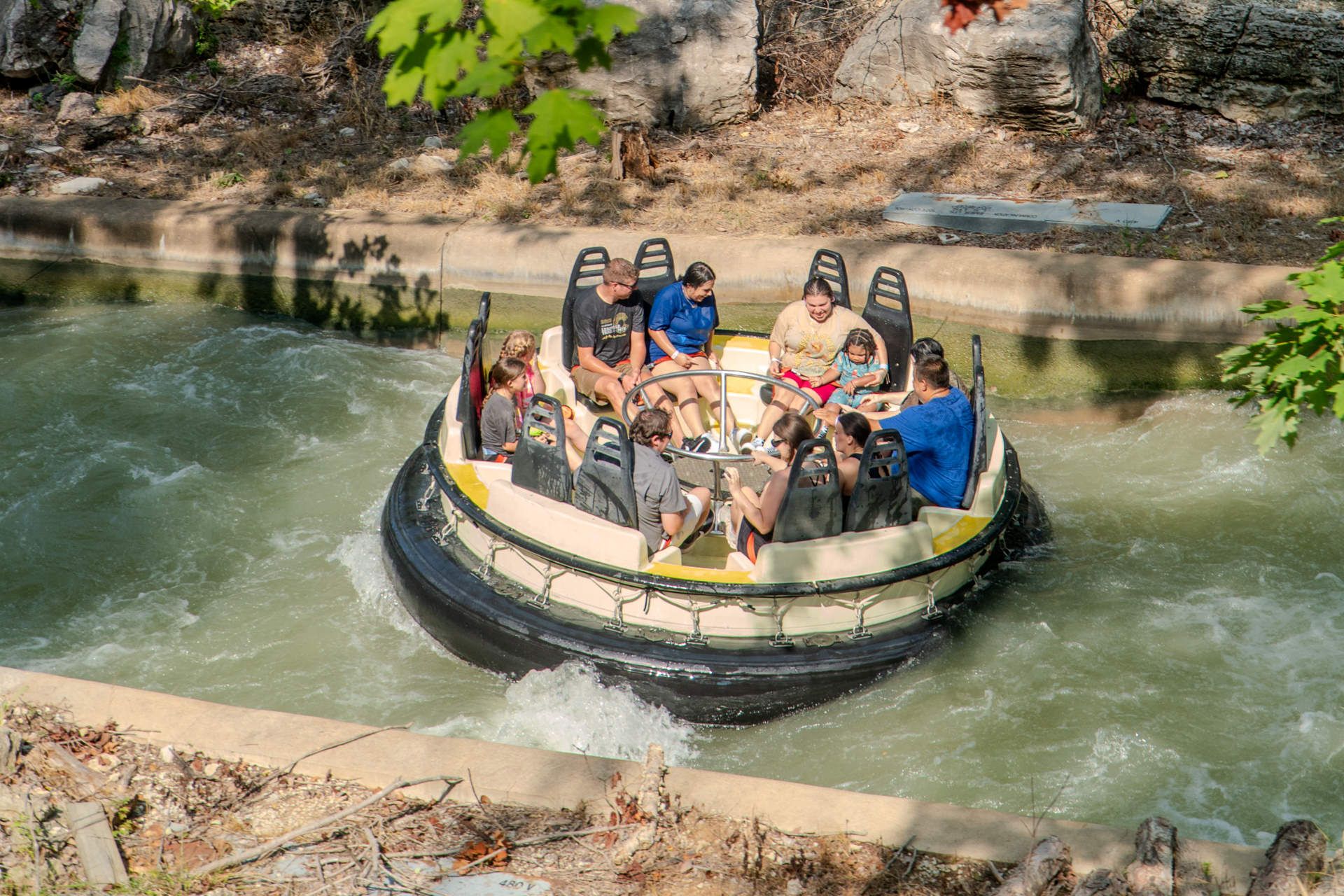
Timberwolf Falls and White Water Canyon are the two larger water rides in this part of the park. Unfortunately, both had already entered their well-deserved winter hibernation during my visit.
Timberwolf Falls is a classic Hopkins Shoot the Chutes. The main drop creates a huge wall of water that comes crashing down rather evenly across the riders.
White Water Canyon, meanwhile, is a classic Intamin rapids ride with plenty of obstacles along the course, including several waterfalls.
Shivering Timbers and Lumberjack
Lumberjack is a Zamperla Hawk — essentially an inverting swinging ship with suspended seats. I had already ridden a similar machine at Kennywood, and once again it was a lot of fun.
Right in front of it is Shivering Timbers, a Mondial Inferno. In theory, this should be a wonderfully crazy ride. Unfortunately, the former traveling attraction is operated very cautiously at Canada’s Wonderland. Instead of a wild looping machine, the ride mostly delivers a bit of sideways rocking without any inversions at all.
It hardly ran during my visit anyway, which wasn’t particularly surprising since at least ten riders are required before they can send it.
Vortex
To finish things off, we have Vortex, a classic Arrow Suspended Coaster. The layout may look familiar, as The Bat at sister park Kings Island follows an almost identical course.
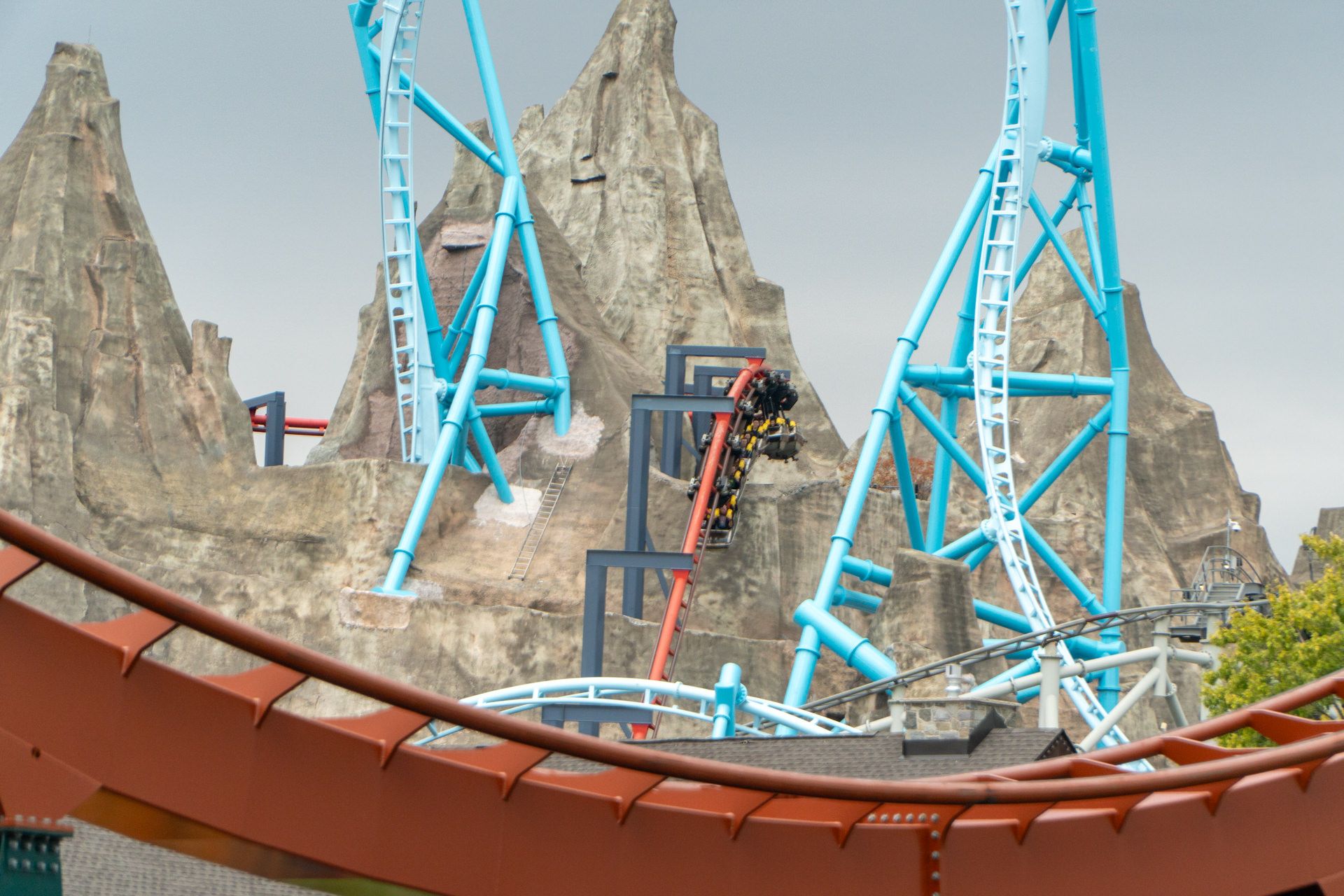
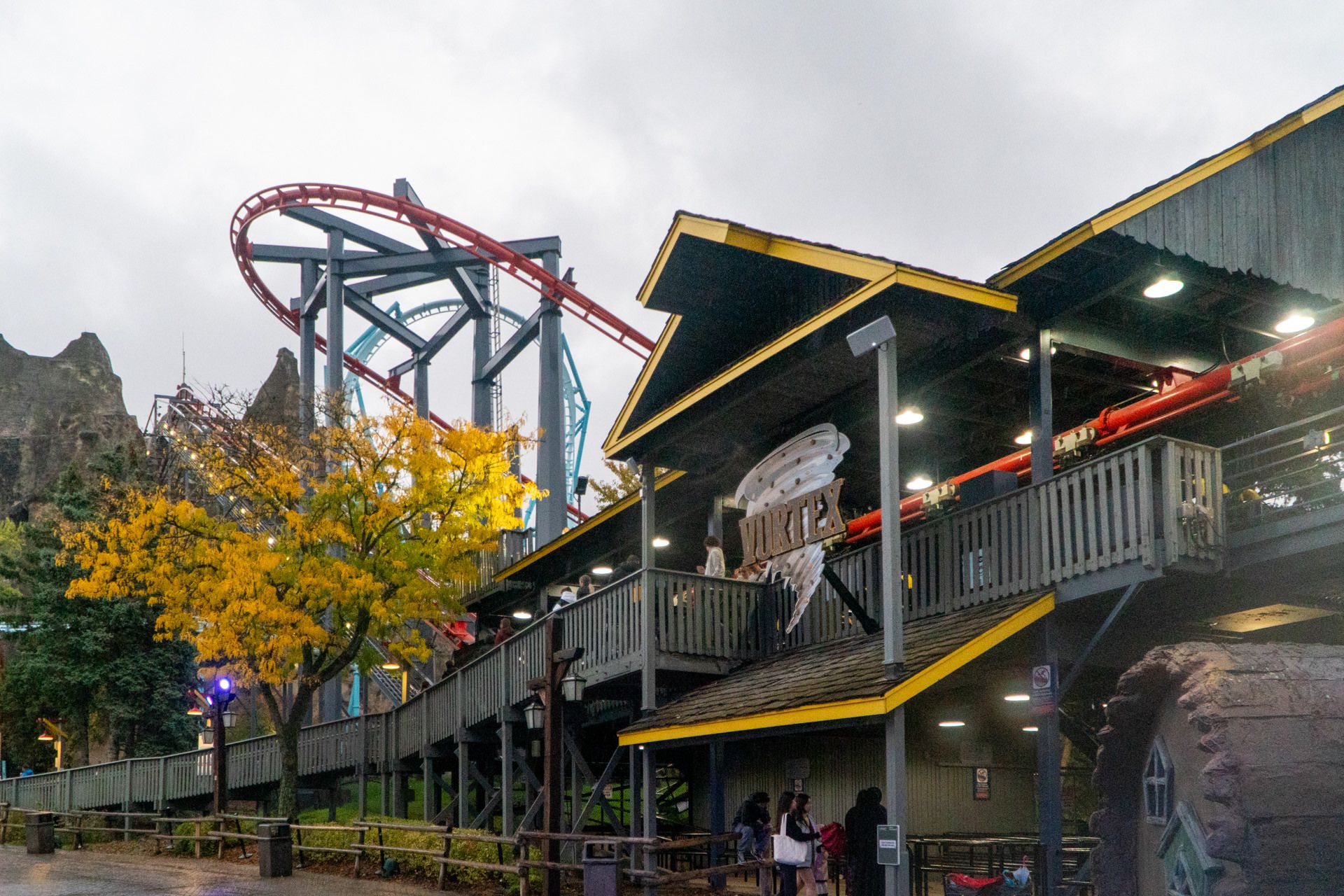
After leaving the station, the train climbs the lift hill all the way up onto Wonder Mountain. A turn at the top sets up the first drop, which sends us diving down the side of the mountain. The cars are already swinging hard by the time we hit the valley and race into a large turnaround.
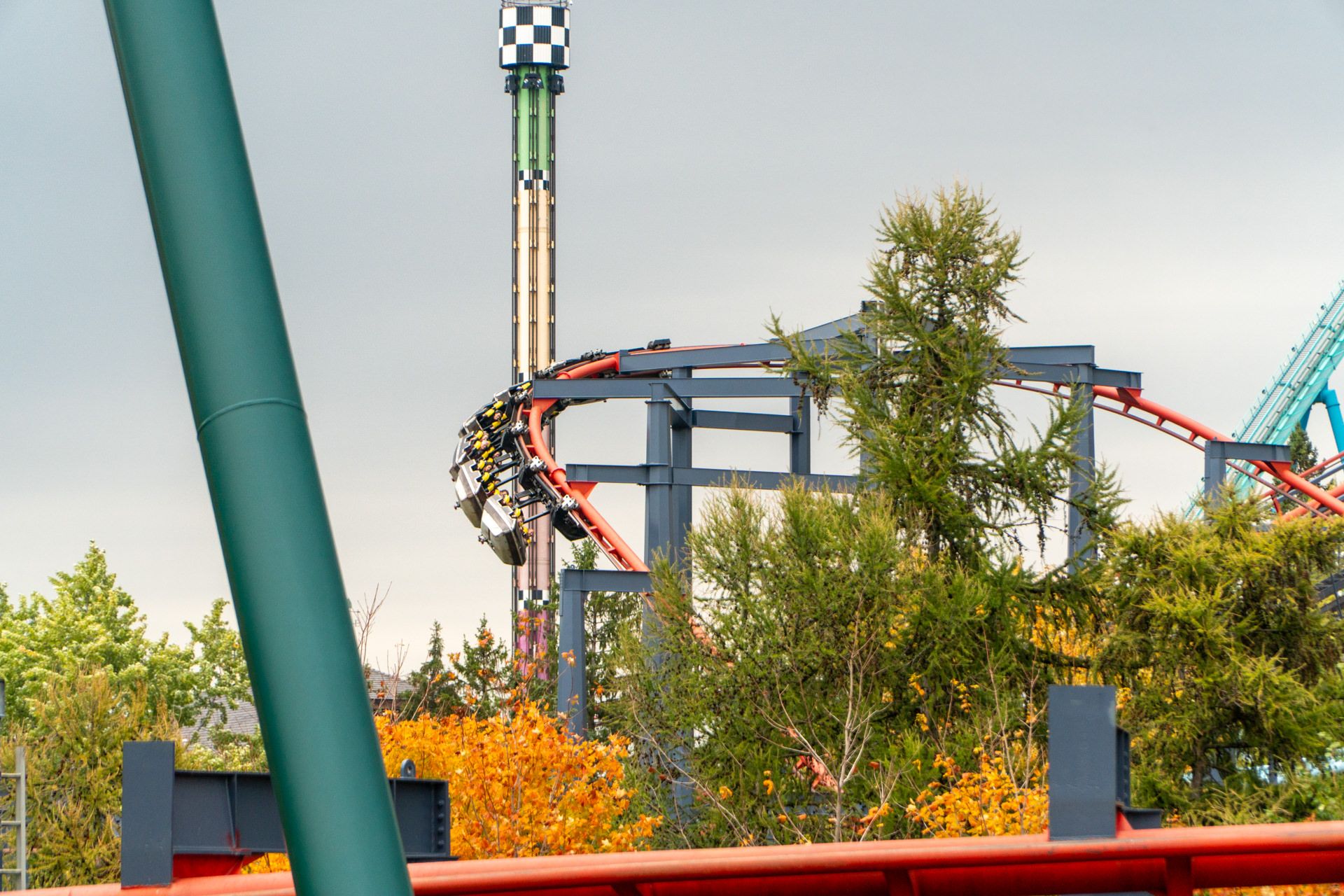
From there, the ride keeps up plenty of speed as it runs out across the water. Fast directional changes send the cars swinging aggressively from side to side, with the descending helix just above the water being one of the best-looking moments on the entire ride. A few more quick turns eventually bring us back toward the station.
For me, Vortex is about as close as you can get to the ideal family coaster. It is fast and has a great sense of movement thanks to the swinging cars, yet never becomes overly intense.
Pictures Canada’s Wonderland



Conclusion Canada’s Wonderland
I really enjoyed Canada’s Wonderland. Despite its size, the park feels surprisingly compact, yet there is easily enough to keep you busy for two full days. What impressed me most was the combination of major coasters and the enormous variety of flat rides. With attractions such as Sledgehammer, Tundra Twister, and Wilde Knightmares, there are several rides here that you simply don’t come across very often anymore.
Leviathan was easily my favorite coaster in the park, but Alpen Fury and Backlot Stunt Coaster were also a lot of fun. I was especially impressed by the wooden coasters, all of which I thoroughly enjoyed. On the flat-ride side, Sledgehammer and Tundra Twister were the standouts for me. I’m already looking forward to my next visit.
What’s your opinion on Canada’s Wonderland? Simply write it in the comment field below the report!
Click here to get to the overview page of Canada’s Wonderland