Everything new at Freizeit-Land Geiselwind

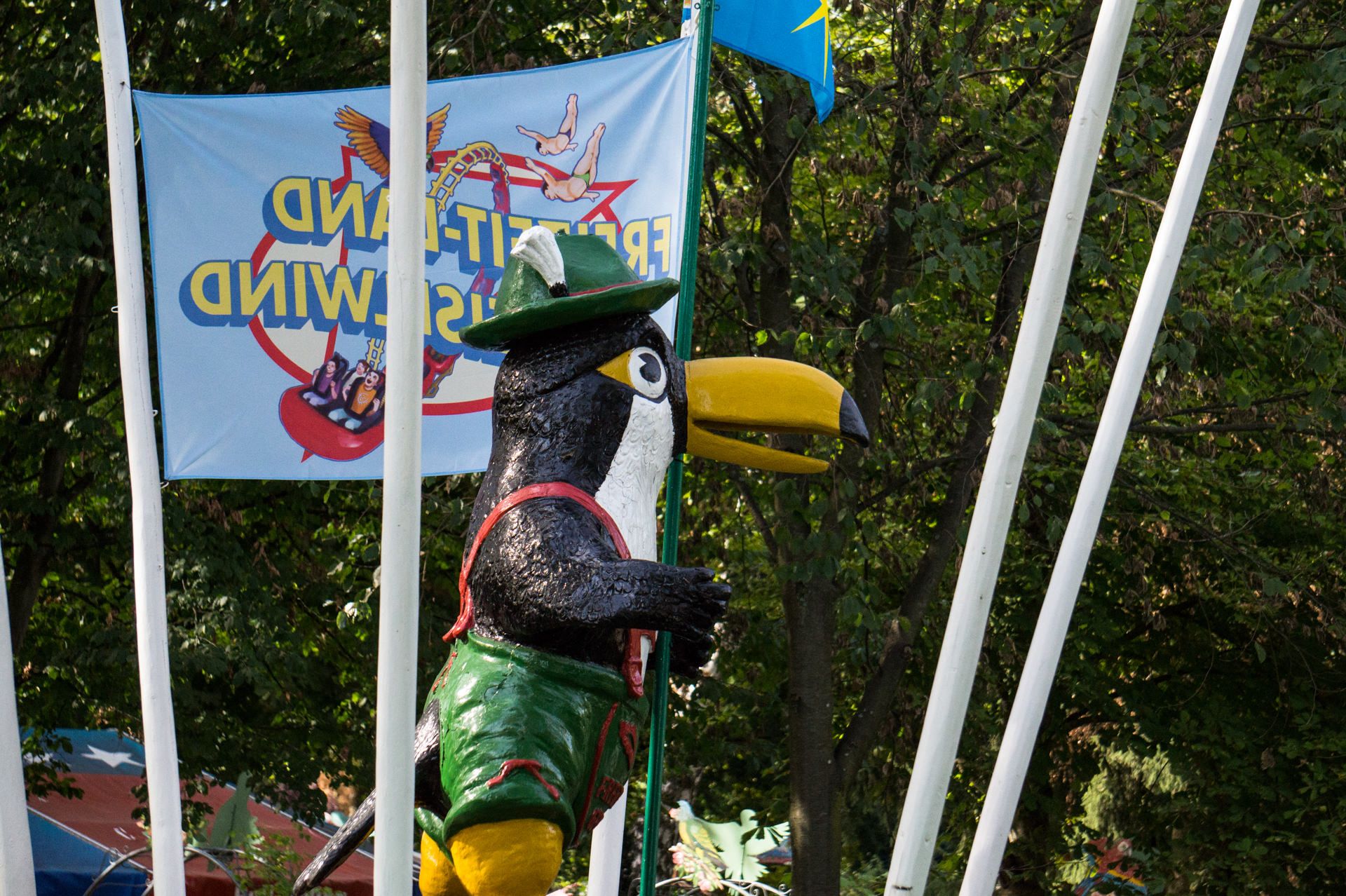
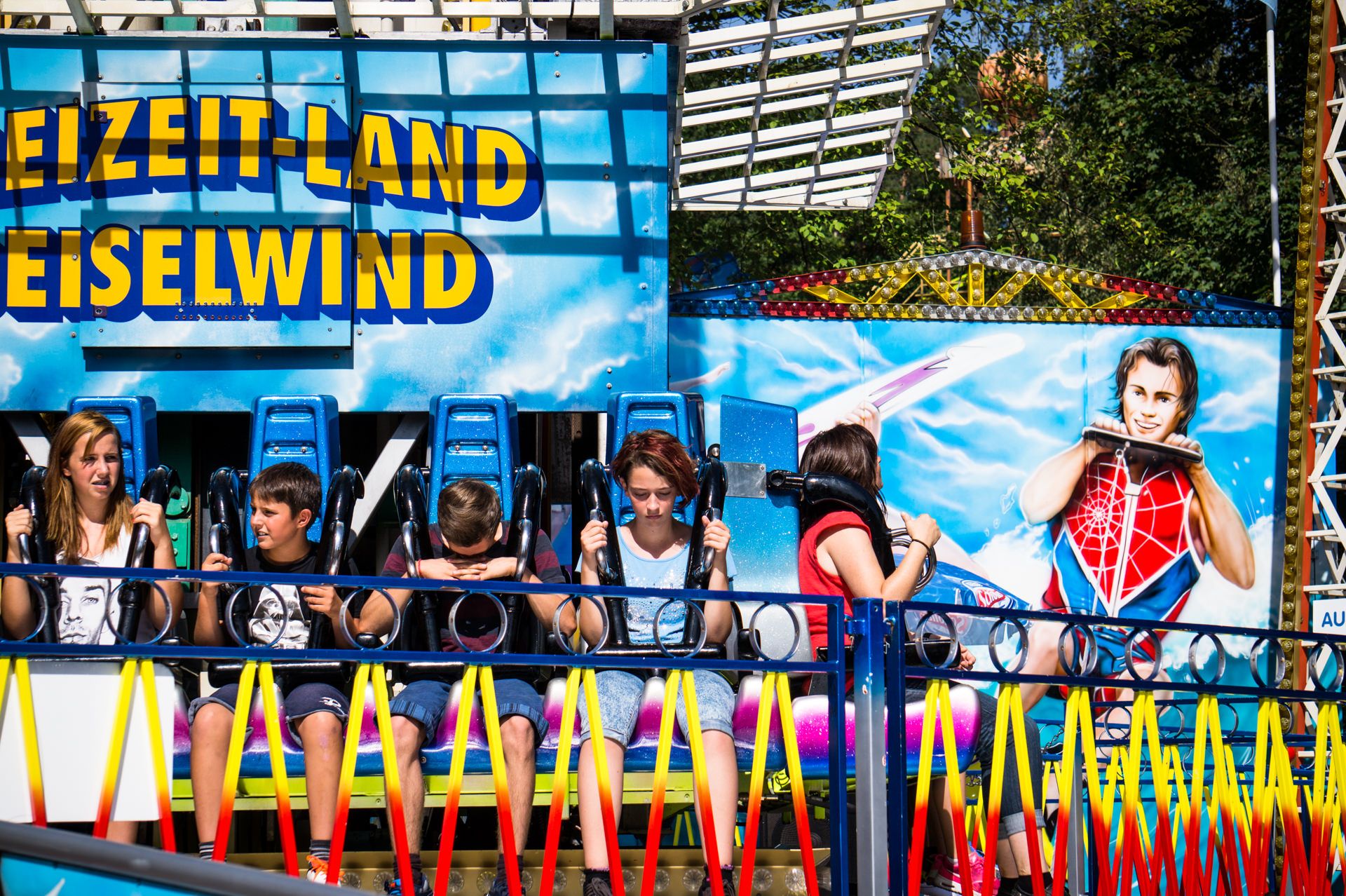
A lot has happened since my last visit to Freizeit-Land Geiselwind. In 2016, the animal and amusement park was taken over by showman Mathias Mölter and has been steadily expanding ever since. Interestingly, the charming funfair is developing more and more into a theme park as more and more funfair rides are added.

Verrückte Farm

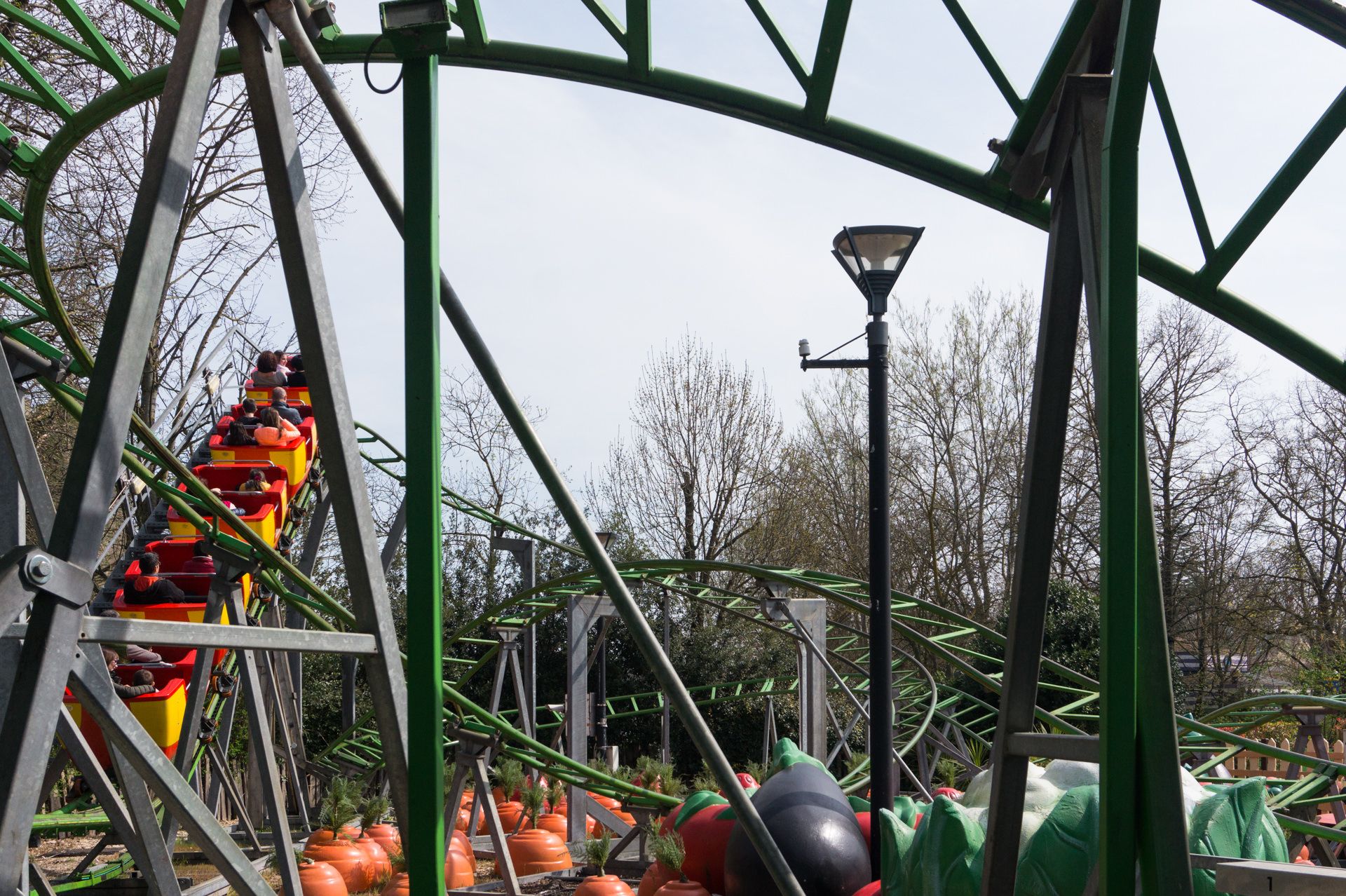
It all starts with the nice children’s area right at the entrance. The crazy farm is home to the Doggy Dog children’s roller coaster, a classic Big Apple.

Freizeit-Land

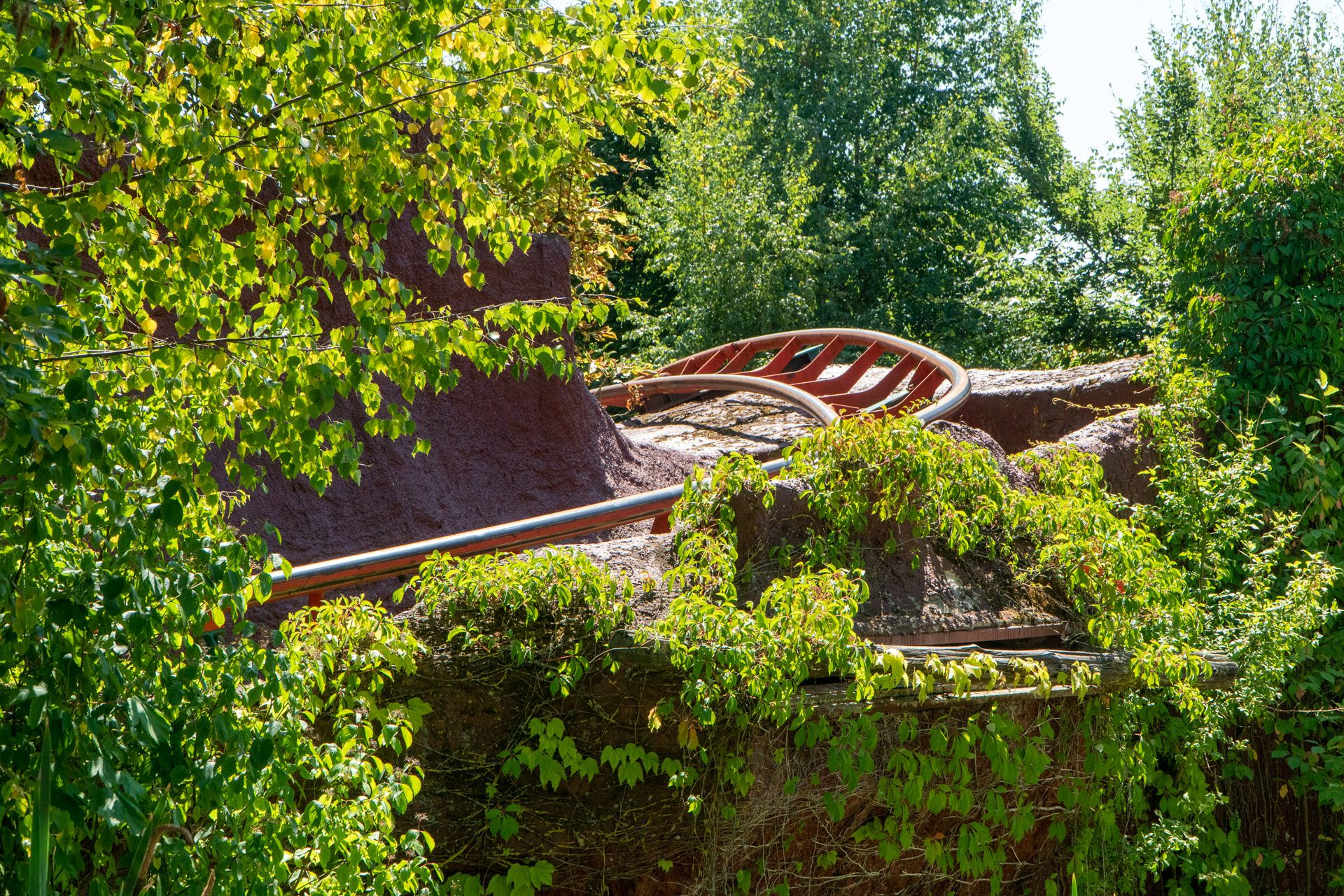
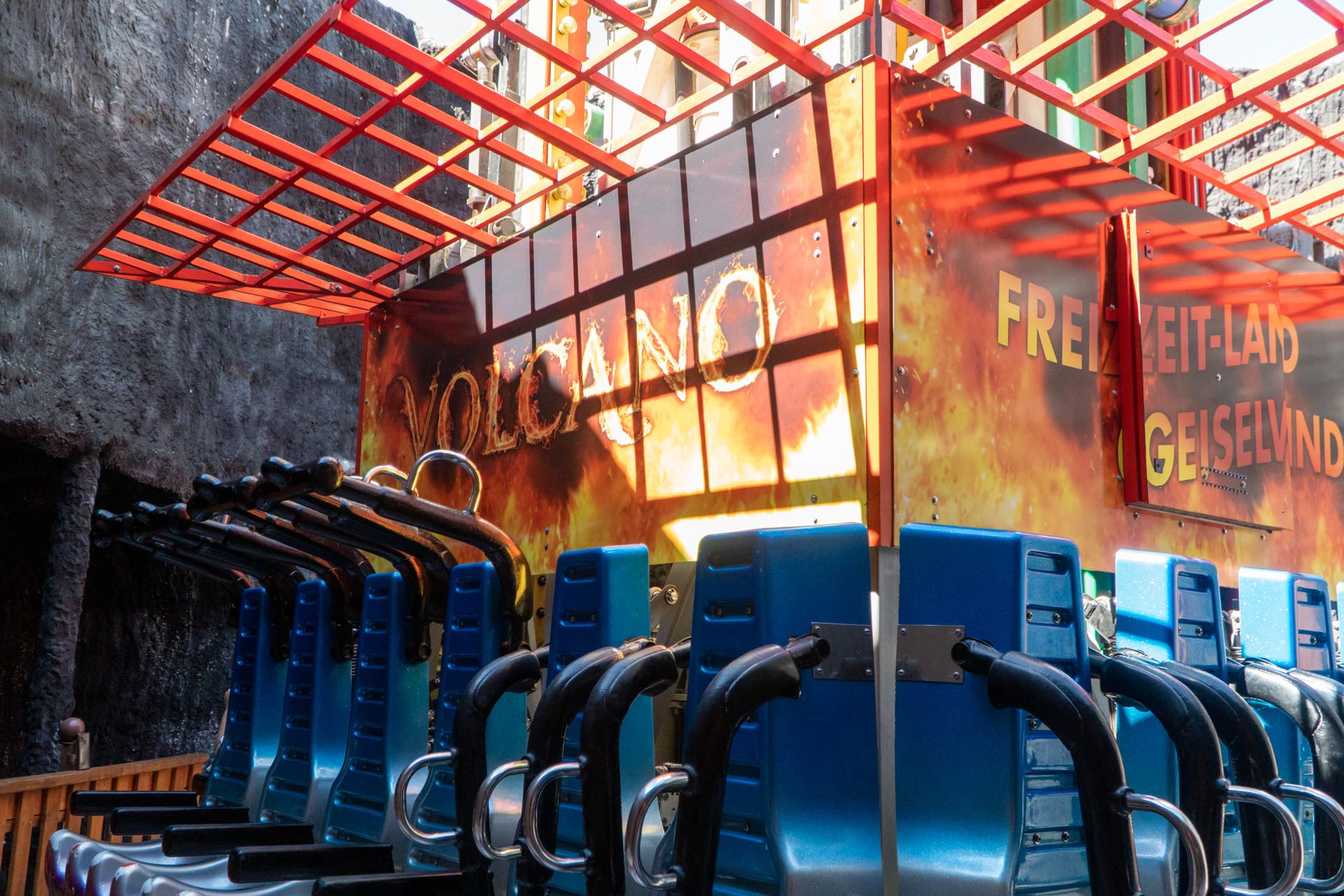
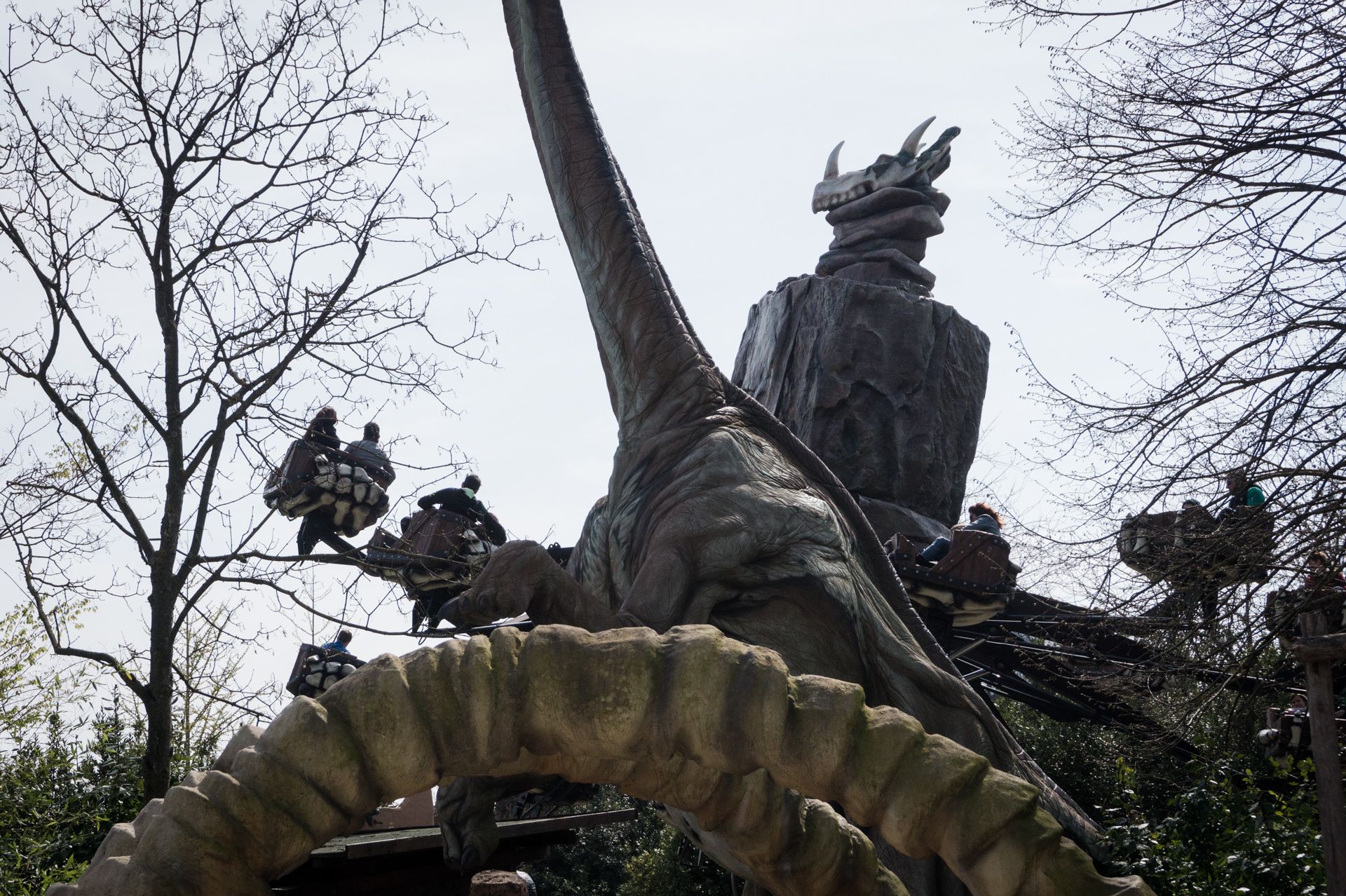
The charm of the old amusement park can still be discovered today in Freizeit-Land. Most of the rides have been given new names, and the Shot ‘n’ Drop Tower T-Rex Tower has been completely re-themed with an artificial volcano, from whose crater you are now ejected.

Drachenbucht

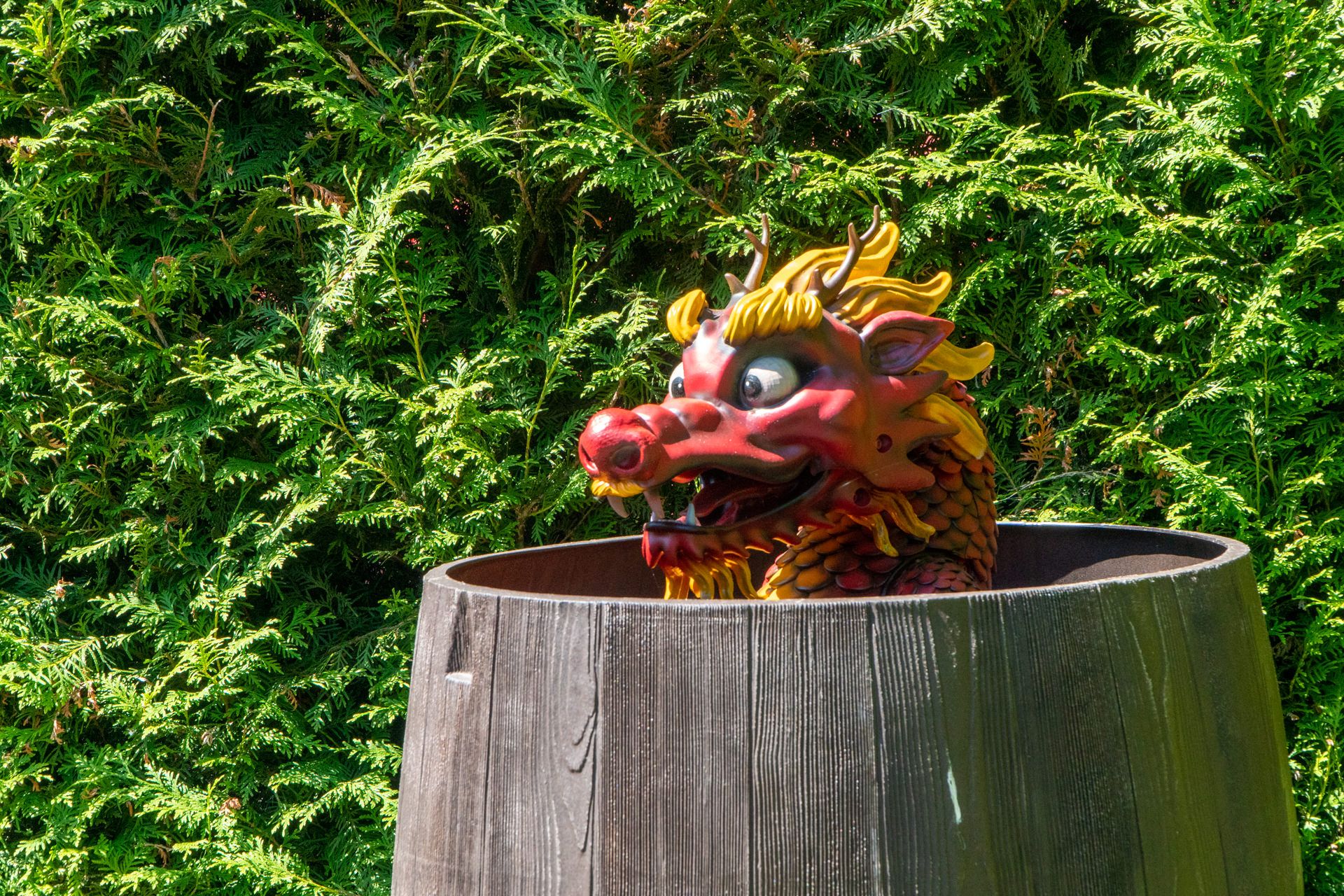
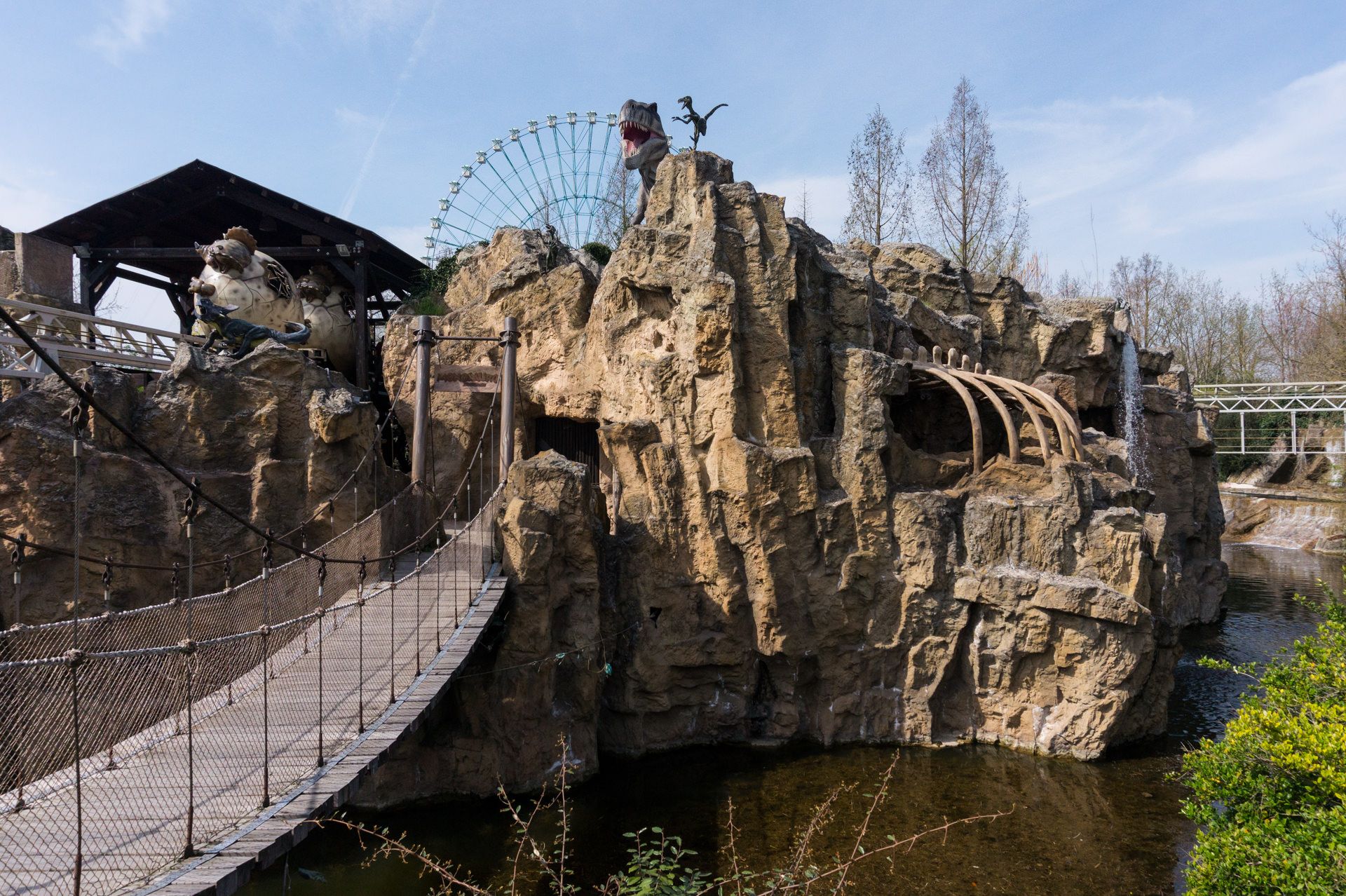
Wo früher noch Autos parkten, befindet sich heutzutage der Themenbereich Drachenbucht. Der weitläufige Themenbereich bietet fernöstlichen Charme, ohne dabei allzu kitschig zu wirken. Hauptattraktion hier sind die SBF Visa Frisbee Auge des Drachen, der überaus kurzweilige Walkthrough Meister Ling’s magisches Labyrinth (Master Ling’s magical maze) und die Drachenhöhle.

Drachen Höhle

Die Drachenhöhle ist die ehemalige Black Hole des Schaustellers Schierenbeck. Der Hell Diver aus dem Hause Zierer ist mit seiner rasanten Achterbahnfahrt in den kleinen Bobs auch heute ein wahres Highlight und sollte deshalb keineswegs ausgelassen werden.

Land der Piraten

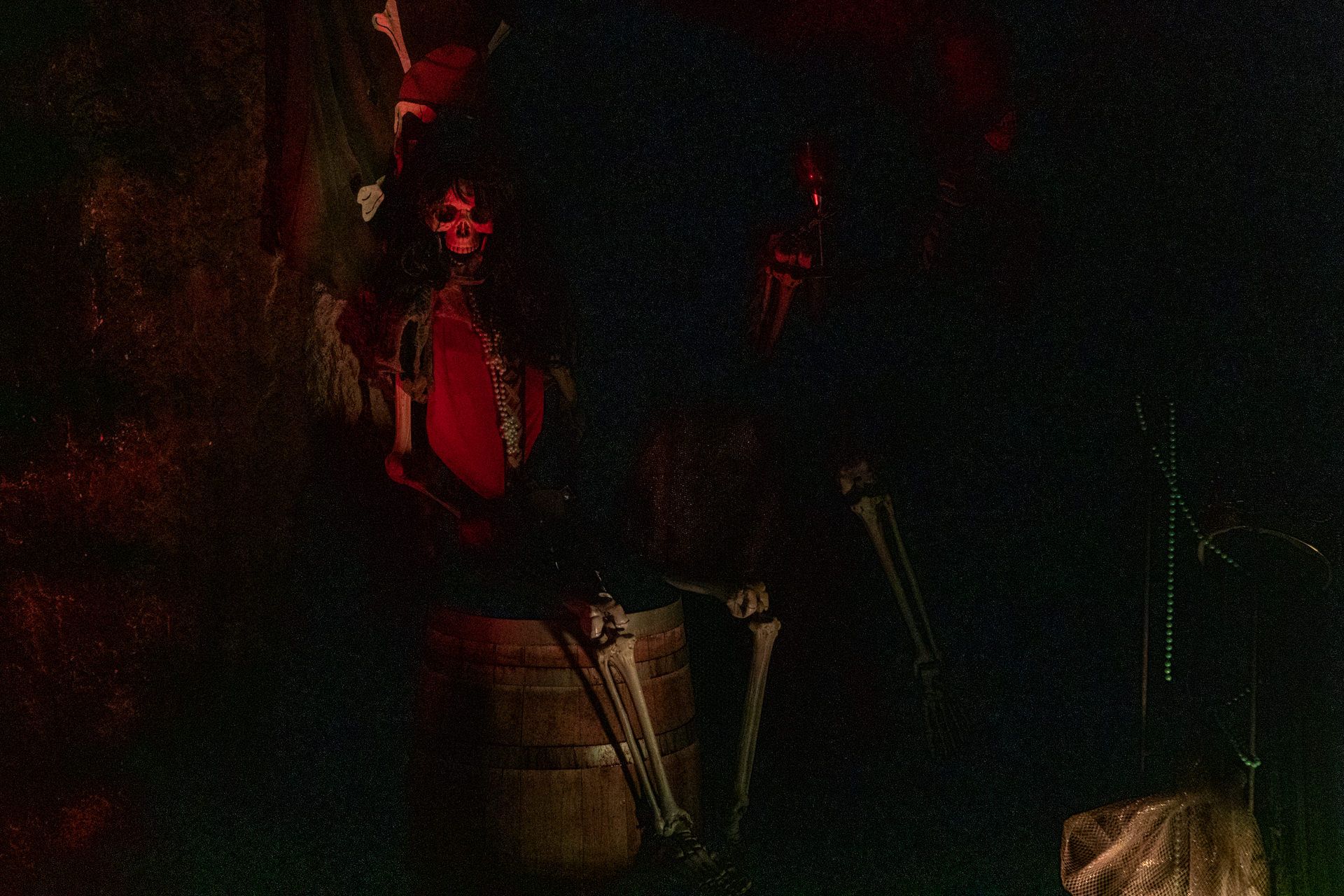
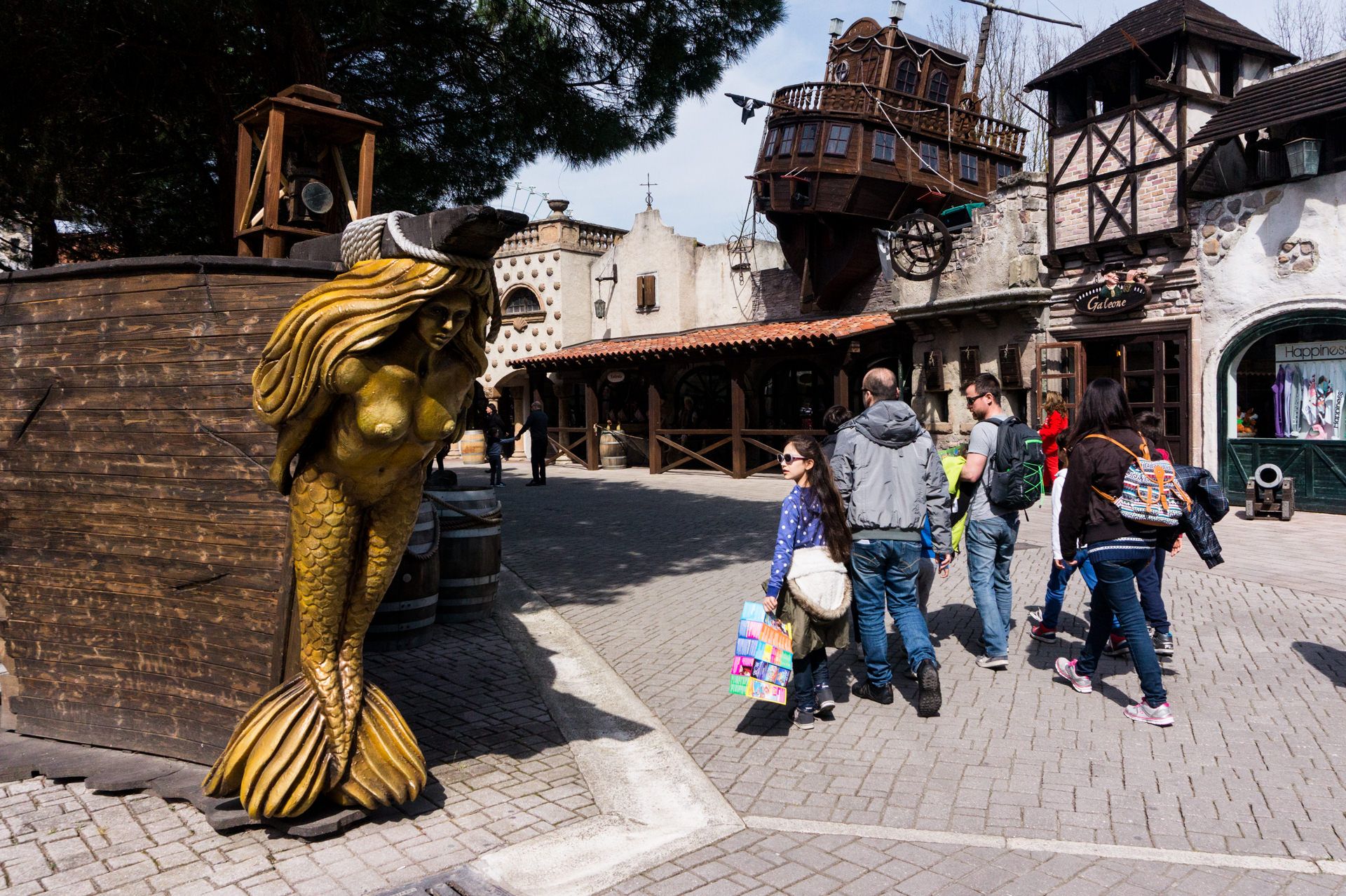
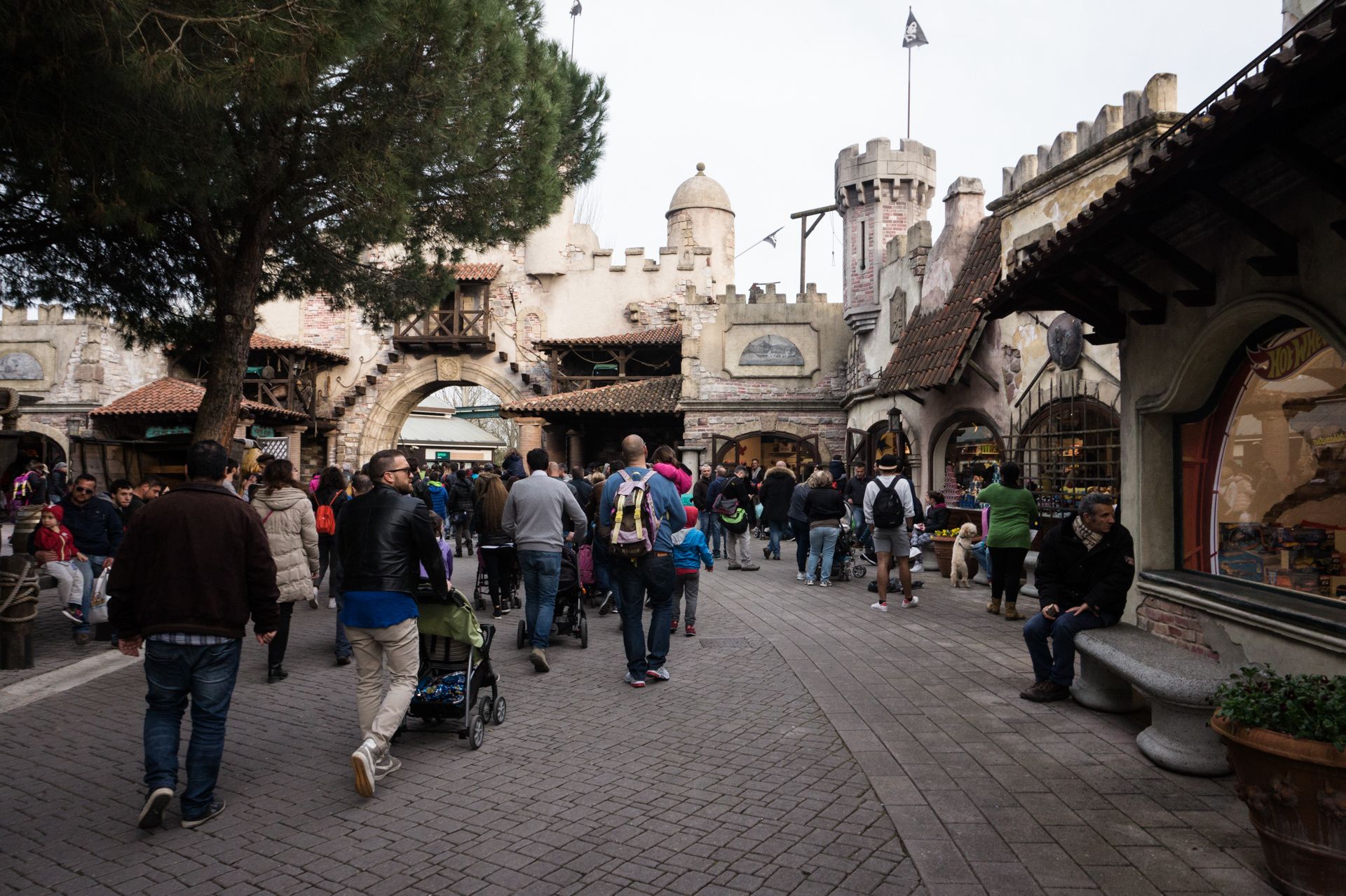
The Land of the Pirates used to be home to the theme park’s terrific HUSS corner, where you could experience a variety of classic rides from the HUSS company. Today, the main attraction here is Jack’s Versteck (Jack’s Hideout)- a huge funhouse, as well as a variety of well-themed rides. Unfortunately, however, the new Bounty ship swing doesn’t really fit in here.

Fluch des Kraken

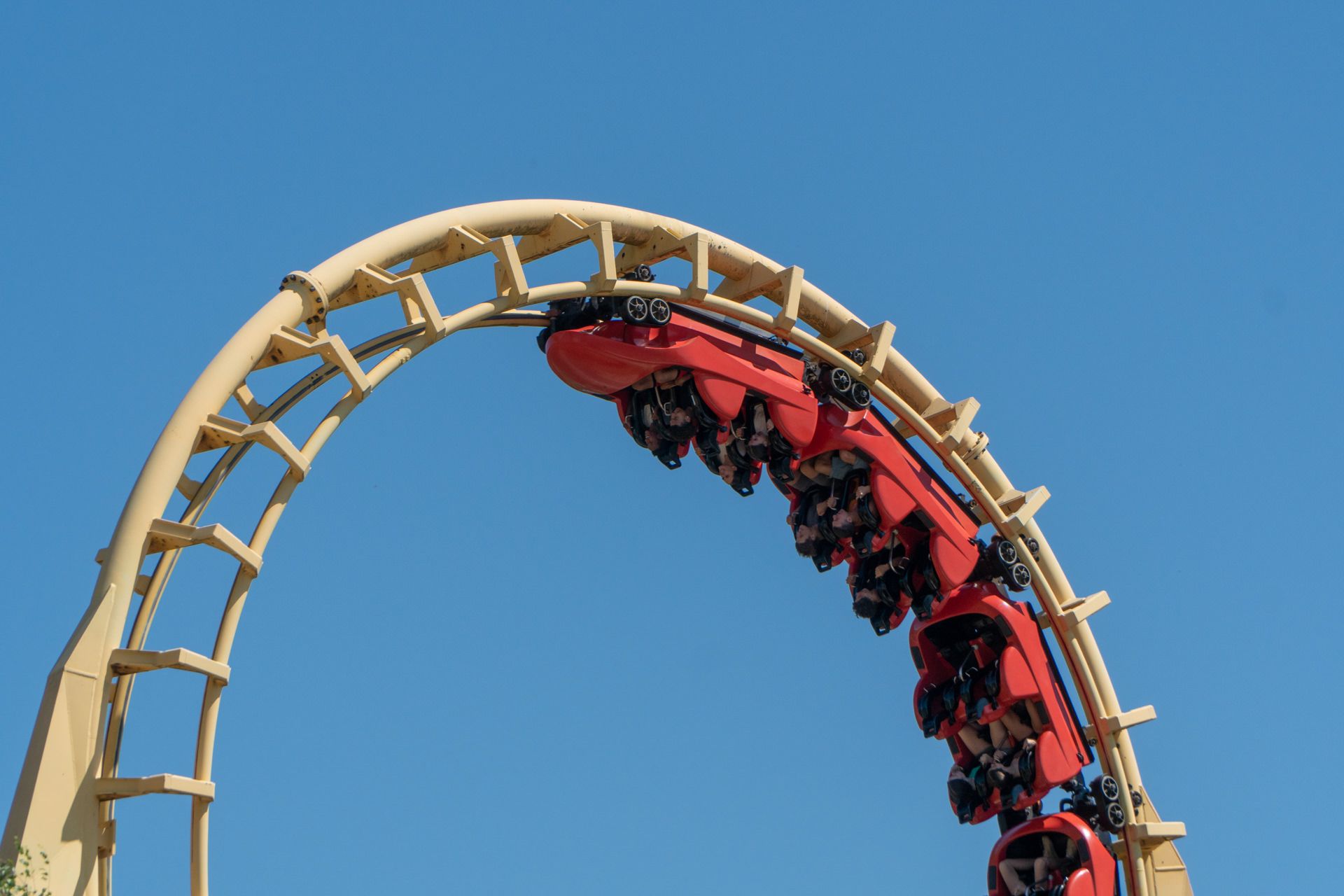
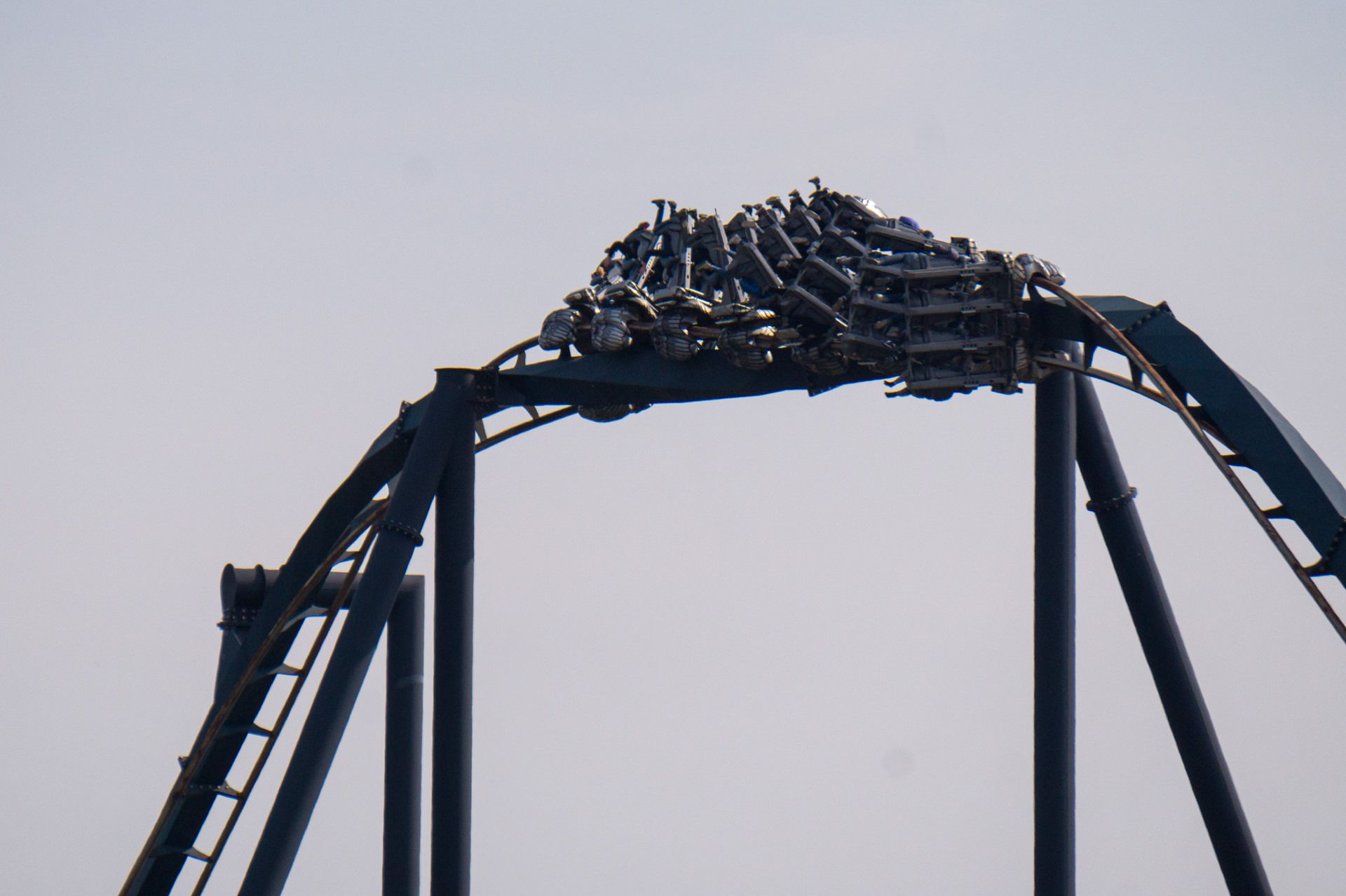
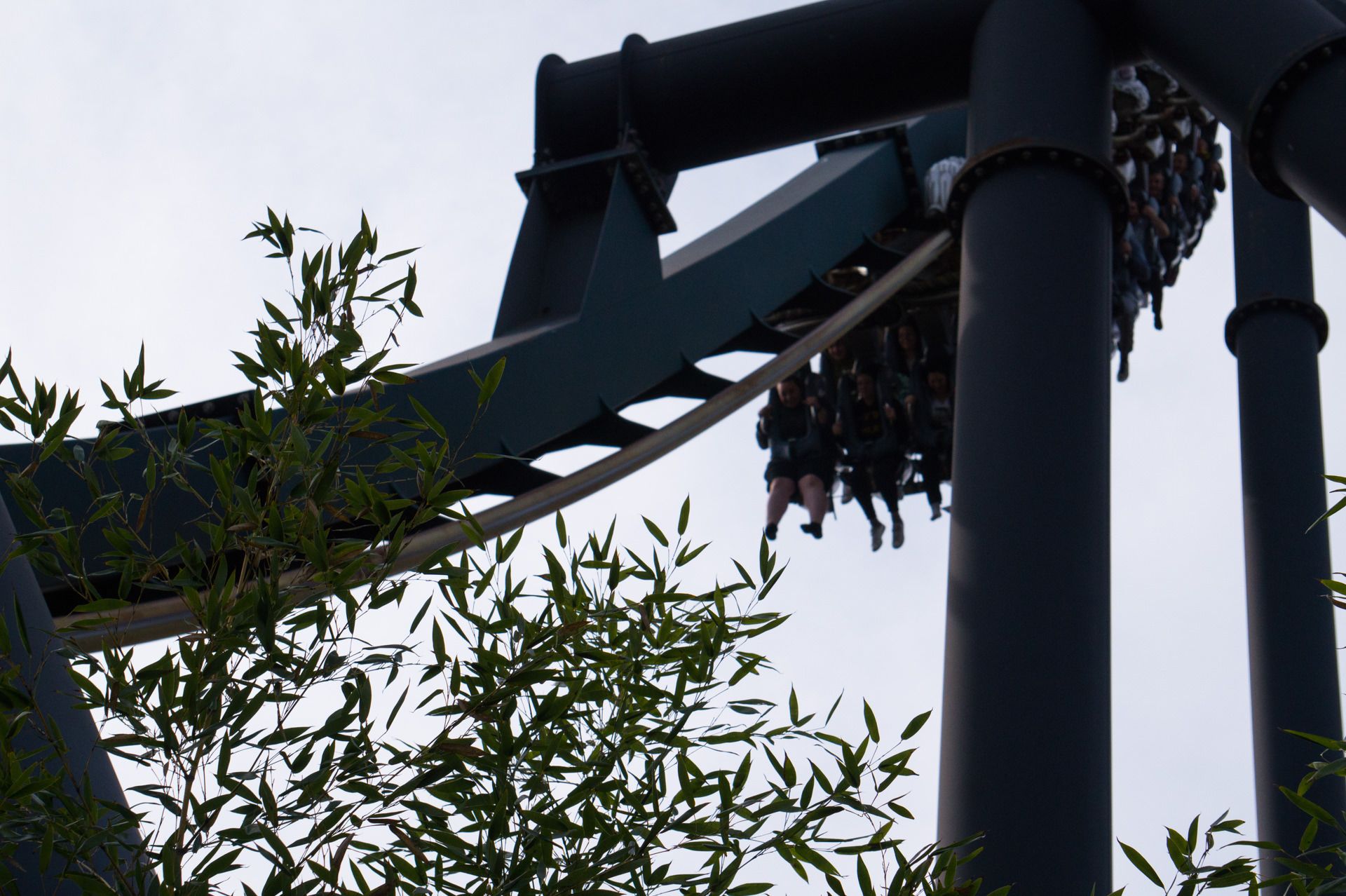
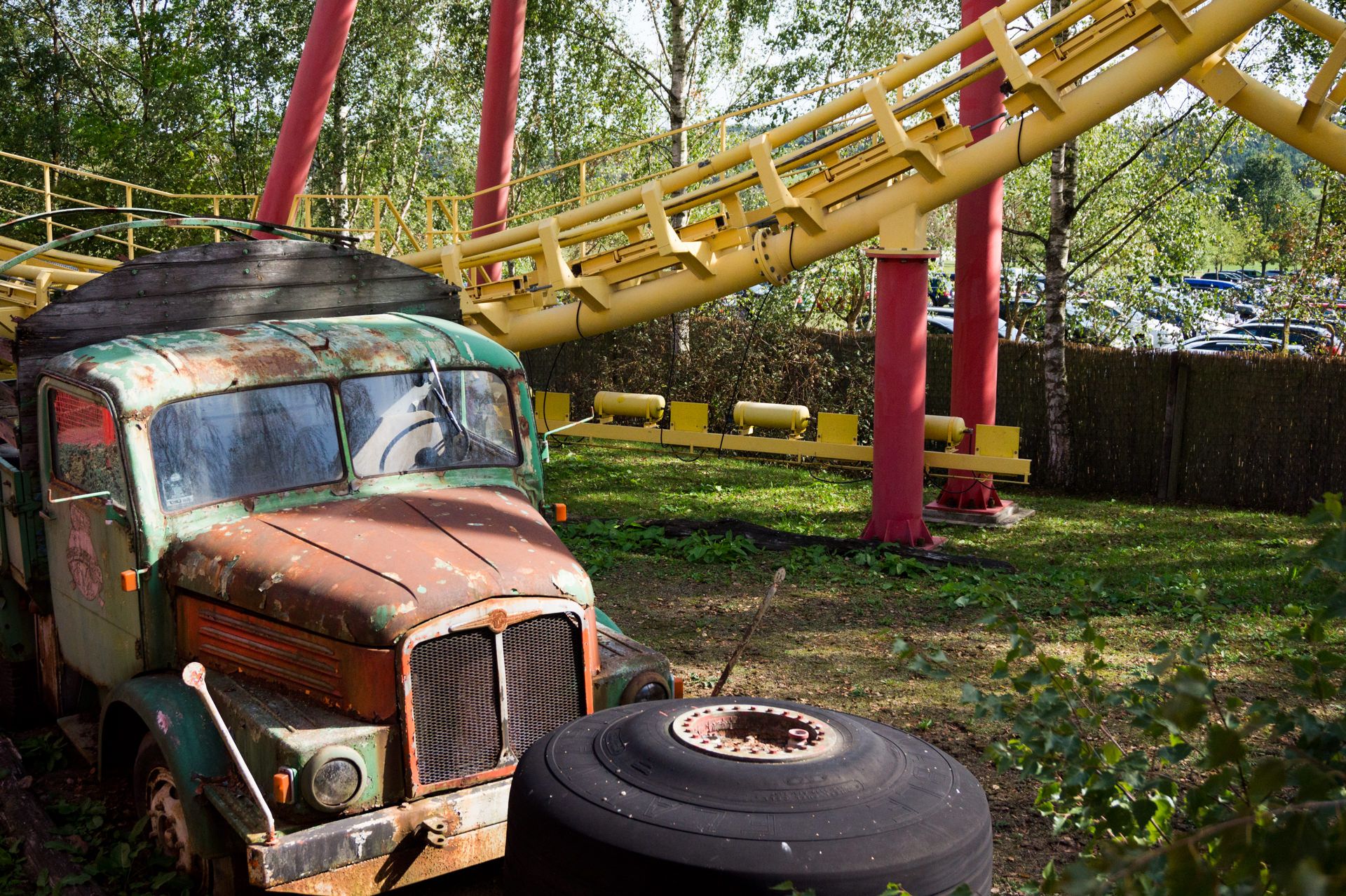
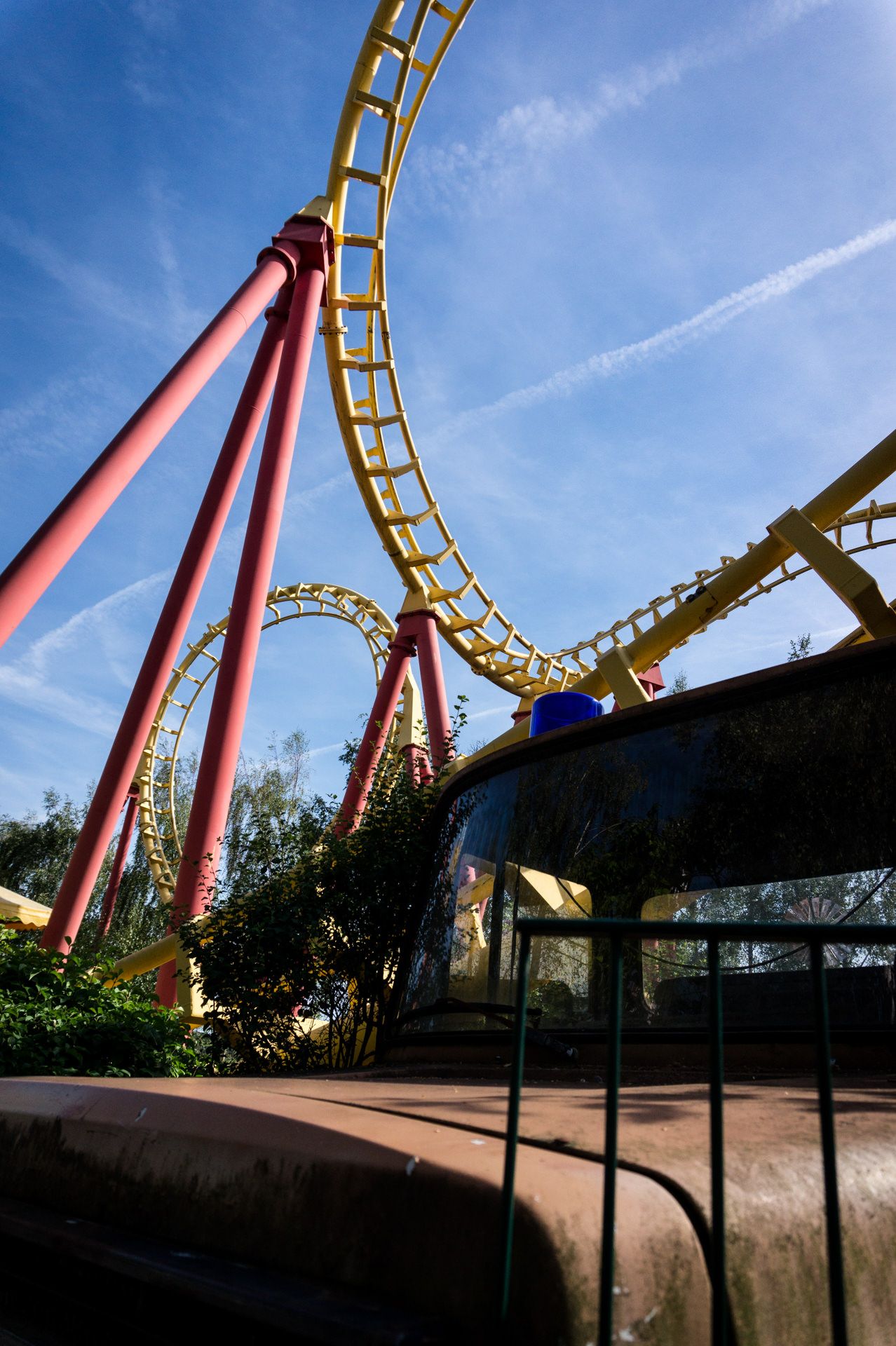
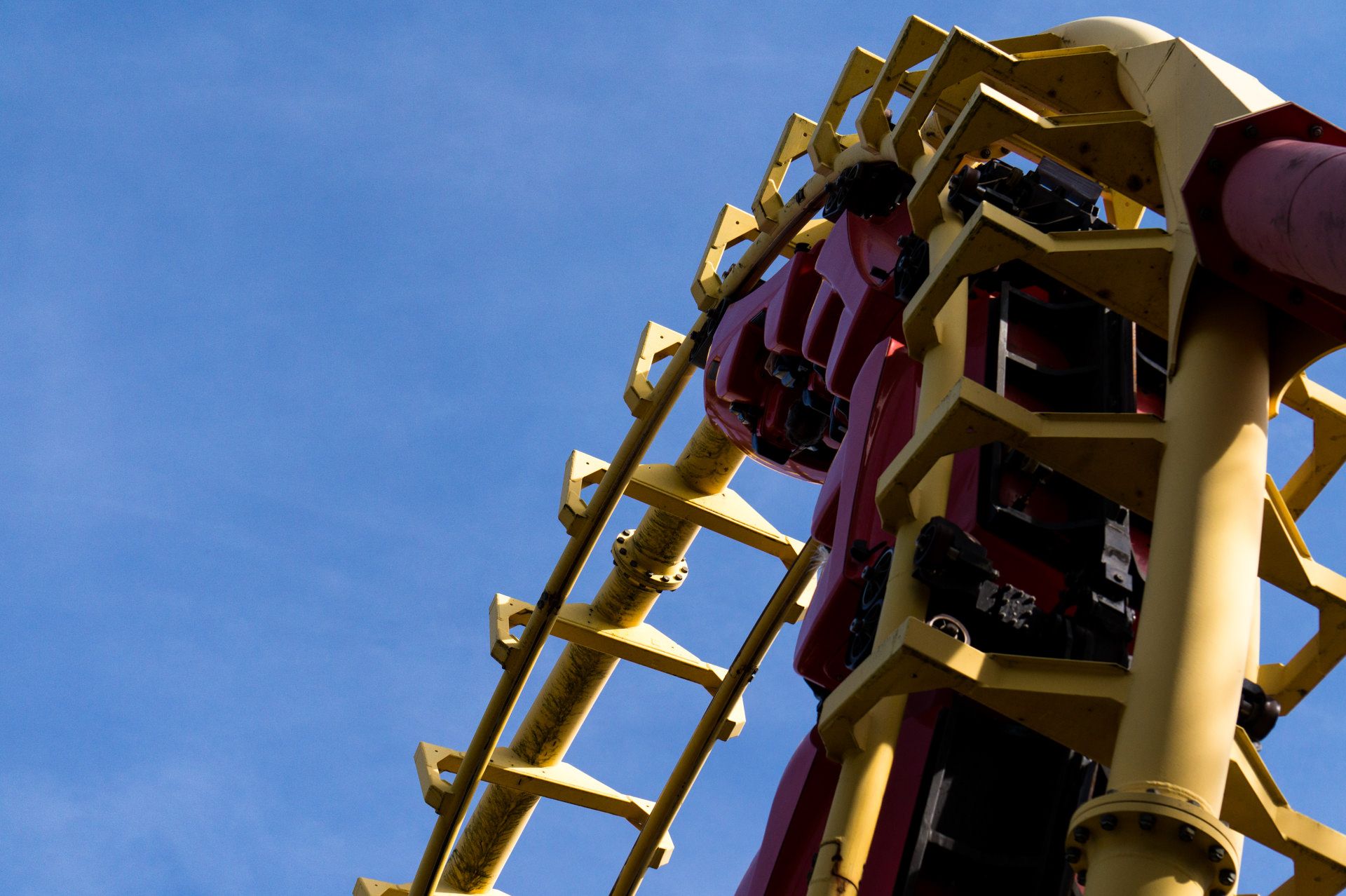
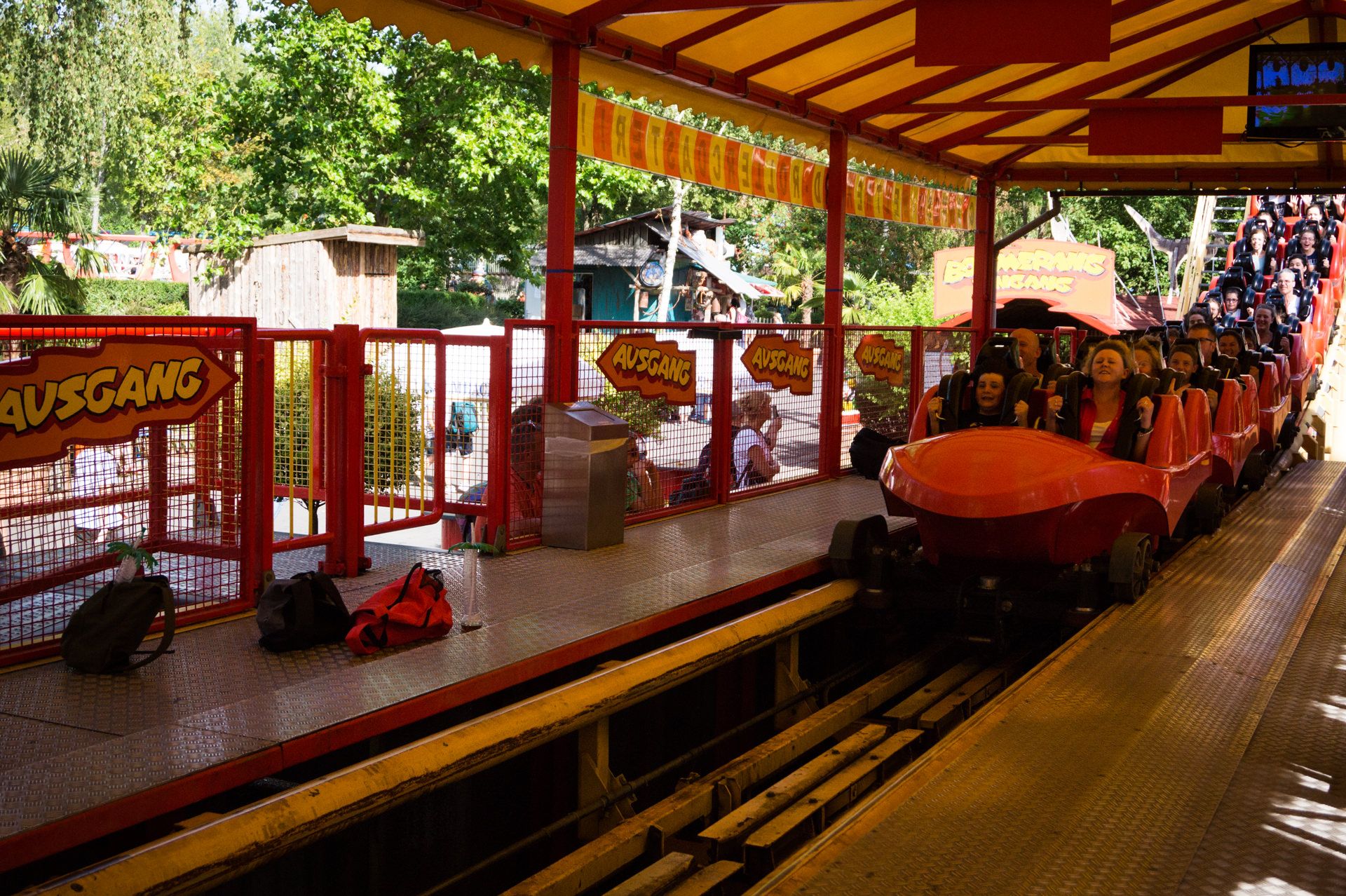
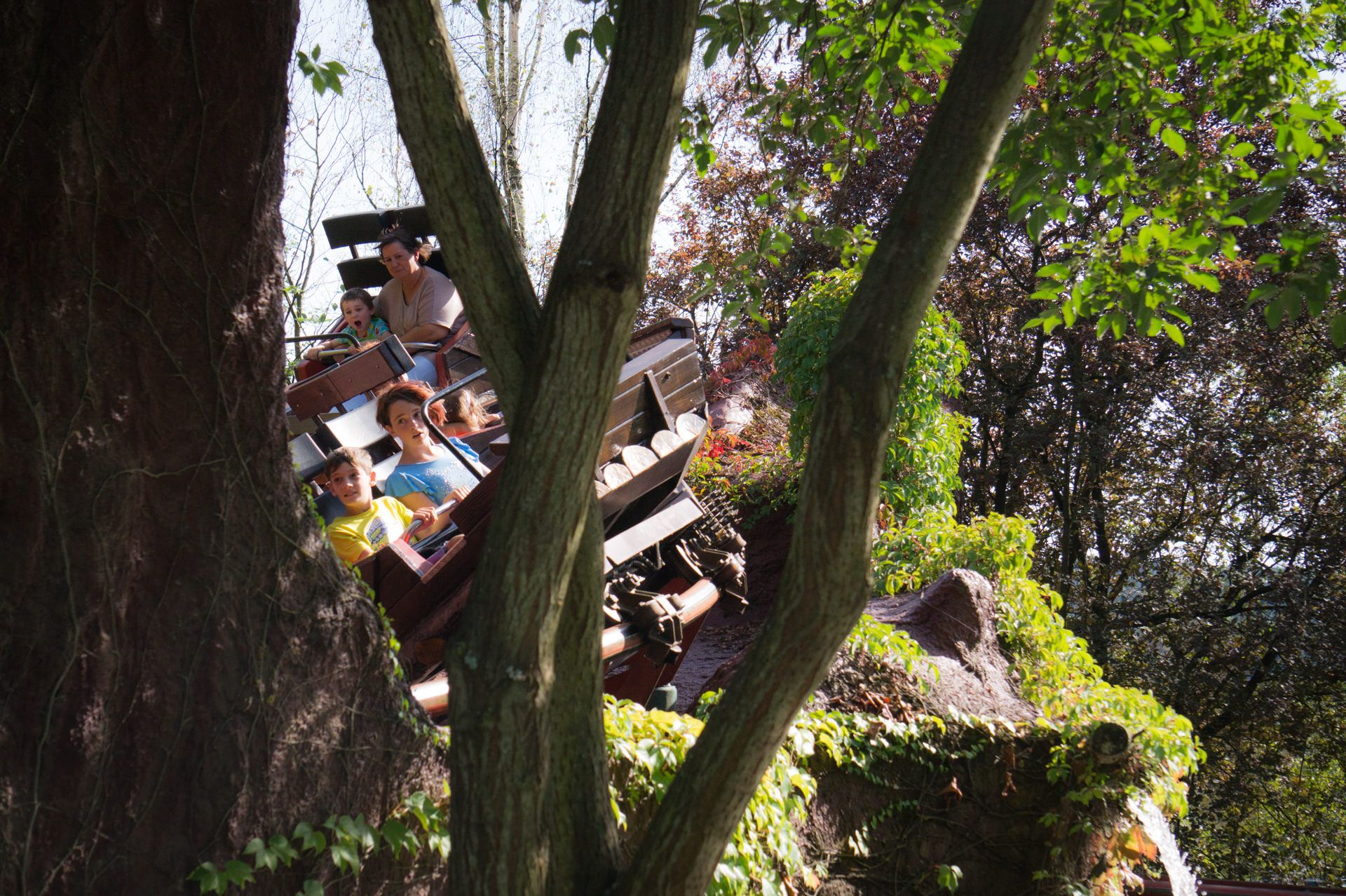
The world record roller coaster Boomerang now also belongs to this area. The ride, now known as Fluch des Kraken (Curse of the Kraken), convinces with a coherent overall concept and the still magnificent ride characteristics. Personally, however, I think it’s a shame that the original design has been thrown overboard, because it was actually very successful. It’s a pity that an Australian themed area didn’t fit into the concept of the theme park.

Safari

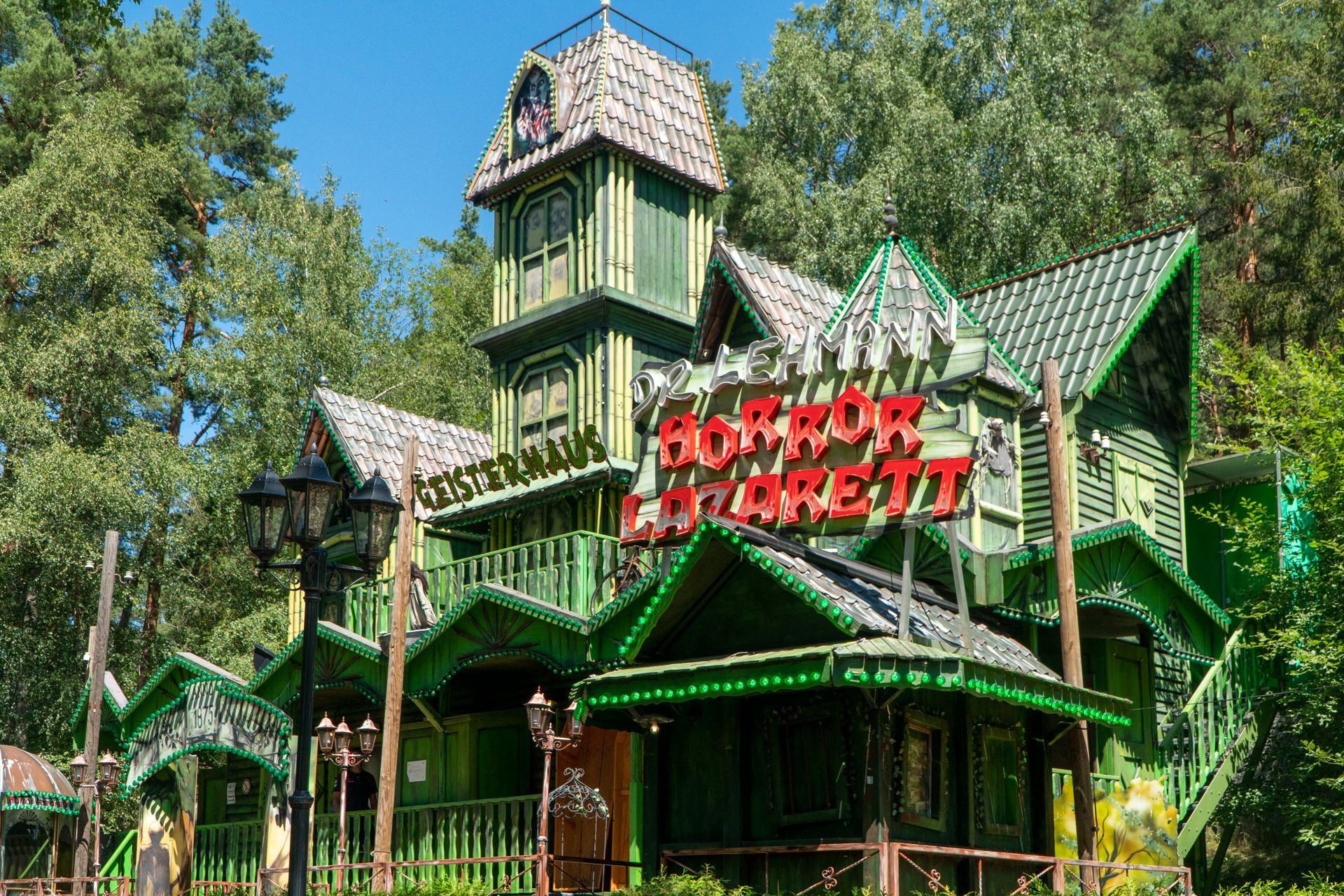
At the back of the Freizeit-Land, in the middle of the forest, is the Safari themed area. Here you will find a number of children’s rides, the great horror walkthrough Dr Lehmann Horror Lazarett, and the roller coaster Taka Waka.

Taka Waka

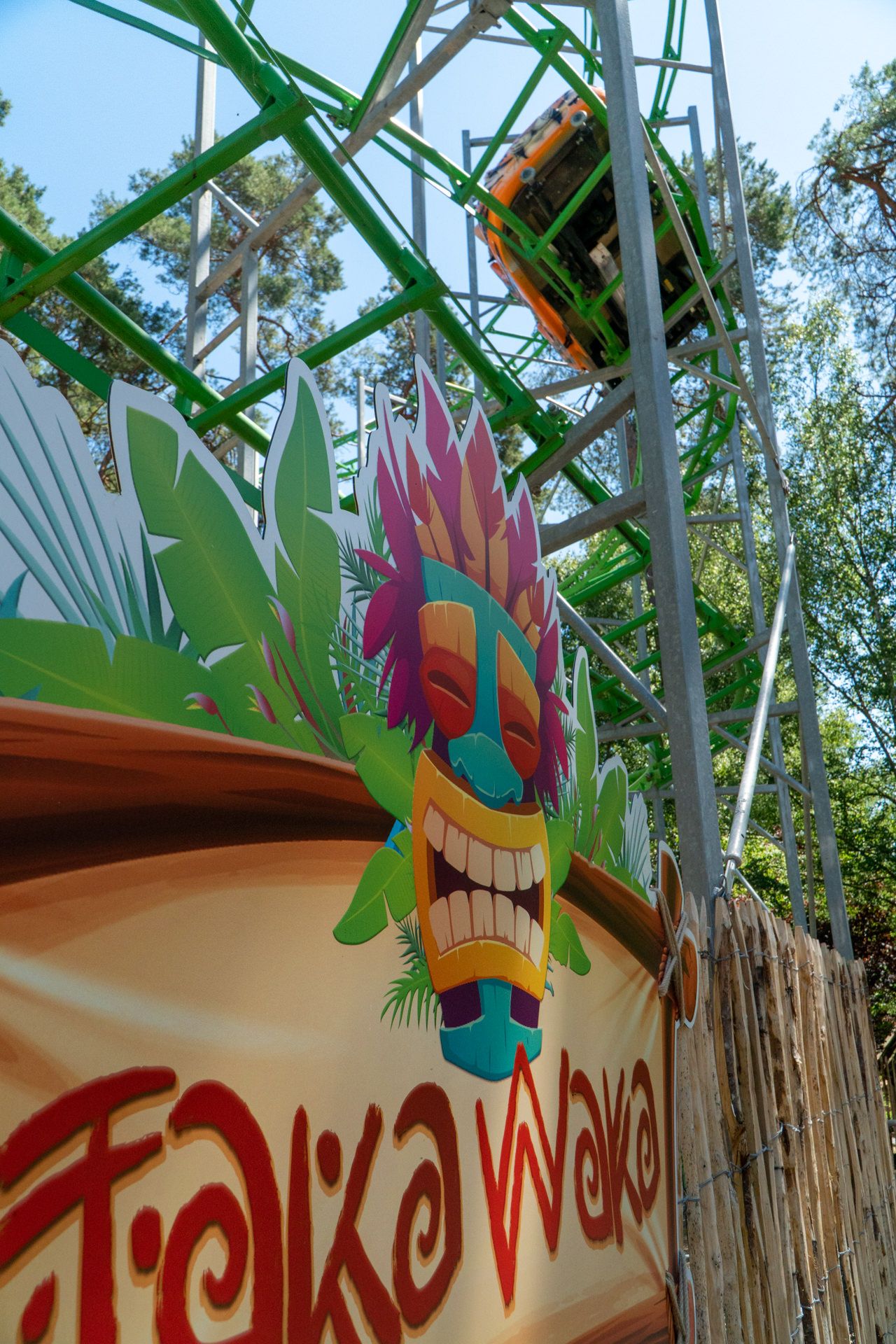
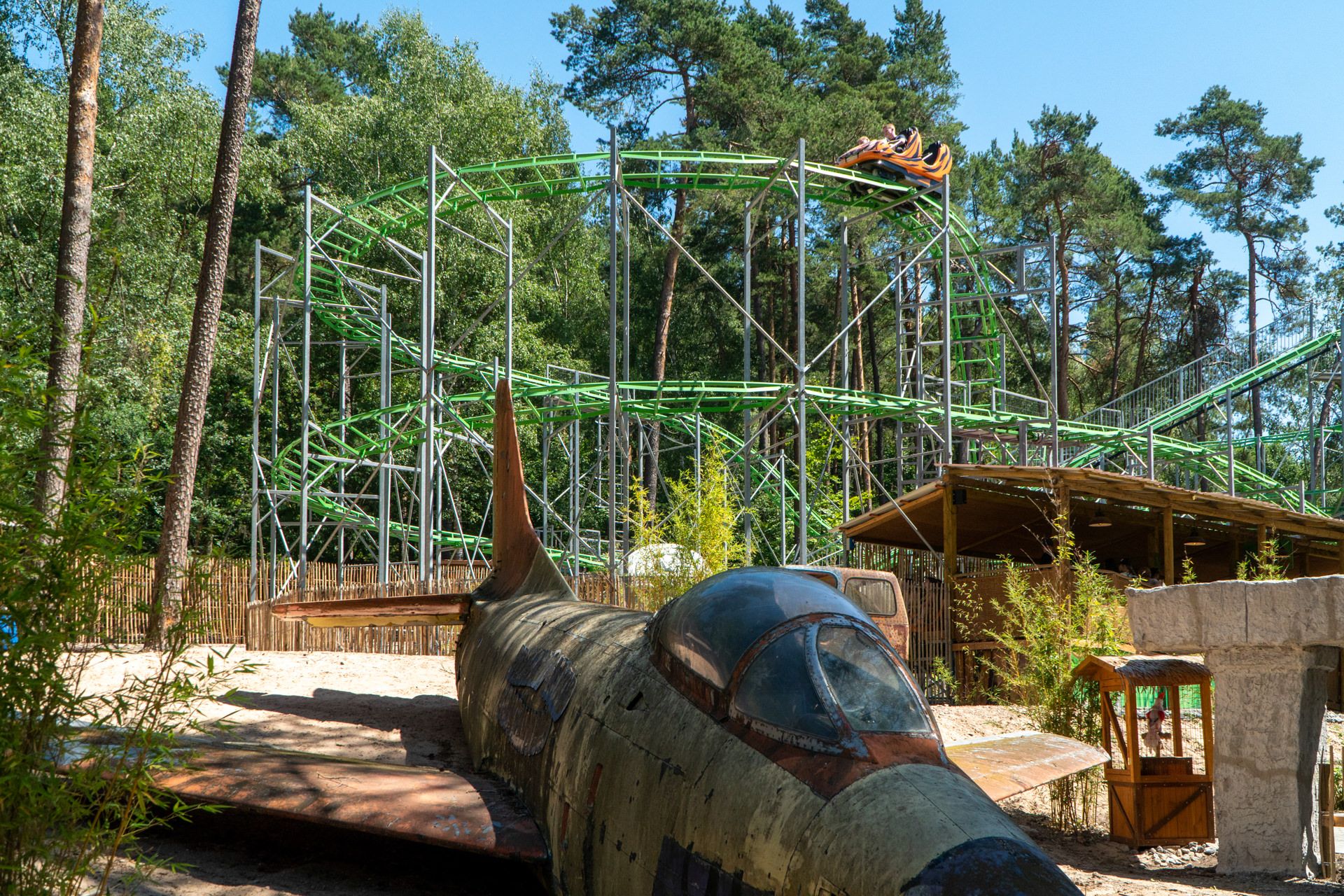
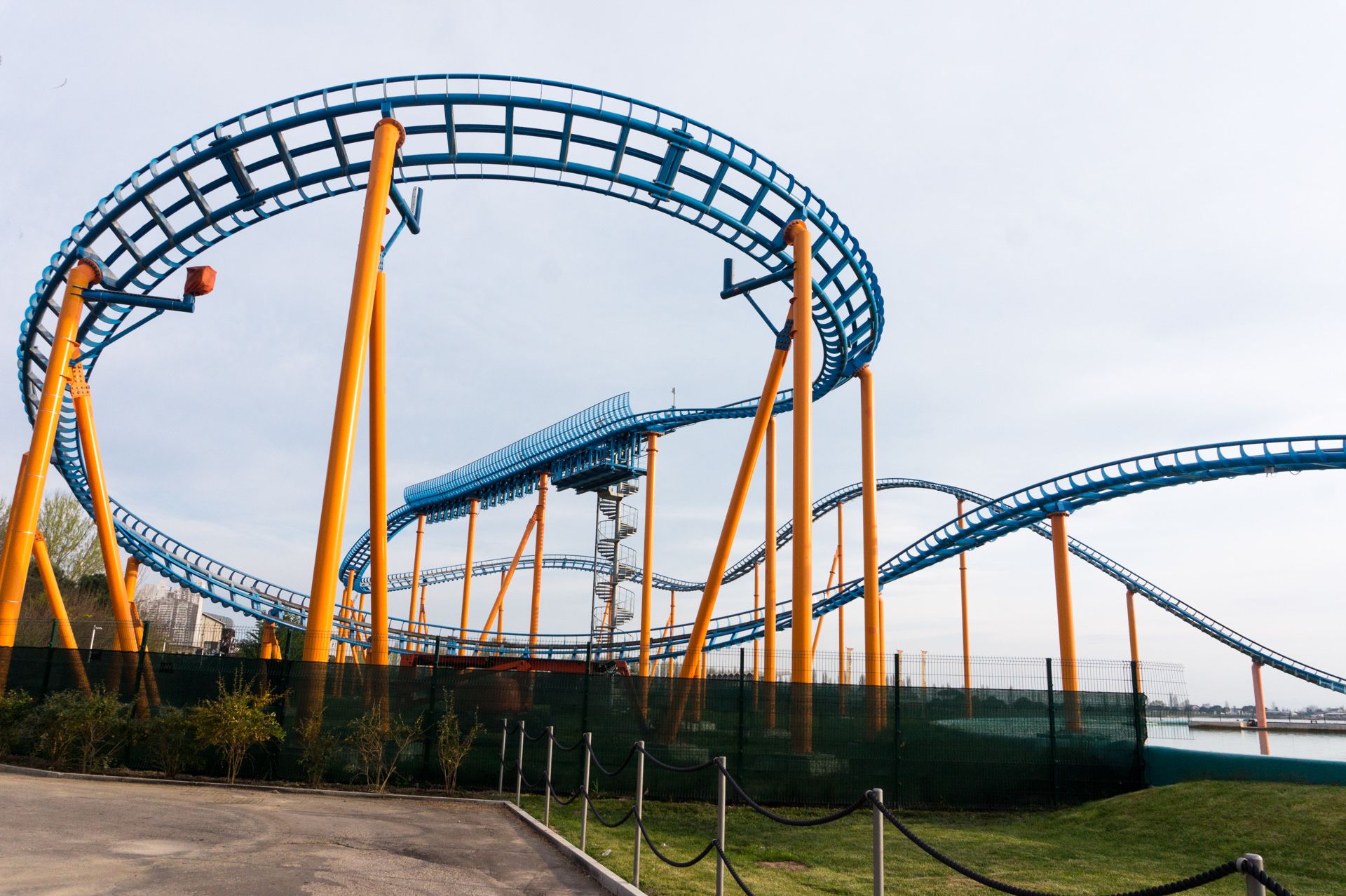
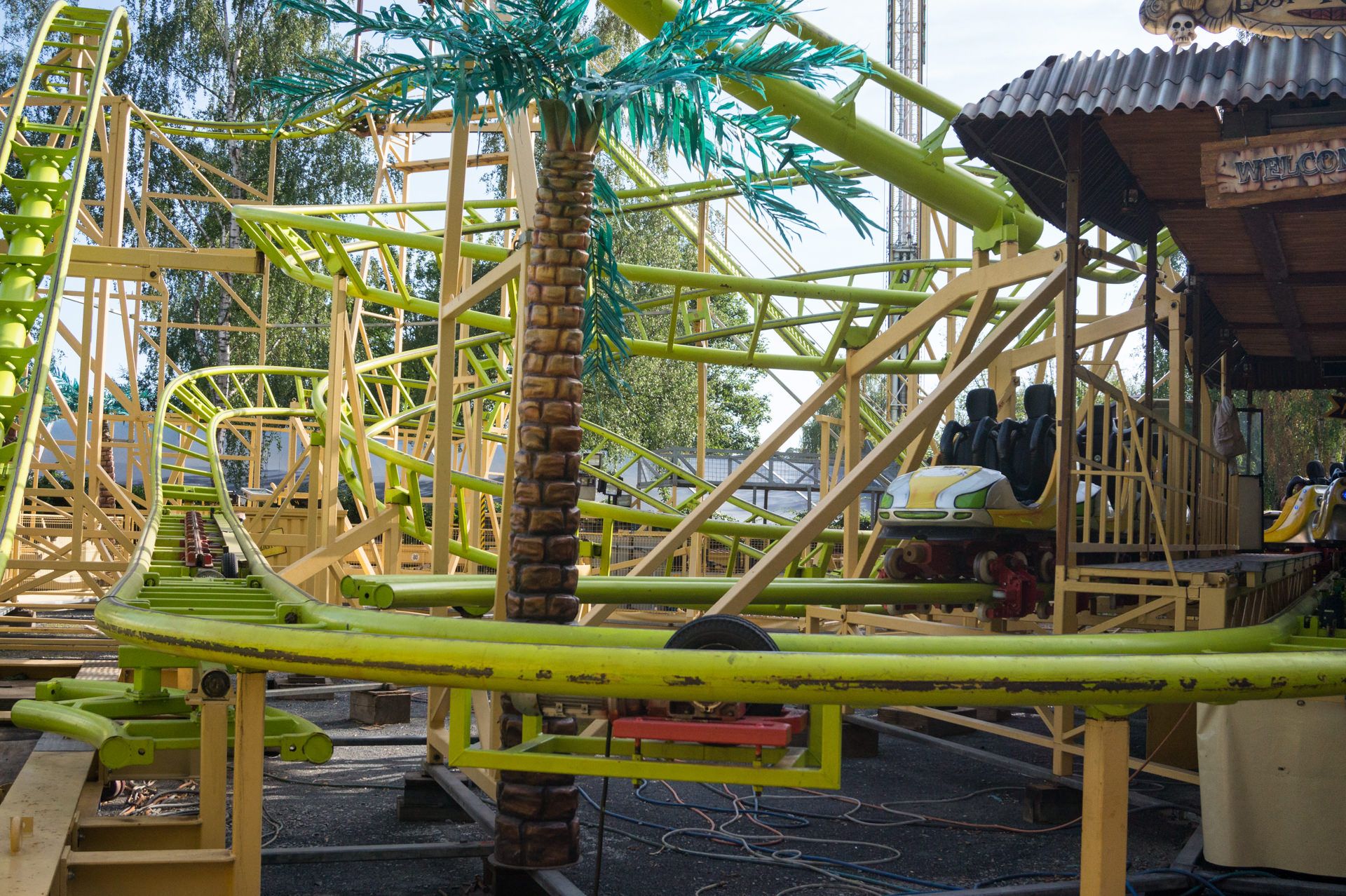
The roller coaster that sounds confusingly similar to Tiki Waka from Walibi Belgium is a cyclone coaster from SBF Visa. The medium-sized roller coaster offers a classic Figure 8 design based on the Pinfari model, with several smaller drops and a large number of helices, as well as rather rough brakes. The ride is not worth mentioning and looks outdated despite its fairly recent construction.

Forbidden Kingdoms

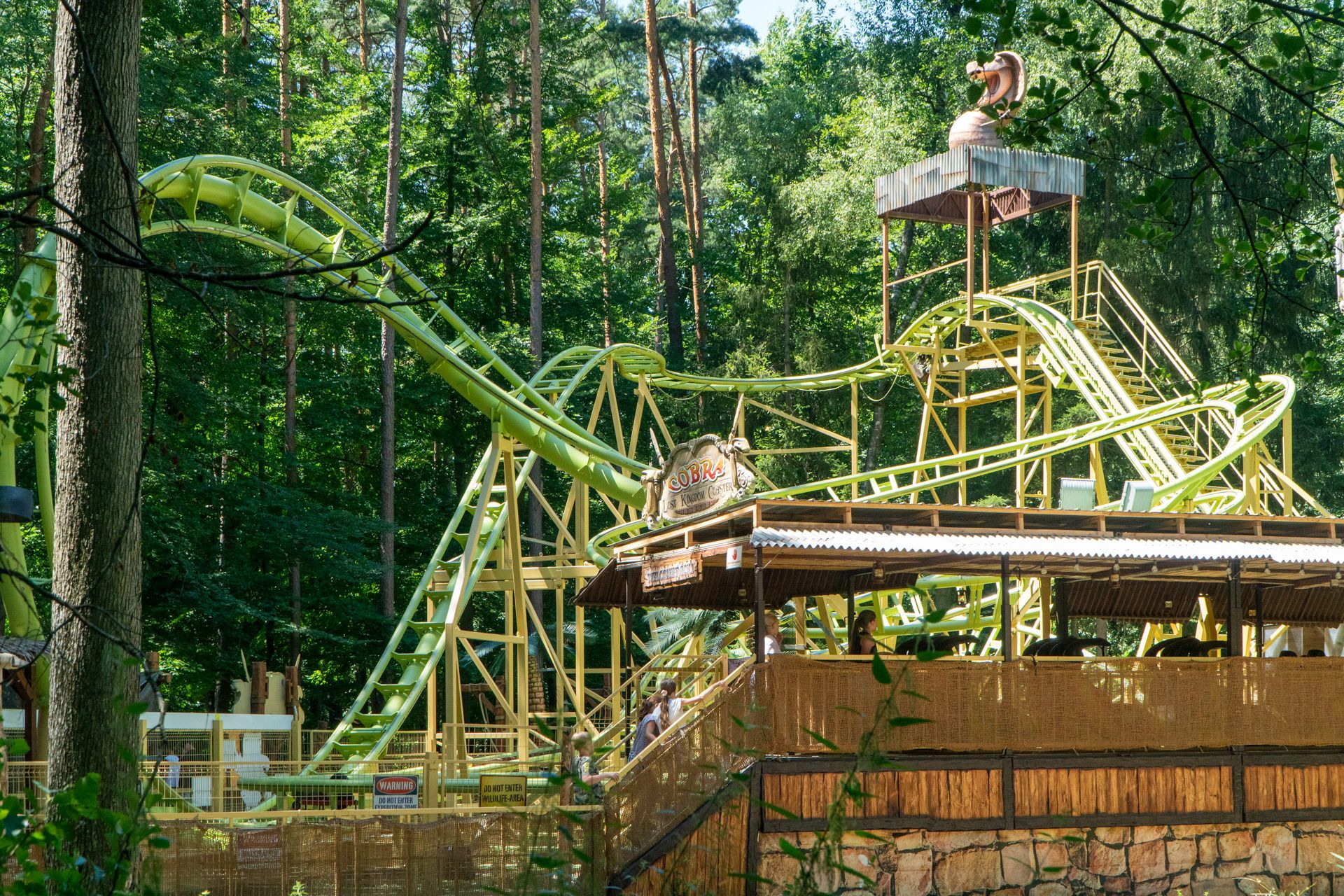
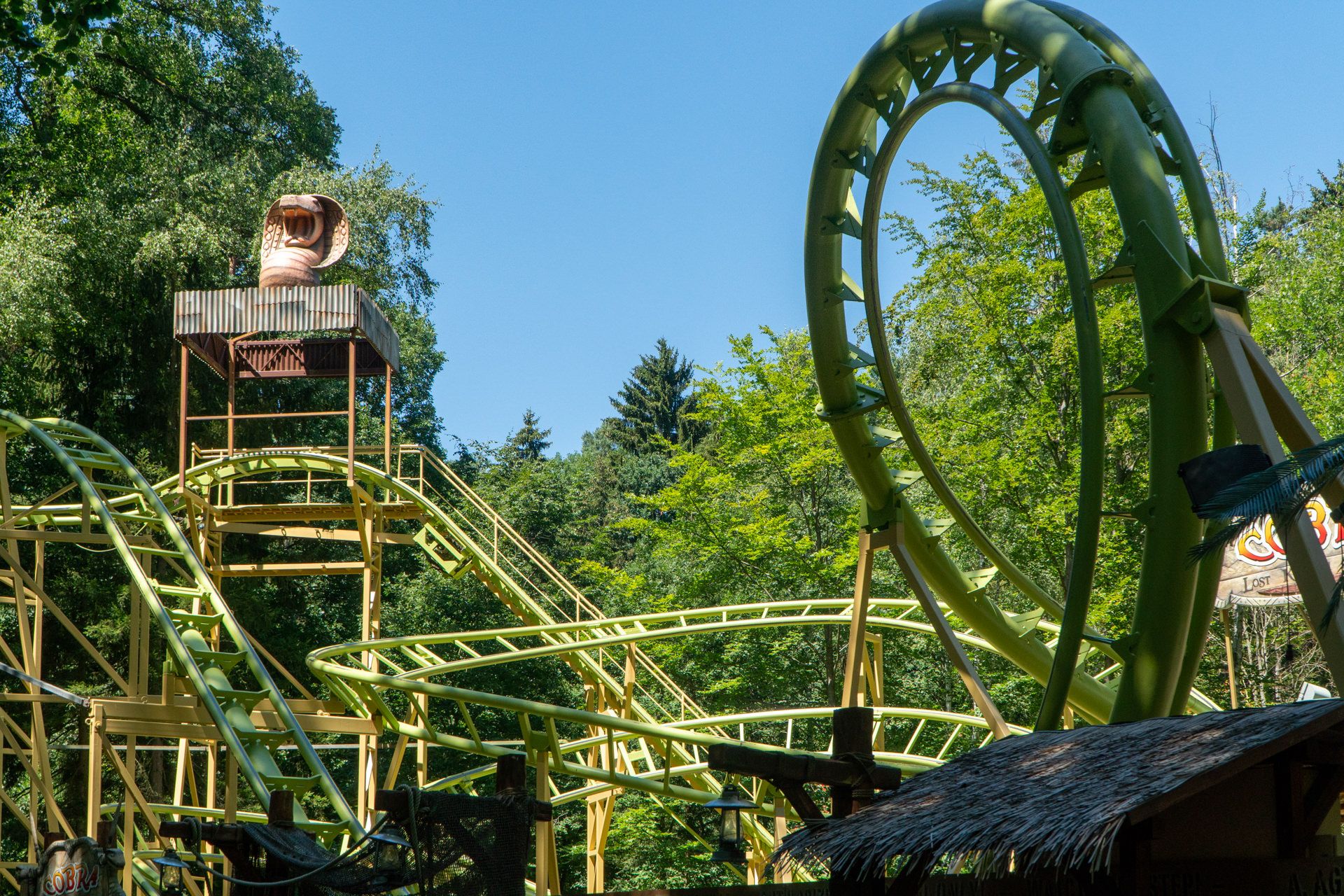
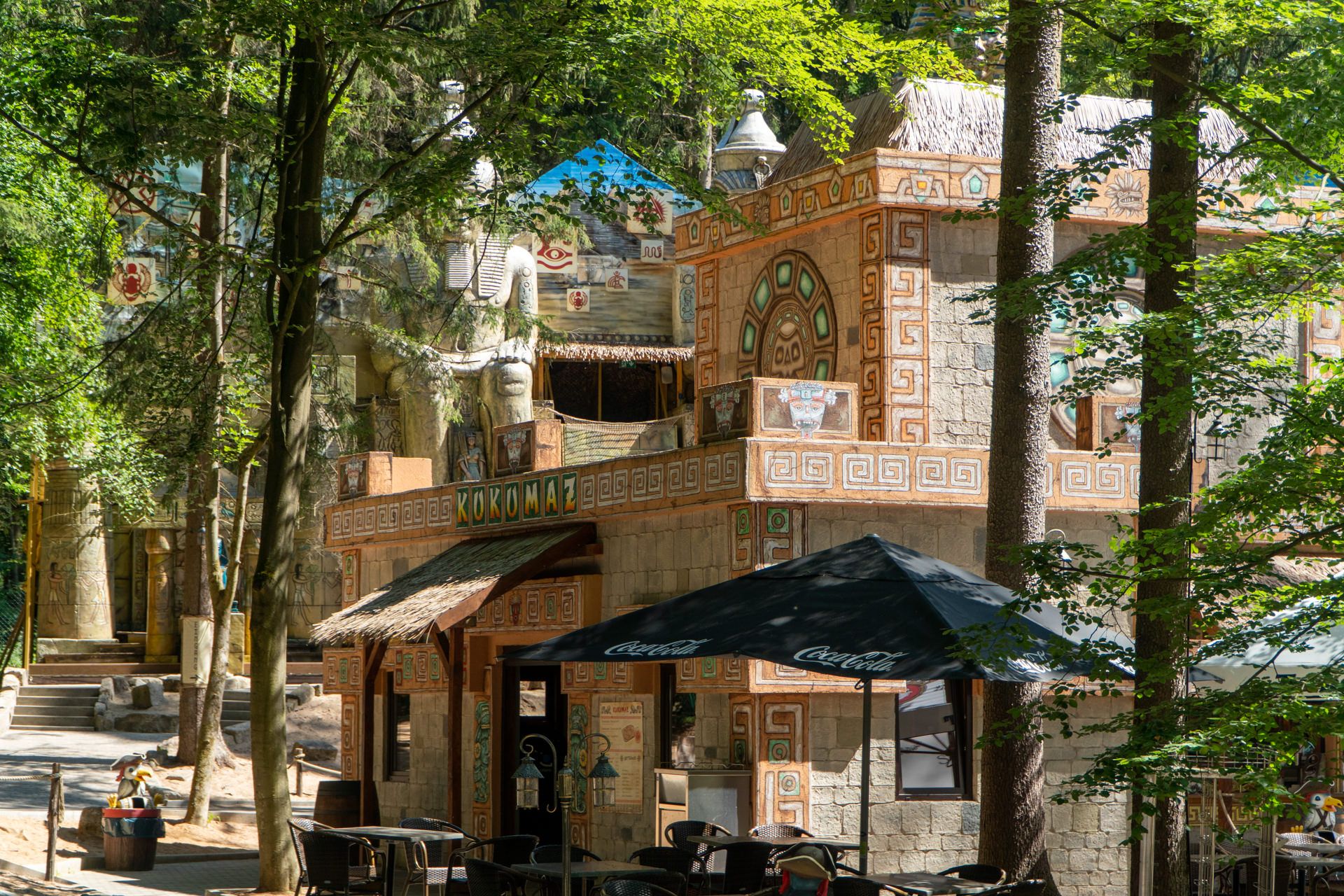
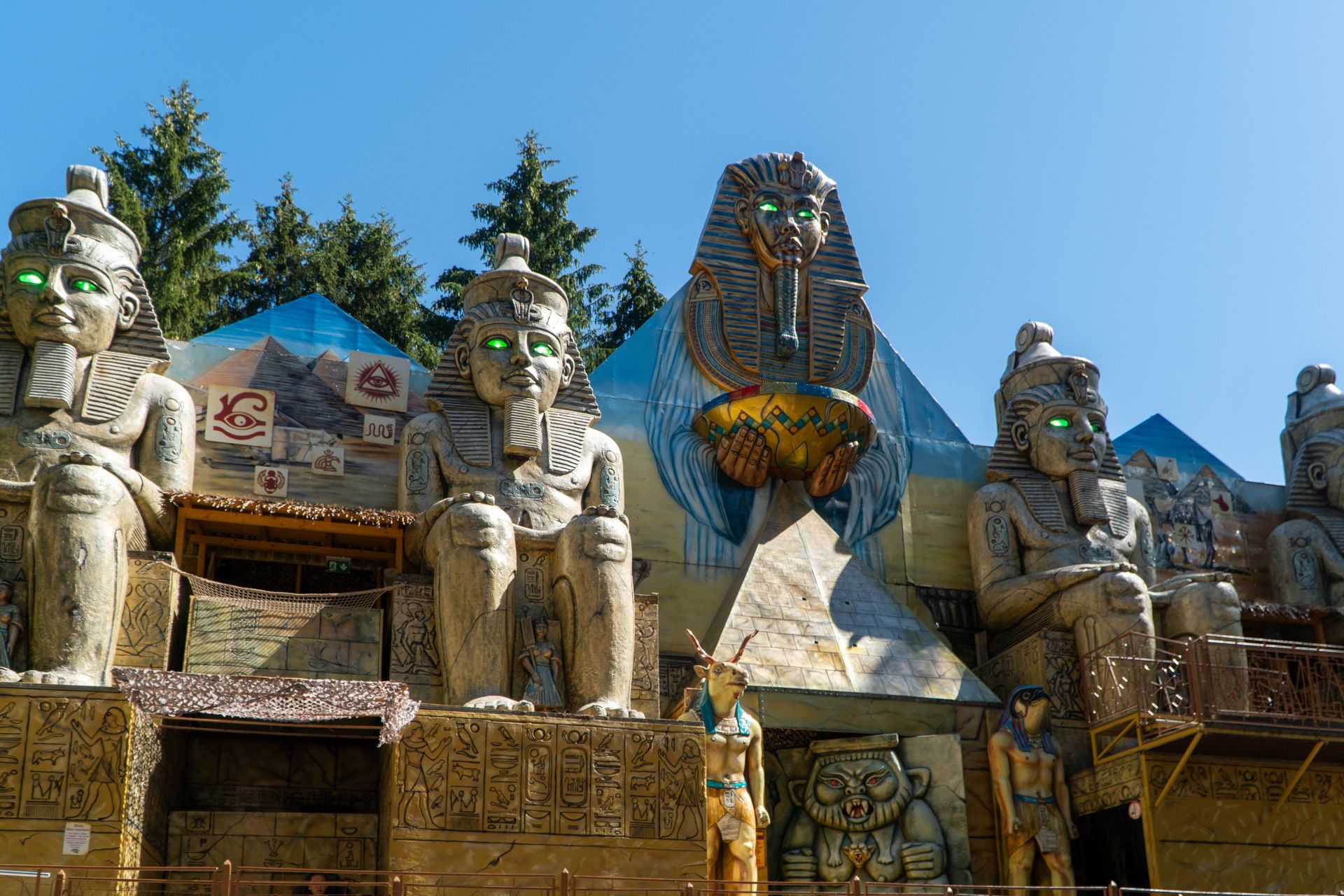
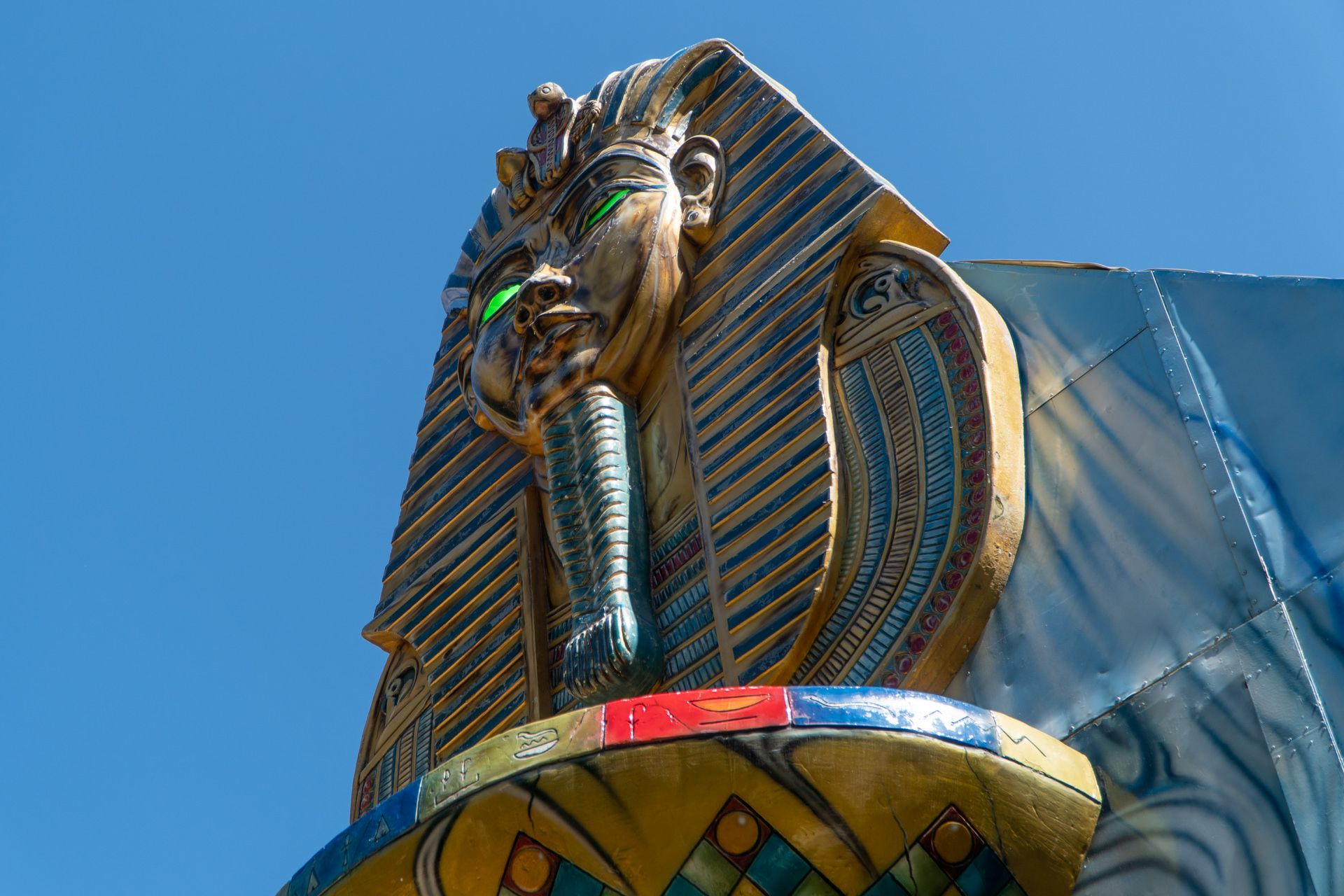
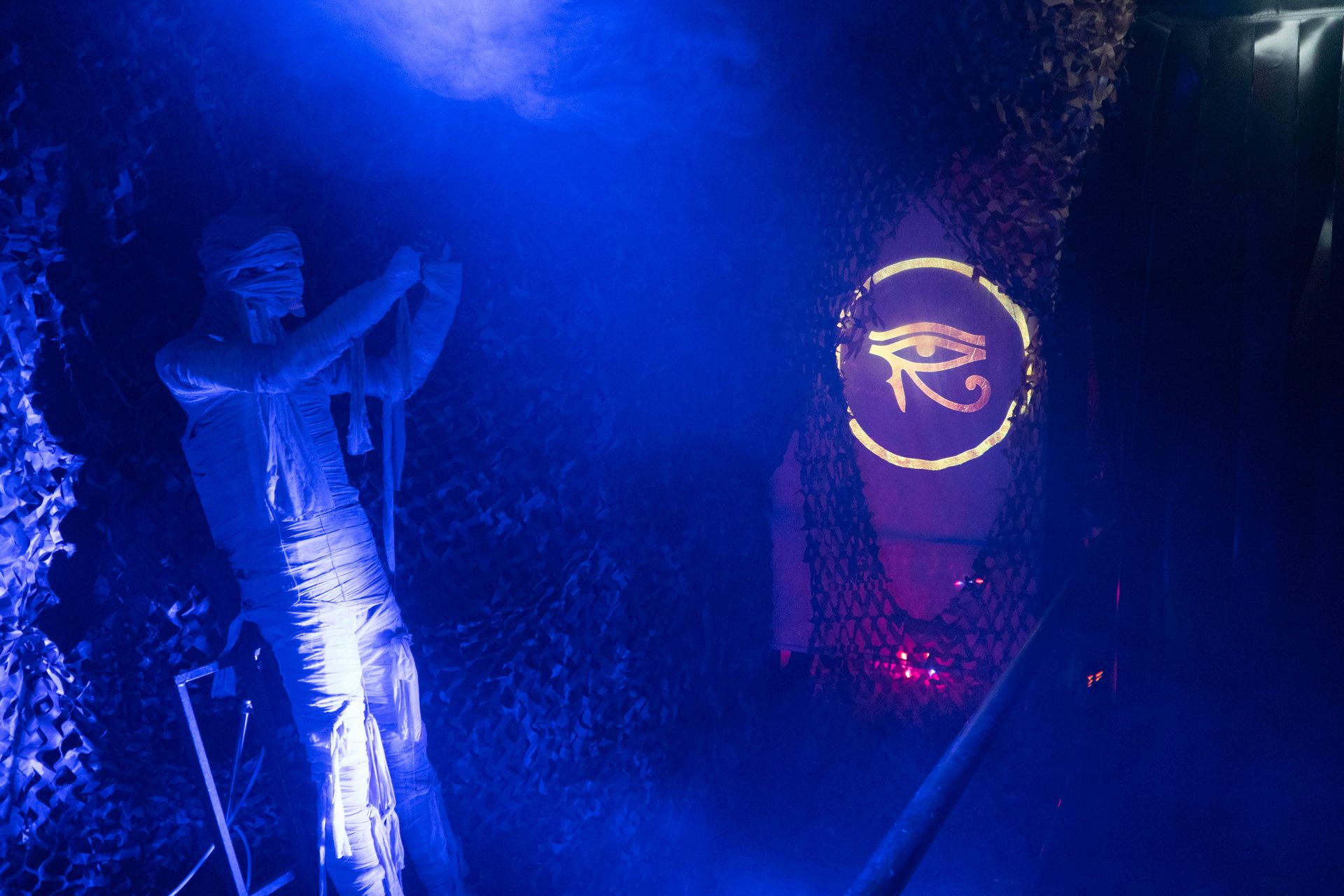
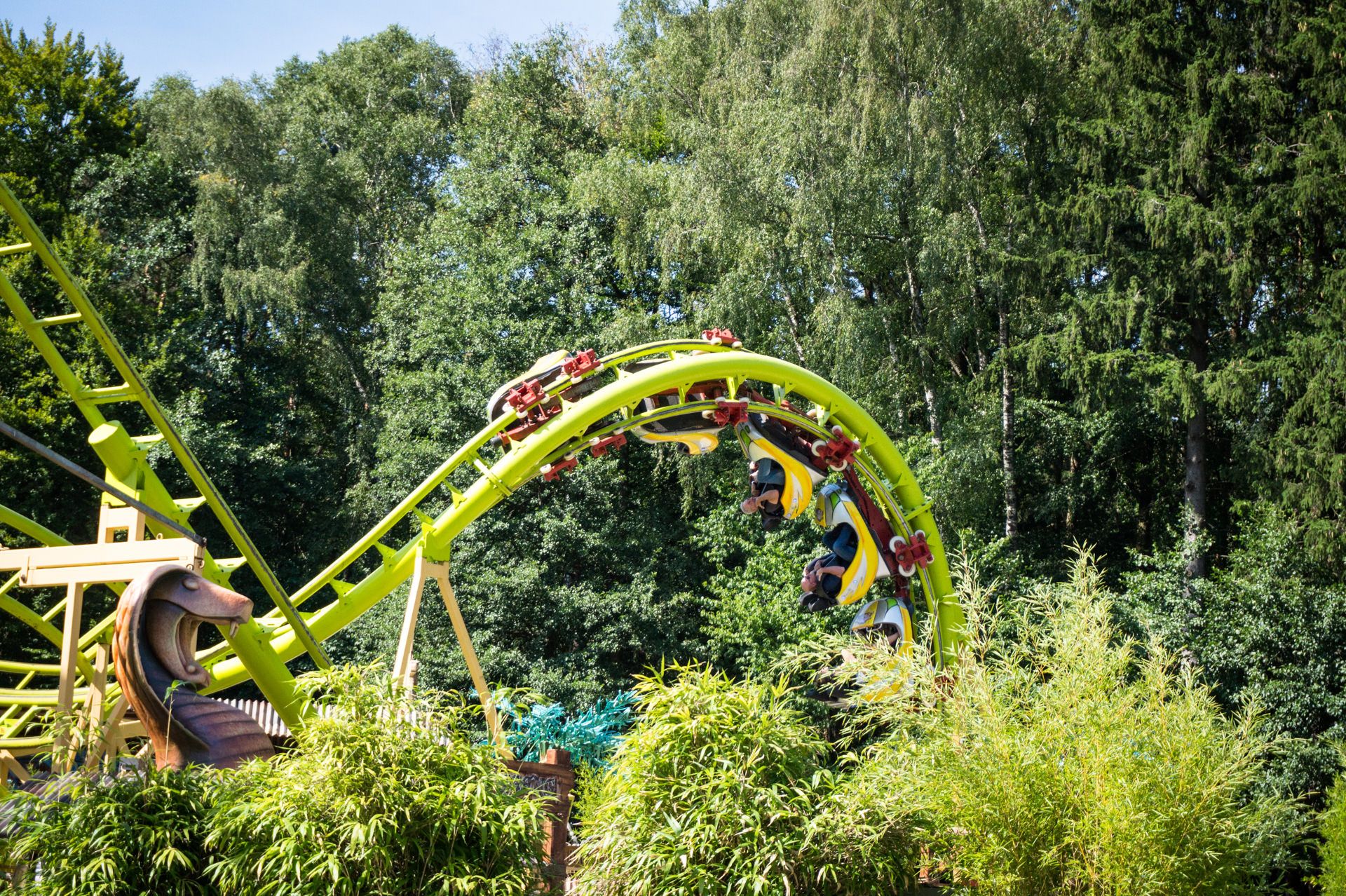
The newest themed area is the Forbidden Kingdom. This area is home to the Cobra roller coaster, as well as the Merlin sling shot and the Ramses walkthrough (the former Tal der Könige by showman Bügler). The theme area’s focus is a mishmash of all kinds of adventures, be it in mystical England, the ancient Egyptians or someplace in the jungle. Surprisingly, the concept works and the Forbidden Kingdoms proves to be an extremely coherent themed area.

Merlin

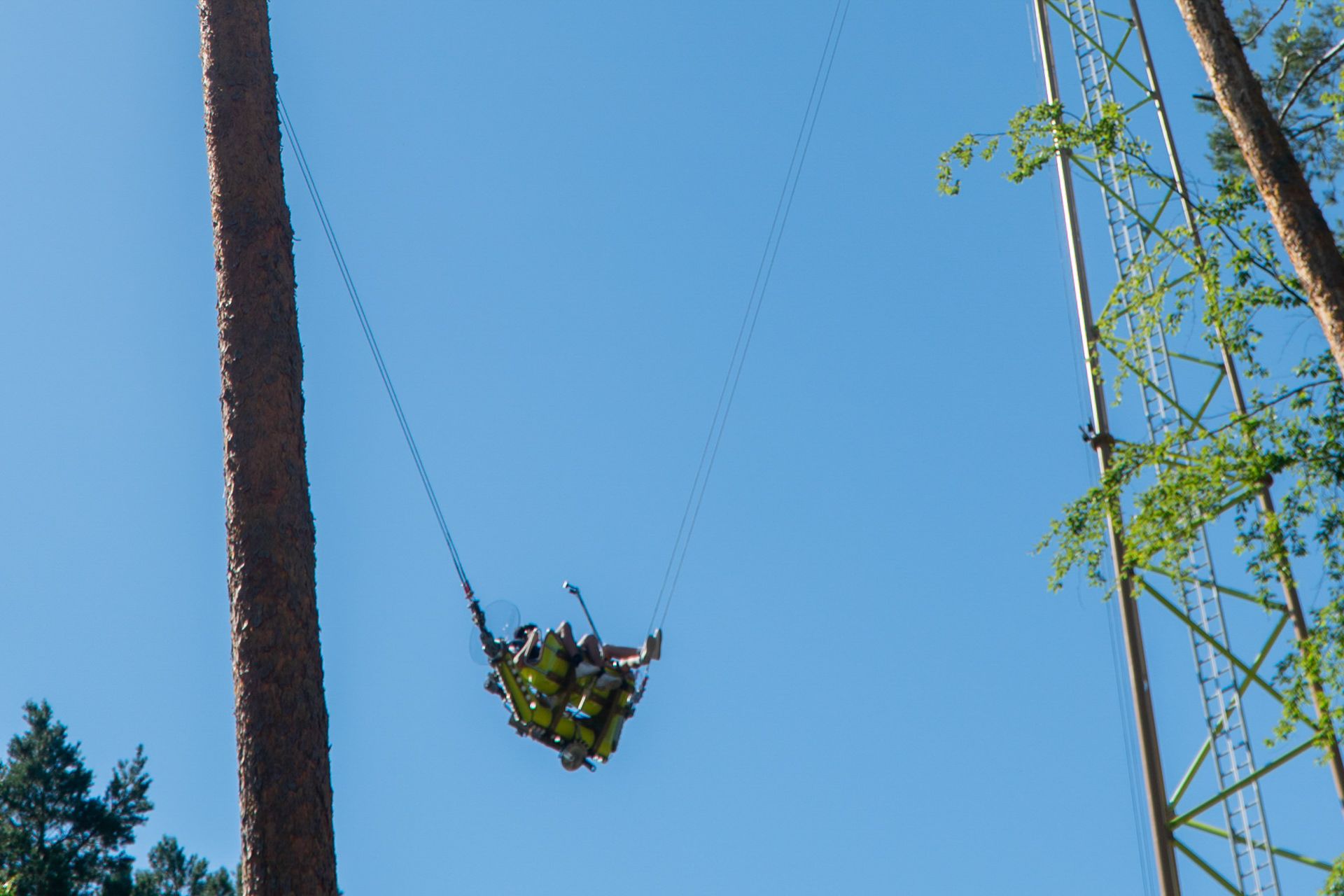
The undisputed main attraction of this themed area is Merlin – a Sling Shot from Funtime. The ride catapults two brave passengers to lofty heights, where they then experience several somersaults. The ride is absolutely breathtaking and definitely a recommendation for anyone who wants to brave the rather short (yet very long) queue.

For me, it was the first Sling Shot. Although I have already stumbled across many rides of this kind, the high price of the attractions, which are usually operated as up-charges, was never worth it to me. Here at Freizeit-Land Geiselwind, however, the ride is included in the park ticket, just like at Skyline Park, and is therefore a must for every amusement park fan. The ride, which seems quite extreme, is simply a great and surprisingly gentle experience in the end.

Pictures Freizeit-Land Geiselwind

Conclusion Freizeit-Land Geiselwind

Freizeit-Land Geiselwind has changed considerably. Although it was much emptier during my visit this year than during my first visit, I spent much more time in the park. Nowadays, there is something to discover around every corner, and sometimes you even come across attractions that you hadn’t even thought of before and which you really want to try out. Especially the self-built walkthroughs are all worth a visit. A visit is therefore definitely worthwhile, especially as the next few years will certainly offer one or two more surprises.


What do you think about the new attractions at Freizeit-Land Geiselwind? Just write it in the comment field below the report or on our social media channels:


A not so great visit

Preface

After our day’s start in Fiabilandia we reached the car park of the amusement park Mirabilandia at late noon. Although our visiting day fell on Easter Sunday, the general rush of visitors was limited, but not the waiting times and the eagerness of the tourists/residents to jump the queue. Yes, it was not a pleasant visit to Mirabilandia, although the attractions are first class, but more about that later.

The History of Mirabilandia

We start the review with a look at the history of the amusement park, which opened in 1992. The park was founded as a project of a group of investors consisting of Situr-Finbrescia (46%), San Paolo Finance (44%) and Publitalia 80 (10%) who, with the simple formula “tourist resort + amusement park = cash cow”, completely failed in their exaggerated expectations and were unable to attract even a third of the two million visitors they had hoped for. As the operating company was on the verge of bankruptcy in 1996, they sold the park in late autumn of the year to the Löffelhardt-Casoli Group, a joint venture between Phantasialand co-founder Gottlieb Löffelhardt and Giancarlo Casoli, one of the owners of the former Italian amusement ride manufacturer S.D.C., who massively expanded the park in the following years. As a result, the number of visitors also grew to over 1.5 million. After a few years Löffelhardt withdrew from the business and Casoli took over the patronage, before Mirabilandia was sold to the Spanish group Parques Reunidos in 2006.

Tour of the park

After leaving the ticket offices behind, you enter the park over a bridge, similar to the English amusement park Thorpe Park near London. The skyline here is discreetly restrained, but with the perfectly placed Cobra Roll of the inverter Katun to the right of the bridge it is already very impressive. From here there is a path leading into the Far West Valley, which was still largely under construction, and the actual entrance area of Mirabilandia. This turns out to be a pirate’s nest full of details and accommodates some shops, where you can get fast passes, which were almost a necessary treat to be able to ride anything in this park.

To my own confusion, Mirabilandia had arbitrary opening and closing times of the rides, which meant that many attractions didn’t open until noon or even later, or closed much earlier. This in turn resulted in long waiting times throughout the park. On the one hand, I can understand that some smaller parks only gradually put their rides into operation or sometimes even open certain themed areas after a certain time, but I have never seen such a measure in a large amusement park before. It also explains why Gardaland, in return, advertises to close the queue of rides at the end of its opening hours.

Divertical

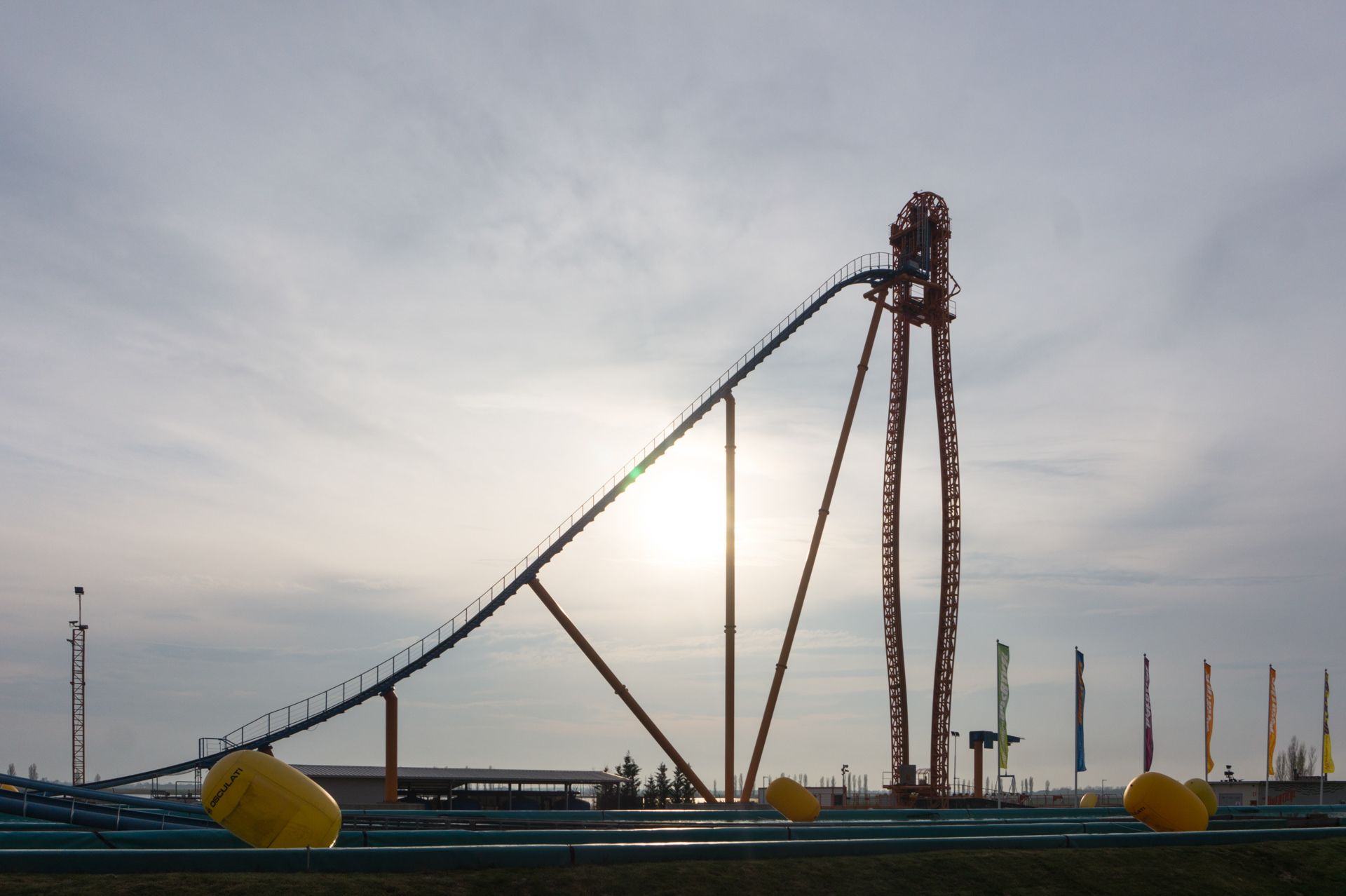
Passing the Pepsi Theatre, where, how could it be otherwise, a magic show is shown, and the musical stage in front of it, we head towards the Divertical water coaster, which already looks very striking from afar. By now at the latest, one becomes aware of how high the ride is and how wasteful it is with the space it has been placed on; however, this does not make the ride look aesthetic at all, which is mainly due to the sparingly placed decoration. On the other hand, the rear part of the ride adorns the insanely long access path to the completely out of place interactive dark ride Reset, which is quite positive and probably attracts more people than ever before to this corner of Mirabilandia.

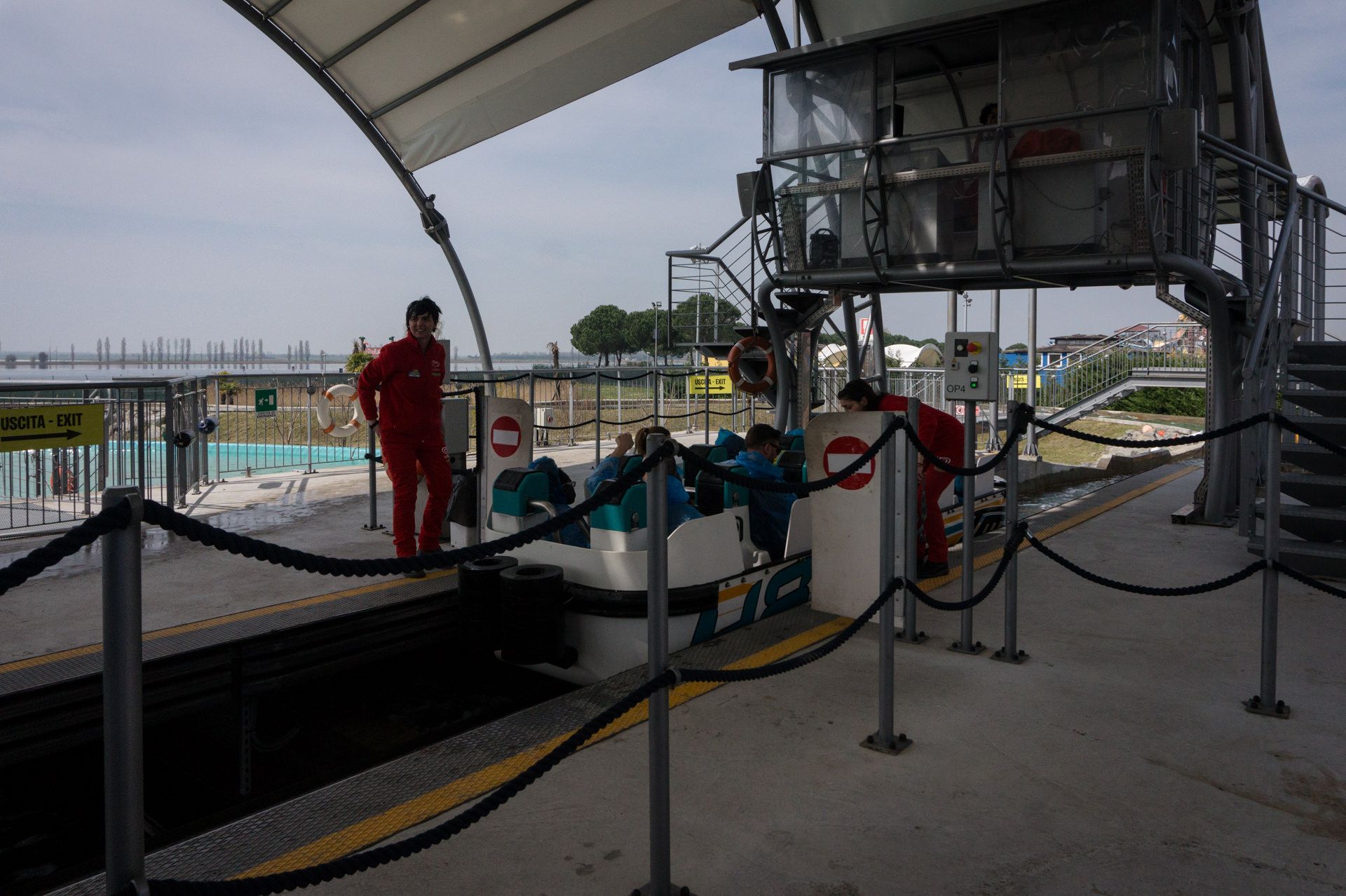
After you have been asked to come up to the station and get into the speedboat, the trip on Divertical can start immediately. As the vertical lift of the ride is still a long way off, you bob a bit through the canal, which interestingly enough creates a good whitewater feeling. After all, the waves almost hit the boat again and again and make you jump away by the whirled up water drops. As soon as the lift is reached, you quickly rise to the starting height of 60m, whereby the curvature of the lift is interestingly hardly noticeable at all. As the view from up here is not very interesting, you are soon pushed over the top of the hill. On the following 45° slope you have enough time to notice how fast this ride actually is. The spray refreshes you and soon after you race through the first pool only to drive over a hill without slowing down. Here you take off a little bit before you throw yourself into a brisk curve. Hoping to slow down a little bit by the following block area, you drive through it without any braking effect and are then released into a right turn. A quick downward helix follows. However, it then goes over into a hill, which initiates the final shot of the ride. Well soaked, you are released back into the channel and reach the station shortly afterwards.

Contrary to my expectations, Divertical is a really awesome water coaster, which gives a feeling of speed like no other ride before. The ride is just fast, which I personally only noticed while crossing the first pool. Considering the starting height of the world’s largest water roller coaster, this is actually in the nature of the ride; at least I have rarely experienced such a speed rush. Moreover, the ride is made with a perfect finish, which means that the friction losses are not really significant, which in turn benefits the speed.

iSpeed

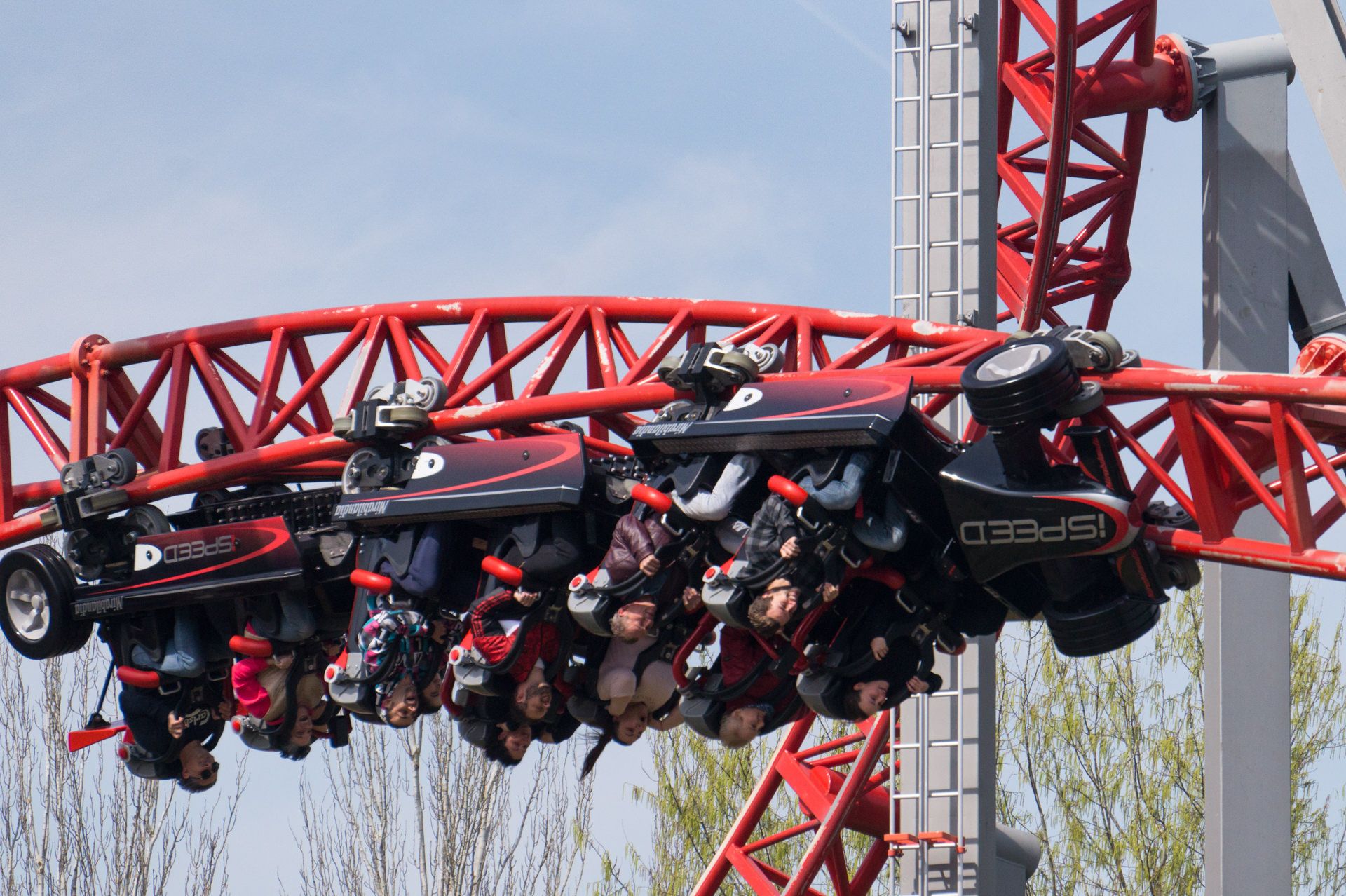
Also addressing the central theme of speed is the Blitz Coaster iSpeed from Intamin, a catapult launch coaster with LSM modules, which replaces the aging wooden coaster Sierra Tonante. The Spanish company’s first project was the self-titled “Il Rollercoaster #1”, a thoroughly fast roller coaster with a more than modest capacity.

Whilst at Divertical we had to queue for a short time, our less wasteful and self-horny lifestyle took revenge by not buying a fast pass. Now we were allowed to wait here for more than an hour in the desolate waiting area of the roller coaster, only to be constantly passed over by some brats of the thoroughly anti-social tourists of the Italian Adriatic. While in the other Italian parks nobody pushed in front of us and even let one of us pass by voluntarily to keep groups together, here it was simply a plague without equal. If you want to be reasonable in Mirabilandia, you better practice becoming a narcissist in advance by creating selfies en masse and treat yourself to a fast pass! In theory it’s not that expensive anyway, especially if you have bought an annual ticket for one of the other Parques Reunidos parks (e.g. Movie Park Germany, Attractiepark Slagharen, …) and didn’t pay any entrance fee anyway; at least you save yourself the wait with the disgustingly anti-social tourists, while in other parks you become a disgustingly anti-social tourist just by buying a fast pass.

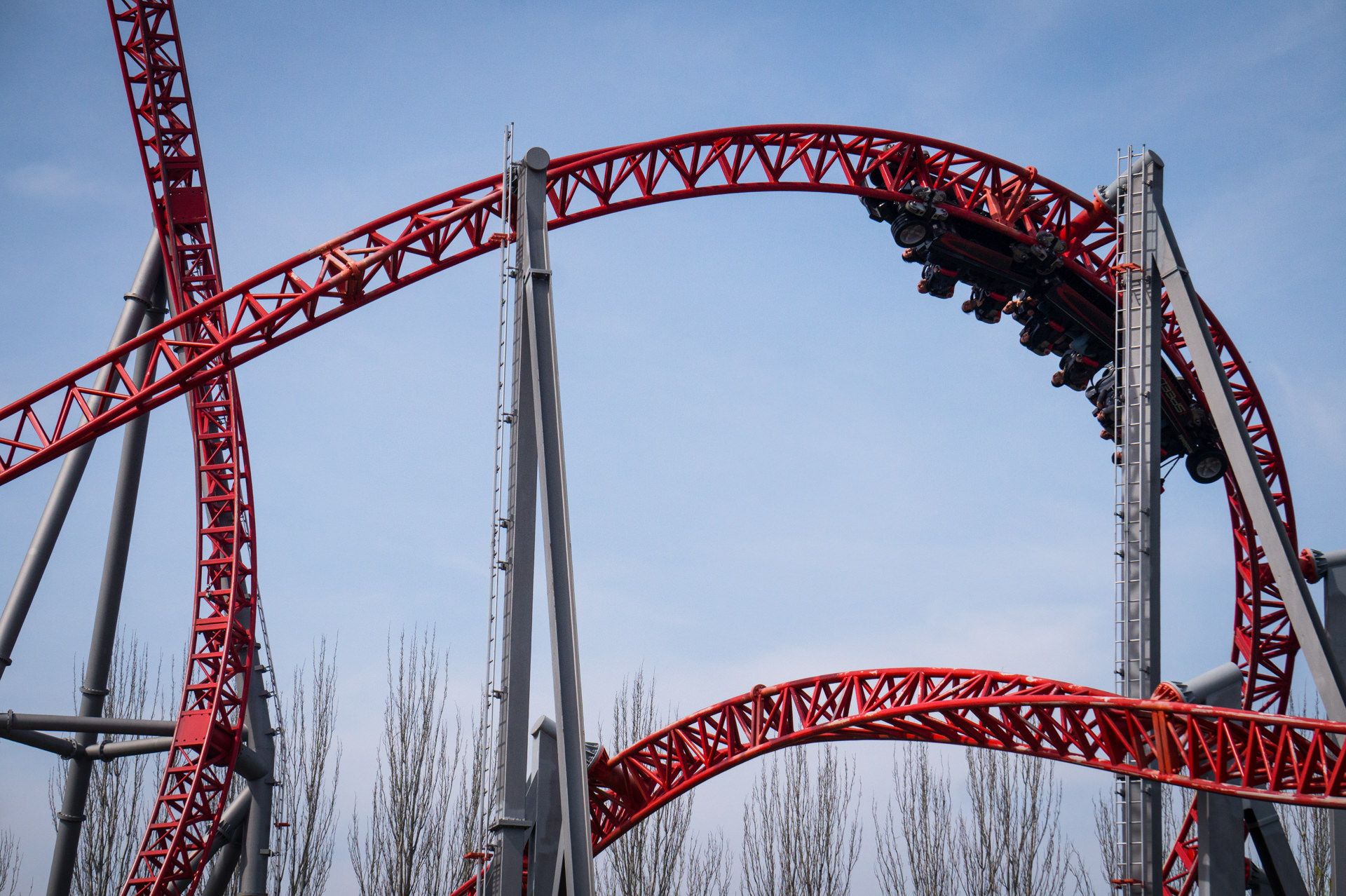
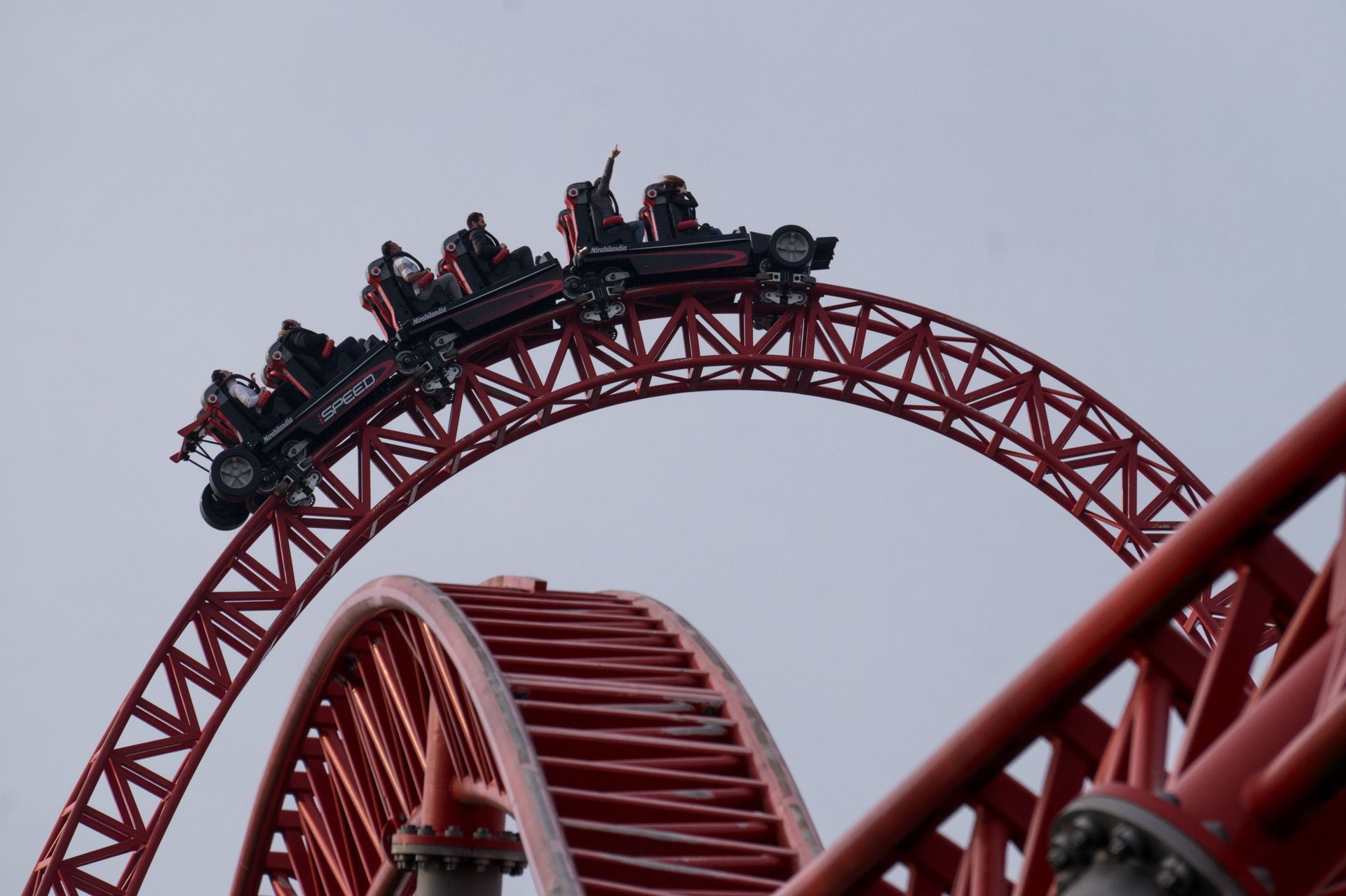
But now let’s get to the ride description of the LSM roller coaster iSpeed, because as soon as you finally reach the stairs to the station it’s going quite fast. Once you sit down in the train and close the safety bars, the train is pushed forward slightly before the impulse is taken up and the train accelerates more and more. Now the train climbs up the top hat vertically before you cross it with a great view of the log flume Autosplash. Now you plunge vertically towards the ground, make a short turn to the right and pass the first valley with a lot of pressure. Parallel to the station you cross a hill, where you are lifted out of your seat. Another S-curve is now made with a lot of momentum, which merges into a tight right turn. On the following hill a leisurely turn follows, which releases you into a slight left turn above the station. All of a sudden a corkscrew is introduced, which throws you around with an incredible intensity. On a further hill you cross the launch track, whereupon you can take a deep breath again in the following steep turn. Rather leisurely the train shoots through a wide right turn, which shortly afterwards changes into the heartline roll, which can be seen from the outside. After another steep turn follows a short block brake. You leave it in an equally steep left turn, followed by a small hill and the final left turn towards the station.

Even though the initial acceleration of the launch is rather lax and hardly comparable to the manufacturer’s hydraulic and friction wheel drives, the ride offers a hodgepodge of exciting elements paired with really high pressure and speed. Especially the corkscrew, which can hardly be seen from the outside, simply surprised me during the ride and also the part of the track after the block brake, which always seemed insignificant on videos, has its moments and fits perfectly into the overall experience of the ride. The roller coaster itself, on the other hand, is unfortunately not as convincing as the actual ride itself, thanks to its lean design and low capacity.

Leprotto Express

Directly opposite, in the children’s land of Bimbopoli, you will find Mirabilandia’s next roller coaster, the Leprotto Express. This is a simple children’s roller coaster by the manufacturer L&T Systems, whose layout describes a simple figure eight in a constant alternation of up and down movements. Due to the crowd, the ride only went one lap.

Rexplorer

Via the island with the Acapulco cliff divers show you reach the Dinoland area, which was redesigned in 2014. Apart from the transformation of existing rides, e.g. the telecombat ride featuring an inclined ride or the popular children’s monorail, a money printing machine, I meaning a children’s driving school, and a Magic Bike by Zamperla also found their way into the themed area. But the most important destination for us was the oldest roller coaster of Mirabilandia, the Powered Coaster Rexplorer.

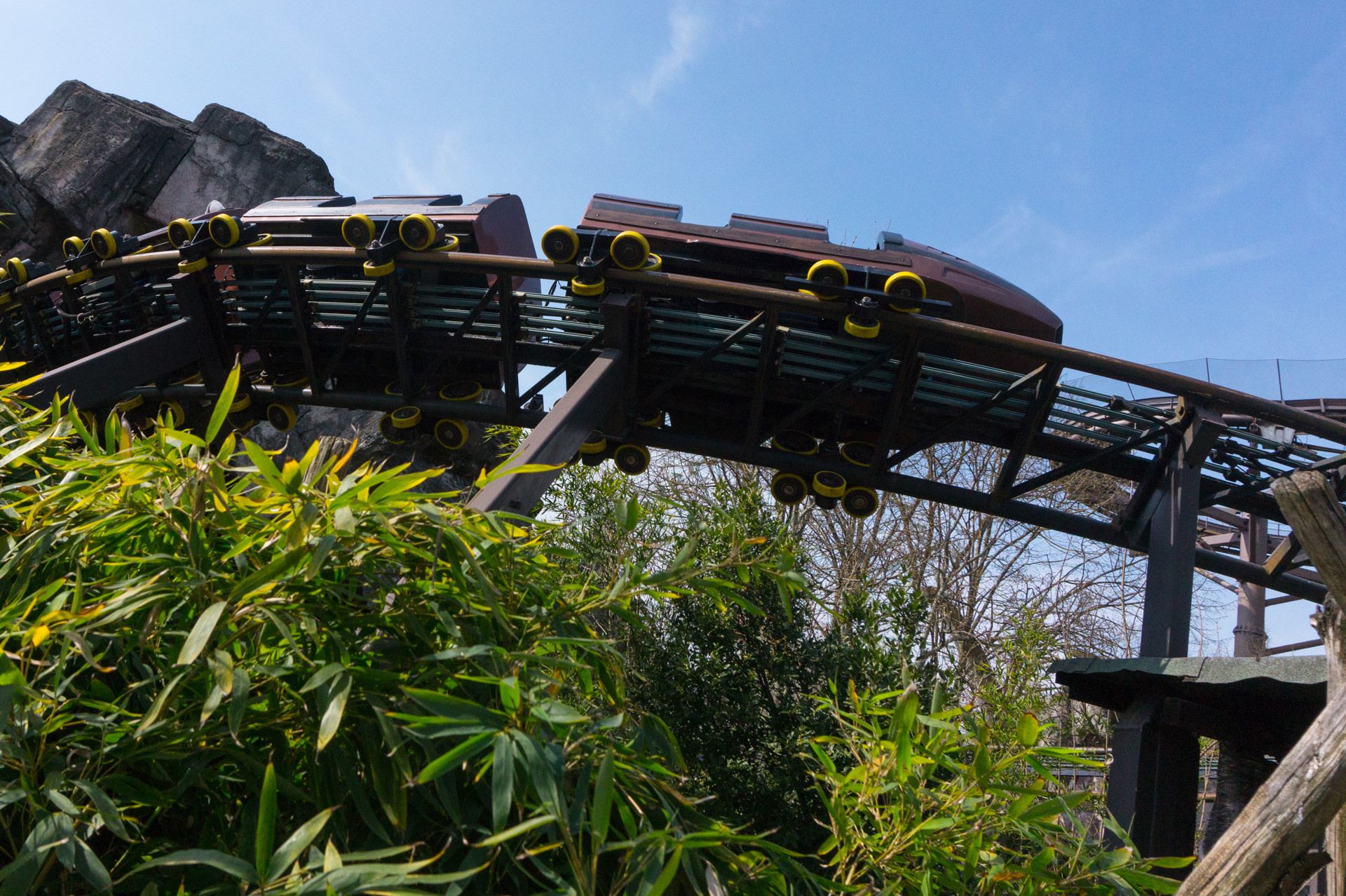
The journey begins with a wide bend to the left, followed by a leisurely climb past some artificial rocks. At the top, the train goes through a downward helix through the rock formation before climbing up a steeper straight. Now the train goes through a wide downward right-hand bend, passes under the track it has just passed and surrounds the first downward helix in a left-hand bend. With much more momentum you cross the station and complete another lap through the course.

Theoretically, the ride on the Rexplorer would have been quickly dealt with, because unlike many other rides at Mirabilandia, this ride has a slightly higher capacity by nature and the queue itself was manageable. However, Mirabilandia would not be Mirabilandia if they did not mess up this ride as well. The dispatching was a mess and was further protracted by the lack of numerical knowledge of the staff. After waiting until all passengers of the newly arrived train had left the station area, about half of the train was filled with Fast Pass people, but they all had to be counted and checked individually. Of course, the staff constantly miscounted, which was particularly noticeable after a change of staff. Only after each of the Fast Pass owners had taken their seat the normal waiting people were let in. The checking of the restraints and the ride itself, on the other hand, was quickly completed. However, the one-man operation at the ride almost always took 5 or more minutes during loading for one cycle.

El Dorado Falls and Gold Digger

As the construction work in Mirabilandia’s new themed area Far West Valley was still in full swing during the visit, the only remaining attractions in operation were the Spillwater El Dorado Falls of the water rides pioneer O.D. Hopkins – which, however, struggled with constant failures and did not make good form due to the one-boat operation – and the Wild Mouse Gold Digger, formerly known as Pakal. Since 50% of the cars were also equipped with Fast Passers, we unfortunately had enough time to experience every corner of the small, quite desolate, queue and thus invested almost an hour for the Italian-style Wild Mouse.

The ride is actually quite entertaining, because after you have made the hairpin bends in the upper level, seven in all, you go down one level, where a big drop is followed by another serpentine curve. This is also followed by a steeper gradient and a hairpin bend. As is well known, the two successive slopes are the most fun for wild mice and therefore we will not do without them here either. A last narrow bend and a small dip follow before you are led back to the station.

Katun

Through a spacious temple complex you can reach the Inverted Coaster Katun, which has been turning its passengers upside down several times since the millennium. With a height of 50m and a length of 1200m Katun has always been the largest ride of its kind in Europe and is fortunately scary enough to keep the waiting time low despite the one-train operation. Interestingly enough, the second train was actually sent on its way towards the end of the day, but probably only to finish on time.

The ride begins with a short left turn out of the station and into the ride’s lift. As soon as the train has reached its initial height, it turns to the left and at the same time makes a rather steep descent. You cross the first valley with a lot of pressure before you are turned upside down for the first time in the huge loop. Once back on ground level, the train shoots up again and turns on its own axis in a zero-g roll. To enable the ingenious placement of the Cobra Roll at the lake on the right side of the entrance, there are now a few meters of track missing, which were solved by a steep curve close to the ground and leading to the right. In the following inversion figure you shoot up half a loop, then turn to the side and do the same again in reverse order. Of course with extremely positive centrifugal forces, which should not be underestimated in the following valley. Also with a lot of pressure one turns a round in a wide upward helix at the end of which the block brake of the ride is reached. This is passed without any reduction of the momentary speed, which leads to an immediate plunge into the abyss. Almost straight ahead the first corkscrew is introduced, which whirls you with full force to the right into a tunnel. You then leave this tunnel into another corkscrew, but this time in the opposite direction. A short hill releases you into the final downward helix of the ride, whereupon the station is reached immediately.

Katun is a great Inverted Coaster of the bigger type, which plays many huge and well coordinated inversion figures in a layout worth experiencing, at a decent speed. The play of forces should not be underestimated yet it is still quite smooth compared to the smaller European versions of this roller coaster type.

Max Adventures Master Thai, Eurowheel and Hot Wheels Stunt Show

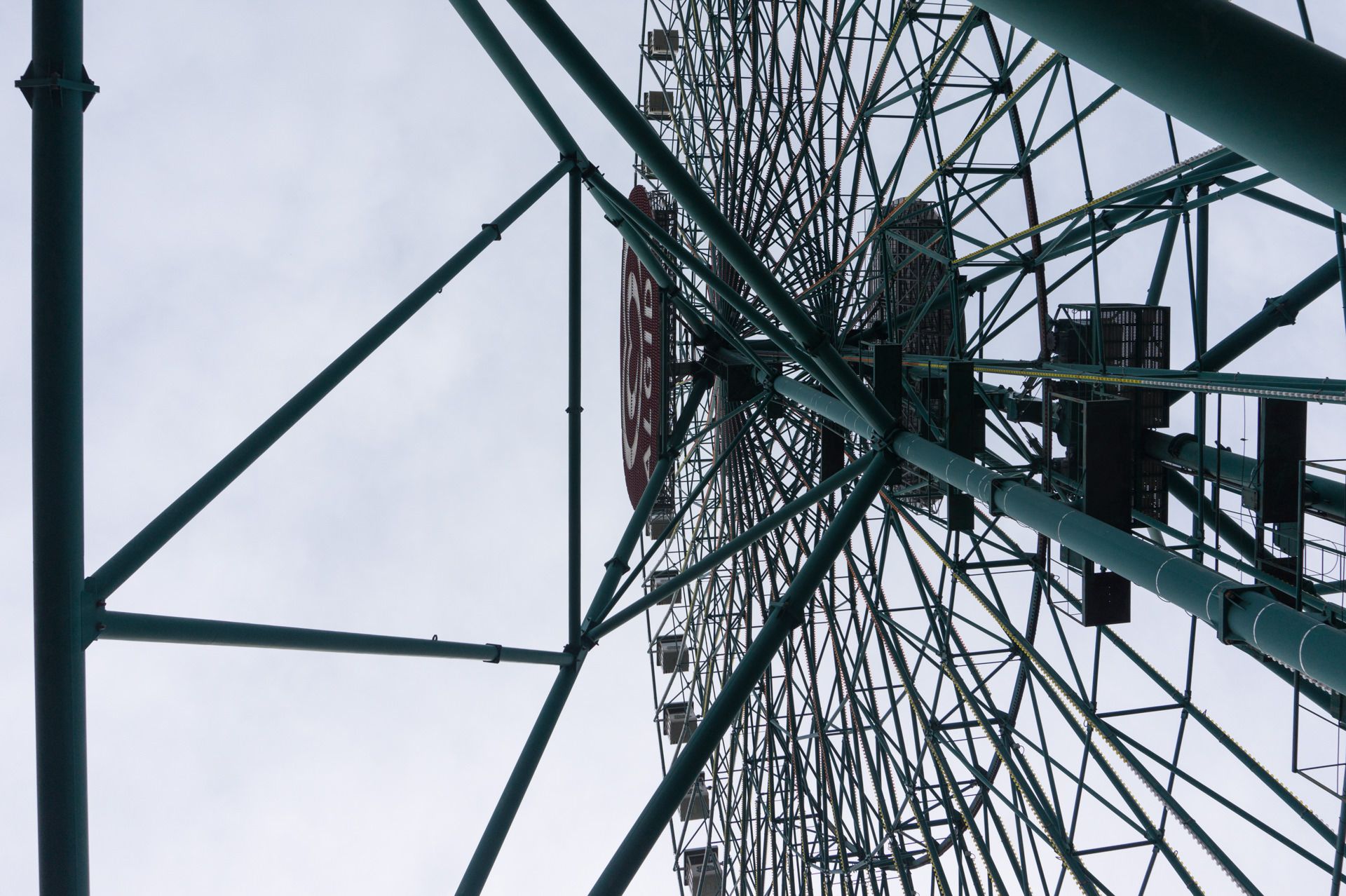
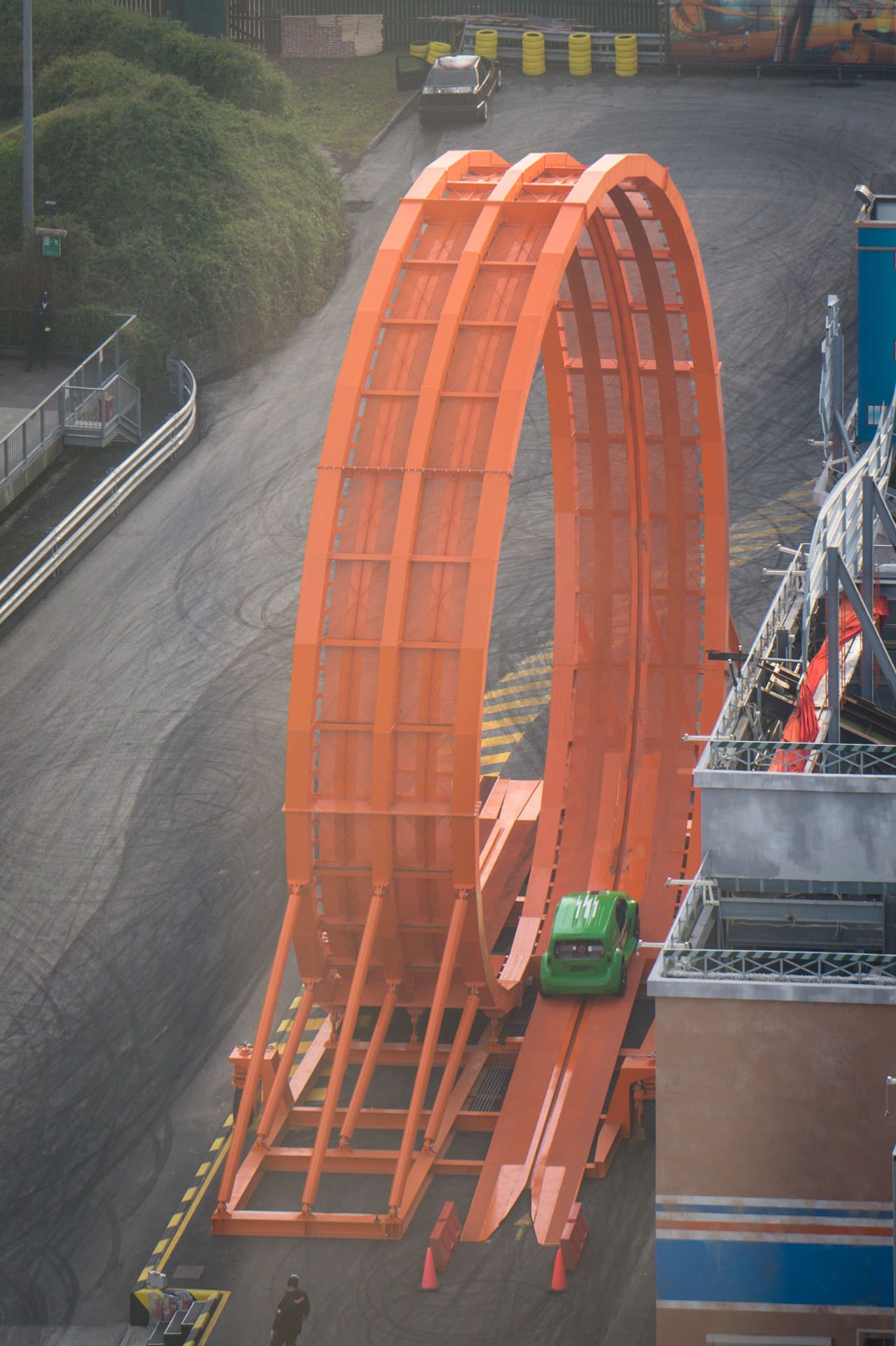
While waiting in the queue of the Katun roller coaster we could already observe that the neighbouring Max Adventures Master Thai roller coaster had a technical defect and was evacuated accordingly. Even one hour later there was no sign of a reopening of the ride, so we headed towards the prominent landmark of Mirabilandia. Also at the 90m high Eurowheel a long and tough queue was waiting for us. But we didn’t want to miss a ride on what used to be the highest Ferris wheel in Europe because we were so tired of waiting somewhere else. As expected, only half of the gondolas of the Ferris Wheel were equipped, which gave us plenty of time to take a closer look at the unconventional supporting structure of the Ferris Wheel. During the ride we could watch the Hot Wheels Stunt Show from above, the finale of which was the passage of a huge looping.

Pictures Mirabilandia

Closing Words

Also from above we could watch some test rides on Max Adventures Master Thai, so we immediately walked back to the ride, only to find the doors closed again. We still had half an hour left, so we decided to go on another ride on Katun. We couldn’t foresee that we wouldn’t be able to go on another ride after that, so we could only ride six of the seven roller coasters and the Ferris wheel. A disgrace beyond compare, which made the actually brilliant amusement park Mirabilandia the last flop. It is obvious why Gardaland is the most successful amusement park in Italy and why Parques Reunidos should reconsider their strategy.


What is your opinion about the theme park Mirabilandia? Just write it here below the report in the comment field or visit our social media channels:


Click here for the next report of the Il Viaggio dei due Runner Tour

Bavaria’s strongest piece of leisure

Preface

On my way to Munich, I have already passed Bavaria’s strongest piece of leisure twice; the first time ignorant of the existence of the amusement park as a child, the second time out of respect for my passenger, who had promised to visit the park to another person for years, and a rather strict daily schedule. Since I accompanied my father on a bicycle tour along the Tauber river to the Main river, starting in Rothenburg ob der Tauber, the 30km long detour off the A7 motorway to the Freizeit-Land Geiselwind was finally tackled.
Freizeit-Land Geiselwind

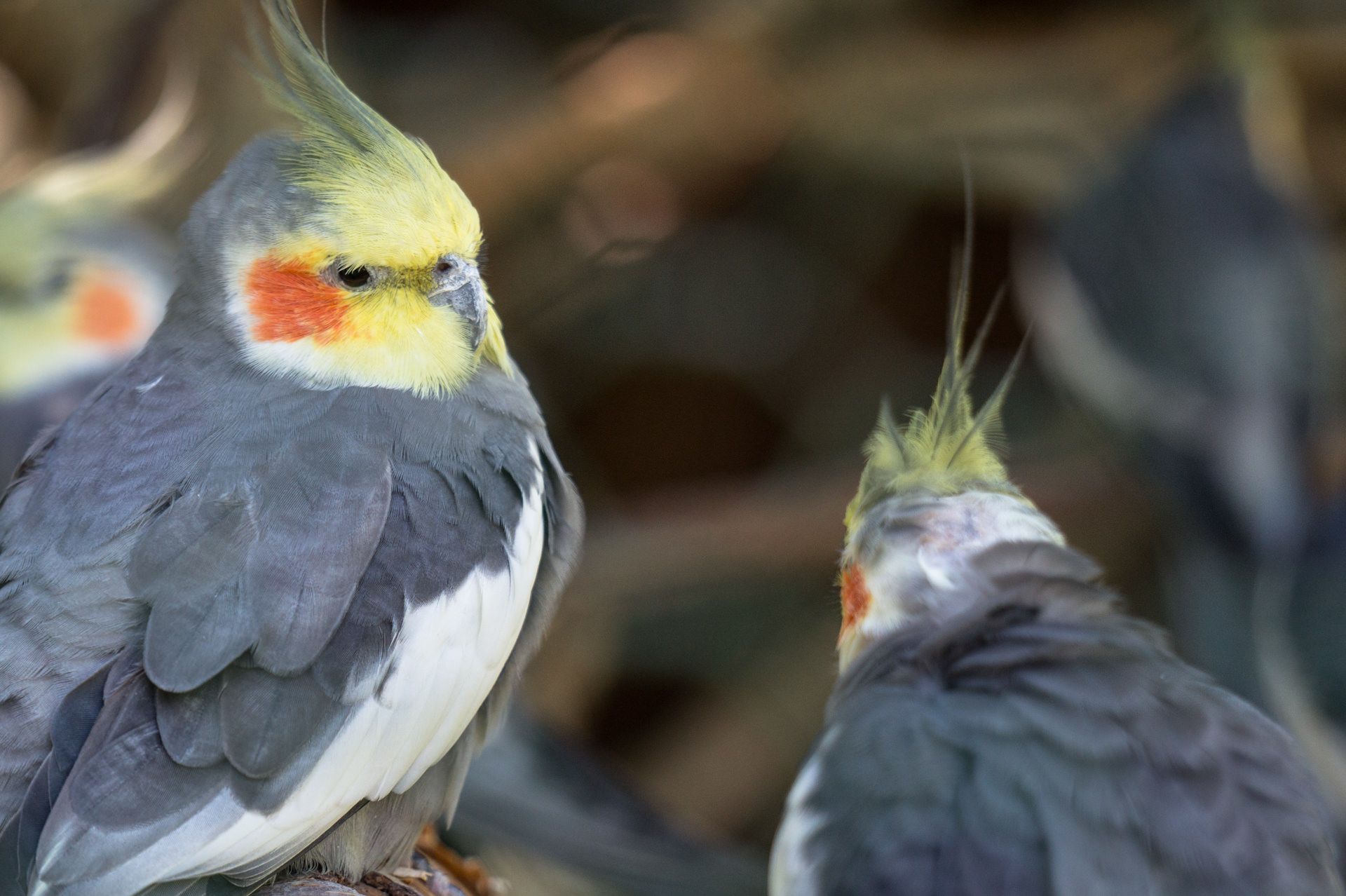
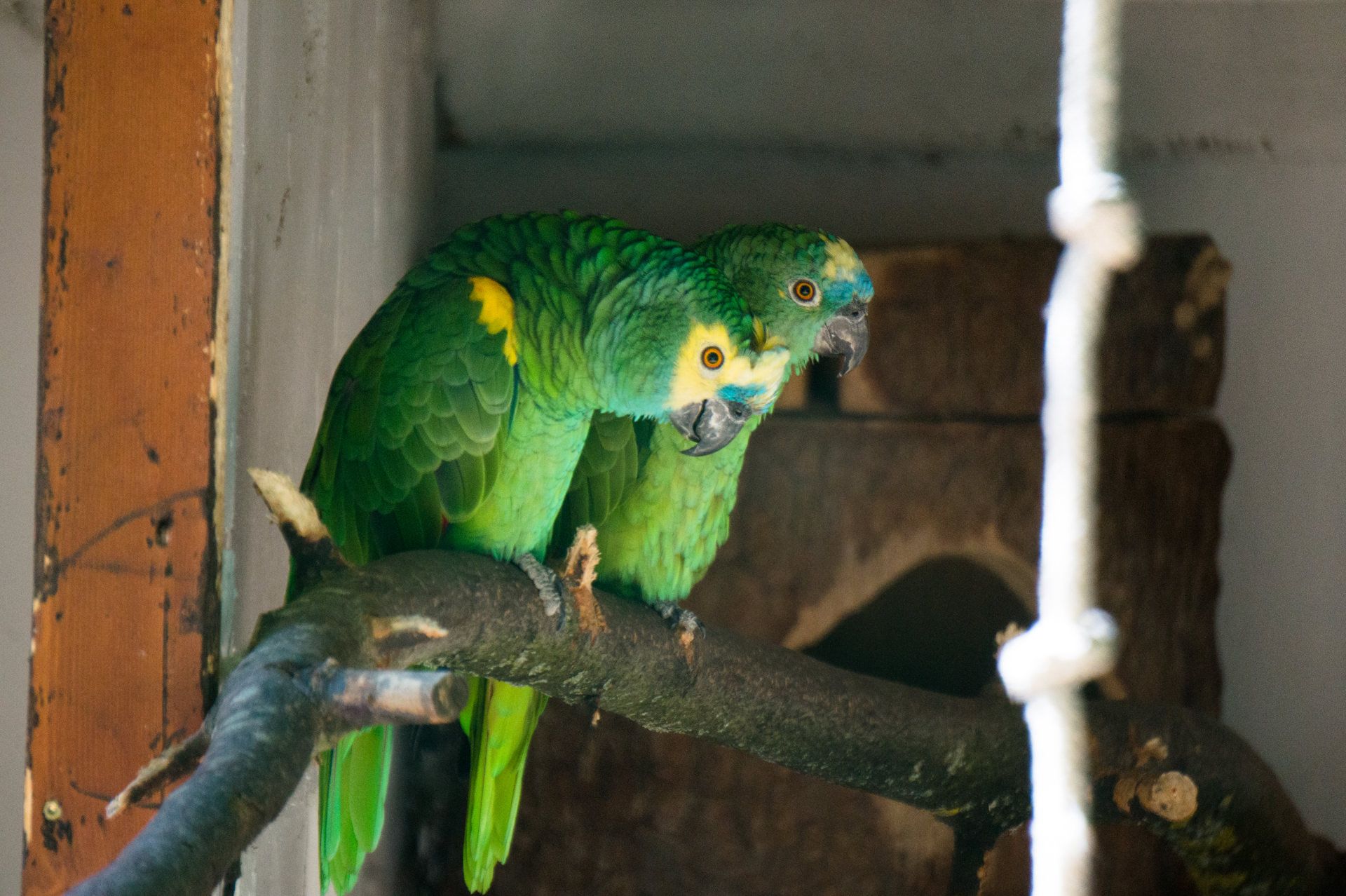
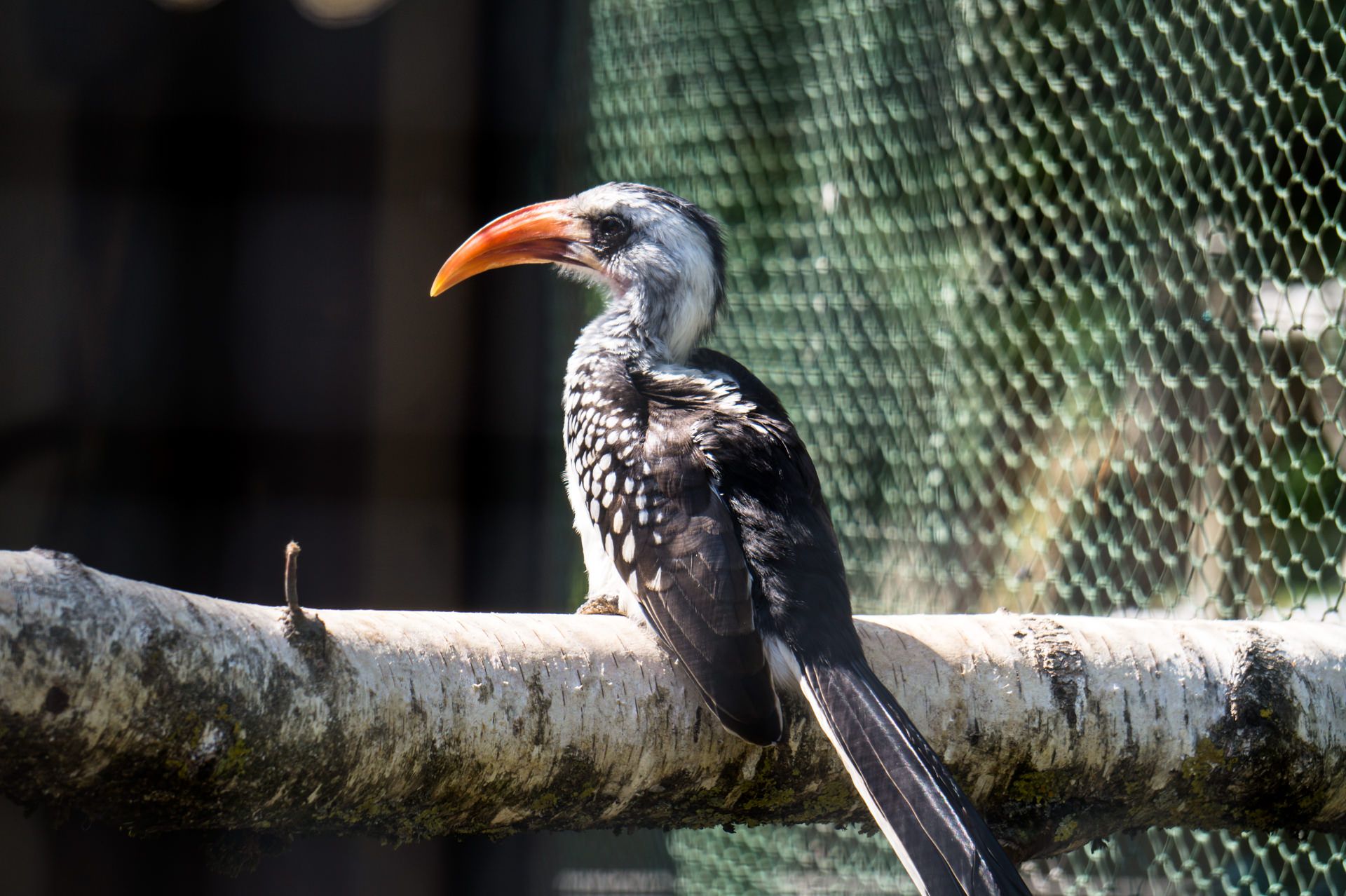
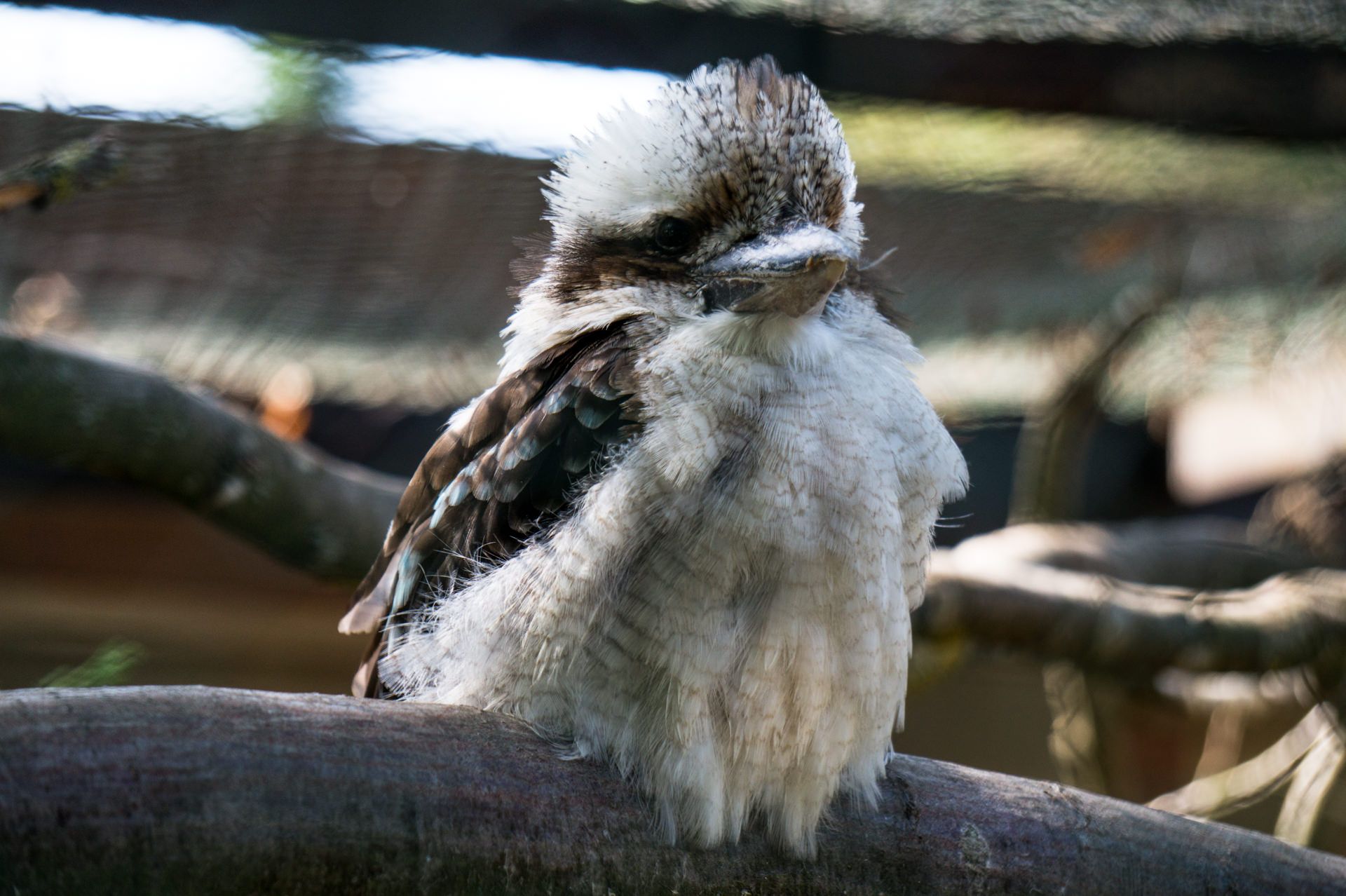
The amusement park, which opened in 1969, has its origins as a bird and pony fairy tale park, a mixture that was already extraordinary back then. Although remains of the fairy tale park have been preserved, the animal enclosures dominate the amusement park, which has also featured an increasing number of rides since the 1980s. Since then, these rides have generated the greatest interest. At the same time the zoo is quite respectable and, similar to Weltvogelpark in Walsrode in Lower Saxony, it can boast a great variety of species in sufficiently large aviaries and enclosures.
T-Rex World

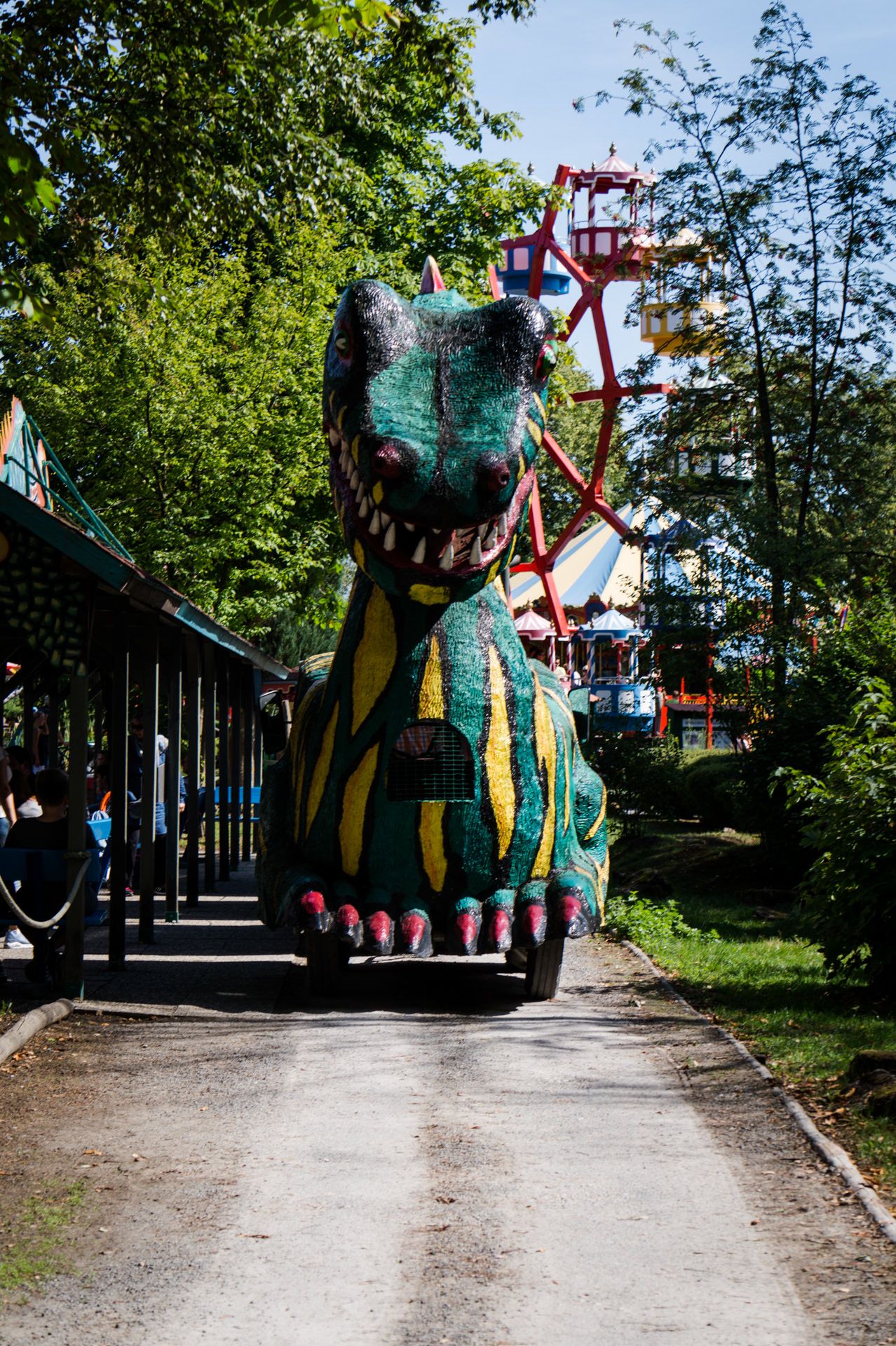
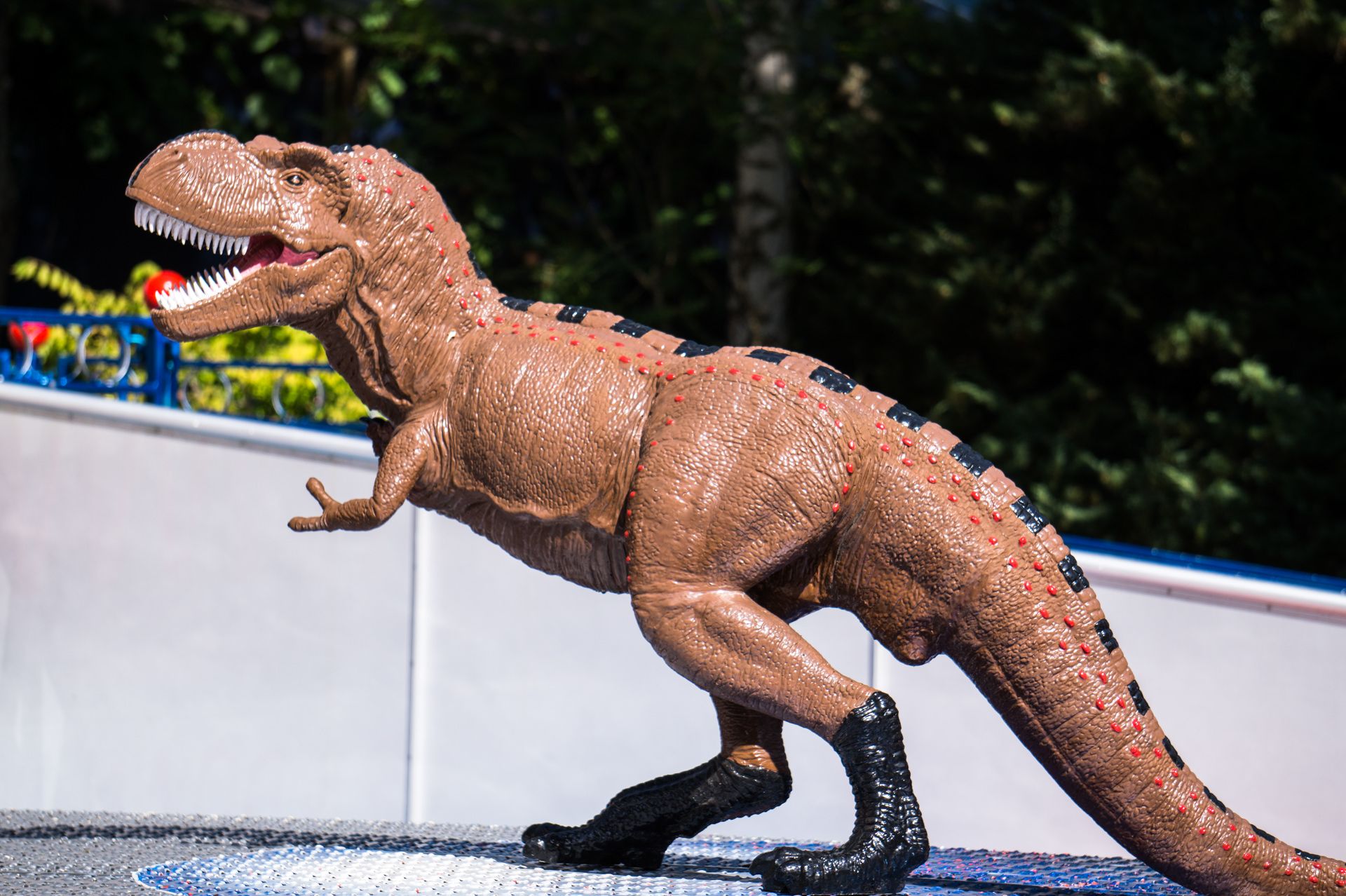
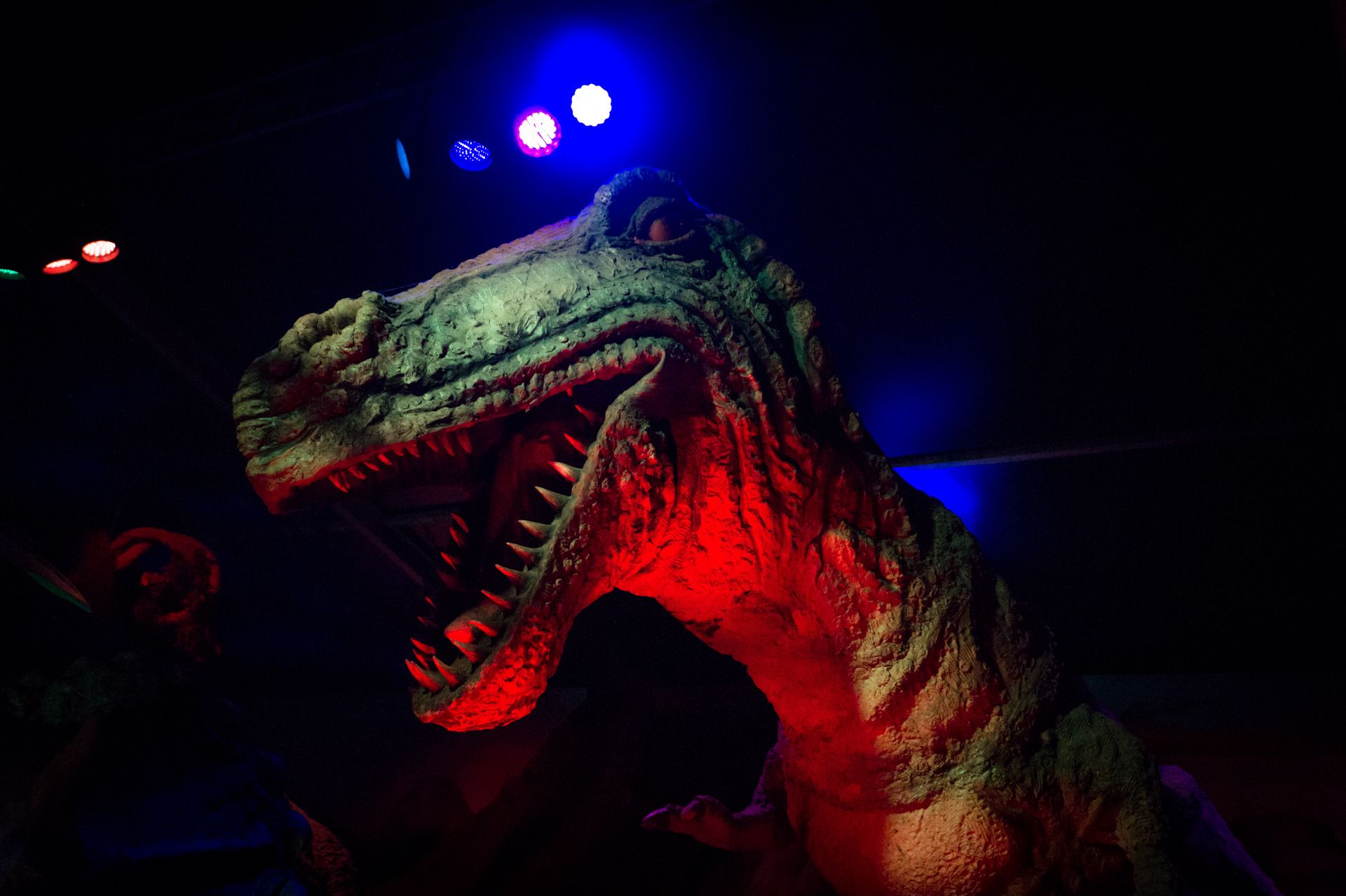
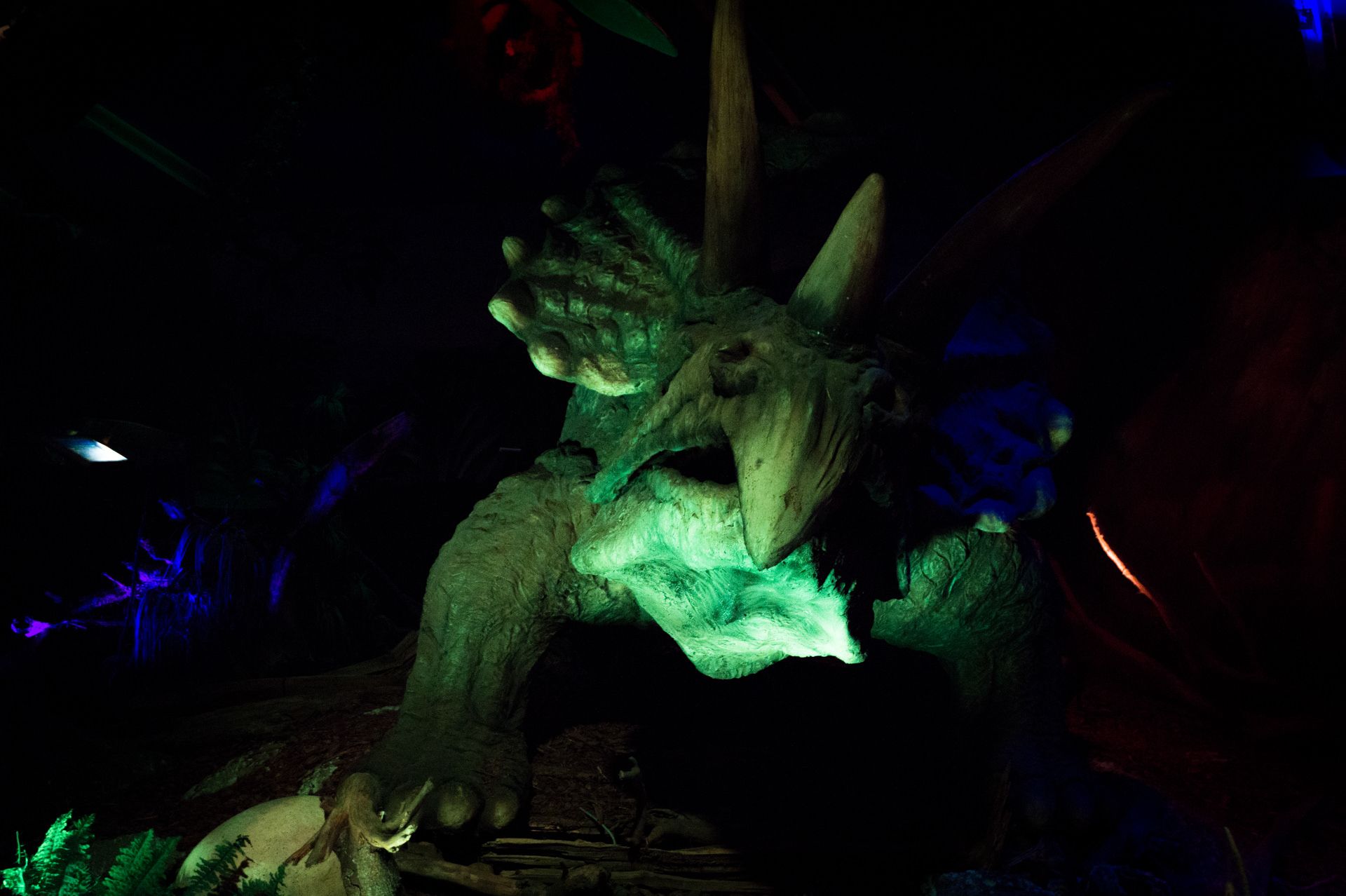
In terms of design, however, the Freizeit-Land Geiselwind is dominated by extinct creatures. In addition to a railway in dinosaur look and numerous figures, the dinosaurs are particularly popular in T-Rex World. This is a small exhibition worth seeing with animatronics, which were skillfully staged. Interestingly, the exhibition here convinced me more than the guided exhibition of newer Era T-Rex in the Portuguese amusement park Zoomarine, despite the much smaller size.

T-Rex Tower

In front of the hall is the T-Rex Tower, a Shot ‘n’ Drop by the manufacturer HUSS, a vertical ride that has become extinct at least at German fairs. While Robrahn’s Countdown travels through France under Fleur and Goetzke’s Freefall was sold to the Australian amusement and water park Adventure World near Perth, Roies Shot ‘n’ Drop is the only ride remaining in Germany. Like the towers mentioned above, the T-Rex Tower delivers a solid ride with a very nice shot up and drop down. Despite the lack of negative acceleration compared to the manufacturer S&S Sansei, the ride is always a little more fun due to the beautiful launch, although the end of the ride is reached after just one cycle.

The HUSS Corner

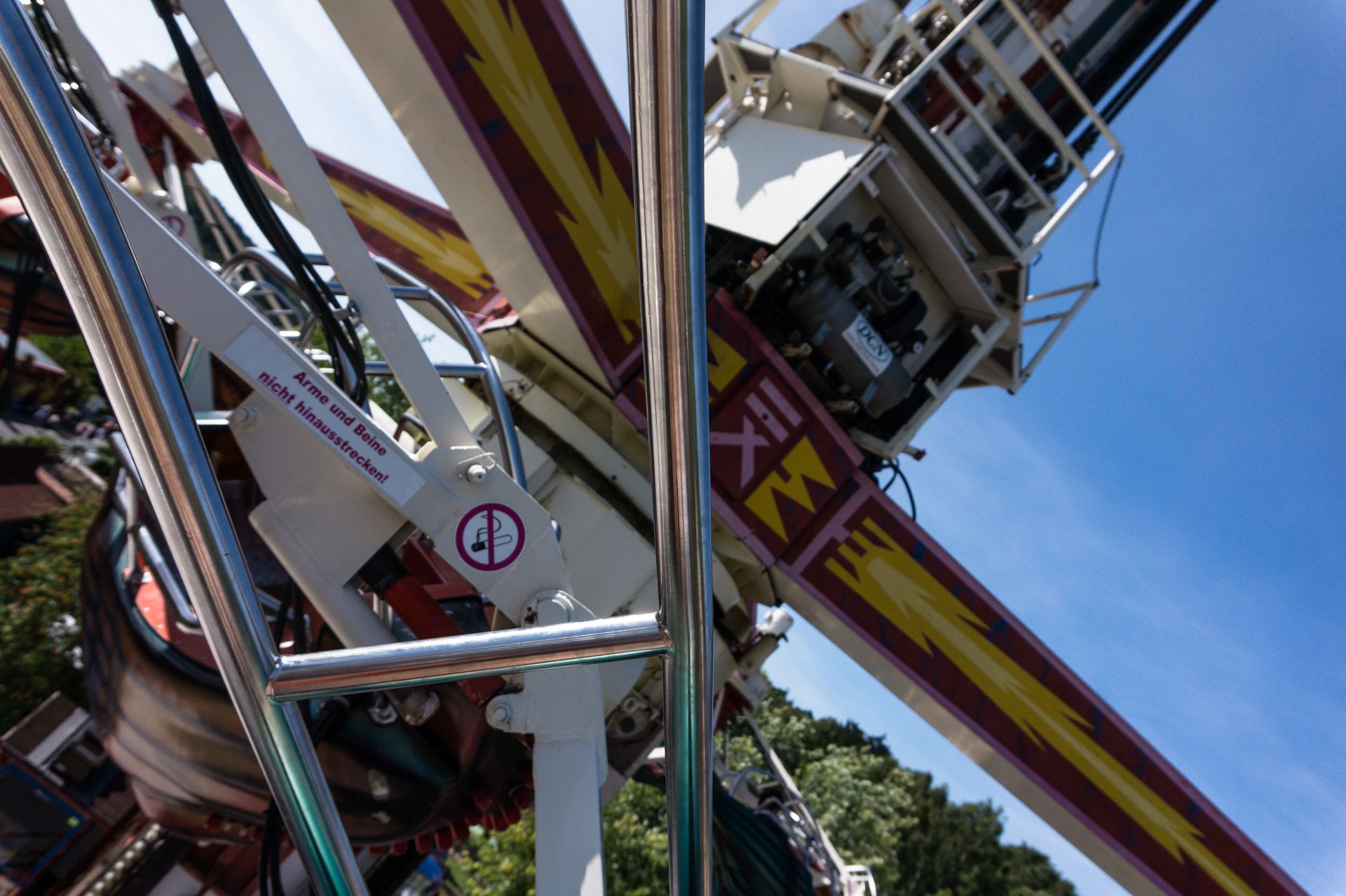
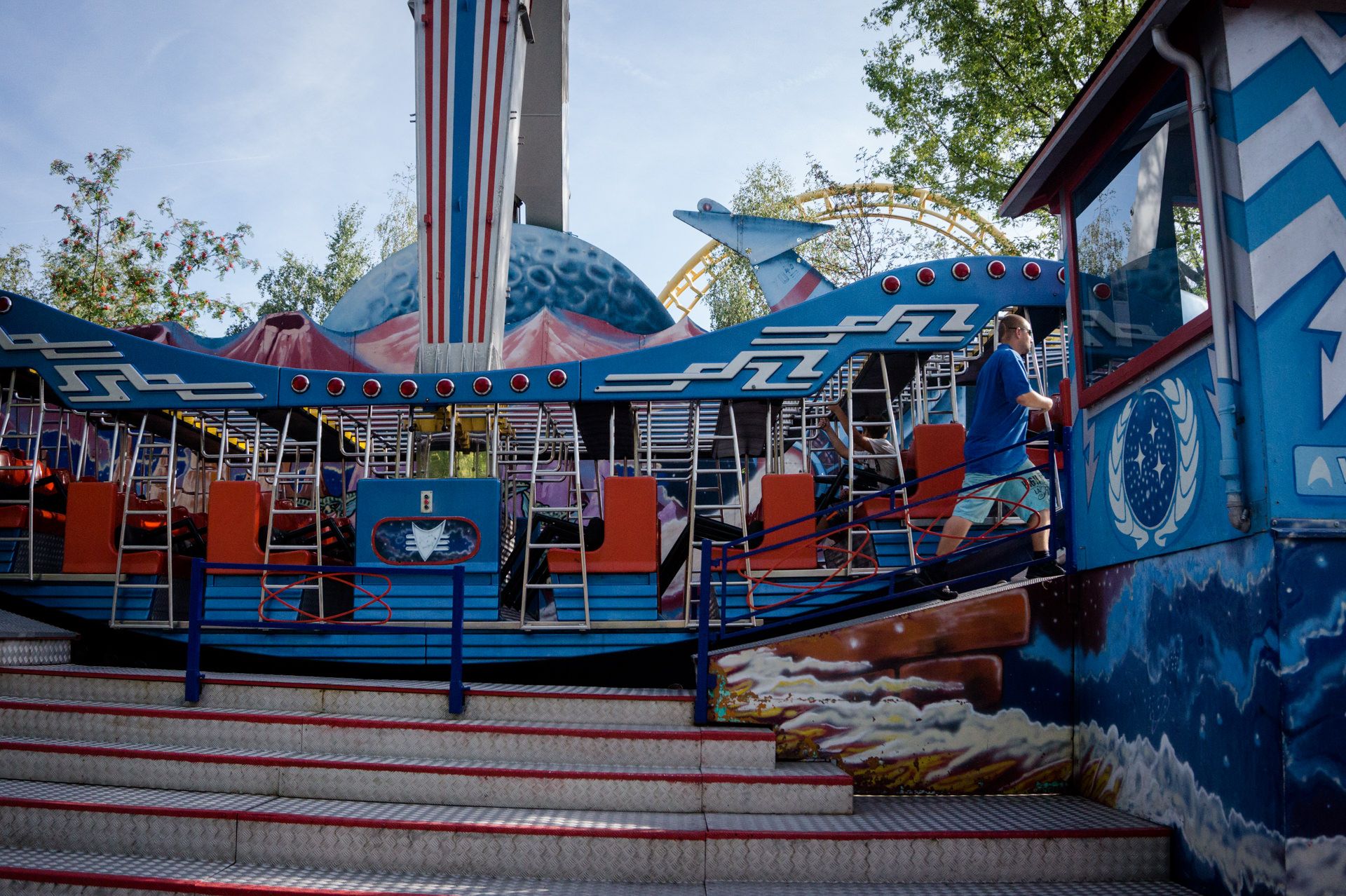
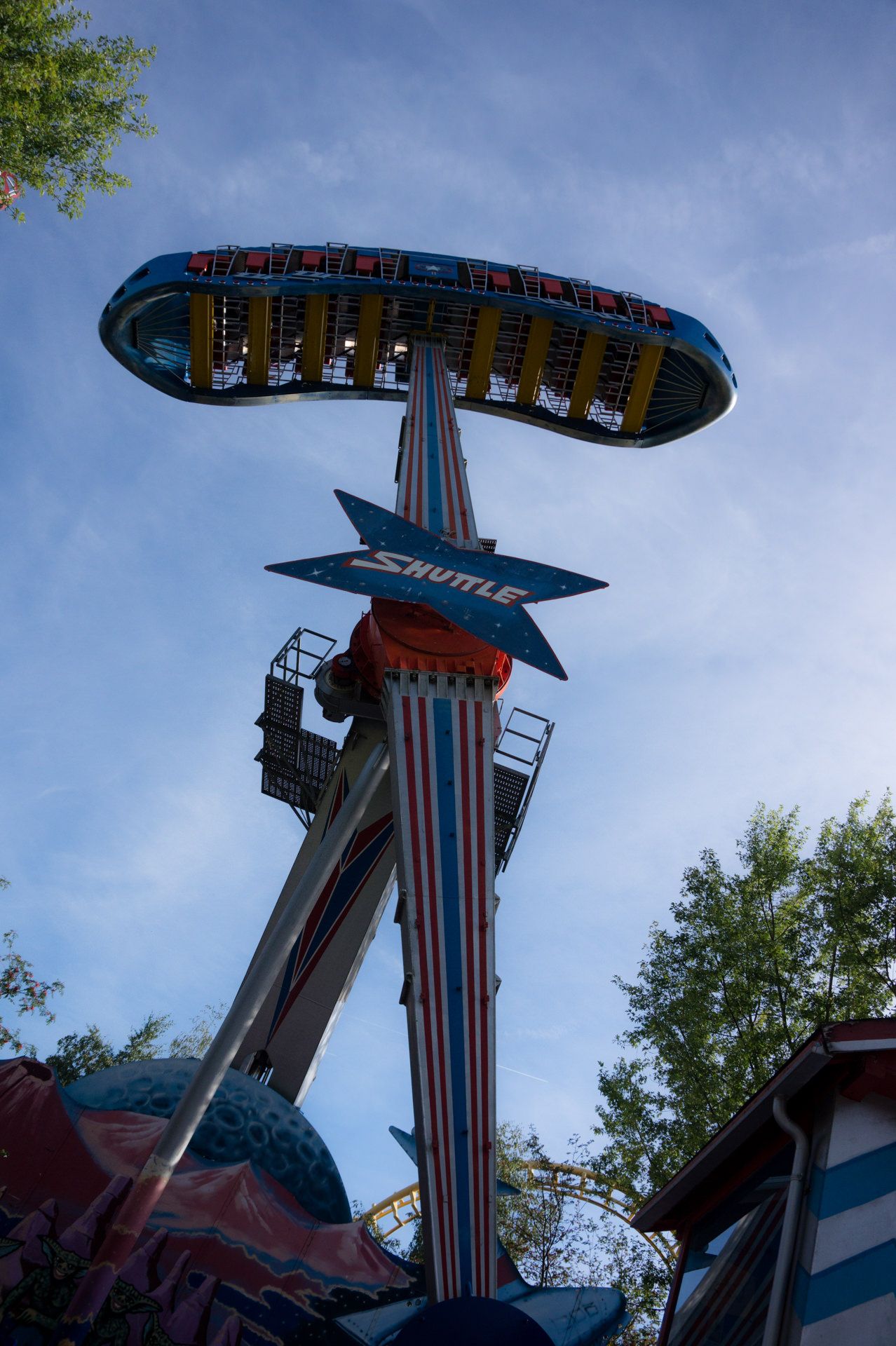
Next to two water basins with Nautic Jets and water roundabouts, which always had the longest waiting time, there is a corner exclusively consisting of rides from HUSS, as could be experienced before, in a similar constellation, in the Lower Saxony amusement parks Heide Park and Serengeti Park. Besides a stylish condor called Ikarus and a Ranger called Shuttle, you can ride an Enterprise, as well as a Break Dance. All rides offer a long ride with more or less balanced programs. I found the acceleration phases of the Ranger interesting and at the same time a bit disturbing, because it always decelerated in the valley, which was never the case with the identical Fliegender Hai ride in Hansa Park.

Wildwasserbahn

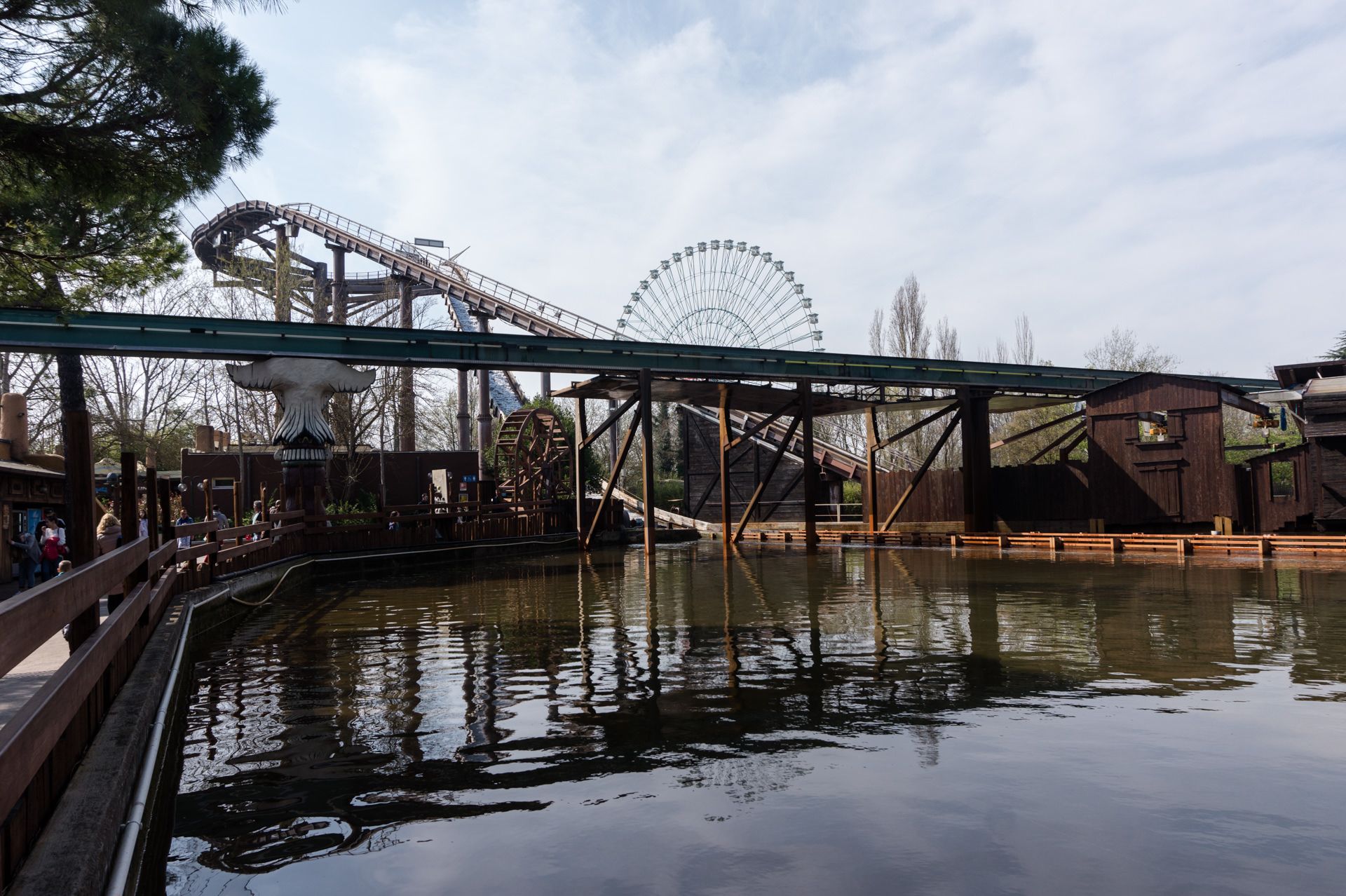
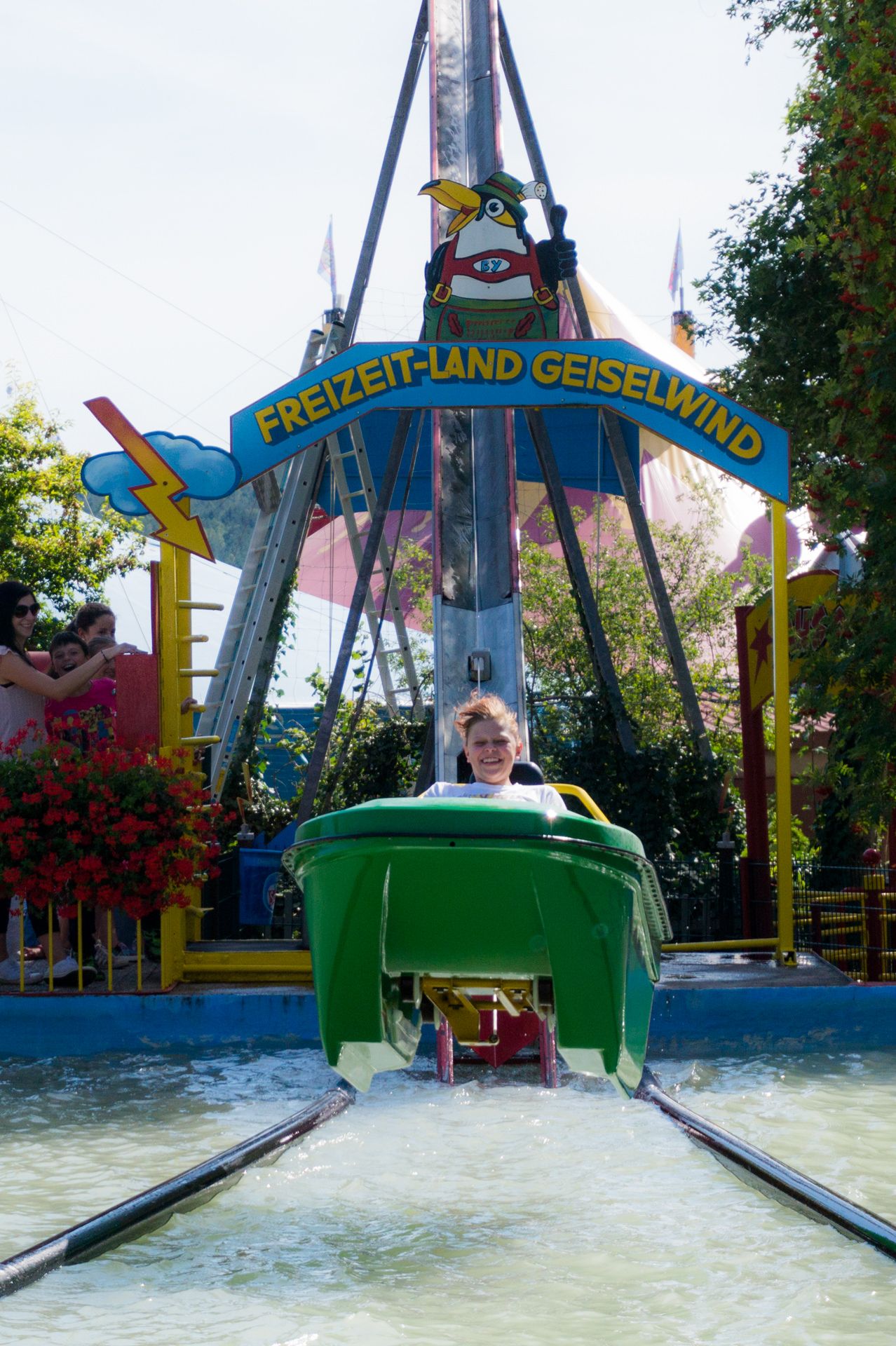
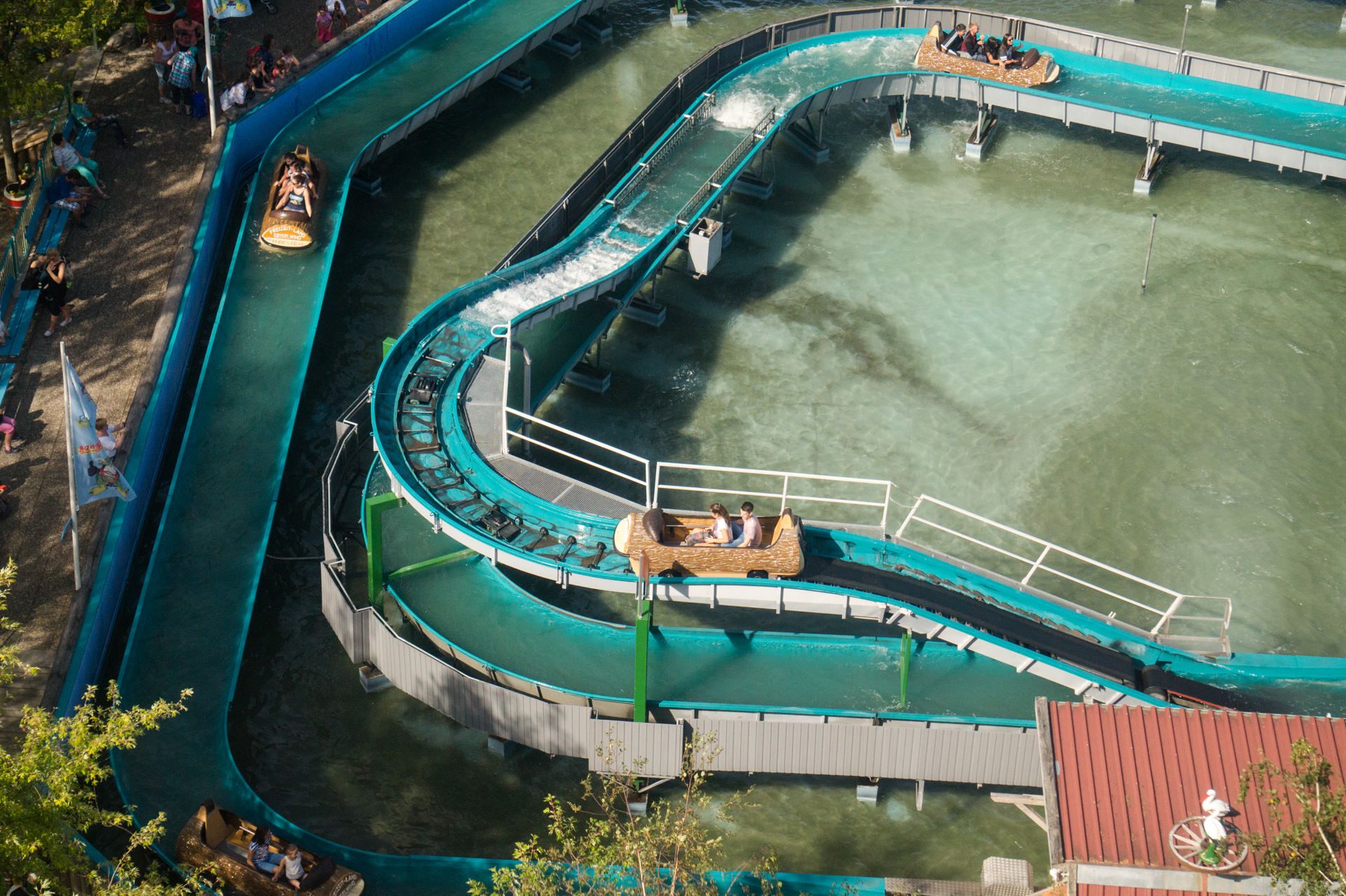
If you follow the paths further on you will come across the big log flume Wildwasserbahn with its three shots. This is a slightly modified version of the standard model of the French manufacturer Reverchon, which has been supplemented by a further downhill run. Although the ride reminds of a funfair of the past due to its large back wall, the general design of the ride, especially the nicely designed waiting area, is successful.

After the boat has left the station, one rumbles a little through the channel along the maintenance hall of the Freizeit-Land Geiselwind before taking the first lift. At the top you make a small curve behind the back wall on rollers until a friction wheel pushes the boat into the first shot. This is designed as a double gradient and releases you a little wet into the further course. One S-curve later it goes up again and a small right curve follows. Now the smallest descent of the ride follows and as fast as this one came, as fast the end of the run-out distance is already reached and you rapidly make another right turn. After a slightly longer straight, the boat accumulates for the last time in altitude. Arriving at the top, the game repeats itself and a high shot follows without any interruptions. Arrived at the bottom you get properly moistened just before you continue the rest of the way towards the station. By ingenious technology, which I actually noticed for the first time at the ride, the boats are stopped briefly before they are gently put on the conveyor belt of the station without crashing against the other boats.

Top of the World

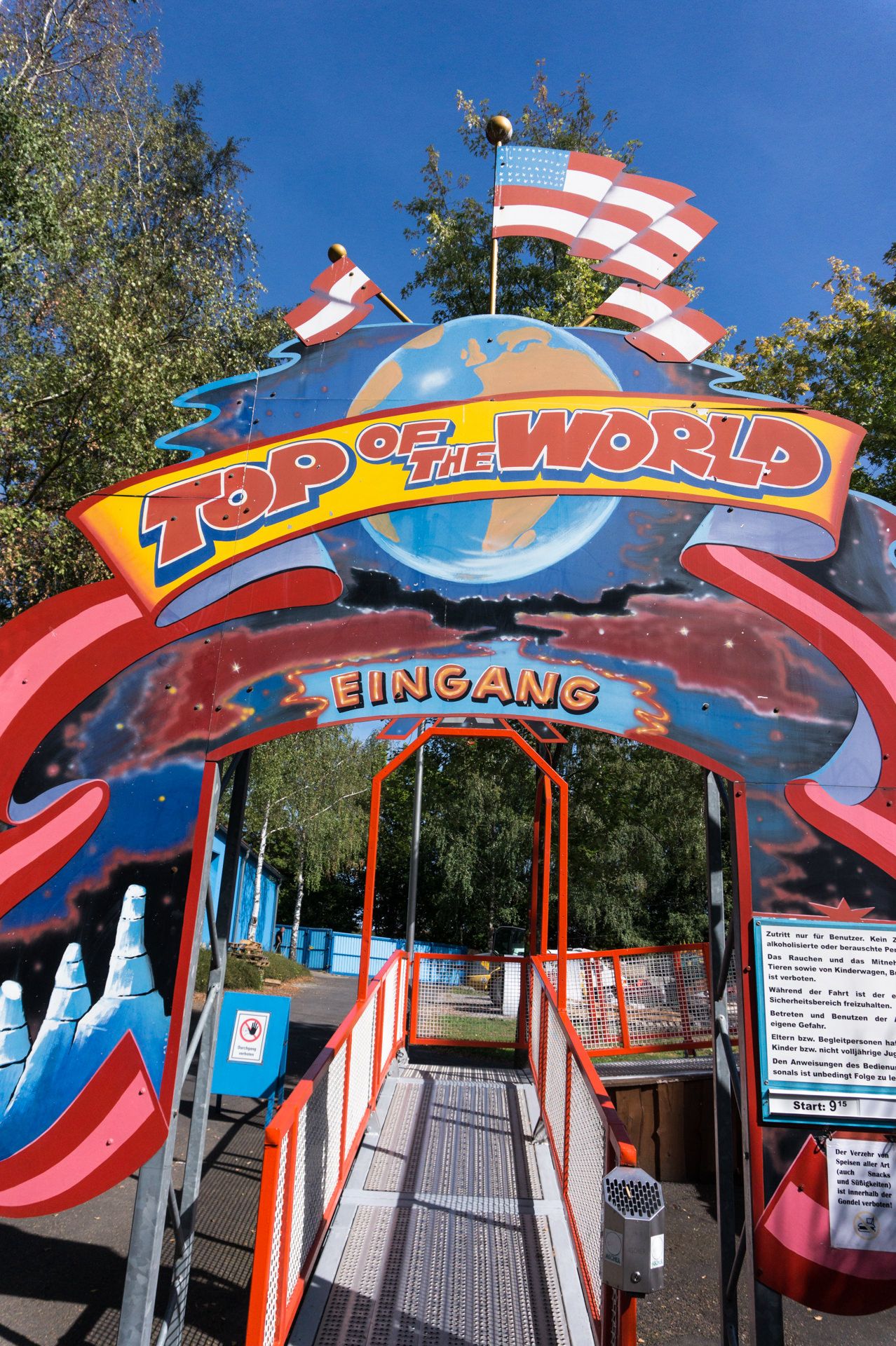
Similarly interesting from a technical point of view, but on a much larger scale, is the Top of the World observation tower, which can be briefly described as a monster with a capacity of 132 people. The formerly largest transportable ride in the world measures a total height of 95 m, with a ride height of 72 m. The ride was built in the mid-90s by Nauta Bussink for the Bremen showman Finnendahl, who operated the 270-tonne structure until 1998. Compared to the modern free-fall towers of the manufacturer Funtime, the ride is very massive, which is already noticeable by the four outriggers. The tower itself is relatively wide, which certainly did not make transport easy. The technology of the nacelle, however, is very simple and is driven by two steel cables that are rolled up and down and thus lift and lower the counterweight and thereby influence the position of the nacelle. After the gondola has been lifted a little, a power rail ensures the supply of the motors for the rotation of the gondola. The ride itself, however, is relatively slow in both movements and thus offers a good view of the amusement park. Thereby, also the air-conditioned gondola is a very special, as most of the seats are designed as standing places and are arranged in two rows. Moreover, the view from the windows is surprisingly clear, as there are no traces of scratches and other wear and tear.
Drehgondelbahn

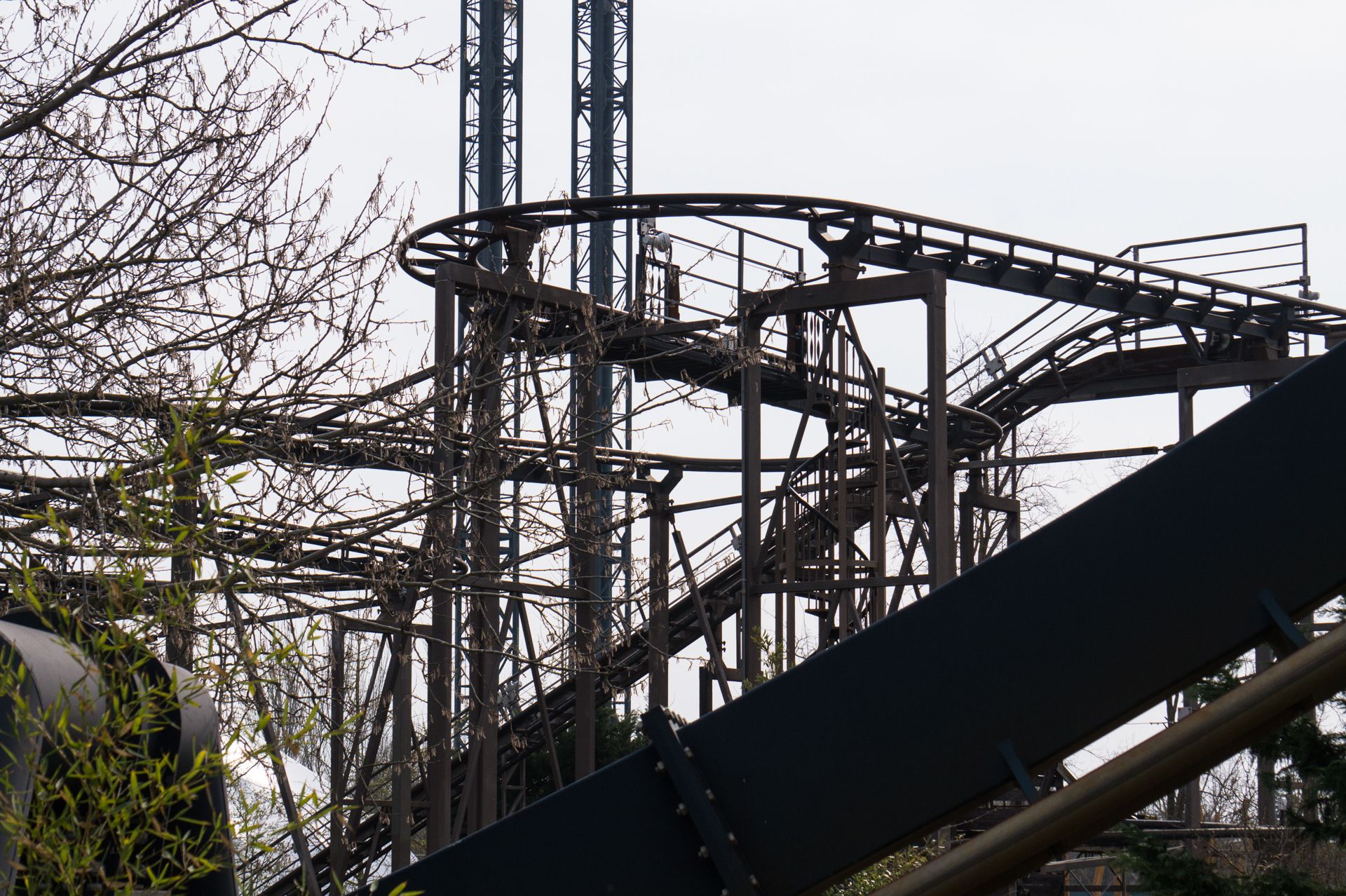
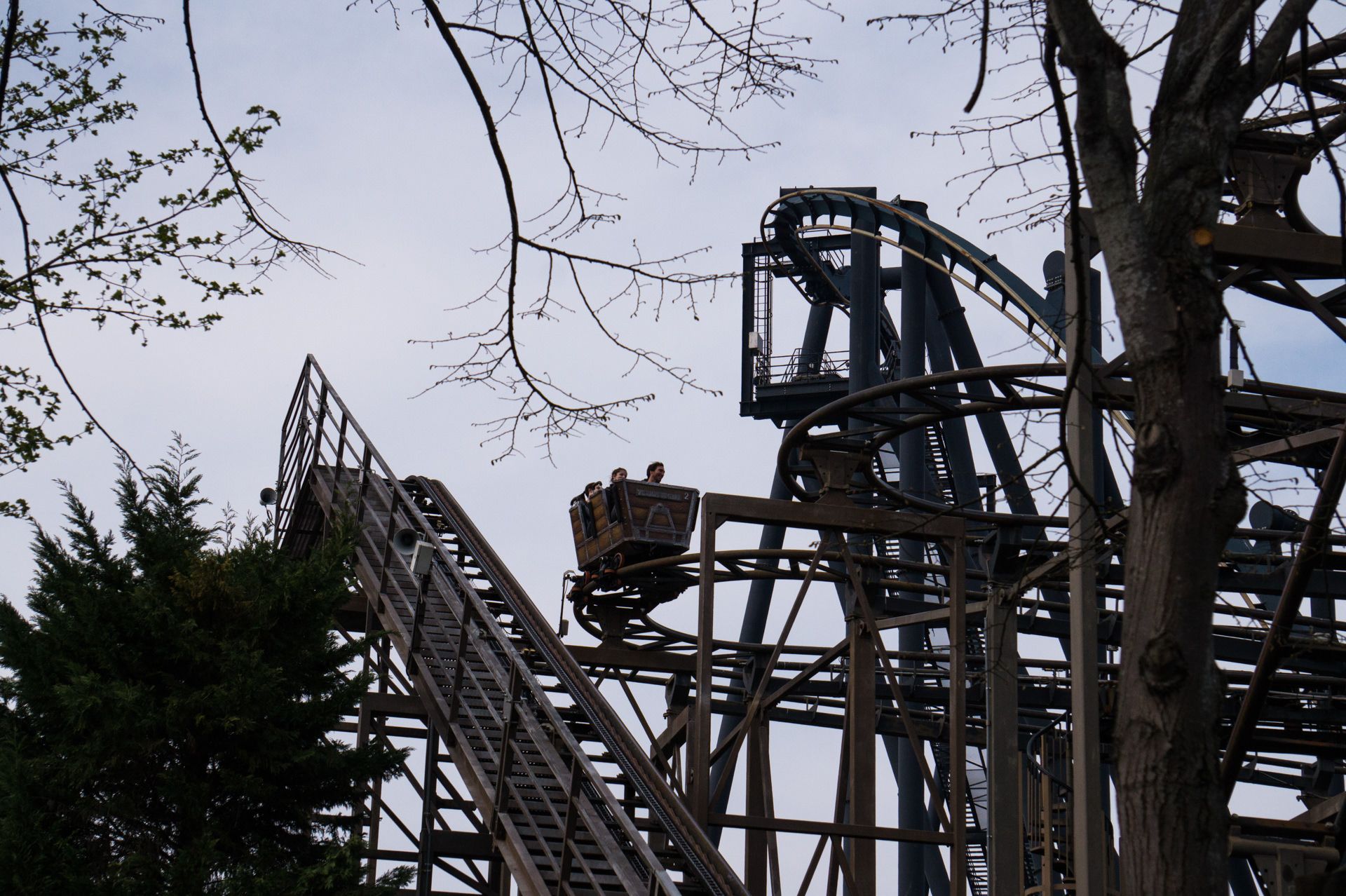
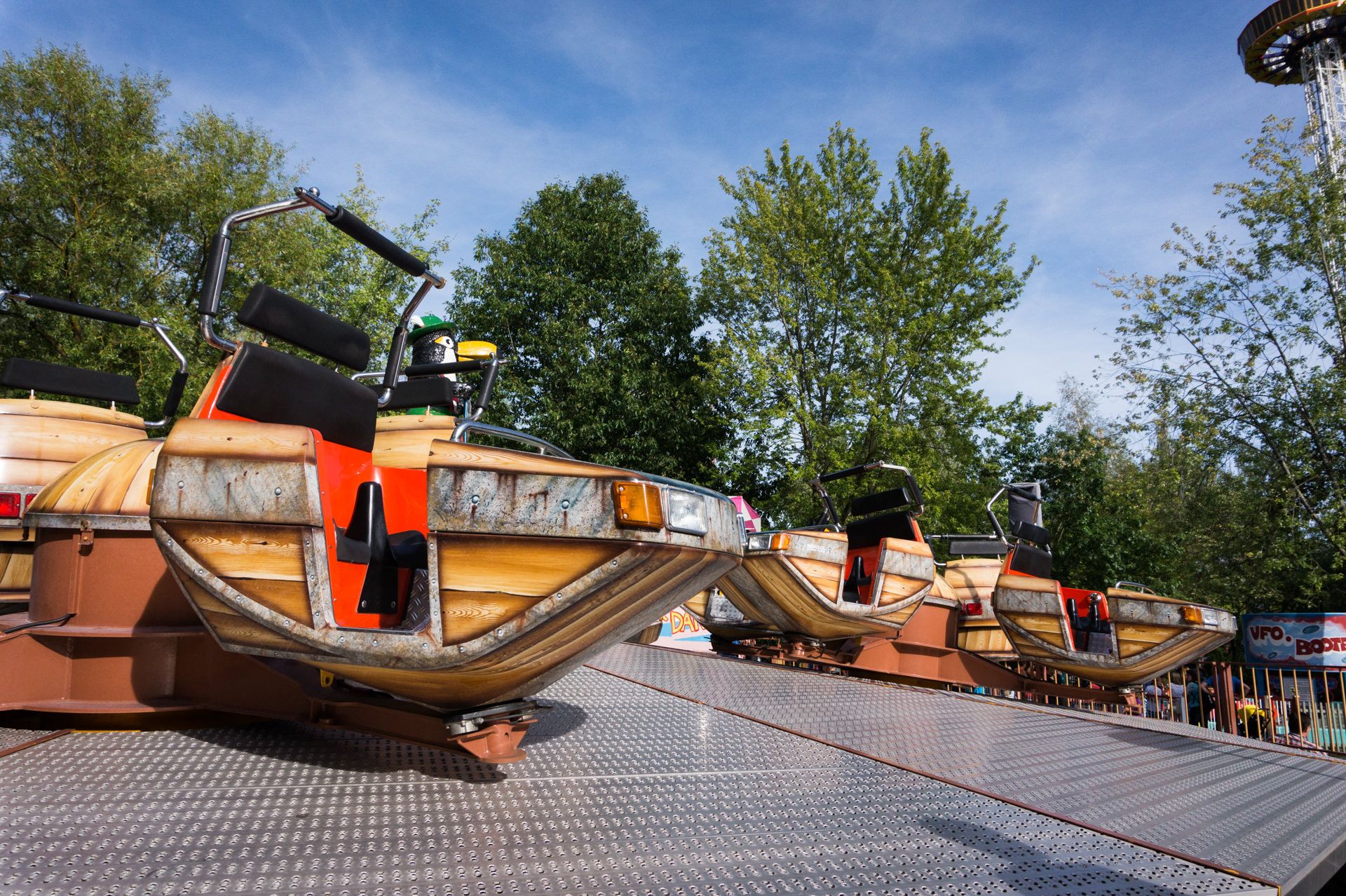
Quite inconspicuous and easily overlooked even from above is the Drehgondelbahn, a truly unique roller coaster at Freizeit-Land Geiselwind. This is the only spinning coaster of the company Zierer, which has been making its rounds in the park since 1994. This fact alone is more exciting than the actual layout of the ride, as there is only a simple oval with a descending helix in the middle. As simple as the track seems to be, as good it makes the gondolas turn, so that a thoroughly amusing ride emerges. For three rounds, one makes the way through the course before the gondolas are automatically aligned in the station.

It’s strange to find only one roller coaster of this kind from Zierer, because the potential to be a box office hit today is shown by the compact spinning coasters from SBF Visa with their even simpler layout. Especially for smaller amusement parks a ride like the Drehgondelbahn would be more than ideal, so a new edition of this classic ride would certainly not be the worst idea.

Boomerang

In an alignment with the Top of the World observation tower and the Drehgondelbahn, there is the biggest roller coaster of Geiselwind, a Vekoma Boomerang. Although it looks relatively normal from the outside it is an elaborately designed ride in Australian style, including the eponymous throwing weapon. Access to this ride is around the engine room, whereupon you are directly inside the station. Compared to similar rides, this one hardly vibrates when the train passes through, which is why, interestingly enough, televisions adorn the station.

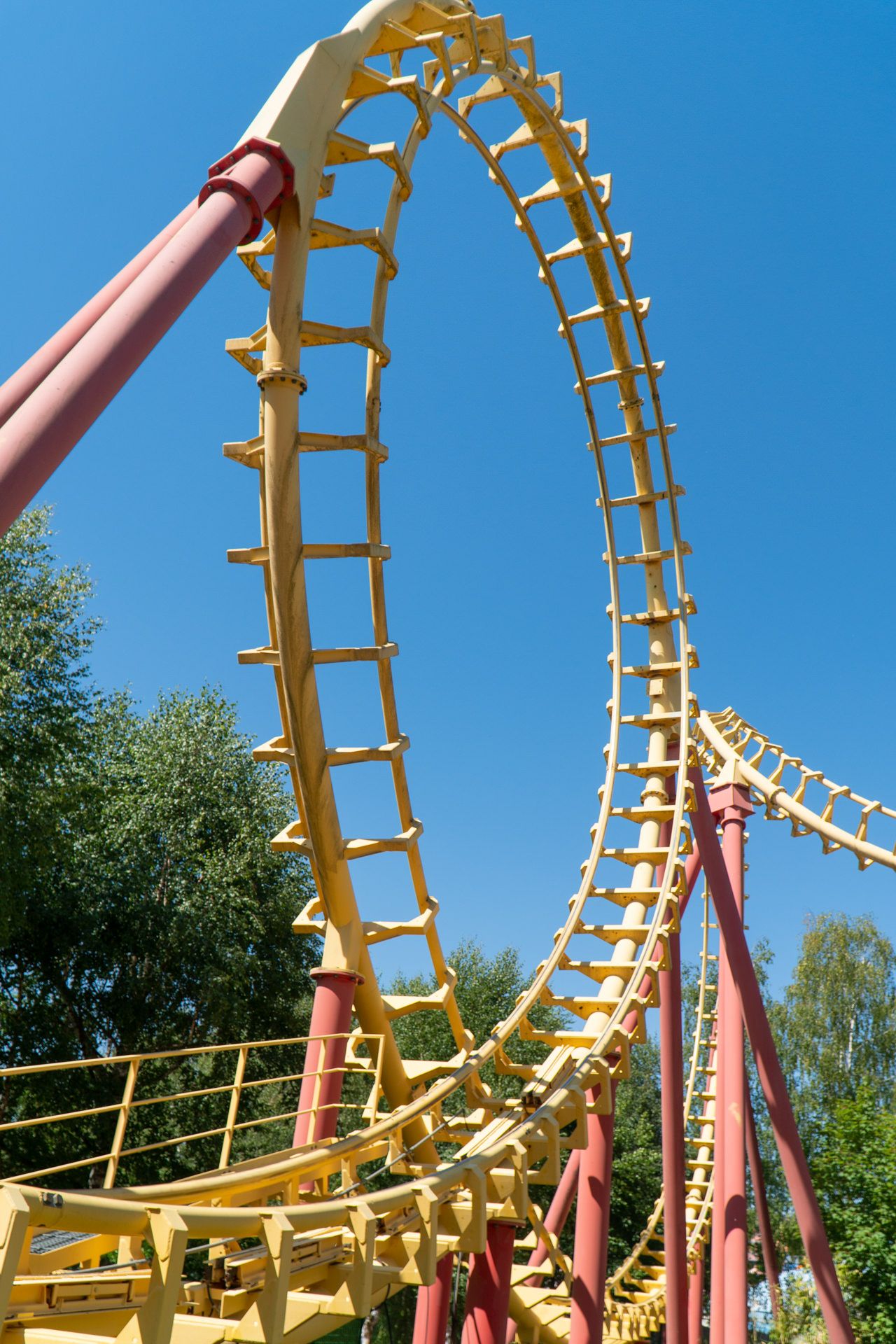
After the driver has gripped the train, it is slowly pulled up the first ramp. At the top of the ramp it automatically disengages, whereupon the train descends and crosses the station at top speed. The train then shoots up the first manoeuvre and stands upside down for the first time, before it goes overhead again in the second half of the Cobra Roll. A classic looping, which is powerfully passed through forwards, is added. In its exit, the first brakes are applied and thus reduce the speed just before the train engages a lift chain. This in return brings the train back to its maximum height before a mechanism lowers it and thus releases the train. Now it goes backwards down the second ramp and at top speed into the loop, which has now noticeably gained pressure. The Cobra Roll, on the other hand, will pass through a little slower before the train enters the station once more and the brakes engage. The riding characteristics are, similar to the ones from the Belgian amusement parks Bellewaerde and Walibi Belgium, extremely good and invite to several rides.

Cobra

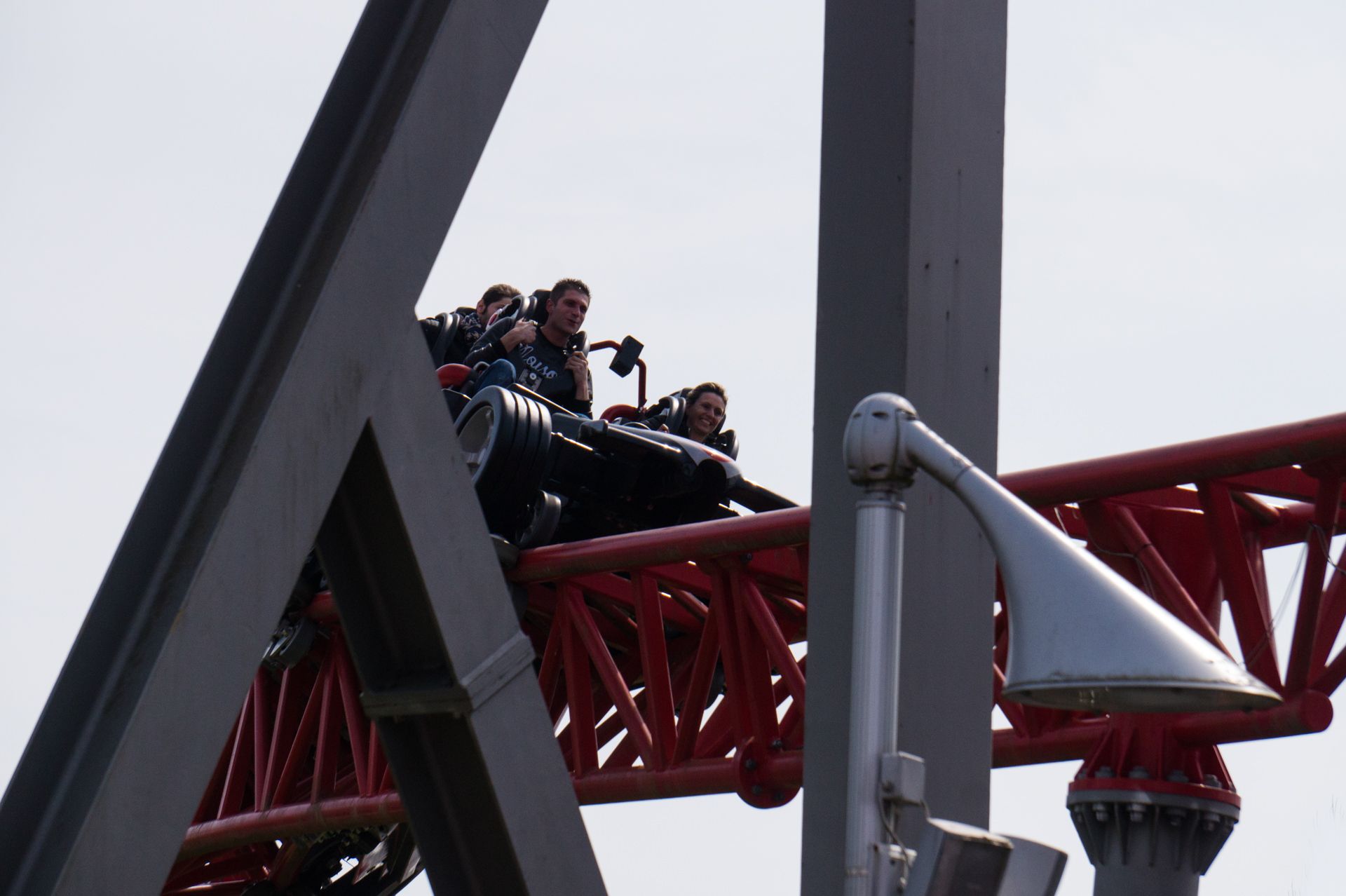
On the site of the former roller coaster Marienkäferbahn, which left Freizeit-Land Geiselwind for reasons of cost and age, this year’ s roller coaster Cobra by showman Agtsch is located. In the years before, the place was already occupied by two Wild Mice, the indoor roller coaster Black Hole and a ghost train, which is understandable on the one hand, but on the other hand is not really needed due to the already large offer of rides. Because of the barriers along the ride this place doesn’t look very nice, a non-temporary attraction would surely be an advantage here in the future.

Blauer Enzian

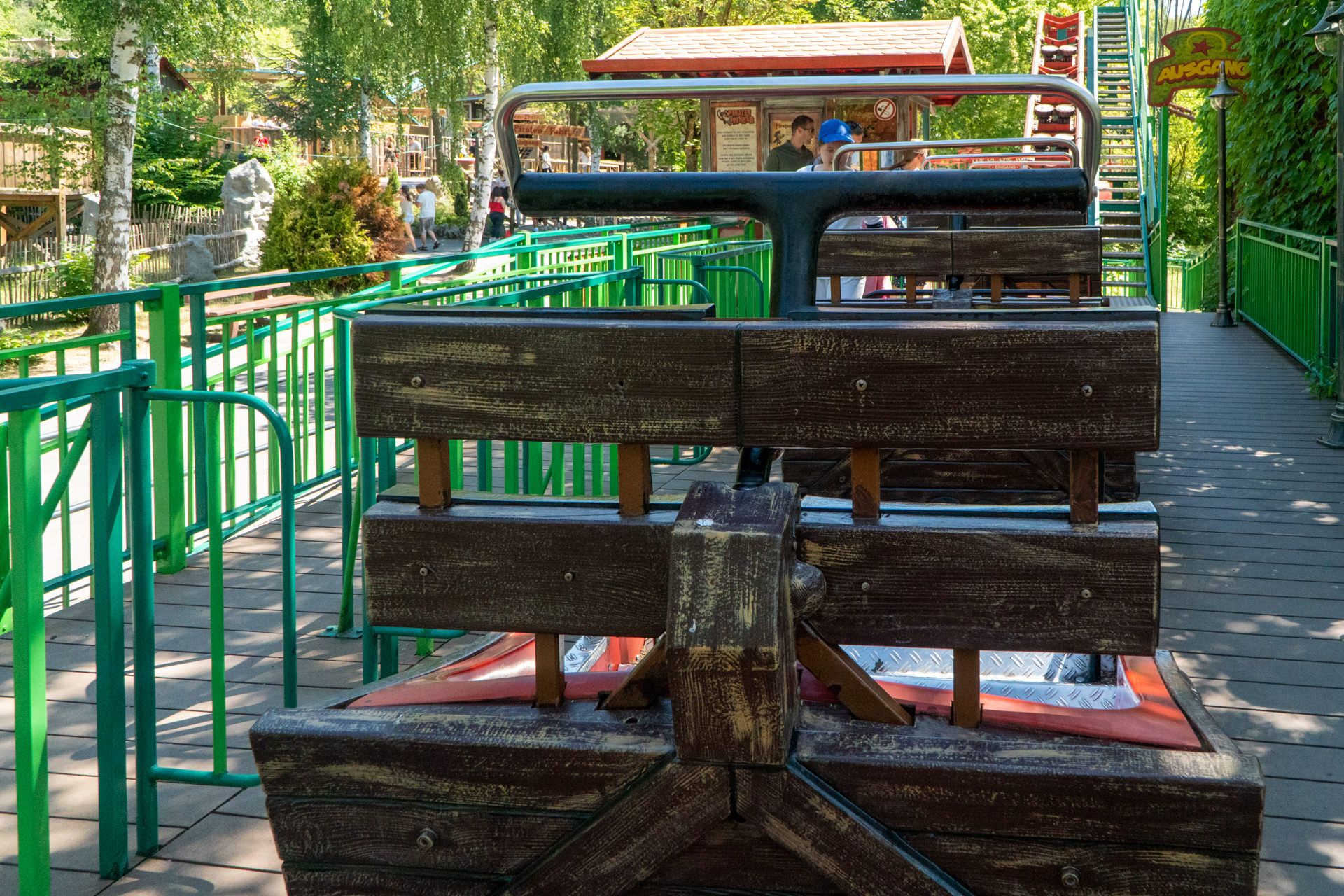
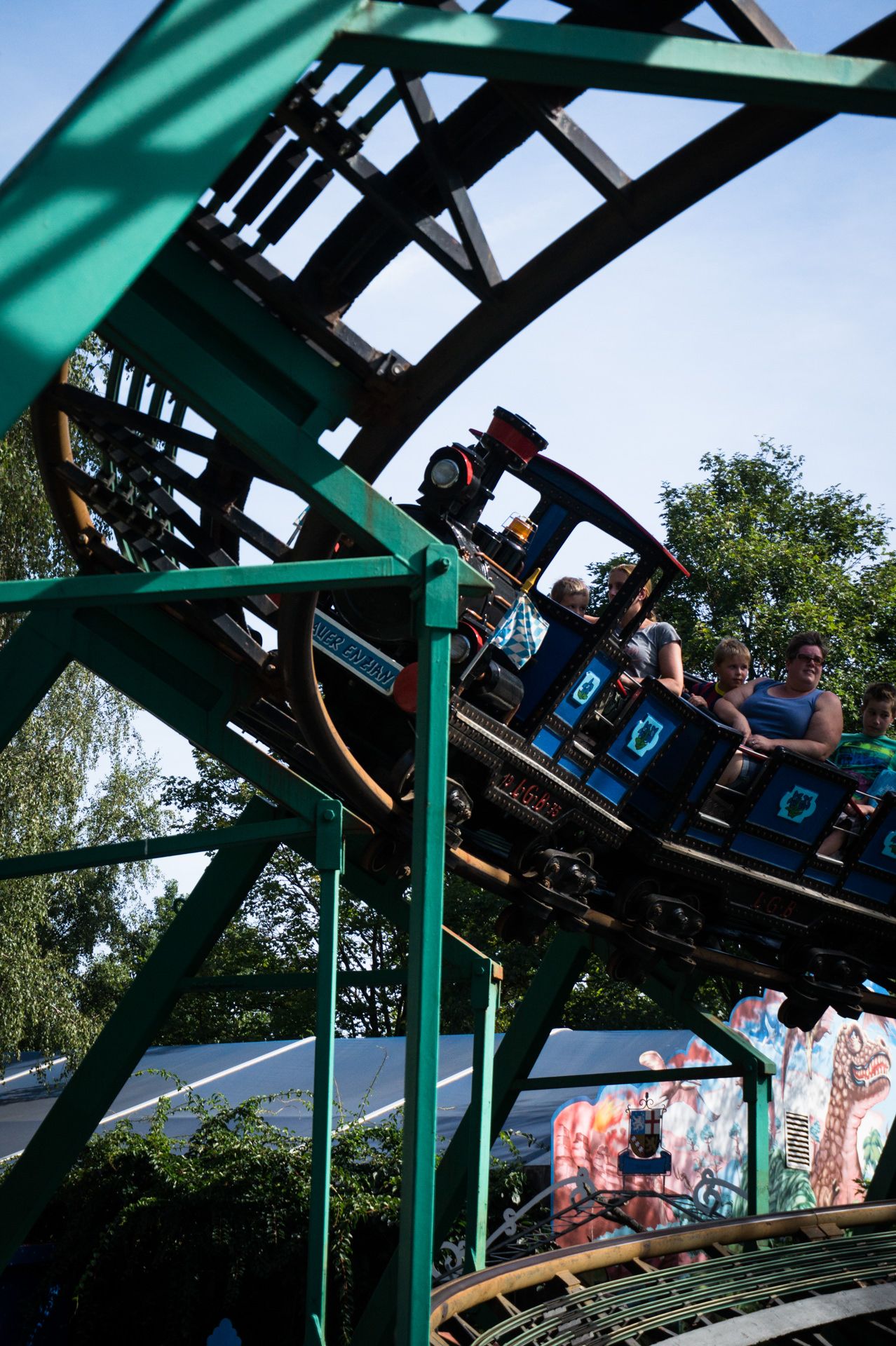
Right next door is a Blauer Enzian roller coaster of the same name from Mack. Like many rides at Freizeit-Land Geiselwind, this is a former travelling ride, which can be seen by the two water basins that make the sole of the ride heavy. Since the bridge above the station was not built, the exit happens on the same side as the entrance. Therefore, one side of the train was closed off.

The ride begins with a wide left turn, followed by a leisurely climb. Once at the top, the train makes a downward helix to the left before climbing up a steeper straight. Now the train makes a wide downward right-hand bend, crosses under the track just passed and surrounds the first downward helix in another left-hand bend. With much more momentum, the car now crosses the station and then lap by lap the course. Except for the abrupt second change of direction, it’s a nice ride.

Fränkische Weinfahrt

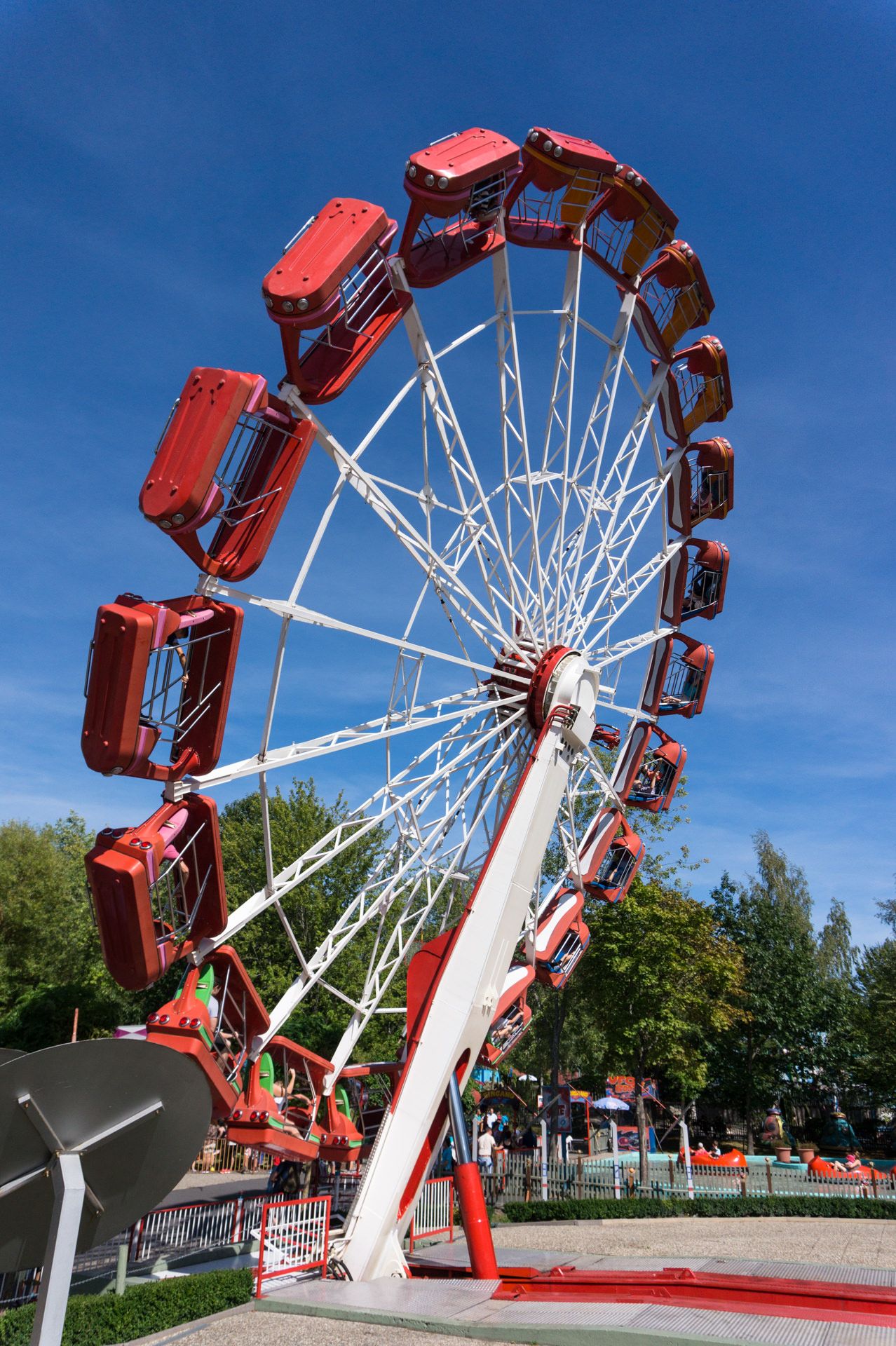
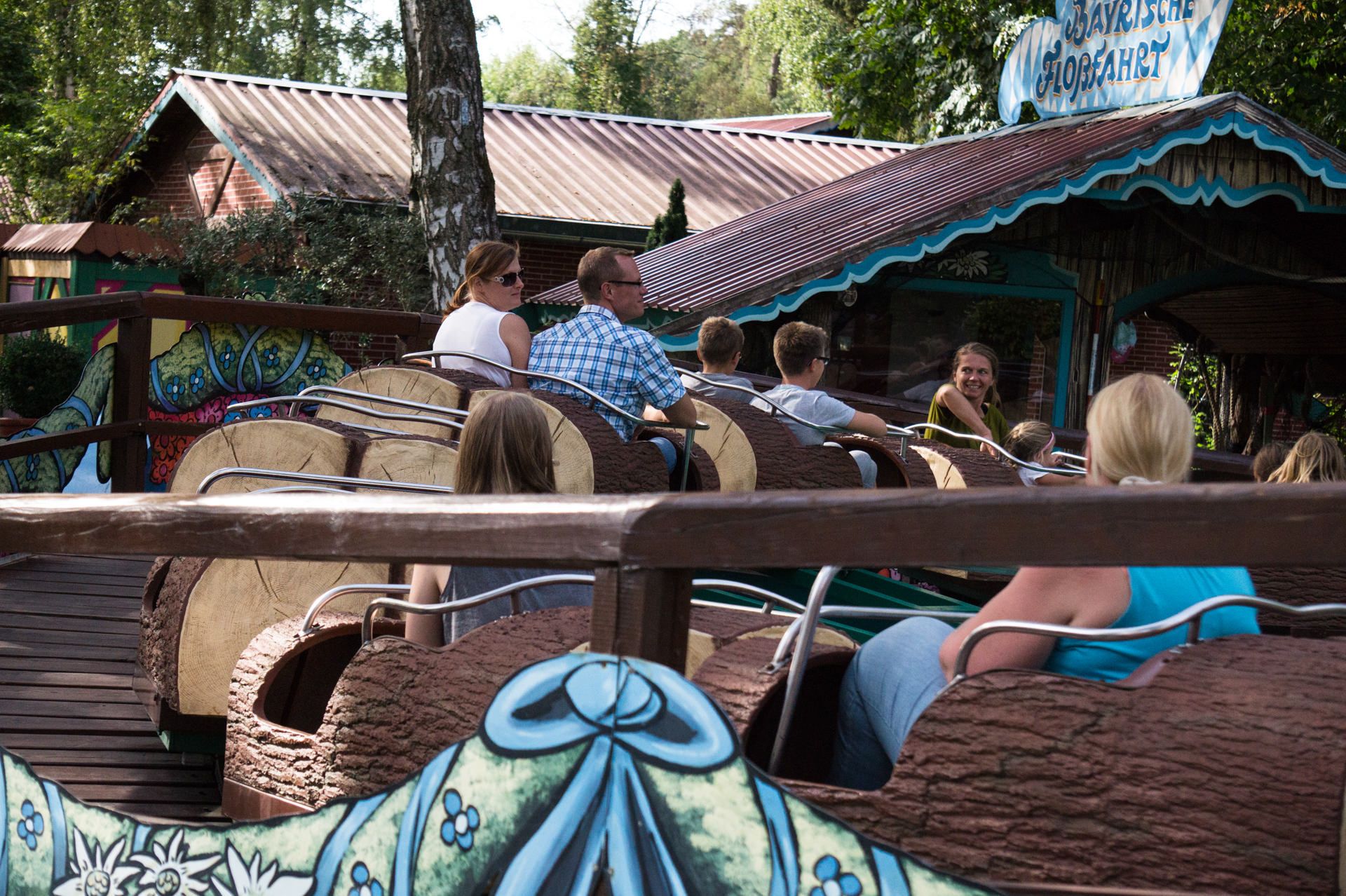
In addition to a 4D cinema, which is currently showing a film in the style of Jurassic Park, the Freizeit-Land Geiselwind also offers a number of flat trips, all of which have been well designed. However, only the Fränkische Weinfahrt (Franconian Wine Ride), a teacup ride, shows the regional reference of the park. Everything else is bavarian, which also keeps the gastronomy prices in a good range.

Pictures Freizeit-Land Geiselwind

Conclusion Freizeit-Land Geiselwind

The Freizeit-Land Geiselwind is a rather neat amusement park. The rides are all in a very good condition and generally appear to be very well maintained, as are the gardens. Despite the parcel-like division of the rides, the routing does not remind of the computer game Roller Coaster Tycoon, a state of affairs that can be experienced for example in the rear part of the Erse Park in Uetze, so that a harmonious overall impression is created. Although the origin of many of the rides cannot be denied, the impression of a permanent funfair is by no means created by the nice integration of the rides. At least, the Freizeit-Land Geiselwind easily manages to entertain its visitors for a few hours and offers a good price-performance ratio, which is why I would like to call the park Bavaria’s strongest piece of leisure, which makes the park’s slogan more accurate (but the competition in this federal state is very manageable).


What is your opinion about the amusement park Freizeit-Land Geiselwind? Just write them in the comment field below the report or in our social media channels: